Caneel Bay
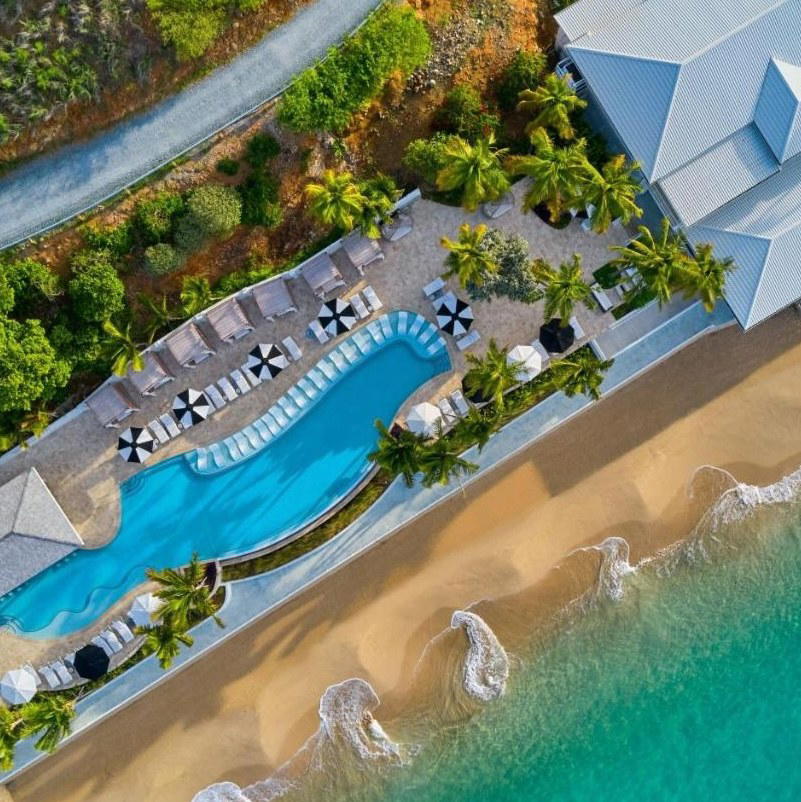
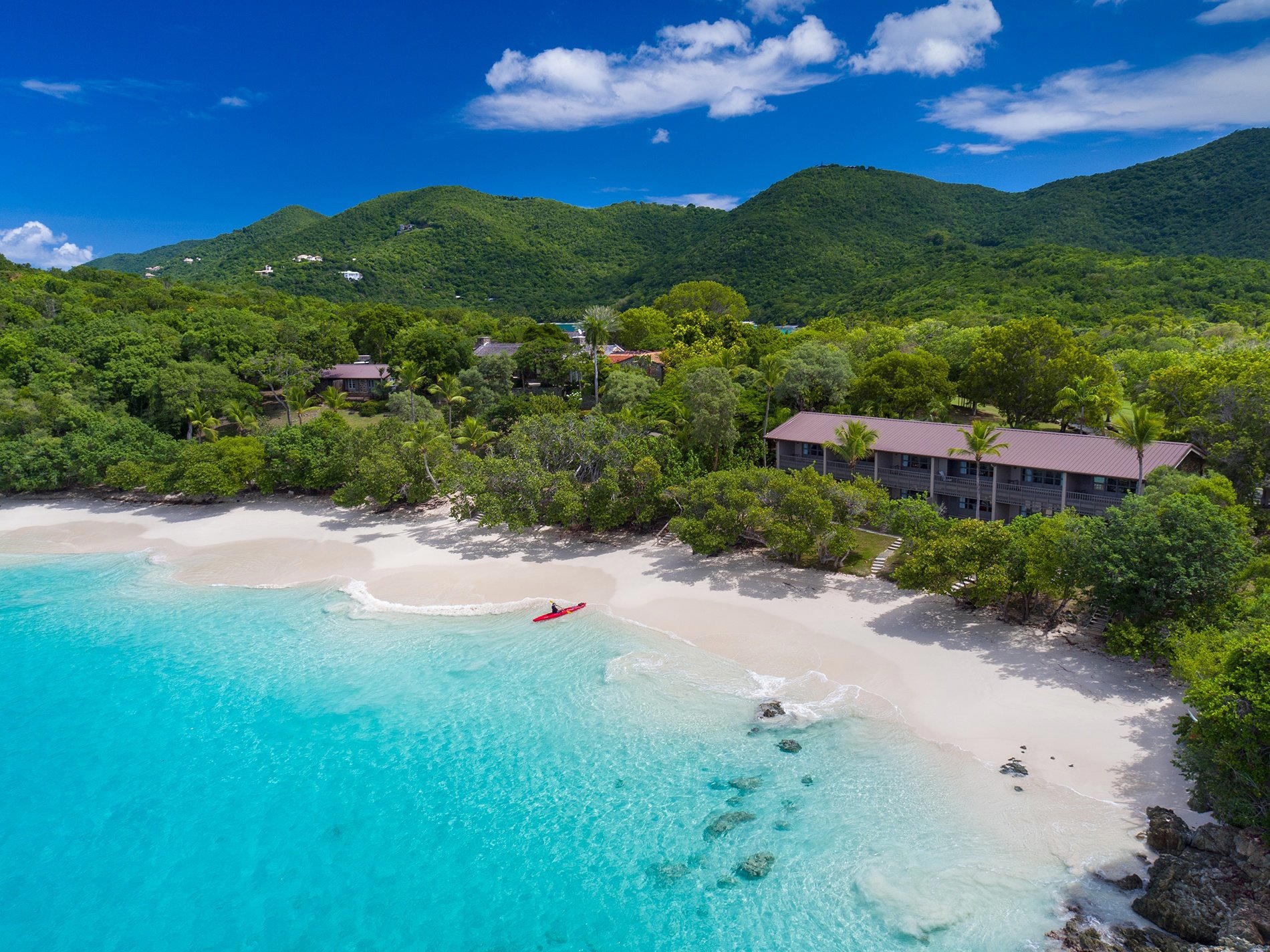
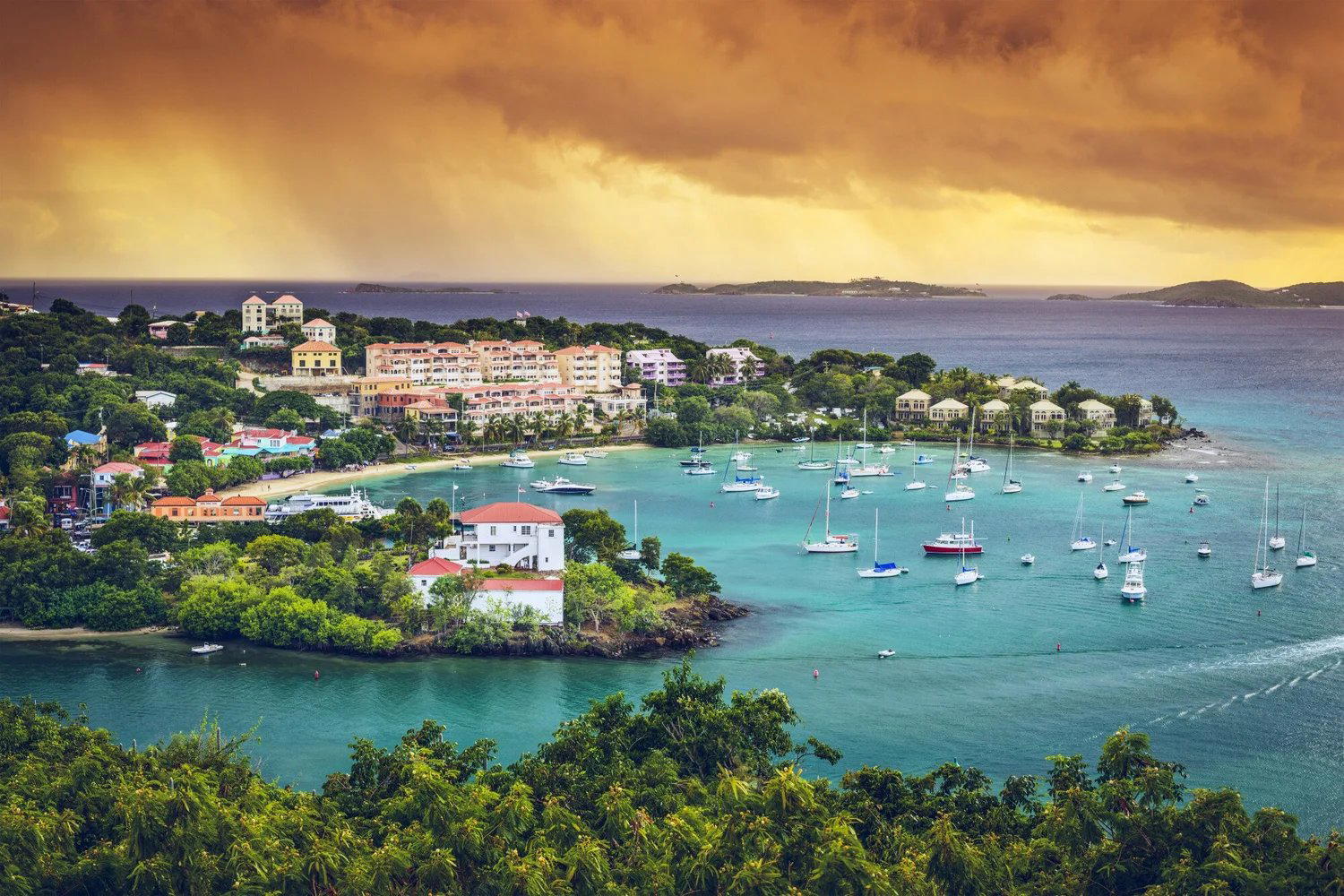
Caneel Bay occupies a storied peninsula on St John's northwest shore, where seven white-sand beaches meet the protected land of Virgin Islands National Park. The property sits at the quieter, more architecture-conscious end of USVI resort accommodation, with low-rise structures designed to recede into the landscape rather than dominate it. For travellers measuring value in seclusion and setting rather than room count, it represents a genuinely different proposition from the island's busier alternatives.
Pearl is the En Primeur Club membership app — saves, bookings, and concierge access live there. Same editors, same standards.
- Address
- St John 00830, USVI
- Directions
- Get directions
 Saves & bookings on Pearl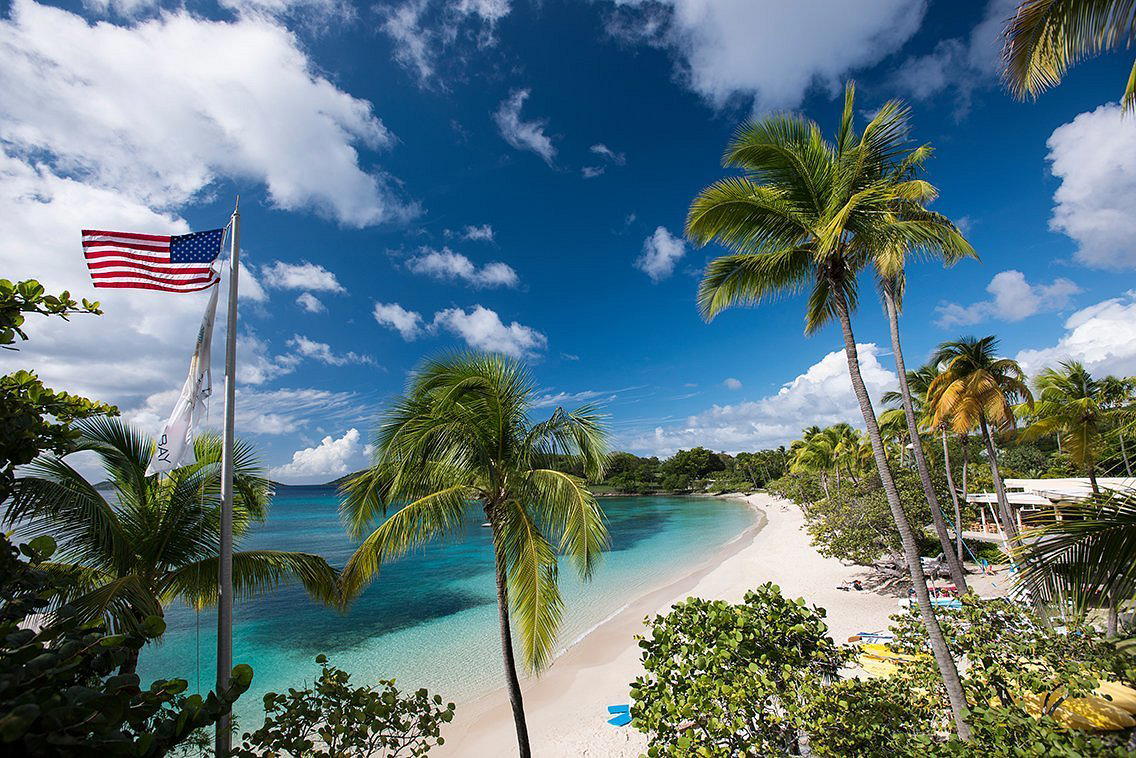
Where the Caribbean Stays Quiet
Most of the Caribbean's premium resort corridor runs on volume: flight connections, poolside programming, and the engineered busy-ness of a full-service hotel campus. Caneel Bay, on the northwestern shore of St John in the U.S. Virgin Islands, operates on a different premise. The property sits within Virgin Islands National Park, a designation that has kept roughly 60 percent of St John undeveloped for decades. That boundary condition is not incidental to the experience here; it is the experience. No other resort on the island shares this particular context, where federal conservation land forms the literal perimeter of the grounds.
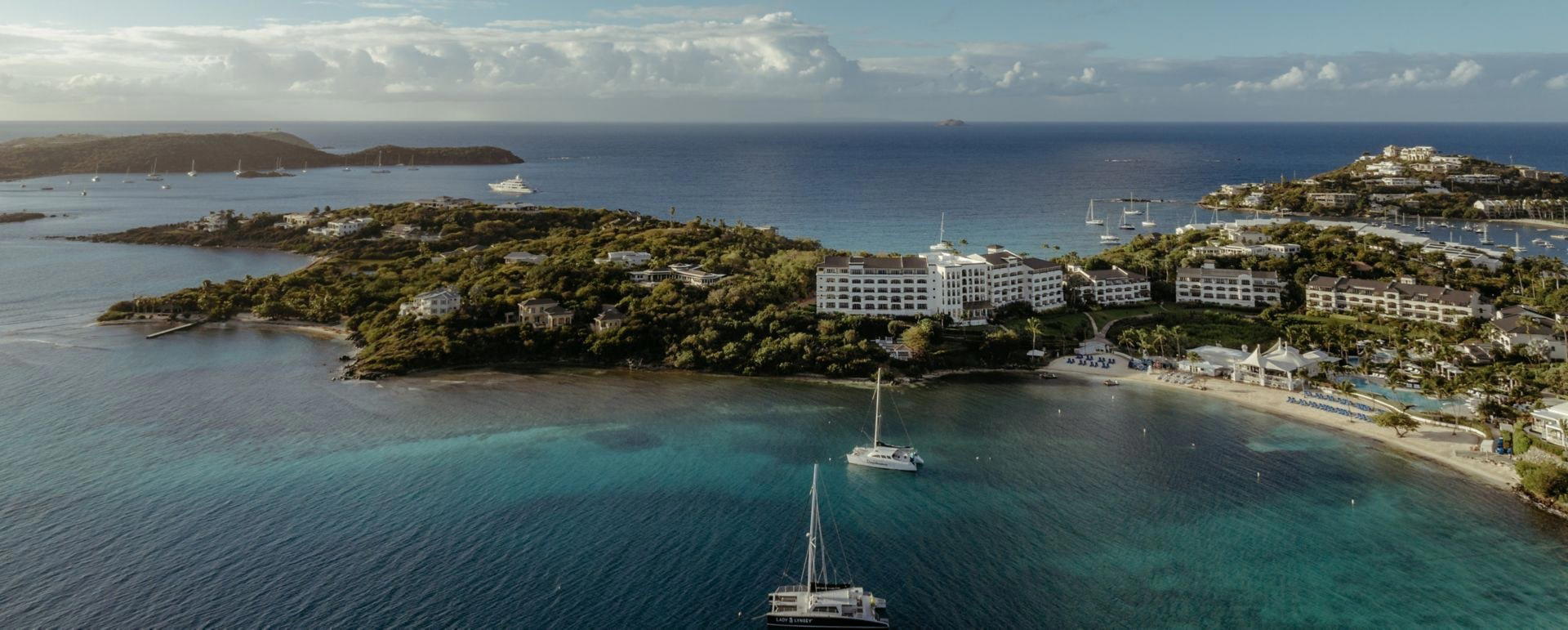
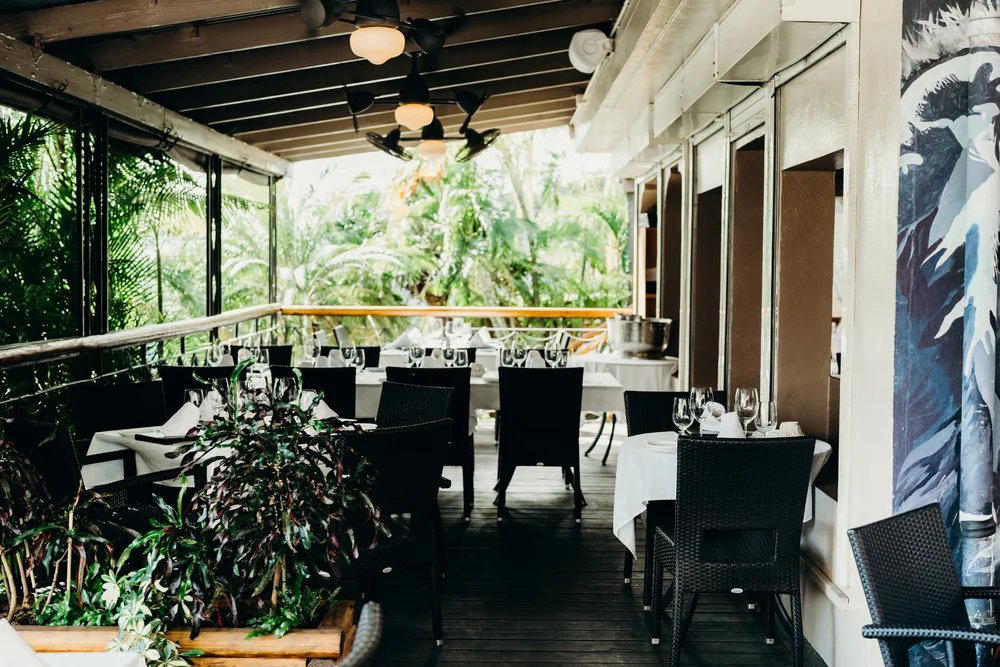
The architecture reads accordingly. Low-slung structures spread across seven beaches without stacking rooms into towers or concentrating guests into a central atrium. The design vocabulary draws from mid-century Caribbean resort planning, where buildings step back from the water rather than commanding it, and where open-air corridors and louvred pavilions do the work that enclosed, air-conditioned hallways do elsewhere. Laurance Rockefeller developed the property in the 1950s specifically to avoid the kind of resort footprint he considered extractive. The result is a campus where the physical structures defer to the natural setting rather than competing with it, a posture that has become increasingly rare as Caribbean luxury has trended toward bolder architectural statements.
Seven Beaches, One Design Logic
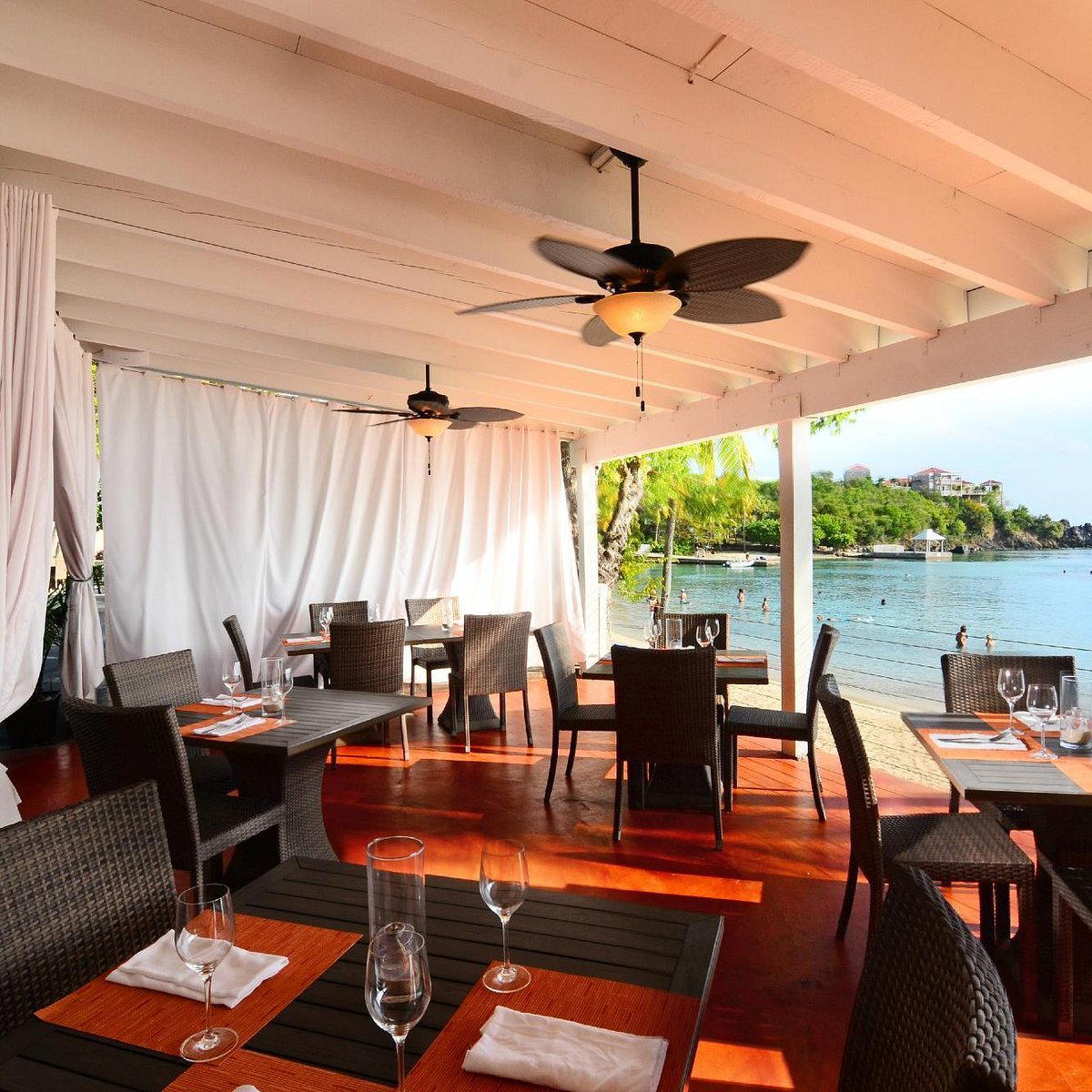
Among Caribbean resort properties that operate at comparable price positions, the multi-beach configuration at Caneel Bay is genuinely uncommon. Most luxury resorts in the region control one primary beach, two. Here, seven named beaches are accessible on foot or by hotel boat, each with a distinct orientation, wave pattern, and shade condition. Hawksnest Beach faces north and catches trade wind swells differently than Scott Beach, which curves south toward Cruz Bay. For guests whose itinerary centres on water rather than programming, this range functions as a practical differentiator: the beach suited to swimming in the morning may not be the one suited to a late afternoon read.
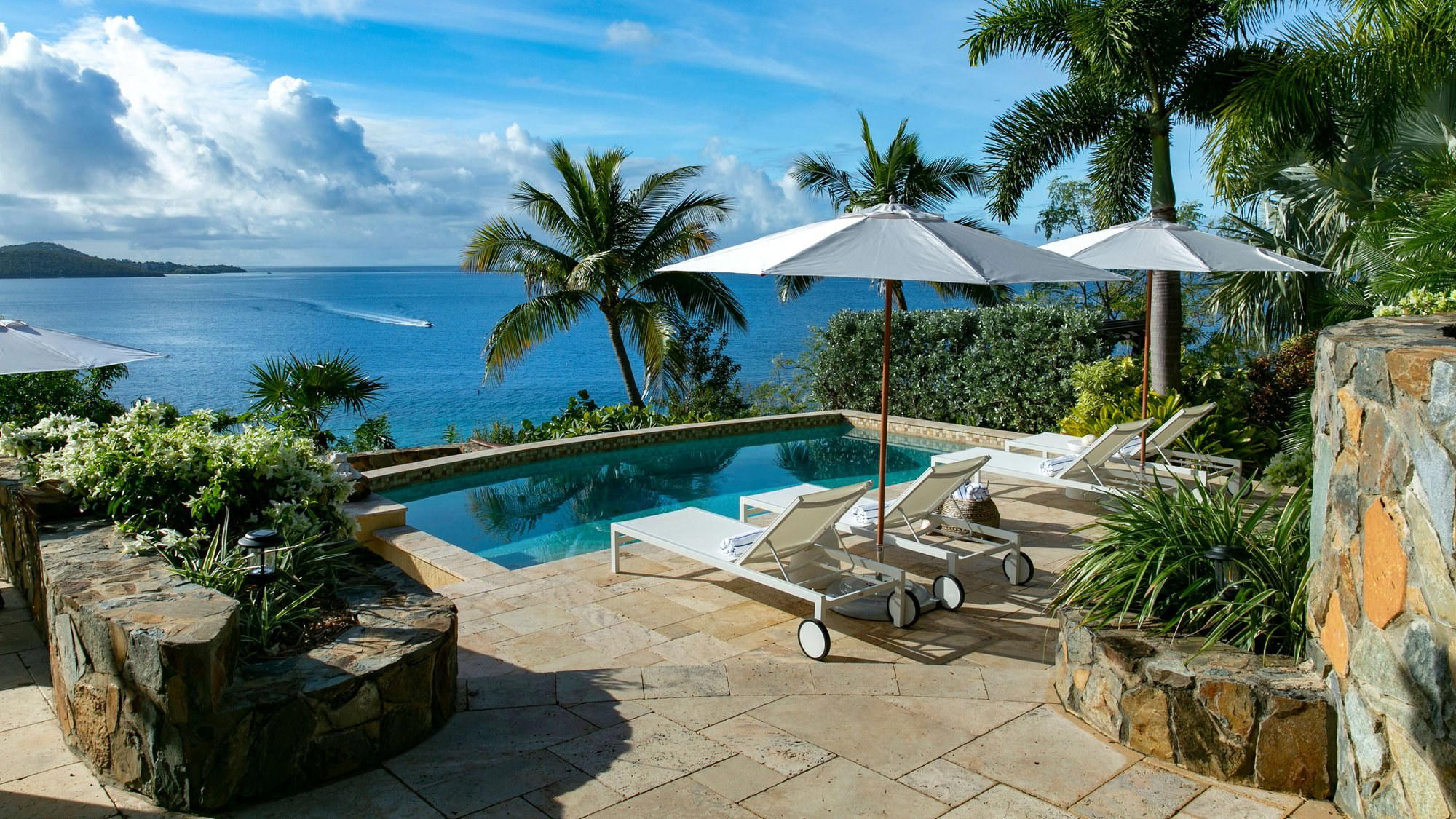
The room distribution across this landscape avoids clustering. Cottages and suites are sited to hold sightlines and buffer sound, which keeps density low even when the property is at capacity. That spatial logic connects directly to the park designation: development intensity has a hard ceiling set by the national park agreement, not just by management preference. Properties like Amangiri in Canyon Point operate under comparable conservation adjacency, where the surrounding protected land defines what the resort can and cannot become. In both cases, constraint functions as a design asset.
Positioning Within the USVI Market
The U.S. Virgin Islands luxury hotel market divides roughly into three tiers. At the upper end sit properties with international brand affiliations and full-service amenities across St Thomas and St Croix. The Ritz-Carlton, St. Thomas represents that cohort, with a marina address and the service infrastructure of a global chain. At the accessible end, smaller guesthouses and villa rentals cluster around Cruz Bay and Coral Bay on St John. Caneel Bay occupies a position between those poles: the scale and staffing of a full resort, but within a setting and a physical philosophy that rejects the conventions of branded luxury.
Across the broader Caribbean, the closest design-philosophy comparisons are properties where conservation context shapes architecture. Lovango Resort and Beach Club, also in the St John area, sits in a smaller-format, design-led niche, while The Buccaneer Resort in St. Croix offers a historic plantation-era property with a different kind of environmental narrative. Internationally, the instinct to build lightly within a significant landscape connects the hotel to properties like Hotel Esencia in Tulum and One&Only; Mandarina in Riviera Nayarit, where the design brief starts from landscape preservation rather than arrival spectacle.
The St John Context
St John is the smallest of the three main U.S. Virgin Islands and, for most visitors arriving via ferry from St Thomas, the one that requires the deliberate commitment to reach. The ferry from Charlotte Amalie or Red Hook takes between 20 and 45 minutes depending on departure point, and the island's road network is narrow and hilly once you arrive. Cruz Bay, the main entry point, is a walkable village with a concentration of restaurants and shops that serves as the island's social centre without resembling a resort town.
That logistical friction is worth naming because it self-selects for a particular kind of guest. Visitors to St John who choose a property like Caneel Bay over the more accessible hotel corridor on St Thomas are generally prioritising stillness and environment over convenience and programming. The national park covers about two-thirds of the island's land area, which means the development ceiling across St John as a whole is low, and the quietness of the natural setting is effectively protected by statute rather than by design aspiration alone.
Planning a Stay
Access to the hotel begins with the ferry crossing from St Thomas, making St Thomas's Cyril E. King Airport the practical arrival point for most international guests. St John has no commercial airport. Given the property's park location, the surrounding roads and trails connect directly to national park hiking, including the Reef Bay Trail and the Lind Point Trail above Cruz Bay, which adds a land-based layer to what is otherwise a water-focused itinerary.
Comparable Venues
Comparable venues nearby, for context on price, style, and recognition.
| Venue | Cuisine | Price | Awards | Notes |
|---|---|---|---|---|
| Caneel BayThis venue — the venue you are viewing | Environmentally friendly resort blending with national park landscape. | $$$$ | 5-Star | Not listed |
| Lovango Resort and Beach Club | Private island luxury resort with villas, treehouses, and glamping tents | $$$$ | Michelin 2 Key | Lovango Cay |
| The Ritz-Carlton, St. Thomas | Luxury beachfront resort with Club Level exclusivity | $$$$ | 5-Star | East End |
| The Buccaneer Resort St. Croix, U.S. Virgin Islands | Historic beach and golf resort with timeless elegance on a 340-acre estate | $$$$ | 4-Star | Christiansted |
| The Pink Palm Hotel | hillside boutique with restored historic buildings | $$$$ | 3-Star | Charlotte Amalie |
| Buoy Haus Beach Resort St Thomas Autograph Collection | Modern beachfront villas inspired by ocean ecosystem with private balconies. | $$$$ | Not listed | Southside |
At a Glance
- Quiet
- Romantic
- Elegant
- Scenic
- Sophisticated
- Honeymoon
- Romantic Getaway
- Family Vacation
- Anniversary
- Beachfront
- Panoramic View
- Pool
- Beach Access
- Fitness Center
- Wi Fi
- Room Service
- Waterfront
- Pool
- Beach Access
- Fitness Center
- Wi Fi
- Room Service
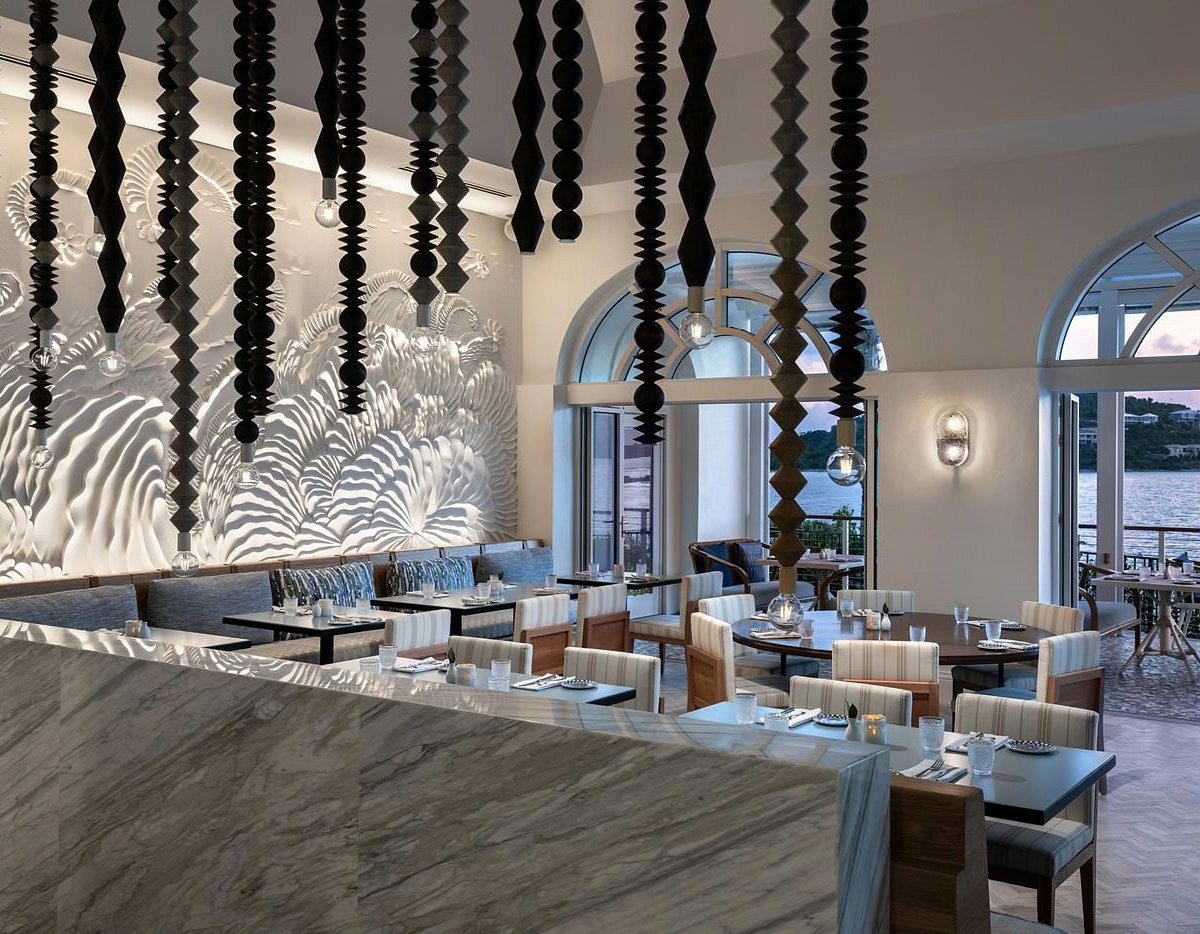
Profoundly serene and luxurious retreat with indirect lighting to enhance stargazing in a natural park setting.