The Buccaneer Resort St. Croix, U.S. Virgin Islands
The Buccaneer Resort occupies a former sugar plantation on St. Croix's northeastern shore, placing it among the Caribbean's longer-established resort properties. Its spread of hillside and beachfront accommodations, multiple dining outlets, and on-site golf course position it as a self-contained destination rather than a launching pad for elsewhere. For Christiansted visitors weighing resort scale against intimacy, it occupies the larger end of the island's lodging spectrum.
Pearl is the En Primeur Club membership app — saves, bookings, and concierge access live there. Same editors, same standards.
- Address
- 5007, Christiansted, 00824, U.S. Virgin Islands
- Phone
- +1 340 712 2100
- Website
- thebuccaneer.com
- Directions
- Get directions
 Saves & bookings on Pearl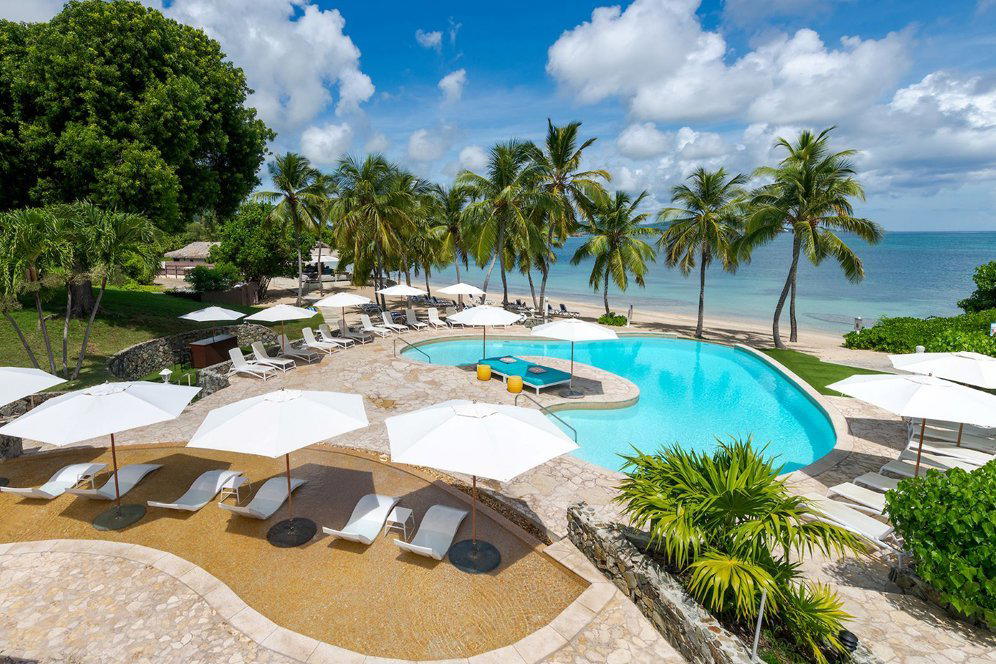
A Plantation Estate Recast as Resort: The Physical Logic of The Buccaneer
St. Croix sits at the quieter end of the U.S. Virgin Islands chain, and that relative calm is precisely why the island attracts a different traveler than the one drawn to Charlotte Amalie's duty-free bustle or the sailing crowds of Cruz Bay. On St. Croix's northeastern coast, roughly three miles east of Christiansted's pastel-painted waterfront, The Buccaneer Resort occupies a site with a layered history: the 340-acre property traces its roots to a 17th-century sugar plantation, and the traces of that past, stone walls, a restored windmill tower, terraced hillsides, inform the physical experience of arriving here more than any designed resort aesthetic could. The approach from Christiansted is itself telling. You don't pull up to a hotel lobby flanked by manicured tropical planting. You climb, the road rising through grounds that feel genuinely expansive, and the scale of what was once an agricultural estate becomes apparent before you've checked in.
Within the Caribbean resort category, properties tend to split between all-inclusive compounds optimized for volume and smaller, design-forward hideaways that trade scale for atmosphere. The Buccaneer occupies a distinct middle position: large enough to offer multiple beaches, a spa, tennis courts, and a golf course on a single property, but operating as a historically rooted resort rather than a branded international chain product. That independence matters architecturally. Without a global brand dictating design standards, the property's built environment reflects its actual history rather than a corporate interpretation of "Caribbean luxury." For regional comparisons, Caneel Bay in St John and Lovango Resort and Beach Club in St. John offer smaller, more design-curated alternatives across the water, while The Ritz-Carlton, St. Thomas in St. Thomas represents the branded, full-service end of the Virgin Islands spectrum.
The Architecture of a Working Estate
What makes The Buccaneer's physical environment worth examining is less any singular design gesture and more the way a genuine historical site creates spatial variety that a purpose-built resort rarely achieves. The 340-acre footprint encompasses hillside rooms with trade wind exposure, lower-elevation beachfront accommodations, and open-air structures that read more as plantation-era outbuildings than as hotel amenities blocks. The stone construction that appears throughout the property isn't decorative historicism, it reflects the actual building materials of St. Croix's sugar era, when Danish colonists and enslaved laborers constructed estate buildings from local coral limestone and ballast stone brought in by trading ships.
That material honesty gives the resort a textural quality that polished concrete-and-glass Caribbean builds don't replicate. The windmill tower, one of hundreds that once dotted St. Croix's plantation landscape and processed sugarcane, functions here as an architectural anchor rather than a novelty. On an island where the plantation past is inescapable and historically significant, the presence of these structures creates a more complicated visitor relationship with the setting than a beach-and-pool resort typically demands, which is either a strength or a complication depending on how a traveler prefers to engage with place.
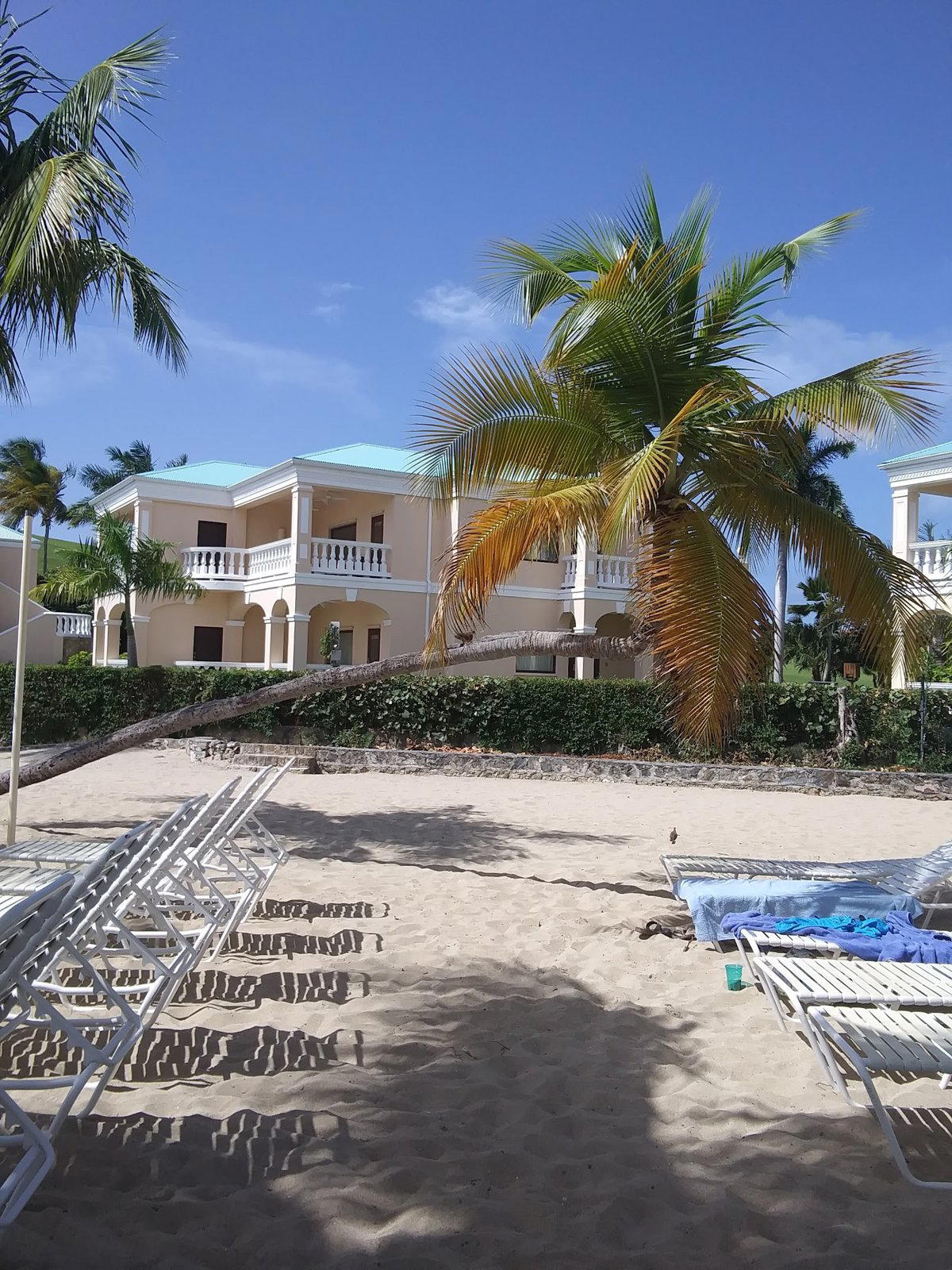
The spread of accommodation across a substantial hillside also means that room category correlates strongly with experience type. Higher-elevation rooms trade direct beach access for views and air circulation, while beachfront rooms sacrifice the panoramic perspective for immediate water proximity. At a property this size, the category decision shapes the stay significantly, a consideration that doesn't arise at the more compact properties that characterize much of the regional competition. Properties like Long Bay Beach Resort in Tortola, for instance, work with a tighter footprint where the tradeoffs are less pronounced.
Dining and the Self-Contained Resort Model
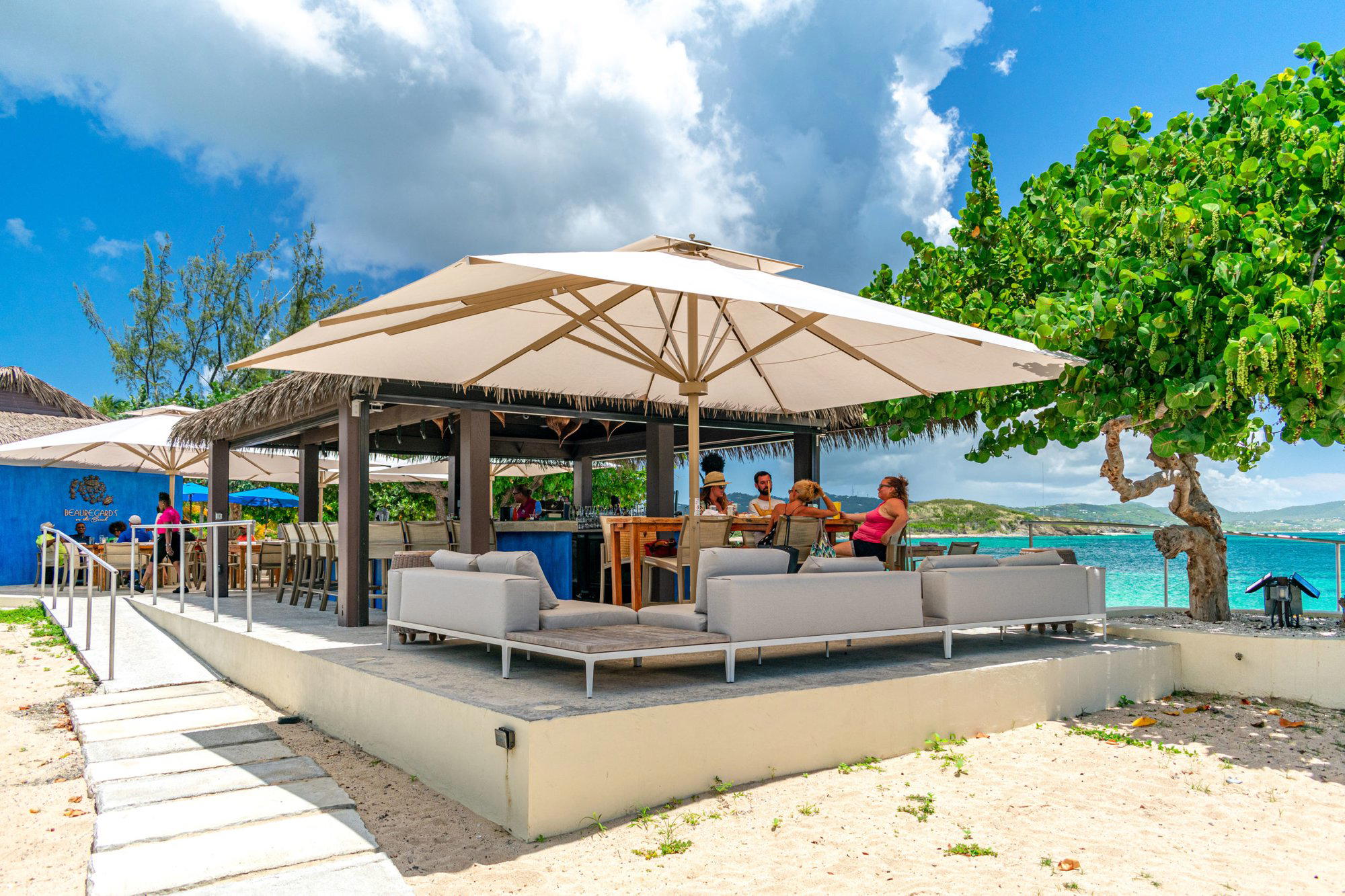
Resorts that operate on large historic estates often default to the self-contained model by necessity: the physical distance from town dining, combined with the amenity expectations of guests who have traveled to a destination property, creates pressure to offer food and beverage on-site at multiple price points and formats. The Buccaneer follows this pattern, with dining options that serve both resort guests and, at times, visitors from Christiansted. St. Croix's dining scene is modest by Caribbean standards, the island has never developed the restaurant density of, say, San Juan or Gustavia, which raises the stakes for what resort dining delivers.
For travelers referencing against international benchmarks, the self-contained resort dining model at this scale is a middle-ground category: not the destination-restaurant intensity of properties like Cheval Blanc Paris in Paris or Hotel Du Cap-Eden-Roc in Cap d'Antibes, and not the bare-bones approach of boutique properties where guests are expected to seek food off-site. The Buccaneer's dining infrastructure serves the practical function of keeping guests fed and comfortable across a multi-day stay without requiring logistical planning for every meal.
St. Croix as a Destination Choice
Choosing St. Croix over St. Thomas or St. John is itself a statement about travel preference. The island has no cruise ship terminal at scale, limited direct flight options compared to St. Thomas, and a pace that attracts repeat visitors who know what they're getting rather than first-time Caribbean travelers working off a shortlist. Christiansted's small-town waterfront, with its National Historic Site designation covering the Danish colonial fort and surrounding district, offers a more substantive cultural context than most Caribbean towns provide. The 45-minute drive across the island to Frederiksted adds another dimension, passing through the agricultural interior that still distinguishes St. Croix from its more tourist-saturated neighbors.
For guests choosing The Buccaneer specifically, the resort's location east of Christiansted puts it within easy reach of the town's restaurants and waterfront while maintaining the physical separation that a true resort stay implies. The on-site golf course, a relative rarity in the smaller Caribbean islands, extends the resort's self-sufficiency for guests who want activity without leaving the property.
Against the broader field of premium Caribbean lodging, The Buccaneer positions itself through historical depth and physical scale rather than design curation or branded luxury. Travelers drawn to the latter should look at The Ritz-Carlton, St. Thomas in St. Thomas or consider properties further afield, from Hotel Esencia in Tulum to One&Only; Mandarina in Riviera Nayarit, where the design proposition is more deliberately articulated. What The Buccaneer offers instead is a genuinely place-specific resort experience on an island that resists easy categorization, which, for a certain kind of traveler, is the more compelling argument.
Planning Your Stay
The Buccaneer is accessible from Christiansted via a short drive east along the coastal road, or, for arriving guests, from Henry E. Rohlsen Airport on the island's south coast, a transfer of roughly 30 to 40 minutes depending on traffic through the town. St. Croix's high season runs from mid-December through April, with the shoulder months of May and November offering reduced demand and lower rates across island accommodation. Hurricane season peaks from August through October, a period when travel insurance becomes a practical consideration for any Eastern Caribbean booking. Direct flights to St. Croix operate from select U.S. mainland gateways, though many routes connect through San Juan or St. Thomas.
Comparable Spots, Quickly
Comparable venues nearby, for context on price, style, and recognition.
| Venue | Cuisine | Price | Awards | Notes |
|---|---|---|---|---|
| The Buccaneer Resort St. Croix, U.S. Virgin IslandsThis venue — the venue you are viewing | Historic beach and golf resort with timeless elegance on a 340-acre estate | $$$$ | 4-Star | Not listed |
| Caneel Bay | Environmentally friendly resort blending with national park landscape. | $$$$ | 5-Star | Caneel Bay |
| The Pink Palm Hotel | hillside boutique with restored historic buildings | $$$$ | 3-Star | Charlotte Amalie |
| The Ritz-Carlton, St. Thomas | Luxury beachfront resort with Club Level exclusivity | $$$$ | 5-Star | East End |
| Buoy Haus Beach Resort St Thomas Autograph Collection | Modern beachfront villas inspired by ocean ecosystem with private balconies. | $$$$ | Not listed | Southside |
| Lovango Resort and Beach Club | Private island luxury resort with villas, treehouses, and glamping tents | $$$$ | Michelin 2 Key | Lovango Cay |
Continue exploring
More in Christiansted
Bars in Christiansted
Browse all →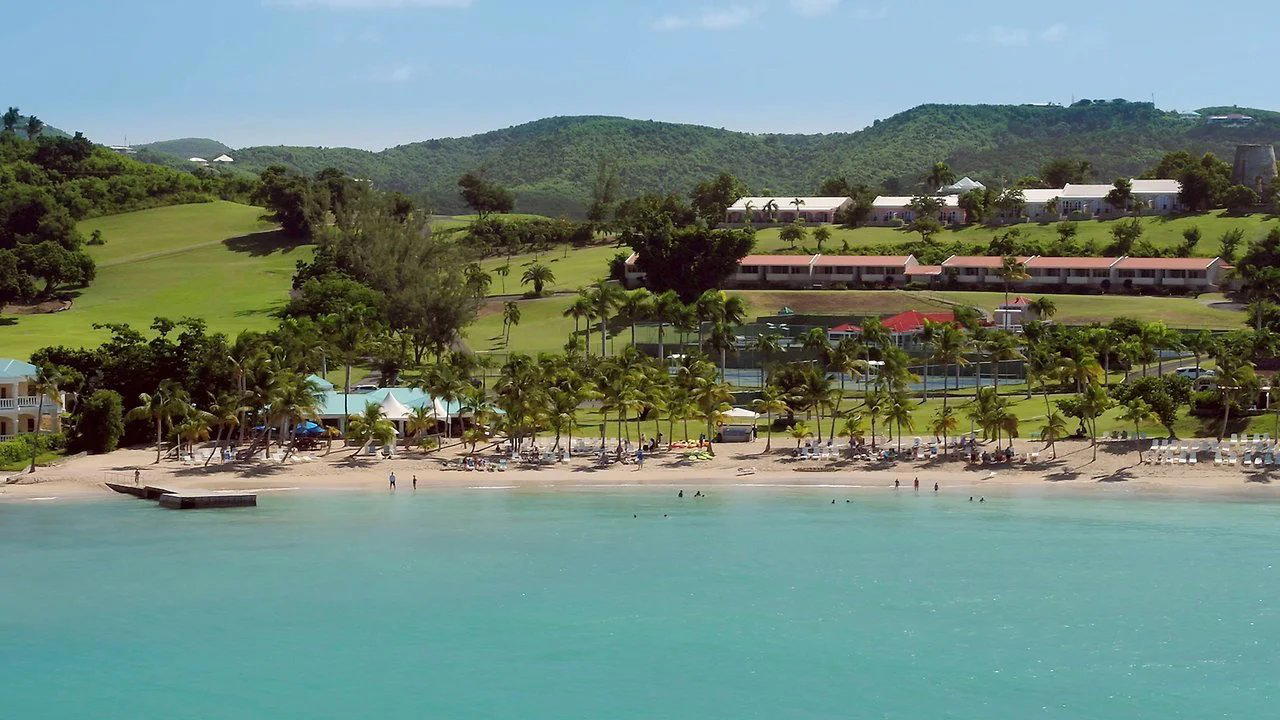

At a Glance
- Romantic
- Scenic
- Elegant
- Classic
- Sophisticated
- Honeymoon
- Family Vacation
- Romantic Getaway
- Destination Wedding
- Weekend Escape
- Beachfront
- Golf Course
- Infinity Pool
- Historic Building
- Panoramic View
- Pool
- Spa
- Fitness Center
- Room Service
- Concierge
- Tennis
- Beach Access
- Golf Course
- Kids Club
- Waterfront
- Pool
- Spa
- Fitness Center
- Room Service
- Concierge
- Tennis
- Beach Access
- Golf Course
- Kids Club
Timeless island charm blending modern luxury with historic elegance, featuring spacious rooms with private patios overlooking scenic Caribbean views and relaxed tropical surroundings.