Calistoga Ranch, Auberge Collection
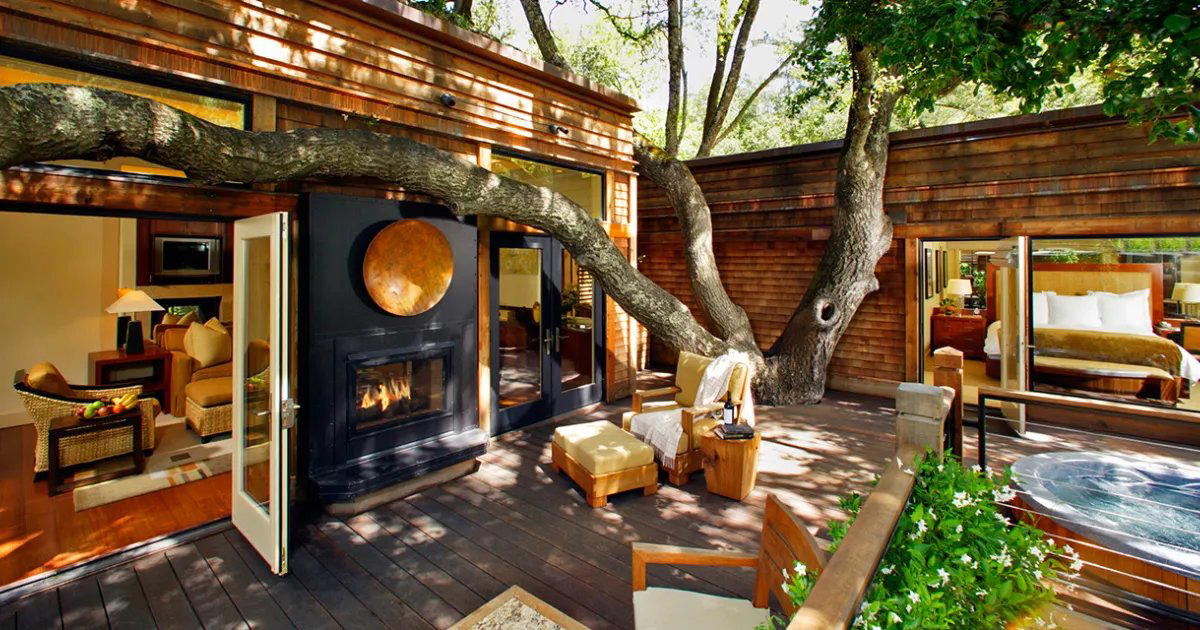
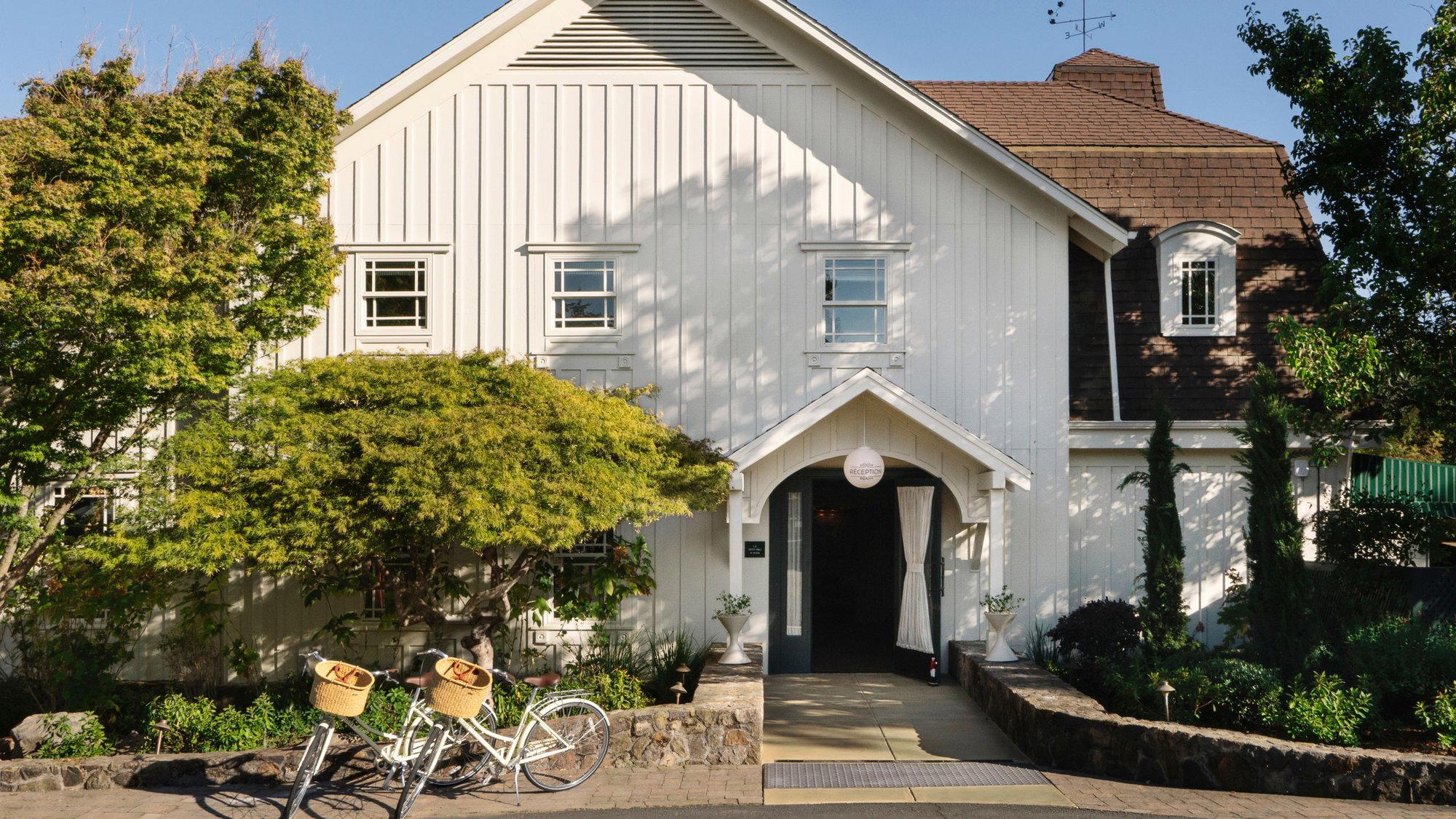
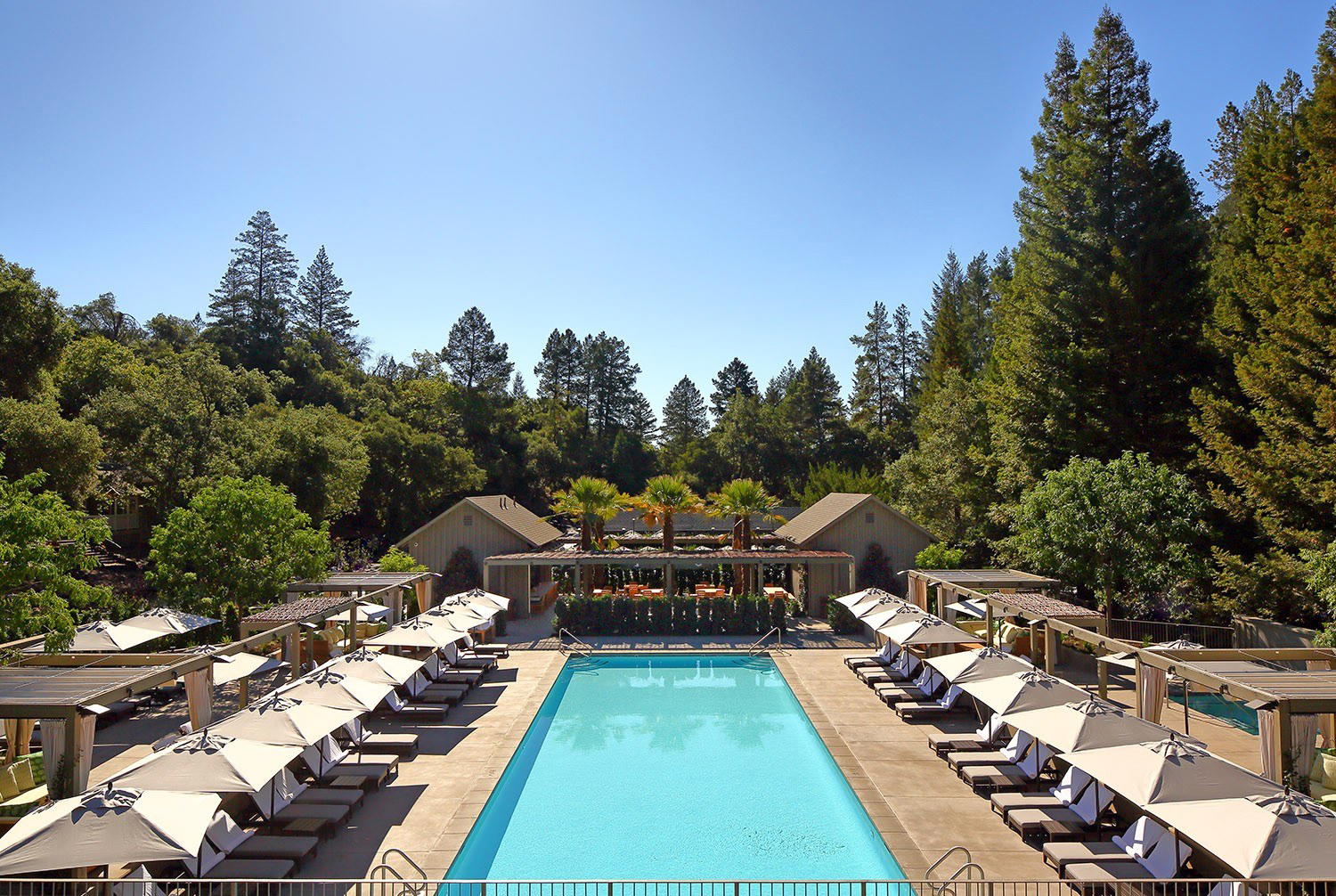
Set along a private canyon creek in the northern reaches of Napa County, Calistoga Ranch belongs to the Auberge Resorts Collection's small cohort of properties where the landscape does the architectural work. Lodge-style accommodations sit within forested grounds, positioning the property closer to wilderness retreat than conventional wine-country hotel. It is a measured alternative to the valley's more formal estate properties.
- Address
- 580 Lommel Rd, Calistoga, CA 94515
- Directions
- Get directions
A Canyon Sets the Terms
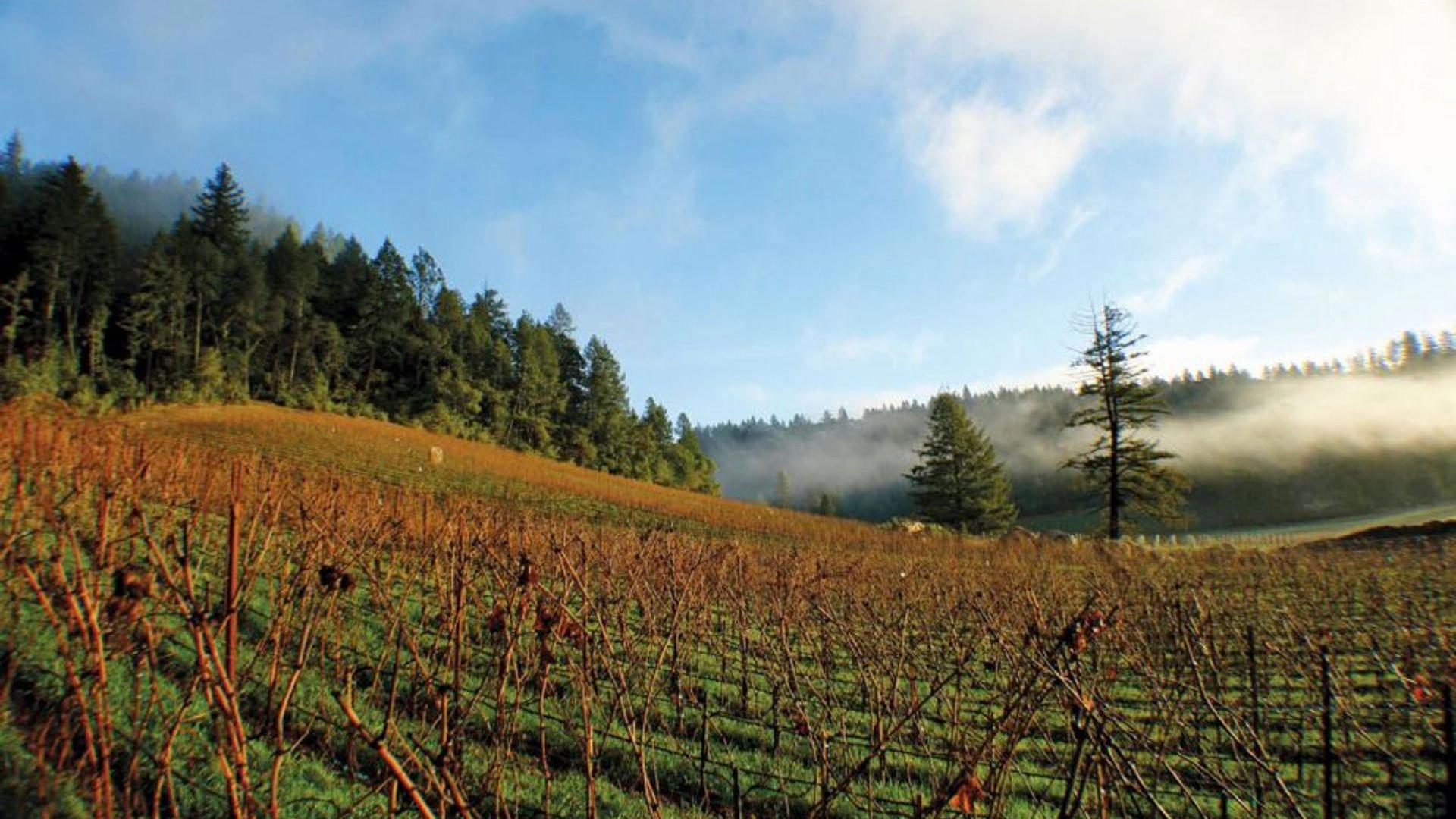
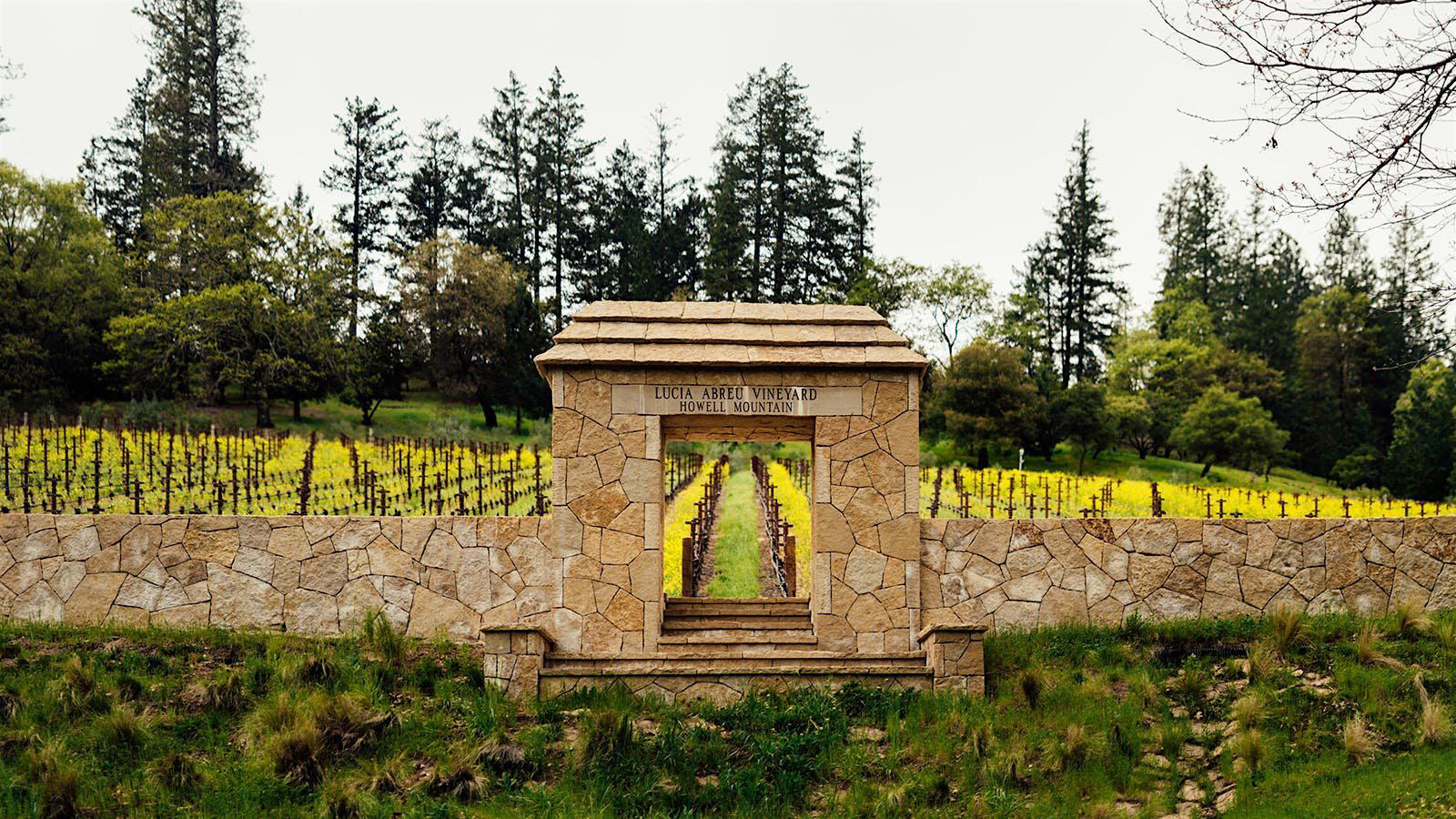
The upper Napa Valley has long attracted a different kind of property than the manicured estate hotels that define the valley floor. At its northern edge, near the geothermal town of Calistoga, the terrain shifts: volcanic hillsides, dense oak and madrone groves, and seasonal creek beds replace the orderly vine rows of Yountville and Oakville. Calistoga Ranch, part of the Auberge Resorts Collection, was designed to work with that terrain rather than against it. The result is a property whose physical character is defined less by interior design gestures than by what surrounds it: a private canyon, a creek, and several hundred acres of protected land that impose their own aesthetic logic on everything built within them.
That positioning places Calistoga Ranch in a specific tier of American wilderness-adjacent luxury, alongside properties like Amangiri in Canyon Point, Post Ranch Inn in Big Sur, and Amangani in Jackson Hole, where the site itself functions as the primary architectural element. Each of these properties asks guests to accept the landscape as the dominant design decision. Calistoga Ranch makes that argument in a wine-country context, which means the setting is more intimate and less severe than high-desert or cliff-side peers, but the underlying philosophy is consistent: the built environment defers to the natural one.
Architecture as Deference
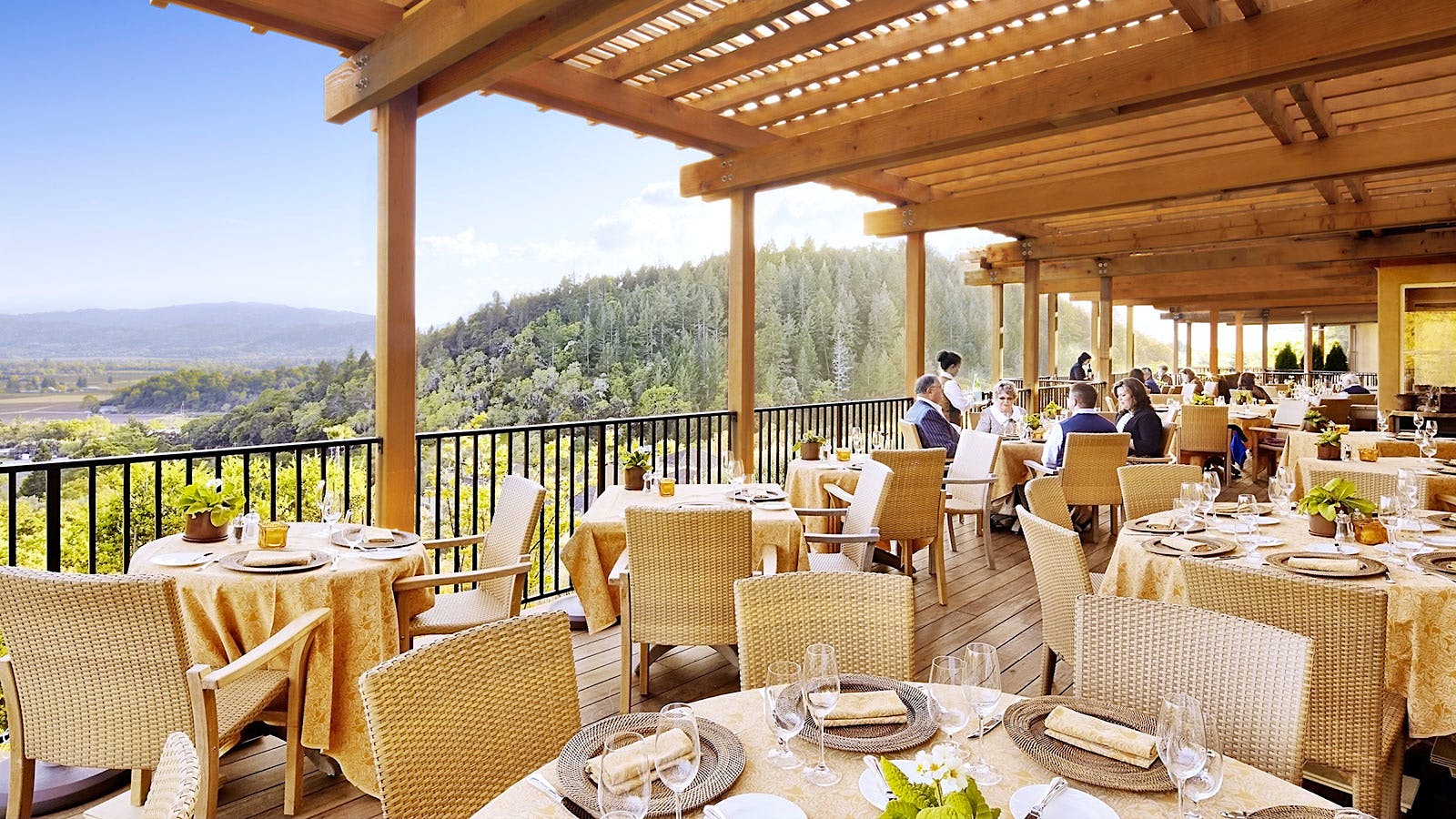
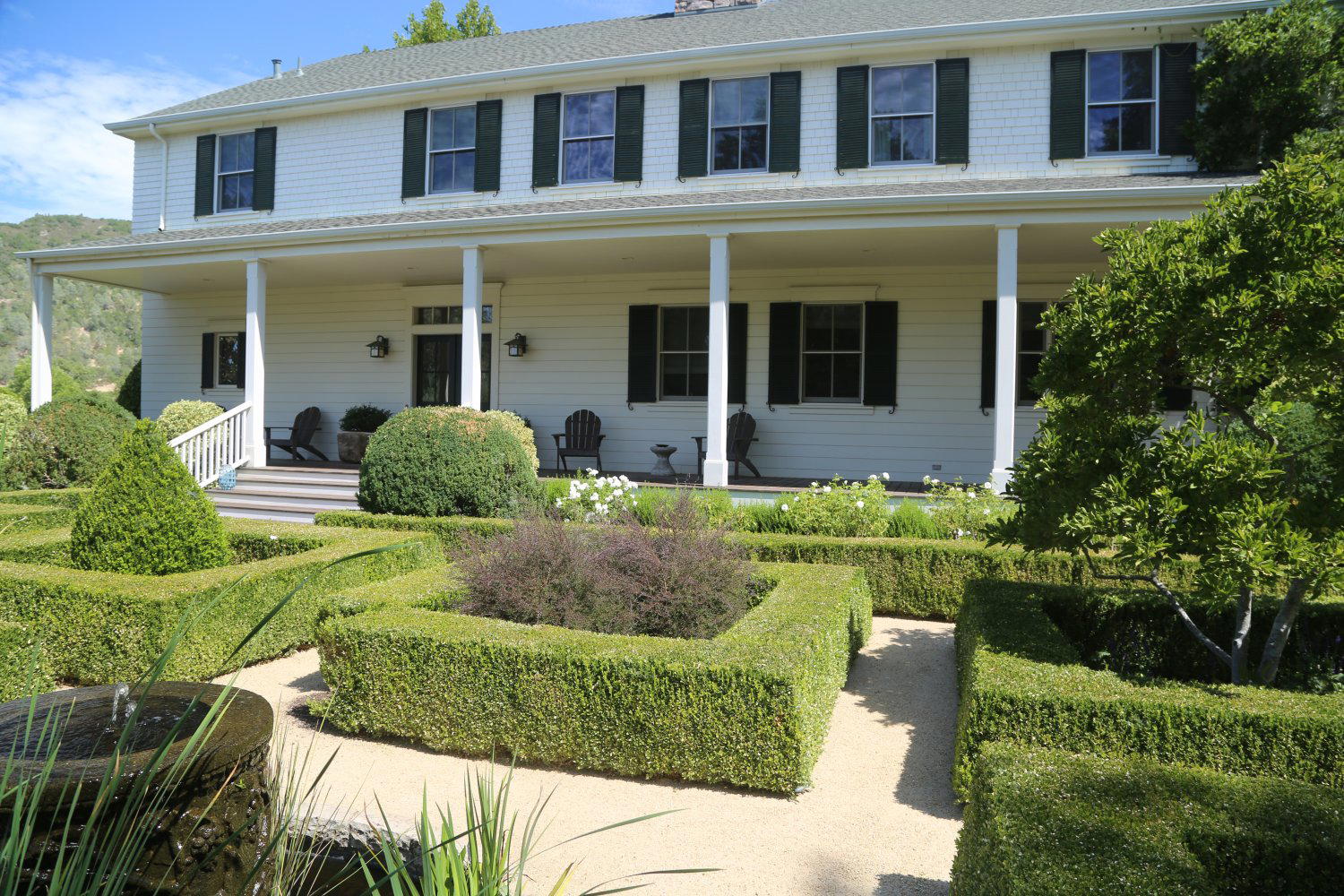
The lodge-style structures at Calistoga Ranch follow a design logic common to a generation of high-end naturalist properties built in the early 2000s: materials drawn from the immediate region, low profiles that avoid competing with the tree canopy, and the deliberate avoidance of the grand-lobby moment that signals conventional luxury. Where properties like Hotel Bel-Air in Los Angeles or The Fifth Avenue Hotel in New York City deliver their design statement through interiors, Calistoga Ranch routes that energy outward. The private lodge accommodations are positioned to maximize exposure to the canyon setting, with outdoor spaces that function as primary living areas for much of the year, given the favorable Northern California climate.
This approach puts the property in conversation with a broader movement in American luxury hospitality that prioritizes environmental integration over architectural spectacle. Ambiente in Sedona pursues a similar argument in a high-desert context. Sage Lodge in Pray, Montana applies related thinking to a riverfront site. What distinguishes the Calistoga application is the layering of wine-country access on top of the wilderness premise: guests are simultaneously in a remote creek canyon and within direct reach of some of California's most consequential appellations.
The Napa Upper Valley Context
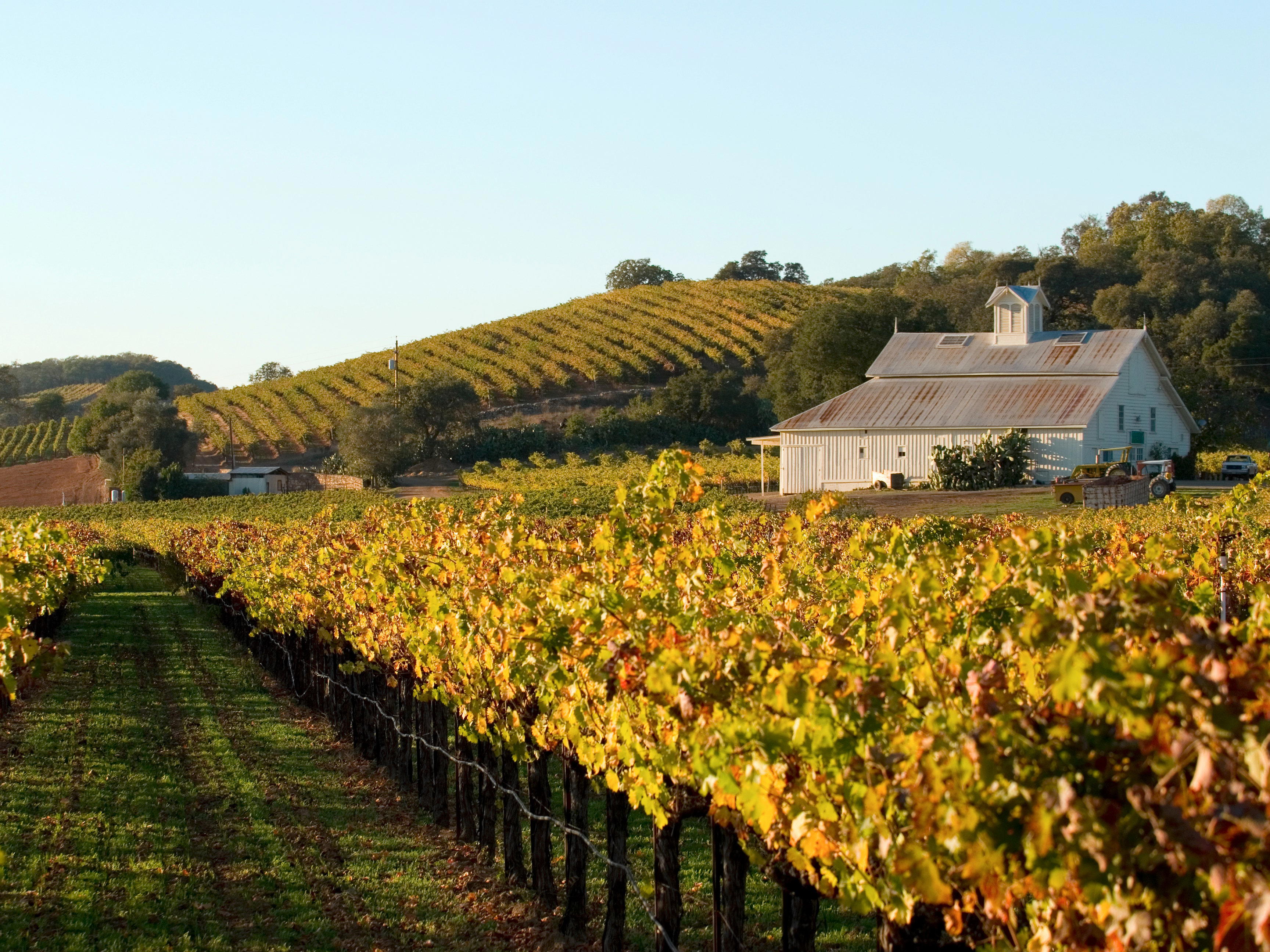
Calistoga as a destination sits somewhat apart from the Napa Valley mainstream. The town has historically attracted visitors for its hot springs and mud baths rather than for fine dining or trophy tasting rooms, and the surrounding AVA, while home to serious Cabernet and Zinfandel producers, carries less name-recognition cachet than Rutherford or Oakville farther south. That relative quietness is, for a segment of visitors, the point. The northern end of the valley moves at a different pace, and properties positioned there attract guests who have already done the valley-floor circuit and are looking for something less curated.
For wine travel specifically, the Calistoga appellation offers direct access to producers working with the volcanic soils that distinguish the sub-region, alongside the broader Napa County context covered in our full Napa County restaurants guide. The Auberge Collection's presence in the valley spans both registers: the original Auberge du Soleil operates closer to Rutherford, with terrace dining and views across the valley floor, while Calistoga Ranch represents the collection's more secluded, terrain-led position. The two properties address genuinely different itineraries and guest profiles rather than competing directly.
Guests seeking a comparable level of seclusion with a farm-to-table agricultural dimension might also consider SingleThread Farm Inn in Healdsburg or Blackberry Farm in Walland, both of which apply the land-connected hospitality model in different regional settings. Bernardus Lodge in Carmel Valley provides a coastal California counterpoint, combining wine-country adjacency with a more conventionally resort-oriented format.
Who This Property Serves
The guest profile at canyon-set, low-density properties like this one tends toward couples or small groups seeking structured decompression rather than programmatic activity. The calculus is different from a property like Canyon Ranch Tucson, where wellness programming drives the itinerary, or Troutbeck in Amenia, where a historic literary estate is the primary draw. Calistoga Ranch sits in a space where the landscape and the wine-country access together constitute the offering, and the property infrastructure exists to support access to both rather than to generate its own internal program of events.
That restraint is a design choice as much as an architectural one. Properties in this tier, including Little Palm Island Resort in Little Torch Key and Kona Village in Kailua Kona, have built their identity around the proposition that the setting is sufficient and that programming would dilute rather than enhance it. The risk of that approach is that guests who arrive expecting a conventional resort experience may find the quietness disorienting. The reward, for guests aligned with the premise, is a degree of immersion in the physical environment that more programmatically dense properties cannot provide.
Those interested in comparing the model against urban luxury should note that the Auberge Collection's approach at Calistoga Ranch represents the naturalist end of a spectrum that includes city-based properties like Raffles Boston and Aman New York, where design authority is exercised through interiors and service density rather than landscape integration. Neither end of that spectrum is categorically superior; they serve different travel intentions.
Planning a Stay
Calistoga sits at the northern end of the Napa Valley, approximately 75 miles north of San Francisco via Highway 29 or the Silverado Trail, both of which offer substantially different drives through the valley. The Silverado Trail route passes through vineyards with less commercial traffic and is the preferred approach for guests arriving from the south with time to spare. The property address at 580 Lommel Road places it away from Calistoga's main street, requiring a short drive from town. Booking should be approached as it would be for any Auberge Collection property: lead times of several weeks to months are advisable for peak season stays, which in Napa County runs roughly from late spring through harvest in October. Shoulder-season visits in winter and early spring offer both reduced rates and a canyon setting that reads differently under rain and low cloud than it does in dry summer conditions. Guests pairing a stay with extensive tasting appointments should plan those bookings separately and in advance, as the most sought-after Calistoga-area producers operate on allocation or appointment-only schedules. For those extending the trip northward, Poetry Inn offers a contrasting Napa County experience worth considering alongside any upper-valley itinerary.
A Quick Peer Check
| Venue | Price | Awards |
|---|---|---|
| Calistoga Ranch, Auberge CollectionThis venue — the venue you are viewing | Not listed | Not listed |
| Aman New York | Not listed | 3 Michelin Keys · World's 50 Best #87 |
| Amangiri | $1,000–1,500 | 3 Michelin Keys · World's 50 Best #45 |
| Hotel Bel-Air | $750–1,000 | 3 Michelin Keys · World's 50 Best #57 |
| The Beverly Hills Hotel | Not listed | 3 Michelin Keys · World's 50 Best #65 |
| The Carlyle, A Rosewood Hotel | $1,500–2,500 | 2 Michelin Keys · World's 50 Best #64 |
Continue exploring
More in Calistoga
Hotels in Calistoga
Browse all →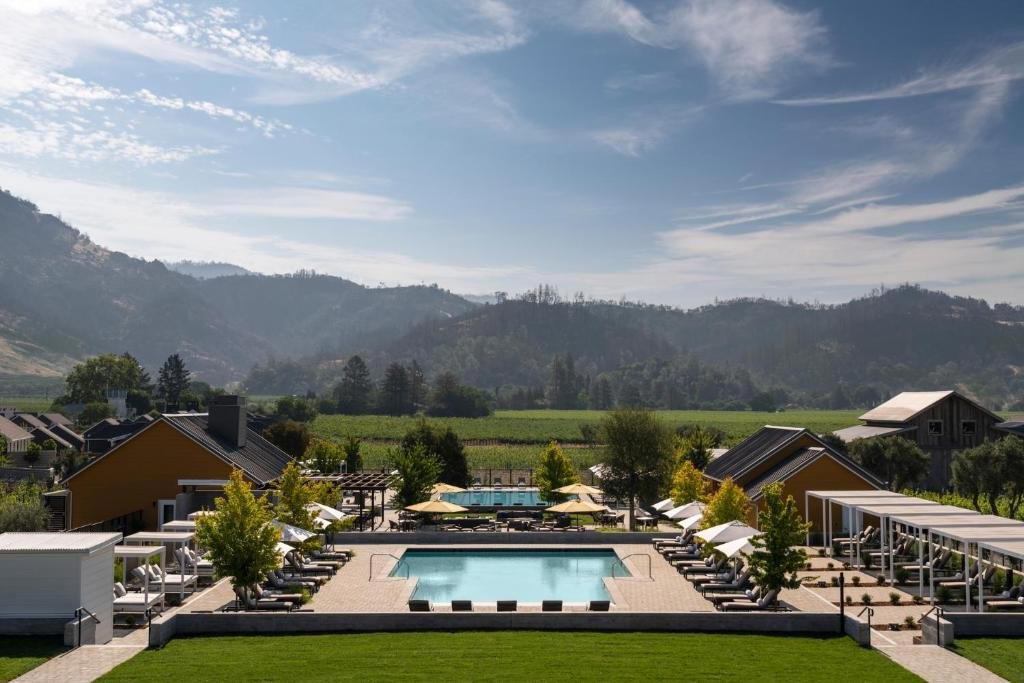
Bars in Calistoga
Browse all →
Restaurants in Calistoga
Browse all →
Details
- Romantic
- Scenic
- Rustic
- Elegant
- Sophisticated
- Honeymoon
- Romantic Getaway
- Wellness Retreat
- Weekend Escape
- Infinity Pool
- Destination Spa
- Panoramic View
- Wi Fi
- Pool
- Spa
- Fitness Center
- Room Service
- Concierge
- Valet Parking
- Mountain
- Vineyard
- Wheelchair Accessible
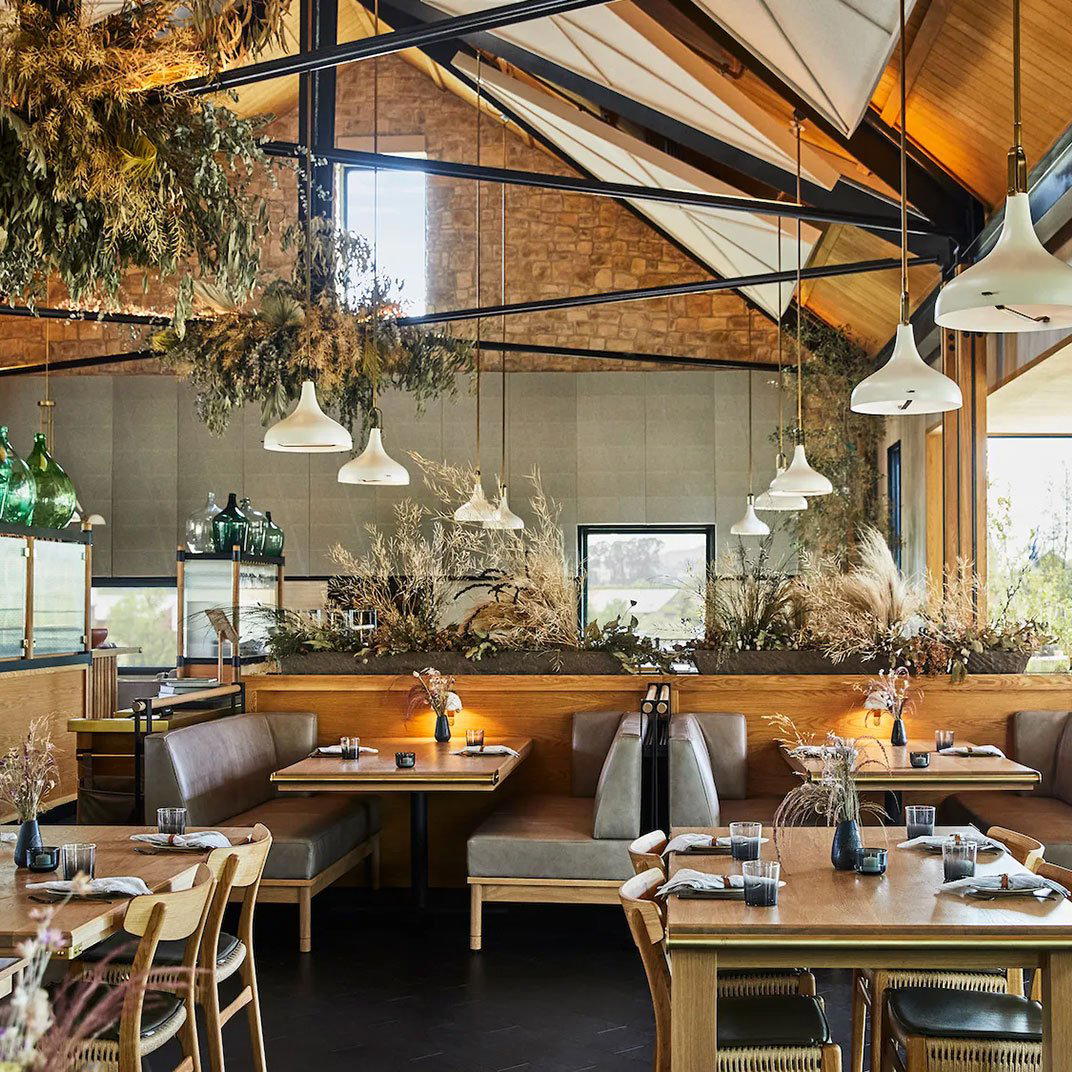
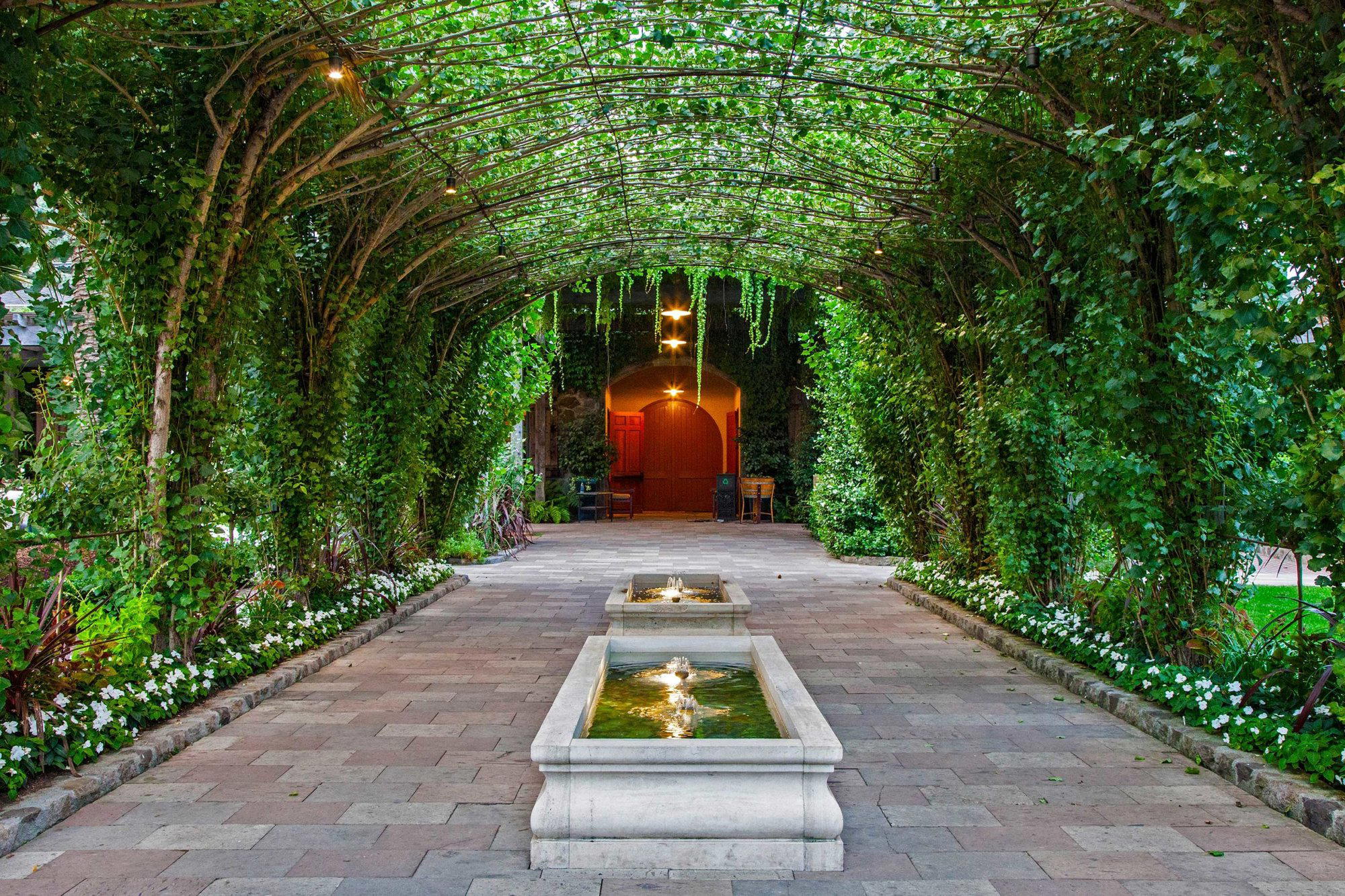
Secluded and serene with natural materials, rich hardwoods, and outdoor living spaces blending forest surroundings into a luxurious, tranquil retreat.