Our verdict
Cafeteria belongs to Gramado’s more casual food circuit, a useful counterpoint to the city’s polished hotel dining rooms and European-leaning restaurants. Its relevance is less about awards or chef mythology than about how Serra Gaúcha eating culture turns dairy, bread, coffee, chocolate, preserves, and cold-weather comfort into an everyday format.

Pearl is the En Primeur Club membership app, where members save venues, book tables and use the concierge.
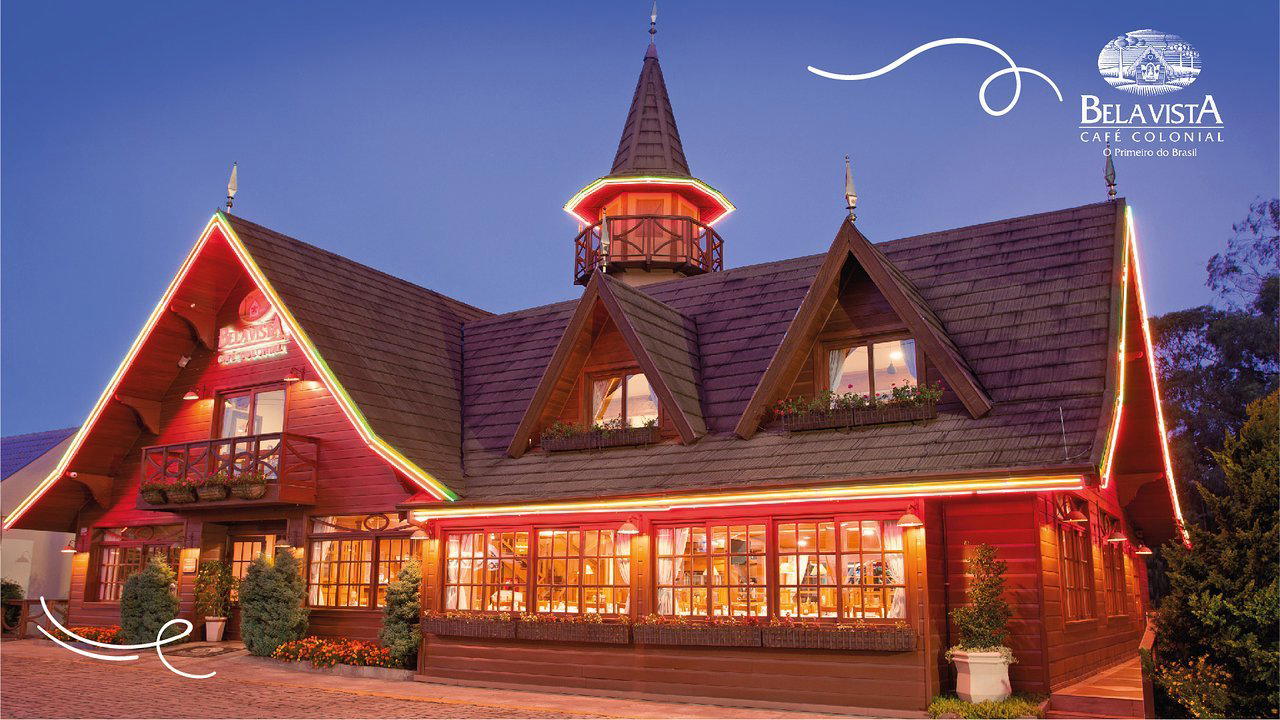
The approach to eating in Gramado is shaped by cool weather, comfort, dairy, and a tourism economy that has learned to package European memory for Brazilian weekends. Before the dining room matters, the setting does: Gramado has informal stops, family attractions, and places built around pause rather than ceremony. In that context, Cafeteria makes sense as part of Gramado’s daytime appetite, a format closer to a casual break than to the more formal restaurant ambitions found elsewhere in town.
Gramado's café culture is built on dairy, warmth, and short-distance comfort
Ingredient sourcing is the useful lens here because Gramado’s food identity has never depended only on formal restaurants. The Serra Gaúcha table is often associated with milk, cream, cheese, colonial-style baking, fruit preserves, chocolate, coffee service, and dishes designed for cool weather. That pattern explains why café-style stops carry more weight in Gramado than they might in hotter Brazilian resort cities. They are not merely places to wait between attractions; they are part of the region’s commercial food grammar.
The city’s more formal dining tier runs in a different direction. Primrose and Wine Cellar Gourmet speak to Gramado’s higher-touch restaurant economy, where ingredients are filtered through hotel dining, cellar culture, and composed menus. Restaurante Don Milo Cucina and Primrose Restaurant point to another familiar local pattern: comfort, service, and predictability for visitors. Cafeteria sits on the other side of that divide, where the value is rhythm rather than performance.
The Gramado setting shifts the expectation away from formal dining
Gramado changes the reading of a café. In a busy resort city, a casual room often competes with chocolate shops, fondue houses, and hotel lobbies. In that context, the same format becomes a break in the itinerary, useful for families, drivers, and travellers moving between attractions rather than dressing for dinner. That distinction matters. A café in Gramado is judged less by ceremony and more by whether it fits the region’s cold-weather stopping culture: something easy, something shareable, and a pace that does not demand a full evening.
That also makes Cafeteria a practical contrast to Gramado’s more destination-led rooms. Visitors comparing categories should use the full Gramado restaurants guide for the city’s dining spread, then place café stops alongside the broader trip structure: the full Gramado hotels guide for where the evening begins, the full Gramado bars guide for later drinking, the full Gramado wineries guide for Serra Gaúcha wine context, and Our full Gramado experiences guide for the attractions that drive much of the city’s daytime traffic.
Where it fits in Brazil's casual dining map
Brazil’s casual restaurant culture is too varied to reduce to one template. Different cities and regions solve different local problems through cafés, bakeries, snack counters, hotel dining rooms, seafood restaurants, pizza rooms, and relaxed neighborhood kitchens. Each belongs to a local climate, habit, and supply chain, which is why a café in Gramado should be read through the city’s own visitor rhythm rather than through a single national template.
That comparison clarifies Gramado’s difference. The city sells cold-weather pleasure in a Brazilian register: dairy-heavy, bakery-friendly, sweet-leaning, and comfortable with European cues. Cafeteria belongs to that pattern without needing the apparatus of tasting menus or named-chef storytelling. For travellers mapping casual formats across Brazil and beyond, the useful lesson is that narrow concepts can still carry a city’s dining habits. In Gramado, the café role is broader: it absorbs short pauses, family pacing, and the region’s appetite for warmth.
Frequently asked questions
Is Cafeteria good for families?
Yes, the setting in Gramado makes it an easy family stop. The café format suggests a practical break rather than a formal dining room.
How would you describe the vibe at Cafeteria?
Expect a casual café rather than a full-service restaurant, shaped by its Gramado setting. The format points to a straightforward, informal stop.
What part of town is Cafeteria in?
Cafeteria is located in Gramado.
How hard is it to get a table at Cafeteria?
There is no reservation detail listed for Cafeteria, so the clearest read comes from its café format in Gramado. That usually means a flexible visit rather than a tightly managed booking scene.
A Quick Peer Check
Comparable venues by cuisine and price in the same metro.
| Venue | Cuisine | Price | Awards |
|---|---|---|---|
| CafeteriaThis venue (the venue you are viewing) | This venue | Not listed | Not listed |
| Primrose | Yoshoku / Japanese-Western Cuisine | $10–20 | Tabelog 100 #11 |
| Wine Cellar Gourmet | Creative cooking | Not listed | Relais Chateaux Award |
| Castelo Saint Andrews - Gramado | Modern French Fine Dining | $150–200 | Relais Chateaux Award |
| Primrose Restaurant | Franco-Italian Fine Dining | Not listed | Wine Spectator Best of Award of Excellence · Relais Chateaux Award |
| Restaurante Don Milo Cucina | Traditional Tuscan Italian | $20–30 | Not listed |
Continue exploring
More in Gramado
Restaurants in Gramado
All restaurants in Gramado →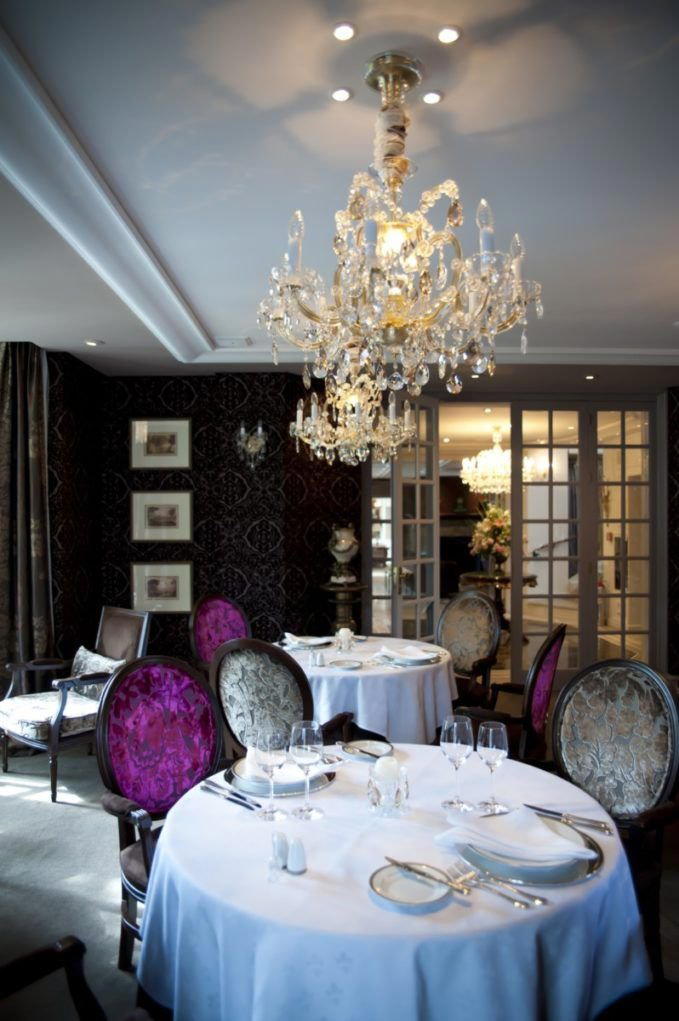

Bars in Gramado
All bars in Gramado →
Details
- Hotel Restaurant