BRANDED ROCK CANYON

Top 50 Ranches
Branded Rock Canyon sits on Colorado Highway 209 outside De Beque, where the canyon country of western Colorado opens into a working western experience built around shooting sports, horseback riding, and the physical scale of the terrain. It occupies a category distinct from resort wellness or hotel amenity programs, positioning itself as a destination for active, land-based pursuits in genuine high-desert surroundings.

Pearl is the En Primeur Club membership app, where members save venues, book tables and use the concierge.
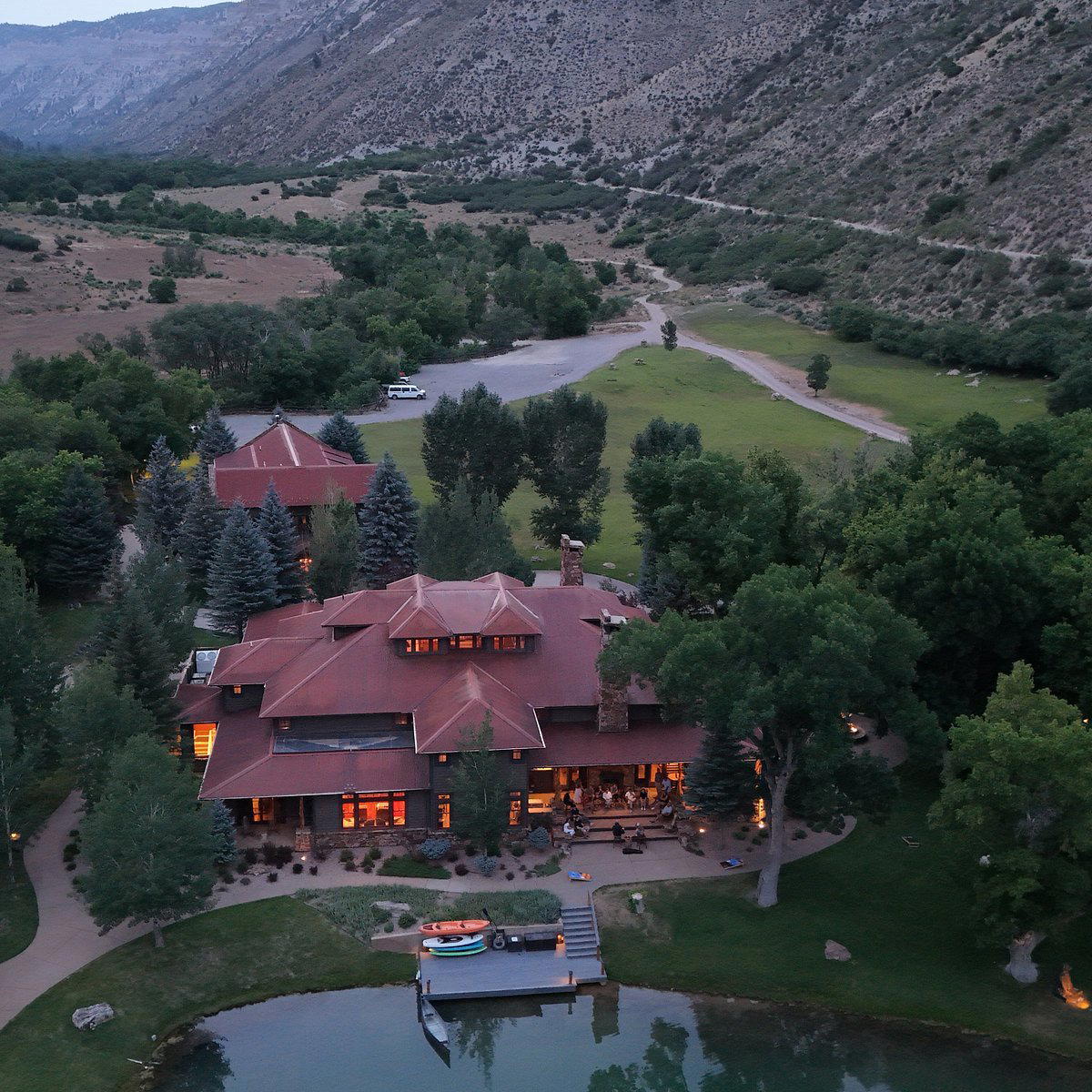
Canyon Country as the Setting, Not the Backdrop
Western Colorado's canyon corridor between Glenwood Springs and Grand Junction represents one of the more geologically dramatic stretches of the American interior. The Book Cliffs rise to the north, the Colorado River cuts through the valley floor, and the side canyons that branch off Colorado Highway 209 hold a particular quality of silence and scale that resort architecture rarely achieves by design. Branded Rock Canyon occupies one of those side canyons near De Beque, a town of fewer than 500 residents that sits at the convergence of creek drainages and open range. The surrounding terrain is not decorative. It is the program.
That distinction matters when comparing western experience ranches across the American West. Properties like Amangiri in Canyon Point or Amangani in Jackson Hole have made landscape their primary design argument, building architecture that defers to the surrounding geology. Branded Rock Canyon operates on a similar premise but from a working-western rather than a design-hotel position. The land is functional, the activities are land-dependent, and the experience derives from engagement with that terrain rather than from observing it through glass.
The Physical Environment: What the Canyon Delivers
De Beque canyon country sits at an elevation band where the climate runs drier and hotter than the mountain resorts to the east. The surrounding mesas are high-desert scrubland, the canyon walls are layered sedimentary stone in ochre and grey, and the light at midday is unfiltered and direct. This is not the alpine softness of Vail or Aspen. It is a rawer, more austere version of the Colorado outdoor experience, one that sits closer in character to the redrock country of southern Utah than to the ski-town hospitality circuits of the central Rockies.
For properties drawing guests into shooting sports and horsemanship, that austerity is an asset. The open terrain provides the sightlines that a sporting clay or long-range rifle program requires. The topography supports trail riding across varied ground rather than manicured paths. Ranches occupying this category of western experience, whether in Colorado, Montana, or Wyoming, depend on the land having genuine working character. Developed resort corridors where the wilderness is managed and contained rarely produce the same quality of activity. Branded Rock Canyon's address on County Highway 209 places it well outside any such corridor.
Western Sporting Traditions in the American Interior
Shooting sports and horseback riding as a paired program have a long history in American ranch culture, and the premium ranch experience category has built considerable infrastructure around both. Properties like Blackberry Farm in Walland or Sage Lodge in Pray have demonstrated that guests in this segment are not looking for sanitized approximations of outdoor activity. They are looking for programs with depth, instruction quality, and terrain that makes the activity meaningful. A sporting clays course laid across canyon topography reads differently than a flat-field layout. A trail ride that crosses working ranch land produces a different experience than a guided path through a managed park.
That experiential specificity is the argument that a property like Branded Rock Canyon makes implicitly. The combination of shooting sports and horsemanship as the core programming is not accidental. Both require sustained attention, physical engagement, and a relationship with the surrounding landscape. They also represent disciplines with genuine skill progression, which means repeat visitors can develop over time rather than simply repeating a fixed activity roster.
For comparison, the ultra-luxury end of the American wilderness experience, represented by places like Post Ranch Inn in Big Sur or Little Palm Island Resort and Spa in Little Torch Key, tends to emphasize stillness and passive immersion in landscape. The western ranch category takes the opposite position: activity as the mode of engagement, physicality as the access point.
De Beque and the Surrounding Region
De Beque sits in Mesa County, roughly equidistant between Grand Junction to the west and Glenwood Springs to the east along Interstate 70. Grand Junction functions as the regional hub, with an airport that handles direct service from several major western cities. The drive from Grand Junction along I-70 to the De Beque exit runs approximately 30 miles, after which County Highway 209 tracks into the canyon system. The access route itself is a calibrating experience: the transition from interstate to canyon road marks a clear threshold between the managed travel infrastructure and the terrain that Branded Rock Canyon actually occupies.
The region lacks the hospitality density of Colorado's mountain resort towns. There are no significant competing properties in the immediate area, and the absence of a developed tourism corridor around De Beque is a feature for guests who specifically want distance from resort-town infrastructure. Canyon Ranch Tucson and Ambiente in Sedona show how properties in similarly remote southwest settings have built programs that use the isolation deliberately. De Beque sits within that broader pattern of American desert and canyon destinations that treat remoteness as a structural part of the product.
For anyone plotting a wider Colorado circuit, the state offers significant range. Alpine Falls Ranch in Superior represents the mountain-adjacent variation, while urban options like the properties listed in our full Debeque restaurants guide can help frame the regional hospitality picture more completely.
Planning Your Visit
The address at 4410 Co Hwy 209, De Beque, CO 81630 anchors the property in the canyon system east of town. For guests flying in, Grand Junction Regional Airport is the most practical entry point. Those pairing this with a broader western circuit might consider bookending the stay with properties like Bernardus Lodge and Spa in Carmel Valley, Auberge du Soleil in Napa, or Kona Village, a Rosewood Resort in Kailua Kona to vary the terrain and pace. For those approaching from the East Coast, the contrast with properties like Troutbeck in Amenia, Raffles Boston, or The Fifth Avenue Hotel in New York City clarifies exactly how far the western ranch experience sits from the urban luxury register.
Quick Comparison
Comparable venues nearby, for context on price, style, and recognition.
| Venue | Cuisine | Price | Awards | Notes |
|---|---|---|---|---|
| BRANDED ROCK CANYONThis venue (the venue you are viewing) | Luxury guest ranch with historic homestead lodge and guest house | $2,500+ | Top 50 Ranches | Not listed |
| Park Hyatt Beaver Creek Resort | Luxury slopeside resort blending alpine rustic charm with contemporary comforts. | Not listed | Michelin Selected · Virtuoso Luxury Hotel Partner | Beaver Creek Village |
| The Ritz-Carlton, Bachelor Gulch | Modern mountain lodge with rustic elegance and contemporary updates | Not listed | Michelin Selected · Star Wine List | Bachelor Gulch |
| Hotel Jerome, Auberge Resorts Collection | Historic luxury resort with modern renovations | Not listed | 1 Michelin Key · Mr & Mrs Smith Seal of Approval | Aspen Flyover 1/4 Section Grid |
| W Aspen | modern Swiss chalet with playful Aspen history influences | $300–500 | Michelin Selected | Aspen Village |
| Hotel Jerome, Auberge Collection | Historic luxury landmark with relaxed elegance | Not listed | 5-Star | Aspen Flyover 1/4 Section Grid |
Recognition history
Dated appearances from independent guides and award organizations, with the underlying list record or original source where available.
Top 50 Ranches
Top 50 Ranches
Continue exploring
More in Debeque
Hotels in Debeque
All hotels in Debeque →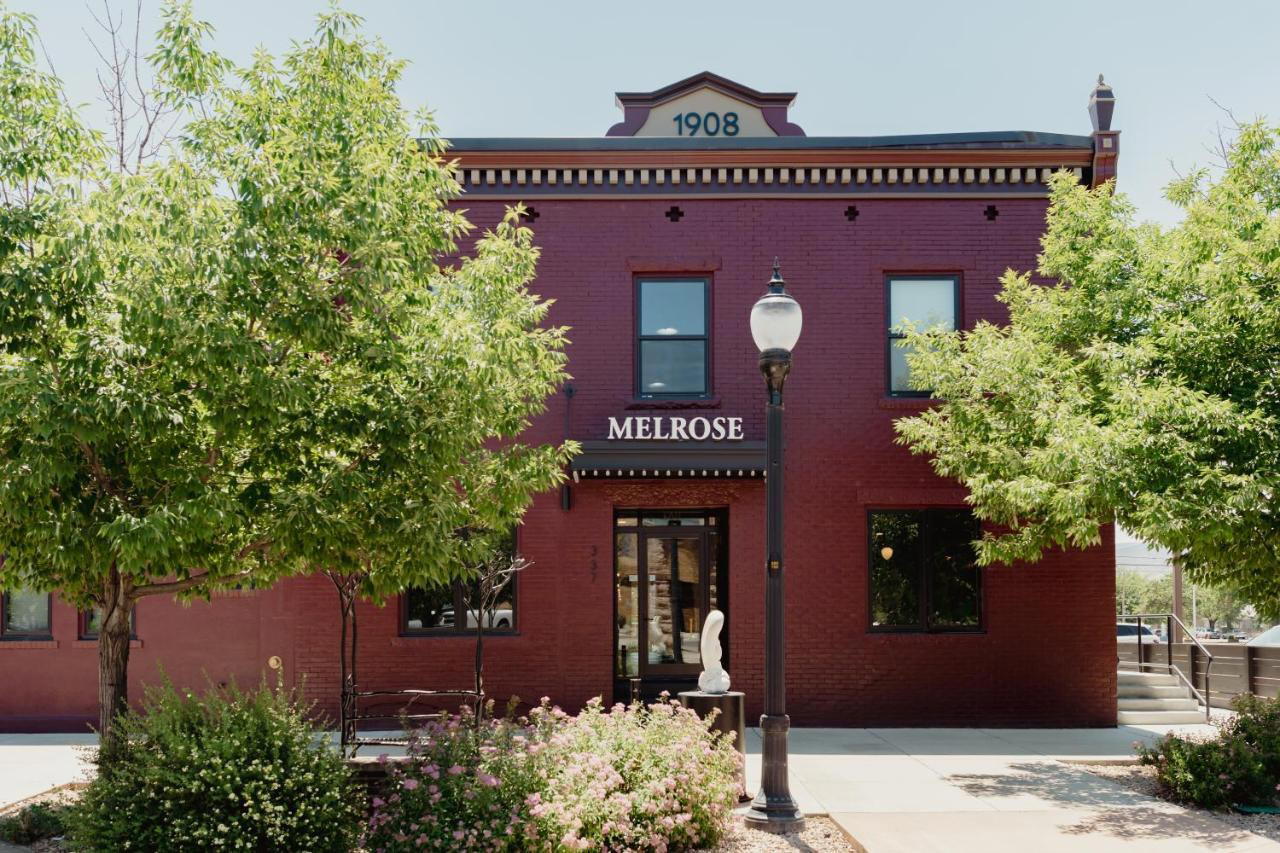
Restaurants in Debeque
Browse all →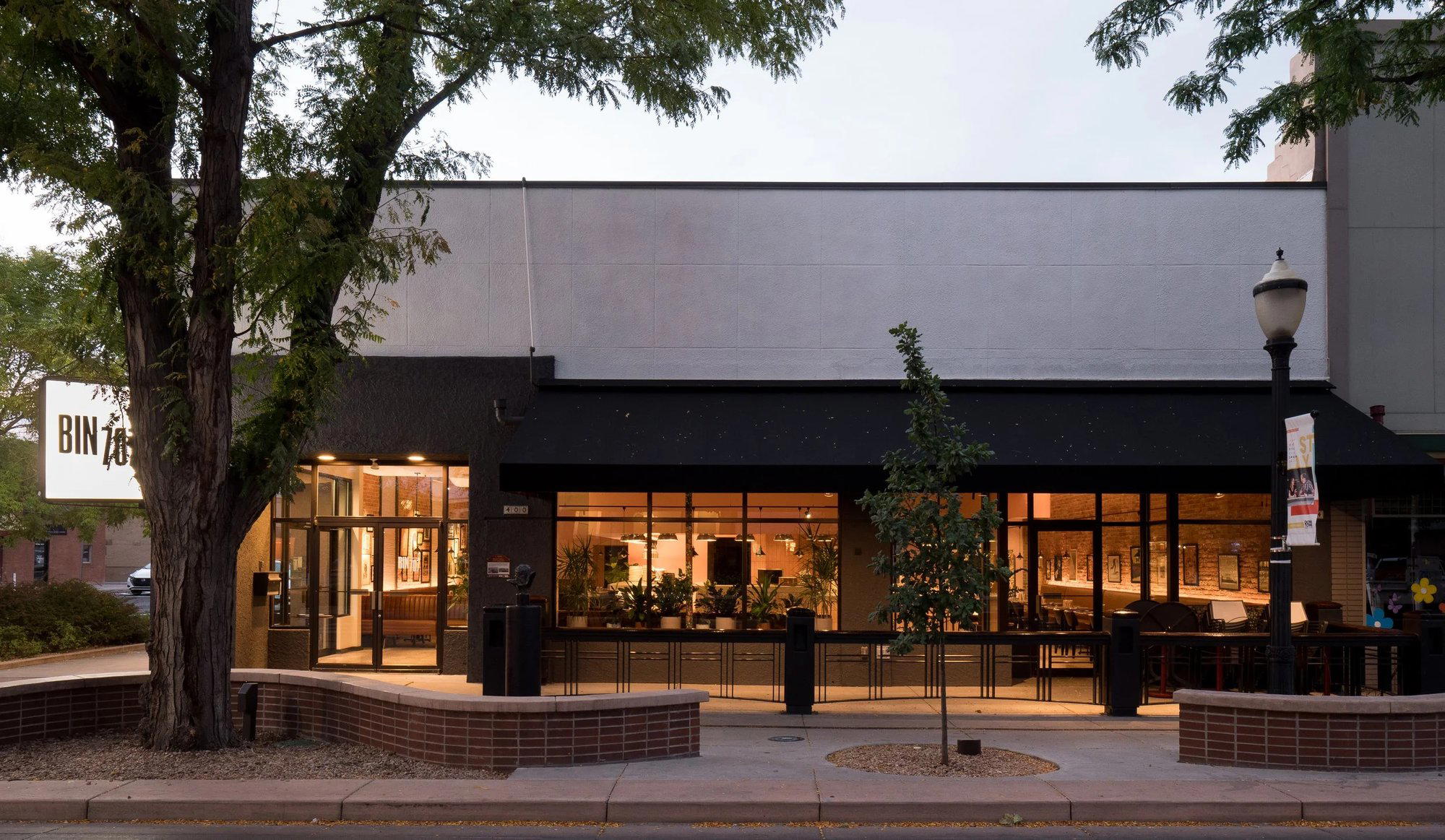
Details
- Scenic
- Rustic
- Cozy
- Group Retreat
- Romantic Getaway
- Wedding
- Family Vacation
- Panoramic View
- Wi Fi
- Fitness Center
- Hot Tub
- Spa
- Restaurant
- Pool
- Concierge
- Laundry Service
- Meeting Rooms
- Mountain
- Wheelchair Accessible
Luxuriously comfortable lodge with spectacular scenery, family-style gourmet meals, warm western hospitality, and a magical, tranquil atmosphere praised in guest reviews.