Boom Boom Room
Perched above the Standard High Line in the Meatpacking District, Boom Boom Room occupies one of New York's most architecturally discussed rooftop spaces — a circular glass-walled room that frames the Hudson River and the Manhattan skyline. The venue sits at the intersection of late-night culture and design ambition, drawing a crowd that treats the room itself as the event.
Pearl is the En Primeur Club membership app — saves, bookings, and concierge access live there. Same editors, same standards.
- Address
- New York City, United States
- Directions
- Get directions
 Saves & bookings on Pearl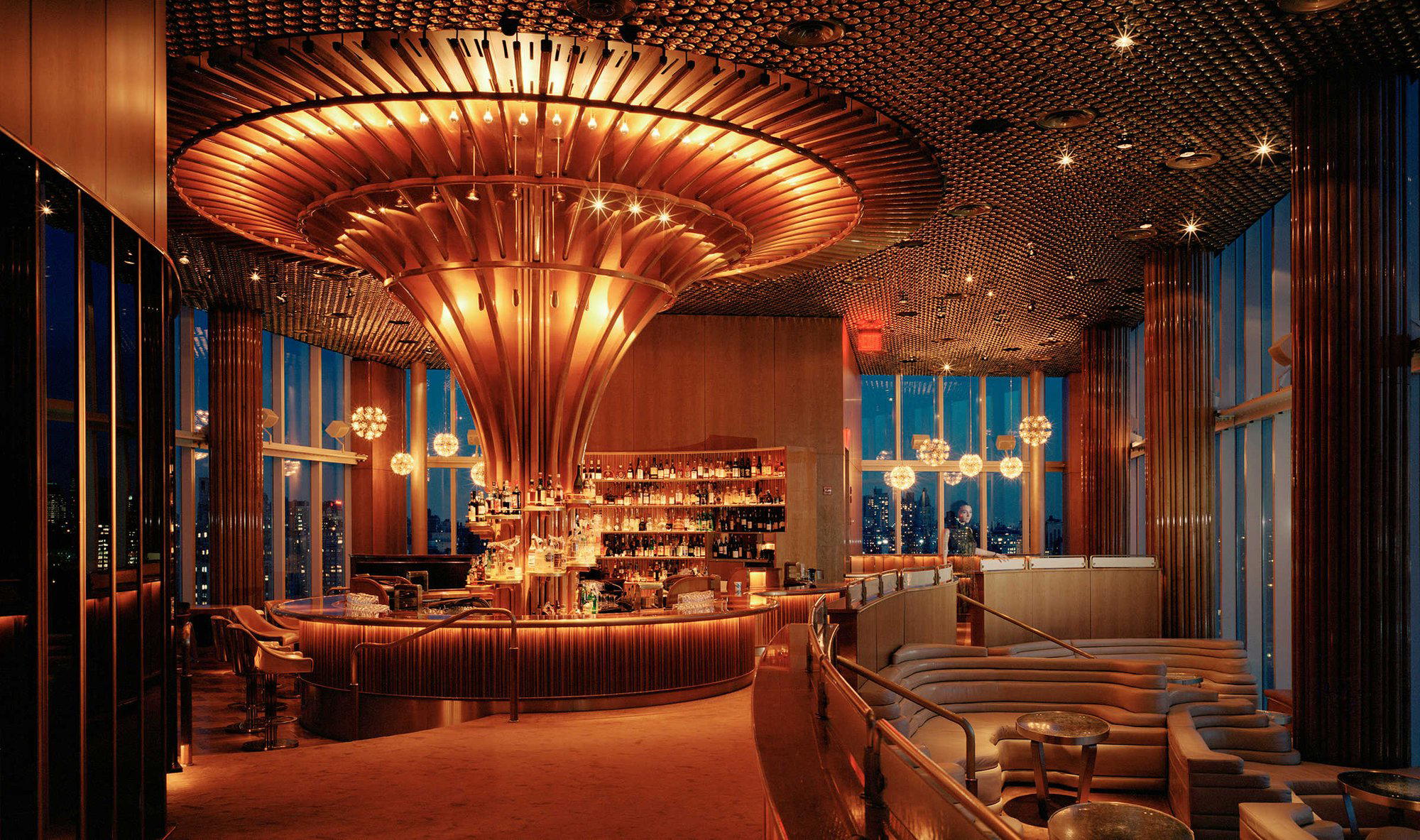
A Room That Announces Itself Before the Drinks Arrive
New York has accumulated dozens of rooftop bars over the past two decades, most of them variations on the same formula: a terrace, a view, a cocktail list calibrated for Instagram. Boom Boom Room, positioned at the top of the Standard High Line in the Meatpacking District, belongs to a different conversation. The space itself — a circular room sheathed almost entirely in glass, cantilevered above the High Line corridor with floor-to-ceiling windows wrapping the perimeter — is the kind of architectural statement that shapes how a neighbourhood understands its own ambition. When the Standard High Line opened, it brought a specific thesis about what a hotel could mean to a Manhattan district in transition, and Boom Boom Room was the thesis statement rendered in glass and steel at the leading.
The design references are layered and deliberate. The circular plan and the scale of the glazing produce a sensation that sits somewhere between a 1970s studio and a modernist observatory. During the day, the light shifts continuously across the room as the sun tracks over the Hudson. At night, with the city grid illuminated below and the river a dark band to the west, the windows transform the space into something closer to a viewing platform than a bar, except that the crowd, the music, and the density of the room pull attention back inward. It is one of the few spaces in New York where the architecture and the atmosphere compete on roughly equal terms.
Meatpacking District in Context
The Meatpacking District's transformation over the past twenty years is one of the more discussed neighbourhood stories in American urbanism. What was a working industrial district became, through a combination of real estate pressure, fashion retail, and a handful of hospitality anchors, one of Manhattan's most concentrated zones of designed experience. The Standard High Line arrived at a moment when that transformation was accelerating, and its position, straddling the refined rail line of the High Line park, which had only recently opened its first section, made it a physical marker of the district's shift.
Within that context, Boom Boom Room operates as one of the area's more selective evening venues. The Meatpacking District now runs a broad spectrum from high-volume tourist-facing spots to more curated formats, and Boom Boom Room has historically positioned itself toward the curated end: smaller capacity relative to its visibility, a door policy that filters by crowd rather than purely by spend, and an orientation toward late-night programming rather than early-evening dining. For visitors staying at properties like Casa Cipriani New York or The Greenwich Hotel nearby, it sits on a natural circuit of downtown Manhattan's higher-end evening options.
The Architecture as Differentiator
In the broader category of New York rooftop bars, the design quality of the room itself is what separates Boom Boom Room from most of its competitors. The majority of Manhattan rooftop venues are conversions, terraces adapted from mechanical floors, or additions built atop buildings designed for other purposes. The Standard High Line was conceived with this room as an intentional culmination of the building's vertical sequence, which changes how the space reads. It does not feel retrofitted. The circular geometry, the low furniture scaled to keep sightlines to the windows clear, and the integration of the bar within the round plan rather than pushed to a wall, these are choices that suggest a coherent spatial logic rather than a commercial afterthought.
That design coherence matters in a city where the competition for premium after-dark spend is intense. Properties like Aman New York or The Fifth Avenue Hotel compete in the hotel bar and lounge category with serious architectural investment.
Late-Night Programming and Cultural Position
New York's late-night bar culture has evolved considerably since the early 2000s, when the Meatpacking District was establishing its nightlife identity. The city has moved through phases: the velvet-rope era of large-format clubs, the craft cocktail period that pushed intimacy and technique, and a more recent moment where branded hotel programming and curated events have become the dominant premium format. Boom Boom Room has tracked those shifts while maintaining a consistent identity as a space where the crowd skews toward creative and fashion industries, and where access functions as a signal of social positioning.
That positioning places it in a specific tier: not the volume-driven nightlife of midtown hotel bars, and not the technical cocktail focus of the East Village and Lower East Side. It occupies a lane defined more by atmosphere, design, and selectivity than by a particular drinks program or culinary identity. For a city that has seen considerable experimentation in the premium evening format, from the intimate bar rooms at The Carlyle, A Rosewood Hotel to the programmed social spaces at Crosby Street Hotel and The Whitby Hotel, Boom Boom Room represents a particular answer to the question of what premium late-night looks like when architecture does most of the work.
Planning a Visit
Access to Boom Boom Room operates on a selective basis, with the door policy varying depending on the night and programming. The venue is not a walk-in destination in the way that a hotel bar with open seating might be; the practical approach for first-time visitors is to check current programming and reservation options through the Standard High Line's official channels, as policies and formats shift with events. The High Line park runs directly adjacent to the building, making the approach on foot from the park's southern sections a logical route, and one that places the building's architectural ambition in physical context before you enter. For those travelling from further afield and considering where to base themselves, The Mark on the Upper East Side and The Fifth Avenue Hotel in NoMad both offer a different residential register to the Meatpacking District's energy, and can anchor a New York stay that treats downtown evening programming as a destination rather than a base. See our full New York City restaurants guide for broader context on where Boom Boom Room fits within the city's premium evening circuit.
Travellers whose wider itineraries extend beyond New York will find relevant comparisons in the design-led hospitality that defines properties like Amangiri in Canyon Point, Post Ranch Inn in Big Sur, or Aman Venice, places where the physical environment carries the majority of the experiential weight, and where the architecture is not backdrop but argument. Boom Boom Room operates on the same principle, compressed into a single circular room above a Manhattan street grid.
A compact comparison to help you place this venue among nearby peers.
| Venue | Cuisine |
|---|---|
| Boom Boom RoomThis venue — the venue you are viewing | This venue |
| Aman New York | Michelin 3 Key, World's 50 Best |
| The Carlyle, A Rosewood Hotel | Michelin 2 Key, World's 50 Best |
| Pendry Manhattan West | Michelin 2 Key |
| Ace Hotel Brooklyn | Michelin 1 Key |
| The Ludlow Hotel | Michelin 1 Key |
Continue exploring
More in New York City
Hotels in New York City
Browse all →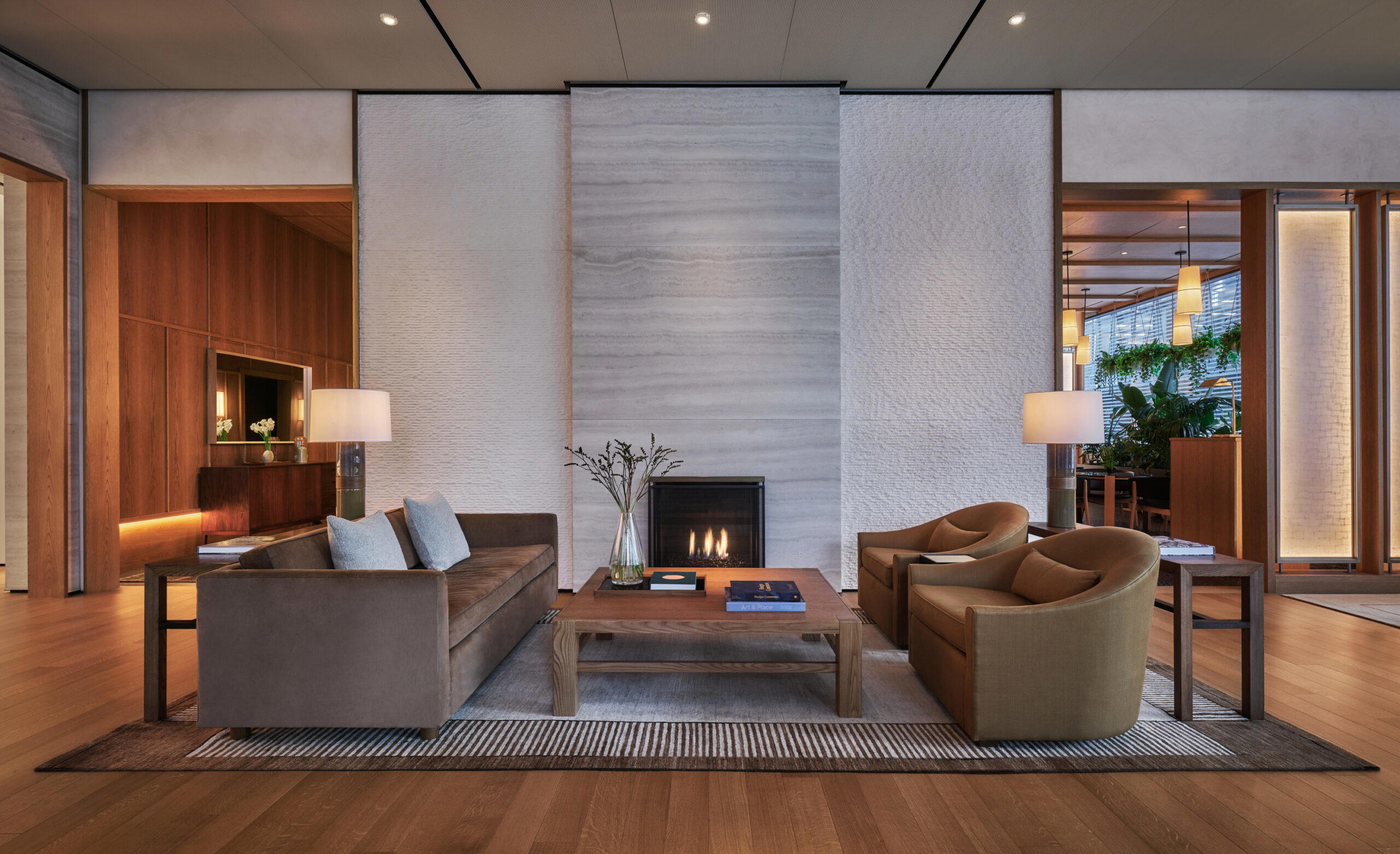
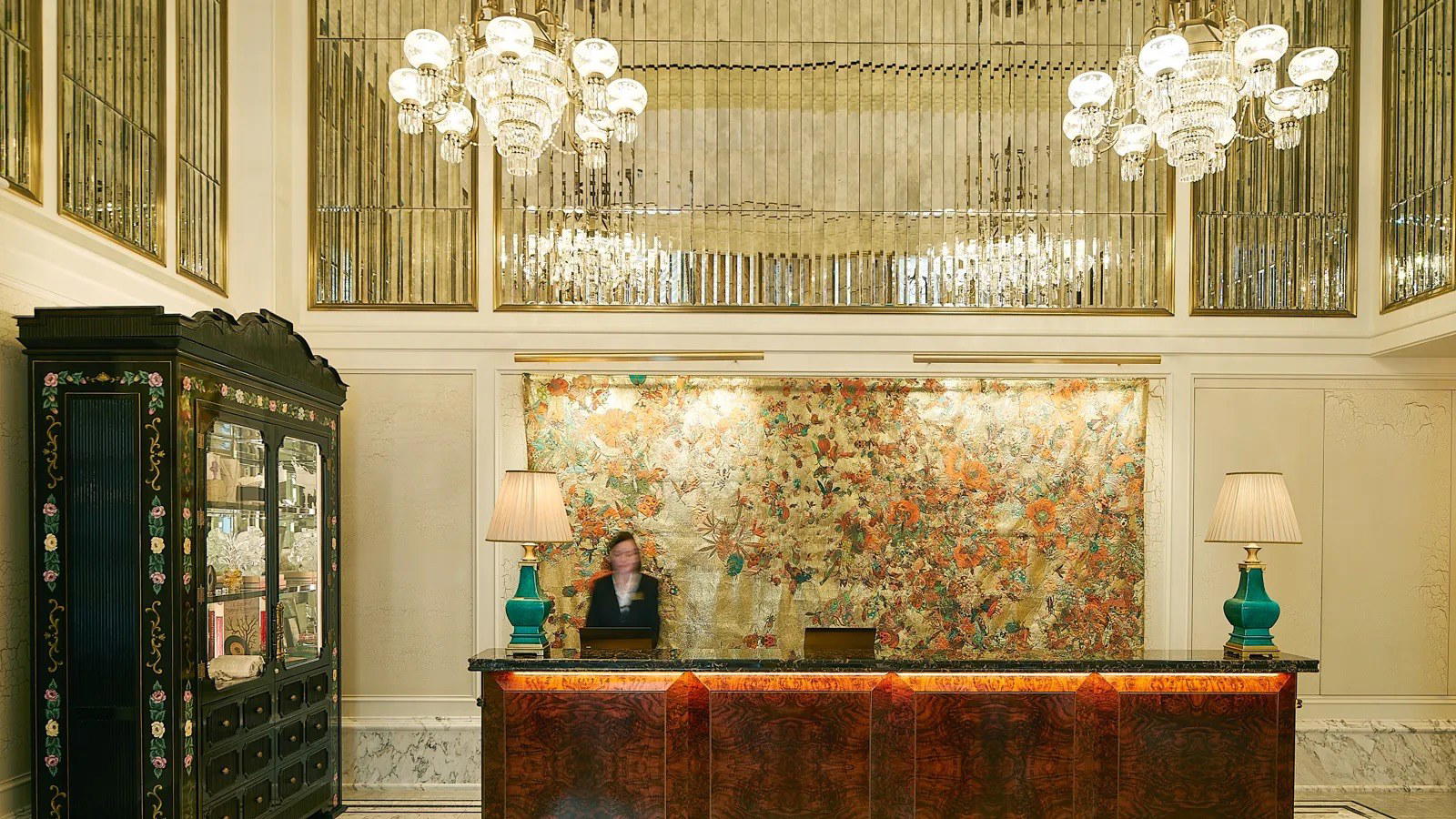
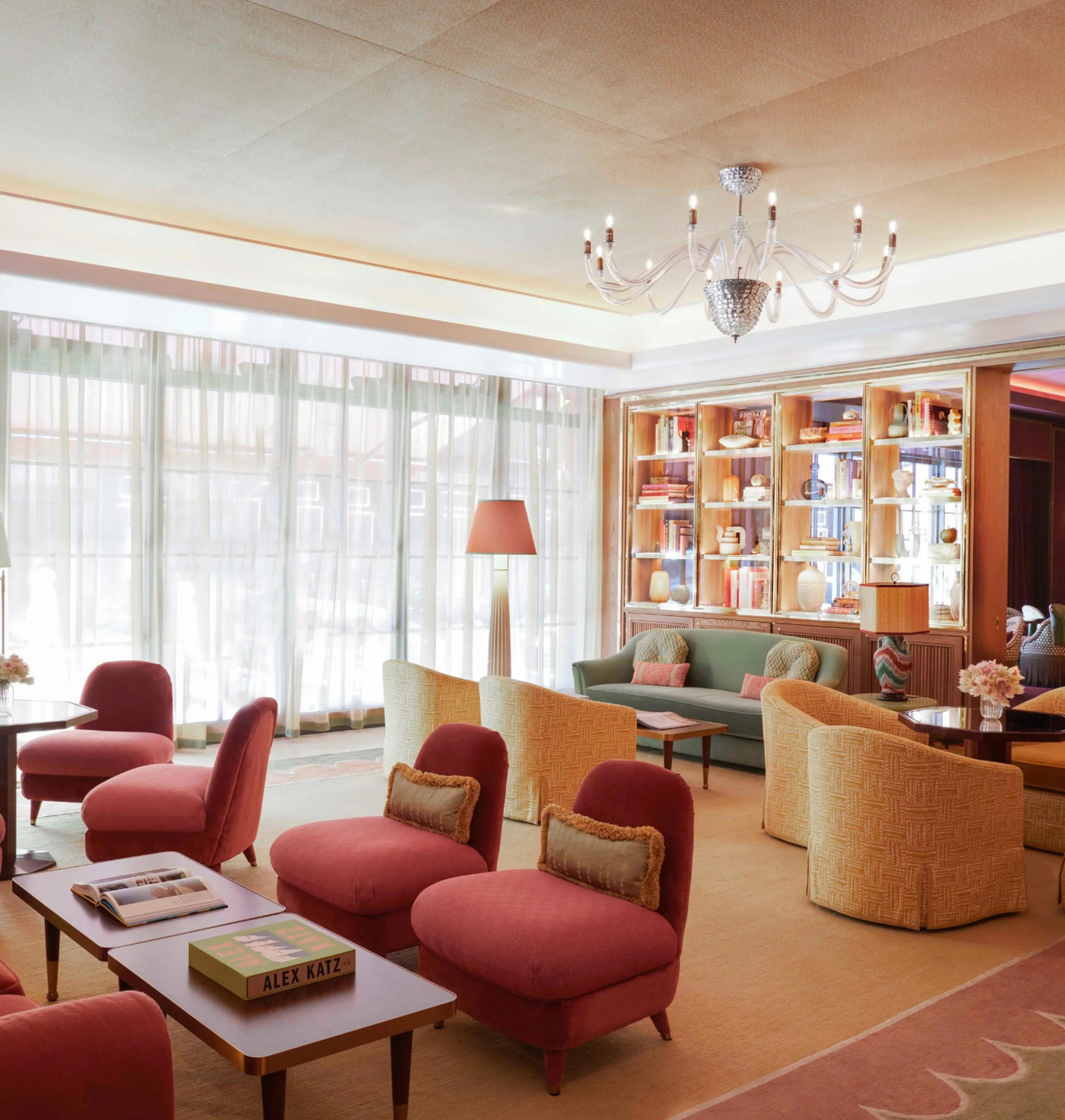
Bars in New York City
Browse all →
Restaurants in New York City
Browse all →




At a Glance
- Trendy
- Lively
- Elegant
- Sophisticated
- Ornate
- Well Known
- Celebration
- Weekend Escape
- Rooftop Pool
- Panoramic View
- Wi Fi
- Concierge
- Room Service
- Skyline
- Waterfront
- Wi Fi
- Concierge
- Room Service
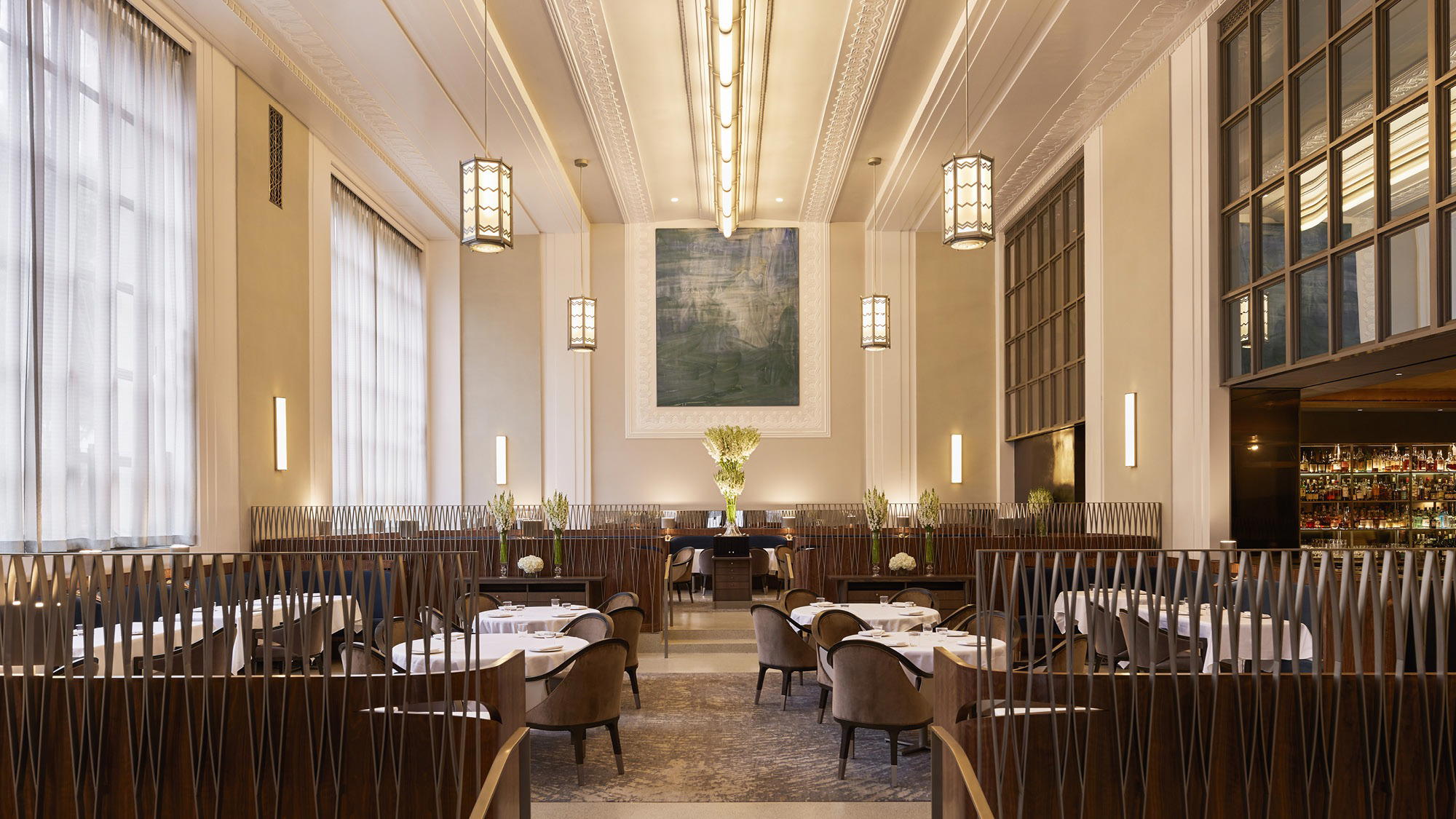
Glittering space with plush velvet furnishings, golden accents, floor-to-ceiling windows, and a retro Rat Pack vibe under dramatic gold lighting.