AutoCamp Joshua Tree

AutoCamp Joshua Tree brings a considered, design-led approach to desert lodging, placing Airstream-style accommodations against the raw geology of the Mojave. Recognised in the Michelin Selected Hotels 2025 list, it occupies a growing tier of outdoor-hospitality properties that trade on architectural clarity rather than resort amenity. The result is a stay defined more by landscape immersion than interior luxury.
Pearl is the En Primeur Club membership app — saves, bookings, and concierge access live there. Same editors, same standards.
- Address
- 62209 Verbena Rd, Joshua Tree, CA 92252
- Phone
- (844) 366-9715
- Website
- autocamp.com
- Directions
- Get directions
 Saves & bookings on Pearl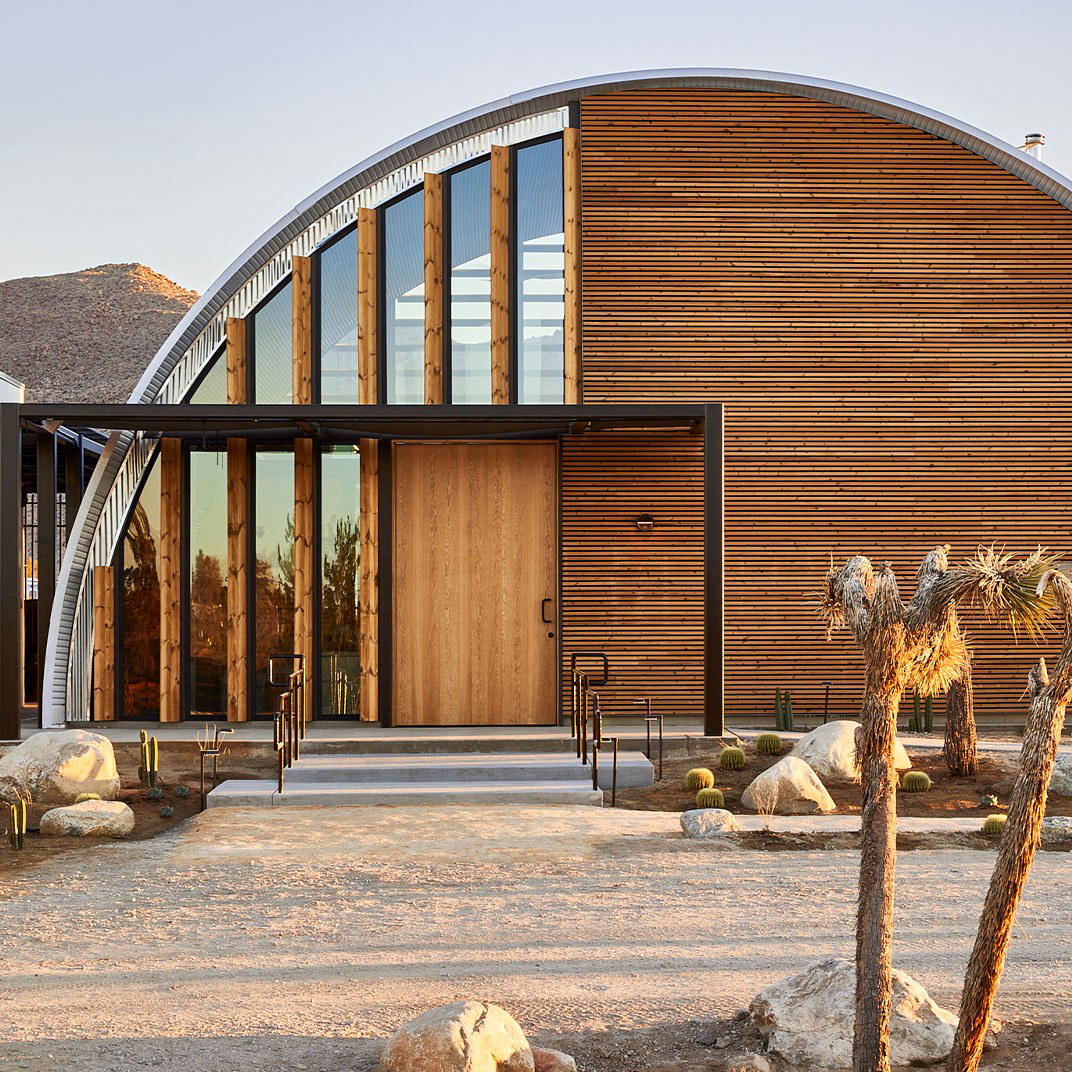
Steel, Stone, and Sky: The Architecture of AutoCamp Joshua Tree
There is a moment, driving east along Highway 62 toward the high desert, when the built environment thins out and the Joshua tree silhouettes take over. AutoCamp Joshua Tree, at 62209 Verbena Road, positions itself inside that visual logic rather than against it. The property's signature structures, polished aluminium-shell units that borrow the geometry of mid-century travel trailers, catch the morning light and reflect the ochre tones of the surrounding rock. The effect is less campground, more open-air gallery installation. That tension between industrial material and raw desert geology is not incidental; it is the design premise.
This approach places AutoCamp inside a growing category of American outdoor hospitality that rejects the log-and-plaid aesthetic of traditional glamping in favour of a harder-edged, more Modernist vocabulary. Properties like Dunton Hot Springs in Dunton and Sage Lodge in Pray work different versions of the same thesis: that landscape immersion and design precision are compatible, and that the countryside does not require rusticity to feel authentic. AutoCamp's answer to that question is particularly direct, the aluminium shell has no nostalgia about it, no approximation of a cabin or a cottage. It reads as an object from another context, dropped deliberately into the desert.
What Michelin Selection Means in This Context
The 2025 Michelin Selected Hotels designation is the property's most significant external credential. In the broader Michelin hotel framework, Selected status sits below Michelin Key properties but still represents inclusion in a curated set evaluated on quality, consistency, and experiential clarity. For a property operating in the outdoor-hospitality segment, a category that Michelin has only recently begun to assess seriously, selection signals that the format holds up against conventional hotel criteria rather than being judged on a separate, more lenient scale. Comparable outdoor and design-led properties recognised in the same Michelin sweep include places that would otherwise sit alongside conventional small luxury hotels. The selection puts AutoCamp in conversation with properties like RESET Hotel Joshua Tree and The Bungalows at Retreat by Homestead Modern as part of Joshua Tree's maturing accommodation offer.
Joshua Tree's transformation into a serious hospitality destination has parallels elsewhere in the American West. Amangiri in Canyon Point demonstrated early that desert terrain could support a formal luxury register. AutoCamp operates at a different price point and with a different aesthetic language, but the underlying logic is shared: the landscape is the primary amenity, and the accommodation's job is to frame it well rather than compete with it.
The Design Language Up Close
The property's architectural coherence comes from a consistent commitment to a single material and a single form. The aluminium-clad units have the proportions and rounded ends of classic American Airstream trailers, but the interiors are finished to a hotel standard rather than a vehicle standard, proper bedding, climate control, and enough visual restraint to keep attention on the view outside. The site layout preserves sightlines between units and toward the surrounding landscape, which is significant piece of spatial intelligence in any outdoor property. A site plan that clusters units for operational convenience, at the cost of privacy and view, produces a different experience from one that spaces them for individual outlook. AutoCamp's arrangement reflects awareness of that distinction.
That same spatial thinking connects AutoCamp to a broader set of design-led American properties where architecture and site planning are the primary differentiators. Post Ranch Inn in Big Sur and 1 Hotel San Francisco both operate within a design-first framework that treats the built environment as editorial, a position, not just a backdrop. AutoCamp's version of that framework is more spartan and more outdoor-oriented, but the underlying intent reads clearly.
The Desert Context and What It Demands
Joshua Tree National Park sits at the convergence of the Mojave and Colorado deserts, with elevation changes that produce notably different microclimates within a short distance. The area around the town of Joshua Tree itself, where AutoCamp sits, runs warm to hot in summer and cold at night in winter, conditions that make the quality of the units' climate systems a practical matter, not an amenity note. Visiting in shoulder seasons, spring (March through May) and autumn (October through November), gives comfortable temperature range and coincides with lower light that makes the boulder formations and tree silhouettes most photogenic. Spring also brings the possibility of wildflower colour across the desert floor, which varies sharply by year and rainfall.
For travellers approaching from Los Angeles, Joshua Tree sits roughly 140 miles east on the I-10, making it accessible as a two-night stay rather than a day trip, long enough to spend time inside the park at different hours, which matters, since dawn and late afternoon produce entirely different light conditions. Those arriving from Palm Springs are closer still, under an hour on CA-62. Our full Joshua Tree restaurants guide covers the town's dining options, which have expanded considerably as the destination has attracted a more food-attentive visitor.
Where AutoCamp Sits in the Broader Range of American Outdoor Lodging
The American outdoor lodging market has stratified in the last decade. At the leading end sit full-service wilderness retreats like Kona Village, A Rosewood Resort in Kailua Kona and, on the domestic mainland, Canyon Ranch Tucson in Tucson. Below that sit design-led properties with fewer services but a stronger formal identity, the tier AutoCamp occupies. Further down, the glamping market runs from polished-tent operations to direct van parks with upgraded fixtures.
What separates the middle tier, where AutoCamp operates, from the segments above and below it is primarily the question of programme. Full-service wilderness retreats offer guided experiences, food and beverage, spa, and structured engagement with the landscape. Design-led outdoor properties like AutoCamp offer the accommodation and the site, with the landscape programme left to the guest. That is a different travel proposition, better suited to travellers who know what they want from desert time and do not need it mediated. For those who prefer more structured programming, Troutbeck in Amenia or Little Palm Island Resort & Spa in Little Torch Key represent the more curated end of landscape-integrated hospitality.
Other Michelin-recognised properties in the US urban tier, The Fifth Avenue Hotel in New York City, Raffles Boston in Boston, and Chicago Athletic Association in Chicago, occupy an entirely different demand context, where the hotel is often as much the destination as the city. AutoCamp's Michelin selection across that divide suggests the guide is assessing outdoor-format properties on their own terms, which is the right call. Comparing polished aluminium against marble lobbies misses the point. The relevant question is whether a property delivers on its own stated premise, and in AutoCamp's case, that premise is architectural clarity inside a landscape that earns its own attention.
Planning a Stay
Reservations are essential. Shoulder seasons book faster than the summer period, and weekend availability in spring can tighten several months in advance given the property's proximity to Los Angeles. Guests entering Joshua Tree National Park will need a vehicle permit or America the Beautiful pass, available online through the National Park Service; the entrance stations are a short drive from the property. For those building a wider California desert and Southwest itinerary, the property pairs naturally with a Palm Springs stop or, for a longer loop, with Amangiri in Canyon Point across the Utah border.
Comparison Snapshot
Comparable venues nearby, for context on price, style, and recognition.
| Venue | Cuisine | Price | Notes |
|---|---|---|---|
| AutoCamp Joshua TreeThis venue — the venue you are viewing | Glamping resort with Airstreams and cabins in high desert landscape | $$$ | Not listed |
| RESET Hotel Joshua Tree | Modular design-forward hotel blending modern minimalism with desert nature. | $$$$ | Twentynine Palms |
| The Bungalows at Retreat by Homestead Modern | Mid-century modern post-and-beam bungalows architecturally restored in 2022 on a historic retreat campus. | $$$$ | Joshua Tree |
| Hotel Sequoia | Independent boutique hotel in a rehabilitated early-20th-century landmark, blending grand historic bones with modern hospitality and community arts programming. | Not listed | Downtown Redwood City |
| The Ameswell Hotel | Modern luxury resort blending innovation, art, wellness, and natural beauty | $$$ | Mountain View |
| Del Rey at Villa Royale | Eclectic mix of old California architecture, Mission Revival style villas, and modern luxury. | $$$$ | Deepwell |
Recognition history
Dated appearances from independent guides and award organizations, with the underlying list record or original source where available.
Michelin Selected
Michelin
Continue exploring
More in Joshua Tree
Hotels in Joshua Tree
Browse all →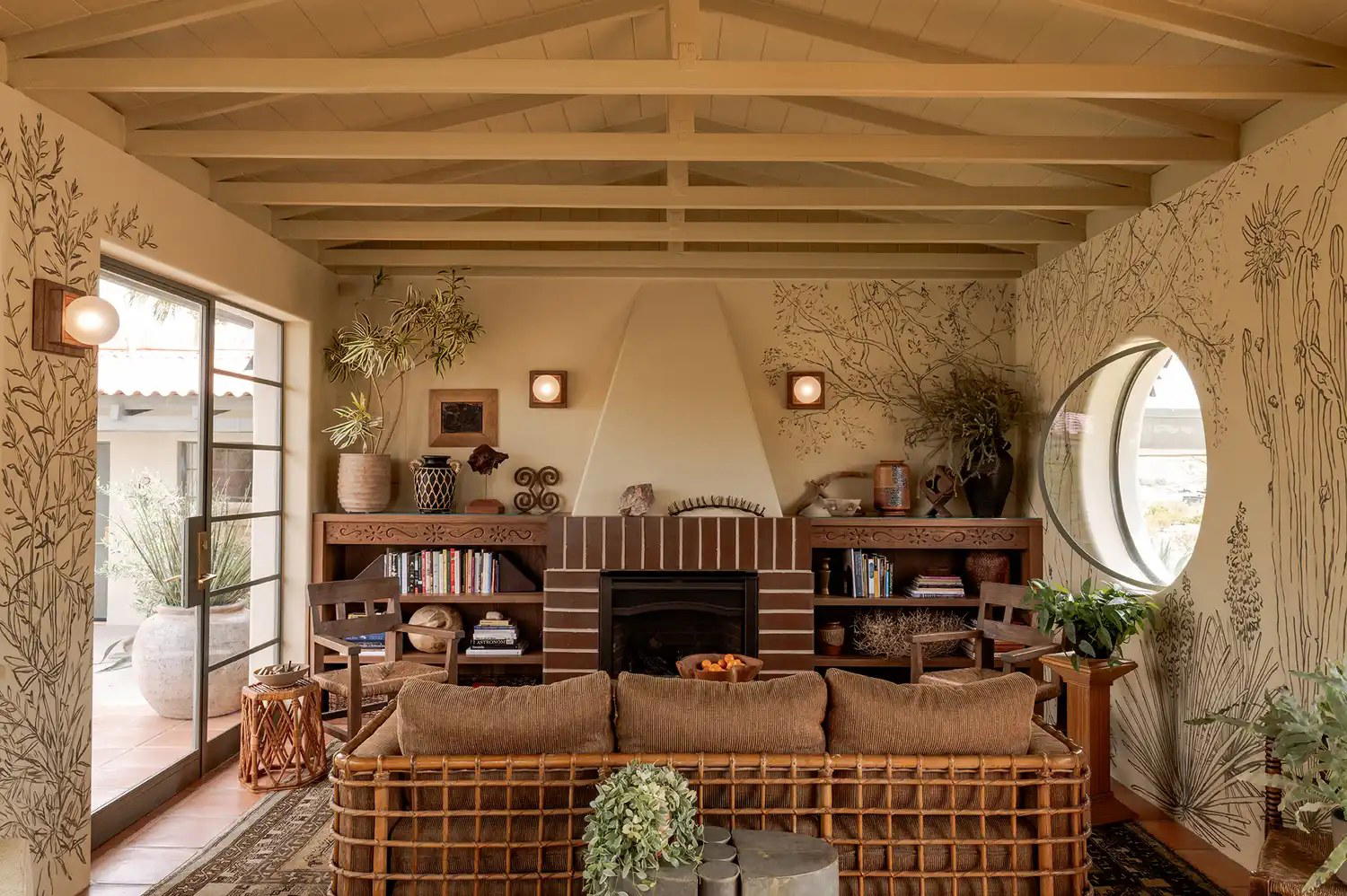
Bars in Joshua Tree
Browse all →
At a Glance
- Rustic
- Scenic
- Cozy
- Bohemian
- Weekend Escape
- Family Vacation
- Romantic Getaway
- Panoramic View
- Wi Fi
- Pool
- EV Charging
- Mountain
- Wi Fi
- Pool
- EV Charging
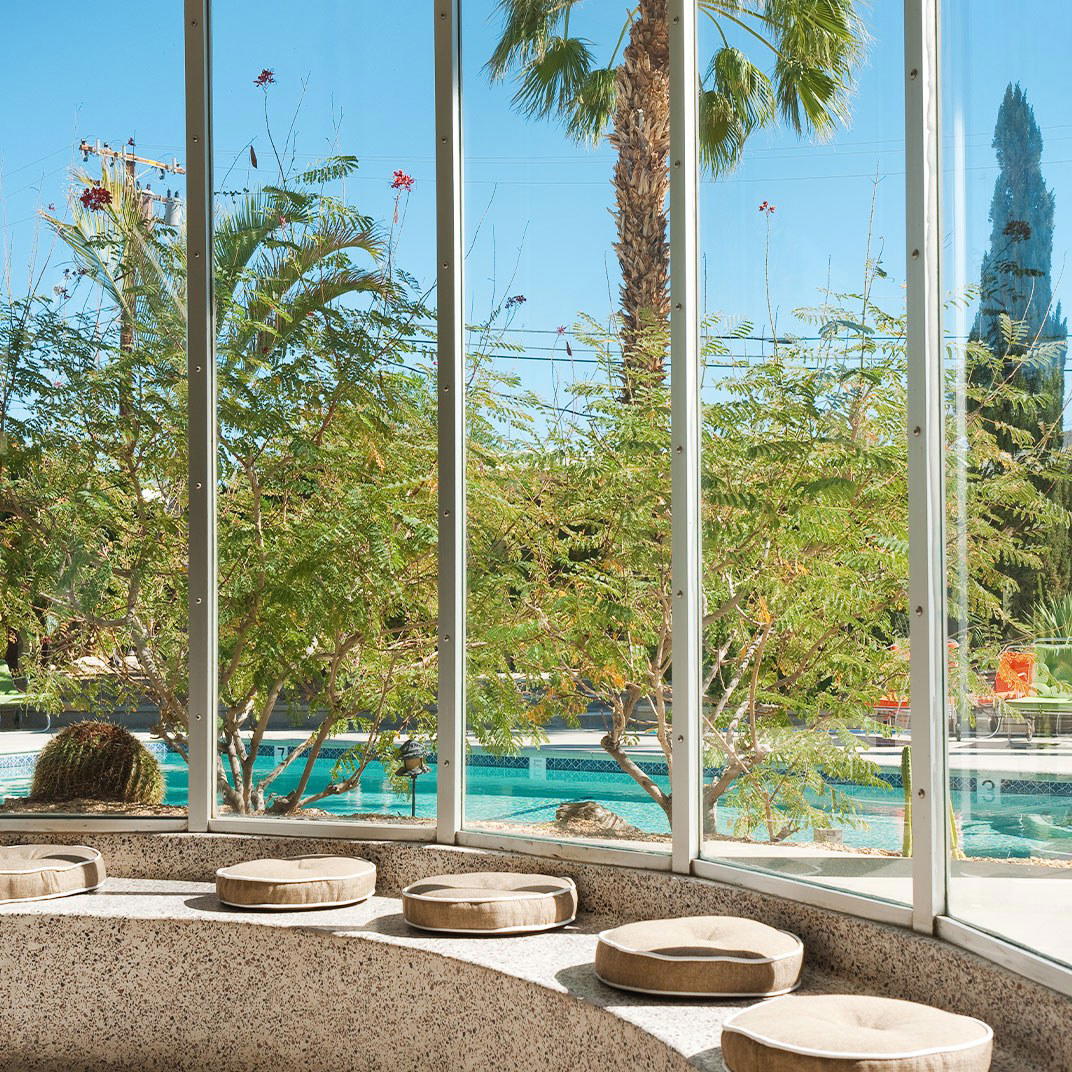
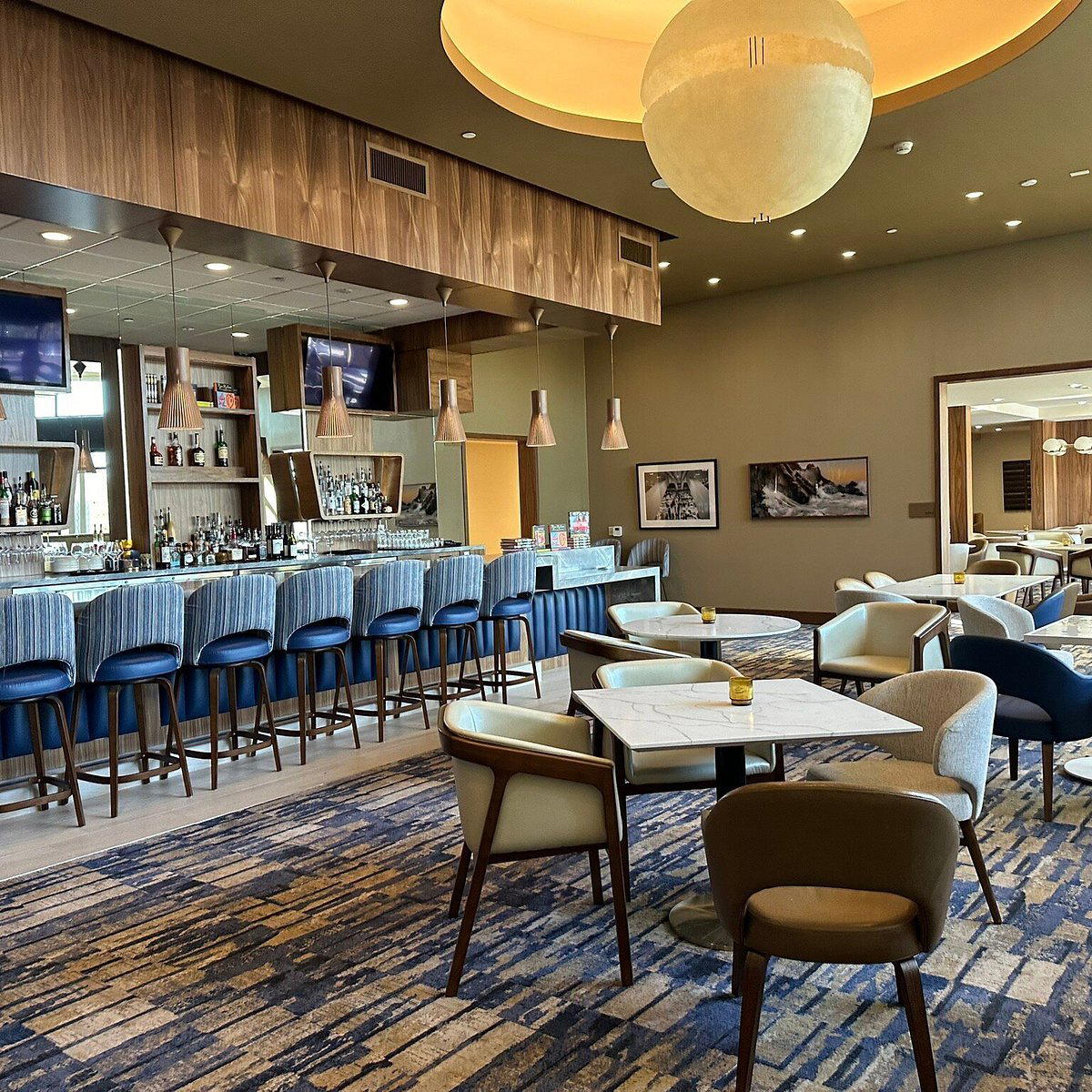
Mid-century modern clubhouse with warm, neighborly warmth, poolside relaxation, firepits, and community events like yoga under desert skies.