Hope Springs Resort

Michelin Selected
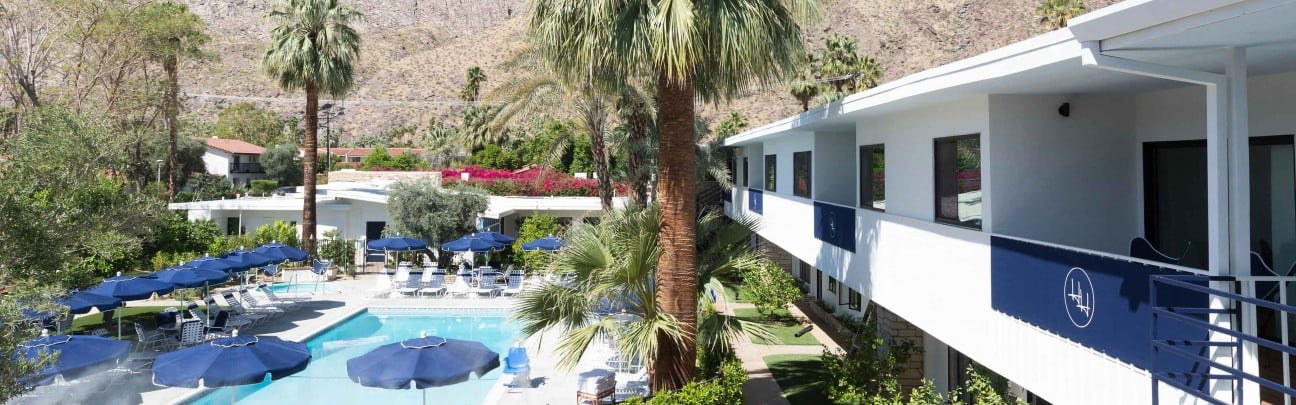
A Michelin Selected desert retreat on Club Circle Drive, Hope Springs Resort sits within Palm Springs Area's compact tier of adult-oriented, pool-centric properties where soaking rituals and open sky replace conventional hotel programming. The property operates at the quieter, smaller-scale end of the local market, making it a considered choice for visitors prioritising stillness over resort amenity volume.

Pearl is the En Primeur Club membership app — saves, bookings, and concierge access live there. Same editors, same standards.
- Address
- 68075 Club Cir Dr, Desert Hot Springs, CA 92240
- Phone
- (760) 329-4003
- Website
- hopespringsresort.com
- Directions
- Get directions
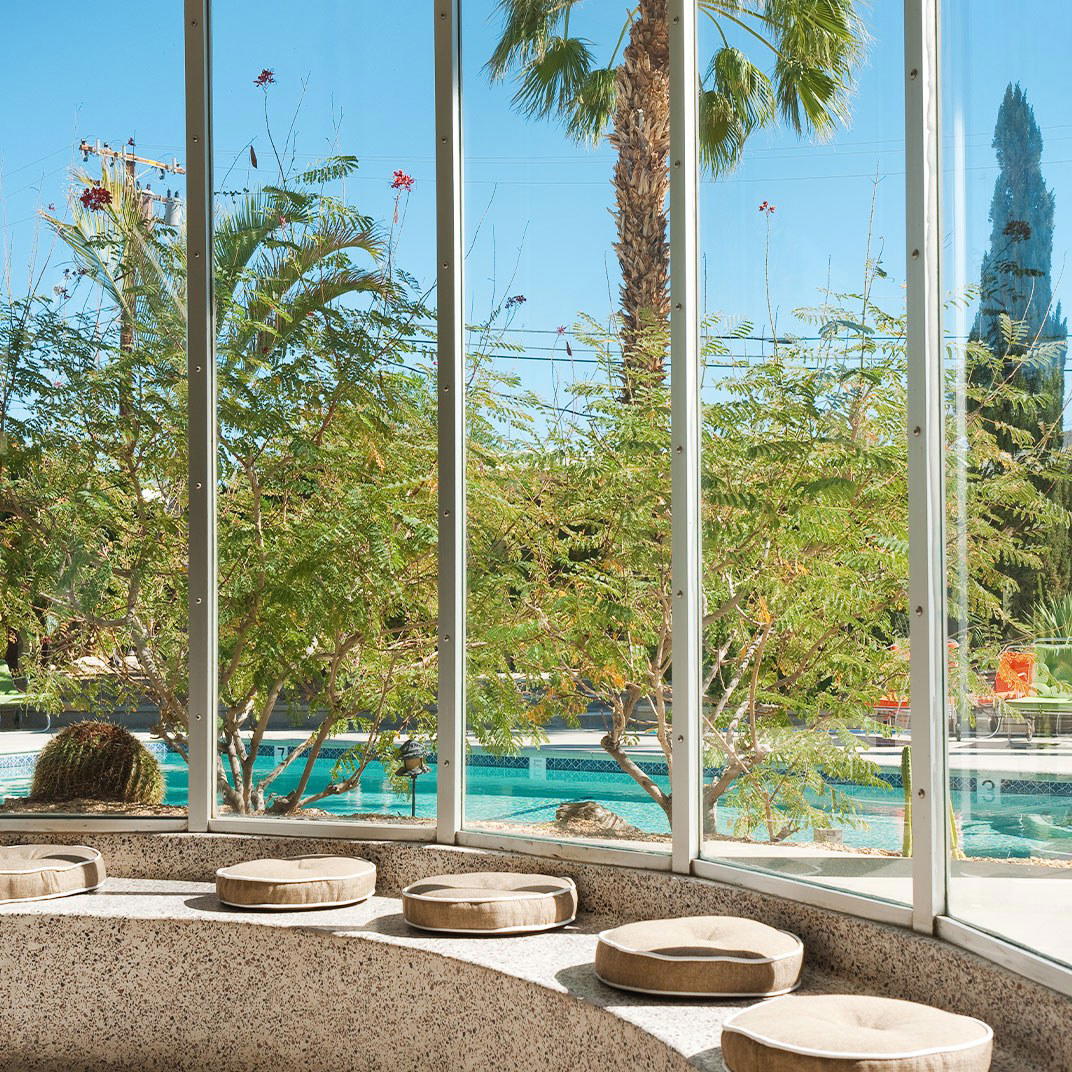
Desert Stillness as a Design Principle
Palm Springs has long attracted a particular kind of traveller: one who wants the sun to do the work. The Coachella Valley's hospitality market reflects this, splitting broadly between large full-service resorts with restaurants, spas, and conference wings, and a smaller cohort of adult-oriented properties where the programming is deliberately thin and the outdoor environment carries the stay. Hope Springs Resort, on Club Circle Drive in the Desert Hot Springs pocket of the Palm Springs Area, belongs firmly to the second group. Its Michelin Selected status for 2025 places it alongside a curated tier of California properties recognised for quality without requiring scale, which is a meaningful signal in a region where bigger properties dominate the marketing noise.
The address itself says something. Desert Hot Springs sits north of Palm Springs proper, closer to the San Jacinto Mountains and further from the retail and restaurant concentration of downtown. That geography is a feature for the retreat-minded visitor rather than a limitation. The light arrives differently at this elevation, the air carries less traffic, and the silence between mountains and sky has a particular texture that properties in the denser Palm Springs corridor cannot replicate.
The Thermal Pool Tradition
Desert Hot Springs has a specific identity within the broader Palm Springs Area: it sits above one of Southern California's most significant geothermal aquifers, and the mineral-rich hot spring water that rises from that aquifer has shaped the area's hospitality character for decades. Properties in this sub-region compete less on restaurant programming or ballroom capacity and more on the quality of their water, pool temperatures, and the ratio of guests to soaking space.
This matters practically. Visitors who arrive expecting a broad spa menu, poolside food service, or evening entertainment are looking at the wrong category of property. The draw here is the water itself and the unstructured time around it. In the broader American wellness retreat market, that model has become increasingly defensible: properties like Canyon Ranch Tucson command premium positioning through programming depth, while Desert Hot Springs properties like Hope Springs take the opposite approach, letting the geothermal resource do most of the work.
Where Hope Springs Sits in the Local Market
The Palm Springs Area's boutique hotel tier has expanded meaningfully over the past decade. Properties such as L'Horizon Resort & Spa, Villa Royale, and Les Cactus, Palm Springs occupy the design-forward, adult-oriented end of the market in the Palm Springs city core. Fleur Noire Hotel and Royal Sun Palm Springs represent a similar sensibility. Hope Springs operates in the same general tier by format and guest profile, but its Desert Hot Springs location and the geothermal water access give it a distinct identity within that cohort. Where Kimpton Rowan Palm Springs Hotel competes on urban convenience and rooftop views, Hope Springs competes on physical remove and natural resource.
Across the wider United States, small-format desert retreats that anchor around a natural feature have proven resilient in the premium travel market. Amangiri in Canyon Point is the extreme version of that model, with architecture that treats the landscape as primary and built amenity as secondary. Hope Springs operates at a different price point and scale, but the underlying logic is similar: the environment is not a backdrop, it is the product.
The Retreat Mindset in Practice
Properties in the Desert Hot Springs category attract guests who are self-directing their wellness rather than buying a structured programme. There are no fitness assessments, nutritional consultations, or scheduled workshops of the kind you find at destination wellness resorts. The rhythm instead is set by the guest: morning soaking, midday rest in the desert heat, return to the pools as the temperature drops in the late afternoon. The San Jacinto Mountains catch the last light in a way that rewards that late-day poolside hour specifically.
For travellers accustomed to properties like Post Ranch Inn in Big Sur or Meadowood Napa Valley, where the setting and the built environment share roughly equal weight, Hope Springs will read as more elemental. The landscape here is less theatrical and more austere, which is exactly what the property's guest profile tends to want.
Compared to coastal wellness retreats such as Little Palm Island Resort & Spa or properties with deep spa programming like Four Seasons at The Surf Club, Hope Springs sits in a quieter, more self-contained register. That distinction is worth naming before you book rather than after arrival.
Planning Your Stay
Desert Hot Springs sits roughly ten minutes north of the Palm Springs city centre by car, putting it close enough to the Palm Canyon Drive restaurant corridor for dinner but far enough to feel genuinely removed from it. The Palm Springs International Airport serves the area with direct connections from Los Angeles, San Francisco, Seattle, and several other West Coast cities, making the property accessible without a long drive. The optimal visiting window runs from October through April, when daytime temperatures stay below 95°F and the desert air has the dry clarity that makes outdoor time in the valley most rewarding. Summer visits are possible but require accepting afternoon heat that limits outdoor activity to morning and evening hours.
Booking lead times for Desert Hot Springs properties tend to be shorter than for the Palm Springs city core during peak season, but weekends from January through March can compress availability at the smaller properties in this sub-region. Arriving mid-week offers both better availability and a quieter pool dynamic. For context on the broader Palm Springs Area hotel scene and where Hope Springs fits within it, see our full Palm Springs Area guide.
Travellers building longer California itineraries sometimes pair a Desert Hot Springs stay with wine country properties such as SingleThread Farm Inn in Healdsburg, using the desert leg as a decompression period before or after a more food-and-drink-intensive segment. The contrast works. Other guests extend into the Southwest, with Sage Lodge in Pray or Troutbeck in Amenia representing the kind of nature-anchored property that appeals to a similar traveller profile in different geographies.
Awards and Standing
Comparable venues nearby, for context on price, style, and recognition.
| Venue | Cuisine | Price | Awards | Notes |
|---|---|---|---|---|
| Hope Springs ResortThis venue — the venue you are viewing | Mid-century modern boutique resort with serene desert oasis atmosphere. | Not listed | Michelin Selected | Not listed |
| Miracle Manor Boutique Hotel & Spa | Mid-century modern wellness sanctuary restored for tranquility. | Not listed | Michelin Selected | Desert Hot Springs |
| Two Bunch Palms | Historic desert wellness retreat blending 1920s Capone-era rooms, craftsman bungalows, and Moroccan villas. | $300–500 | Not listed | Desert Hot Springs |
| The Hoxton, Downtown LA | Adaptive reuse of 1922 Beaux Arts landmark with convivial urban escape vibe. | $100–200 | Michelin Selected | Downtown LA |
| Hotel Valencia Santana Row | Urban Mediterranean boutique hotel blending Old World Spanish romance with contemporary Silicon Valley sophistication. | Not listed | Michelin Selected | Santana Row |
| Hotel Ziggy on Sunset | Music-themed boutique hotel embodying Sunset Strip rebellion | $200–300 | Michelin Selected | West Hollywood |
Recognition history
Dated appearances from independent guides and award organizations, with the underlying list record or original source where available.
Michelin Selected
Michelin
Continue exploring
More in Desert Hot Springs
Hotels in Desert Hot Springs
Browse all →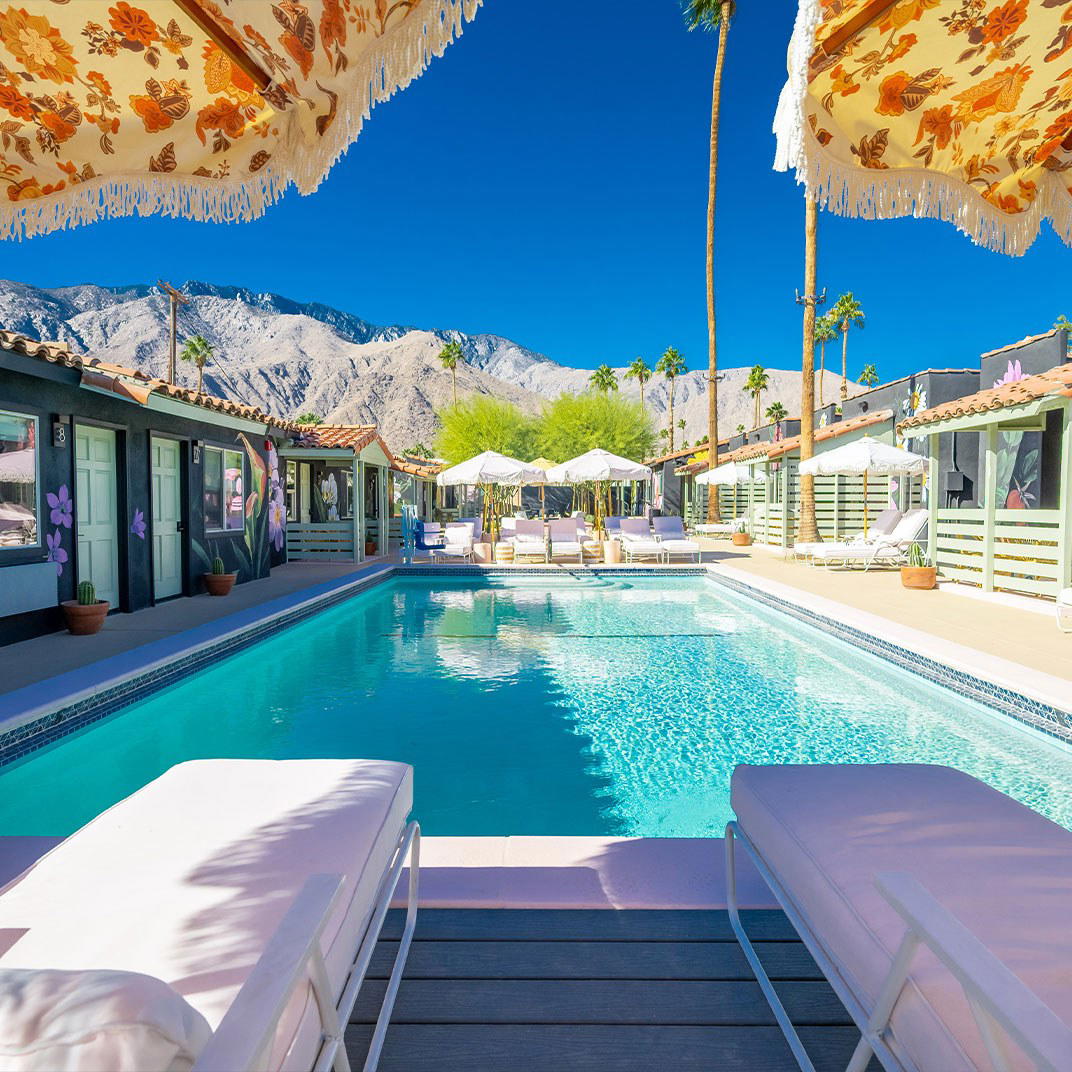
Bars in Desert Hot Springs
Browse all →
Restaurants in Desert Hot Springs
Browse all →
Details
- Quiet
- Romantic
- Scenic
- Cozy
- Elegant
- Minimalist
- Romantic Getaway
- Wellness Retreat
- Anniversary
- Weekend Escape
- Infinity Pool
- Destination Spa
- Panoramic View
- Garden
- Pool
- Spa
- Wi Fi
- Garden
- Mountain
- Garden
- Wheelchair Accessible
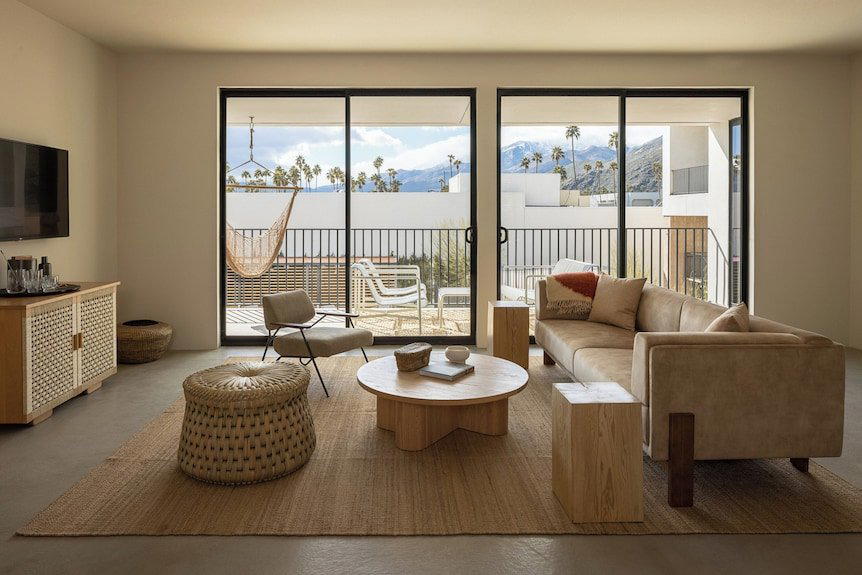
Serene and tranquil with a chill, quiet vibe emphasizing relaxation, clean minimalist lines, neutral palettes, and dramatic desert and mountain views.