Hotel Sequoia
Hotel Sequoia sits in Redwood City, a Peninsula address better understood through access and urban context than through resort mythology. With for awards, room categories, rates, dining, or booking channels, it reads as a practical city stay to assess against location needs, commute patterns, and the broader Bay Area hotel set.

Pearl is the En Primeur Club membership app — saves, bookings, and concierge access live there. Same editors, same standards.
- Address
- 526 El Camino Real, Redwood City, CA 94063, USA
- Directions
- Get directions
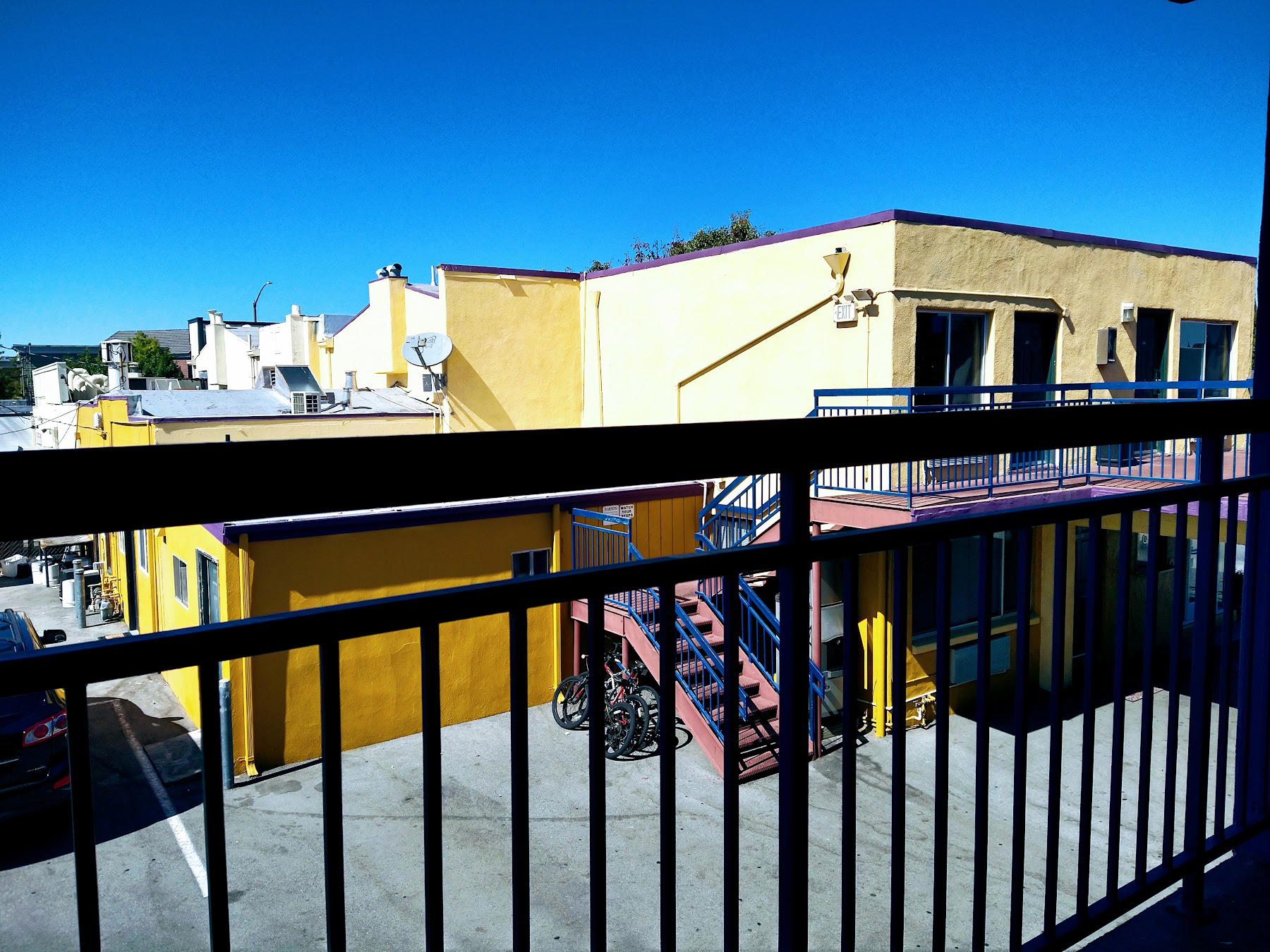
Redwood City lodging, seen through the street
Approaching a hotel in Redwood City is different from arriving at a grand coastal resort or a self-contained wine-country retreat. The cues are civic rather than theatrical: Caltrain movement, office corridors, low-rise downtown blocks, and the dry, clean light of the Peninsula. Hotel Sequoia belongs to that context. The available record places it in Redwood City, California, but does not supply an address, star rating, design description, room count, rate band, restaurant program, or awards history. That absence matters editorially. It shifts the assessment away from claims about interiors or service rituals and toward the larger question that defines many Peninsula hotels: what kind of stay does the setting support?
Redwood City occupies a practical position between San Francisco, Palo Alto, Menlo Park, and the South Bay. In hospitality terms, that location creates a different brief from Napa, Big Sur, Beverly Hills, or Manhattan. The hotel decision here is often shaped by meetings, family visits, campus access, medical appointments, tech travel, and rail convenience rather than by a destination-resort calendar. Design, when it succeeds in this corridor, usually works by reducing friction: clear circulation, quiet rooms, natural light, work-ready common areas, and a sense of local scale rather than spectacle.
Design expectations on the Peninsula
The Peninsula hotel market rewards restraint. Redwood City does not have the dense luxury-hotel tradition of San Francisco or the coastal-drama setting of Big Sur. Its stronger hospitality language comes from usefulness, walkability in selected downtown pockets, and proximity to the region’s business and academic nodes. A hotel in this city is judged less by lobby theater than by whether the building makes a short stay feel orderly: arrival, parking or transit, sleep quality, and access to dinner without turning every evening into a drive.
A named architect, preserved historic fabric, a published renovation, a notable restaurant tenant, or an award citation would materially change the way the property should be read. EP Club therefore treats the hotel as an address to evaluate with caution, not as a design-led property with substantiated credentials. Readers comparing architecture-forward hotels should look to documented examples such as The Fifth Avenue Hotel in New York City, where the conversation centers on dense urban layering, or Chicago Athletic Association in Chicago, where adaptive reuse gives the building a clear civic identity.
Where Redwood City changes the brief
Redwood City’s dining and drinking culture sits within the broader Bay Area pattern: ambitious restaurants cluster around larger city centers, while Peninsula towns often operate as commuter-friendly, neighborhood-driven ecosystems. A stay here benefits from knowing which part of the city matters for the trip. Downtown access carries different value from freeway adjacency. Proximity to Caltrain changes the arithmetic for San Francisco and San Jose. A quiet residential edge may suit a longer work stay, while a more central position may suit travelers who prefer walking to dinner.
That limitation is not cosmetic. In Redwood City, a difference of a few blocks can affect evening convenience, rail access, and the feel of the stay. Before comparing room categories or rates, the more useful question is whether the hotel’s exact location aligns with the trip’s daily pattern. For food planning around the stay, use Our full Redwood City restaurants guide. For the wider lodging set, compare it with Our full Redwood City hotels guide. Drinking options are better mapped through Our full Redwood City bars guide, while regional wine planning can start with Our full Redwood City wineries guide. For non-dining time in the area, Our full Redwood City experiences guide gives the stay a broader frame.
How it compares with design-led American hotels
American luxury hotels have split into several recognizable camps. There are heritage addresses, where the building’s social history does much of the work; landscape resorts, where the site is the central asset; wellness retreats, where programming defines the stay; and smaller urban hotels, where design and neighborhood integration carry the experience. Hotel Sequoia cannot be responsibly placed into any of those higher-definition categories from the available record. No hotel group, style note, star rating, awards count, or design authorship is listed.
That makes comparison useful by contrast. The Beverly Hills Hotel in Los Angeles is read through Los Angeles social history and a highly recognizable visual language. Four Seasons at The Surf Club in Surfside belongs to a coastal-club tradition where architecture, service, and legacy are part of the same proposition. Raffles Boston in Boston operates in the new-build urban luxury tier, where brand standards and skyline positioning shape expectations. These comparisons do not diminish a Redwood City stay; they clarify that the Peninsula brief is different. The value is usually in fit, not ceremony.
Amangiri in Canyon Point, Post Ranch Inn in Big Sur, and Sage Lodge in Pray all draw power from terrain. The building responds to desert, cliff, or mountain rather than to a commuter-region grid. Redwood City hotels, by contrast, need to solve the urban-Peninsula problem: access, quiet, convenience, and credible design without overplaying resort language.
Hospitality context beyond Redwood City
Northern California gives travelers several sharply different hotel logics within a few hours. Wine-country properties such as Auberge du Soleil in Napa, Meadowood Napa Valley in St. Helena, and SingleThread Farm Inn in Healdsburg attach lodging to vineyard culture, tasting-room schedules, and destination dining. 1 Hotel San Francisco in San Francisco belongs to a waterfront urban category, where city access and design branding become part of the stay. Redwood City is not competing on those terms. It is a Peninsula base, and that makes precision more valuable than romance.
Across the United States, other properties show how clear positioning helps a hotel communicate quickly. Troutbeck in Amenia draws on a country-house model. Canyon Ranch Tucson in Tucson is built around wellness programming. Little Palm Island Resort & Spa in Little Torch Key is defined by island seclusion. Dunton Hot Springs in Dunton uses remoteness and historic texture as core assets. Kona Village, A Rosewood Resort in Kailua Kona carries a resort vocabulary tied to Hawaiian coastal setting.
Planning a stay without overreading the record
The practical file is thin: no phone number, website, booking method, address, price range, room categories, dress code, restaurant information, or hours are listed in the supplied database. Travelers should therefore confirm booking channels, cancellation terms, parking arrangements, accessibility needs, and exact location directly through current official sources before making plans. This is not a minor caveat in Redwood City. A hotel can be useful or inconvenient depending on whether the trip is oriented toward downtown, Stanford-adjacent meetings, the South Bay, San Francisco, or highway movement.
Rate evaluation should also be grounded in comparison rather than brand assumption. With no published EP Club price range, the sensible approach is to compare available nightly rates against nearby Redwood City hotels for the same dates, then account for transport costs and daily time. A lower room rate can lose its advantage if every meal or meeting requires a ride. A higher rate can make sense if the location removes car dependence. For travelers who care about architecture and atmosphere, ask for current photos of rooms and public areas, plus renovation timing if available. In a market where many stays are functional, design quality is often found in practical details: sound control, lighting, materials that wear well, and public spaces that support work without turning the lobby into an office floor.
Comparable Venues Nearby
Comparable venues nearby, for context on price, style, and recognition.
| Venue | Cuisine | Price | Awards | Notes |
|---|---|---|---|---|
| Hotel SequoiaThis venue — the venue you are viewing | Independent boutique hotel in a rehabilitated early-20th-century landmark, blending grand historic bones with modern hospitality and community arts programming. | Not listed | Not listed | Not listed |
| Asilomar Hotel and Conference Grounds | Historic conference grounds with Arts and Crafts architecture harmonizing with coastal dunes and pines. | Not listed | Not listed | Pacific Grove |
| The Palms at Indian Head | Mid-century modern boutique hotel with historic Hollywood retreat vibes. | $100–200 | Not listed | Borrego Springs |
| The Coachman Hotel | Renovated mid-century motel with modern comforts | $1–100 | Michelin Selected | South Lake Tahoe |
| Cambria Beach Lodge | beach-inspired lifestyle boutique | $100–200 | Michelin Selected · Mr & Mrs Smith Seal of Approval | Moonstone Beach |
| Pioneertown Motel | Restored historic motel blending Old West authenticity with modern boutique comforts. | $100–200 | Michelin Selected · Mr & Mrs Smith Seal of Approval | Pioneertown |
Continue exploring
More in Redwood City
Hotels in Redwood City
Browse all →
Bars in Redwood City
Browse all →
Restaurants in Redwood City
Browse all →
Details
- Classic
- Well Known
- Elegant
- Business Trip
- Weekend Escape
- Group Retreat
- Celebration
- Historic Building
- Panoramic View
- Terrace
- Fitness Center
- Valet Parking
- Restaurant
- Skyline
- Street Scene
Grand historic architecture with brick masonry exterior, crown molding and rotunda spaces, reimagined with refined, contemporary boutique-hotel comforts and a strong connection to local arts and community.