Coral Sands Inn & Cottages, Harbour Island



Michelin Selected · Conde Nast Gold List · Virtuoso Luxury Hotel Partner
On Harbour Island's Chapel Street in Dunmore Town, Coral Sands Inn & Cottages occupies a position that speaks to the island's longer tradition of low-key, design-conscious accommodation.

Pearl is the En Primeur Club membership app, where members save venues, book tables and use the concierge.
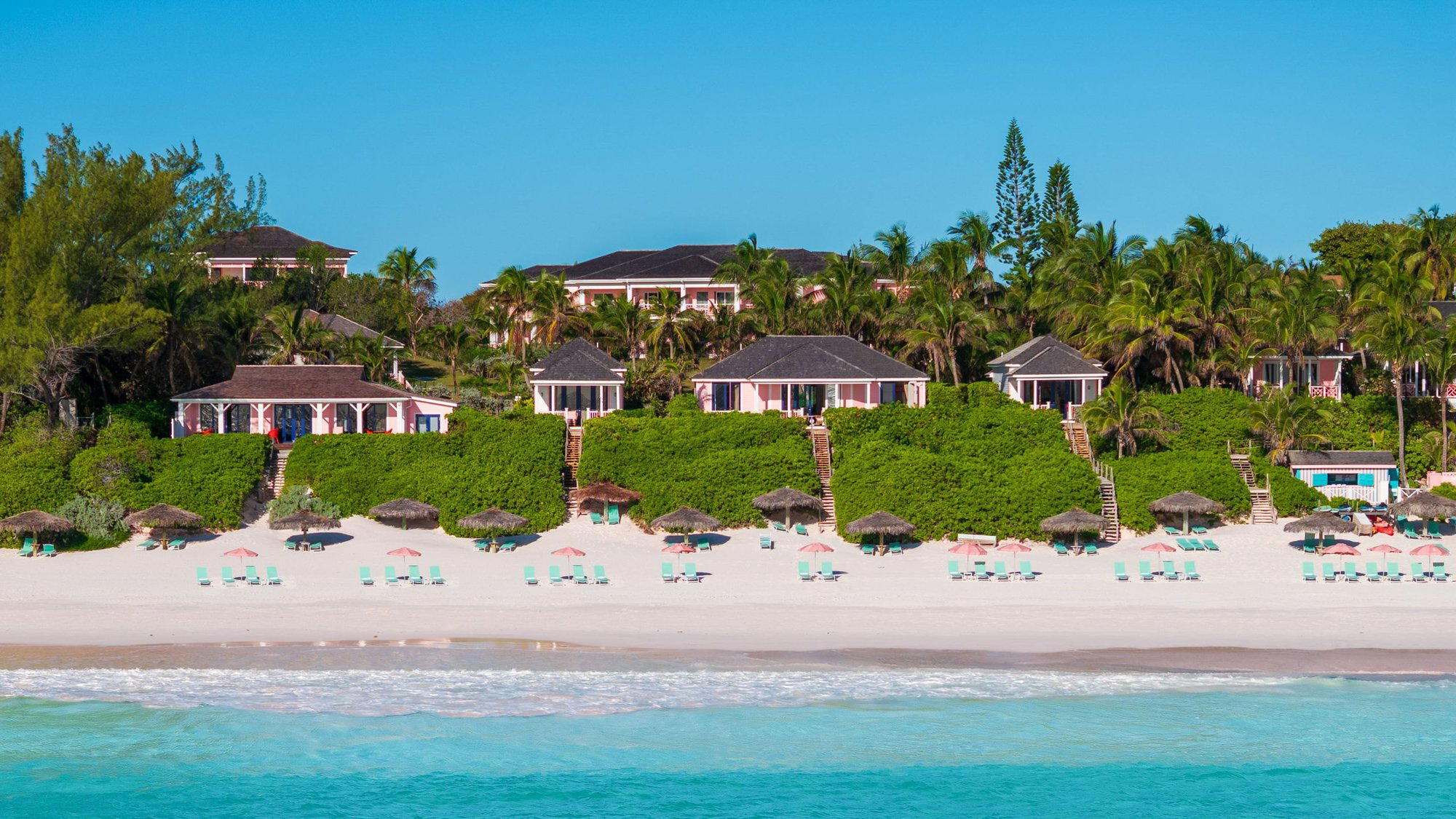
Pink Sand, Painted Wood, and the Particular Quiet of Harbour Island
Dunmore Town sits on a sliver of land off the northeastern tip of Eleuthera, and the approach to it from the water sets the tone for everything that follows. Low pastel-painted clapboard buildings line the bluff above the harbour, horse-drawn surreys move slowly along unpaved lanes, and the famous three-mile pink sand beach stretches down the Atlantic-facing shore with the kind of uninterrupted calm that makes visitors recalibrate their pace within hours of arriving. The Coral Sands Inn & Cottages occupies this world, on Chapel Street in Dunmore Town, and its presence there is a study in how a small property can read as an extension of a place rather than an imposition upon it.
Harbour Island has attracted a particular kind of traveller for decades: people who prize low-key over loud, who prefer shuttered colonial windows to floor-to-ceiling glass, and who regard the absence of a casino or convention centre as a virtue. The accommodation tier that serves this audience has evolved into a small but defined set of properties, each occupying its own position on the spectrum between simple beach inn and design-led boutique hotel. Coral Sands Inn & Cottages sits within this community of smaller properties, as does the The Landing Hotel & Restaurant, which anchors the southern end of the harbourfront with its own loyally returning clientele.
The Architecture of Place
The built environment of Dunmore Town is one of the more coherent small-town streetscapes in the Caribbean. British colonial settlement patterns left behind a grid of narrow lanes, white-painted stone garden walls, and timber-framed houses that have been repainted in successive generations of soft colour. The vernacular vocabulary here is wood louvers, deep covered verandas, and raised foundations designed to catch cross-breezes before air conditioning was a consideration. Properties that work well in Dunmore Town tend to work within this grammar rather than against it, using the inherited architectural language as a functional and aesthetic anchor.
Among Harbour Island's accommodation options, there is a meaningful split between properties that have pursued international design briefs and those that retain a more organic, locally inflected character. Eleven Bahama House and The Dunmore Hotel each represent considered design interventions that sit more deliberately within the boutique-luxury tier. Coral Sands Inn & Cottages and its near peer Pink Sands Resort occupy a different register, one where the emphasis falls on the relationship between the property and its immediate natural and built surroundings rather than on architectural statement. That is not a lesser position; for a certain traveller, it is precisely the point.
Cottage-format accommodation in small island destinations has specific functional logic. Separate structures create acoustic separation without the formality of hotel corridors, allow varying degrees of privacy across a single property, and permit outdoor living areas that read as genuinely private rather than semi-public balconies. In a Dunmore Town context, where the pace of daily life already slows considerably, the cottage model aligns naturally with the surrounding character of the town.
Placing Coral Sands in the Bahamas Accommodation Spectrum
The Bahamas hosts a wide range of accommodation types, from the scaled resort infrastructure of The Cove at Atlantis in Nassau and the Harborside Resort at Atlantis Paradise Island to design-intensive boutique retreats such as Kamalame Cay in Staniard Creek and Caerula Mar Club in Driggs Hill. Out Island properties like Tiamo Resort in South Andros Island have built reputations around deliberate remoteness and environmental sensitivity. Harbour Island sits in a middle ground: accessible enough from Nassau by a short flight and a water taxi, but insulated from mass tourism by its limited size and the absence of any development incentive to scale upward.
Within that context, Coral Sands Inn & Cottages addresses a segment of the Harbour Island market that values quieter stays with direct access to the beach and the town's lanes, without requiring the price architecture of the island's most design-forward properties. Visitors considering the full Eleuthera and Harbour Island range would also find relevant options in The Cove Eleuthera in Gregory Town and The Potlatch Club Boutique Hotel in Eleuthera, both of which serve a comparable appetite for low-key, design-conscious island retreats. For those coming directly from major international hubs, properties such as Pelican Bay Hotel in Freeport and Albany in New Providence represent an alternative Bahamian entry point before connecting onward.
For travellers calibrating Harbour Island against globally comparable small-island destination stays, the reference set broadens considerably. Properties like Amangiri in Canyon Point, Castello di Reschio in Lisciano Niccone, and Aman Venice operate in the register of total-environment design, where the architecture is arguably the primary amenity. Harbour Island at its finest offers something structurally different: the environment itself, both built and natural, does that work. Coral Sands in Harbour Island, listed separately in our coverage, sits within the same conversation.
What the Location Delivers
Chapel Street places the property within easy reach of Dunmore Town's central lanes and their modest concentration of shops, restaurants, and bars. The pink sand beach, one of the few beaches in the world where the distinctive colouration comes from crushed Foraminifera shells mixed into the natural silica, is the dominant natural asset of the island and the primary reason the property category here commands consistent demand. Access to it from this part of town requires only a short walk across the island's narrow width.
Seasonality matters on Harbour Island. The peak window runs from November through April, when temperatures sit in the mid-70s Fahrenheit and rainfall is minimal. Summer months bring higher humidity and occasional tropical weather disruptions, but also a markedly quieter island and accommodation rates that reflect the reduced demand. Visitors who book outside peak season often find a more locally oriented version of the town, with fewer international visitors and a slower rhythm that suits the cottage-stay format particularly well.
Planning Your Stay
Getting to Harbour Island involves a short flight into North Eleuthera Airport, followed by a brief taxi ride and a water taxi crossing to the island itself. The logistics are manageable but require planning, particularly during peak periods when both air access and water taxis can be fully committed by mid-morning. The island has no cars available for hire, which is by design: golf carts and bicycles are the standard modes of getting around, and the town's compressed geography means most locations are reachable within minutes. For Dunmore Town context, our full Dunmore Town restaurants guide covers the dining and drinking options that complete the island stay experience. Those drawn to similarly considered small-property stays in cities may find comparable editorial depth in our coverage of The Fifth Avenue Hotel in New York City, Cheval Blanc Paris, Hotel Bel-Air in Los Angeles, Badrutt's Palace Hotel in St. Moritz, Bvlgari Hotel Tokyo, Hôtel de Paris Monte-Carlo, and Aman New York.
In Context: Similar Options
| Venue | Price | Awards |
|---|---|---|
| Coral Sands Inn & Cottages, Harbour IslandThis venue (the venue you are viewing) | Not listed | Michelin Selected · Conde Nast Gold List |
| Pink Sands Resort | Not listed | Michelin Selected · Mr & Mrs Smith Seal of Approval |
| Eleven Bahama House | $500–750 | Not listed |
| The Landing Hotel & Restaurant | $300–500 | Not listed |
Recognition history
Dated appearances from independent guides and award organizations, with the underlying list record or original source where available.
Michelin Selected
Michelin
Conde Nast Gold List
Conde Nast
Virtuoso Luxury Hotel Partner
Virtuoso
Continue exploring
More in Harbour Island
Hotels in Harbour Island
Browse all →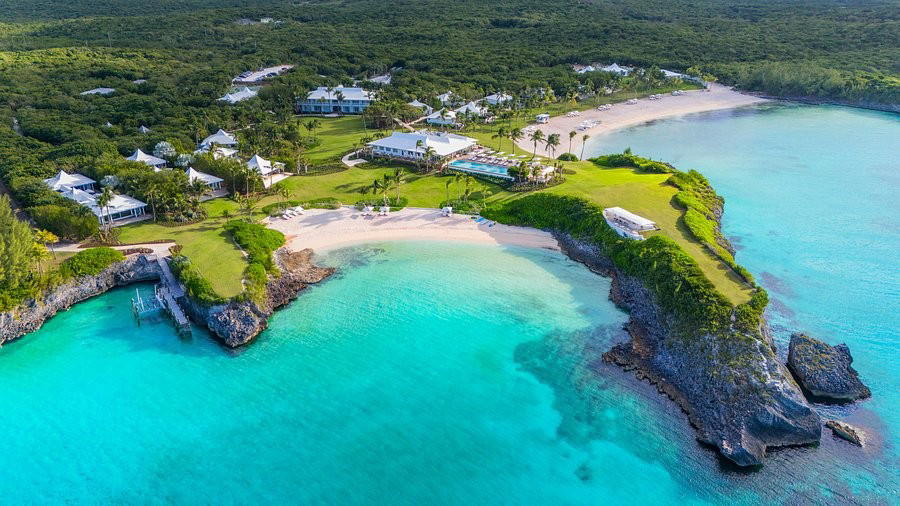
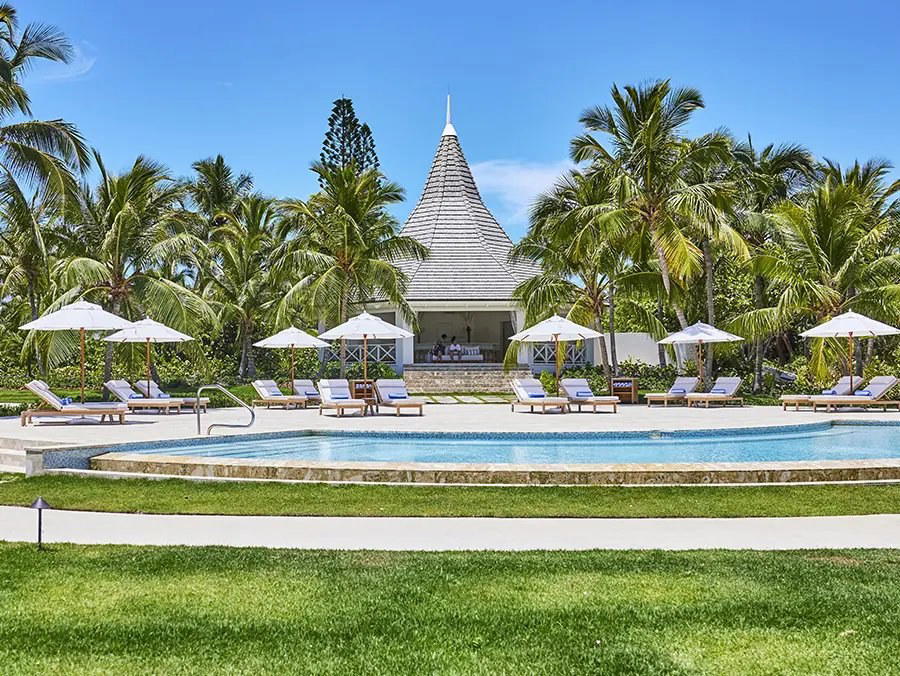
Bars in Harbour Island
All bars in Harbour Island →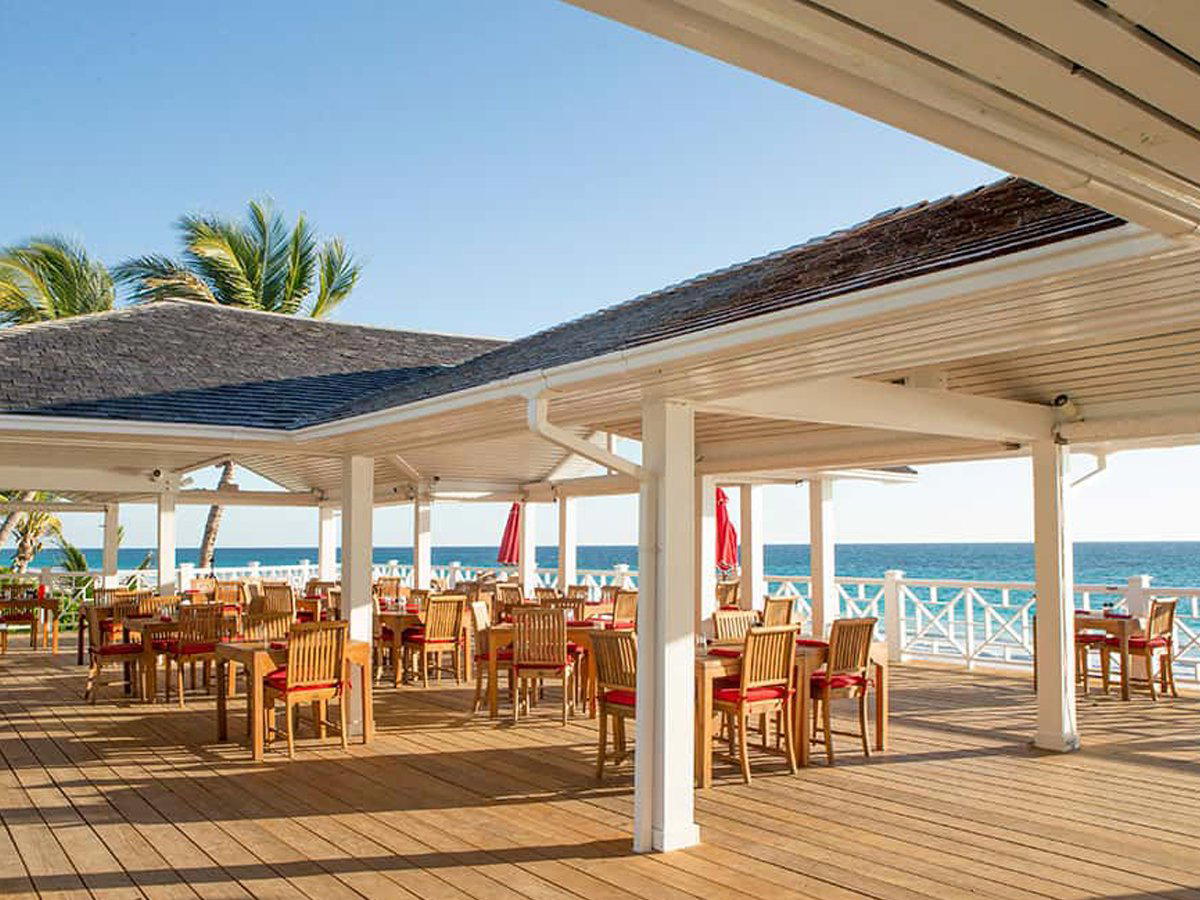
Restaurants in Harbour Island
Browse all →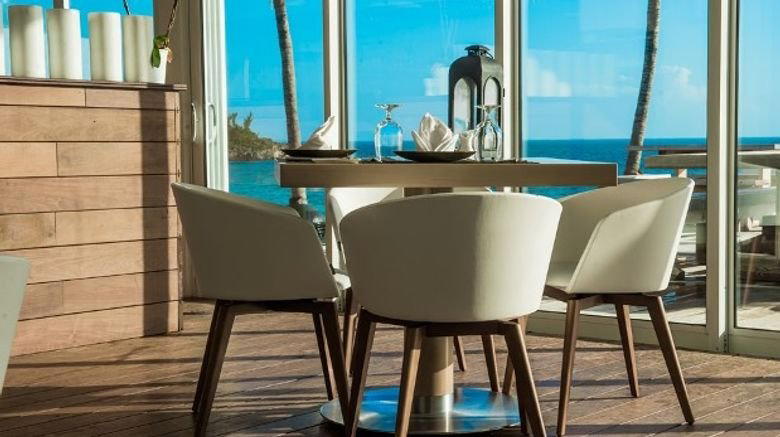
Details
- Romantic
- Quiet
- Cozy
- Scenic
- Classic
- Romantic Getaway
- Honeymoon
- Family Vacation
- Weekend Escape
- Beachfront
- Private Villa
- Pool
- Wi Fi
- Beach Access
- Fitness Center
- Concierge
- Room Service
- Waterfront
- Garden
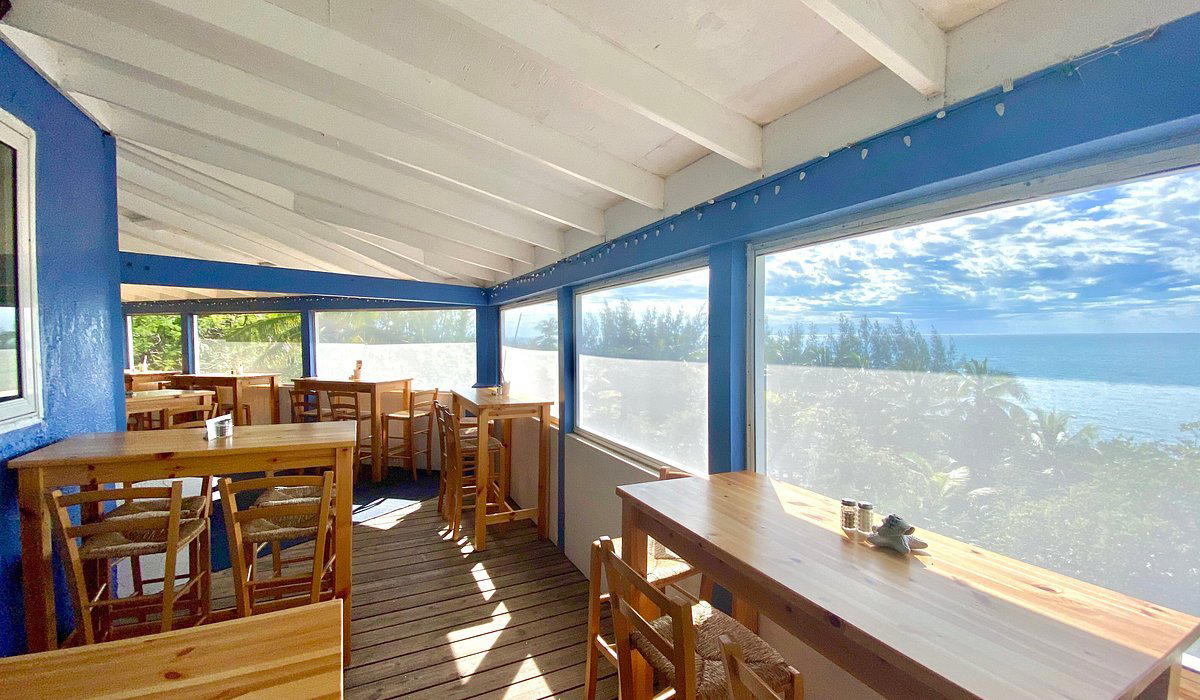
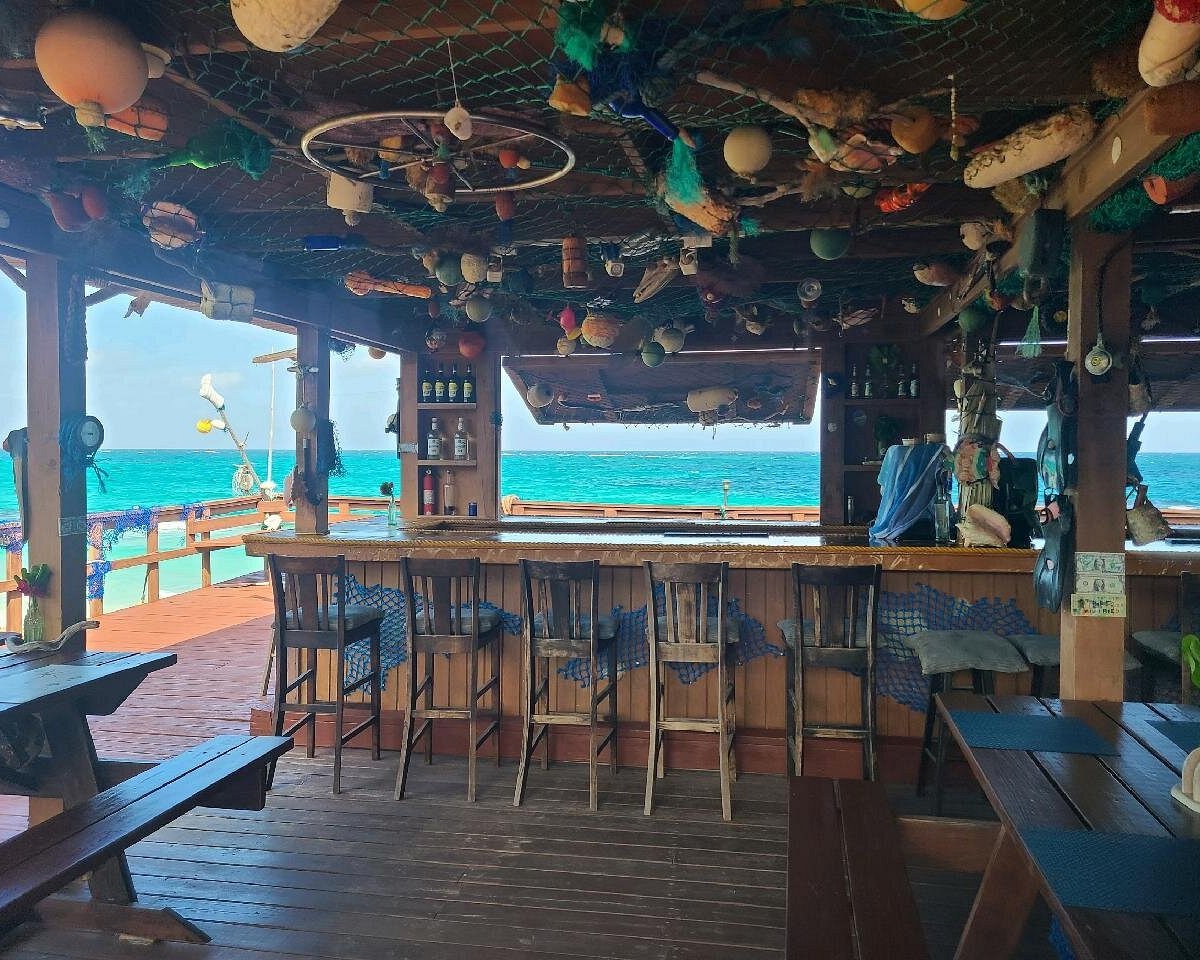
Laid-back luxury with bright Bahamian colors, sunlit residential-style interiors, lush gardens, and serene oceanfront atmosphere.