

Michelin Selected · Mr & Mrs Smith Seal of Approval
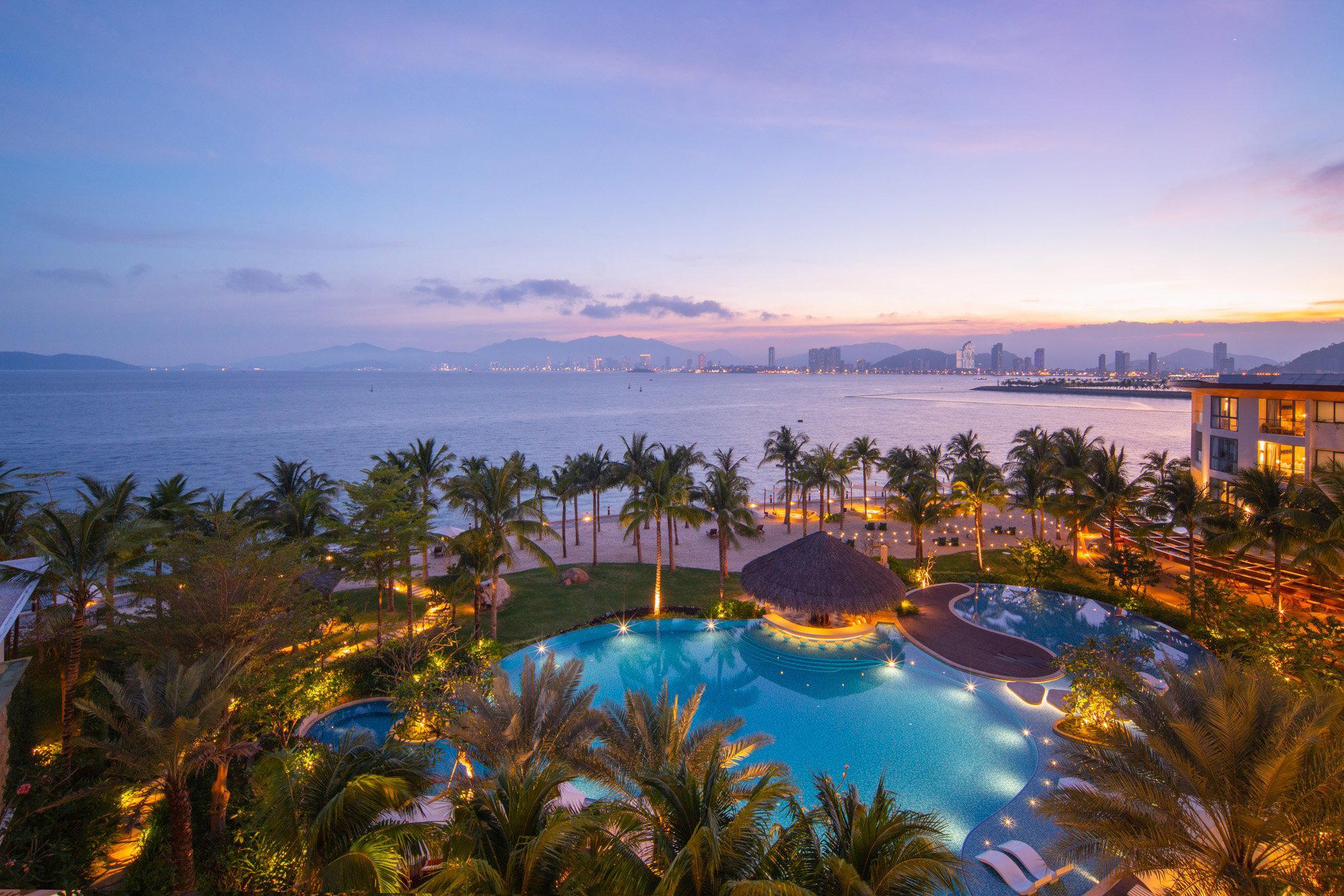
An Lam Retreats Ninh Van Bay sits on the Hon Heo Peninsula outside Nha Trang, accessible only by boat and recognised in the Michelin Selected Hotels 2025 list. The property belongs to a small tier of Vietnamese coastal retreats that prioritise isolation and low-key luxury over resort-scale amenity stacks. For travellers choosing between visibility and seclusion, it occupies a distinct position in the regional market.

Pearl is the En Primeur Club membership app — saves, bookings, and concierge access live there. Same editors, same standards.
- Address
- Hon Heo Peninsula, Tan Thanh, Commune Ward, Đông Ninh Hòa, Khánh Hòa, Vietnam
- Phone
- +84 258 3901 000
- Website
- anlam.com
- Directions
- Get directions
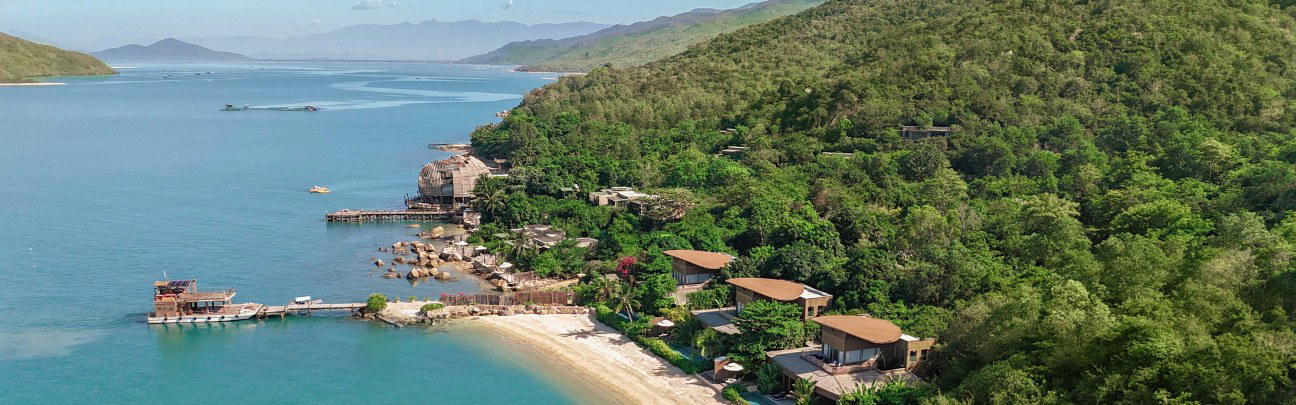
Arriving by Water, Starting on a Different Clock
The approach to An Lam Retreats Ninh Van Bay sets the terms of the stay before you've unpacked. There is no road access to the Hon Heo Peninsula. Guests transfer by boat from the Nha Trang mainland, a journey that functions less as a logistical necessity and more as a threshold ritual: the city recedes, the karst-framed bay opens up, and the property's premise becomes immediately legible. You are not in a resort corridor. You are in a bay.
This kind of water-access isolation has become a defining feature of a particular tier of Vietnamese coastal hospitality. Properties like Six Senses Ninh Van Bay operate on the same peninsula and pioneered the format in this stretch of coastline. An Lam sits within that same conceptual bracket: accommodation separated from the mainland not just by kilometres but by mode of travel, where the physical act of arrival filters the guest profile and sets a quieter pace from the outset.
Michelin Recognition in the Context of Vietnam's Coastal Tier
An Lam Retreats Ninh Van Bay appears on the Michelin Selected Hotels list for 2025, placing it within a curated group of Vietnamese properties that the guide considers worth flagging for travellers with quality thresholds. The Michelin hotel selection does not operate on the same starred system as its restaurant arm; inclusion signals consistent standards and editorial relevance rather than a ranked position. In Vietnam, where the hotel landscape ranges from international chain towers to small-scale boutique operations, Michelin Selected status functions as a shorthand for a property that has been vetted against a defined quality baseline.
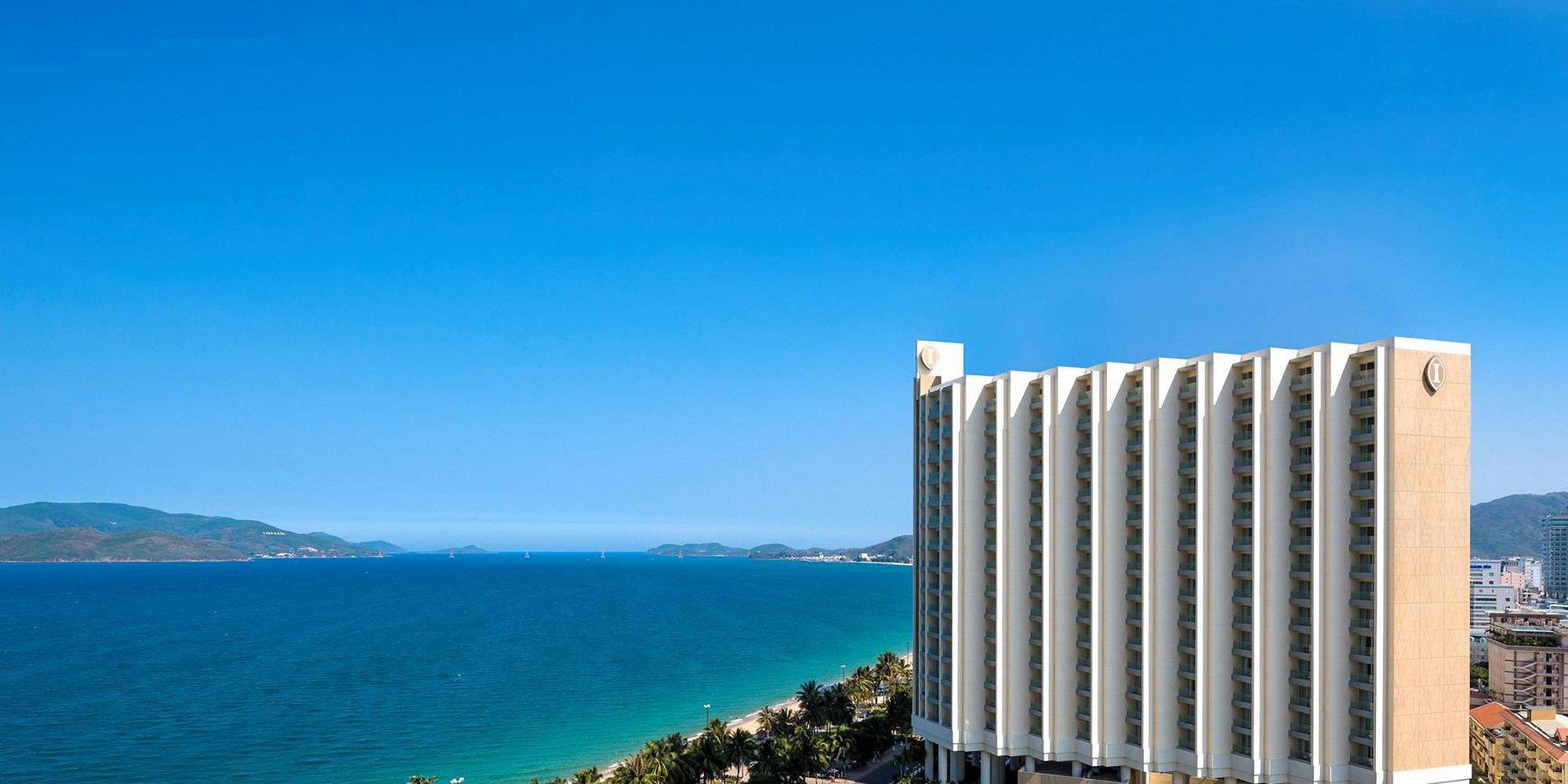
Larger-footprint properties in the city, such as the InterContinental Nha Trang or the Leading Western Premier Marvella, compete on amenity volume and beachfront access. An Lam competes on a different axis entirely.
The Service Architecture of a Bay Property
Remote properties that rely on boat access face an operational challenge that shapes their entire service culture: when a guest needs something, the solution cannot arrive in four minutes from a city-side stockroom. This constraint, in the better-run examples of the format, produces a more attentive style of anticipatory service. Staff at isolated bay retreats across Southeast Asia typically develop sharper instincts for guest preferences precisely because the logistical cost of missing them is higher.
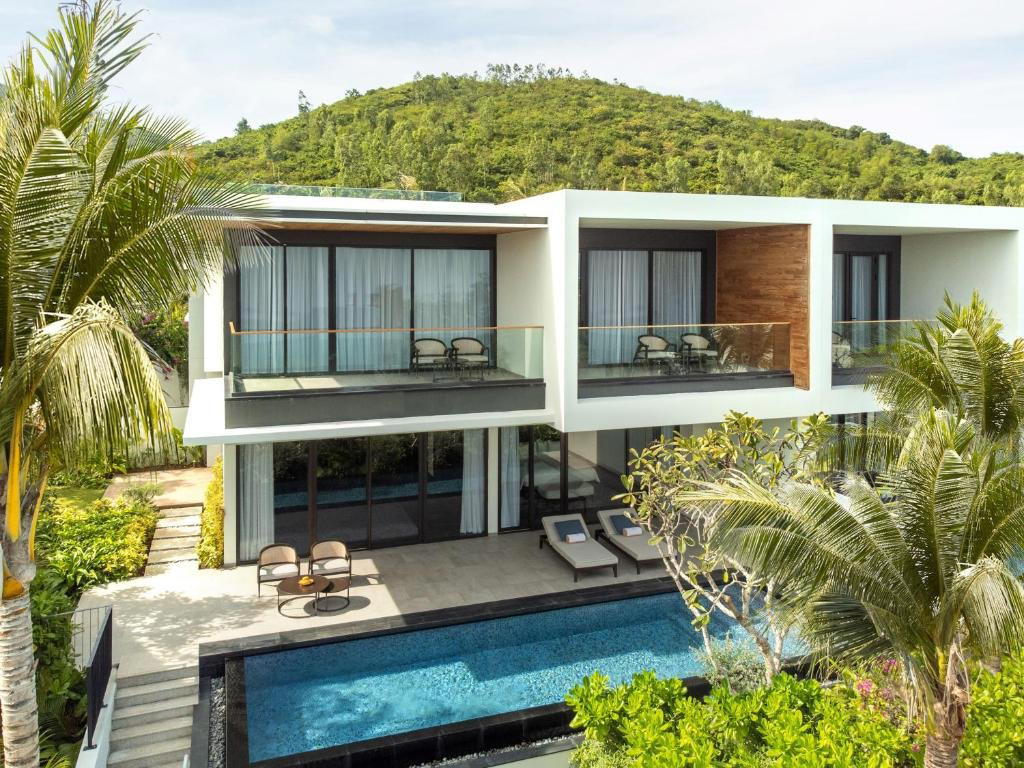
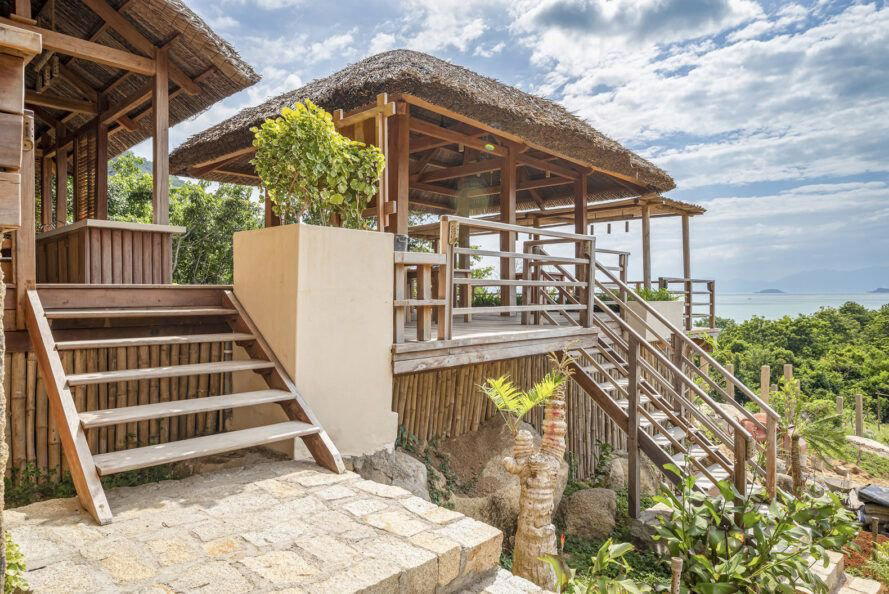
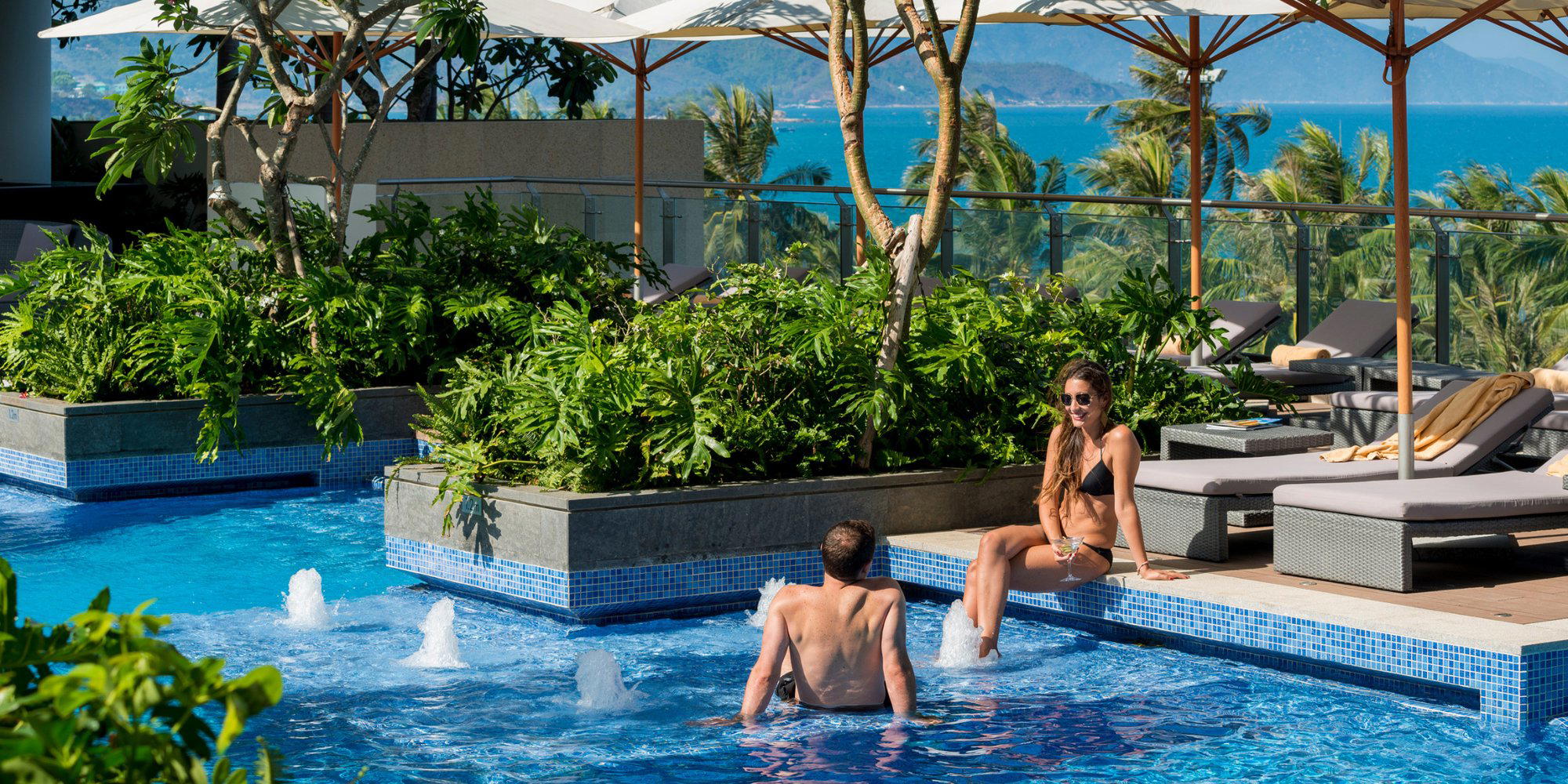
At An Lam, the physical layout of the property across the peninsula — villas positioned for privacy rather than visual spectacle — means that service is necessarily more proactive than reactive. A guest settled into a hillside or beachfront villa is not steps from a lobby concierge. The model that functions in this setting is one where preferences are understood early, routines are noted, and requests are anticipated rather than responded to after the fact. This is the service philosophy that the better water-access properties in the region have refined over a decade, and it represents a materially different experience from the flag-down-a-passing-server dynamic of a large resort pool deck.
For comparison, properties accessible by road, such as the Mia Resort Nha Trang or the Boma Resort, offer different rhythms of interaction with staff, more incidental, less pre-structured. Neither model is objectively superior, but they produce distinctly different textures of stay. An Lam's geography enforces a kind of intentionality in the guest-staff relationship that is difficult to replicate in an open-access setting.
Nha Trang's Positioning in Vietnam's Coastal Circuit
Nha Trang occupies a specific slot in Vietnam's coastal geography: more developed than Mui Ne but less internationally saturated than Phu Quoc, with a functioning city that provides airport access and a bay that still supports genuinely remote outliers like Ninh Van. Travellers routing through Vietnam's coast have a growing number of positioned options: Amanoi in Vinh Hy sits at the northern end of that coast's ultra-premium end; The Anam Mui Ne and Asteria Mui Ne Resort represent the Phan Thiet corridor further south. An Lam in Ninh Van Bay sits in the middle of that circuit, offering a bay-access format that Nha Trang's geography makes possible in a way that purely beachfront markets cannot replicate.
For travellers covering more of Vietnam, An Lam fits into multi-stop itineraries that might include central properties like Hotel Royal Gallery in Hoi An, Banyan Tree Lăng Cô, or LANGCO BAY RETREAT in Hue, and northern anchors such as Garrya Mu Cang Chai or The Yacht Hotel by DC in Ha Long. Within that broader routing, Nha Trang functions as a natural rest point between north and south, and An Lam's isolation provides a deliberate deceleration after more activity-dense stops.
Planning a Stay: Access, Timing, and Practical Framing
Cam Ranh International Airport (CXR) serves Nha Trang and sits roughly 35 kilometres from the city. Getting to An Lam from there involves the standard road transfer into the Nha Trang area, followed by the property's boat transfer to the peninsula. The boat leg is not long, but it is non-negotiable: late arrivals and early departures need to be coordinated with the property's transfer schedule, which is a planning consideration that doesn't apply at road-accessible alternatives.
The dry season along this stretch of coast runs broadly from January through August, with the peak visibility and calmest water conditions typically concentrated between February and July. The autumn months bring increased rainfall and some swell, which can affect the boat transfer experience and general outdoor enjoyment. Booking in the dry season is the default for most guests, and availability at small-footprint properties tends to compress accordingly during peak months. If the stay is time-sensitive, earlier booking is the appropriate response to that dynamic rather than a marketing prompt.
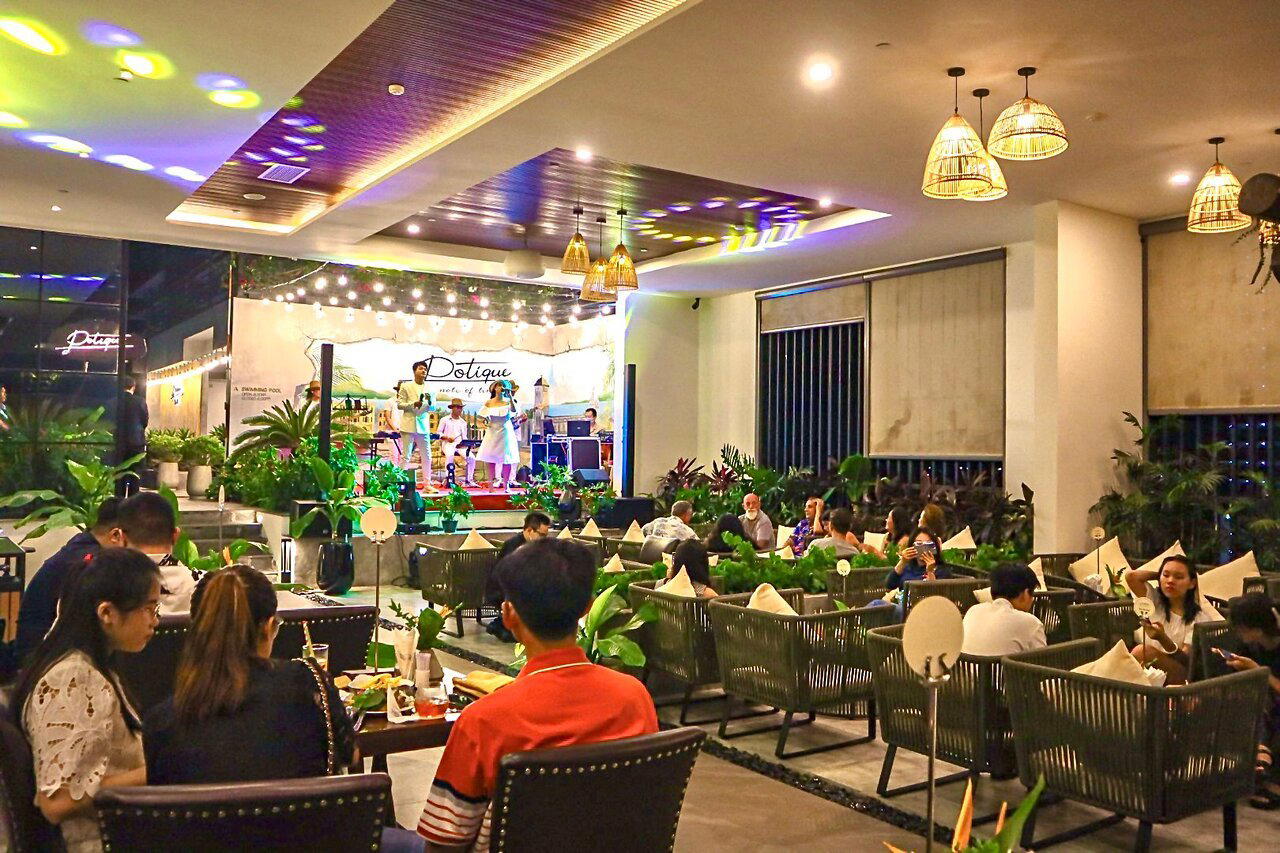
For context on what else the Nha Trang market offers across different formats and price points, see our full Nha Trang guide. Travellers weighing city-adjacent options might also consider the Potique Hotel for a smaller urban alternative. Those approaching from Ho Chi Minh City may find it useful to benchmark against Amanaki Saigon Boutique Hotel as a southern anchor. And for travellers calibrating expectations against global reference points in Michelin Selected hospitality, properties like Badrutt's Palace in St. Moritz or Hôtel de Paris Monte-Carlo sit in the same recognition tier, though in entirely different operational contexts.
Cuisine Context
Comparable venues nearby, for context on price, style, and recognition.
| Venue | Cuisine | Price | Awards | Notes |
|---|---|---|---|---|
| An Lam Retreats Ninh Van BayThis venue — the venue you are viewing | All-villa eco-friendly retreat blending modern Vietnamese heritage with luxury privacy | $200–300 | Michelin Selected · Mr & Mrs Smith Seal of Approval | Not listed |
| InterContinental Nha Trang | Contemporary luxury beachfront resort combining international hospitality standards with Vietnamese coastal charm and local cultural elements. | $200–300 | World Travel Awards | Nha Trang beachfront |
| Mia Resort Nha Trang | Contemporary cliffside boutique resort blending minimalist architecture with tropical landscaping | $100–200 | Michelin Selected · Mr & Mrs Smith Seal of Approval | Bai Dai |
| Best Western Premier Marvella Nha Trang Hotel | Contemporary upscale beachfront resort with internationally prominent facilities and modern luxury positioning. | $100–200 | World Luxury Hotel Awards WLHA Continent Winner | Loc Tho Ward |
| Potique Hotel | Independently-run luxury boutique hotel with contemporary design and Vietnamese hospitality focus; positioned as a premium retreat rather than a chain property. | Not listed | World Luxury Hotel Awards WLHA Country Winner · World Travel Awards | Tran Phu Beach, Central Nha Trang |
| Villa Le Corail, Gran Meliá | All-villa beachfront resort combining Mediterranean elegance with Vietnamese tropical charm | $300–500 | Michelin Selected | Bãi Tiên |
Recognition history
Dated appearances from independent guides and award organizations, with the underlying list record or original source where available.
Michelin Selected
Michelin
Mr & Mrs Smith Seal of Approval
Mr & Mrs Smith
Details
- Romantic
- Quiet
- Elegant
- Scenic
- Intimate
- Sophisticated
- Honeymoon
- Romantic Getaway
- Wellness Retreat
- Anniversary
- Beachfront
- Private Villa
- Infinity Pool
- Destination Spa
- Panoramic View
- Pool
- Spa
- Fitness Center
- Room Service
- Concierge
- Beach Access
- Wi Fi
- Waterfront
- Garden
- Mountain
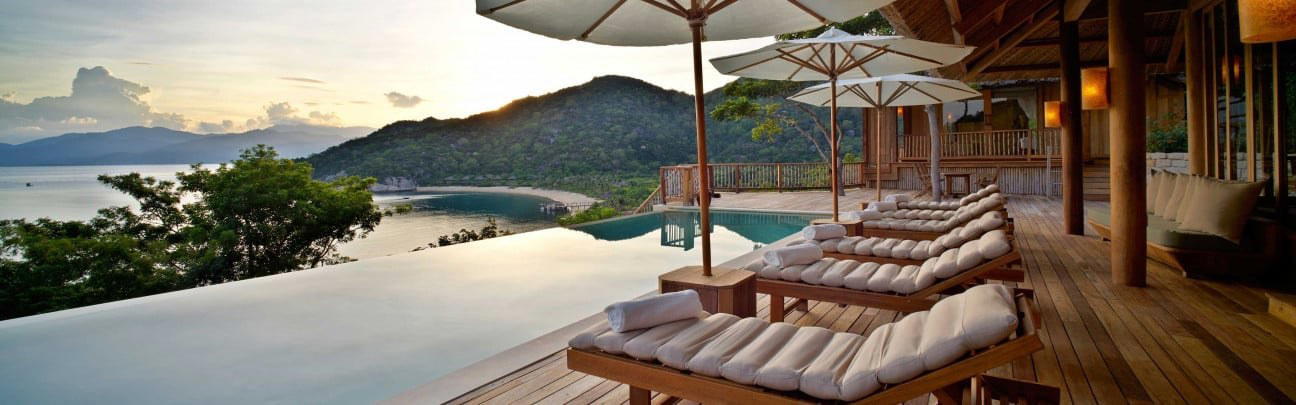
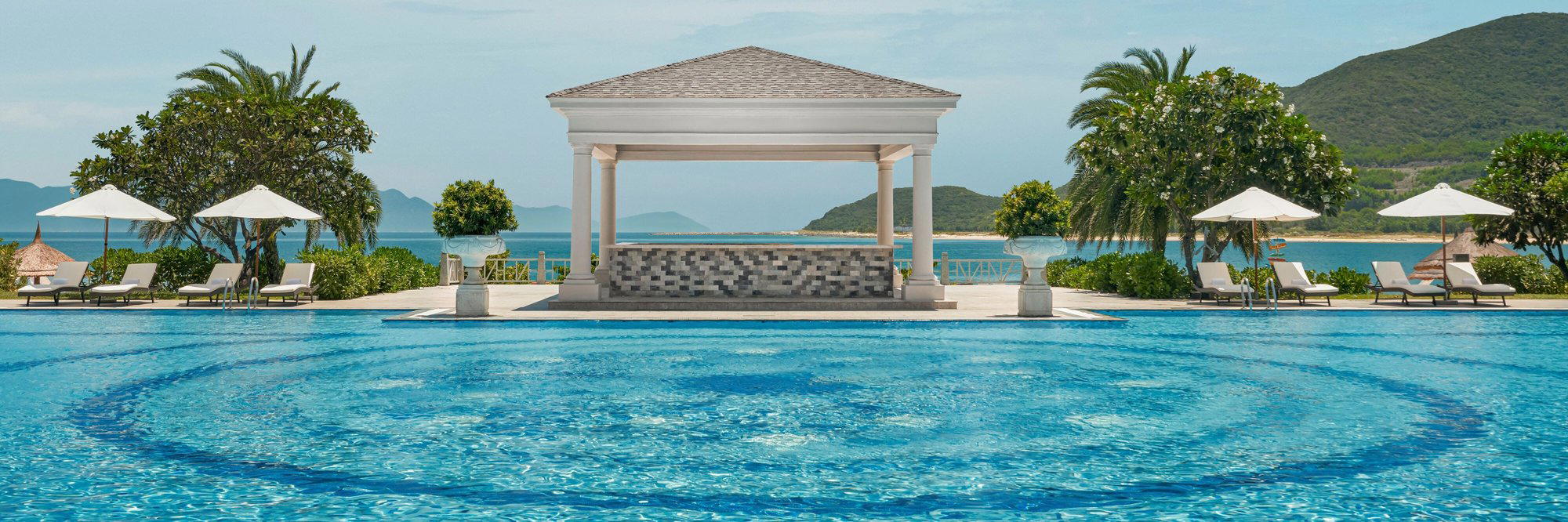
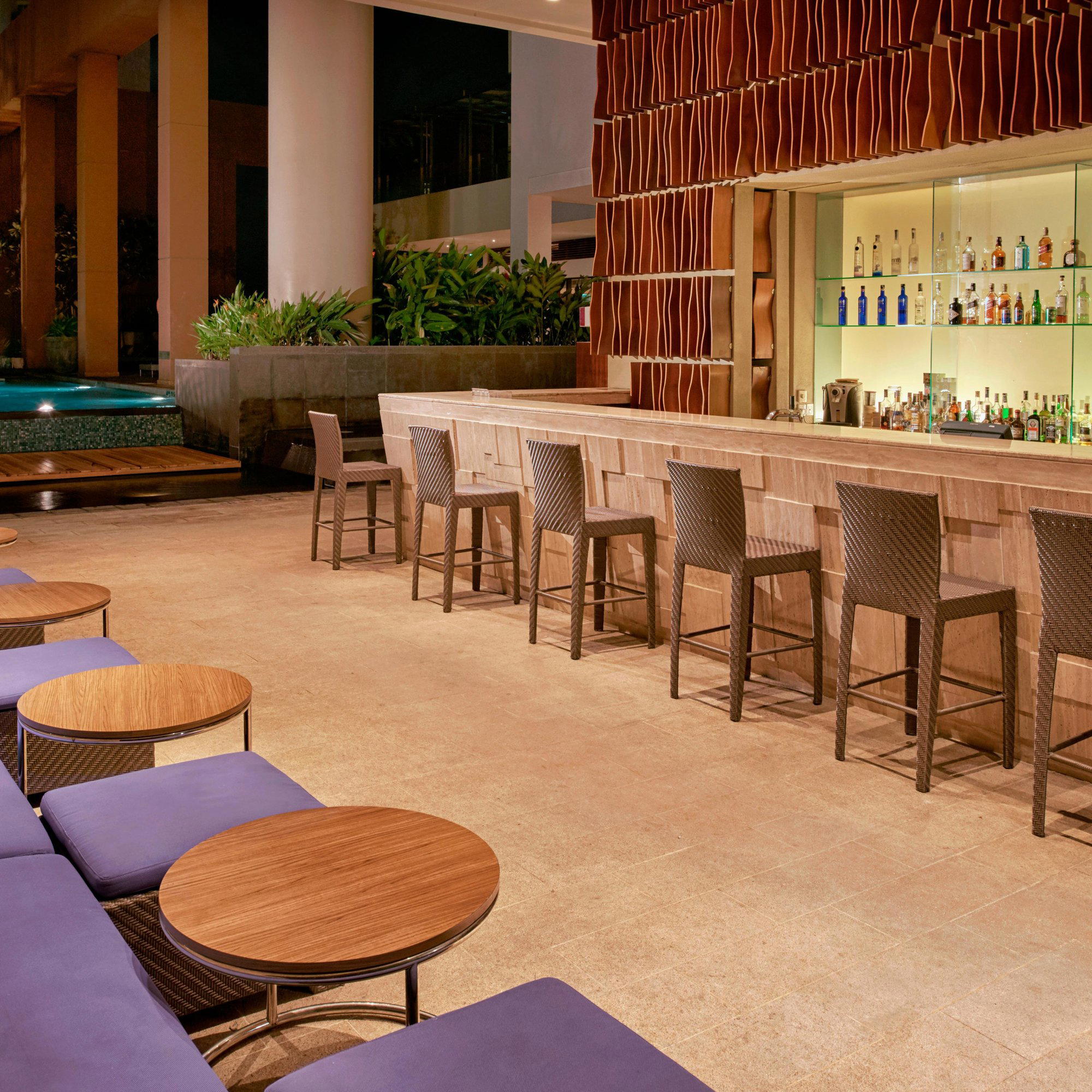
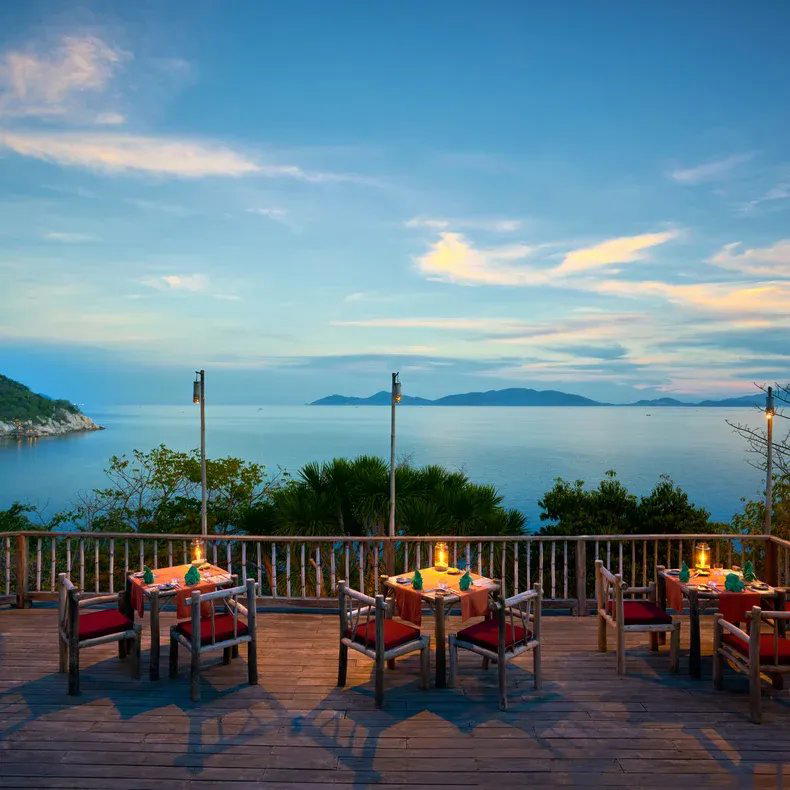
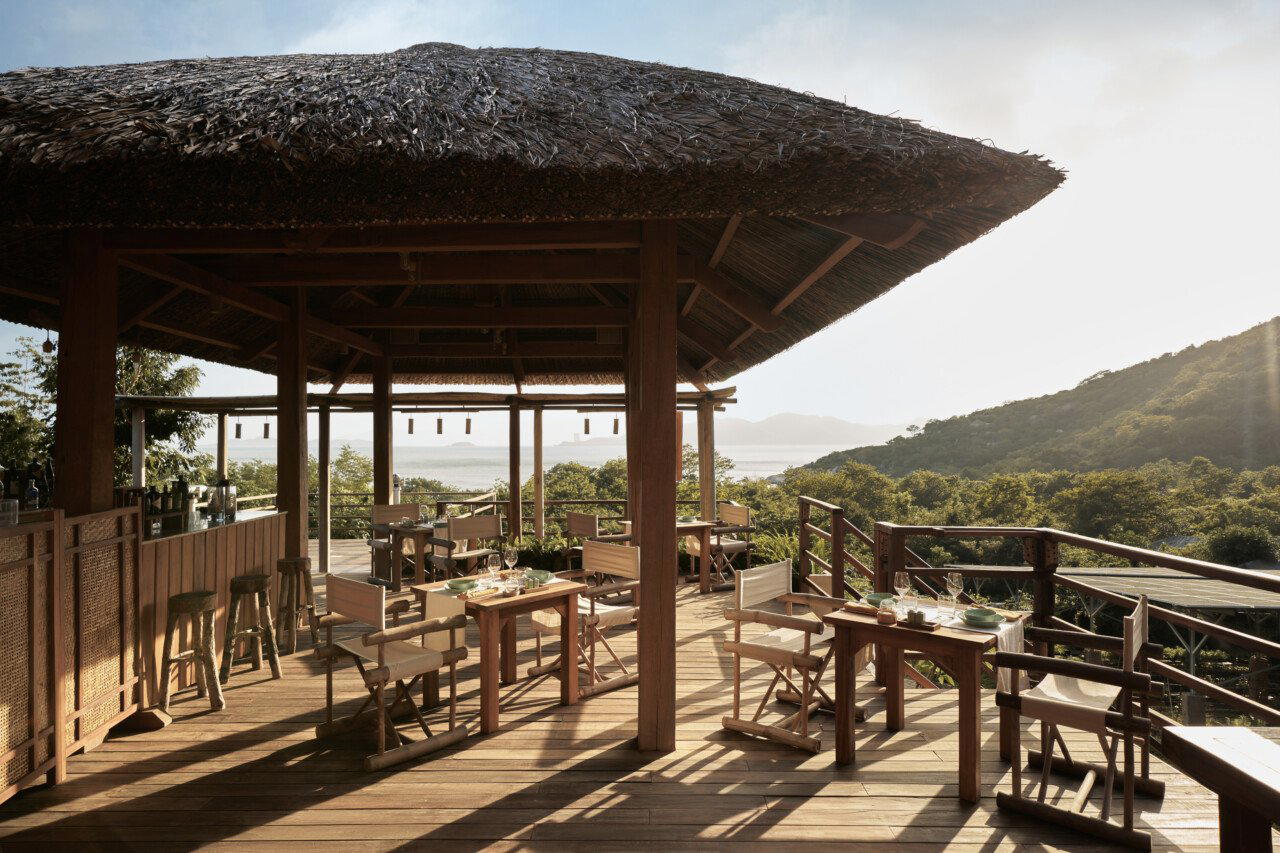
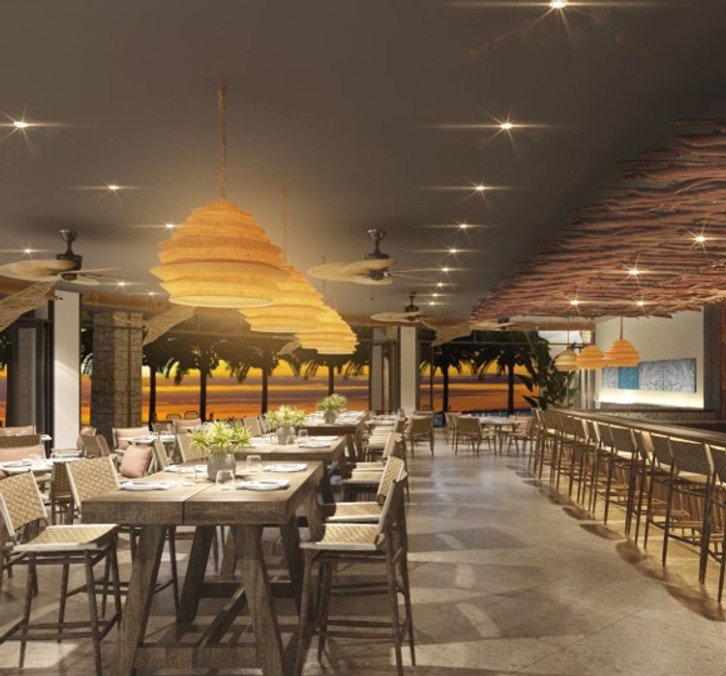
Soothing and unhurried with natural woods, muted decor, pale timber, indoor-outdoor seating, private gardens, terraces, and jungle sounds.