Our verdict
Luong Son Cang sits on Hùng Vương, one of Nha Trang's main seafood corridors, positioning it within the city's broader tradition of waterfront and harbour-adjacent dining. The restaurant draws on the South-Central Coast's deep familiarity with fresh-catch cooking, where proximity to the fishing fleet shapes the menu more than any formal culinary programme. For visitors tracing Nha Trang's seafood circuit, it represents the locally-rooted tier of the city's dining scene.

Pearl is the En Primeur Club membership app — saves, bookings, and concierge access live there. Same editors, same standards.
- Address
- 160 Hùng Vương, Lộc Thọ, Nha Trang, Khánh Hòa 650000, Vietnam
- Phone
- +84889637979
- Hours
- Daily 10 AM–11 PM
- Website
- luongsoncang.com
- Directions
- Get directions
- Booking
- Book on the venue's website
The menu
What to order
- Grilled lobster
- Garlic shrimp
- Grilled scallops with cheese
- King crab
- Oysters with scallion and butter garlic
Nha Trang's Seafood Tradition and Where Luong Son Cang Fits
Along Nha Trang's Hùng Vương street, the pattern repeats: seafood restaurants positioned to catch the evening foot traffic moving between the beachfront and the city's residential core. The address at 160 Hùng Vương places Luong Son Cang within the Lộc Thọ ward, a district where the dining culture has historically been shaped less by formal culinary ambition and more by the rhythms of the local fishing fleet. This is not the polished hotel-strip version of Vietnamese coastal food. It is the kind of eating that the South-Central Coast has practised for generations, where the quality of the catch on any given day determines the menu's logic.
Vietnam's coastal cuisine, particularly along the stretch running from Da Nang south through Nha Trang to Phan Thiết, operates on a fundamentally different set of priorities than the country's landlocked culinary traditions. Freshness is not a marketing claim here — it is structural. Fishing communities in Khánh Hòa province have direct and daily access to the South China Sea's harvest, and the leading local restaurants in this tier function almost as extensions of that supply chain. Across Vietnam, the contrast between this kind of locally-anchored seafood dining and the more internationally-oriented restaurants is sharpening. Places like Akuna in Ho Chi Minh City or Gia in Hanoi represent one direction: technically sophisticated, internationally recognised. Luong Son Cang represents another: rooted in a specific coastal geography and its immediate produce.
The South-Central Coast as a Culinary Frame
Khánh Hòa province's seafood culture is one of the more underexamined chapters in Vietnamese food writing. The province's fishing ports, particularly those feeding into Nha Trang, land a range of species that define the region's characteristic dishes: sea urchin prepared simply with rice paper, crayfish grilled over charcoal, clams steamed with lemongrass, and raw shrimp prepared in the style known locally as tôm hùm. These are not dishes that translate well to distance or to industrialised supply chains. They require proximity.
That proximity is the structural advantage that places like Luong Son Cang share with others in Nha Trang's locally-rooted dining tier. The dining format across this tier tends toward the communal and the direct: large shared tables, live tanks displaying the day's catch, and ordering that begins with what has arrived from the boats rather than with a fixed printed menu.
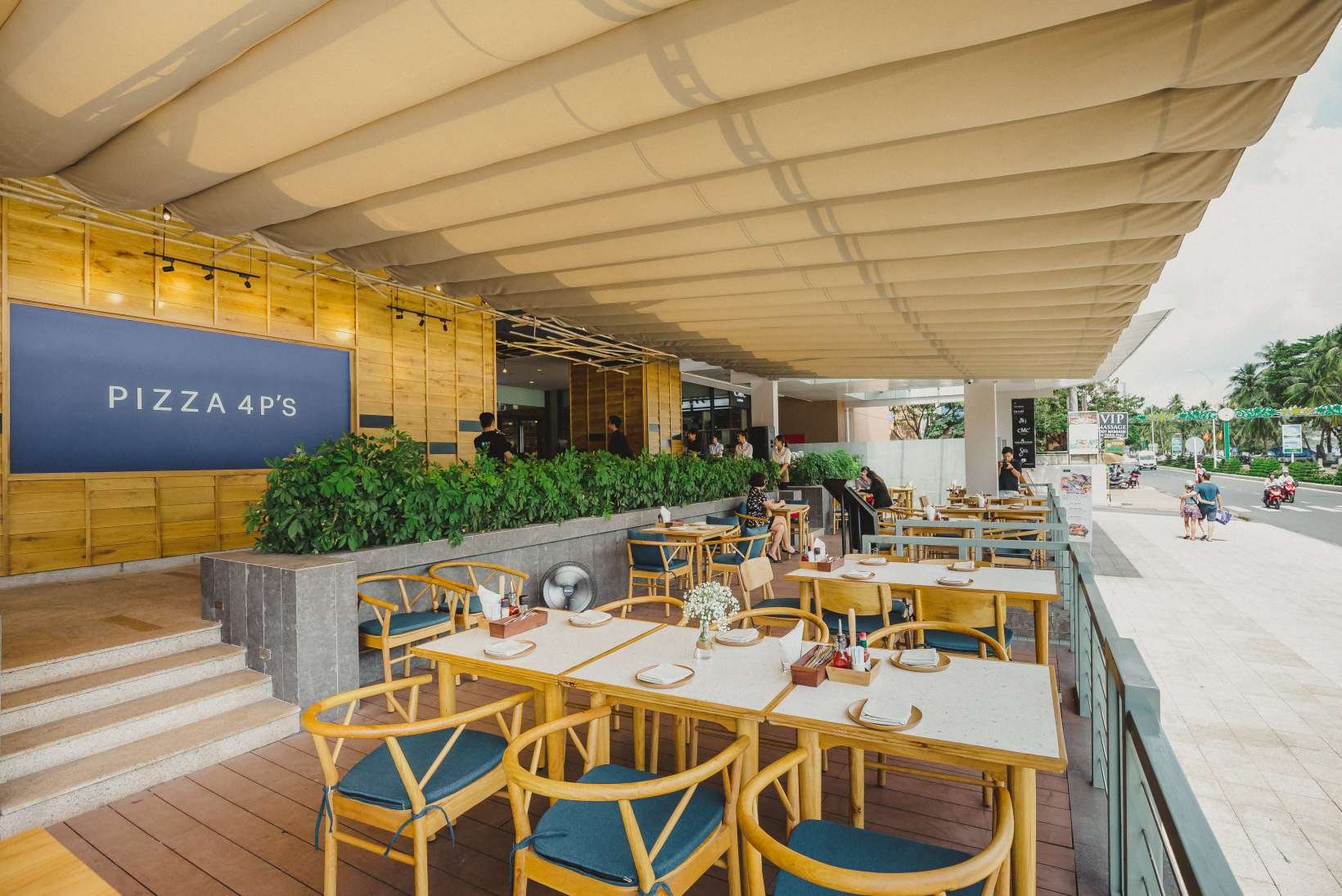
Nha Trang's broader dining scene has split in recent years between this locally-anchored category and a more internationally-oriented set of restaurants serving the resort and convention-centre crowd. Pizza 4P's at the Sheraton and Kohaku Ramen and Udon at Vinpearl represent the resort-adjacent, internationally-branded tier. Ong Bay's House occupies a middle ground with a more character-driven local identity. Luong Son Cang sits further toward the locally-rooted end of that spectrum.
Reading the Address: What Lộc Thọ Tells You
The Lộc Thọ ward has a different density and character than the beachfront strip. It is a neighbourhood where Nha Trang residents eat, not only where tourists are directed. Restaurants in this part of the city tend to operate with less English-language accommodation, fewer curated tourist-facing experiences, and more of the functional directness that characterises Vietnamese urban dining at its unselfconscious leading. This is relevant context for visitors deciding between the seafood circuit here and, say, the more formal presentations found further north along Vietnam's coast at a restaurant like La Maison 1888 in Da Nang.
The gap between those two experiences is not simply one of price or formality. It reflects two different ideas about what coastal Vietnamese food is for. La Maison 1888's approach, with its French colonial frame and fine-dining architecture, reads Vietnamese ingredients through an international luxury lens. The locally-rooted seafood restaurants of Nha Trang's Hùng Vương corridor — Luong Son Cang among them, operate without that mediating layer. What arrives at the table is shaped by what was caught, not by a tasting menu's predetermined arc.
For those building a wider picture of Vietnamese regional seafood traditions, the comparison with markets further afield is instructive. The Bien 14 Seafood Buffet in Hạ Long and places like White Rose in Hội An show how differently coastal communities across Vietnam have formalised their seafood traditions into restaurant formats. Nha Trang's version tends to be less ceremonial than Hội An's, more focused on volume and variety than on a single dish's heritage narrative.
Planning a Visit
The practical considerations for eating at Luong Son Cang reflect the broader conventions of this tier of Nha Trang dining. The address, 160 Hùng Vương, Lộc Thọ, is navigable by motorbike taxi or rideshare apps widely used in the city, and the ward sits within a short distance of the central beachfront. For visitors tracing the full range of what Nha Trang's seafood scene offers, pairing a meal here with a broader read of the city's dining options provides useful calibration. The full Nha Trang restaurants guide maps the city's dining tiers in more detail.
Visiting in the early evening, when the catch is fresh and tables are filling with a local crowd rather than late-night overflow, is the standard approach for this tier of seafood restaurant across Vietnam's coastal cities. The ordering dynamic, selecting from live tanks or from whatever the kitchen has prepared that day, is worth understanding before arriving, particularly for those accustomed to fixed-menu formats.
For broader context on Vietnam's premium end, Le Bernardin in New York and Atomix represent the international benchmark for seafood precision and Korean fine dining respectively, useful reference points for understanding how differently the same coastal ingredients can be framed depending on culinary tradition and context. Vietnam's locally-rooted seafood restaurants operate in a different register entirely, one defined by proximity and informality rather than by formal technique, but no less coherent for it.
Frequently asked questions
What's the address for Luong Son Cang Restaurant?
Luong Son Cang Restaurant is located at 160 Hùng Vương, Lộc Thọ, Nha Trang, Khánh Hòa 650000, Vietnam, Nha Trang.
How is eating at Luong Son Cang different from dining at a beachfront seafood restaurant in Nha Trang?
The Lộc Thọ ward address on Hùng Vương puts Luong Son Cang away from the beachfront strip, where pricing and menus often shift toward resort-visitor expectations. Restaurants in this inland neighbourhood corridor typically run on local custom and daily catch rather than tourist-adjusted formats. That distinction shapes both what ends up on the table and the pricing context around it.
What's the must-try dish at Luong Son Cang Restaurant?
Nha Trang's position on the Khánh Hòa coast means the practical answer is whatever arrived that morning. The province's fishing ports supply restaurants on Hùng Vương with a rotating catch, so the menu at any given visit reflects fleet conditions more than a fixed signature dish. Ask what came in rather than ordering from habit.
Should I book Luong Son Cang Restaurant in advance?
Luong Son Cang sits in the locally-rooted tier of Nha Trang dining on Hùng Vương, a street where walk-in culture is common and formal reservation infrastructure is not always in place. Arriving early in the evening session is the more reliable approach.
What's the standout thing about Luong Son Cang Restaurant?
The address tells you a fair amount: 160 Hùng Vương in Lộc Thọ ward places this restaurant in the part of Nha Trang where the city eats for itself, rather than on the resort-facing strip where menus are calibrated for international visitors. Hùng Vương is one of Nha Trang's established seafood corridors, and the Lộc Thọ positioning signals a locally-oriented kitchen operating within that catch-driven Vietnamese coastal tradition.
Budget and Context
Comparable venues nearby, for context on price, style, and recognition.
| Venue | Cuisine | Price | Notes |
|---|---|---|---|
| Luong Son Cang RestaurantThis venue — the venue you are viewing | Fresh Vietnamese Seafood | $10–20 | Not listed |
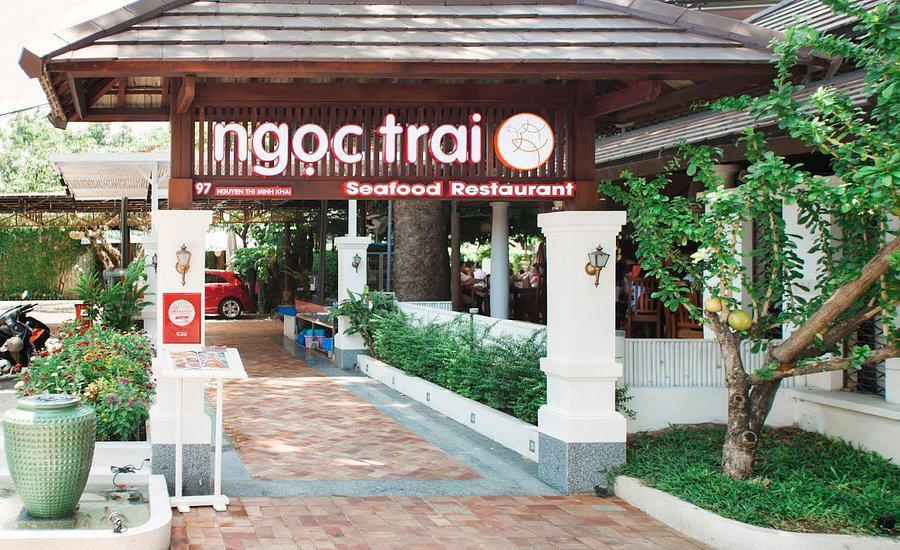
| Ngoc Trai Seafood Restaurant - Since 2004 | Fresh Vietnamese Seafood | $10–20 | near Tran Phu Street, Fresh Vietnamese Seafood |
| The Yacht BBQ Buffet - Ambassador Club | Premium Seafood BBQ Buffet with Asian-European Fusion | $20–30 | Vinh Hai Ward, Premium Seafood BBQ Buffet with Asian-European Fusion |
| Lai Seafood Nha Trang | Fresh Vietnamese Seafood | Not listed | Loc Tho, Fresh Vietnamese Seafood |
| Pizza 4P's Sheraton Nha Trang | Japanese-Italian Fusion Pizza | $20–30 | Lộc Thọ, Japanese-Italian Fusion Pizza |
| KOHAKU RAMEN & UDON - VINPEARL NHA TRANG | Japanese Ramen & Udon | Not listed | Vinpearl Harbour, Japanese Ramen & Udon |
Continue exploring
More in Nha Trang
Restaurants in Nha Trang
Browse all →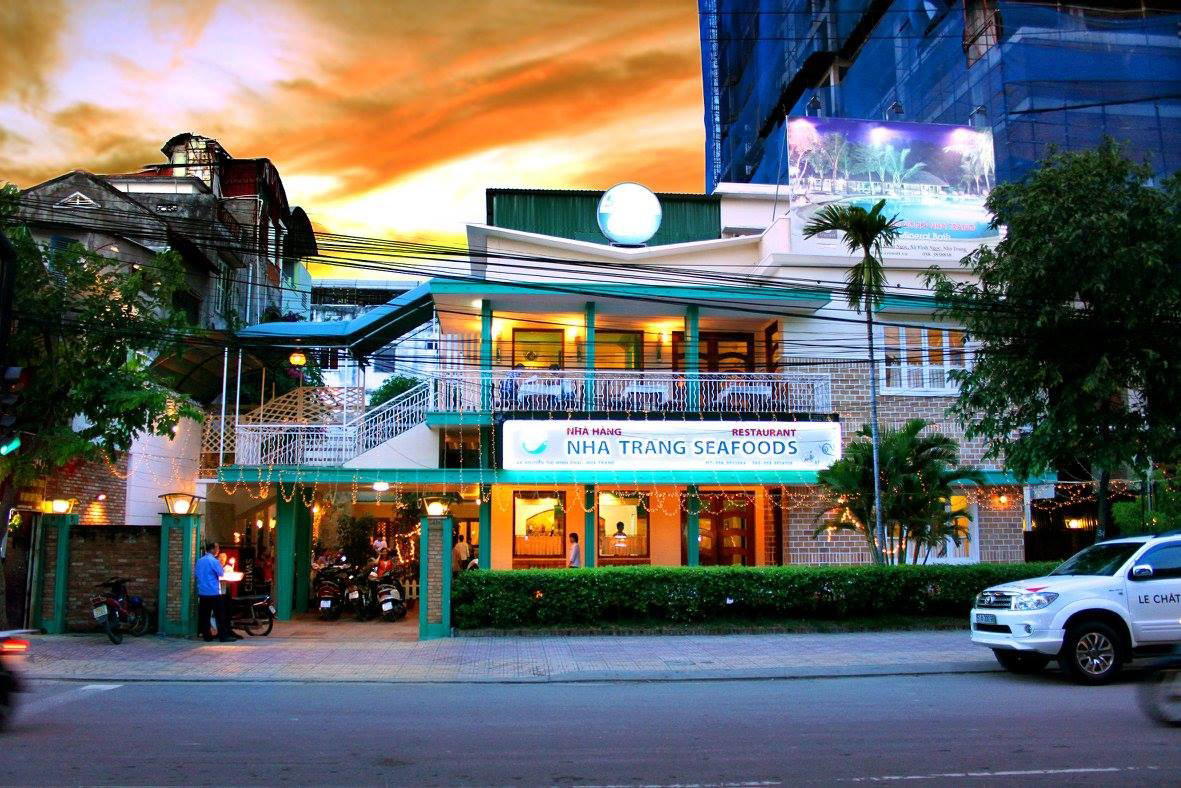
Bars in Nha Trang
Browse all →
Details
- Rustic
- Scenic
- Family
- Group Dining
- Casual Hangout
- Date Night
- Waterfront
- Standalone
- Beer Program
- Local Sourcing
- Sustainable Seafood
- Waterfront
- A La Carte
- Family Style
- Beer
- Smoothies
- Pescatarian Friendly
Current opening hours
- Monday
- 10 AM–11 PM
- Tuesday
- 10 AM–11 PM
- Wednesday
- 10 AM–11 PM
- Thursday
- 10 AM–11 PM
- Friday
- 10 AM–11 PM
- Saturday
- 10 AM–11 PM
- Sunday
- 10 AM–11 PM
Hours can change for holidays and private events. Last verified .
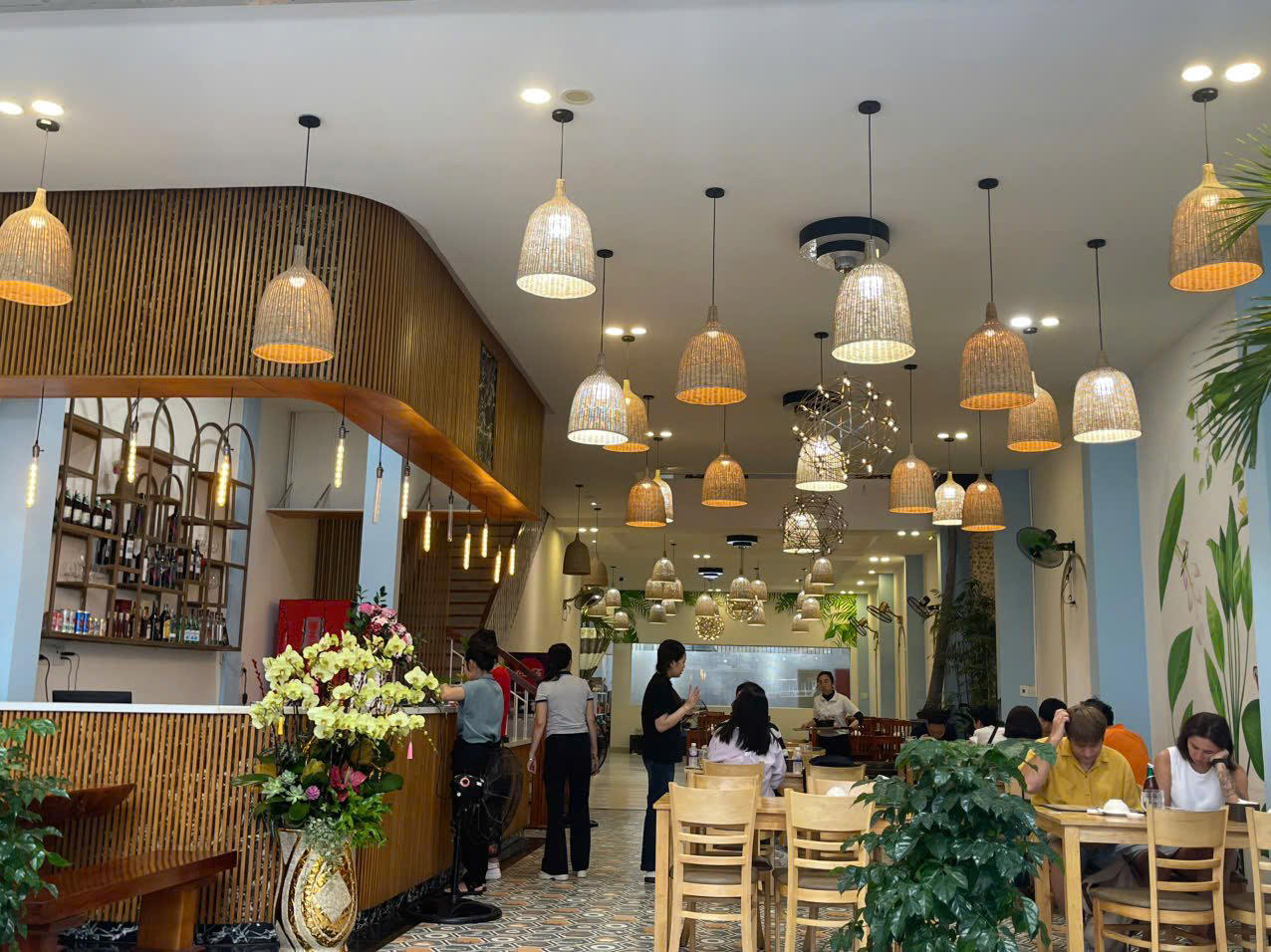
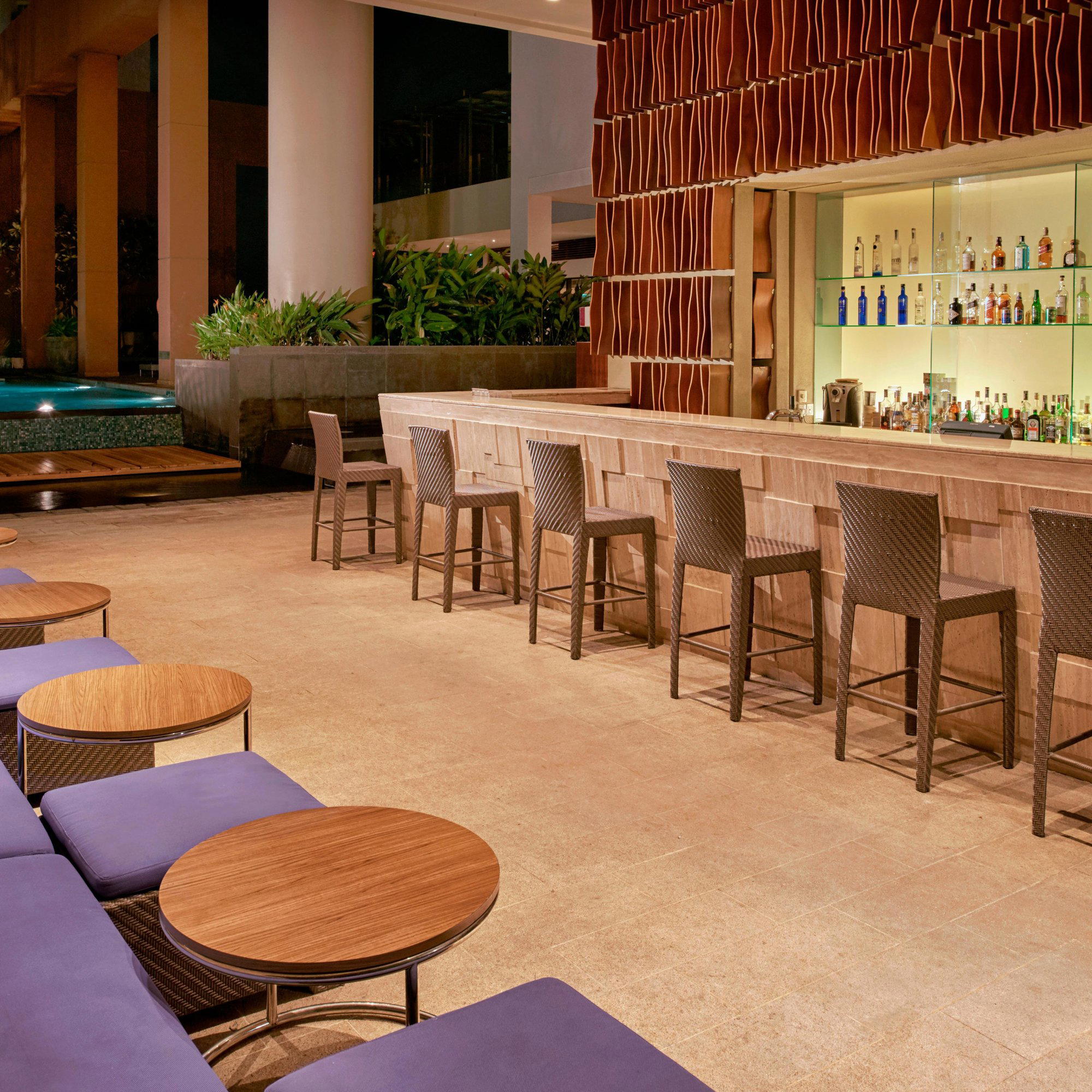
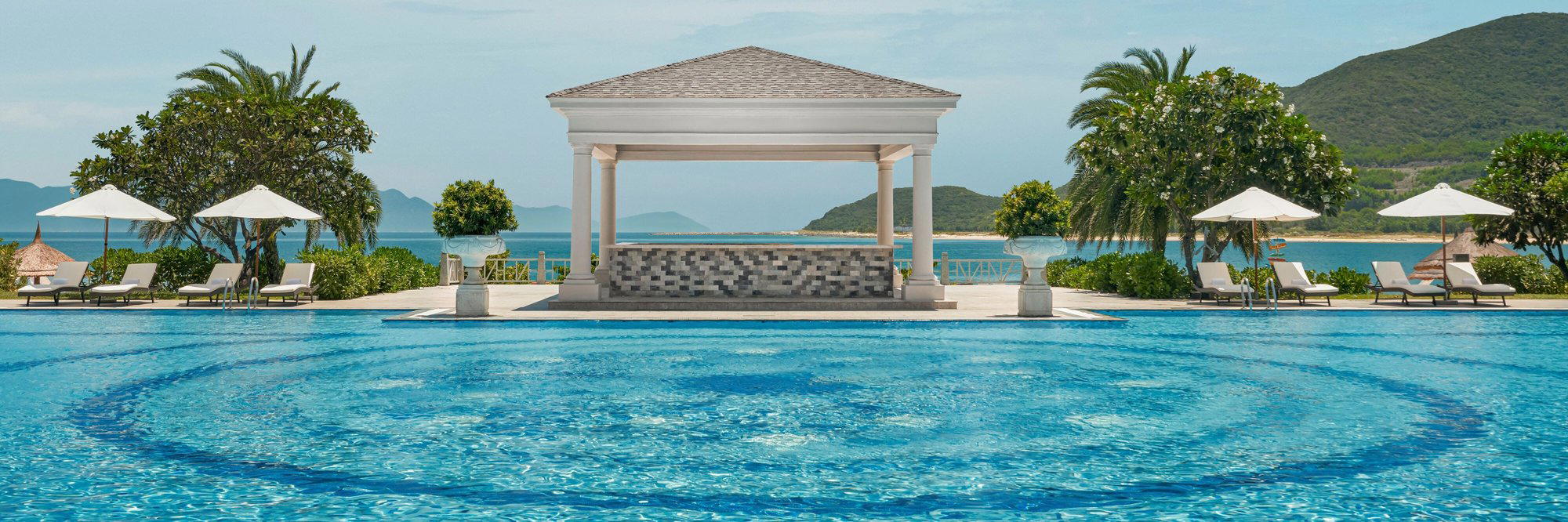
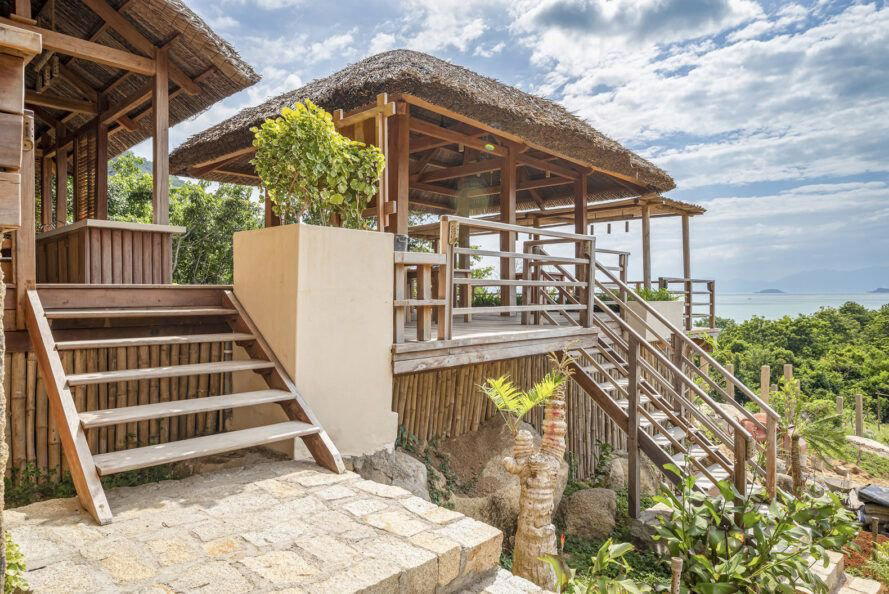
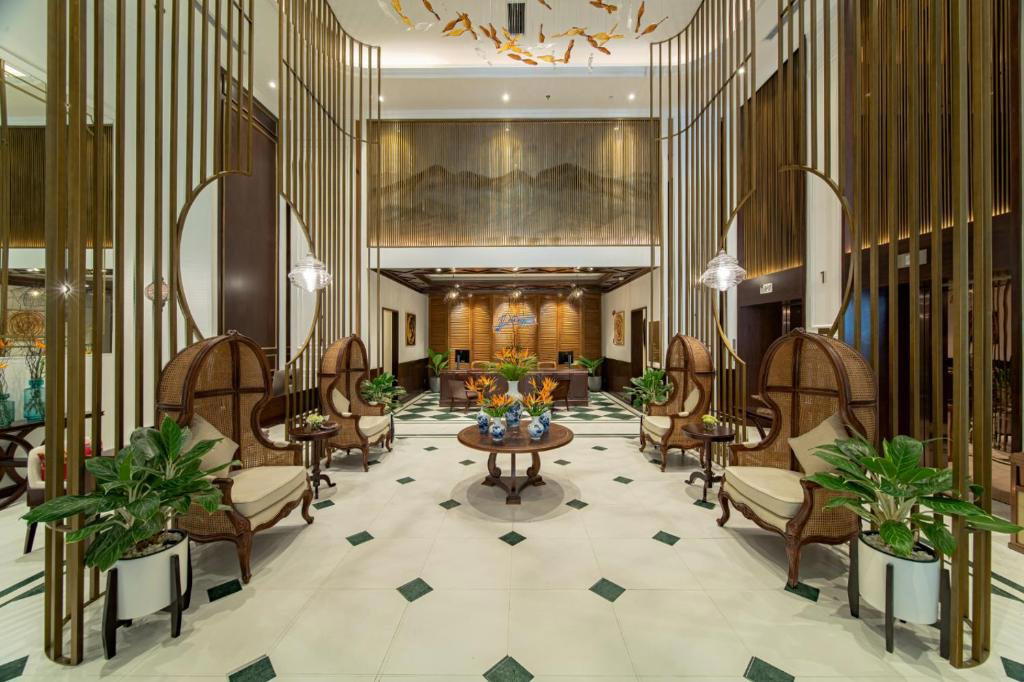
Spacious and airy with bright, clean interiors and beautiful sea views; welcoming and family-oriented atmosphere with attentive service.