106 Jefferson
106 Jefferson belongs to Huntsville’s newer downtown-hotel conversation, where the city’s aerospace identity meets a more walkable hospitality pattern. With no public public sources for rating, price, room count, awards, restaurant format, or booking method, the useful read is contextual: treat it as a city-center design stay to compare against Huntsville’s larger branded and resort-style options.
Pearl is the En Primeur Club membership app — saves, bookings, and concierge access live there. Same editors, same standards.
- Address
- 106 Jefferson St S, Huntsville, AL 35801
- Phone
- (256) 288-0128
- Website
- hilton.com
- Directions
- Get directions
 Saves & bookings on Pearl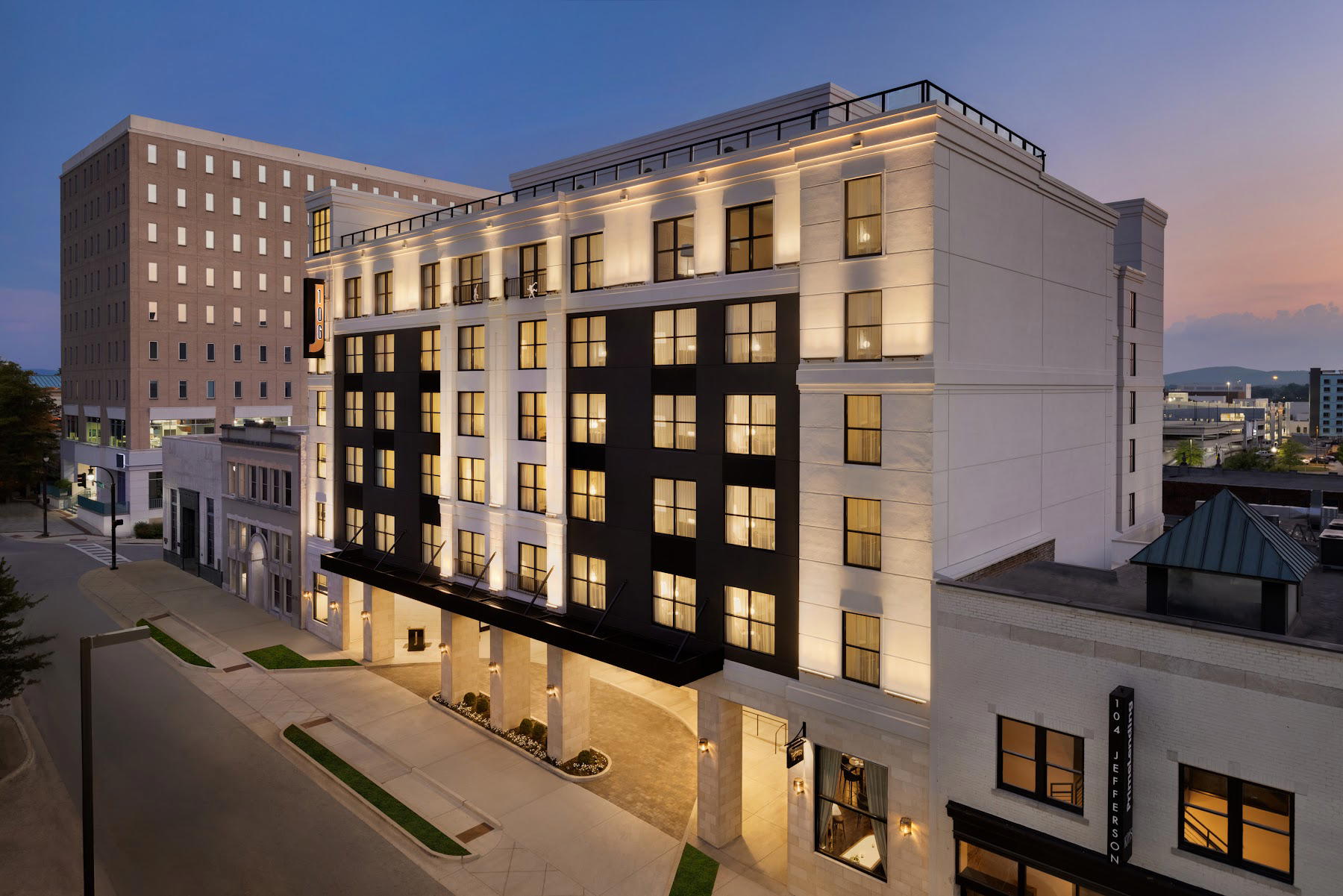
Downtown Huntsville Through a Design-Hotel Lens
Approaching a downtown hotel in Huntsville means reading the city in layers: courthouse blocks, office traffic, brick storefronts, aerospace money, and a growing appetite for rooms that feel less like highway infrastructure and more like part of the urban fabric. That is the context for 106 Jefferson, a city-center address whose value is less about resort sprawl and more about being positioned inside Huntsville’s increasingly polished downtown orbit. In a market long shaped by business travel, government contracting, engineering firms, and Redstone Arsenal traffic, a design-forward hotel changes the rhythm of a stay. The lobby becomes a meeting point rather than a pass-through, the room becomes a base for walking, and the building has to speak to a city that is no longer satisfied with generic overnight lodging.
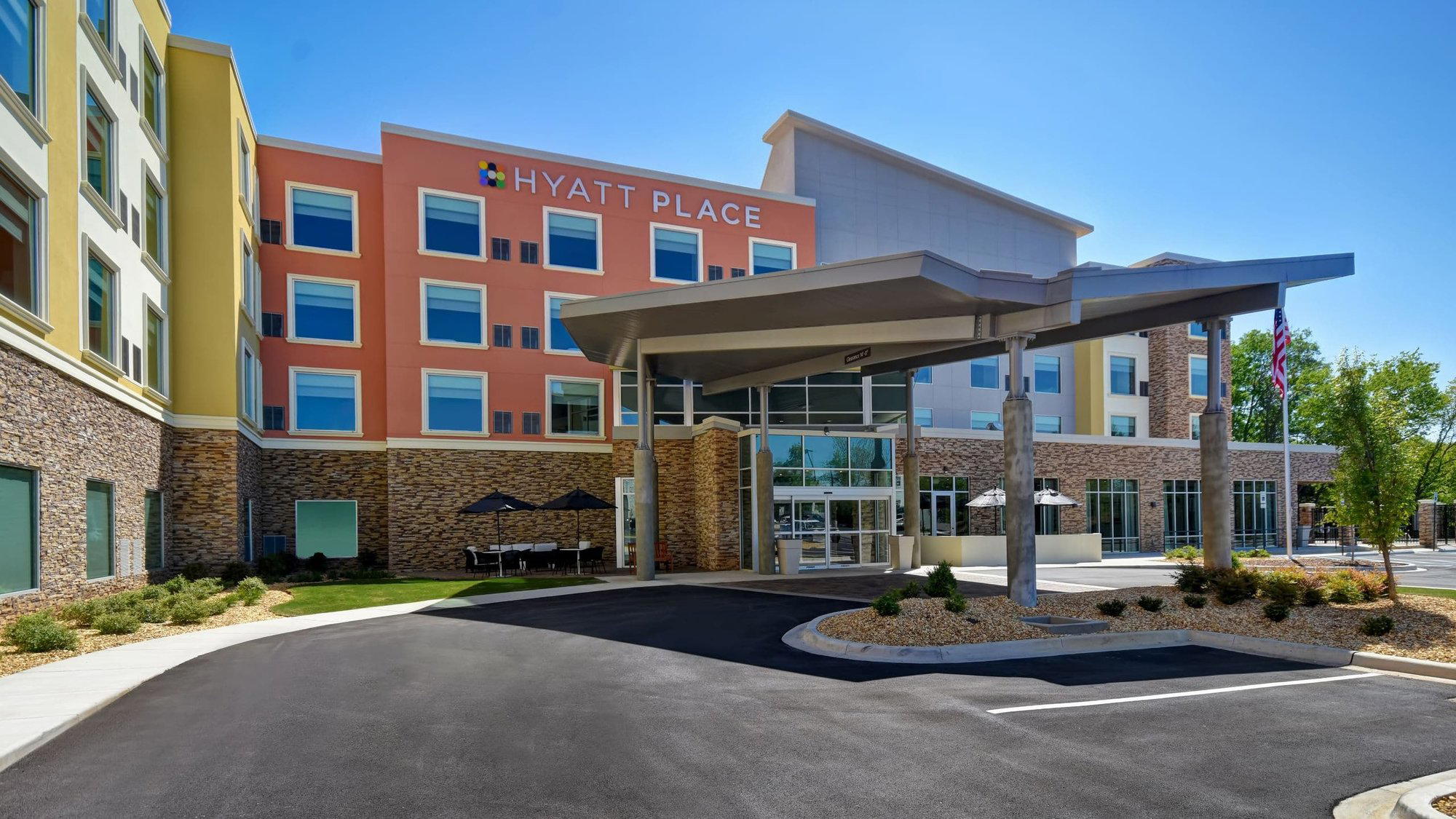
Huntsville’s hospitality scene has split into distinct categories. There are practical branded stays near commercial corridors, larger leisure properties tied to lakes and green space, and downtown hotels that trade on proximity, architecture, and an after-hours city feel. For comparison, Hyatt Place sits closer to the dependable business-travel lane, while Deerhurst Resort represents a different Huntsville proposition entirely: broader grounds, resort pacing, and a stay defined by destination leisure rather than downtown adjacency. The useful question is not whether one format beats another. It is which version of Huntsville the trip needs.
Viewed through architecture and design, the downtown-hotel category has a demanding job. It must acknowledge local character without turning the city into theme décor. Huntsville is not a coastal leisure capital or a mountain retreat; its identity is technical, Southern, academic, and civic at once. The better city hotels in this kind of market lean into proportion, light, material restraint, and public-room usefulness rather than spectacle. With public database fields unavailable for star rating, room count, price, awards, style, restaurant details, and booking method, the editorial assessment has to stay disciplined: 106 Jefferson should be judged as a downtown design stay, not as a documented luxury resort or an award-listed culinary address.
What the Space Says About Huntsville Now
Mid-sized American cities have become more interesting hotel markets because their downtowns are doing several jobs at once. They host convention traffic, weekend breaks, wedding parties, tech workers, and locals meeting for drinks before dinner. Huntsville fits that pattern with particular force. The city’s growth has been tied to aerospace, defense, research, and a steady influx of educated workers, but its visitor experience increasingly depends on whether downtown can hold a guest beyond the workday. A hotel in this part of town therefore becomes a test of urban confidence: can the city give a traveler enough texture within a compact radius to make a short stay feel coherent?
That is where 106 Jefferson enters the conversation. The safest reading is category-based. It belongs to the set of hotels whose appeal depends on street presence, interior mood, and downtown usefulness. In a city where many stays are chosen for access to offices, medical campuses, research facilities, or highways, a central address shifts the decision toward evenings: dinner, a bar, a walkable block, a lobby with some social charge.
The architectural angle matters because Huntsville’s recent growth has not erased its older civic scale. Downtown streets do not behave like a dense coastal metropolis. They ask for buildings that feel legible at pedestrian level. A hotel that works here should make arrival simple, interiors readable, and public spaces useful to both guests and locals. That is a different design challenge from a remote retreat such as Amangiri in Canyon Point, where the surrounding desert carries much of the drama, or Post Ranch Inn in Big Sur, where landscape and seclusion define the stay. Downtown Huntsville asks the building to generate its own sense of place while staying connected to the street.
The Downtown Hotel as Social Infrastructure
The modern city hotel has become social infrastructure in places that once treated lodging as a purely functional category. That shift is visible across the United States, from adaptive civic buildings to boutique properties with serious bar programs. Chicago Athletic Association in Chicago shows how a hotel can act as a clubby public interior for a city, while The Fifth Avenue Hotel in New York City turns decorative intensity into an argument for the urban fantasy hotel. Huntsville’s version is necessarily quieter. The city does not need imported grandeur; it needs rooms and public areas that make downtown feel less transactional after office hours.
That distinction is useful for travelers trying to place 106 Jefferson. The record does not support a trophy-stay claim, so the hotel should be presented as a practical downtown base. Its relevance is practical and urban: a guest who wants a downtown base is making a different decision from a traveler choosing a resort perimeter or a limited-service property near a specific business park.
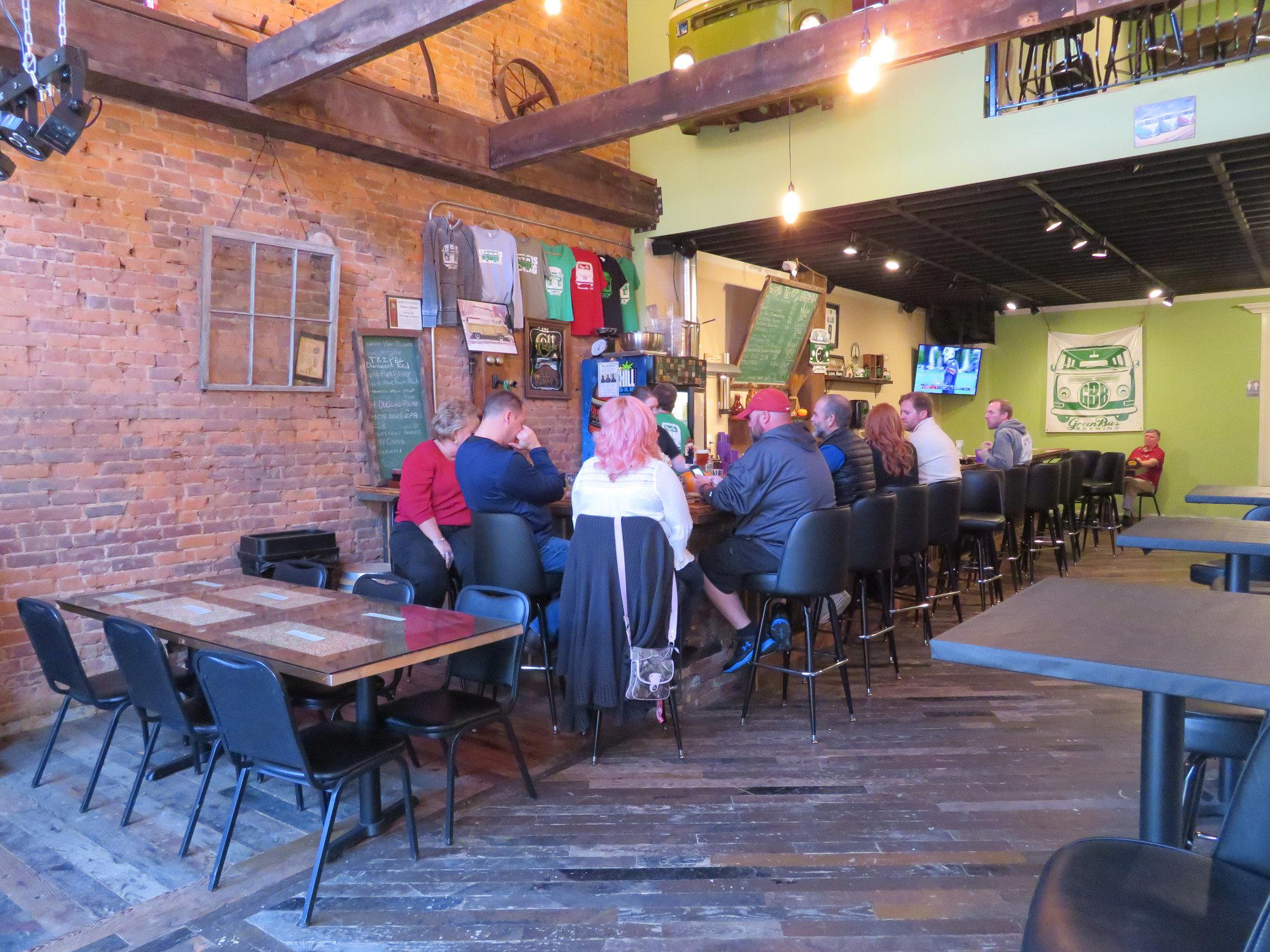
Bars matter in this equation because hotel design is often judged after dark. A lobby that feels composed at 3 p.m. can turn vacant by 9 p.m. if the surrounding neighborhood has no evening pull. Huntsville’s drinking culture is increasingly tied to downtown movement, breweries, cocktail rooms, and pre-dinner stops rather than a single hotel-lounge model. The hotel room is only part of the experience; the better measure is whether the building places a guest near the city’s actual evening circuit.
How to Compare It With Bigger American Design Stays
Not every design hotel is trying to solve the same problem. Raffles Boston in Boston works at the polished full-service end of the urban-luxury spectrum, where brand weight, service layers, and large-city rates shape expectations. The Beverly Hills Hotel in Los Angeles is a heritage address tied to a specific social mythology. Four Seasons at The Surf Club in Surfside translates club history into a coastal luxury grammar. Huntsville is playing a different game: credible downtown lodging in a city whose economic profile has grown faster than its hospitality image.
That makes comparison useful, but only if the comparable set is honest. 106 Jefferson should not be measured against island seclusion at Little Palm Island Resort & Spa in Little Torch Key, wellness immersion at Canyon Ranch Tucson in Tucson, or ranch-country pacing at Sage Lodge in Pray. Its better comparison is with hotels that help a smaller city feel legible to visitors: compact, central, design-conscious, and useful for both work and leisure. That is a modest claim, but a meaningful one in a market where many travelers arrive with business obligations and leave with a clearer sense of the city’s downtown culture.
There is also a difference between design as surface and design as orientation. In a city-center hotel, the lobby sequence, elevator access, room quiet, lighting, work surface, and breakfast or bar adjacency shape the stay more than decorative drama. Design-hotel confidence comes from how these details operate, not from adjectives.
Food, Drink, and the City Around the Hotel
That matters. Hotel dining claims are easy to overstate, especially in cities where a property’s location does more work than its kitchen. For Huntsville, the stronger editorial approach is to treat the hotel as a base for the city’s dining scene rather than to invent a culinary identity for the building. The city’s food culture draws from Southern cooking, military and engineering transplants, university influence, and a growing downtown audience that supports more ambitious restaurants than older stereotypes of North Alabama would suggest.
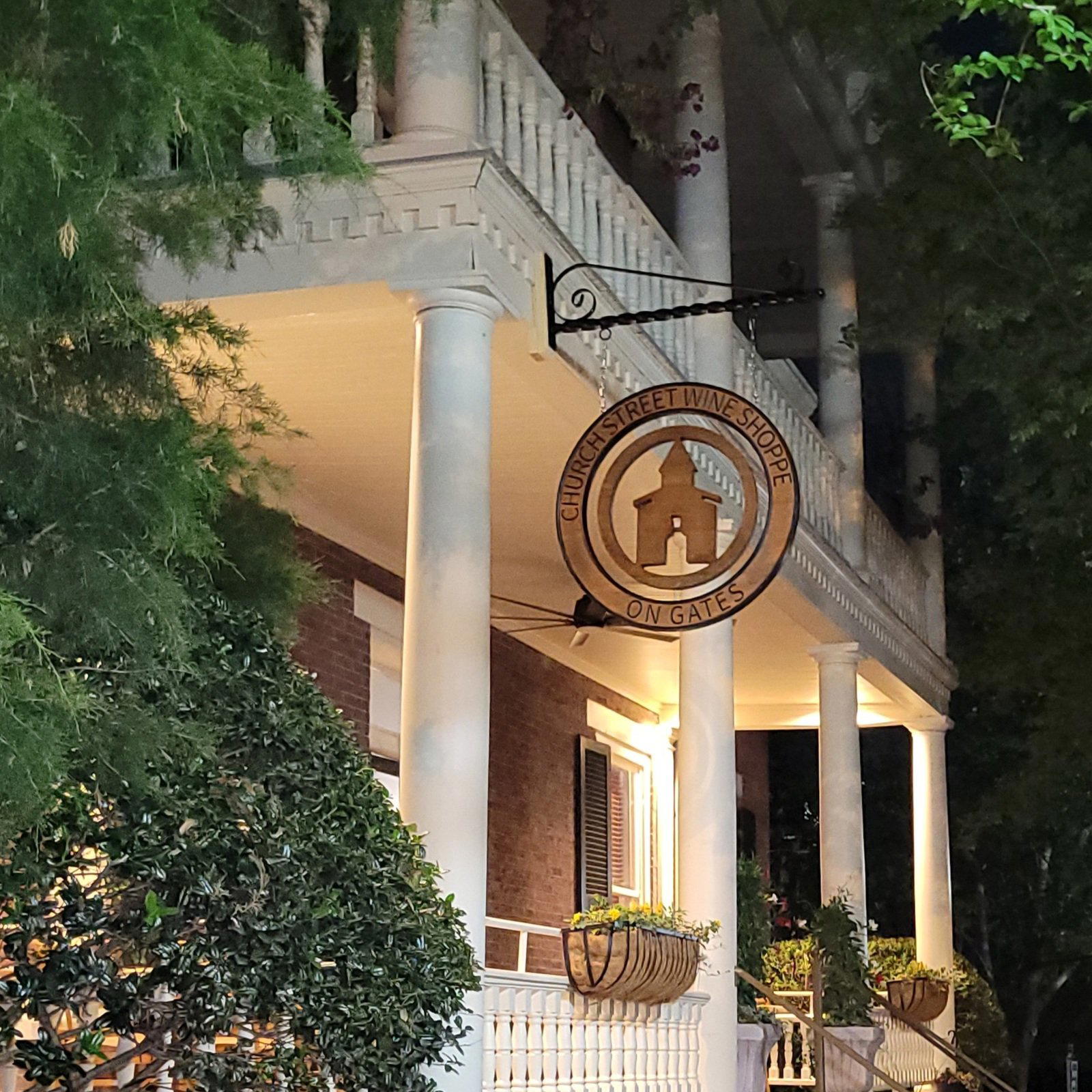
Travelers who care about meals should map the stay outward. Use the city’s dining scene for dinner planning, and treat hotel dining as a convenience unless verified current menus and hours support a stronger claim. For drinks, rely on current local listings rather than any single hotel bar assumption. Huntsville also has enough regional curiosity around wine, beer, and event-driven tastings that Local wine and activity listings can help turn a work stay into a fuller weekend.
In broader hotel culture, food-led lodging has become its own category. SingleThread Farm Inn in Healdsburg is built around a restaurant-driven hospitality model, while Meadowood Napa Valley in Napa sits in a wine-country tradition where culinary expectations are part of the booking logic. Huntsville’s downtown hotel scene should be read with a lighter hand. Unless current, verified food data is available, the city itself should carry the dining plan.
Room Choice, Price Logic, and Booking Discipline
In practical terms, advance planning should focus on the variables that change the experience in any downtown hotel: room orientation, weekend event demand, parking, breakfast needs, workspace requirements, and whether the trip is anchored by meetings, restaurants, or family obligations.
Book earlier for weekends tied to university events, conferences, major civic programming, and peak business travel windows. Huntsville’s demand can compress quickly because business, government, and leisure travel often overlap. Value has to be assessed against the live rate on the intended dates rather than against a fixed expectation. A downtown premium can make sense when it reduces driving, simplifies evenings, and gives a more coherent sense of the city. It is harder to justify if the stay is built around highway access or suburban meetings.
Room-category choice should follow use rather than status. If the trip is work-heavy, prioritize quiet position and a proper desk setup when confirming directly. If the trip is leisure-heavy, prioritize walkability and timing around dinner or drinks. If the stay involves an early departure, confirm parking and morning logistics before arrival. For travelers comparing design-led city hotels elsewhere, 1 Hotel San Francisco in San Francisco shows a sustainability-coded urban model, while Troutbeck in Amenia represents country-house calm. Those references clarify the point: the right room is the one that matches the trip’s rhythm, not the one with the grandest label.
Where It Fits in a Wider Travel Vocabulary
Huntsville is not trying to be Monte Carlo, St. Moritz, Venice, or Kailua-Kona, and that is an asset. The city’s hospitality should be judged by how clearly it expresses its own condition: a Southern technology city with a compact downtown and a visitor base that mixes engineers, families, conference guests, and weekend travelers. Grand European palace codes at Hôtel de Paris Monte-Carlo in Monte Carlo or Badrutt's Palace Hotel in St. Moritz are irrelevant benchmarks for a North Alabama downtown stay. Aman Venice in Venice belongs to a palazzo tradition where history is the central luxury. Kona Village, A Rosewood Resort in Kailua Kona belongs to a resort tradition shaped by place, shoreline, and retreat.
106 Jefferson is better understood as part of Huntsville’s urban maturation. The editorial case for staying downtown is strongest when a traveler wants to feel the city’s current momentum at street level. That means restaurants within the plan, bars within reach, and a room that makes the city feel more connected than it does from an interchange. It is a practical kind of design hospitality, and in Huntsville, practicality is not a compromise. It is part of the city’s character.
Comparable venues nearby, for context on price, style, and recognition.
| Venue | Cuisine | Price | Awards | Notes |
|---|---|---|---|---|
| 106 JeffersonThis venue — the venue you are viewing | Urban lifestyle boutique hotel anchored in Huntsville’s role as the Space Capital, combining residential comfort with an upscale, design‑forward feel. | $$$ | 4-Star | Not listed |
| Hyatt Place | Upper-midscale extended-stay concept with apartment-style suites optimized for business travelers and longer stays. | $$ | Not listed | Stadium Commons |
| GunRunner Boutique Hotel | Renovated boutique hotel with luxury themed suites in a historic downtown building. | $$$ | 3-Star | downtown |
| The Hotel at Auburn University & Dixon Conference Center | Contemporary luxury hotel blending modern amenities with Southern hospitality, positioned as the 'Front Door to Auburn' with emphasis on design and cultural integration. | $$$ | 4-Star | Downtown Auburn |
| The Painted Lady | historic boutique with modern design | $$$$ | 4-Star | Automotive Historic District |
| Graduate by Hilton Auburn, AL | Collegiate-inspired boutique hotel celebrating Auburn University traditions with strong local storytelling and sports nostalgia. | $$$ | 4-Star | Downtown |

At a Glance
- Modern
- Sophisticated
- Elegant
- Well Known
- Trendy
- Business Trip
- Weekend Escape
- Group Retreat
- Celebration
- Historic Building
- Design Destination
- Panoramic View
- Terrace
- Wi Fi
- Fitness Center
- Room Service
- Concierge
- Business Center
- Valet Parking
- Restaurant
- Bar
- Skyline
- Street Scene
- Wi Fi
- Fitness Center
- Room Service
- Concierge
- Business Center
- Valet Parking
- Restaurant
- Bar
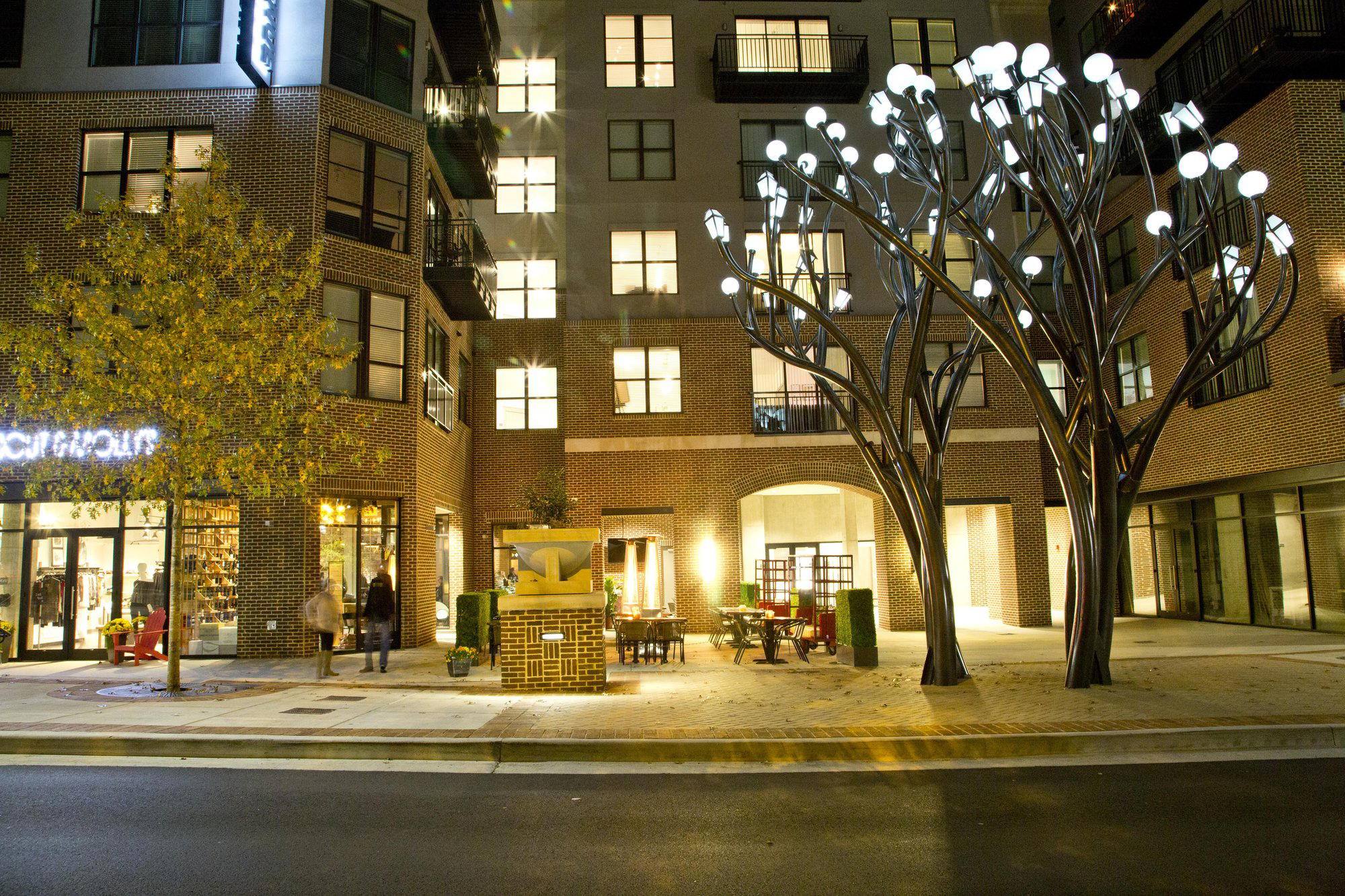
A chic, sophisticated atmosphere that blends retro space-age details with contemporary boutique-hotel polish; reviews and press describe a posh, comfy lobby and an upscale rooftop lounge with expansive skyline views.