Graduate by Hilton Auburn, AL
Auburn’s lodging scene is shaped by the university calendar, game-weekend compression, and a compact downtown rhythm. Graduate by Hilton Auburn, AL fits that college-town pattern through a design-led brand lens, making it most relevant for travelers who want the stay to read as part of Auburn rather than as a generic interstate stop.
Pearl is the En Primeur Club membership app — saves, bookings, and concierge access live there. Same editors, same standards.
- Address
- 202 W Magnolia Ave, Auburn, Alabama, 36830, USA
- Website
- hilton.com
 Saves & bookings on Pearl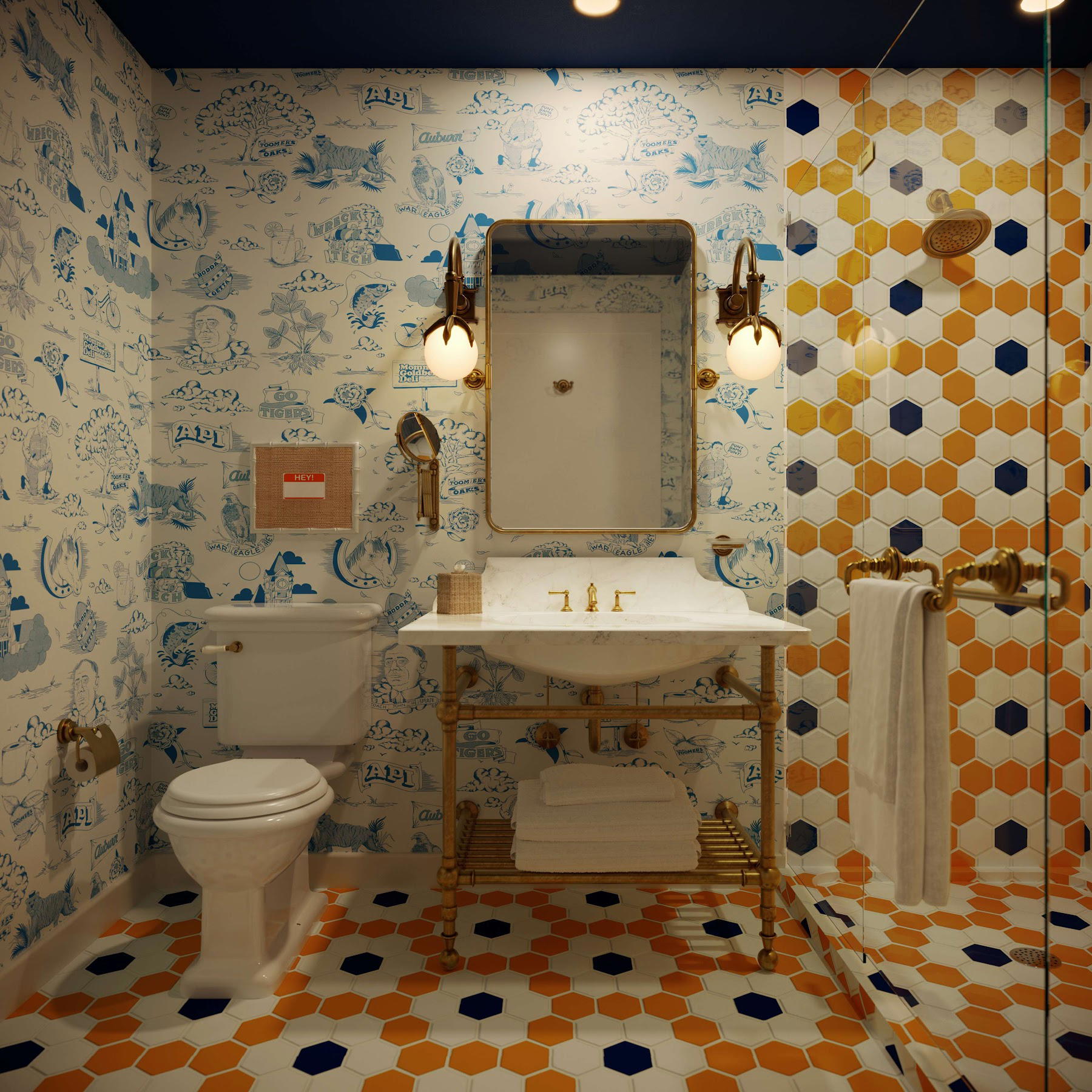
Design as the first impression in Auburn
Approaching a hotel in Auburn is never only about a lobby. The city’s hospitality character is tied to the university, the cadence of football weekends, alumni returns, conference traffic, and families who measure visits by campus rituals as much as room categories. Graduate by Hilton Auburn, AL belongs to that college-town tier where design has to do more than look polished. It has to signal place quickly, absorb peak-weekend energy, and remain usable on quieter academic-calendar nights when the town settles back into a slower Southern rhythm.
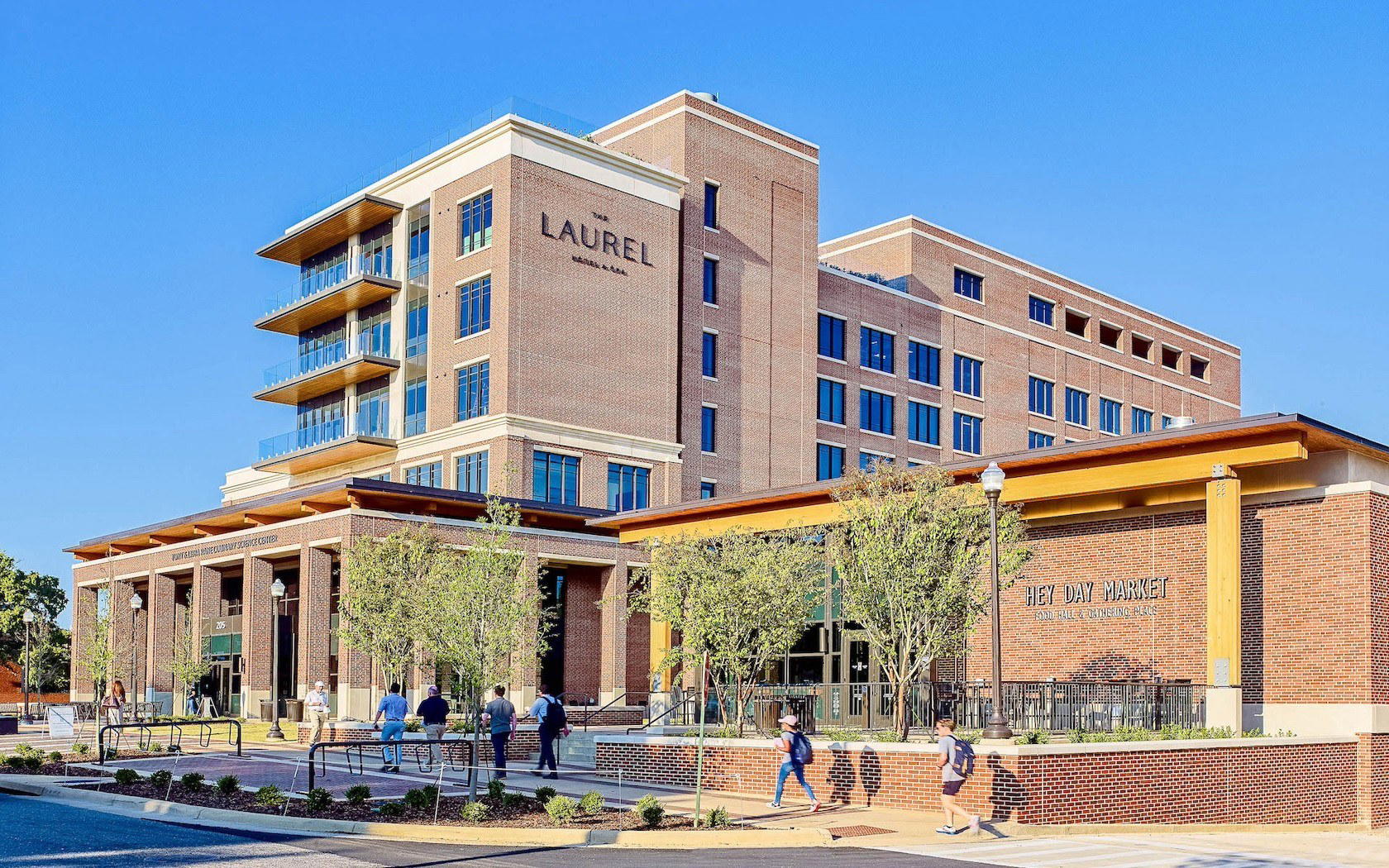
The useful way to read this property is through its physical idea: a branded hotel in a university city where interiors are expected to carry local references without becoming a costume. That is the broader Graduate formula across the United States, now operating under the Hilton umbrella, and Auburn gives that formula a specific test. A campus-adjacent hotel here competes less on resort scale than on immediacy, atmosphere, and the ability to feel connected to town life. In a city where the lodging conversation often points first to The Laurel Hotel and Spa and The Hotel at Auburn University & Dixon Conference Center, this address sits in a different design conversation: more collegiate, more graphic, and more oriented toward visitors who want Auburn’s identity to be visible in the stay itself.
The record does not list awards, restaurant concept, or public pricing, so any assessment has to stay within what is confirmed. The property is a 4-star hotel with 177 rooms and a nightly rate starting at $173, presented as part of the Graduate by Hilton family, a brand position with a defined college-town design brief rather than an independent boutique claim. That matters in Auburn, where travelers often choose between university-proximate convenience, higher-service campus hospitality, and personality-led lodging with a stronger sense of place.
Where it fits in Auburn's hotel set
Auburn is not a sprawling hotel market in the way Atlanta, Nashville, or New Orleans are. Its demand spikes are concentrated and predictable: football weekends, graduation periods, move-in, alumni events, and conference dates tied to the university. That rhythm changes how hotels should be judged. A property that feels relaxed on a midweek academic night can become a scarce commodity during home-game windows. Planning, not luxury language, is the real intelligence here.
Within that pattern, Auburn’s lodging options separate into several clear groups. There are university-facing hotels where proximity and institutional connection do much of the work. There are full-service properties designed for conferences, campus business, and formal university visits. There are standard regional hotels that serve road traffic and families seeking practical access. Then there is the design-led college-town category, where Graduate by Hilton Auburn, AL is positioned by name and concept. It is the category for travelers who care about the lobby, the references, the way a room photographs, and the feeling of being in Auburn rather than near Auburn.
That distinction is not cosmetic. In college towns, design can become a shorthand for belonging. A hotel that uses local visual cues well gives alumni and first-time visitors an immediate point of orientation. A hotel that overplays those cues can feel theatrical by the second night. The more interesting properties in this category work because they make campus culture legible without turning the stay into memorabilia. Auburn, with its unusually strong alumni identity and game-day concentration, is fertile ground for that approach.
For a broader read on the city, EP Club’s Auburn coverage helps separate categories before a trip is built around a single address.
The design-led college-town hotel, not the resort archetype
American hotel design has moved in two directions at once. At one end are destination resorts where architecture frames landscape, wellness, and privacy. At the other are urban and college-town properties where the building works as a social marker, a place to meet before dinner, gather between campus events, or decompress after a crowded Saturday. Auburn belongs firmly to the second mode. The question is not whether the property can compete with desert minimalism, oceanfront heritage, or Napa Valley seclusion. The question is whether its spaces can make a compact university city feel intelligible and immediate.
That is why comparisons to larger destination properties should be used carefully. Amangiri in Canyon Point is built around desert isolation. Post Ranch Inn in Big Sur is inseparable from cliffside California drama. Auberge du Soleil in Napa and Meadowood Napa Valley in St. Helena sit inside a wine-country grammar of terraces, valley views, and long meals. Auburn’s design problem is tighter and more social: build a stay around place identity without pretending the town is a secluded resort enclave.
Design-led city hotels offer a more useful peer language. The Fifth Avenue Hotel in New York City uses a dense urban setting and layered interiors to signal its place in Manhattan’s hotel culture. Chicago Athletic Association in Chicago works through clubby civic history and architectural reuse. Raffles Boston in Boston represents a different lane, where brand, service, and new-build polish meet a major-city market. Auburn is smaller, but the underlying editorial question is similar: how much of the city can a hotel responsibly carry through its interiors?
Graduate by Hilton Auburn, AL should be understood inside that question. The defensible point is category-based: this is a college-town design hotel in a market where the university calendar determines much of the travel behavior. For guests choosing between a neutral room and a place-coded stay, that category difference is meaningful.
Food, drink, and the limits of the record
The record does not list a cuisine type, chef, signature dishes, hours, or in-house dining concept. That absence should shape expectations. For travelers, the practical conclusion is not to assume a destination restaurant inside the property unless confirmed directly through current hotel channels. Auburn has enough independent dining and bar activity that the stronger plan is to treat the hotel as a design and location decision, then build meals around the city rather than around unverified in-house claims.
This is also where Auburn differs from resort properties whose identities are inseparable from the table. SingleThread Farm Inn in Healdsburg is part of a dining-led hospitality model where the restaurant defines much of the stay. Canyon Ranch Tucson in Tucson ties hospitality to wellness programming and structured routines. Little Palm Island Resort & Spa in Little Torch Key works through island remove and controlled environment. Auburn is more porous. Guests move between campus, downtown, restaurants, bars, and family obligations, often within compressed windows.
That makes the hotel’s role more architectural than culinary in the editorial sense. It can set the tone of a trip, provide a social base, and place visitors inside Auburn’s college-town rhythm, but dinner strategy should be verified separately. For dining and drinking, the city matters more than any assumption about an unpublished hotel menu. During high-demand weekends, reservations across Auburn should be handled earlier than a casual midweek visit, especially when the travel party includes family groups or alumni gatherings.
Planning around the Auburn calendar
The smartest Auburn hotel planning begins with the calendar rather than the room description. Home football weekends, commencement, move-in, and major university events can change availability and pricing behavior across the city. The earlier planning window is especially relevant when dates overlap with campus events, while ordinary weekdays can offer a different experience of the town: less compressed, more local, and easier to pair with restaurants and bars.
Travelers comparing Auburn with larger leisure destinations should resist using the same criteria. Kona Village, A Rosewood Resort in Kailua Kona and Sage Lodge in Pray are planned around landscape, retreat time, and outdoor rhythm. Troutbeck in Amenia operates in a country-house register. Auburn’s hotel decisions are more event-led. The question is usually not how long to hide away, but how well a property supports a concentrated itinerary: arrival, campus time, dinner, game-day movement, family logistics, and departure.
That is where a design-led brand can justify attention even without disclosed luxury signals. A visually coherent base can make a short trip feel more settled. It can also give alumni and visiting families a more specific sense of place than a highway-adjacent room. The tradeoff is that travelers looking for extensive spa infrastructure, resort-style grounds, or a chef-driven stay need to compare against other categories rather than expecting a college-town hotel to solve every part of the trip.
How Auburn compares with heritage and grand-hotel travel
In luxury travel writing, grand hotels often dominate because they come with long institutional memory. The Beverly Hills Hotel in Los Angeles is tied to Los Angeles social history. Four Seasons at The Surf Club in Surfside translates club heritage into contemporary coastal hospitality. Hôtel de Paris Monte-Carlo in Monte Carlo and Badrutt's Palace Hotel in St. Moritz operate within European resort traditions where reputation has accumulated over generations. Aman Venice in Venice belongs to a palazzo-hotel grammar shaped by architecture, art, and canal access.
Auburn offers a different type of memory. It is not grand-hotel theatre. It is campus return, family repetition, athletic seasonality, and the emotional geography of a university town. That does not make the design stakes lower. It makes them more specific. A successful Auburn hotel has to understand that guests may arrive with decades of personal association or none at all. Interiors, public spaces, and service rhythm have to work for both the returning alum and the parent arriving for a first visit.
On that basis, the property’s value is not measured by global grandeur. It is measured by fit. In Auburn, a hotel that can absorb event pressure, carry local references, and give travelers a coherent base near the city’s university orbit answers the market more directly than a property chasing resort signals it cannot credibly own. The editorial position is clear: judge this address by Auburn’s hospitality logic, not by coastal or European palace-hotel standards.
Who should choose this style of stay
This is the more interesting option for travelers who want their Auburn trip to feel place-specific from the moment they step inside. That includes alumni returning for a weekend, parents visiting campus, and couples pairing a university event with dinner in town. It is less suited to travelers who require verified luxury markers such as spa facilities, named chef, or award citations.er before shortlisting a stay.
It is a planning condition. Guests should confirm current rates, booking terms, parking arrangements, dining availability, and event-weekend policies through official channels before anchoring a trip. In a small college-town market, those details can matter more than broad brand language, especially when demand is compressed into a few high-pressure weekends.
For a traveler building a fuller Auburn itinerary, the better move is to separate the hotel decision from the dining decision. Use the hotel for setting, location logic, and design character. Use the city’s restaurant and bar guides for meals and late-night structure. That division produces a sharper trip than asking one property to carry the entire weekend.
Planning notes
Setting: A college-town hotel in Auburn, shaped by university travel patterns and the Graduate by Hilton design category.
It does not list address, phone, website, awards, star rating, price range, restaurant details, chef, room count, or hours.
Booking intelligence: Plan earlier for home football weekends, graduation, move-in, and major campus events. For ordinary weekday stays, Auburn typically behaves more like a compact regional university city than a resort market.
Dining approach: Do not assume chef-led hotel dining from the available record. Build restaurant and bar plans separately, particularly for event weekends.
Comparable Auburn choices: Compare against The Laurel Hotel and Spa for a higher-service Auburn lens and The Hotel at Auburn University & Dixon Conference Center for a more institutionally anchored stay.
Comparable venues nearby, for context on price, style, and recognition.
| Venue | Cuisine | Price | Awards | Notes |
|---|---|---|---|---|
| Graduate by Hilton Auburn, ALThis venue — the venue you are viewing | Collegiate-inspired boutique hotel celebrating Auburn University traditions with strong local storytelling and sports nostalgia. | $$$ | 4-Star | Not listed |
| The Hotel at Auburn University & Dixon Conference Center | Contemporary luxury hotel blending modern amenities with Southern hospitality, positioned as the 'Front Door to Auburn' with emphasis on design and cultural integration. | $$$ | 4-Star | Downtown Auburn |
| The Laurel Hotel and Spa | teaching hotel with student-run hospitality | $$$$ | 5-Star | Auburn University |
| GunRunner Boutique Hotel | Renovated boutique hotel with luxury themed suites in a historic downtown building. | $$$ | 3-Star | downtown |
| Elyton Hotel | Modernized historic boutique hotel | $$$$ | 4-Star | Downtown Birmingham |
| 106 Jefferson | Urban lifestyle boutique hotel anchored in Huntsville’s role as the Space Capital, combining residential comfort with an upscale, design‑forward feel. | $$$ | 4-Star | Downtown Huntsville / Twickenham district |
At a Glance
- Whimsical
- Trendy
- Modern
- Cozy
- Energetic
- Classic
- Weekend Escape
- Family Vacation
- Group Retreat
- Business Trip
- Celebration
- Romantic Getaway
- Rooftop Pool
- Design Destination
- Terrace
- Historic Building
- Panoramic View
- Wi Fi
- Fitness Center
- Business Center
- Room Service
- Concierge
- Meeting Rooms
- Street Scene
- Wi Fi
- Fitness Center
- Business Center
- Room Service
- Concierge
- Meeting Rooms
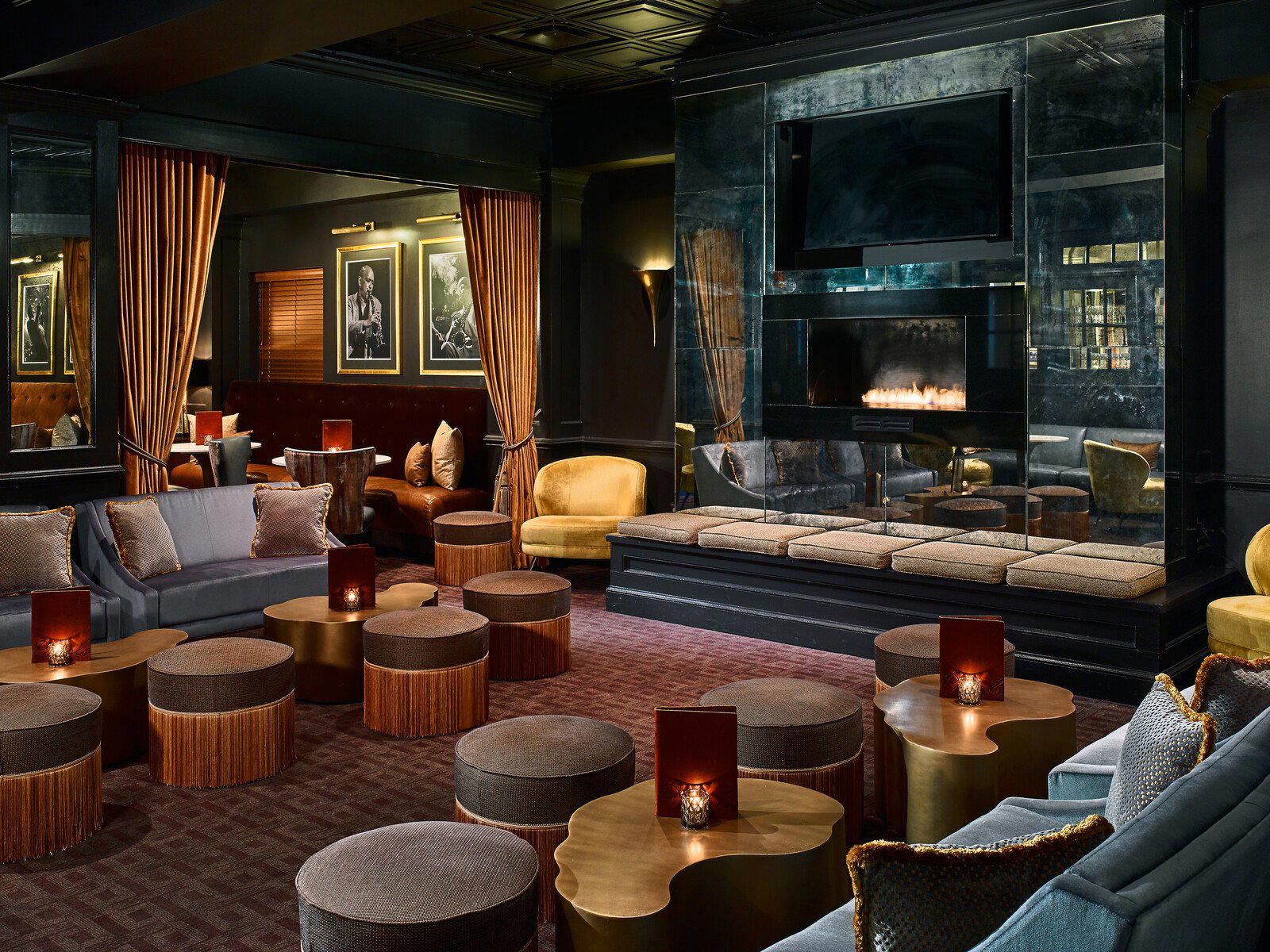
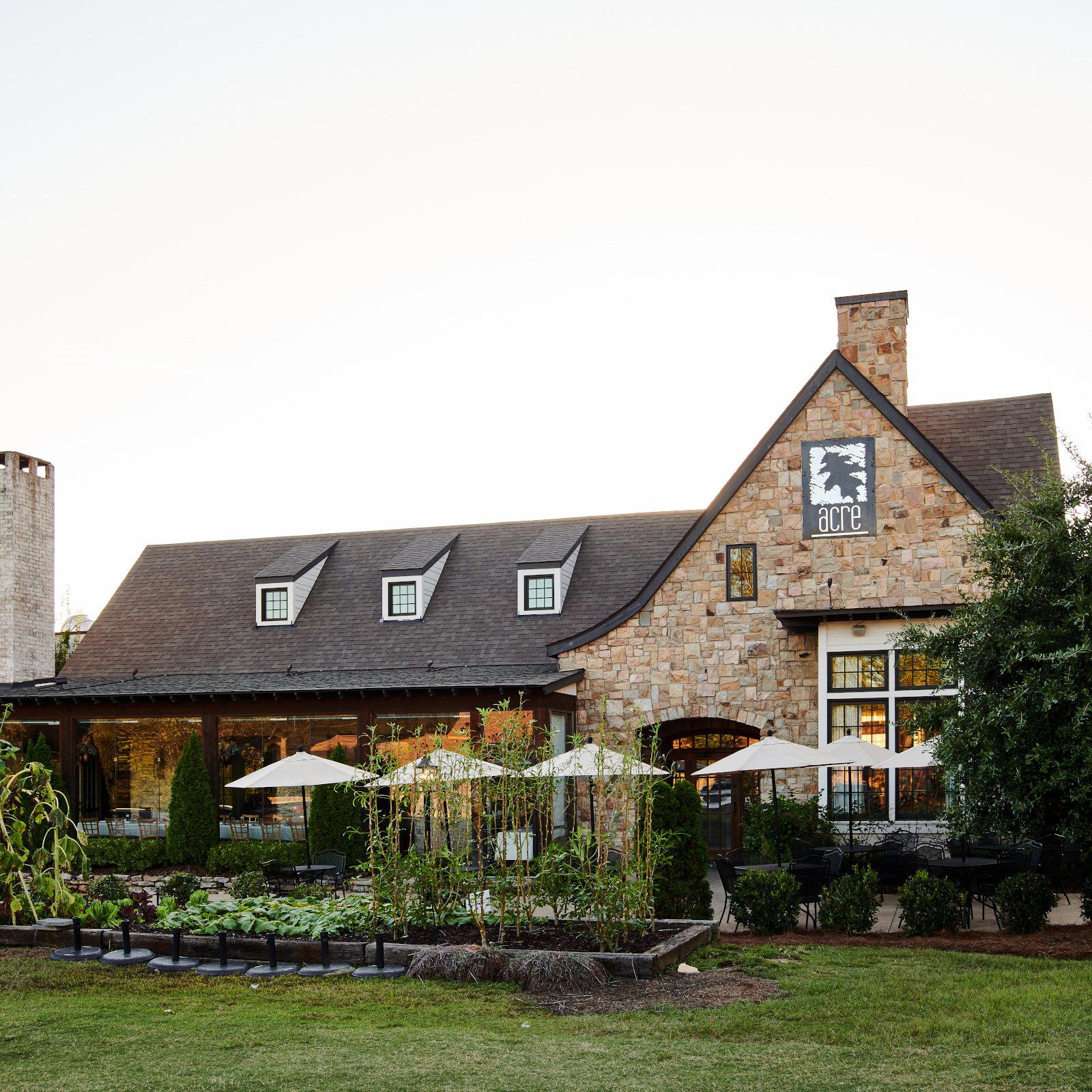
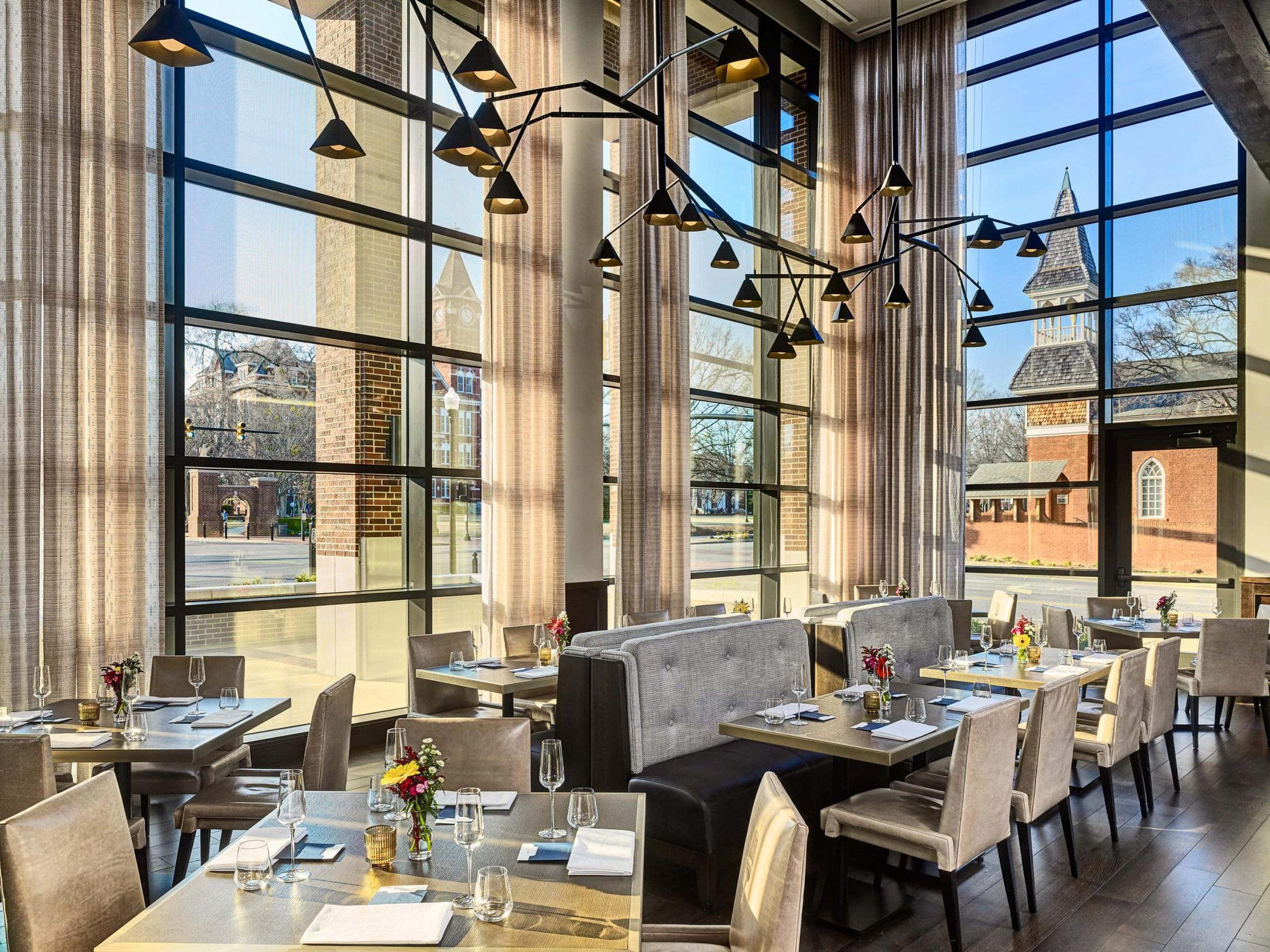
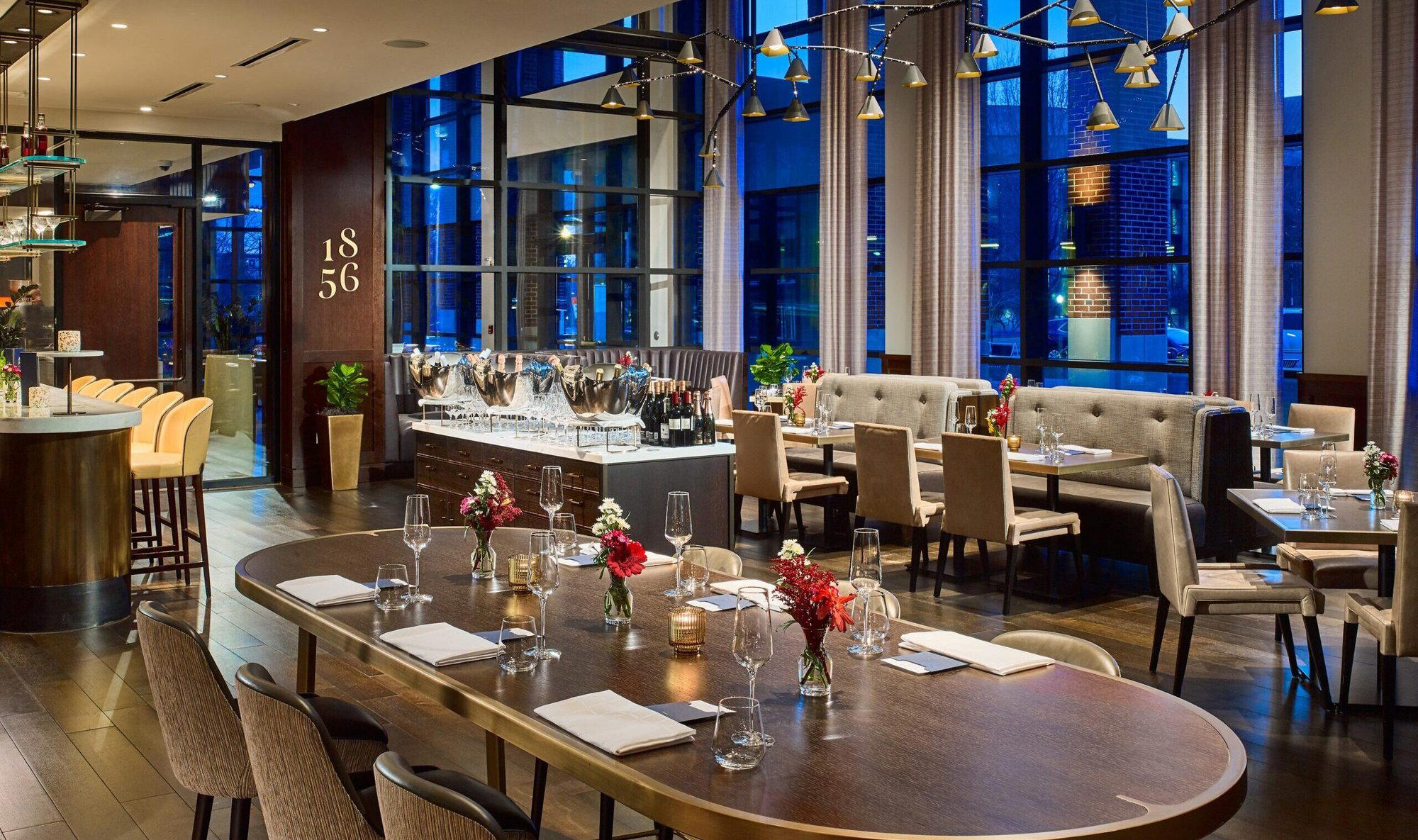
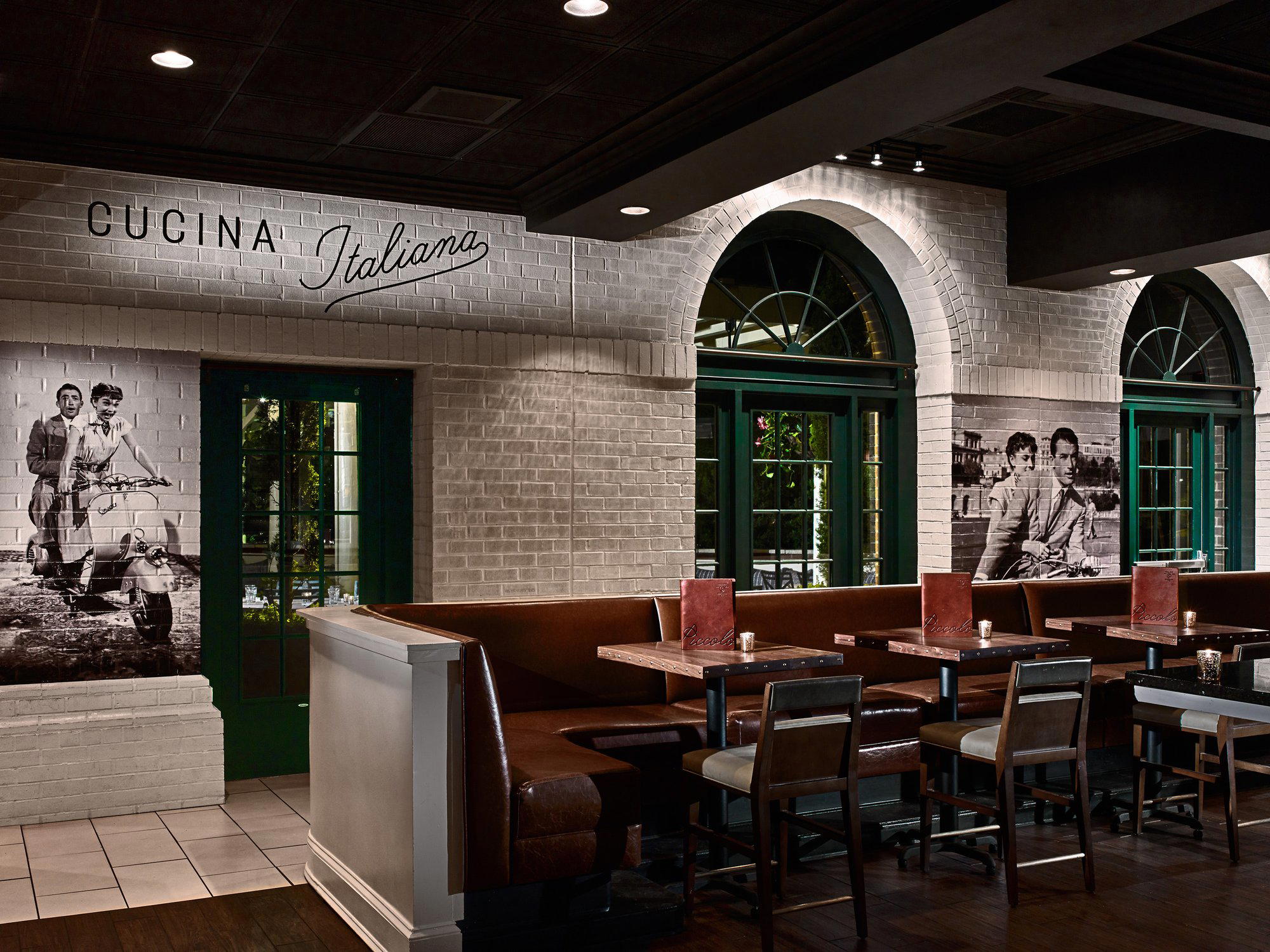
Colorful, nostalgic collegiate interiors with patterns in Auburn University colors, vintage sports references, and lively public spaces, balanced by cozy, well-appointed rooms that retain a boutique, design-forward feel.