Cotton Row
Cotton Row occupies a restored 19th-century cotton warehouse on Huntsville's Courthouse Square, placing it at the intersection of the city's industrial past and its current dining ambitions. The setting alone earns attention, but the kitchen's commitment to Southern-inflected sourcing is what keeps serious diners returning. For Huntsville, it represents the upper tier of locally grounded American dining.
Pearl is the En Primeur Club membership app — saves, bookings, and concierge access live there. Same editors, same standards.
- Address
- 100 Southside Square, Huntsville, AL 35801
- Phone
- +12563829500
- Website
- cottonrowrestaurant.com
- Directions
- Get directions
 Saves & bookings on Pearl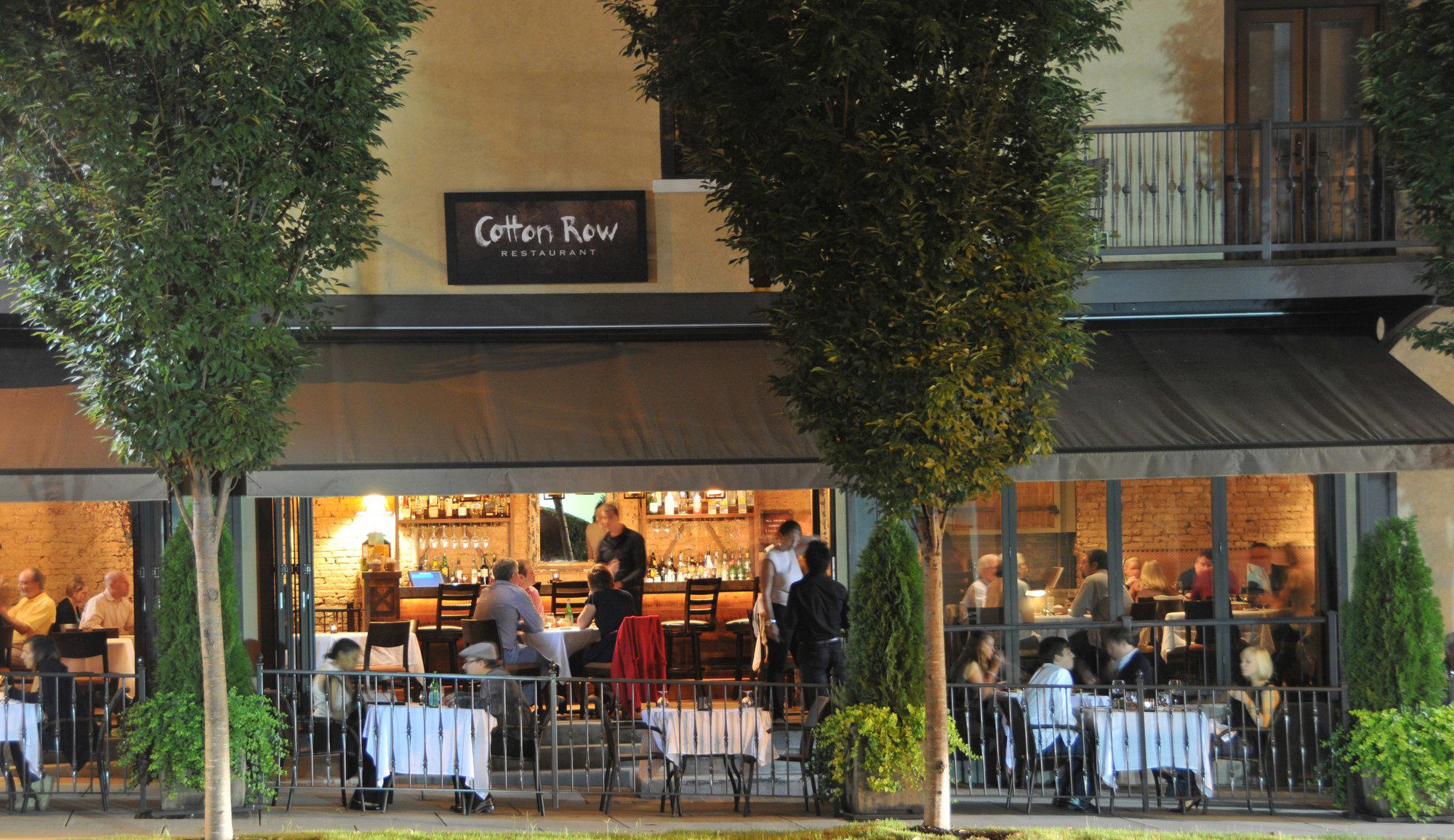
Where Huntsville's History Meets Its Table
Huntsville has spent the last decade building a restaurant scene that matches the ambitions of its aerospace and tech economy, and the old cotton district on Courthouse Square is where that ambition concentrates most visibly. The 19th-century warehouse buildings along Southside Square carry the weight of the city's pre-NASA past, exposed brick, heavy timber, high ceilings that once stored bales bound for textile mills, and Cotton Row, at 100 Southside Square, occupies that architecture with a seriousness the space demands. Walking in, the room reads less like a renovation and more like a careful argument: that the right building, treated with restraint, becomes one honest kind of dining room.
This part of Huntsville has become a reference point for the city's upscale dining conversation, in the same way that a particular block in a mid-sized American city will absorb the energy of a generation of restaurateurs who want to do something more considered than the suburban strip. Cotton Row sits in that local hierarchy, drawing comparisons not to other Huntsville addresses but to the broader category of Southern-rooted fine dining that has gained critical attention across the region over the past fifteen years.
Sourcing as Editorial Stance
The meaningful thing you can say about American contemporary dining in 2024 is that the sourcing decision is the culinary decision. Kitchens that have moved away from broad-line distributors toward named farms, specific regions, and seasonal constraints are making a different kind of food, not just in flavor terms but in structural terms. The menu becomes a document of place rather than a list of options. This is the logic behind farm-to-table programs at properties like Blue Hill at Stone Barns in Tarrytown and Single Thread Farm in Healdsburg, where the sourcing relationship is the primary editorial statement and the cooking technique is in service of that relationship rather than the other way around.
Cotton Row operates in that same intellectual tradition, grounded in Alabama's agricultural output. The Tennessee Valley is one of the more productive and diverse farming regions in the South, supplying heritage grains, heirloom vegetables, and pasture-raised proteins that give a kitchen genuine seasonal range. When a restaurant in this region commits to local sourcing, it has access to a genuinely varied larder, not the limited palette that critics sometimes assume defines Southern ingredients. The distinction matters because it separates menus built around what the land actually produces from menus that simply invoke Southern identity as branding.
This sourcing orientation places the restaurant in a peer conversation with other American restaurants that treat provenance as a kitchen discipline: Smyth in Chicago, Lazy Bear in San Francisco, and The Wolf's Tailor in Denver all operate with that same commitment to sourcing specificity, though in different regional idioms. The comparison is useful precisely because it removes the geographic excuse: serious ingredient sourcing is possible anywhere a kitchen is willing to build the relationships, and the Tennessee Valley gives the restaurant a strong starting position.
The Dining Room in Practice
American fine dining in mid-sized cities has split into two recognizable formats over the past decade. The first is the ambitious tasting-menu counter, small and controlled, where the kitchen sets every variable. The second is the full-service restaurant with a broader menu, a proper bar program, and enough flexibility to serve a range of occasions, a business dinner, a celebratory meal, a solo diner at the bar. The restaurant belongs to the second category, which makes it more useful to a wider cross-section of Huntsville's dining public, even if it occasionally trades some of the control and intensity that tighter formats allow.
For broader context on what this format looks like at its highest expression, Le Bernardin in New York City, Providence in Los Angeles, and The Inn at Little Washington in Washington all hold this ground at the national level, full-service, chef-driven, occasion-appropriate. The restaurant is doing analogous work at a regional scale, which is a different task but not a lesser one. A restaurant that anchors the upper tier of its city's dining scene while maintaining accessibility carries a different kind of responsibility than a destination-only address.
Huntsville diners looking for the restaurant's immediate peers within the city should consider Purveyor, which operates in the American contemporary register at a comparable price tier, and Salt Smokehouse for the other end of the locally sourced Alabama food conversation. The full range of Huntsville's dining options is covered in our full Huntsville restaurants guide.
Planning Your Visit
The restaurant is located at 100 Southside Square in downtown Huntsville, which puts it within easy walking distance of the city's central hotels and within the historic district that draws visitors to the area. For a restaurant at this level in a mid-sized American city, booking ahead is advisable, particularly on weekend evenings when Courthouse Square draws the broadest mix of locals and visitors. The room's character, historic bones, considered service, menu rooted in Alabama agriculture, makes it the kind of address that rewards arriving without a fixed agenda. Diners interested in the sourcing story will find it worth asking the floor staff about current farm relationships, which tend to shift with the seasons in ways that affect the menu's range and emphasis.
Comparison Snapshot
Comparable venues nearby, for context on price, style, and recognition.
| Venue | Cuisine | Price | Awards | Notes |
|---|---|---|---|---|
| Cotton RowThis venue — the venue you are viewing | Modern American with Southern Influences | $$$ | Not listed | Not listed |
| Purveyor | Contemporary American Farm-to-Table | $$$ | Michelin Plate | Downtown Huntsville (The Avenue) |
| Salt Smokehouse | Korean-Southern Fusion Barbecue | $$ | Michelin Plate | Lincoln Mill |
Continue exploring
More in Huntsville
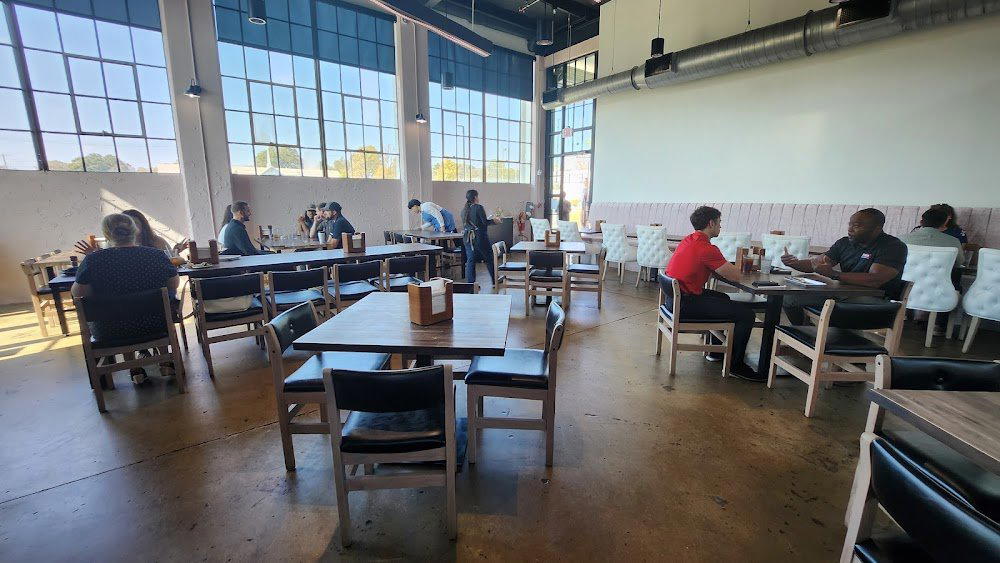
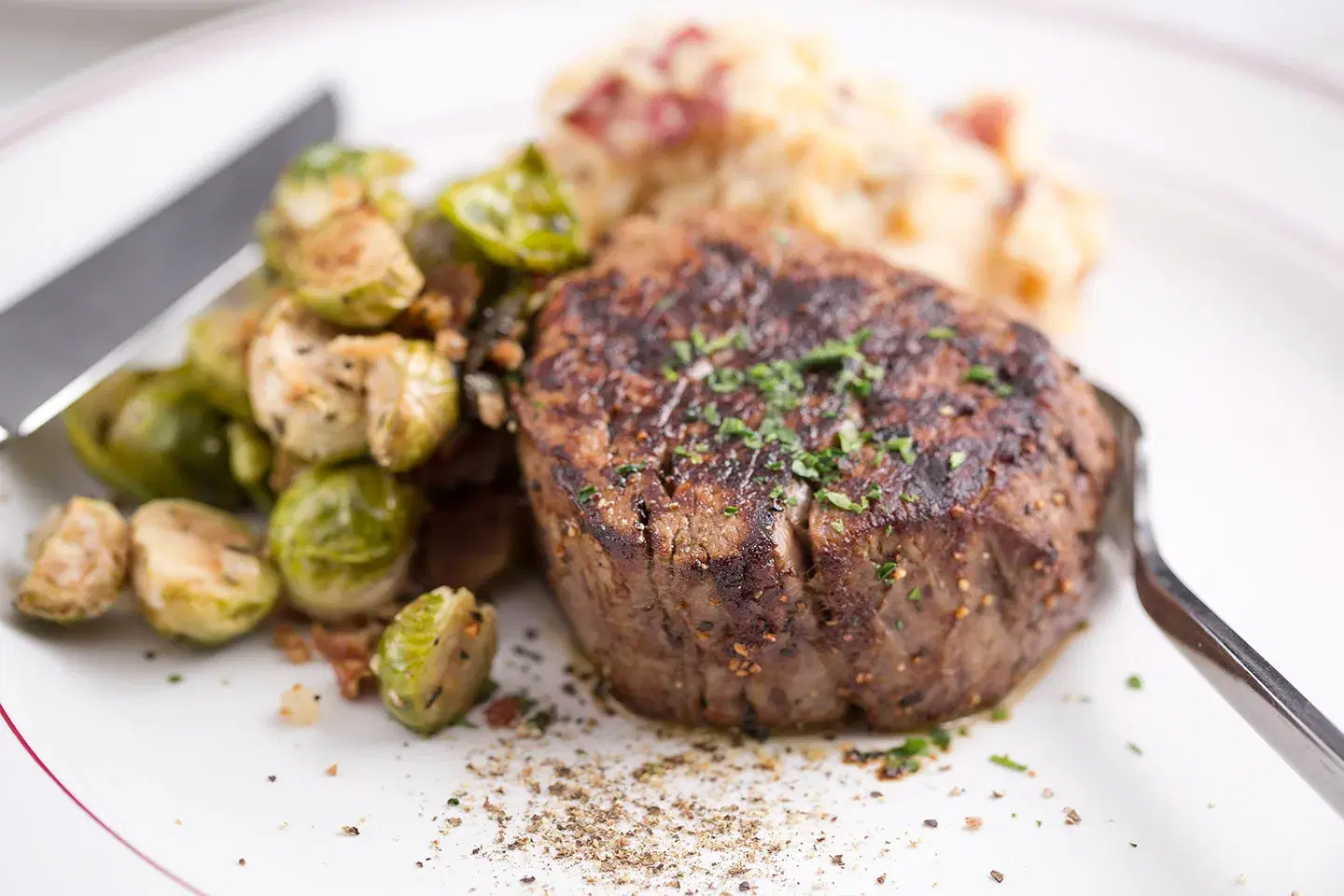
Restaurants in Huntsville
Browse all →
Bars in Huntsville
Browse all →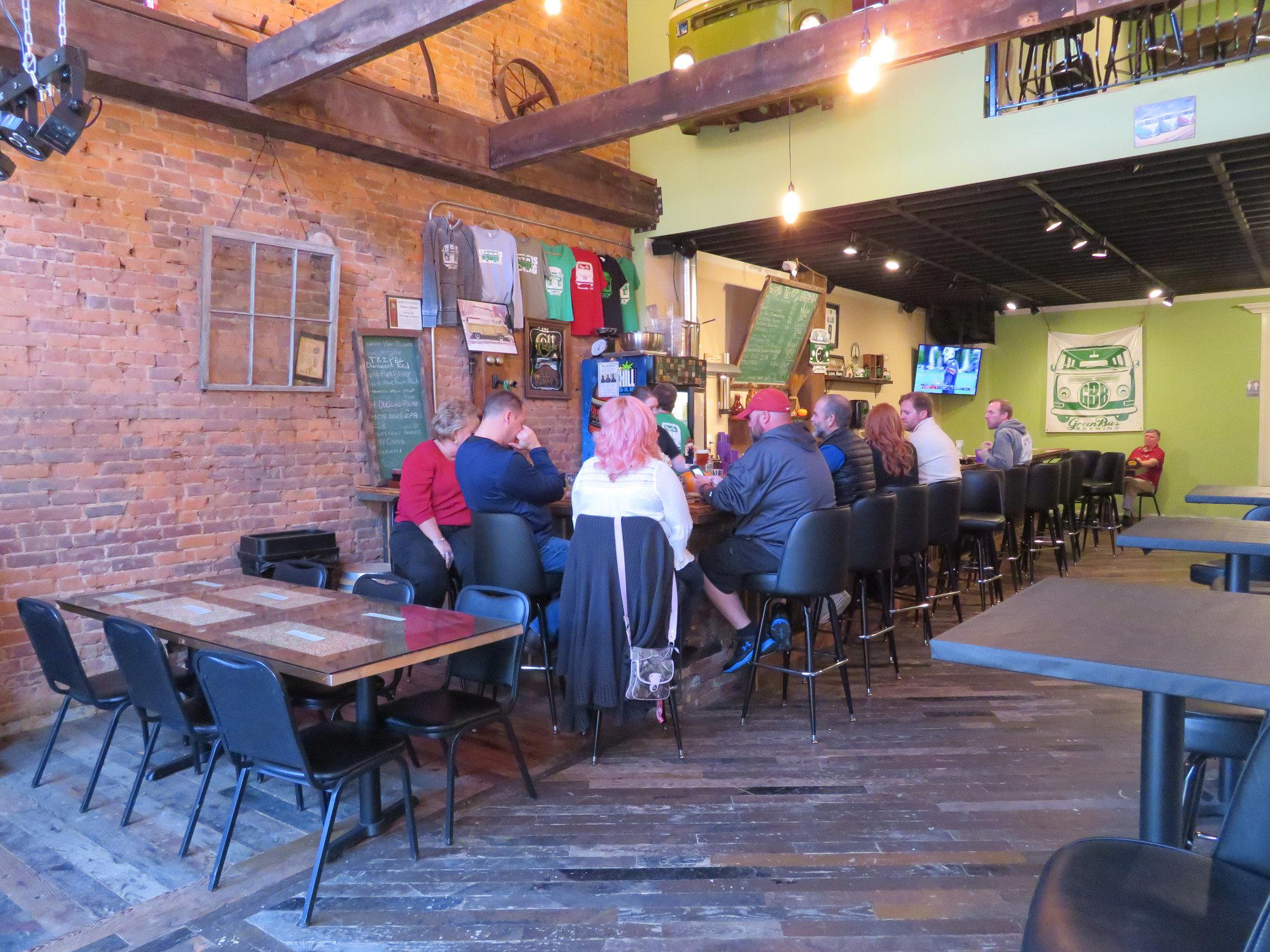
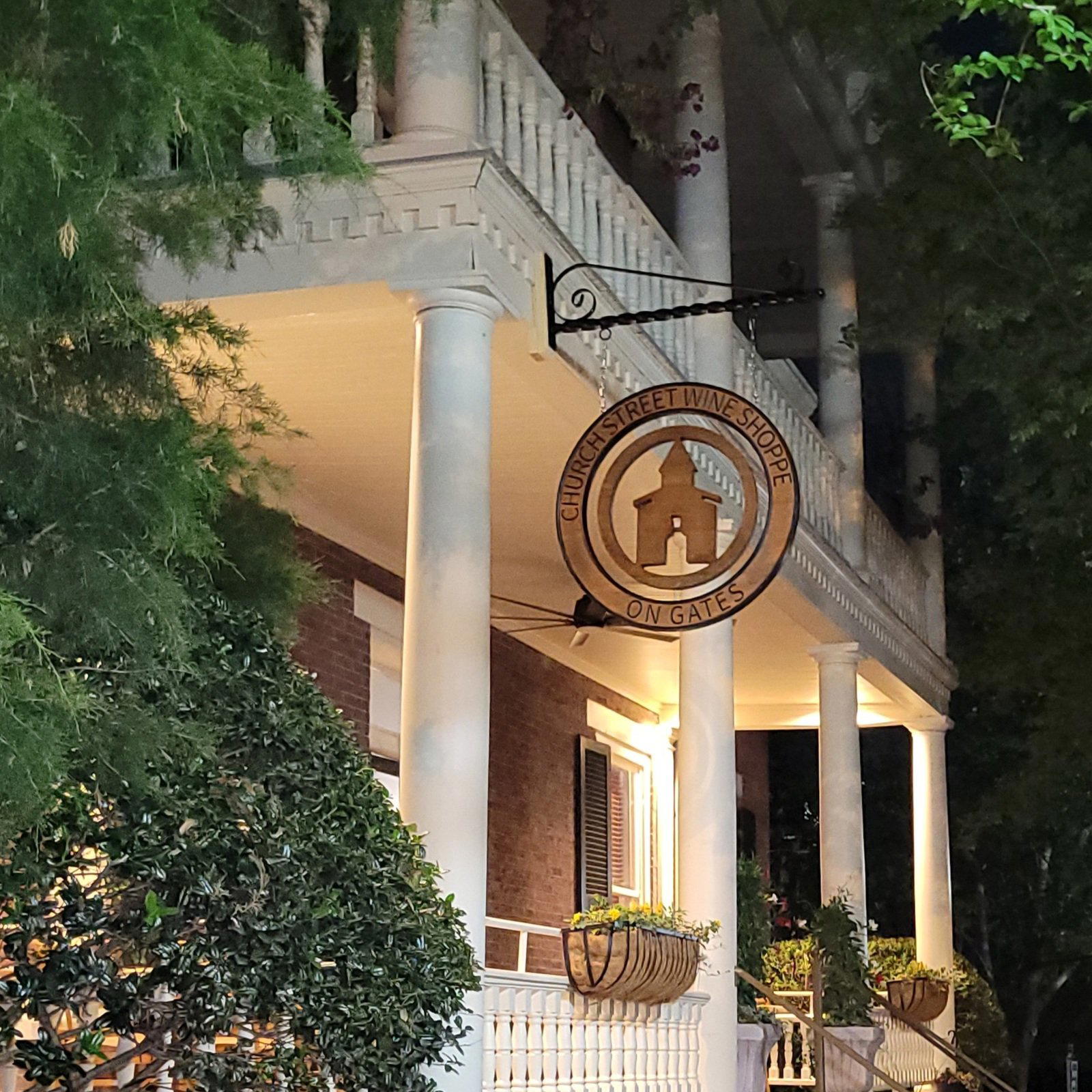
Hotels in Huntsville
Browse all →
At a Glance
- Elegant
- Sophisticated
- Classic
- Intimate
- Date Night
- Special Occasion
- Business Dinner
- Historic Building
- Extensive Wine List
- Local Sourcing
- Street Scene
Current opening hours
- Monday
- Closed
- Tuesday
- 4–9:30 PM
- Wednesday
- 4–9:30 PM
- Thursday
- 4–9:30 PM
- Friday
- 4–9:30 PM
- Saturday
- 4–9:30 PM
- Sunday
- Closed
Hours can change for holidays and private events. Last verified .
Elegant interiors blending comfort and sophistication with warm hospitality in a historic downtown setting.