← Guides
VIR brought 38 producers from 18 Rioja villages to Madrid, asking collectors to read the region through growers, villages and sites.
VIR brought 38 producers from 18 Rioja villages to Madrid, asking collectors to read the region through growers, villages and sites.
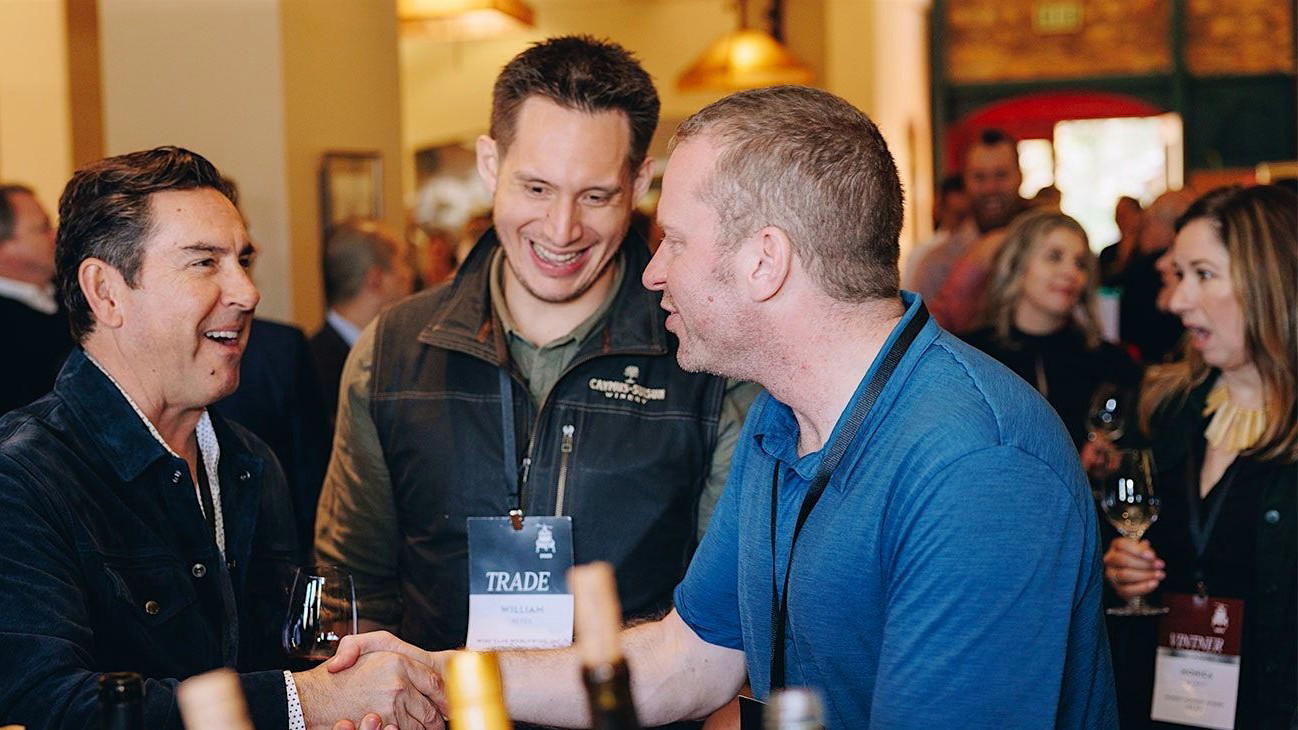
At a Madrid tasting in early March, 38 producers from 18 villages made the case that Viticultores Independientes de Rioja is now the name to know for Rioja drinkers who want villages, sites and growers before category shorthand. VIR, Viticultores Independientes de Rioja, is a terroir-focused collective of small, independent estates, and its first public showing put Rioja’s less visible growers in the same room with sommeliers, importers and curious collectors. The timing matters. Rioja has never lacked recognition; what VIR wants is a more precise reading of the region.
That precision is the story. Not Rioja as a single taste memory. Not Rioja as a shelf category divided by ageing terms. VIR asks you to look closer: at a village, an individual vineyard, a farmer’s choices, a producer’s reading of place. According to Decanter, the collective debuted in Madrid in early March with a tasting showcasing 38 producers from 18 villages across the DOCa region. For a region with such global reach, that number gives the event its edge, small enough to feel intentional, large enough to show that this is not one estate’s private campaign.
The movement grew out of smaller producer circles, including Rioja ’n’ Roll and Martes of Wine, and it carries the mood of a generation that has worked, travelled and tasted outside its own borders. Rioja has always absorbed outside influence, but VIR’s emphasis sits closer to growers than brands: village-level specificity, individual sites and sustainable viticulture as the base from which a wine can speak. If you already follow the shift toward lieu-dit bottlings, grower Champagne or village-led Barolo, Rioja’s new collective belongs on the same mental map.
Viticultores Independientes de Rioja arrives with a direct response to a familiar problem: many drinkers can name Rioja, but fewer can name the villages, growers and projects currently changing how the region presents itself. Decanter frames VIR as a band of small, terroir-led estates pooling energy and resources to show Rioja beyond the big brands. The Madrid debut did not merely gather bottles on tables; it gathered an argument. Rioja, VIR suggests, deserves to be read in finer print.
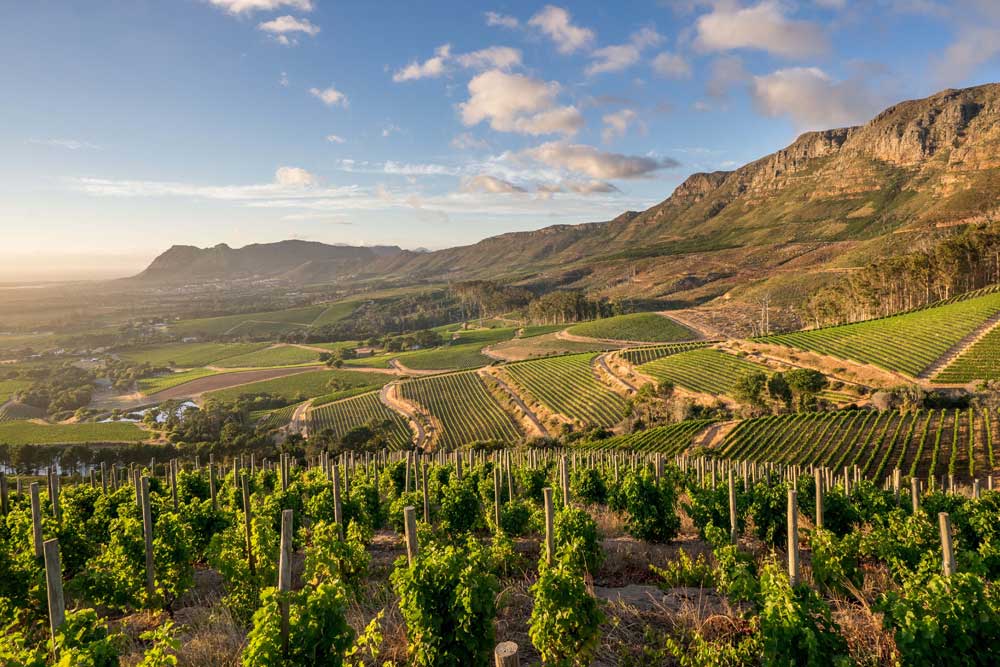
Alberto Pedrajo, co-founder with Javier Alonso of Alonso & Pedrajo in Villalba de Rioja near Haro, told Decanter that visitors who expect something akin to La Mancha are often surprised by Rioja’s actual terrain. The line works because it is geographic before it is promotional. Rioja is not a flat abstraction; it is a DOCa region of villages, slopes, old assumptions and renewed grower confidence.
Miguel Merino, identified by Decanter as a regional rising star and one of VIR’s organisers, speaks to the frustration underneath the collective’s launch. The issue is not that Rioja lacks reputation. The issue is who gets to define that reputation for buyers, importers and restaurant lists. VIR’s public debut puts small producers in front of the trade as a group, which changes the scale of the message. One isolated grower can be dismissed as an exception. Thirty-eight producers from 18 villages are harder to file away.
"We firmly believe that Rioja is home to the greatest variety of exciting projects, which, unfortunately, are overshadowed by industrial-scale wineries that have appropriated the narrative of family-run, artisanal producers"
, Miguel Merino, winemaker and organiser, Decanter1
For collectors, the signal is practical. VIR gives you a filter for finding Rioja producers whose work begins with vineyards and villages rather than a broad regional style. It does not replace tasting; it sharpens the first question. When a merchant pours a Rioja by a small estate, ask which village, which site, and whether the producer is part of this new grower conversation. The answer will tell you more than an ageing category alone.
VIR’s Madrid tasting brought together 38 producers, but the point was not numerical spectacle. The number matters because it gives density to a movement that had already been forming in smaller groups. The collective grew from producer circles such as Rioja ’n’ Roll and Martes of Wine. Rioja ’n’ Roll was founded in 2015 to champion small-scale vignerons with strong ties to the land and rural life. VIR gives that earlier impulse a broader stage.
Alonso & Pedrajo is one of the names to pause over. Based in Villalba de Rioja, near Haro, the project was co-founded by Alberto Pedrajo and Javier Alonso, and Decanter describes it as forward-thinking. The article image places Javier Alonso, Vanessa Alonso, Gema Pedrajo and Alberto Pedrajo together, not as a corporate portrait, but as a reminder that these projects are often family-scale, collaborative and specific to place. That distinction matters in a region where the phrase “family-run” can be used so widely that it loses texture.
Miguel Merino’s role as organiser gives the collective another point of focus. He is not presented as a distant spokesperson; he is part of the grower cohort arguing for a more exact Rioja. His quoted criticism of the industrial image is sharp because it names the tension without softening it. VIR’s members are not rejecting Rioja’s history. They are objecting to a narrow version of Rioja that flattens small producers into the same story as industrial-scale wineries.
Decanter’s account also places VIR within a larger habit among younger winemakers: exchange rather than rivalry. Producers now travel widely, work harvests in other regions and bring those experiences home. Alberto Pedrajo told Decanter that his generation has travelled extensively and seen movements elsewhere that inspired them.
Reported directly, that detail explains why VIR feels familiar to anyone who has watched growers in other classic regions organise around terroir rather than producer size. The Rioja version has its own pressure: the region already has one of Spain’s strongest wine identities. VIR is asking buyers to revise a category they think they understand.
The Madrid launch also carries a scarcity angle for anyone building a cellar with grower names ahead of the wider market. Not scarcity in the contrived sense, and not the language of allocation theatre. The scarcity here is informational: 38 producers, many of them less visible outside specialist circles, presented through the frame of 18 villages. If your buying has leaned toward established Rioja names, VIR offers a producer map rather than a single bottle recommendation.
The phrase “18 villages” is especially useful figure in VIR’s debut. It moves the discussion away from Rioja as one continuous flavour and toward the places where vines actually grow. Decanter says the March tasting presented a more specific Rioja, with a focus on villages, sites and individual vineyards. That progression, village, site, vineyard, is the language collectors already use in Burgundy, Barolo and the Northern Rhône. VIR wants Rioja to be read with similar patience.
There is a risk in turning any movement into a slogan. Village-level specificity only matters if producers make it legible in the glass and on the label, and if importers, sommeliers and merchants are willing to speak beyond broad regional cues. VIR’s tasting was built for precisely that audience. Spanish Wine Lover’s account of the Madrid event says the tasting aimed to bring sommeliers and distributors closer to the richness of small projects in the region. That is how a village-focused idea moves from manifesto to wine list.
For travellers, the village emphasis changes how you plan Rioja. Haro remains a natural reference point, and Alonso & Pedrajo’s base in nearby Villalba de Rioja gives a concrete anchor to the story. Labastida enters through Remelluri, where an earlier gathering connected terroir pioneers and younger growers. San Vicente de la Sonsierra appears in Decanter’s imagery, with Jade Gross among vines and the castle visible in the background. These are not interchangeable postcard stops; they are points on a route where Rioja’s grower story becomes visible.
The tasting’s 18-village spread also reminds you not to reduce Rioja to its best-known names or cellar districts. A village can bring exposure, history and grower memory into a wine’s identity. The focus stays on what VIR has publicly established so far. The collective has gathered producers around terroir and village specificity; the next layer for drinkers will be learning which bottlings make those differences easiest to taste.
On a restaurant list, that means reading Rioja with the same curiosity you would bring to a cru Beaujolais or a village Burgundy. Ask whether the wine is tied to a village or an individual vineyard. Ask whether the producer belongs to VIR or emerged from circles such as Rioja ’n’ Roll. Ask what the grower is trying to protect: a rural way of farming, a specific site, or a freedom to express territory outside the dominant regional image.
VIR’s manifesto centres on two points: sustainable viticulture that respects its surroundings and safeguards the dignity of the grower, and freedom to express terroir as the base of a diverse Rioja. The wording matters because it links farming, economics and expression. Sustainability is not treated as a detachable virtue; it sits under the grower’s capacity to make wine from place rather than from an imposed regional script.
That is a firm position in a region whose name carries commercial weight. Rioja’s success has often made it easy for consumers to buy by category. VIR asks for another kind of trust, trust in the individual viticultor, in the village, and in the route from vineyard to bottle. It also asks the trade to make room for stories that may not fit the familiar sales shorthand. Sustainable viticulture, in this frame, is not a decorative label. It is part of the producer’s right to express territory.
For anyone who has tasted beyond supermarket Rioja, the line may feel severe. It is still useful. It names the trade barrier VIR must overcome: not a lack of recognition, but a recognition so broad that it obscures difference. A region can be famous and misunderstood at the same time. That is the bind VIR is addressing.
The manifesto’s freedom language also separates VIR from a simple “small is better” argument. Every member does not work in the same way, nor should it. A collective built around terroir needs room for disagreement, adaptation and producer identity. What binds the group is not a uniform style, but a shared resistance to homogeneity. In tasting terms, that should mean wines that do not aim for a single Rioja profile. In travel terms, it means visits and conversations that begin in vineyards rather than reception rooms.
VIR did not appear without prelude. Decanter traces part of its origin to smaller groups such as Rioja ’n’ Roll and Martes of Wine, and notes that Rioja ’n’ Roll was founded in 2015 to support small-scale vignerons with strong ties to land and rural life. The detail matters because it places VIR inside a decade of producer conversation rather than a single tasting-room announcement. Grower movements often begin in informal exchange: bottles opened after harvest, ideas tested among friends, frustrations sharpened by travel.
The earlier reference point is the I Encuentro de Viticulturas, held in May 2016 at La Granja Nuestra Señora de Remelluri in Labastida. The gathering was a conference on Spain’s wine regions, rural areas and distinctive vineyards, hosted at the producer’s estate in Rioja Alavesa. Telmo Rodríguez, the host, stands among Spain’s early terroir pioneers, and the event connected those pioneers with younger producers then beginning to raise the profile of fine wine across Galicia, Gredos, Priorat and Valencia.
The setting gives the story its most tactile moment. Remelluri sits in Labastida, in the foothills of Monte Toloño, a peak in the Sierra de Cantabria range. You can feel why a conference there would linger in a young grower’s memory: not because a manifesto was read in a neutral hall, but because the mountain, estate and vineyards placed the discussion in physical context. Wine ideas travel better when the ground is visible.
Among those present at the 2016 conference, according to Decanter, were young Rioja producers who had taken over their parents’ small wineries and others who had started projects from scratch. That mix is central. Succession and new creation produce different pressures, but both can lead toward terroir if the producer sees the vineyard as the source of identity. The first group inherits land, cellars and family expectation. The second builds a project with fewer inherited structures. VIR gives both a public language.
Rioja ’n’ Roll’s founding year, 2015, also gives collectors a timeline. This is not an overnight fashion attached to a single tasting. The names and groups have been forming connections for years, and VIR’s early-March Madrid debut made those connections more visible. If you have followed Spain through Gredos Garnacha, Priorat’s village work or the revival of old vineyards in Galicia, the Rioja chapter now has a formal name.
Start with names, then move quickly to place. For the moment, a handful of concrete anchors remain: Miguel Merino as organiser; Alonso & Pedrajo in Villalba de Rioja, near Haro; Alberto Pedrajo and Javier Alonso as co-founders of that project; Rioja ’n’ Roll and Martes of Wine as precursor groups; Remelluri in Labastida as the site of the 2016 conference hosted by Telmo Rodríguez. Those names are enough to begin a more deliberate Rioja search.
On retail shelves, look for producer information that goes beyond Rioja DOCa and ageing category. A label or merchant note that names a village, site or individual vineyard deserves a second look. If the producer connects to VIR, ask how the estate farms and how the wine is positioned within its village. If the wine list gives only a broad category, ask the sommelier whether they have grower-led Rioja by the glass or bottle. The goal is not to dismiss classic Rioja; it is to add another register to your drinking.
In the region, build an itinerary that treats Rioja as a set of places rather than a single stop. Haro and its surroundings remain natural for wine travel, and Villalba de Rioja places Alonso & Pedrajo close to that orbit. Labastida gives you the Remelluri connection and the memory of the 2016 gathering. San Vicente de la Sonsierra, visible in Decanter’s imagery through its castle above vines, brings the visual grammar of Rioja into view: fortified village, vineyard, slope, horizon. Even without a booked technical tasting, those places change how you understand the bottles.
For buyers used to chasing scores, VIR calls for a slower metric. Treat VIR as an early sorting tool. Follow the participating producers as importers pick them up, as sommeliers pour them in comparative flights, and as more village and vineyard information becomes visible. Scarcity may show up first as limited distribution rather than announced allocations.
One useful cellar approach is comparative. Buy across villages when you can. Taste a VIR-aligned wine against a more familiar Rioja and ask where the difference appears: fruit profile, oak presence, structure, freshness, tannin shape, the degree to which the wine feels built from site rather than house style. The exercise, though, belongs to the movement’s purpose. It trains your palate to ask the question VIR is asking.
Viticultores Independientes de Rioja now has the difficult work ahead: turning one early-March Madrid tasting into sustained recognition for producers across 18 villages. The first event gathered attention. The next stage will depend on repetition, more tastings, clearer producer information, stronger merchant vocabulary, and bottles that persuade drinkers without a manifesto beside them.
The challenge is specific to Rioja. Few Spanish wine names carry such instant recognition, and that recognition can help or hinder a small grower. It opens doors because consumers know the word. It closes them when buyers assume they already know the style. VIR’s counterargument is not anti-Rioja; it is pro-Rioja in higher resolution. Miguel Merino’s criticism of industrial-scale narratives and Alberto Pedrajo’s emphasis on the real geography of the region point in the same direction: the name Rioja should hold more difference than many drinkers currently grant it.
For En Primeur Club readers, this is the moment to begin building a producer file. Note Alonso & Pedrajo in Villalba de Rioja. Note Miguel Merino’s organiser role. Note Rioja ’n’ Roll’s 2015 start and the May 2016 Remelluri gathering in Labastida. Note the 38 producers and 18 villages from the Madrid debut. Those details are not trivia; they are the scaffolding of a new way to navigate Rioja.
VIR’s promise will be tested in glasses, not declarations. If the collective keeps tying sustainable viticulture to village-level expression, and if importers and sommeliers give those bottles the context they need, Rioja’s next chapter may be written less by category shorthand and more by the growers who can point to a village, a site and a reason for the wine in front of you.
Get the App
Take the shortlist into the En Primeur Club app for concierge access, saved places, and the next step after discovery.
Get Exclusive AccessMore from the editors