← Guides
47 Australian producers, 1,500 bottles, and unreleased wines land in Singapore 22–24 May for Uncorked: Modern Australia.
47 Australian producers, 1,500 bottles, and unreleased wines land in Singapore 22–24 May for Uncorked: Modern Australia.
Picture the wine list at a Singapore fine-dining room: Burgundy down the left column, Bordeaux down the right, a handful of Rhône and Champagne in between. Now picture a sommelier reaching past all of it to pour Alkina's new Fractures Grenache from the Barossa Valley, a bottle not yet available in Australia, let alone Southeast Asia.
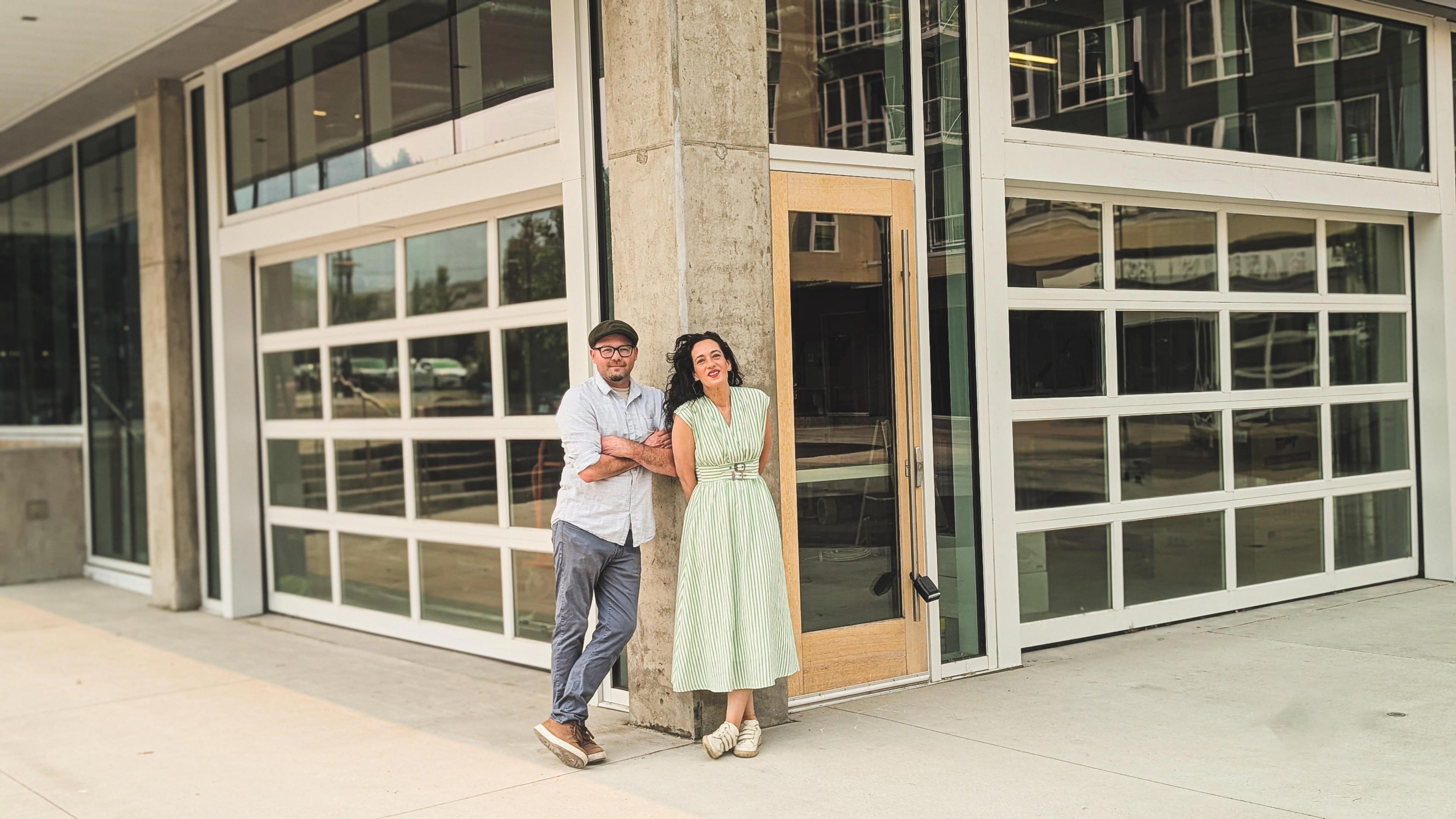
That is the precise moment Uncorked: Modern Australia is engineered to create. From 22 to 24 May, Clink Clink, the wine concierge arm of The Lo and Behold Group, brings 47 Australian producers to Singapore across three days and three venues, with 1,500 bottles and over 200 wines on show, including several poured publicly for the first time anywhere.
Singapore sits at the centre of Southeast Asia's fine-dining trade in a way no other city in the region does. Its restaurant scene draws sommeliers and buyers from across the continent, its wine import infrastructure is mature, and its consumers are as likely to be comparing Chambolle-Musigny producers as they are to be ordering off the cocktail list. For any wine region seeking a foothold in Asia, Singapore is the logical first door to knock on.
And yet modern Australian wine, not the Shiraz-and-Chardonnay export machine that built the country's global reputation through the 1990s and 2000s, but the new generation of producers working with restraint, site expression, and varieties that rarely appeared on an Australian label a decade ago, remains chronically absent from those lists. Matthew Lamb, General Manager of Clink Clink, has been direct about why. The Australian wine narrative, he argues, has been dominated by large volume-driven producers telling a single-page, monotone story, and the producers he is bringing to Singapore are the antithesis of that.
The gap between what is being made in the Barossa, Margaret River, Tasmania, and a dozen other Australian regions and what ends up on a Singapore wine list is not a quality gap. It is an exposure gap. Sommeliers cannot list wines they have never tasted. Buyers cannot build a relationship with a producer they have never met. Uncorked: Modern Australia is, at its core, an attempt to close that distance in three concentrated days.
Session | Venue | Day | Format | Primary Audience |
|---|---|---|---|---|
Welcome Party | Friday, 22 May | Wine and food pairing with signature dishes | Trade and hospitality guests | |
Grand Walkabout | Cygnet, QT Hotel | Saturday, 23 May | Open walkabout tasting, 200+ wines, 47 producers | Sommeliers, buyers, and trade |
Cellar Session | Claudine Restaurant | Sunday, 24 May | Long lunch with back vintages and vintage magnums | Collectors and serious buyers |
The structure of the festival is itself a statement. This is not a single-room walkabout tasting with a sign-in sheet and a spit bucket. The Uncorked: Modern Australia program moves across three of Singapore's most recognisable dining addresses, each chosen to frame the wines in a different context.
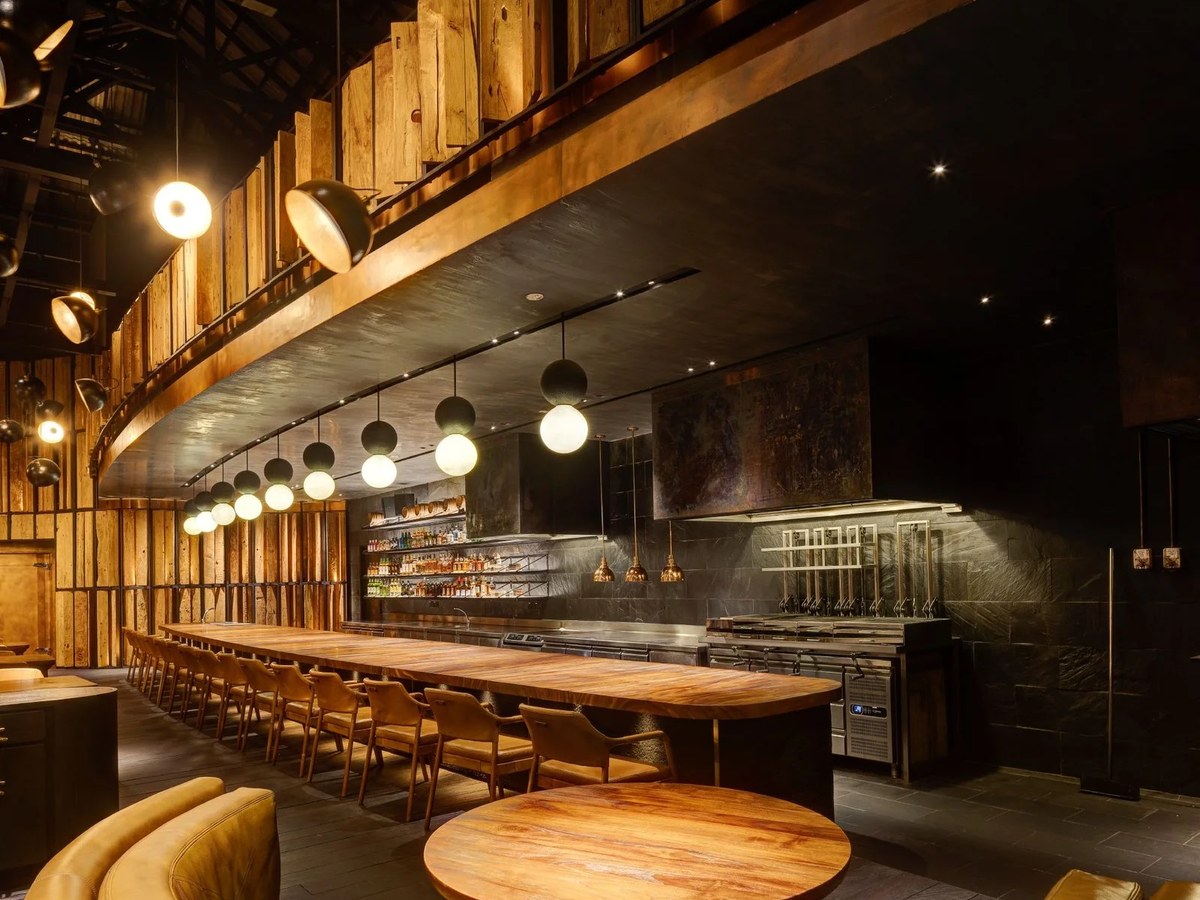
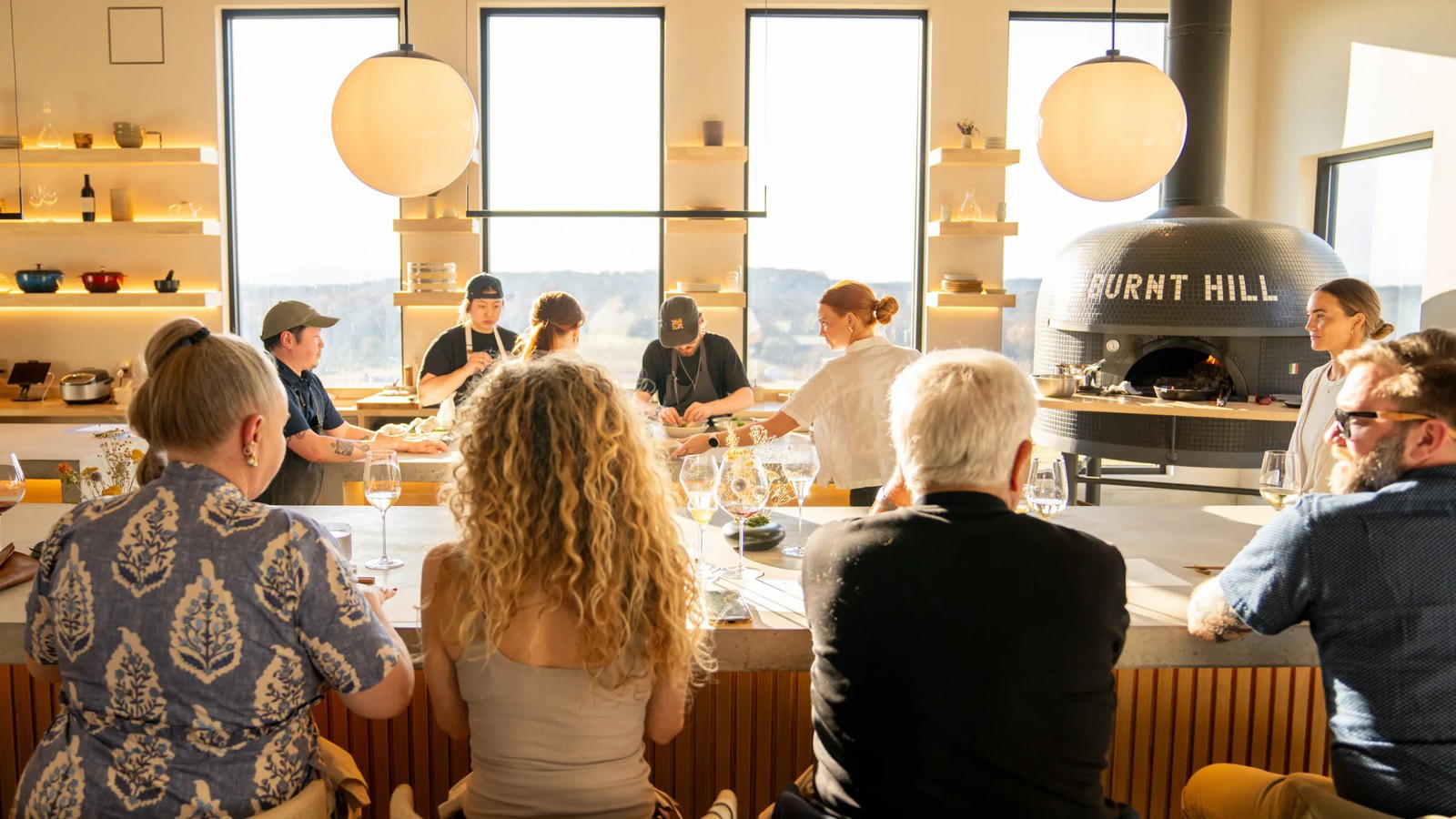
Friday evening opens at Burnt Ends, the wood-fired restaurant whose cooking has made it one of the city's most-booked tables. The welcome party pairs Australian wines with the restaurant's signature dishes, a format that immediately positions these bottles as food wines, not trophy pours. For producers whose wines are built around freshness and texture rather than extraction, the pairing argument makes itself.
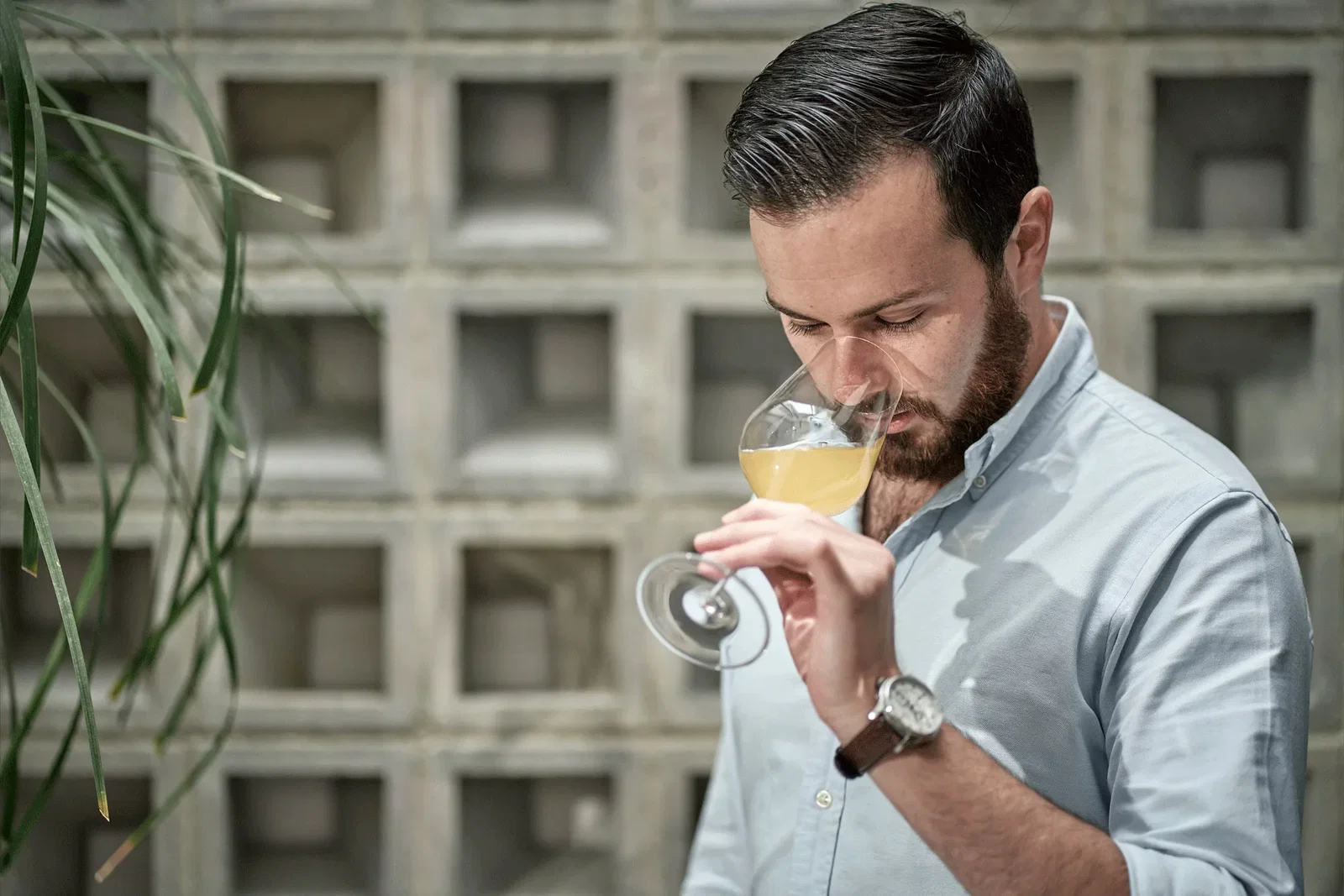
Saturday's Grand Walkabout at Cygnet, QT Hotel is the centrepiece. Over 200 wines on show, 47 producers in the room, every winery represented in person by a winemaker or senior staff member, a condition Lamb considers non-negotiable to the festival's purpose. The logic is direct: a trade buyer or sommelier tasting an unfamiliar producer needs to ask questions that a printed tech sheet cannot answer. Who made the decision to pick early? Why Grenache and not Shiraz on this block? What is the oak regime on the Chardonnay? Those conversations happen when the person who made the wine is standing behind the table.
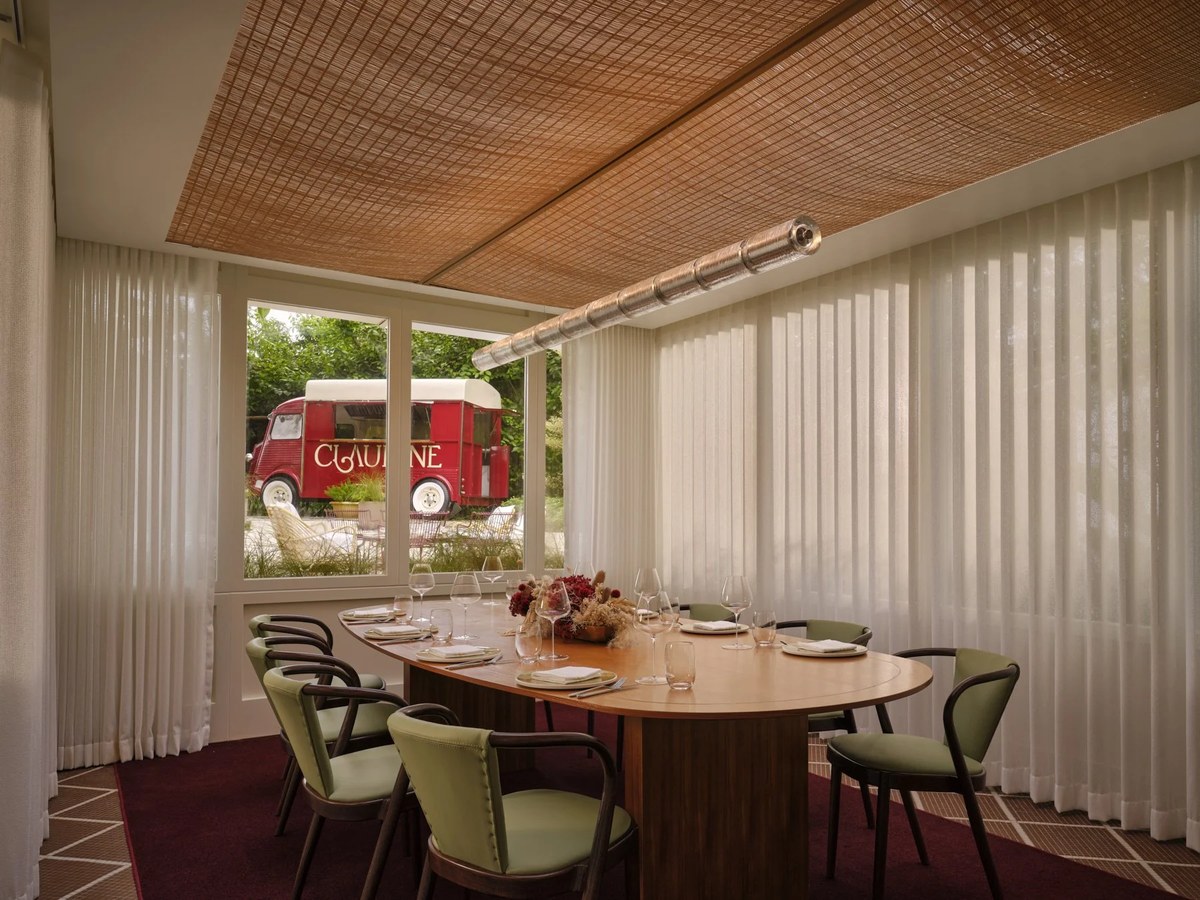
Sunday moves to Claudine restaurant for a long lunch format, the Cellar session, where producers open back vintages and vintage magnums stretching back fifteen years. This is where the festival makes its most pointed argument to collectors and serious buyers: these are wines with a track record, not just a promising current release.
The second edition follows last year's inaugural Uncorked: Champagne, which generated enough industry and consumer response to prompt this follow-up. The shift from Champagne to Australia is a deliberate widening of scope, and a signal that Clink Clink is building Uncorked into a recurring platform for underrepresented wine categories rather than a one-off event.
The festival is structured for both trade and consumers, and the trade dimension is where the longer-term impact will likely be felt. Singapore's sommeliers and wine buyers operate in a market where a single list placement can open distribution conversations across the region. A Singaporean importer who discovers Sailor Seeks Horse at the Grand Walkabout on Saturday and lists it by September has, in effect, introduced the wine to every table in the restaurant, and to every distributor watching what that restaurant pours.
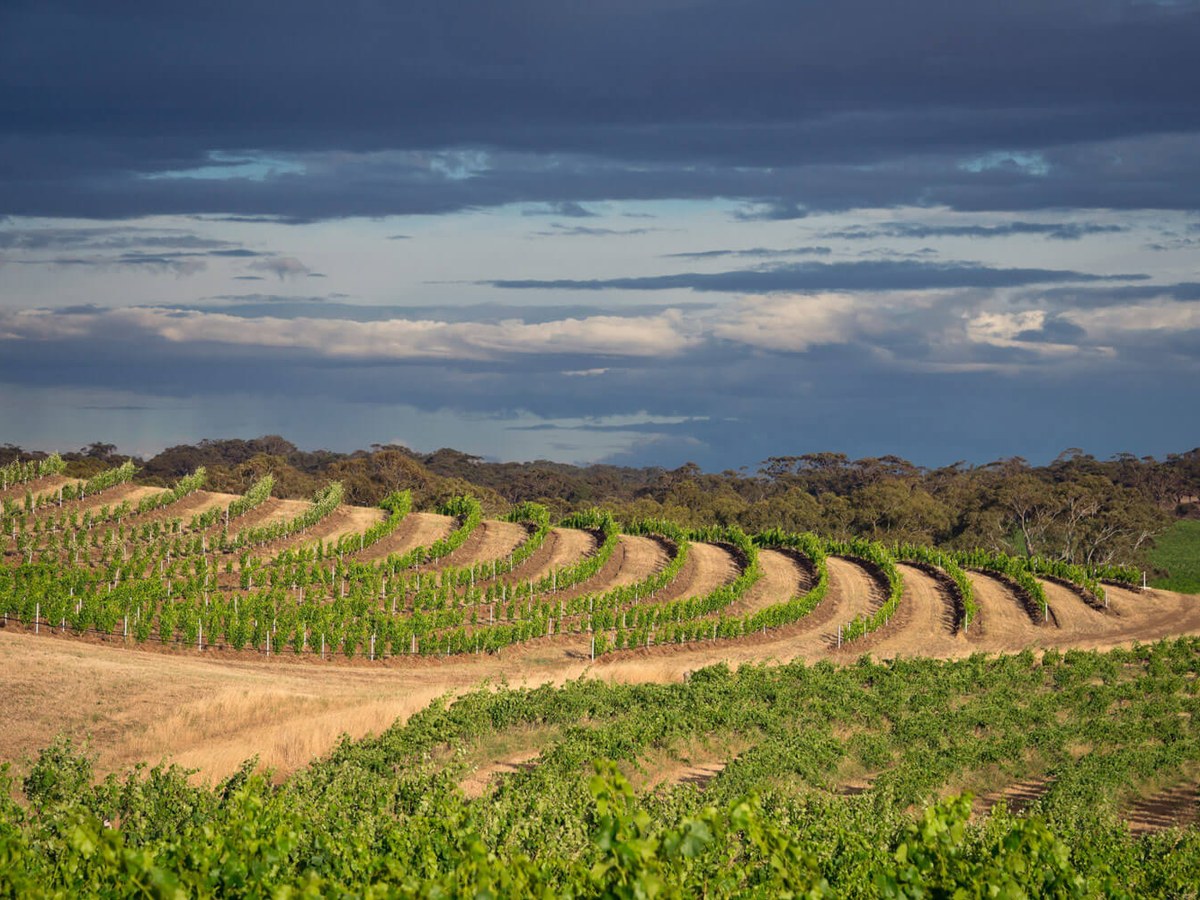
Lamb has been explicit about this mechanism. It is hard, he has said, for sommeliers to put something together when they have never been shown the wines before. The festival's goal is to showcase a sliver of the other side of Australian wine, beyond what he describes as the "sunshine in a glass" and big and burly wines that defined the country's export identity for a generation.
The 47 producers hail from across the country, from Margaret River in Western Australia's southwest corner to Tasmania's Huon Valley. That geographic spread matters. It tells a trade buyer that modern Australian wine is not a single-region story, it is a national conversation happening simultaneously in cool-climate Tasmania, the ancient soils of the Barossa, the maritime-influenced vineyards of Margaret River, and points in between. A sommelier building an Australian section on a list has 47 entry points across a single weekend.
The in-person producer requirement also changes the dynamic of a walkabout tasting. At a standard trade fair, a brand ambassador might pour across six producer tables in a single afternoon. At Uncorked, the person behind the Alkina table made the Fractures Grenache. The person behind the Windows Estate table decided which blocks to harvest first for the single-vineyard Chardonnay. That specificity is what converts a tasting note into a list placement.
For consumers attending the Grand Walkabout and the Sunday lunch at Claudine, one immediate draw is access to bottles that do not yet exist on any retail shelf, in Singapore or in Australia. Granjoux's 2024 Chardonnay, Serrat's 2025 range, and Alkina's new Fractures Grenache are all being poured at the festival before their Australian release. That is a genuine scarcity proposition: the only way to taste these wines in May 2026 is to be in the room.
Alkina's Fractures Grenache is the wine Lamb has been most vocal about. The Barossa Valley producer is working with a variety that the region has long grown in the shadow of Shiraz, and Lamb's position is unambiguous:
"I believe that for warmer climates in South Australia, Grenache should be the championed variety, and the wines Alkina are producing lend credence to that claim"
Matthew Lamb, General Manager, Clink Clink1
The Barossa's Grenache argument has been building for several years among Australian wine writers and producers who point to the variety's natural affinity with the region's warm, dry conditions and ancient soils. Old-vine Grenache in the Barossa can reach vine ages that rival particularly storied plantings in Châteauneuf-du-Pape. Alkina's decision to name a cuvée Fractures, a reference, presumably, to the geological character of the site, positions the wine firmly in the site-expression conversation that defines the new generation of Australian producers.
From Margaret River, Windows Estate brings a single-vineyard Chardonnay that challenges the Gingin-clone orthodoxy that has long defined the region's house style. The Gingin clone, a Chardonnay selection widely planted in Margaret River through the 1980s and 1990s, produces a recognisable regional character, but a growing number of producers are working with alternative selections and picking decisions to push the style toward greater tension and minerality. Windows Estate is among those making that argument in the glass.
Tasmania's Sailor Seeks Horse, from the Huon Valley, represents the cool-climate end of the festival's range. Lamb regards the producer's Pinot Noir and Chardonnay as among the leading cool-climate expressions in the country, and acknowledges that the quantities are incredibly scarce. For collectors accustomed to chasing Burgundy allocations, the parallel is not lost: the wines that are hardest to find are often the ones worth finding first.
Sunday's Cellar session at Claudine adds a vertical dimension that consumer tastings rarely offer. Back vintages and vintage magnums stretching back fifteen years give attendees a chance to assess how these producers' wines develop, a question that matters enormously to anyone considering whether to buy for the cellar rather than the dinner table. A 2010 or 2011 Australian Grenache or cool-climate Pinot Noir in magnum, poured over a long Sunday lunch at one of Singapore's better French restaurants, is a different kind of argument than any tasting note can make.
The 47 producers at Uncorked: Modern Australia span the full range of what the new generation of Australian winemaking looks like. The common thread is not a region or a variety, it is an approach. Restraint over extraction. Freshness over weight. Site expression over brand identity. Varieties chosen because they suit the place, not because they suit the export market.
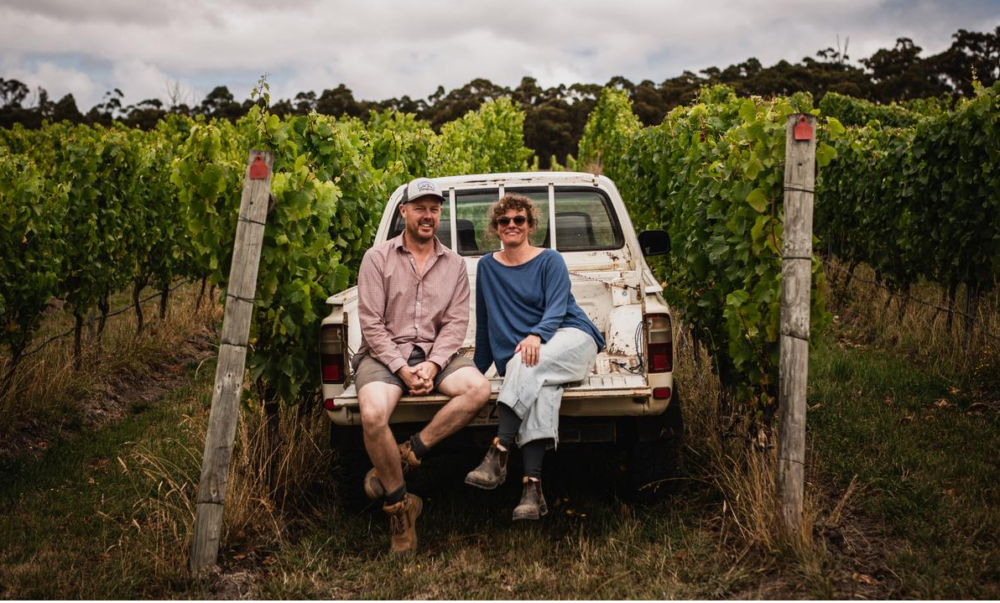
Alkina in the Barossa Valley is working with Grenache on old-vine blocks in a region that built its international reputation on Shiraz. Windows Estate in Margaret River is asking what single-vineyard Chardonnay looks like when you step outside the clone and picking-date conventions that defined the region's first generation. Sailor Seeks Horse in Tasmania's Huon Valley is producing Pinot Noir and Chardonnay in quantities so small that most of the wine never leaves Australia, which makes its presence at the Grand Walkabout in Singapore a genuine event for anyone in the room.
Granjoux and Serrat round out the unreleased-wine story. Granjoux's 2024 Chardonnay and Serrat's 2025 range arrive in Singapore before they arrive in Australian bottle shops, giving festival attendees a window into two producers' current thinking before the wider market has had a chance to form an opinion. For trade buyers, that lead time is commercially useful. For consumers, it is simply the pleasure of being early.
The full list of 47 producers spans regions beyond those highlighted, the festival's geographic breadth, from Margaret River in the west to Tasmania in the southeast, reflects the national scope of the modern Australian wine movement rather than a single regional showcase.
Uncorked: Modern Australia runs from Friday 22 May through Sunday 24 May in Singapore. The three venues, Burnt Ends for the Thursday welcome party, Cygnet at QT Hotel for Saturday's Grand Walkabout, and Claudine for Sunday's Cellar lunch, are each distinct in format and atmosphere, and the festival is designed to be experienced across all three rather than as a single-session event.
The Grand Walkabout at Cygnet, QT Hotel is the primary access point for both trade and consumers, with over 200 wines on show and all 47 producers in the room. Trade buyers and sommeliers attending with a view to listing or importing should arrive with a clear sense of which regions and varieties they are looking to add, the scale of the tasting means a focused approach will yield more useful conversations than a sweep of every table.
The Sunday Cellar session at Claudine is the format for anyone with a collector's interest in how these wines age. Back vintages and magnums stretching back fifteen years across multiple producers, in a long-lunch setting at a French restaurant, is a rare opportunity to assess Australian wines in a context that European fine wine has always enjoyed, the unhurried, food-matched, multi-vintage tasting that builds genuine conviction about a producer's trajectory.
For booking and ticketing details, the Clink Clink website and The Lo and Behold Group's channels are the primary sources. Given that 1,500 bottles are being poured across three days and 47 producers are each represented in person, the sessions are not built for unlimited capacity, the format depends on the kind of access that disappears when a room gets too crowded.
The broader question Uncorked: Modern Australia raises is one that will outlast the weekend. If 47 producers can make the case for modern Australian wine in three days in Singapore, through unreleased bottles, back vintages, and direct producer conversations, the wine lists that follow will tell you whether the argument landed. Watch the Australian sections of Singapore's serious wine lists over the next twelve months. That is where the festival's real result will show up.
What is Uncorked Modern Australia in Singapore?
Uncorked: Modern Australia is a three-day Australian wine festival running from 22 to 24 May, organised by Clink Clink, the wine concierge arm of The Lo and Behold Group. It brings 47 Australian producers to Singapore across three venues, showcasing over 200 wines and 1,500 bottles, including several poured publicly for the first time anywhere.
Which venues host Uncorked Modern Australia Singapore?
The festival spans three venues across three days: Burnt Ends hosts the Friday evening welcome party, Cygnet at QT Hotel hosts the Saturday Grand Walkabout, and Claudine restaurant hosts the Sunday Cellar long lunch session featuring back vintages and vintage magnums.
Why are winemakers required to attend Uncorked Modern Australia Singapore in person?
Clink Clink General Manager Matthew Lamb considers in-person winemaker attendance non-negotiable because trade buyers and sommeliers need to ask questions that a printed tech sheet cannot answer, such as picking decisions, variety choices, and oak regimes. Every producer at the Grand Walkabout is represented by a winemaker or senior staff member.
What types of Australian wine are featured at Uncorked Modern Australia Singapore?
The festival focuses on a new generation of Australian producers working with restraint, site expression, and less conventional varieties, the antithesis of the large-volume Shiraz-and-Chardonnay export wines that defined Australia's global reputation in the 1990s and 2000s. Regions represented include the Barossa Valley, Margaret River, and Tasmania, among others.
How does the Cellar session at Uncorked Modern Australia differ from the Grand Walkabout?
While the Saturday Grand Walkabout at Cygnet is an open tasting of over 200 current-release wines, the Sunday Cellar session at Claudine is a long lunch format where producers open back vintages and vintage magnums stretching back fifteen years. It is aimed specifically at collectors and serious buyers looking to assess the ageing potential of modern Australian wines.
Get the App
Take the shortlist into the En Primeur Club app for concierge access, saved places, and the next step after discovery.
Get Exclusive AccessMore from the editors