← Guides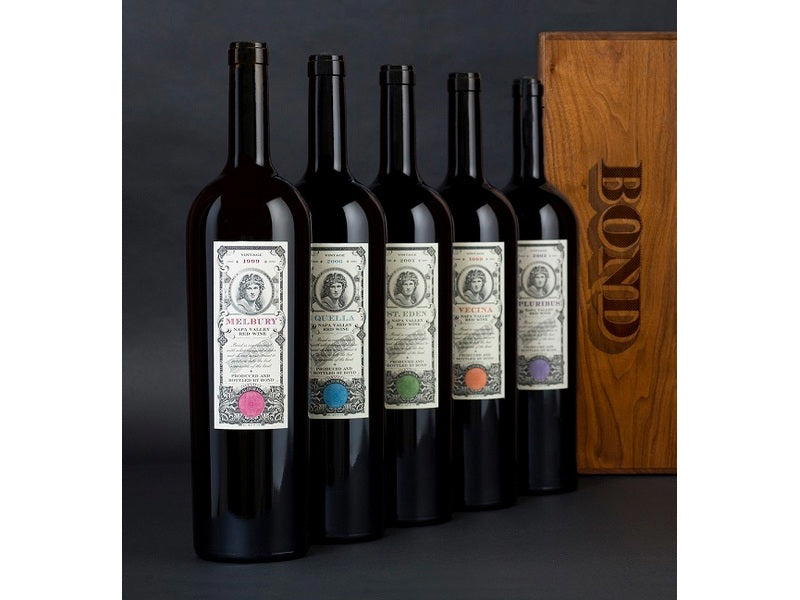
A collector's guide to the Bond Estates allocation list in 2026, including waitlist access, secondary market routes, pricing context, and the five Napa Cabernet cuvées to know.
A collector's guide to the Bond Estates allocation list in 2026, including waitlist access, secondary market routes, pricing context, and the five Napa Cabernet cuvées to know.
Bond Estates is worth pursuing in 2026 if you want release-price access to Bill Harlan's five single-vineyard Napa Cabernet Sauvignon-based wines, but the mailing list is the only route that reliably works, and it is not open to new members in any conventional sense. Bond Estates,1 the Napa Valley project from Bill Harlan, produces Vecina, Melbury, St. Eden, Quella, and Pluribus from distinct Oakville and surrounding hillside sites. Each is made in quantities small enough that the allocation list has operated on a waitlist basis for years. Direct access takes patience. The secondary market is where most collectors source bottles today.
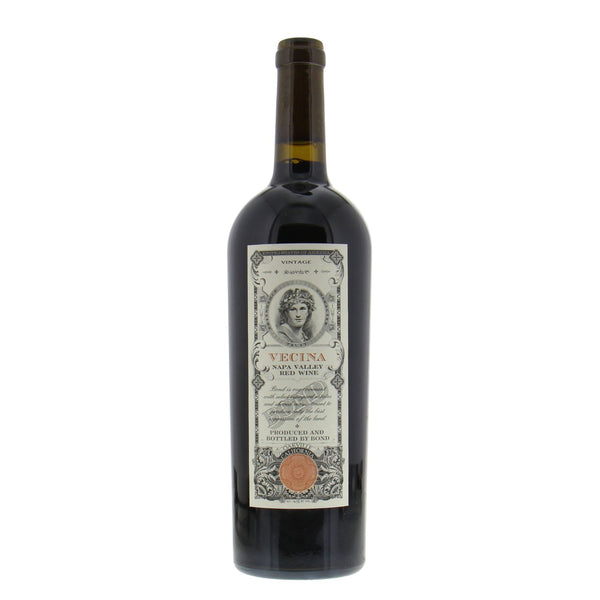
Bond sits within the Harlan family of estates, alongside Harlan Estate itself and PROMONTORY, and all three favor estate-direct distribution with no retail presence to speak of. The five Bond cuvées are each tied to a named parcel: Vecina on Oakville's western foothills, Melbury on a hillside above the valley floor, St. Eden in the eastern hills, Quella on a steep cobble and volcanic-ash riverbed slope in Spring Valley, and Pluribus on a high-elevation Spring Mountain site of decomposed volcanic soils. Production across all five sits at approximately 450 to 600 cases per vintage of each cuvée,2 a combined output that is a fraction of what even a mid-sized Napa producer releases in a single vintage.
For you, the practical takeaway is simple: join the waitlist early, then plan to buy through auction or a specialist merchant while you wait. Demand compounds the scarcity. Bond's wines have tracked closely with Harlan Estate's critical standing, and both regularly appear in the 96 to 100-point range from Antonio Galloni at Vinous and from Wine Advocate reviewers. The collector base pursuing them is global and well-resourced. The waitlist runs 18 to 36 months.3 Confirm current waitlist status directly with Bond Estates before planning around any specific timeline.
Bond releases its wines as a single annual offer to existing allocation holders. What is consistent across the Harlan family estates is the pattern: offers go to the mailing list first, the window is short, and unsold bottles, if any exist, do not flow to retail in any meaningful volume.
If you are on the list, you receive the offer by email or post; if you are on the waitlist, you do not receive the offer until you are moved to active status. For one current information on waitlist position or offer timing, contact Bond Estates through their mailing-list page1 or call 707-944-9445.
Three realistic routes to Bond wine exist in 2026, ranked by reliability:
1. The mailing list (direct allocation). This is the only channel that gives you consistent annual access at release pricing. Join the waitlist at bondestates.com/mailing-list/.4 If you are already a Harlan Estate allocation holder, confirm directly with the estate.
2. Fine wine merchants with Harlan family allocations. A small number of specialist merchants, particularly those with long-standing Napa relationships, receive limited Bond allocations. Merchants such as Wally's in Los Angeles, K&L Wine Merchants, and Benchmark Wine Group have historically listed Bond wines, though availability is vintage-dependent and often sells through within hours of listing. Build a purchase history with these merchants before a Bond vintage appears; they allocate to their best customers first.
3. The secondary market and auction. Hart Davis Hart, Acker, and Zachys regularly carry Bond across all five cuvées. Sotheby's Wine and Christie's also handle single-bottle and case lots. Secondary pricing runs at a premium to release. Vecina and St. Eden, the two most sought-after cuvées, consistently command the highest secondary prices, but for collectors who want bottles now rather than after an indeterminate wait, auction is one reliable route. Liv-ex data shows Bond wines holding value well across recent vintages, so buying at auction is the cost of immediacy rather than a speculative overpay.
The patient route, joining the waitlist and waiting for active allocation status, costs nothing upfront and delivers wine at release pricing. For context, the 2019 Terroir Portfolio (all five cuvées, 5×750ml OWC) was priced at $4,250,5 roughly $850 per bottle across the five sites. The tradeoff is that the wait is open-ended, and there is no mechanism to accelerate it through spend alone.
The immediate route, buying at auction or through a merchant with secondary inventory, costs more per bottle but delivers wine on your schedule. Secondary prices for Vecina and St. Eden are market-reported and fluctuate; verify current pricing directly with the auction house or merchant before bidding. Confirm with Bond directly or with an active allocation holder.
There is no expensive-but-instant route to the mailing list itself. Money does not buy a place on the active list ahead of the waitlist queue, at least not through any published or confirmed mechanism.
A reliable path to a Bond allocation over a multi-year horizon combines three moves. First, join the waitlist now; the sooner you are on it, the sooner any movement benefits you. Second, establish a purchase history with the fine wine merchants most likely to carry Bond; buying Harlan Estate's second wine, The Maiden, or PROMONTORY through those merchants signals serious intent and builds the relationship that matters when a Bond bottle surfaces. Third, buy one or two vintages on the secondary market in the interim, both to drink and to understand the wine's arc across sites and years before you commit to an annual allocation.
The five cuvées are not interchangeable. Vecina, from the western benchland, tends toward structure and longevity, a wine that rewards a decade in the cellar. Quella, from its steep cobble and volcanic-ash riverbed slope, is often the immediately expressive. If you are buying at auction to evaluate before committing to an allocation, Quella or Pluribus are the more accessible entry points; St. Eden and Vecina are the ones worth cellaring if you find them.
If Bond's waitlist timeline is too uncertain, three alternatives deliver comparable Napa Cabernet quality with more accessible allocation mechanics:
Harlan Estate itself. The waitlist is similarly long, but the wine, a single Oakville estate blend, is the reference point Bond was built around. If you are going to wait, waiting for Harlan is the logical parallel move. The Maiden, Harlan's second wine, is available through fine wine merchants with far less friction and gives you the house style at a lower price point. In April 2021, Bill Harlan announced his son Will as managing director of Harlan Estate,6 a generational transition that collectors tracking the estate's long-term direction should note.
PROMONTORY. Also from the Harlan family, PROMONTORY draws from a hillside site in the Mayacamas Mountains above Oakville. The allocation list is similarly restricted, but the wine, a Cabernet Sauvignon-dominant blend from a dramatic hillside site, is less widely known than Bond among international collectors, which may mean a shorter effective wait. Contact the estate directly to confirm current waitlist status.
Screaming Eagle. The allocation list is effectively closed to new members and has been for years; the secondary market is the only realistic route for most collectors. But for those already in the Napa collector ecosystem, Screaming Eagle's second wine, Second Flight, occasionally surfaces through merchants and represents the same Oakville terroir logic at a lower price point.
Colgin Cellars. Current Colgin wines include Tychson Hill, Cariad, and IX Estate, plus IX Estate Syrah; Herb Lamb was discontinued after the 2007 vintage. Colgin also offers a small number of library releases to allocation holders, which adds a secondary benefit to being on the list.
| Estate | Allocation Difficulty | Secondary Market Access | Second Wine / Entry Point | How to Join Waitlist |
|---|---|---|---|---|
| Bond Estates | high, waitlist 18 to 36 months; no published timeline | Available; Vecina/St. Eden command premium | The Matriarch (~1,200 cases; blend of all five sites) | bondestates.com/mailing-list/1 |
| Harlan Estate | high, waitlist | Available at auction | The Maiden (merchant-available) | harlanestate.com (contact form) |
| PROMONTORY | High, waitlist, less global demand than Bond | Limited secondary volume | N/A | promontorywine.com (contact form) |
| Colgin Cellars | High, waitlist reportedly more active | Available; library releases to holders | N/A | colgincellars.com (contact form) |
| Screaming Eagle | Effectively closed to new members | Available; highest secondary premiums in Napa | Second Flight (limited merchant availability) | List closed; secondary only for most |
Bond does not operate a public tasting room, offer regular tours, or take private appointments.7 The estate's physical presence in Oakville is a working winery, not a hospitality venue, so do not build a Napa itinerary around a Bond visit.
The allocation experience is, in practice, an annual offer that arrives by email or post. Active allocation holders receive a release letter describing the available cuvées and vintages, with pricing and a response window. The offer typically covers the current release vintage across whichever of the five cuvées are available that year; not all five are released every vintage, as the estate withholds wines from years where a specific site did not meet its standard.
Bond's holder base skews toward serious Napa collectors, restaurant wine programs at the summit end, and international buyers, particularly from Asia and Europe, who have built Harlan family relationships over decades.
If you are buying at auction or through a merchant, the experience is the wine itself: five distinct expressions of Napa Cabernet Sauvignon, each tied to a named parcel, each built for a decade or more of cellaring. Drinking a 2013 Vecina against a 2016 St. Eden, comparing the benchland's structural grip with the eastern hills' more lifted profile, is the closest thing to a Bond tasting most collectors will have, and it is an instructive one.
Bond is worth pursuing if you are building a serious Napa Cabernet cellar and want parcel-level specificity within the Oakville and hillside appellation. The five-cuvée structure is unusual for Napa, where most estates produce one or two wines, and the ability to track a single site across vintages is one of the more intellectually satisfying things you can do with a Bond allocation over time.
It is not worth the effort if you want wine to drink in the near term and are not prepared to pay secondary market premiums. With only 450 to 600 cases made of each bottling per year, sometimes less,8 the wines are built for the cellar; opening a Bond Vecina too young is a waste of the wine and the money. If your cellar horizon is under a decade, the alternatives, The Maiden, Colgin's Cariad, or a well-chosen Napa Cabernet from a producer with an open allocation list, will serve you better.
The allocation is also not a fit for collectors who want a tasting room experience or a winery visit as part of the relationship. Bond does not offer that. The relationship is conducted through the annual offer letter, and that is the entirety of the access.
Bond Estates is one of the few Napa projects where the parcel-specific structure justifies the allocation complexity. Five named sites, each with a distinct geological and topographic identity, each capable of producing wines that age differently and reward comparison, make this a collector's proposition, not a casual one. The allocation list is the only route that delivers consistent annual access at release pricing, and joining the waitlist at bondestates.com/mailing-list/4 is the right move for anyone serious about building a Bond cellar over the next five to ten years.
For the near term, the secondary market is functional and well-supplied. Auction houses carry Bond regularly, and while secondary premiums are real, they track with the critical standing and the production constraints. Buying a bottle of Quella or Pluribus at auction to drink while you wait for the allocation is a reasonable strategy; it also teaches you the wines before you commit to an annual offer.
The alternatives, The Maiden for immediate access to the Harlan house style, Colgin for a more active waitlist, PROMONTORY for the hillside counterpoint, are serious wines in their own right, not consolation prizes. But Bond's five-site structure is its own thing, and for collectors who want that specific depth, the waitlist is the only path that holds up over time.
Visit bondestates.com/mailing-list/1 or call 707-944-9445. Reaching out via their mailing-list page is the documented route. Confirm current status directly with them.
Bond does not distribute through conventional retail channels in any meaningful volume. The wines are sold direct to allocation holders and, in limited quantities, through fine wine merchants with established Harlan family relationships. Secondary market platforms, Hart Davis Hart, Acker, Zachys, Sotheby's Wine, are one reliable retail-adjacent source for most buyers.
Bond does not operate a public tasting room or offer scheduled winery visits. The estate is a working production facility, not a hospitality venue. There are no ticketed tastings, harvest experiences, or cellar tours available to the public. The allocation relationship is conducted entirely through the annual offer letter.
Quella and Pluribus are generally especially immediately expressive among the five cuvées and the more accessible entry points for evaluating the Bond style. Vecina and St. Eden are one sought-after on the secondary market and tend to command the highest prices; they also reward the longest cellaring. If you are buying to drink within five years, Quella is the logical starting point, so treat any timeline as a general guide and confirm with a specialist merchant.
Contact Bond Estates directly to ask about their waitlist criteria.
Get the App
Take the shortlist into the En Primeur Club app for concierge access, saved places, and the next step after discovery.
Get Exclusive AccessMore from the editors