← Guides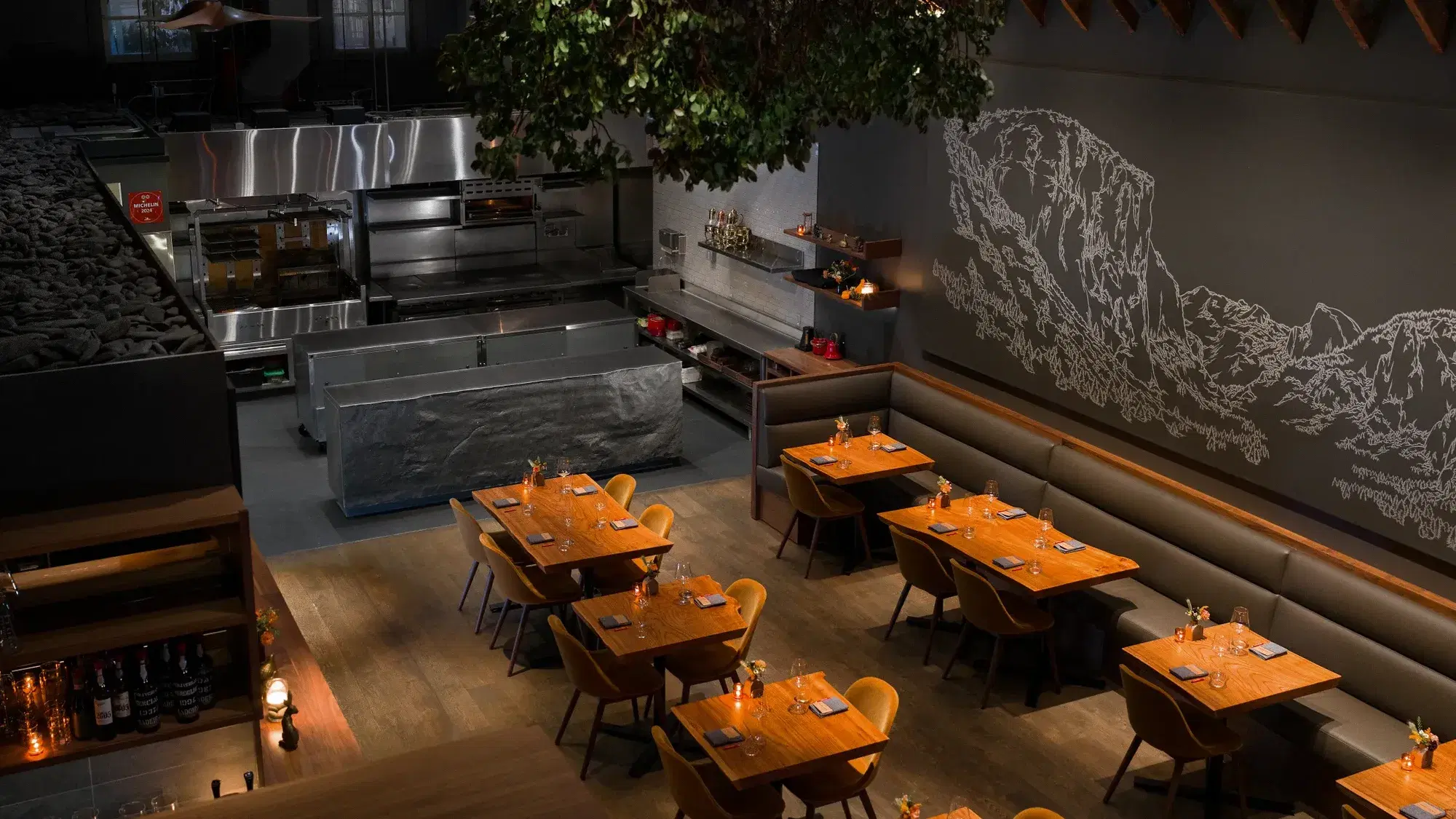
Discover the charm of Lazy Bear SF, a two Michelin starred modern day dinner party in San Francisco. Explore the distinctive menu progression at Lazy Bear SF today.
Discover the charm of Lazy Bear SF, a two Michelin starred modern day dinner party in San Francisco. Explore the distinctive menu progression at Lazy Bear SF today.
Lazy Bear begins like a Mission District dinner party with sharper knives: snacks and cocktails upstairs, then a two-Michelin-starred tasting menu that settles in downstairs.
Lazy Bear builds a hyper-seasonal menu around Northern California ingredients and a strong sense of narrative. The restaurant frames itself as a modern American dinner party, and the experience is designed to feel social, polished, and relaxed rather than formal or hushed.
Here's what you can expect:
Lazy Bear's attention to local ingredients, creative technique, and generous hospitality has made it a destination for diners who like their fine dining with a pulse. Plan for an unhurried evening that pairs polish with the ease of a private supper.
Walk into Lazy Bear SF and you do not get the hush of a typical fine dining room. The mood is relaxed but precise, with the warmth of a shared table and the discipline you expect from a two-star kitchen.
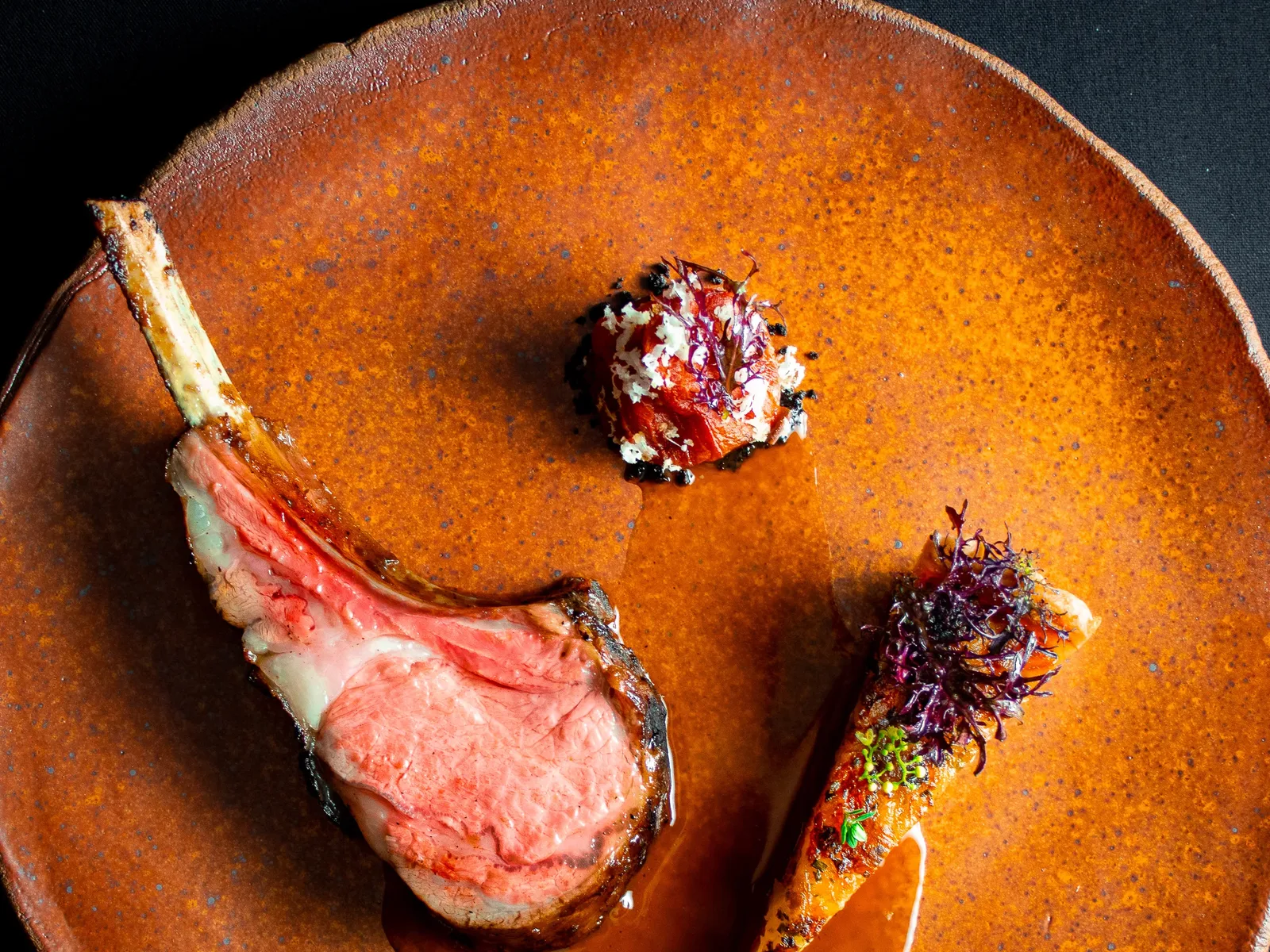
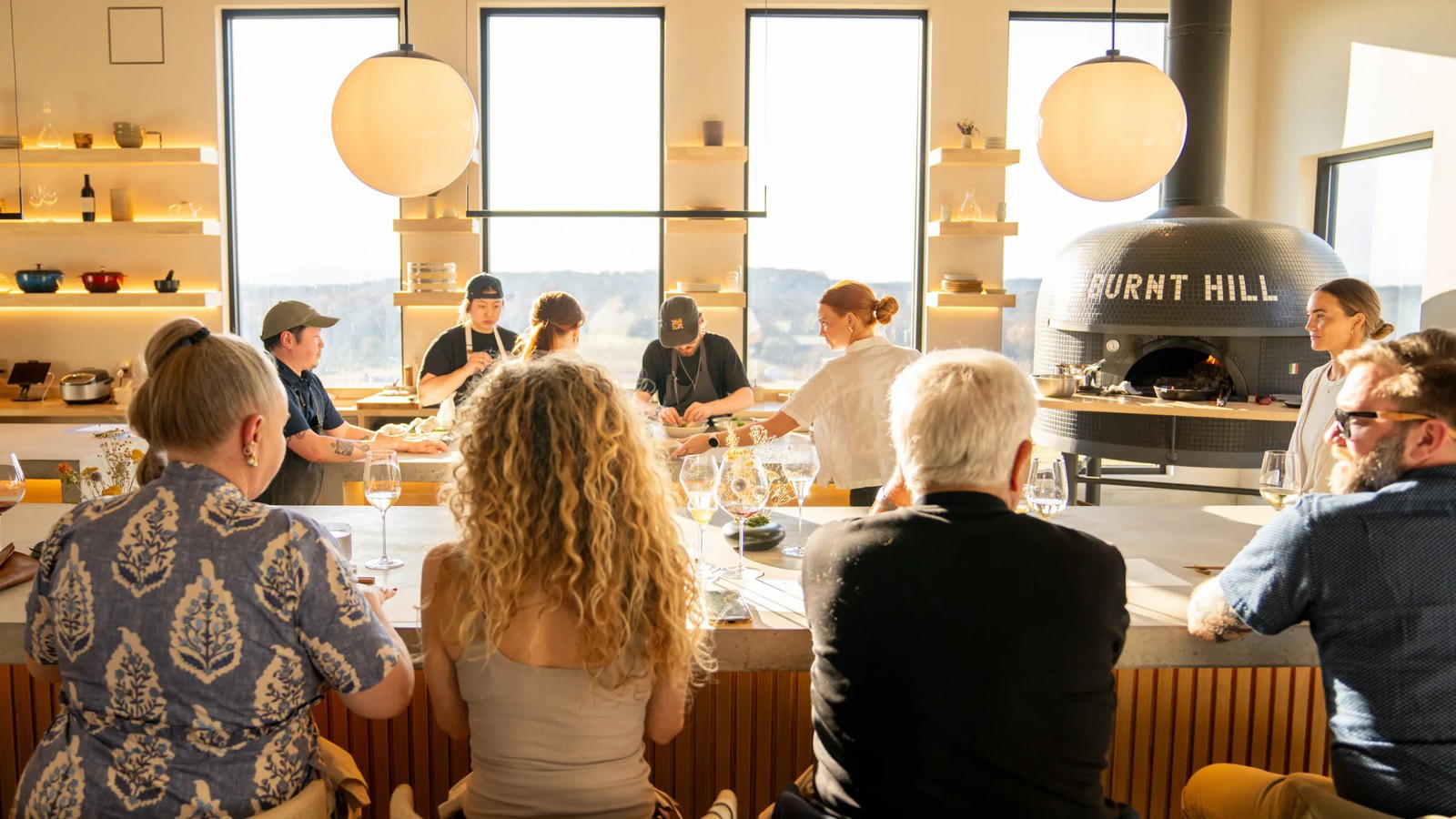
Your evening begins upstairs in a bi-level warehouse space, where snacks and cocktails set the tone for the night. After you mingle and settle in, the room shifts downstairs to the main dining area. Communal tables create a lively, interactive rhythm, so the meal feels closer to an intimate gathering than a formal procession.
The restaurant's "bear cave" mood, with forest-inspired details throughout, echoes the wild and nature-driven themes in the cooking. The overall effect is one of warmth, energy, and careful choreography rather than rigidity.
The tasting menu moves with intention, giving each course its moment. The menu tells a story, and every dish adds another page. From the moment you secure your reservation, the restaurant starts building anticipation.
Planning ahead matters for a night at Lazy Bear. The restaurant uses tickets for access to dinner service, and availability can be limited, so it pays to check the live official booking page early. Dinner is offered Tuesday through Saturday, from 5:00pm to 11:00pm, and the restaurant notes that no reservations are accepted by phone.
Because pricing and ticket structures can change, use the live official booking flow for current rates and inclusions. Be sure to confirm what is covered before you book, and arrive on time so the evening can unfold as planned.
Lazy Bear's service style blends professional polish with the warmth of a dinner party. The staff works in an open-kitchen format and the restaurant encourages guests to engage with the team, which gives the meal a personal current.
Presentation here is tied to narrative as much as plating. Courses are introduced in a way that connects the ingredients to the wider arc of the menu, and the experience is built around the idea of sharing food and stories around a table.
In the kitchen, the restaurant leans into live-fire and open-kitchen energy. Its private-event information highlights a fully open kitchen, chefs plating in the dining room, and a sommelier team working from a 10,000-bottle cellar. The effect is a sharper focus on seasonal ingredients and a visible sense of craft.
"Lazy Bear's cuisine centers around nostalgia and a reverence for the wild, utilizing a wide variety of preservation methods and inventive techniques."Lazy Bear
Whether you dine solo or with a group, the service folds every guest into the story, which gives the evening its sense of welcome.
At Lazy Bear, the menu is less a list of dishes than a map of the San Francisco Bay Area in season. Each course brings together local ingredients, creative technique, and American nostalgia, reflecting the restaurant’s particular mix of originality and regional character. The same thread runs through the seasonal dishes and the beverage program.
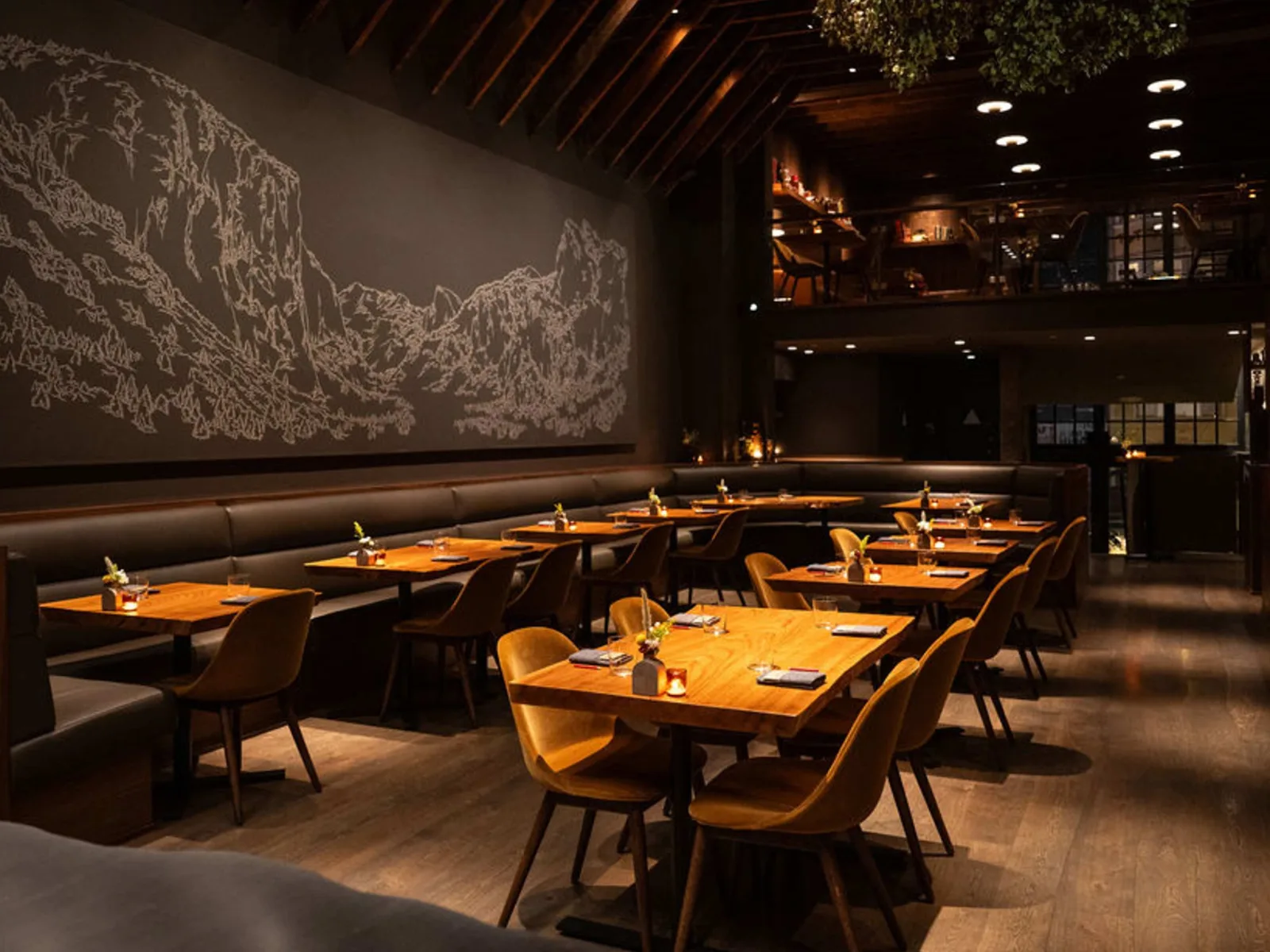
The kitchen keeps the menu in motion, following high-quality ingredients of the moment. The restaurant sources primarily from the Bay Area, with occasional additions from farther afield, so each dish keeps a clear sense of place and season.
"We serve flavors that are intrinsically delicious and familiar, inspired by the wild, and by American nostalgia. We aim for a cuisine that is rooted in the wilds of the San Francisco Bay Area, crafted in original, refined, and progressive ways, but staying true to its inspiration in Americana. We source the absolute best seasonal ingredients from the Bay Area and occasionally beyond, cooking with precision to create a tasting menu that tells a story, and has a sense of place in the SF Bay Area. As such, our menu changes frequently." - Lazy Bear
Memorable dishes can change with the season, but the structure of the menu remains consistent: thoughtful composition, strong produce, and a balance of richness, acidity, and texture. Expect courses that use preservation, fire, and refinement to keep the tasting menu lively from start to finish.
Special collaborations and guest menus have also appeared over time, reinforcing the restaurant’s seasonal ethos. Those events tend to showcase the same principles: local ingredients, precise technique, and a desire to make the meal feel distinct to the moment.
Lazy Bear's hyper-seasonal cooking reaches beyond fresh ingredients. Preserving and refining techniques let the kitchen extend peak-season produce while keeping its natural flavor intact.
To complement the shifting tasting menu, Lazy Bear offers a beverage program designed to follow the food closely.
The cellar is substantial, with the restaurant noting more than 10,000 bottles and a focus on a wide range of wines. That scale allows the team to match the menu with bottles that are both expressive and context-aware.
For diners looking beyond wine, the restaurant also offers alternatives that can be paired thoughtfully with the meal. The key idea is balance: each drink should support the course rather than dominate it.
What gives Lazy Bear its pull is the way the menu and beverage pairings move as one. Each course builds on the one before it, guiding you through an experience that feels spontaneous in the room and carefully plotted behind the scenes.
The timing of beverage pairings is central. Each drink arrives with its corresponding course, lifting the flavors without competing. The sommelier team considers not only individual matches, but the full progression of the meal.
A lighter, acidic wine might open the evening, preparing the palate for richer, more substantial selections later on. Temperature and texture matter too; crisp, mineral-driven wines suit cold dishes, while fuller-bodied selections meet warm, hearty courses.
Non-alcoholic pairings follow the same logic, using acidity and effervescence to refresh the palate.
This accord between food and drink speaks to Lazy Bear's evolution from an underground dinner party to a Michelin-starred destination. The result feels intimate, expertly paced, and grounded in care.
A visit to Lazy Bear rewards a little planning before you arrive.
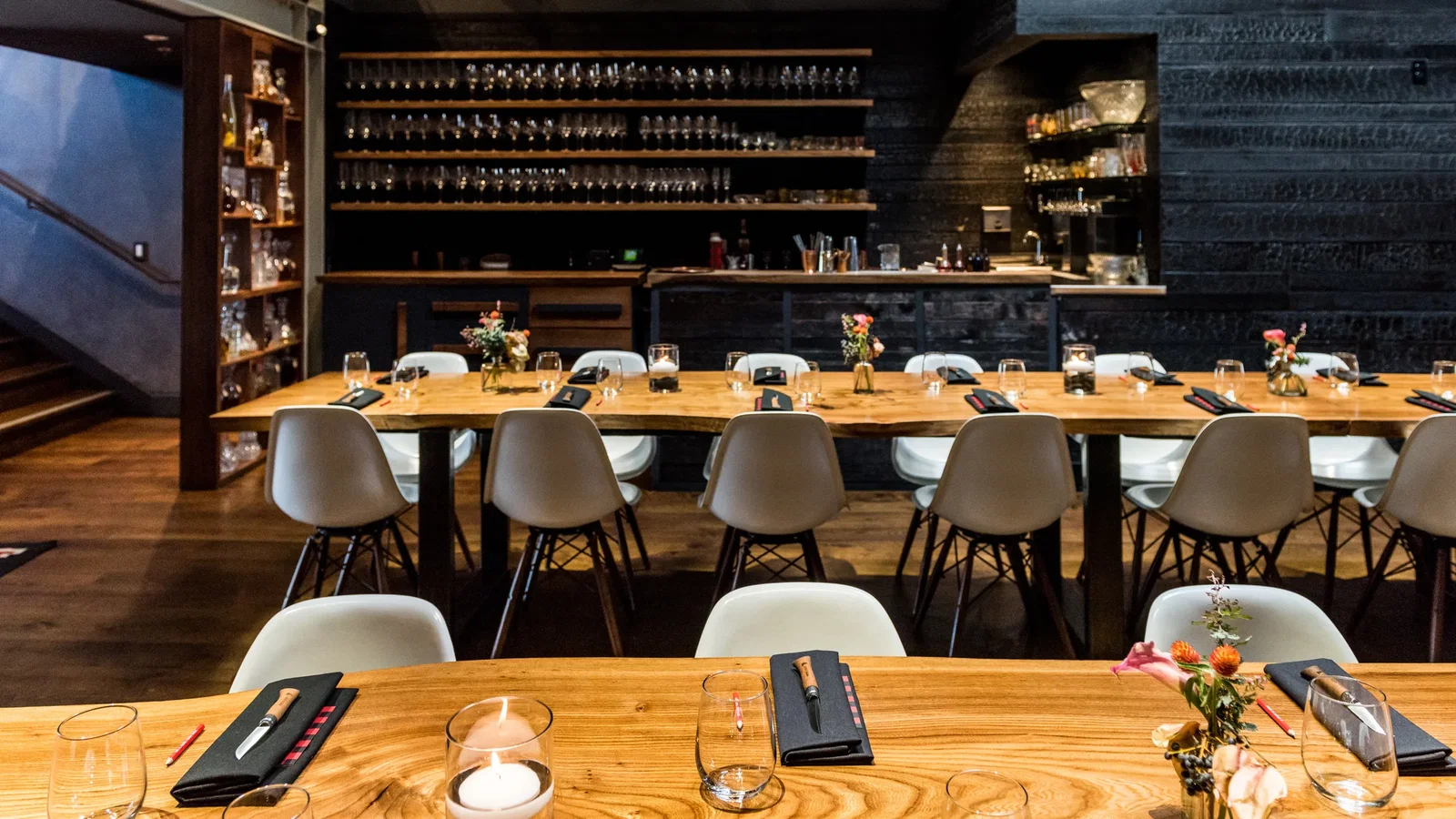
Lazy Bear strives to accommodate many dietary restrictions, allowing guests with specific preferences to enjoy the tasting menu. If you have restrictions or allergies, share them during the booking process or contact the restaurant promptly afterward so the team can plan ahead. Because menus change frequently, a useful approach is to confirm details directly through the current official booking flow.
Once your reservation is set, map out the trip to the Mission District.
Set in the lively Mission District, Lazy Bear sits conveniently near downtown. Street parking only is listed on the restaurant’s contact page, so consider public transit or ride-sharing services if you want a simpler arrival. The area is well-connected, which makes arriving without a car direct.
If you arrive early, take a walk through the Mission District and let the neighborhood's creative energy set the mood before dinner.
Lazy Bear has become a serious address in Bay Area wine culture, with a cellar and beverage team that place clear emphasis on depth, range, and thoughtful pairing. The restaurant’s events and private-dining pages underscore how central wine is to the experience, especially when the kitchen is hosting guests for a longer meal or special occasion.
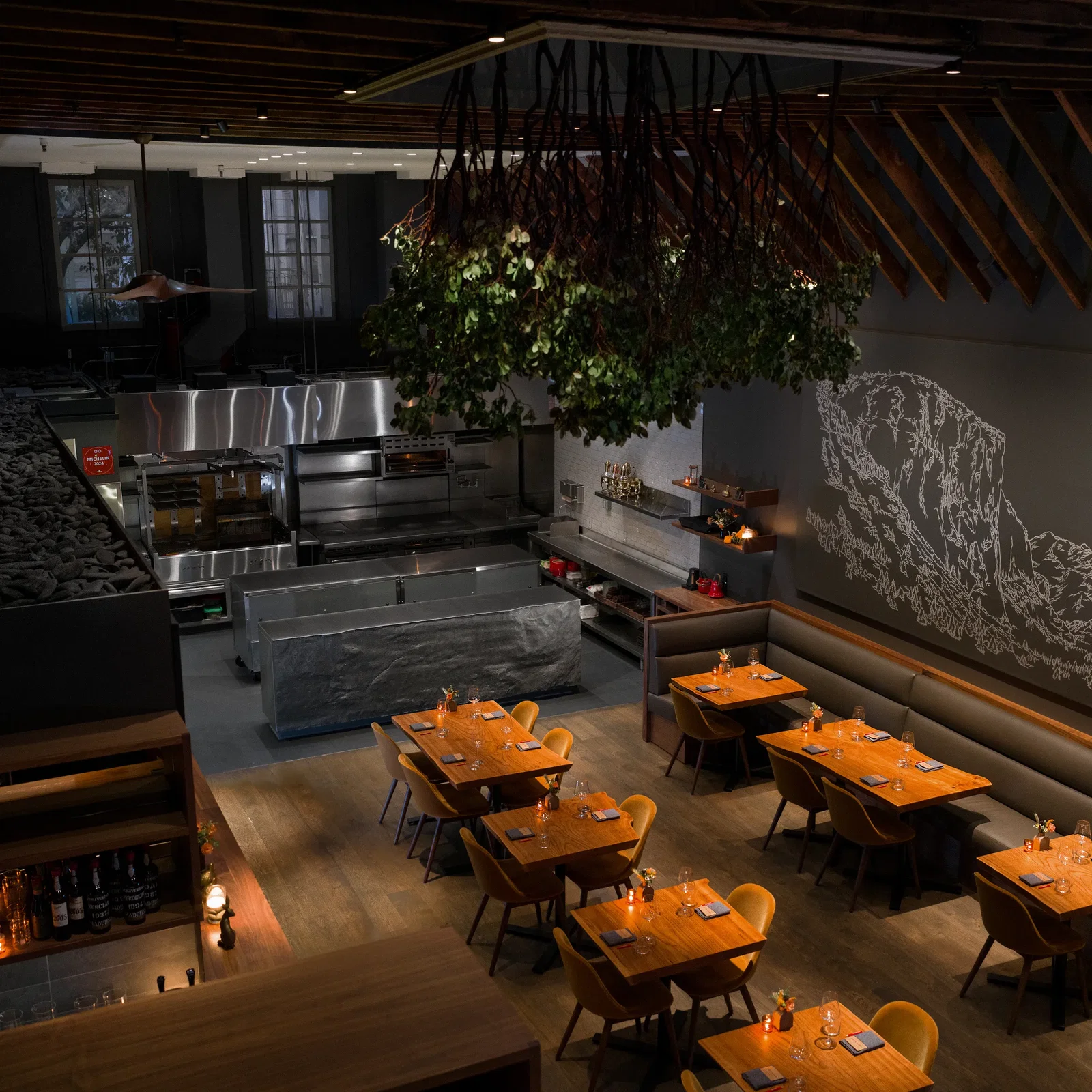
What distinguishes Lazy Bear is its commitment to wines that can keep pace with an ambitious tasting menu. Mature bottles, California producers, and a broad cellar all give the restaurant room to pair with nuance rather than defaulting to a single style.
As the menu changes with the seasons, the wine selection reflects the same shifting rhythm. Each pairing is designed to highlight the local ingredients in the hyper-seasonal dishes while tracing the diverse character of the cellar. Together, the food and wine tell a California story through the glass and the plate.
The Bay Area is home to many award-winning wine programs, making it one of the country’s leading regions for fine dining and wine. After experiencing Lazy Bear, you can continue to other acclaimed venues with strong kitchens and serious wine lists, including Acquerello in Nob Hill, Restaurant Gary Danko, Saison in SOMA, and Spruce in Presidio Heights.
For a more casual but still thoughtful wine stop, visit Heirloom Cafe SF in the Mission District. Sommelier and owner Stephen Hallenbeck offers tastings and insight into California winemaking, a natural complement to Lazy Bear's formal tasting menu.
You might also cross the bay to Oakland’s Ordinaire, a relaxed wine bar with a carefully chosen selection of wines by the glass. Its laid-back atmosphere offers a useful contrast to Lazy Bear’s structured dining experience while keeping the focus on quality wine.
The secret to a well-rounded Bay Area wine itinerary is balance: pair elegant dining experiences like Lazy Bear with informal wine venues. Add Napa, Sonoma, and other nearby wine regions, where you can explore the origins of many bottles you taste along the way. Together, those stops create a rich tour of California’s wine and culinary landscape.
Lazy Bear reframes fine dining by trading old-school formality for a shared, story-rich meal that feels closer to an intimate supper club. It is celebratory without stiffness and modern without fuss, a clear contrast to the quiet, reserved mood of many other two-star establishments.
What sets Lazy Bear apart is its interactive format. The restaurant encourages guests to engage with the kitchen, and the meal is built around an open, communal atmosphere rather than distance. The cuisine is rooted in American nostalgia and draws from the natural beauty of the San Francisco Bay Area, pairing inventive technique with flavors that feel familiar.
The restaurant’s history gives the evening another layer. It grew out of an early dinner-party concept and matured into the celebrated Mission District destination it is today. Even with that evolution, Lazy Bear has kept its communal, intimate spirit. From the bi-level warehouse design to the welcoming service, every detail points back to those origins.
Lazy Bear's approach has earned notice. The restaurant’s wine program and two-Michelin-starred status reinforce its place among San Francisco’s most ambitious dining rooms.
These elements define what makes Lazy Bear special and shape how you will want to approach your visit.
Visiting Lazy Bear is an experience before you ever sit down, and securing a place is part of it. Because the restaurant uses tickets and availability can move quickly, plan early and check the current official booking path for live release timing and pricing.
Punctuality is essential. Late arrivals can disrupt the flow of the meal, and with a carefully paced tasting menu, you will want the full evening to unfold as intended. The experience begins upstairs with snacks and cocktails, giving you time to mingle with fellow diners and ease into the Lazy Bear community.
For drinks, the wine pairings are a highlight, but non-alcoholic options deserve attention too. These alternatives are crafted to complement each course, offering a thoughtful choice for guests skipping wine.
To take full advantage of the trip, consider building a weekend around Lazy Bear. Its focus on hyper-seasonal ingredients makes it a natural anchor for exploring the Bay Area’s food and wine scene. Pair your visit with a trip to Napa or Sonoma, stops at other acclaimed restaurants, or a relaxed evening at local wine bars.
If you want a reservation at Lazy Bear, prepare before the release and use the restaurant’s current official ticketing or booking flow. Availability can be limited, so plan early and watch for live updates on the official website.
For a better chance, check the restaurant’s own announcements and be ready when tickets or seats appear, because demand is high.
Lazy Bear can accommodate many dietary restrictions, but you should always confirm your needs with the restaurant when booking or immediately after. Because the menu changes frequently, the safest approach is to share restrictions as early as possible and verify what can be handled on your visit date.
Also remember to review the live ticket terms before purchasing, since policies can change. Arrive on time and give the full evening room to unfold.
Lazy Bear offers a Michelin-starred meal with the cadence of a modern dinner party. The menu takes a fresh view of American cuisine, blending nostalgic inspiration with hyper-seasonal, locally sourced ingredients. Each dish is built to carry a story, so the meal is as much about narrative as flavor.
What gives Lazy Bear its character is the communal dining setup. The evening starts with cocktails and small bites in an upstairs lounge, setting a relaxed, welcoming tone. From there, guests move to a shared dining area where the chefs present and explain the meal. That interaction brings the kitchen into the room and makes diners feel close to the creative process. With inventive dishes, immersive storytelling, and genuine hospitality, Lazy Bear leaves you with a clear sense of place and occasion.
Get the App
Take the shortlist into the En Primeur Club app for concierge access, saved places, and the next step after discovery.
Get Exclusive AccessMore from the editors