← Guides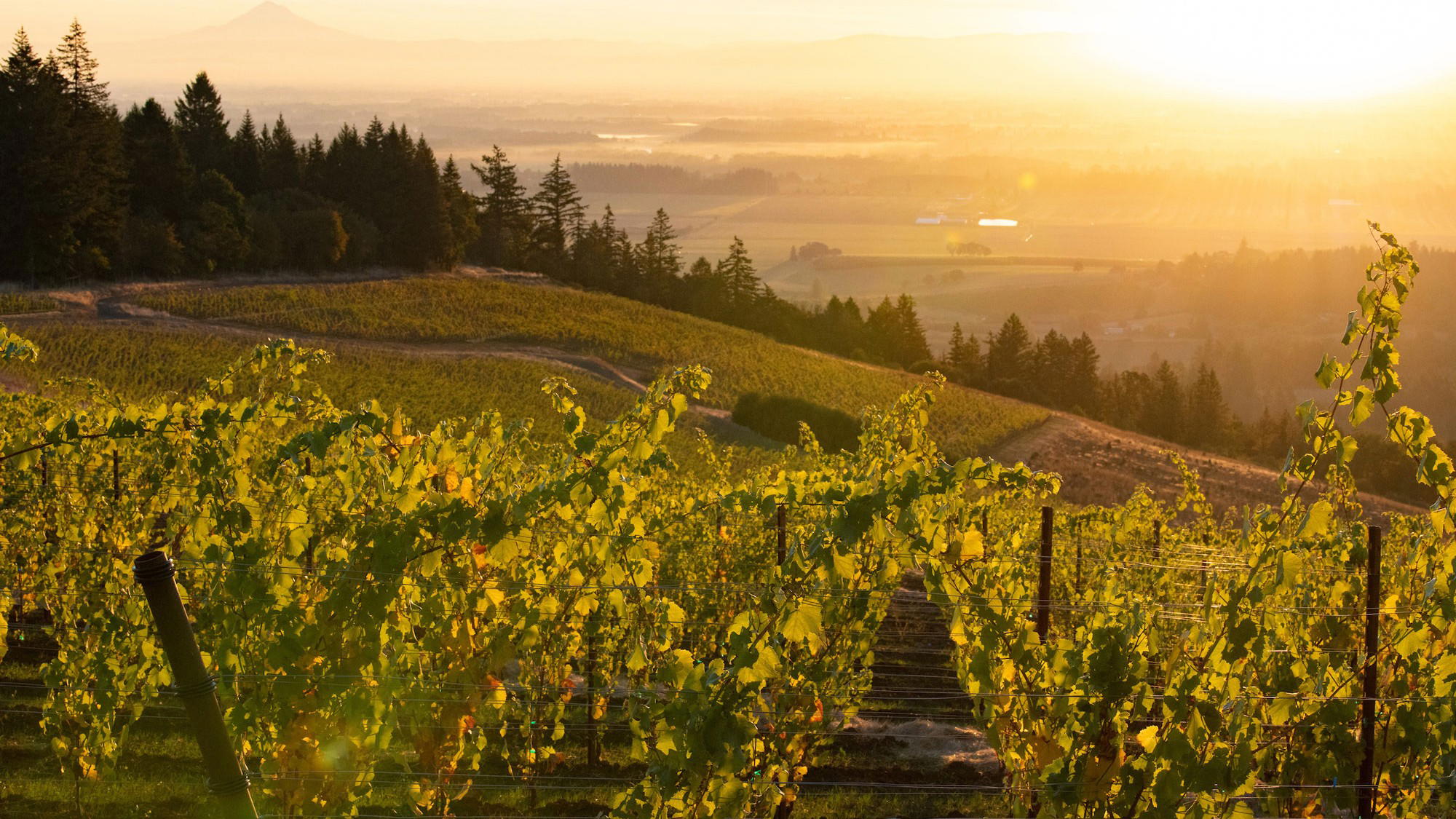
Every bottle of Koosah Vineyard Chardonnay sells out before most collectors know it exists. Here's why Oregon's Eola-Amity Hills site is rewriting the rules.
Every bottle of Koosah Vineyard Chardonnay sells out before most collectors know it exists. Here's why Oregon's Eola-Amity Hills site is rewriting the rules.
The entire 2022 Koosah Vineyard Chardonnay, 3,522 bottles and 30 magnums, sold out to club members before a single bottle reached a retailer's shelf. The 2023 vintage produced more: 5,316 bottles total, with 1,200 made available to restaurants and retailers during the annual Louis Jadot barrel tour. Those sold out quickly too.
When a vineyard planted as recently as 2016 generates this kind of allocation pressure, with scores ranging from 93 to 97 points across multiple producers and vintages, it earns a closer look.
Koosah Vineyard, in Oregon's Eola-Amity Hills sub-AVA, is the site that winemakers are calling the leading Chardonnay vineyard in the Willamette Valley, and at least one has suggested it may be strong in the United States.
Koosah Vineyard is now owned by Résonance Wines, the Oregon outpost of Maison Louis Jadot, a house that makes wine from more than 100 different Burgundy appellations and knows something about what a great Chardonnay site looks like. Résonance itself is a focused operation by comparison: 13 wines per vintage, spanning single-vineyard Chardonnays and Pinot Noirs, estate cuvées, and Willamette Valley bottlings. Koosah sits at the summit of that lineup, both literally and figuratively.
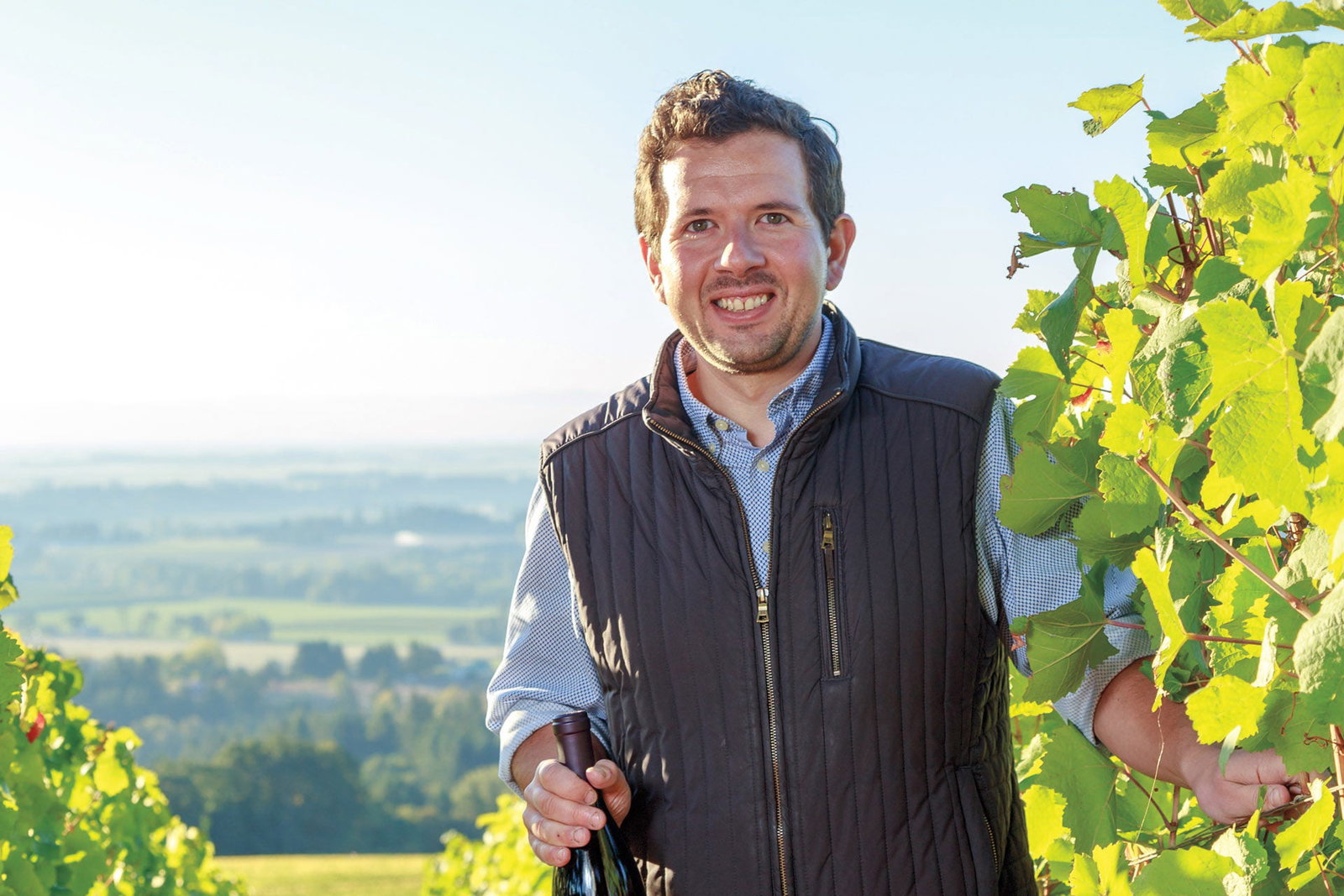
The vineyard was originally planted by Kevin and Carla Chambers in 2016, the same couple who established the Résonance vineyard before selling both properties to Louis Jadot. Walter Scott owner and winemaker Ken Pahlow was among the first to buy Koosah fruit from the Chambers, and his assessment of the site is unambiguous: "There is no other Chardonnay vineyard that compares to it in the Willamette Valley. Soils, aspect, slope, and wind, all of these come together at significant elevation coupled with perfectly executed farming." Chris Hermann, founder of 00 wines and another original Chambers customer, frames it in grand cru terms: "Working with the Koosah Chardonnay fruit was the next crown jewel of our Chardonnay collection."
Résonance winemaker Guillaume Large, a Burgundy native who works alongside director of operations Thibault Gagey, whose father Pierre-Henry served as president of Louis Jadot from 1992 to 2022, says the vineyard was well farmed from day one. That foundation, combined with what the site itself offers, is what has driven the Koosah Vineyard Oregon Chardonnay conversation well beyond regional enthusiasm.
Vintage | Total Bottles Produced | Magnums Produced | Retail/Restaurant Allocation | Club Allocation | Notable Score Range |
|---|---|---|---|---|---|
2022 | 3,522 | 30 | 0 (sold entirely to club) | 3,522 bottles + 30 magnums | 93 to 97 pts |
2023 | 5,316 | Not detailed | 1,200 (restaurants & retailers) | 4,116+ | 93 to 97 pts |
At its highest point, Koosah reaches 1,100 feet, the peak elevation in the Eola-Amity Hills AVA. That altitude does something counterintuitive: nighttime temperatures are actually warmer than on the valley floor, because warm air rises and cool air sinks. Daytime temperatures, meanwhile, run cooler than sites closer to sea level. The result is a longer, more even growing season, the kind of thermal range that builds complexity and preserves acidity in Chardonnay without sacrificing ripeness.
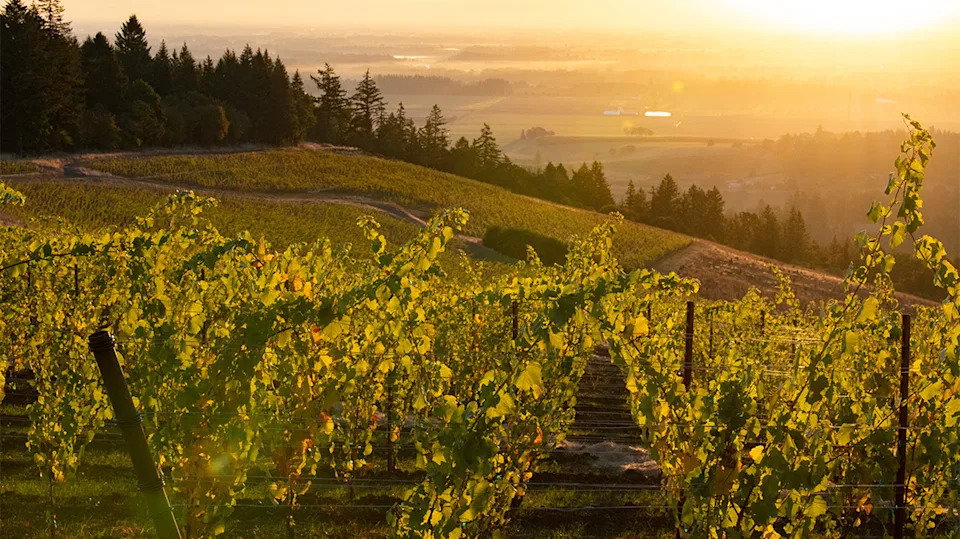
Then there is the wind. Late-afternoon ocean breezes push through the Van Duzer Corridor each day, and Large considers this one of Koosah's defining features. According to Large, those breezes reduce disease pressure, eliminating the need for treatments or pesticides, while also thickening grape skins, which adds concentration, flavor, and tannin structure. The effect shows in the glass: Evan White, wine director at Bludorn in Houston, described the 2023 Koosah Vineyard Chardonnay by Résonance as showing "flavors of Fuji apple, ginger, grapefruit zest and toasted vanilla", a profile with energy and precision rather than the softer, more tropical register you find at lower-elevation Oregon sites.
Beneath the vines, the soils are varied across Koosah's 18 blocks, but high quantities of fractured basalt contribute to both drainage and water retention at depth. Large deposits of iron and manganese add a mineral dimension that runs through the wines regardless of which producer is making them, a consistency that points to the site rather than the cellar.
Koosah Vineyard Oregon Chardonnay carries a viticultural detail that separates it from almost every other site in the region: nine of the 26 Chardonnay acres are own-rooted, ungrafted onto phylloxera-resistant rootstock. Large notes this is unusual in the region, and it is unusual globally.
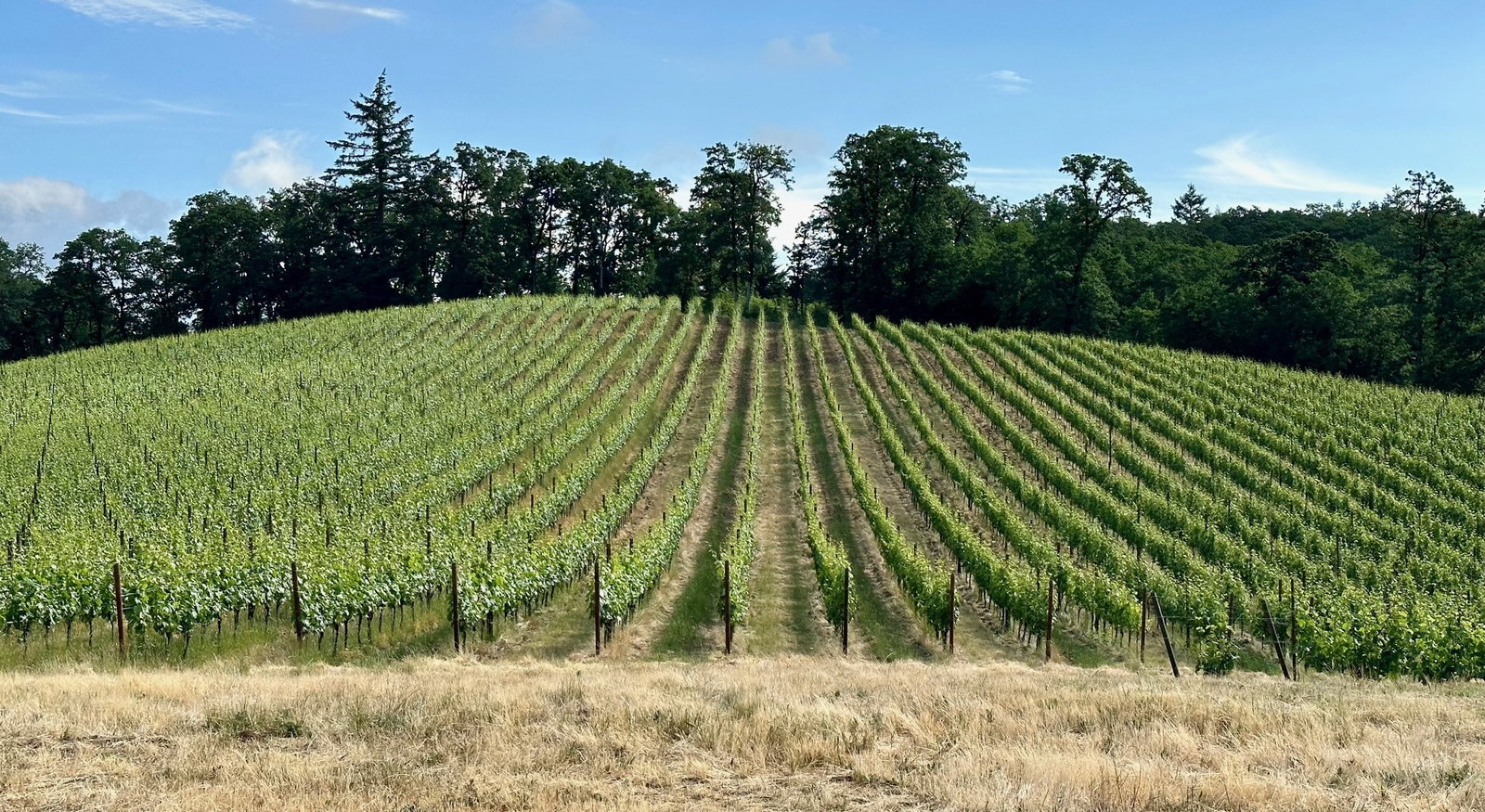
The near-universal shift to grafted vines after the phylloxera crisis of the late 19th century was a pragmatic response to a devastating pest, but own-rooted vines, where the climate and soils allow them to survive, are often treated as producing more site-expressive, lower-yielding fruit.
The vine draws directly from the soil without the intermediary of a rootstock, and proponents argue the resulting wines carry a more direct imprint of place.
The remaining Pinot Noir acres and the grafted Chardonnay parcels are divided across 18 blocks, differentiated by year planted, clonal selection, and exposure. The Chardonnay was planted using massal selection vines, propagated from cuttings taken across a field of existing vines rather than from a single certified clone, which introduces genetic diversity and tends to produce more complex, less uniform fruit. Farming across the entire property follows biodynamic and organic practices, which Large says has been the approach since the Chambers era.
Each of the 18 parcels is vinified separately, then the wine ages for 16 months in a combination of oak barrels and concrete eggs. The concrete egg format, increasingly favored for white wines, maintains temperature stability and encourages gentle lees movement without imparting oak character, a choice that keeps the focus on fruit and mineral texture rather than toasty overlay. The result across multiple vintages has been consistent: scores between 93 and 97 points from multiple reviewers and producers, a range that places Koosah firmly in the conversation with Oregon's most decorated vineyard-designates.
Résonance does not keep all of Koosah's fruit in-house. The estate sells grapes to a select group of producers, Walter Scott, Martin Woods, 00, and Morgen Long among them, with one condition: a minimum retail price of $80 per bottle for any wine made from Koosah fruit. Most producers charge between $100 and $150. That floor price reflects the cost of farming a biodynamic, high-elevation site with own-rooted vines and meticulous block-by-block vinification, and it signals where Résonance positions the fruit in the Oregon Chardonnay hierarchy.
For Pahlow at Walter Scott, the relationship with Koosah predates the Résonance era. He bought fruit directly from Kevin Chambers and has continued purchasing since Louis Jadot took ownership. "The Eola-Amity Hills represent the epicenter of the stronger Chardonnays in the Willamette Valley," Pahlow says, "and when I discovered that Kevin Chambers was planting a vineyard in the Eola-Amity Hills I jumped at the chance to work with both him and this epic vineyard." Hermann at 00 wines describes a similar conviction: knowing Chambers believed in the site was enough for him to commit before the first vintage was released. "I knew that if he believed in that place, then it was worth waiting for," Hermann says.
Getting a bottle requires either a club membership with Résonance, the 2022 vintage sold out entirely at that level, before any public release, or a relationship with one of the purchasing producers. The 1,200 bottles of the 2023 Résonance Koosah Vineyard Chardonnay that reached retailers and restaurants during the Louis Jadot barrel tour disappeared fast.
Walter Scott, Martin Woods, 00, and Morgen Long each produce their own Koosah-designated Chardonnays; allocations from these producers are typically available through mailing lists and direct-to-consumer channels, and given the sell-out pattern, getting on those lists early is the practical move.
The Eola-Amity Hills sub-AVA sits in the northern Willamette Valley, roughly 45 minutes southwest of Portland and 20 minutes from Salem.
The appellation has built its reputation primarily on Pinot Noir, the Van Duzer Corridor winds that define Koosah also shape the broader AVA's signature style, producing Pinots with brighter acidity and more structural tension than the richer expressions from Dundee Hills to the north.
Chardonnay has historically played a supporting role here, but Koosah's emergence has shifted that calculus. Résonance, Walter Scott, and 00 wines are among the producers now making a case that Eola-Amity Hills Chardonnay deserves its own itinerary.
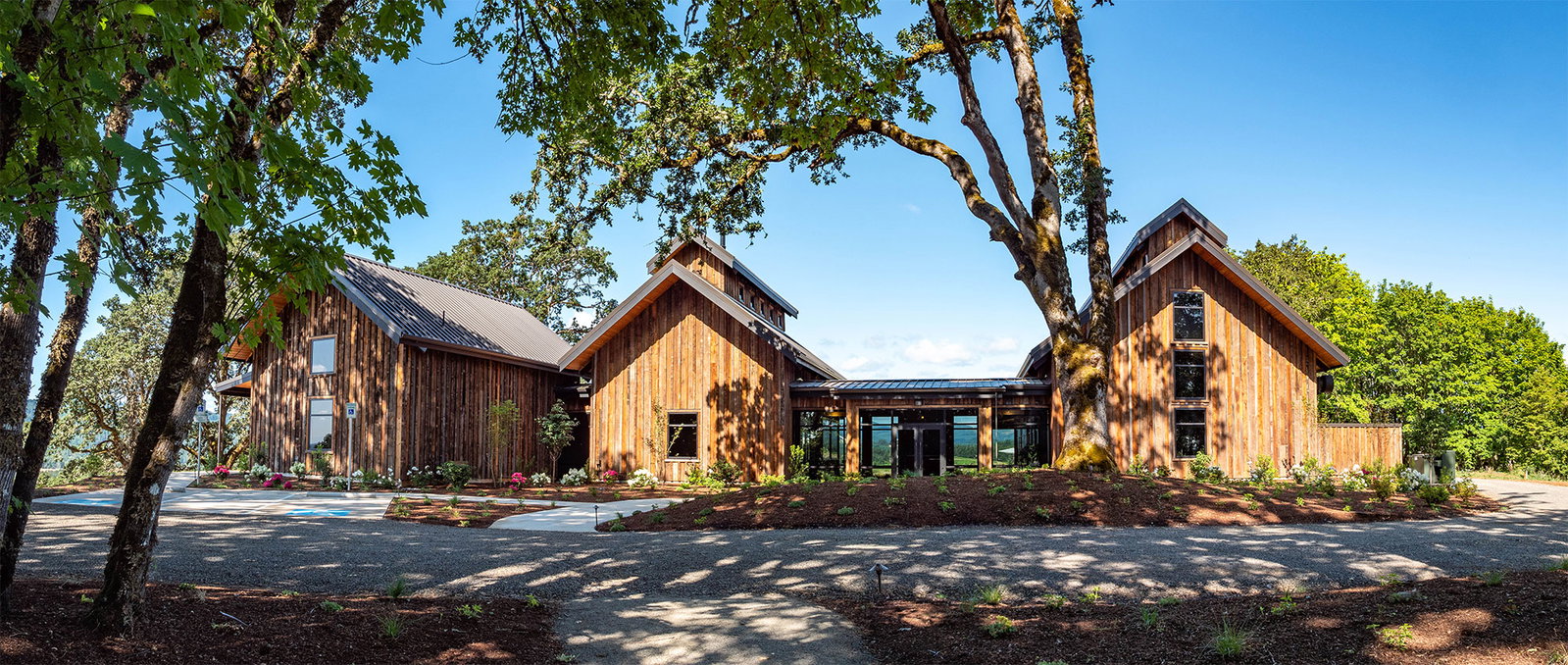
Résonance participates in the annual Louis Jadot barrel tour, which is where the 2023 Koosah Chardonnay first became available to trade buyers. For collectors planning a visit during harvest season, typically September through October in the Eola-Amity Hills, the combination of elevation, open ridgeline views, and the afternoon wind coming off the coast makes the physical experience of the site as memorable as the wines it produces. Walter Scott offers another entry point, with Pahlow's Koosah-designated Chardonnay among the pours for serious visitors.
Large believes there are more differences than similarities between making wine in Burgundy and Oregon, but he also says that at Koosah, the resemblance to great Burgundy shines through in the glass. That is a considered observation from someone who has worked with both. The Eola-Amity Hills is not trying to replicate Meursault or Puligny-Montrachet, but at 1,100 feet, with own-rooted massal-selection vines, biodynamic farming, and a wind corridor that shapes every vintage, Koosah Vineyard is building a case on its own terms. The sell-out numbers and the scores are the early evidence. The vintages still in barrel are the ones to watch.
What makes Koosah Vineyard Oregon Chardonnay so hard to buy?
Koosah Vineyard Chardonnay sells out entirely to club members before reaching retail shelves, the entire 2022 vintage of 3,522 bottles and 30 magnums was claimed by En Primeur Club members alone. Even the 2023 vintage, which produced 5,316 bottles with 1,200 allocated to restaurants and retailers, sold out quickly during the Louis Jadot barrel tour.
Where is Koosah Vineyard located and who owns it?
Koosah Vineyard is located in Oregon's Eola-Amity Hills sub-AVA within the Willamette Valley, sitting at the highest point in the appellation at 1,100 feet elevation. It is owned by Résonance Wines, the Oregon outpost of Maison Louis Jadot, which acquired it from original planters Kevin and Carla Chambers.
What point scores has Koosah Vineyard Oregon Chardonnay received?
Koosah Vineyard Oregon Chardonnay has earned scores ranging from 93 to 97 points across multiple producers and vintages. The vineyard was planted as recently as 2016, making this critical recognition particularly notable for such a young site.
How does the Van Duzer Corridor affect Koosah Vineyard Chardonnay?
Late-afternoon ocean breezes from the Van Duzer Corridor push through the vineyard daily, reducing disease pressure and eliminating the need for pesticide treatments. Winemaker Guillaume Large notes these winds also thicken grape skins, adding concentration, flavor, and tannin structure to the finished Chardonnay.
How many wines does Résonance produce each vintage beyond Koosah?
Résonance produces 13 wines per vintage in total, spanning single-vineyard Chardonnays and Pinot Noirs, estate cuvées, and Willamette Valley bottlings. Koosah sits at the summit of that lineup, both in terms of elevation and prestige within the portfolio.
Get the App
Take the shortlist into the En Primeur Club app for concierge access, saved places, and the next step after discovery.
Get Exclusive AccessMore from the editors