← Guides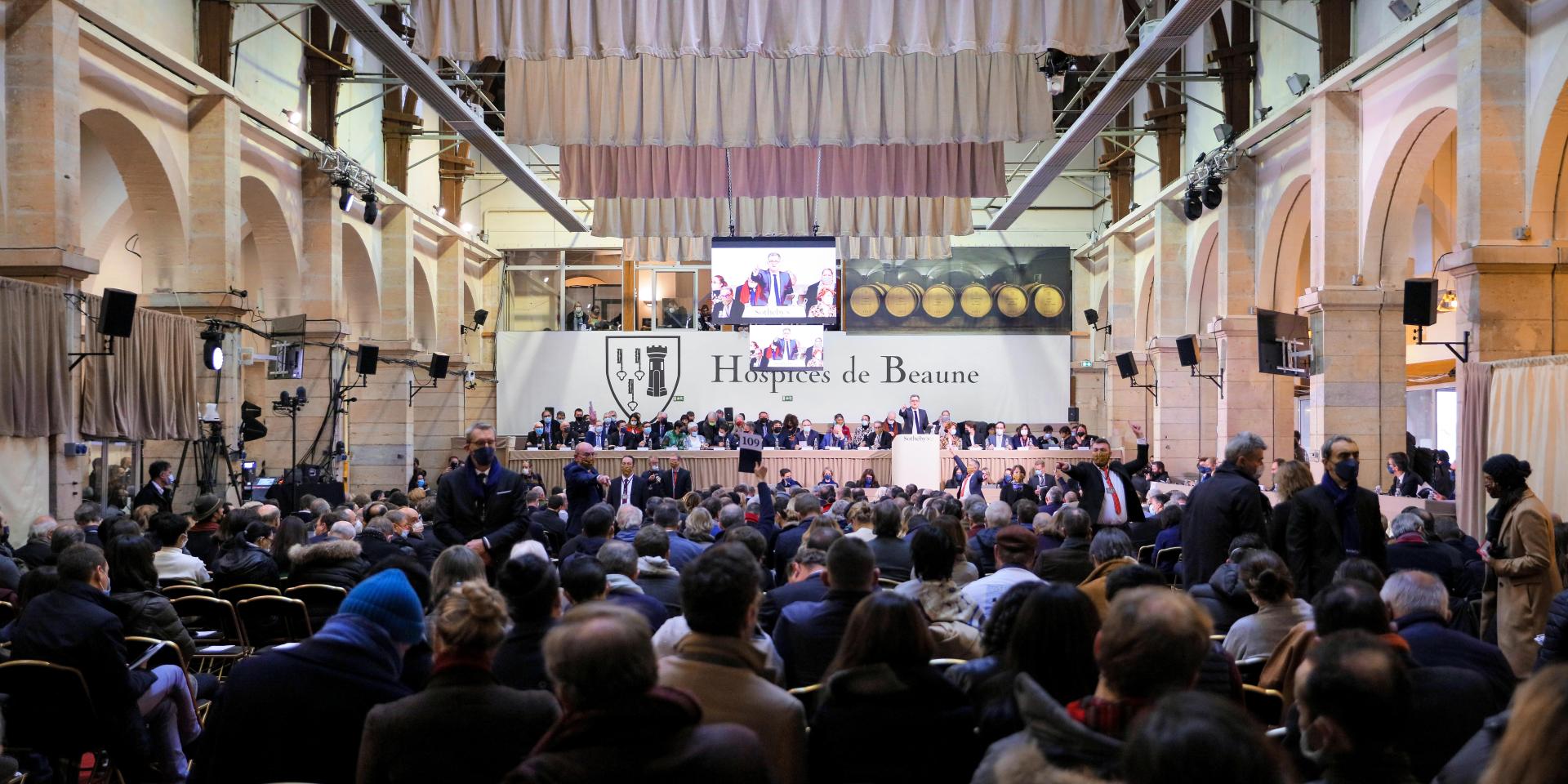
How to Attend the Hospices de Beaune Auction (and What It's Actually Like) Yes, you can attend, but the auction floor itself is invitation-only, and the public experience is built around the weekend.
How to Attend the Hospices de Beaune Auction (and What It's Actually Like) Yes, you can attend, but the auction floor itself is invitation-only, and the public experience is built around the weekend.
Yes, you can attend, but the auction floor itself is invitation-only, and the public experience is built around the weekend's satellite events rather than a bidding paddle. The single best route for most collectors is to arrive in Beaune the third weekend of November, secure a ticket to the public tasting at the Hôtel-Dieu, and arrange bidding access through a licensed négociant or merchant before you travel. If you want to bid directly, that requires accreditation through Sotheby's, which has managed the auction since 2021, and that process needs to start weeks in advance.
The Hospices de Beaune auction, formally the Vente des Vins des Hospices de Beaune, is the oldest charity wine auction still in operation, held annually on the third Sunday of November in the Cour des Hospices, the courtyard of the 15th-century Hôtel-Dieu. The wines are barrel samples from the Hospices' 60-hectare domaine across premier and grand cru parcels in the Côte de Beaune and Côte de Nuits: Meursault Charmes, Corton-Charlemagne, Mazis-Chambertin, Beaune Grèves, appellations that don't need adjectives.
The auction sells wines en primeur, still in barrel, to négociants and merchants who then raise, bottle, and label them under their own name alongside the Hospices cuvée designation. That structure means the bidders are overwhelmingly trade professionals, négociants from Beaune, Nuits-Saint-Georges, and Meursault, plus international merchants who have built relationships over decades. Private collectors can bid, but only through Sotheby's accreditation, and the room is not set up for walk-ins. Capacity in the Cour des Hospices is finite, and the auction house controls access tightly.
The weekend draws tens of thousands of visitors to a town of 22,000. Hotel rooms within walking distance of the Hôtel-Dieu sell out months in advance. The auction itself is one event inside a three-day festival, Les Trois Glorieuses, that also includes the Paulée de Meursault on Monday and the Château du Clos de Vougeot dinner on Saturday. Each event has its own access logic, and none of them are easy to enter at short notice.
The auction takes place on the third Sunday of November each year; the 2024 edition fell on November 17. Christie's typically opens registration for accredited bidders in the weeks before the sale, but the specific registration window and accreditation deadline are not published on a fixed public schedule. If you intend to bid, either in the room or online, since Sotheby's has offered live online bidding in recent years, contact Sotheby's wine department directly well before October to confirm the current process. Do not plan travel around a bidding slot until accreditation is confirmed.
Public tickets to the weekend's tasting events at the Hôtel-Dieu are sold separately through the Hospices de Beaune and local Beaune tourism channels. The release timing for these tickets is not fixed publicly year to year; the Hospices de Beaune website and the Beaune tourism office are the authoritative sources. Check both in September for the following November's event.
Hotel availability is greater time-sensitive constraint. The Hôtel Le Cep, the Loiseau des Vignes, and the smaller chambres d'hôtes in the villages of Pommard and Meursault fill for auction weekend by late summer. Book accommodation before you sort out tickets.
Sotheby's accreditation (for bidders): Sotheby's manages the auction and is the only route to a bidding paddle, whether in-room or online. Contact their wine department and ask about the current accreditation process for private collectors. Trade buyers typically have standing relationships; private collectors are assessed case by case. This is the route if you want to bid on a cuvée of Beaune Clos des Avaux or a barrel of Corton-Charlemagne in your own name.
Négociant or merchant proxy (most practical for collectors): The majority of private collectors who want specific Hospices cuvées do so through a trusted négociant or UK/US merchant who bids on their behalf. Maison Jadot, Drouhin, and Camille Giroud all have long auction histories; specialist UK merchants including Corney & Barrow and Berry Bros. & Rudd have participated in past sales. The merchant takes the barrel, raises the wine, and delivers bottles to the client, typically 12 to 18 months after the auction. This route requires an existing merchant relationship and a conversation before the auction, not after.
Public tasting tickets (for the experience without bidding): The Hôtel-Dieu opens for public tastings across the auction weekend, giving access to the barrel samples before the hammer falls. This is one accessible entry point and the one that puts you inside the 15th-century wards alongside the wines. Tickets are sold through the Hospices de Beaune directly; confirm availability and pricing on their official site each autumn.
Les Trois Glorieuses satellite events: The Paulée de Meursault, a long lunch in the village's salle des fêtes where producers bring their own bottles to share, and the Château du Clos de Vougeot dinner are separate ticketed events with their own allocation processes. The Paulée in particular is a collector's lunch that can run to six hours and several hundred bottles opened at the table. Tickets are allocated through the Paulée de Meursault association; the process is not published centrally, and demand consistently exceeds supply.
The Hôtel-Dieu was built in 1443 as a hospital for the poor of Burgundy, and the Cour d'Honneur, the polychrome-tiled courtyard where the auction takes place, has not been softened for the occasion. The November air in Beaune is cold and damp, the kind of cold that comes off limestone. The courtyard fills with négociants in dark coats, Christie's staff at long tables, and the particular hum of a room where serious money is about to move on wine that won't be bottled for another year.
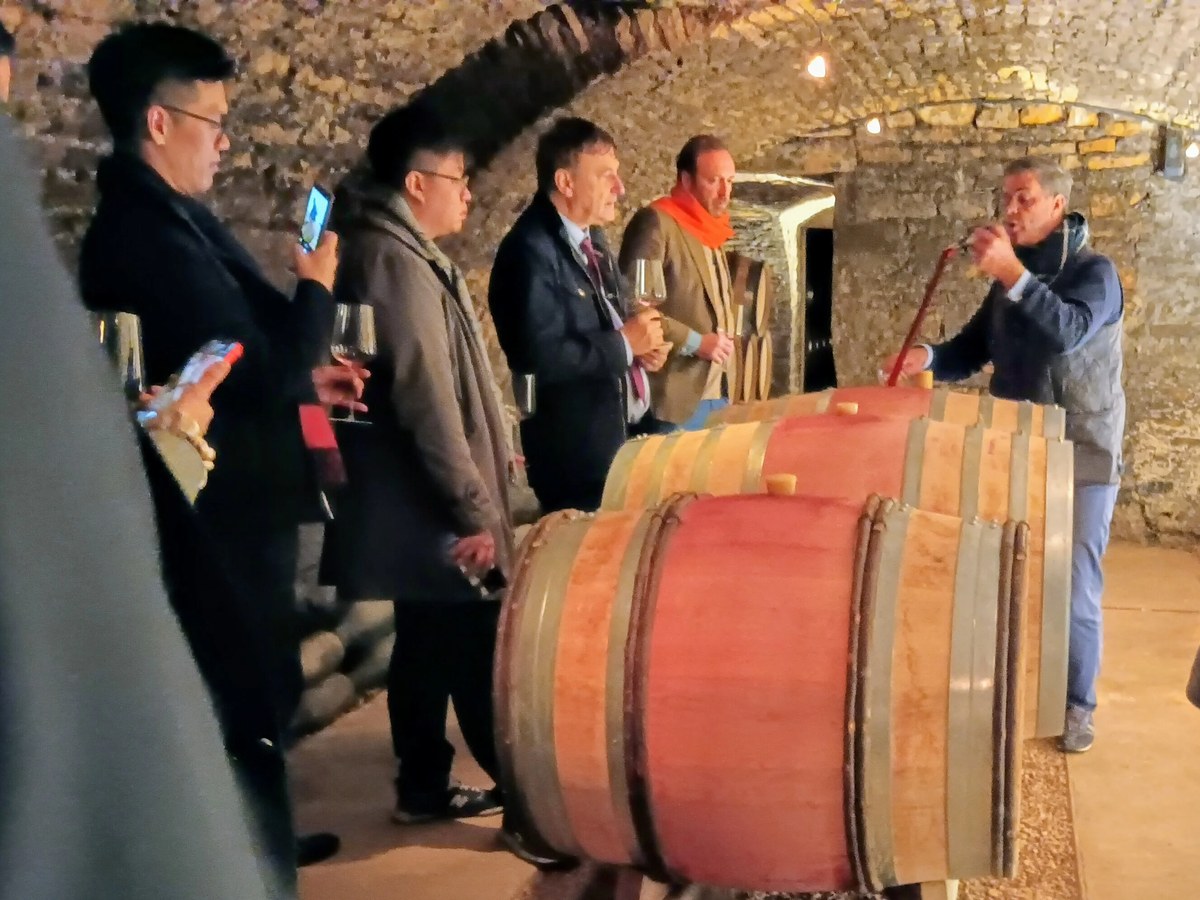
The barrel samples are tasted in the days before the auction in the Hôtel-Dieu's cellars and tasting rooms, low-lit, stone-floored spaces that smell of new oak and the particular must of a working Burgundy cellar. The wines at this stage are raw: cloudy, tannic, still fermenting in some cases. Reading a Hospices barrel sample requires experience with en primeur Burgundy; what you're tasting is potential and provenance, not a finished wine. The Meursault Charmes cuvée Baudot, the Beaune Grèves cuvée Nicolas Rolin, these names carry 500 years of institutional memory.
The auction itself moves quickly by lot, with Christie's auctioneers working in French and English. Bidding increments are per barrel (228 litres, yielding roughly 300 bottles), and prices are quoted per barrel before the négociant's élevage costs are added.
The final bottle price to a collector is substantially higher than the hammer price, factor in élevage, bottling, merchant margin, and duty.
The public tasting experience, by contrast, is unhurried: you move through the Hôtel-Dieu's rooms at your own pace, tasting from the same barrels the trade assessed, with the painted ceilings and the medieval polyptych of Rogier van der Weyden as backdrop.
The town of Beaune itself is the extended venue. Every cave and négociant opens its doors. Restaurants add Hospices menus. The Saturday evening dinner at Clos de Vougeot, held in the 12th-century cellars of the Château, seats several hundred and pours wines from across the Côte de Nuits, loud, warm, and long, the opposite of the auction floor's focused tension.
The Hospices auction is not a secondary market, you are buying wine that does not yet exist in bottle form. That changes the strategy considerably.
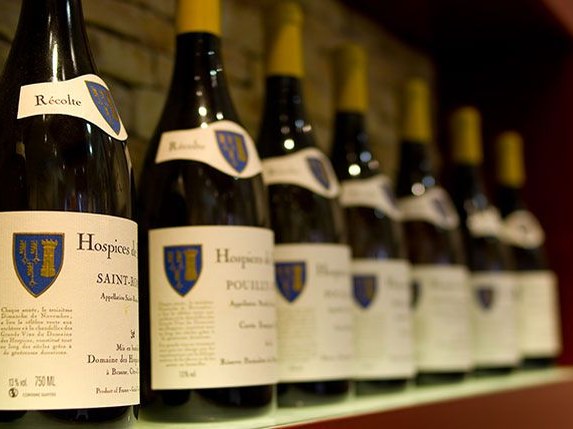
Build a merchant relationship before the auction, not during it. A négociant or specialist merchant who bids regularly at Hospices will have preferred access to specific cuvées and will know which lots historically attract greater competition. Ask them which cuvées they plan to bid on, what their élevage approach is (some age in new oak, others in older barrels or demi-muids), and what the all-in cost per bottle will be before you commit. The hammer price is only the beginning.
If you want to bid directly through Sotheby's, the online bidding option removes the need to be in the room, but accreditation is still required. Confirm with Sotheby's whether online bidding is available for the current year's sale and what the registration process entails.
For the experience rather than the allocation, the public tasting is the highest-value entry point. You taste the same barrel samples the trade is evaluating, in the same building, for a fraction of the cost of a négociant dinner. Pair it with a visit to a Beaune premier cru producer, Domaine des Croix, Domaine Rossignol-Trapet, or Bouchard Père & Fils' cellars on the Rue du Château, and the weekend becomes a full immersion in the Côte de Beaune's working harvest culture.
Off-vintage entry: if the current year's auction is oversubscribed or your merchant relationship isn't yet established, Hospices wines from recent vintages appear regularly at auction through Christie's, Sotheby's, and Acker. The 2019 and 2020 vintages produced Hospices cuvées now available in bottle on the secondary market, a lower-friction way to understand what the wines taste like before committing to a barrel.
Paulée de Meursault (same weekend, different energy): If the auction floor feels too trade-focused, the Paulée is the collector's alternative, a long lunch where producers and guests bring their own bottles, and the wines that appear on the tables are often not available anywhere else. The access problem is similar (tickets are scarce and not centrally sold), but the experience is warmer and less formal.
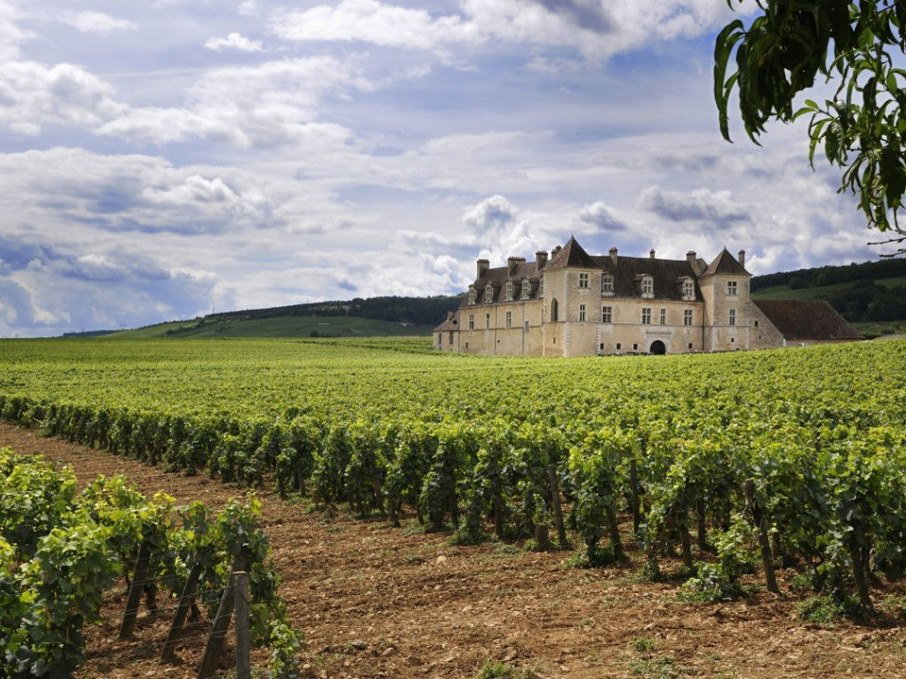
Château du Clos de Vougeot dinner (Saturday of Les Trois Glorieuses): The Confrérie des Chevaliers du Tastevin hosts this dinner in the 12th-century cellars of the Château. Tickets are allocated through the Confrérie; membership or a member's invitation is the usual route.
En primeur Burgundy through a négociant (year-round): Several Beaune négociants offer barrel samples and en primeur allocations outside the Hospices framework. Maison Camille Giroud and Maison Alex Gambal both work with private clients on allocation, a lower-pressure way to buy Burgundy en primeur without the auction dynamic.
Beaune in harvest season (October): If November feels too crowded, the Côte de Beaune in October offers cellar access, producer visits, and the chance to taste tank samples from the current vintage. Fewer visitors, more producer time, and the wines are even earlier in their life.
The Hospices weekend is worth the effort if you are a serious Burgundy collector who wants to understand how en primeur allocation works from the inside, or if you have an existing merchant relationship and want to taste the barrel samples before committing to a purchase. The public tasting at the Hôtel-Dieu justifies the trip on its own terms, the building, the cuvées, and the concentrated access to Beaune producers are not replicated anywhere else in Burgundy's calendar.
Skip the auction floor if you are new to Burgundy en primeur and don't yet have a merchant relationship. The barrel samples are difficult to evaluate without context, the prices are high, and élevage costs add substantially to the final bottle price. Buy a finished Hospices wine from a recent vintage first, understand what the cuvées taste like in bottle, and then consider the auction as a next step.
The Hospices de Beaune auction earns its reputation not through spectacle but because the wines, the building, and the institutional history are all real. The Cour d'Honneur in November, the barrel samples of Corton-Charlemagne and Mazis-Chambertin, the négociants who have been bidding the same cuvées for three generations: this is Burgundy's working culture, not a performance of it.
For most collectors, the practical route is clear: book accommodation in September, secure a public tasting ticket through the Hospices de Beaune website, and contact a trusted merchant about proxy bidding before October. If you want to bid directly, reach out to Sotheby's wine department now, accreditation for private collectors is not guaranteed, and the window is shorter than most people assume.
The honest caveat: if you arrive without a plan, you will spend the weekend in a crowded town watching an auction you can't enter. The experience rewards preparation. Have the merchant conversation this week, not the week before you travel. And if you're on the fence about the auction itself, the public tasting alone, barrel samples of Beaune Grèves and Meursault Charmes in the Hôtel-Dieu's medieval wards, is reason enough to be in Beaune that third Sunday of November.
The auction floor is not open to the general public. Bidding requires accreditation through Sotheby's, which manages the sale. Private collectors can apply for accreditation, but the process is not automatic, contact Sotheby's wine department well before the auction (ideally by October) to confirm current requirements. The public tasting at the Hôtel-Dieu is a separate, ticketed event that is open to all.
Hotel rooms in Beaune for the third weekend of November sell out by late summer, book accommodation as soon as you decide to attend, ideally by July or August. Public tasting tickets are released through the Hospices de Beaune website; check in September for the following November's event. The specific release date is not published on a fixed schedule, so monitor the official site directly.
One practical route is through a négociant or specialist merchant who bids at the auction on behalf of clients. UK merchants including Berry Bros. & Rudd and Corney & Barrow have participated in past sales; Beaune négociants including Maison Jadot and Drouhin have long auction histories. Alternatively, bottled Hospices wines from recent vintages appear on the secondary market through Christie's, Sotheby's, and Acker.
The auction hammer price is quoted per barrel (228 litres, roughly 300 bottles). To that you add the négociant's élevage costs (raising, bottling, labelling), their margin, shipping, and applicable duty. The all-in cost per bottle is substantially higher than the per-barrel hammer price divided by 300, ask your merchant for a full cost breakdown before committing.
Sotheby's has offered live online bidding in recent years, which removes the need to be physically present in Beaune. However, accreditation is still required regardless of whether you bid in the room or online. Confirm with Sotheby's whether online bidding is available for the current year's sale and what the registration process entails, this is not published on a fixed annual schedule.
Get the App
Take the shortlist into the En Primeur Club app for concierge access, saved places, and the next step after discovery.
Get Exclusive AccessMore from the editors