← Guides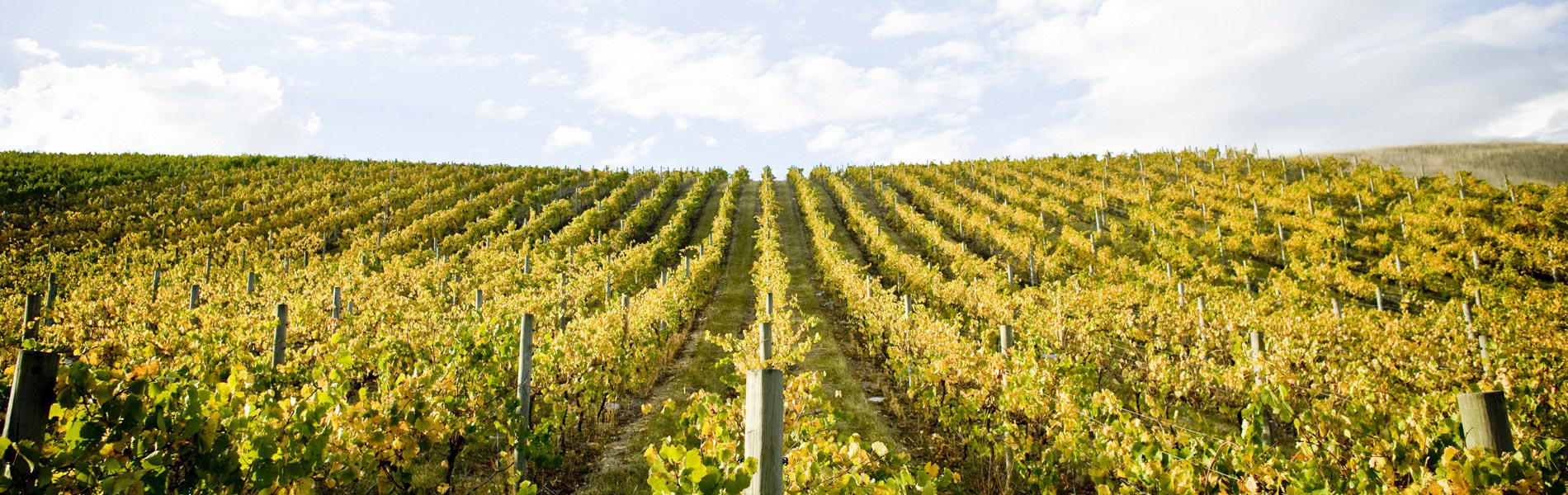
From 1842 plantings to internationally prominent Pinot Noir and Chardonnay, Geelong and the Bellarine Peninsula wine region is quietly producing some of Australia's leading cool-climate bottles.
From 1842 plantings to internationally prominent Pinot Noir and Chardonnay, Geelong and the Bellarine Peninsula wine region is quietly producing some of Australia's leading cool-climate bottles.
In 1875, a single phylloxera louse discovered in a Geelong vineyard triggered among the more complete destructions of a wine region in history. By 1893, after the Victorian government's comprehensive vine-pull scheme, there was not one producing winery left in a region that had, just decades earlier, been the largest in Victoria.
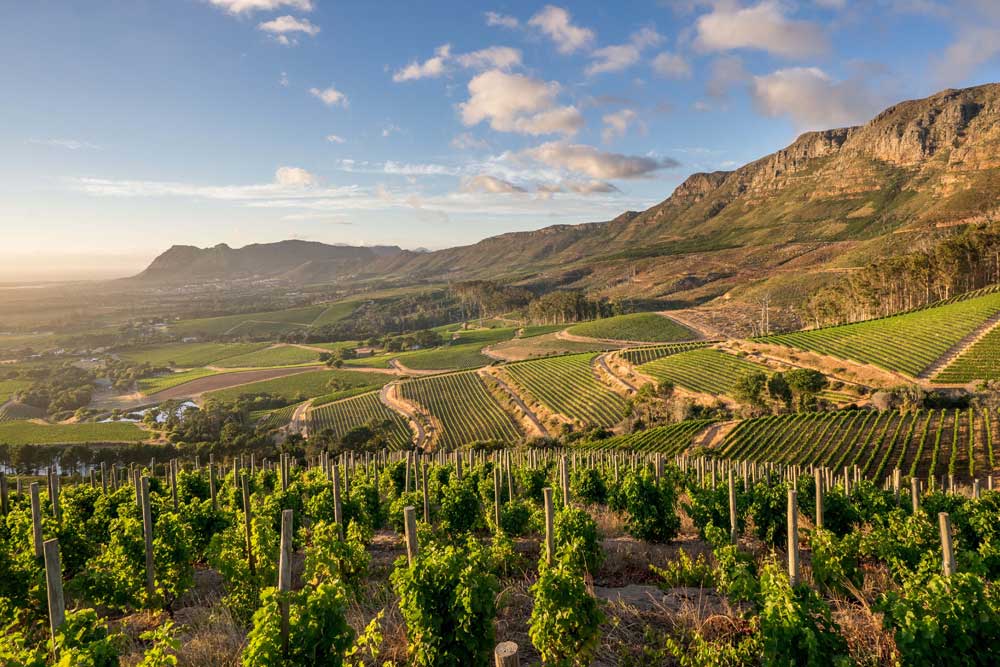
Geelong's viticultural history predates the commercial wine industry of Napa Valley, and yet, standing in a Moorabool Valley vineyard today, surrounded by 25-year-old Pinot Noir vines pushing through basalt-derived clay, you'd never know the place had been wiped clean.
That erasure, and the slow, deliberate rebuilding that followed, is precisely what makes the Geelong and Bellarine Peninsula wine region one of Australia's most compelling destinations for the serious wine traveller.
The first vines in the Geelong region were planted in 1842, by the 1860s, the region was producing more wine than anywhere else in Victoria. Then came phylloxera. The first louse ever identified in Australia was found here in 1875, and the government's response was total: every vine was pulled. By 1893, the industry was gone. It would take the better part of a century for anyone to try again in earnest.
Replanting began cautiously in the 1960s, but the region's profile remained low, the Yarra Valley, Rutherglen, Heathcote, and Mornington Peninsula had all established themselves as the reference points for Victorian fine wine. Geelong sat roughly 75 kilometres south-west of Melbourne's CBD, large enough in geographic footprint to be unwieldy, small enough in total plantings, approximately 466 hectares under vine today, to stay beneath the radar of most international visitors.
The Geelong GI covers three unofficial sub-regions: the Bellarine Peninsula, which extends toward Queenscliff and Port Phillip Bay and draws genuine maritime influence from the surrounding water; the Surf Coast, running south toward Torquay and the start of the Great Ocean Road; and the Moorabool Valley, an inland corridor with a distinctly different thermal profile and some of the region's most complex soils.
The distances between them are real, this is not a region you drive in a single morning, but that spread is also the source of the region's stylistic range. Pinot Noir, Chardonnay, Shiraz, and Sauvignon Blanc can all reach genuine quality here, from three different growing environments.
Every producer working here is small-scale and family-owned. There are no corporate operations. That concentration of individual ownership means slower growth and more labour-intensive viticulture, yields are naturally low, water availability is a constant consideration, but it also means the wines carry a specificity of place that is increasingly difficult to find in better-known Australian regions. Gus Pollard, third generation of the family-owned Bannockburn, puts it plainly: the region has a clear identity on the world stage, which isn't something every region can claim.
If there is a single estate that explains why Geelong's modern wine story began where it did, it is Bannockburn. Stuart Hooper established the winery in the 1970s with winemaker Gary Farr, and the estate has remained family-owned across three generations, Gus Pollard, Hooper's grandson, now steers it into its next chapter. Bannockburn is currently celebrating its 50th anniversary, a milestone that few Australian wine estates of its calibre have reached while remaining entirely within family hands.
The SRH Pinot Noir, named for Stuart Robert Hooper, is the wine that first placed Geelong on Australia's fine-wine map. It is a Pinot built on dark cherry, forest floor, and fine-grained tannins that draw inevitable comparisons to premier cru Burgundy, and those comparisons are not made lightly. The Moorabool Valley site sits in a climate corridor that shares average annual temperatures comparable to Burgundy's Côte d'Or, and the estate's basalt-derived soils provide the structural backbone that gives the wine its ageing potential.
Pollard describes the current moment at Bannockburn with characteristic restraint: [We're] excited to continue to refine our ability to make wines with a real sense of place, that honestly express the uniqueness of this small corner of the world. It feels like we're now in a period where there's a new level of purity and clarity in what we're producing.
That shift toward purity, fewer interventions, greater site expression, is consistent with what is happening across the Geelong and Bellarine Peninsula wine region more broadly, but Bannockburn's 50-year foundation of old vines and accumulated site knowledge gives it a particular authority in that conversation.
Bannockburn does not currently operate a public cellar door. The estate is developing a dedicated tasting room for private bookings, estimated to open by early 2027. If you are planning a visit to the region in the next 12 months, contact the estate directly to enquire about access, allocations for private tastings at estates of this standing tend to fill quickly once announced.
Details:
The on-site restaurant is the differentiating detail.
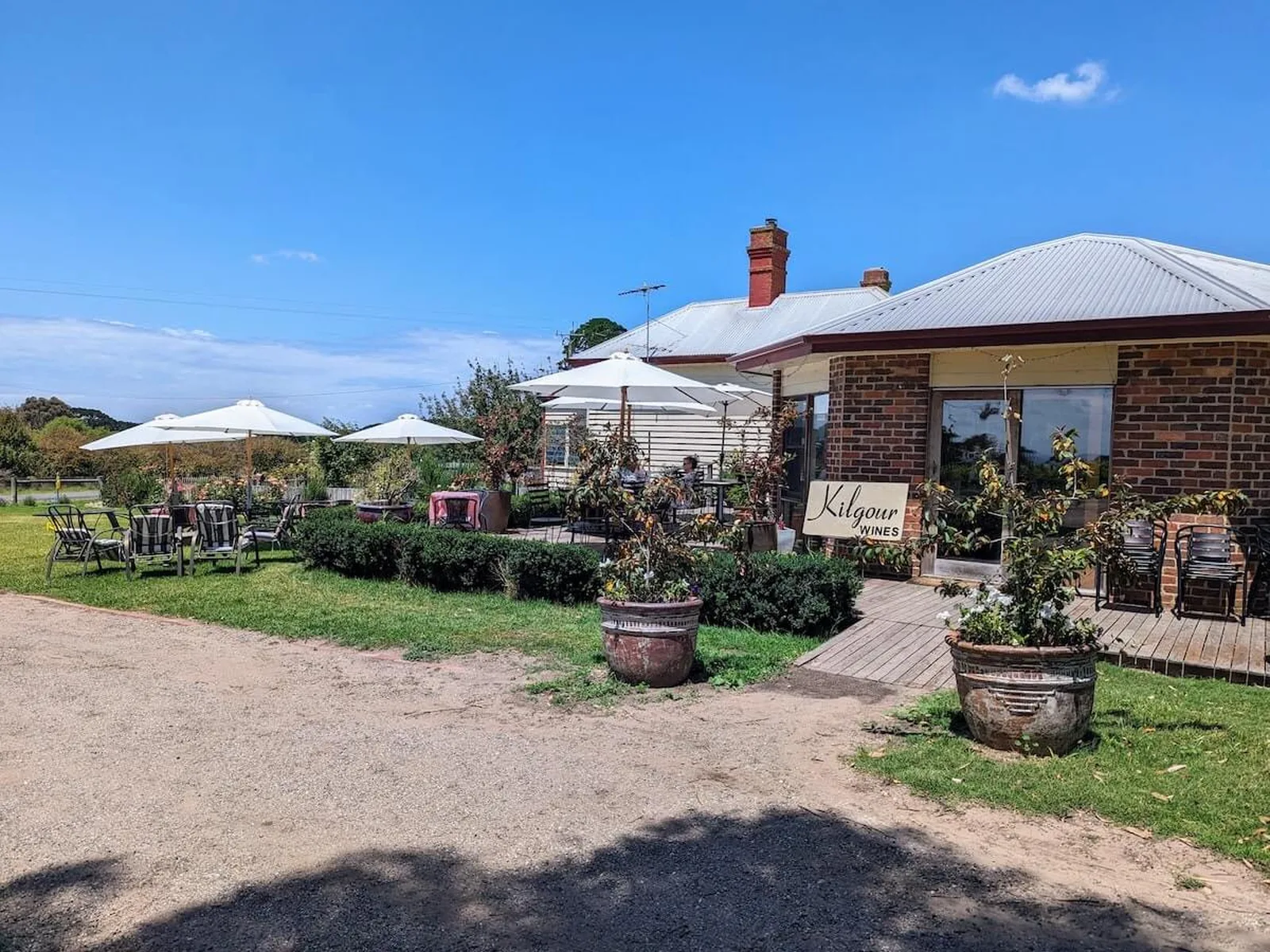
Where many Geelong producers are still building the hospitality infrastructure to match the quality of their wines, Oakdene already offers a full dining experience alongside cellar-door tastings, making it the natural first stop for visitors arriving from Melbourne who want to orient themselves in the region over a long lunch before pushing further into the Moorabool Valley or up toward the Surf Coast.
The kitchen draws on local Bellarine produce, and the pairing of estate Chardonnay with the peninsula's seafood, particularly the local King George whiting and mussels from Port Phillip Bay, is one of the more satisfying food-and-wine alignments in regional Victoria.
The Bellarine Peninsula sub-region's maritime character gives Oakdene's whites a particular freshness and line, the Chardonnay tends toward stone fruit and citrus with a saline mineral thread, a profile that distinguishes it clearly from the more structured, tannin-driven Chardonnays coming out of the Moorabool Valley's heavier basalt soils. For visitors new to the Geelong and Bellarine Peninsula wine region, tasting the contrast between a Bellarine Chardonnay and a Moorabool Valley example in the same afternoon is one of the quickest ways to understand why the region's geological diversity matters.
Details:
Collis describes the terroir with the precision you'd expect from someone who has spent two decades studying it: We're on the edge of the volcanic plains of Victoria and the soils are built by ancient geology, a limestone base and then lava flows creating rocky outcrops and bluestone veins.1 That limestone-basalt interaction, ancient seabed overlaid by volcanic activity, is what gives Lethbridge's wines their particular combination of mineral tension and structural weight. The Chardonnay carries a flinty, almost Chablis-adjacent quality on the nose before opening into richer stone-fruit territory on the palate; the Shiraz is cool-climate in the truest sense, all dark pepper and iron-rich savouriness rather than the plush fruit of warmer Australian regions.
Lethbridge operates an open cellar door, making it one of the more accessible entry points into the Geelong and Bellarine Peninsula wine region for visitors who haven't pre-booked. The estate's commitment to single-site expression, showcasing individual blocks rather than blending across the property, means that a tasting here doubles as a practical education in how volcanic soil translates into the glass. Collis has noted that other producers across the region are increasingly moving in the same direction, focusing on individual sites and blocks as the vine age climbs toward and past 25 years.
Details:
Clyde Park sits in the Moorabool Valley, particularly inland of the three sub-regions, where the absence of direct maritime influence produces a more continental thermal range, warmer days, cooler nights, that concentrates flavour in the fruit while preserving the acidity that makes cool-climate Pinot Noir age. The free-draining soils here, a combination of sandy loam over clay and fractured rock, give the wines a structural precision that distinguishes them from the rounder, more immediately approachable Pinots coming off the Bellarine Peninsula's maritime sites.
Clyde Park operates an open cellar door and is one of the producers that makes the Geelong and Bellarine Peninsula wine region navigable for visitors planning a self-guided itinerary. The Pinot Noir and Chardonnay are the estate's reference wines, both built for the medium term, with the tannin architecture and acid backbone to develop over five to eight years in bottle. For collectors building a cellar around Australian cool-climate Pinot, Clyde Park makes a strong case for looking beyond the Yarra Valley and Mornington Peninsula, where equivalent quality commands a significant price premium.
The Moorabool Valley's vine age is now reaching the 25 to 30 year average that Ben Mullen of Mulline Vintners identifies as the threshold for the quality and style he wants to produce, and Clyde Park's established blocks are among the valley's older plantings. Older vines in this geology produce smaller crops with greater concentration, and the estate's focus on single-block releases reflects the broader regional shift toward showcasing what individual parcels can do when the vines have had time to find their equilibrium in the soil.
Details:
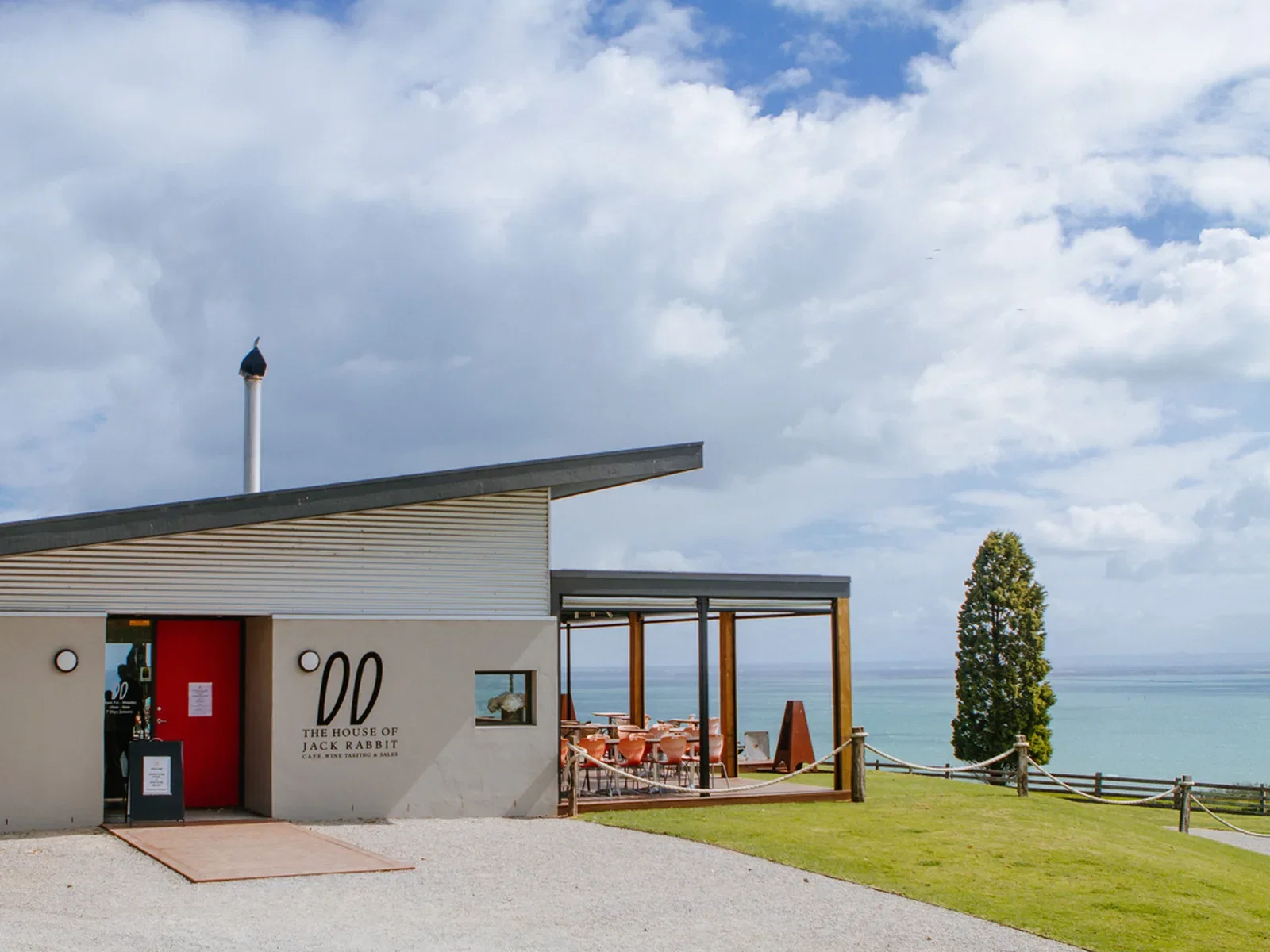
The estate Chardonnay is the wine to focus on here. The maritime influence at this site, consistent afternoon sea breezes, high reflected light from the water, produces a Chardonnay with notable natural acidity and a saline, oyster-shell mineral quality that is difficult to replicate on inland sites. The style sits closer to a Mâcon-Villages in its freshness and directness than to the more structured, oak-influenced Chardonnays of the Moorabool Valley, and it pairs with the bay's seafood in a way that feels less like a pairing decision and more like a geographical inevitability.
Jack Rabbit's on-site restaurant makes it a natural anchor for a full-day Bellarine Peninsula itinerary. Arrive for a mid-morning tasting, stay for lunch with views across Port Phillip Bay, then work your way along the peninsula to Oakdene or Scotchman's Hill in the afternoon. The cellar door operates without appointment requirements, which matters on the Bellarine, where several smaller producers work by booking only, knowing which doors are open without pre-arrangement saves the kind of wasted drive that can derail a well-planned wine day.
Details:
Beyond the established estates, a cohort of younger winemakers is expanding the region's stylistic range in ways that are attracting a new generation of wine drinkers, and drawing producers from other Australian regions who see Geelong's geological diversity as an opportunity that better-known appellations can no longer offer at the same price point.
Ben Mullen, winemaker and co-owner of Mulline Vintners, relocated specifically for the range of varieties the region can support across its three sub-regions. One of the reasons I moved down to Geelong, is that I can make premium Chardonnay, Sauvignon Blanc, Pinot Noir and Syrah all in the same place, from three separate sub-regions, said Ben Mullen.2 Mullen also notes that vine age across the region now averages 25 to 30 years, old enough, in his assessment, to produce the concentration and complexity he is looking for, but still young enough that the region's best decades of viticulture are ahead of it.
Mulline currently shares a cellar door with Empire of Dirt, one of the region's more interesting newer labels, making that shared space one of the more efficient stops for visitors wanting to sample the new-wave end of the Geelong spectrum alongside the established names. Heroes Vineyard, Provenance Wines, and Scotchman's Hill also operate open cellar doors, giving the region a network of accessible tasting points that rewards a two- or three-day itinerary rather than a single rushed day trip from Melbourne.
What the Geelong and Bellarine Peninsula wine region is producing right now, across its three sub-regions and across two generations of winemakers, is a body of work that measures up against strong cool-climate wine regions in the southern hemisphere.
The vine age is right, the geological understanding is deepening, and the producers, from Bannockburn's 50-year foundation to Mulline's first vintages, share a commitment to site expression that is the precondition for wines of genuine longevity.
Bannockburn's tasting room opening in early 2027 will make the region's anchor estate accessible to visitors for the first time in a formal sense, and that alone is likely to shift the calculus for wine travellers who have been watching Geelong from a distance. The region has been rebuilding since 1893. It is now, quietly and without fanfare, arriving.
In 1875, the first phylloxera louse ever identified in Australia was discovered in a Geelong vineyard, prompting the Victorian government to implement a total vine-pull scheme. By 1893, every producing winery in the region had been eliminated, wiping out what had been Victoria's largest wine-producing area.
The Geelong GI currently has approximately 466 hectares under vine. Despite its relatively small plantings, the region spans three distinct sub-regions, the Bellarine Peninsula, the Surf Coast, and the Moorabool Valley, each with different growing conditions and stylistic outputs.
The Geelong GI covers three unofficial sub-regions: the Bellarine Peninsula, which receives strong maritime influence from Port Phillip Bay; the Surf Coast, running south toward Torquay; and the Moorabool Valley, an inland corridor with a different thermal profile and complex basalt-derived soils. Each produces wines with distinct stylistic characteristics.
Bannockburn Vineyards, established in the 1970s by Stuart Hooper with winemaker Gary Farr, is often treated as the estate that defined Geelong's modern wine story. Now in its 50th anniversary year and stewarded by third-generation family member Gus Pollard, its SRH Pinot Noir was the wine that first placed Geelong on Australia's fine-wine map.
Replanting began cautiously in the 1960s, nearly 70 years after the region was completely cleared of vines. However, the region's profile remained low for some time, as the Yarra Valley, Rutherglen, Heathcote, and Mornington Peninsula had already established themselves as Victoria's primary fine-wine reference points.
Get the App
Take the shortlist into the En Primeur Club app for concierge access, saved places, and the next step after discovery.
Get Exclusive AccessMore from the editors