← Guides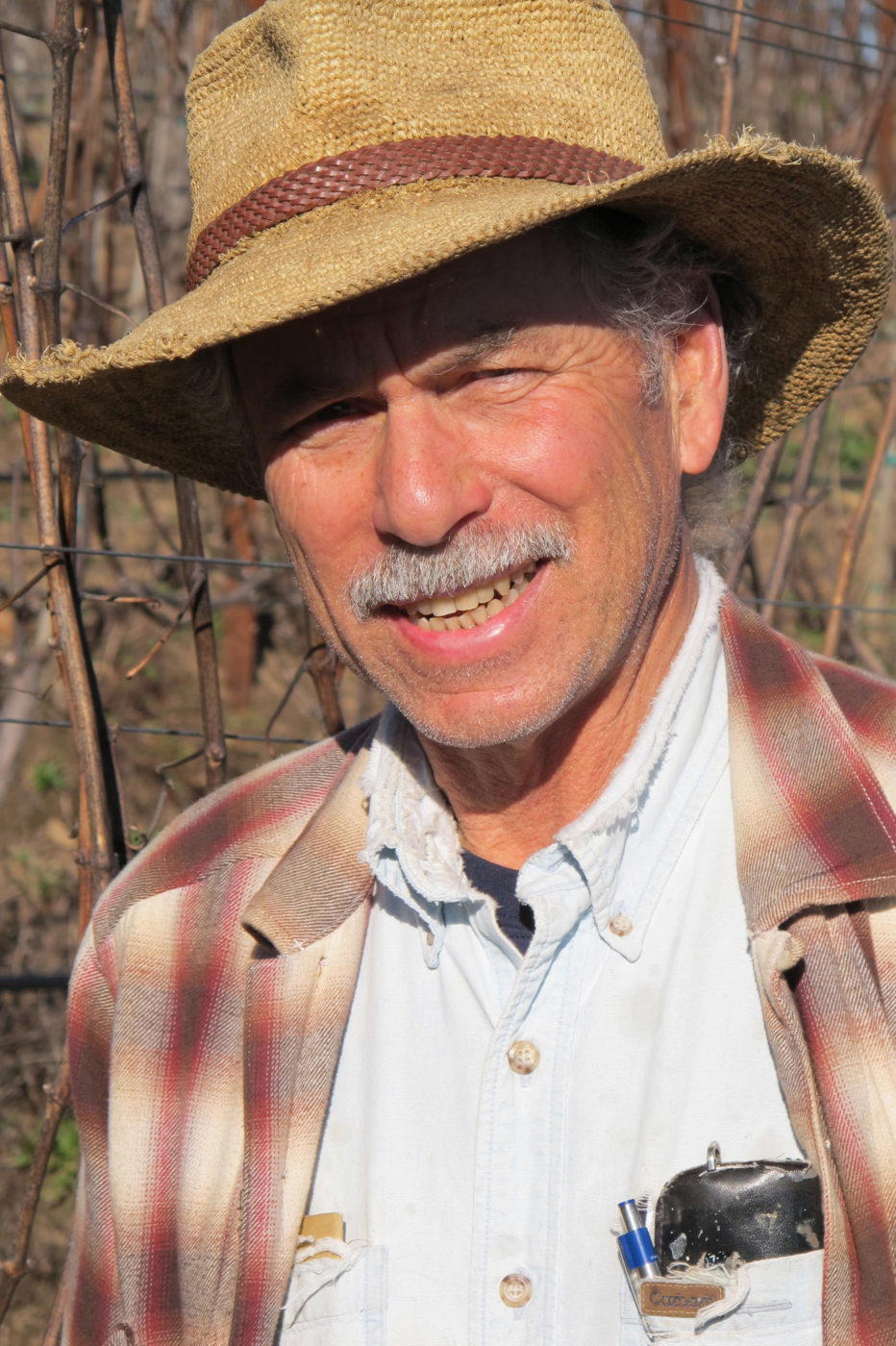
According to La Times Food, David Hirsch, who bought an 860-acre Fort Ross sheep ranch in 1978, spent 45 years turning faultline soils into Pinot Noir.
According to La Times Food, David Hirsch, who bought an 860-acre Fort Ross sheep ranch in 1978, spent 45 years turning faultline soils into Pinot Noir.
According to La Times Food, David Hirsch Sonoma vintner, proprietor of Hirsch Vineyards, died Tuesday of respiratory failure in Santa Rosa, California, at 81, according to his family as reported by the Los Angeles Times. As La Times Food describes it, his life in wine began not with an inherited château or cellar apprenticeship, but with an 860-acre sheep ranch near Fort Ross, less than three miles from the Pacific, where fog, wind and the San Andreas fault became the materials of a 45-year study.
Collectors know the name Hirsch from labels that sit at the serious end of California Pinot Noir: Hirsch Vineyards itself, and before that bottles tied to Williams Selyem, Littorai Vineyards and Kistler Vineyards. Yet the more useful way to understand David Hirsch is as a reader of ground. He watched air move over hillsides, followed vine rows across broken soils, and gave his coastal geology a phrase that still feels exact: “earthquake terroir.”
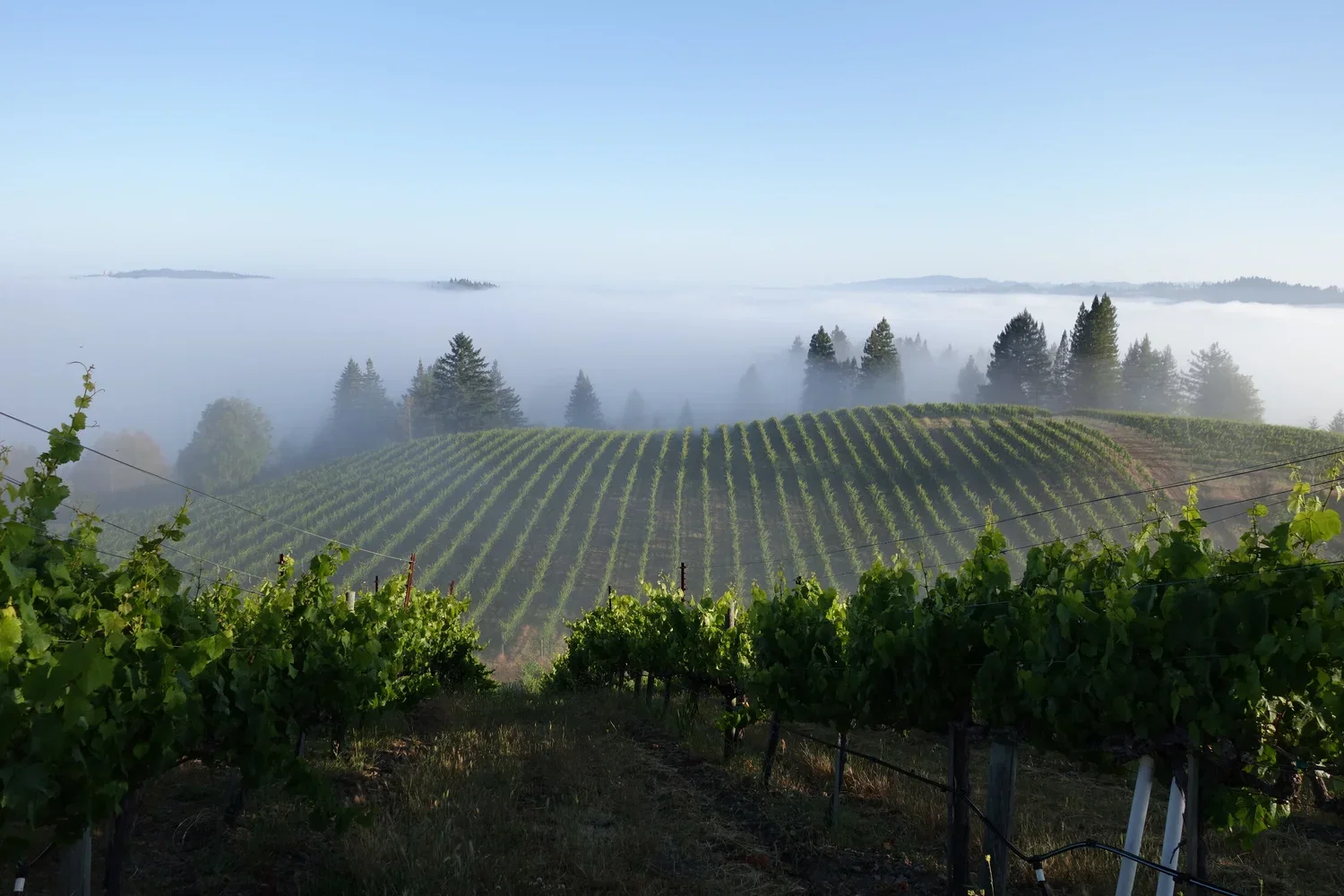
That phrase was not marketing gloss. The property sits near the San Andreas fault, on Franciscan Mélange soils among California’s most complex. Hirsch mapped and remapped the place with a farmer’s irritation for easy answers. The estate now draws from 60 subdivided vineyard parcels, and Jasmine Hirsch, his daughter and current winemaker, makes eight estate bottlings from five designated sections. The work continues in bottles, not in theory (Latimes1).
The Fort Ross property that changed Hirsch’s life was not purchased as a Pinot Noir project. According to Jasmine Hirsch, her father bought the ranch because he wanted to “hear himself think.” That detail matters. It places the origin of Hirsch Vineyards outside the usual California script of capital, cellar, consultant and launch. Hirsch first saw the ridgetop as a place to restore, observe and inhabit.
He bought the sheep ranch in 1978 after a career in the garment business that had taken him around the world. The property lay in the outer reaches of Sonoma County, close enough to the Pacific for daily maritime influence and close enough to the San Andreas fault for the ground itself to feel unsettled. Friends advised him to plant a small test plot of Pinot Noir and Riesling. From that modest beginning came among the more closely watched vineyard names on the Sonoma coast.
The site was difficult by design. The west Sonoma coast gives vines fog and wind before it gives generosity. Hirsch watched those incursions move over the property: where fog entered, where it retreated, how wind pressed across a slope, how sunlight reached one row differently from another. He treated the vineyard not as a block to be farmed uniformly, but as a set of questions.
For a David Hirsch Sonoma vintner profile, the temptation is to leap straight to the wines. The better starting point is the weather. Pinot Noir on this coast depends on marginality: enough chill to slow ripening, enough sun to complete it, enough stress to keep the fruit from becoming broad. Hirsch spent nearly five decades measuring that balance through observation rather than slogan.
Hirsch was born in New York in 1944 and retained his Bronx accent. The accent is a useful counterpoint to the coastal mysticism often attached to his later life. He was not a soft-focus figure drifting through vines. He was argumentative, curious, practical, and allergic to intellectual laziness (Latimes1).
In a June interview cited by the Times, Hirsch credited his father, a bookseller, with shaping that curiosity. When the family moved to New Rochelle, his father brought roughly 30,000 books. Hirsch said his after-school work was to alphabetize them, room by room. The task took three years. He came away immersed in reading.
That early education helps explain the man who later approached Sonoma geology with such appetite. Hirsch attended classes at Columbia, then left after a few semesters, drawn by jazz nights and the road. He spoke of hitchhiking across the country and exploring towns in 40 states. The line from those travels to the vineyard is not sentimental. Both involved filling in blanks through direct contact.
His garment-business career added another layer: travel, pattern, fabric, repetition, adjustment. Wine people sometimes speak of terroir as if it announces itself. Hirsch’s life suggests the opposite. Place reveals itself through correction. A row gets replanted. A parcel gets separated. A section that once seemed coherent splits into three. The patient eye wins.
Hirsch’s phrase “earthquake terroir” has endured because it does what good wine language should do: it points to something physical. The soils at Hirsch Vineyards derive from the churnings of the San Andreas fault, and they are Franciscan Mélange. Mélange is the operative word. The ground is mixed, fractured, various; it resists easy categorisation.
For Pinot Noir drinkers, that matters because the grape transmits small differences in site with unusual clarity. Hirsch did not need to claim mystery when the map already supplied it. He looked at faultline soils, coastal fog, wind exposure and sunlight, then organised the vineyard around those facts. The estate’s 60 subdivided parcels are the clearest evidence of that method.
Those 60 parcels also create a form of scarcity that collectors understand. Hirsch is not a broad appellation label built for volume; it is a property parsed into small internal differences, then expressed through estate bottlings from five designated sections. The structure of the vineyard tells you the allocation logic: more parcels, more specificity, fewer easy substitutions.
Before Hirsch Vineyards founded its own winery in 2002, the fruit had already attracted winemakers who were listening closely to coastal Pinot Noir. Burt Williams and Ed Selyem of Williams Selyem worked with Hirsch fruit. Ted Lemon of Littorai Vineyards has purchased fruit from Hirsch for a quarter century. Steve Kistler of Kistler Vineyards also appears in the story. Those names gave collectors a way to taste the site before Hirsch made estate wine under its own label.
Lemon’s assessment carries weight because it comes from years of buying fruit, not from a ceremonial tribute. “He taught himself to become a great farmer,” Lemon told the Los Angeles Times. In wine, that sentence is higher praise than most medals. It says Hirsch moved from idea to practice, from curiosity to competence, from owning land to understanding how vines behave on it.
Hirsch Vineyards was founded in 2002, after years in which the vineyard’s reputation travelled through other cellars. That timing matters for collectors. A vineyard-designated Williams Selyem or Littorai tied to Hirsch belongs to one chapter; estate Hirsch Pinot Noir belongs to another. The through-line is the site, but the lens changes.
The Los Angeles Times lists a series of winemakers who worked on the estate wines: Vanessa Wong, Mark Dougherty, Ross Cobb, Anthony Filiberti, Michael Cruse and Jasmine Hirsch. That sequence alone shows how carefully the property moved from grower identity to estate voice. Hirsch did not build the project around one cellar signature. He kept returning attention to the ground.
Jasmine Hirsch now makes the property’s wines. The eight estate bottlings from five designated sections are known for subtlety, clarity and distinctiveness. Those are not tasting notes in the narrow sense, no black cherry, tea leaf or coastal spice is supplied, but they do define the estate’s ambition. The wines aim to separate one section from another without forcing the vineyard into a winemaker’s costume.
For anyone cellaring California Pinot Noir, that distinction is useful. Hirsch belongs in the group of wines that ask you to follow site over brand polish. A bottle from Hirsch Vineyards is not merely a Sonoma coast Pinot Noir; it is part of an internal map, one shaped by fog patterns, faultline soils and decades of row-by-row adjustment. The pleasure lies in comparison: estate bottling against vineyard-designated bottling, one designated section against another, Jasmine’s current work against earlier interpretations.
This is where the David Hirsch Sonoma vintner story becomes larger than biography. He gave collectors a language for coastal specificity at a time when California Pinot Noir was still sorting out how to speak about place with precision. The estate winery sharpened that language because it allowed Hirsch Vineyards to decide which differences merited separate bottlings.
Hirsch practiced Buddhism for most of his adult life, and his spiritual practice did not sit apart from the vineyard. His daughter described a 200-year plan for the property, an ecological project involving restoration, reforestation and regenerative thinking. Her last business meeting with him involved a forest management expert and the future course of the land.
That long view gives extra force to Hirsch’s own words. “It’s not about any individual person or style,” he told the Los Angeles Times. “It’s not on Jasmine, not on David, not on any particular winemaking style. It’s all about place.”
Many estates claim fidelity to terroir. Hirsch made the claim harder on himself by subdividing the vineyard into 60 parcels and asking each bottling to justify its existence. If the person and style recede, the farming has to become more exacting. If the estate promises a lens into the vineyard, any fog in that lens becomes visible.
There is a human counterweight here, too. Jasmine said her father’s persistence and peskiness earned him the title “Chief Bug” around the winery. It is an affectionate phrase, and a revealing one. Hirsch may have preached the disappearance of ego into place, but he did not disappear from the work. He questioned, adjusted, watched and bothered. Vines often need that kind of attention.
The Buddhist element could be overdrawn; Hirsch himself seemed to keep it grounded. Near his property, several Buddhist temples and retreat centers had appeared over time, including Odiyan in Cazadero. Hirsch recalled a fisherman at Fort Ross describing monks from Odiyan casting food into the water “to feed the hungry dragon.” The story comforted him. It linked the refuge behind its gates with the restoration work he had pursued on his own land.
In 2014, Hirsch was moving compost piles on a tractor when it tipped, leaving him with critical spinal injuries. He used a wheelchair afterward. The detail could have become the closing chapter of a farming life, but later years brought a more precise image: he patrolled the grounds on an ATV with hand controls.
That image belongs in any serious remembrance of David Hirsch. A man who had spent decades studying how fog, wind, sun and soil met in particular vine rows found a way back to those rows. The ATV put him close to the ground that had occupied him for nearly half a century. It also strips away romance. Vineyard knowledge is physical. It comes from moving through the site, noticing what changed after rain, after wind, after replanting, after time.
Hirsch continued to plant, replant and reorient vine rows for many years. That is one of the least glamorous and most important facts in the story. Reorientation is not a slogan; it is labour, cost and patience. It says the vineyard remained unfinished in his mind, even after its name had acquired weight among Pinot Noir drinkers.
For visitors to the Sonoma coast, the Hirsch story also changes how the drive feels. Fort Ross is not a decorative backdrop to the wine. The Pacific sits less than three miles from the property. The fog is part of the farming. The wind is part of the farming. The fault is part of the farming. To drink Hirsch with that geography in mind is to understand why the estate resisted a single, simplified expression.
For collectors, the practical path is equally direct: follow the vineyard name across producers and eras. Hirsch Vineyards estate bottlings show the current family lens under Jasmine Hirsch. Bottles from Littorai, Williams Selyem and Kistler tied to Hirsch fruit speak to the period when outside winemakers translated the site. Ted Lemon’s quarter-century relationship with Hirsch fruit offers one particularly long thread.
David Hirsch is survived by his wife, Marie; his children Jessica, Jasmine and Joseph; and his siblings Adam, Betty, Susan and Daniel. In the vineyard, succession has already taken a defined form. Jasmine Hirsch now makes the property’s wines, carrying forward a project her father insisted was not about David or Jasmine, but about place.
That philosophy may be his most durable inheritance. The 200-year plan shifts the frame from vintage to stewardship. Wine culture often privileges the dramatic release, the critic’s note, the allocation email, the dinner where a bottle vanishes in an hour. Hirsch worked on a clock that made those moments secondary. The vineyard would be restored, replanted, parsed and understood beyond one lifetime.
The next chapter at Hirsch Vineyards will be watched through the same lens he built: parcels, sections, fog lines, faultline soils, and the decisions Jasmine makes in service of them. The task is not to preserve David Hirsch as a style. He argued against that. The task is to keep letting the Fort Ross property speak in ever finer detail, row by row, bottle by bottle, until earthquake terroir feels less like a phrase and more like a remembered taste.
Get the App
Take the shortlist into the En Primeur Club app for concierge access, saved places, and the next step after discovery.
Get Exclusive AccessMore from the editors