← Guides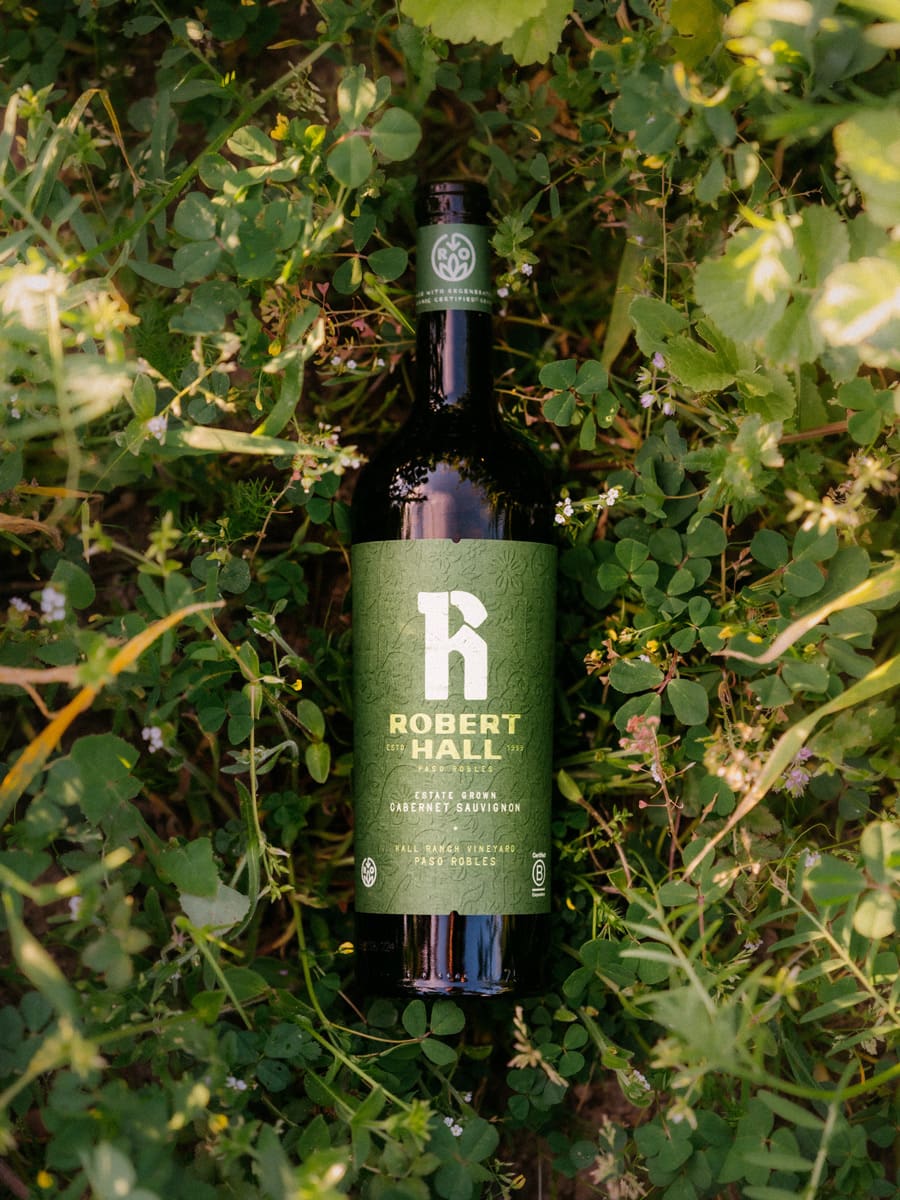
Whole Foods Market is launching Robert Hall’s ROC cabernet and sauvignon blanc, putting regenerative wine in a new retail context.
Whole Foods Market is launching Robert Hall’s ROC cabernet and sauvignon blanc, putting regenerative wine in a new retail context.
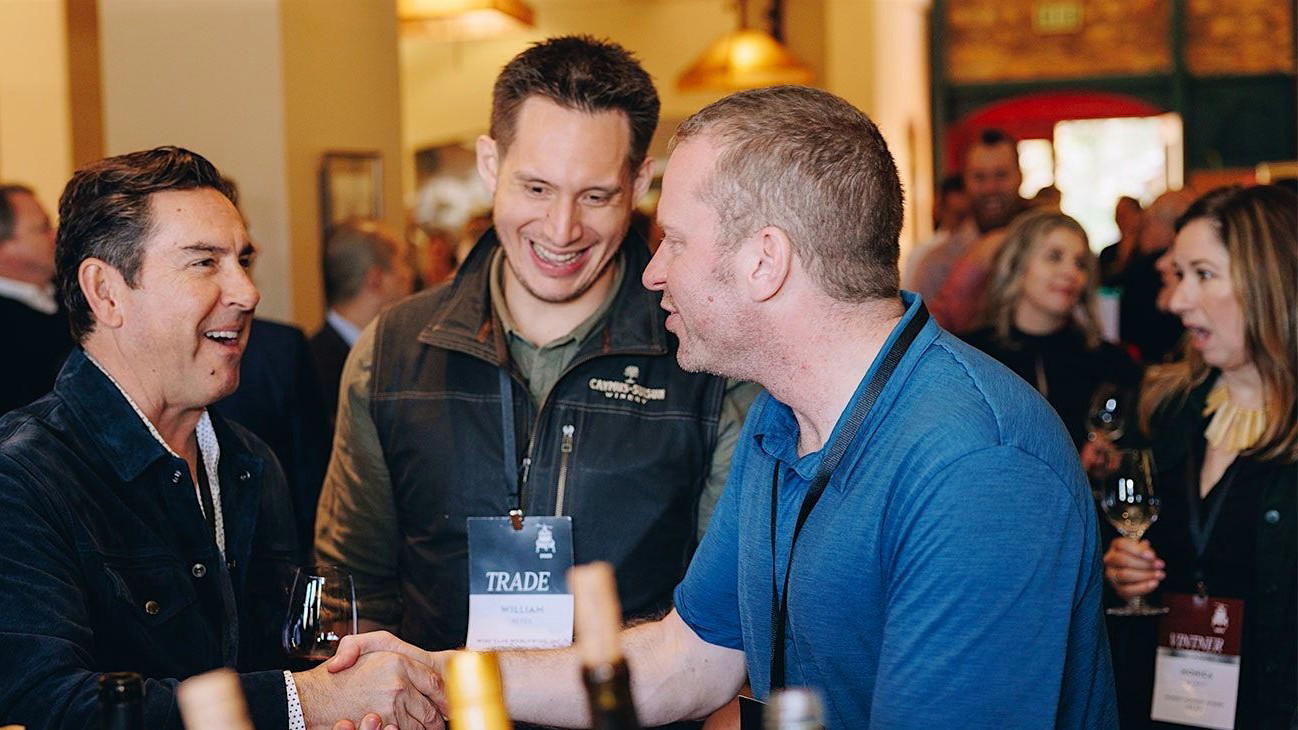
In an Austin pitch room, five glasses of Robert Hall Cabernet Sauvignon traced a line from 2020 to 2024, vintage by vintage, until a farming change became something the buyers could taste. Caine Thompson, Robert Hall Winery’s Managing Director, flew to Austin to walk Whole Foods Market buyers through the winery’s new Regenerative Organic Certified wines. Whole Foods Market is now the retail launch partner for Robert Hall’s ROC Certified Cabernet Sauvignon and Sauvignon Blanc, the first domestic Regenerative Organic Certified wines the retailer has carried.
The shift matters as much in the glass as it does in the vineyard. Robert Hall wines have previously reached a more premium tier, upwards of about $100 a bottle; for these ROC Certified releases, the team first landed around $59.99, then cut the price to $29.99. The point is clear: put certified regenerative organic farming within reach of more California wine drinkers.
High on the neck of the bottle, the Regenerative Organic Certified stamp is positioned to meet the eye before the familiar scan of variety, producer, and price. Robert Hall is placing the farming credential where shoppers can register it at once.
The Austin tasting gave that stamp a sensory argument. Robert Hall Winery began transitioning its farm to regenerative organic practices in 2021, and the buyers tasted one glass per vintage of the same Cabernet Sauvignon, moving forward until the 2024. Caitlin Burdick, Whole Foods Senior Category Merchant, said the wines “got tastier and tastier.”
Thompson put the wider ambition plainly: “If regenerative farming stays a niche, exclusive proposition, it’s not going to change the world.” Burdick framed the moment through California wine: “But for an American wine, a California wine, this is exciting and something new for us.”
The Sauvignon Blanc brings its own useful detail: tropical and aromatic notes, with citrus, from grapes picked from two different blocks of the same plot a week apart. The Cabernet Sauvignon carries the vertical tasting proof point that persuaded the buyer room.
Wine drinkers already think agriculturally, even when they do not use the language of soil health. Cabernet Sauvignon from California and an Italian red do not promise the same experience; terroir has trained the category to care about place, farming, vintage, and producer intent.
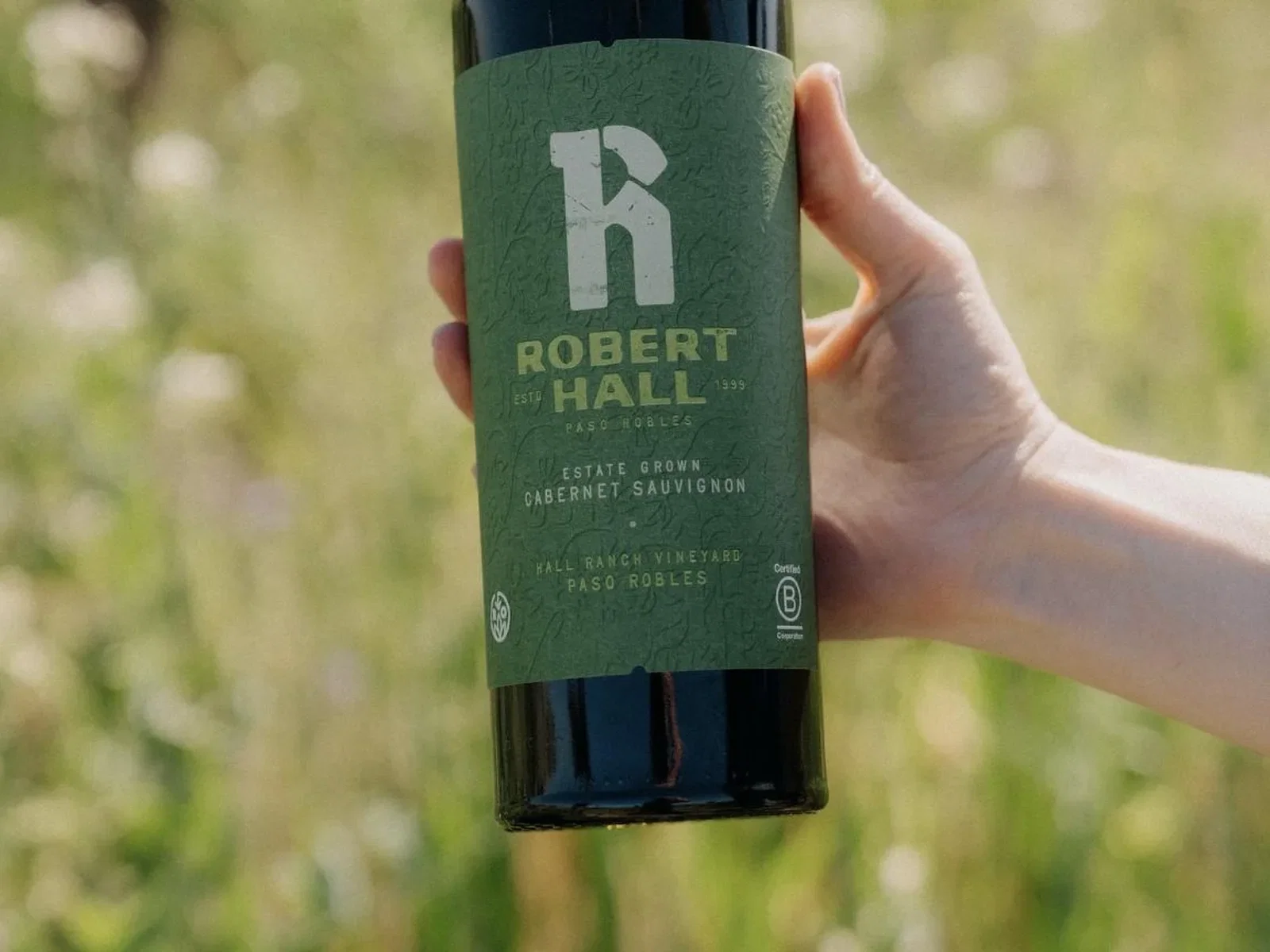
The Regenerative Organic Alliance was formed in 2017 by the Rodale Institute, Dr. Bronners, and Patagonia to provide a globally recognized gold standard certification for regenerative organic practices. On a bottle, the mark sits beside other signals serious drinkers already parse: appellation, variety, vintage, estate name, and farming language.
Christopher Gergen, Regenerative Organic Alliance CEO, calls wine among the more compelling ways to communicate the idea because consumers can taste the result and then follow the symbol back to the practices behind it. That is where the neck stamp earns its keep: it turns a farming standard into a cue you can read in the aisle.
The sales picture is becoming harder to dismiss. SPINS data show wines with ROC certification growing 9% in dollar sales during the last 52 weeks ending 3/22/26, while wines without any certification declined by more than 3% over the same period. In May 2025, SPINS also put the year over year growth average at 22% for Grocery, Frozen, Refrigerated, and Alcohol products that carry both a sustainability certification, such as Certified Organic or Non GMO, and ROC Certification.
For a category facing pressure from sober curiosity, ready to drink formats, and broader alcohol sales declines, ROC Certification gives wineries a more precise way to explain why a bottle deserves attention. Still, the strongest version of that argument has to happen in the glass.
Look first for the ROC Certified mark on Robert Hall’s Cabernet Sauvignon and Sauvignon Blanc, then treat the bottles as wine rather than virtue signaling. Certification may start the conversation, but structure, balance, fruit quality, and finish decide whether anyone returns for a second purchase.
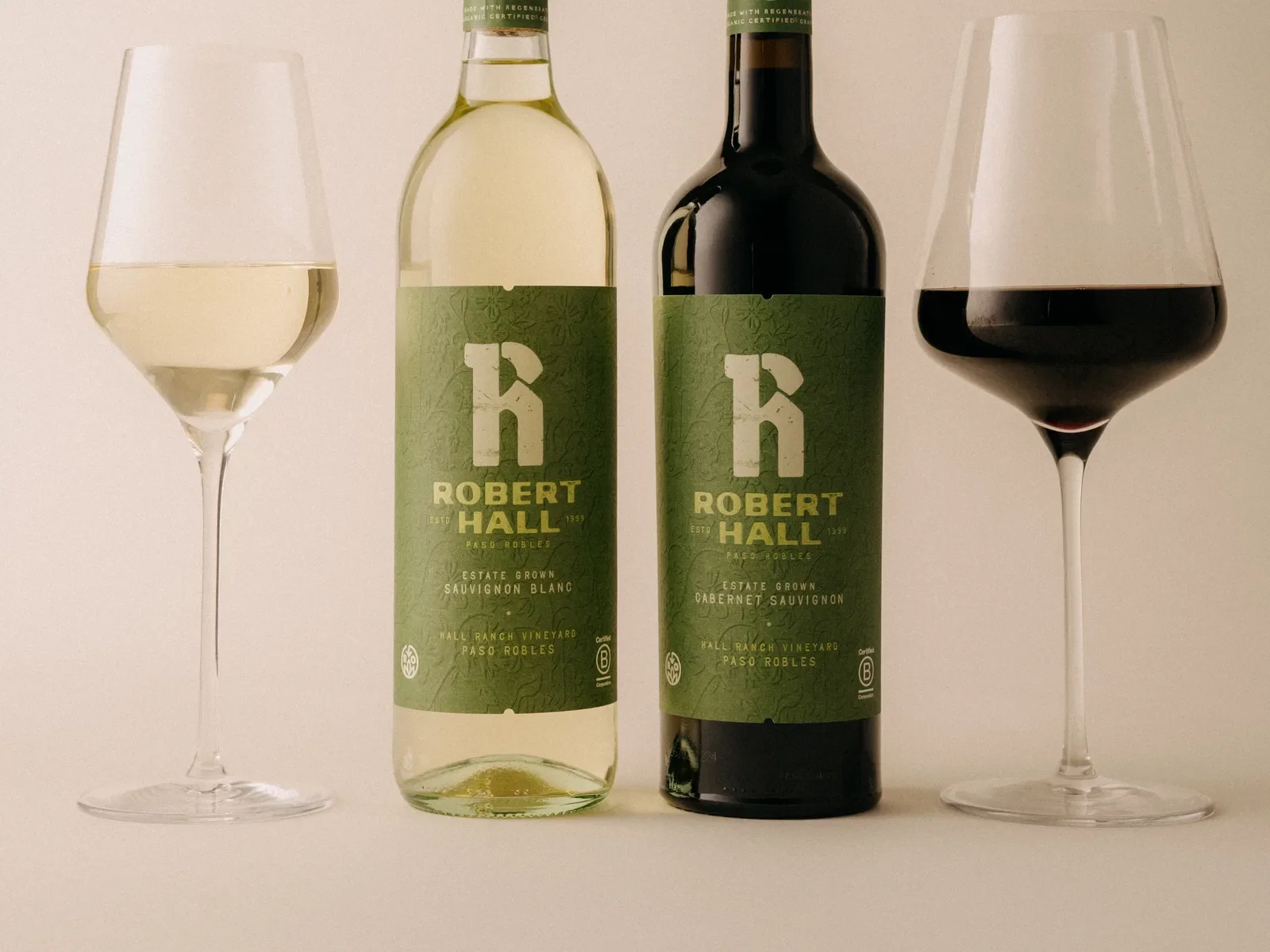
Whole Foods’ wine team, including Burdick, gave Robert Hall input on the types of wines likely to perform with current consumer sentiment. That matters: a regenerative wine still has to meet the table where people are actually drinking, not live solely as a farming manifesto.
For enthusiasts visiting estates or shopping with a good merchant, this launch sharpens the right questions. When did the farming transition begin? Which cuvées carry certification? Can the producer pour across vintages to show what changed? Those questions go further than the overworked word “sustainable,” which too often collapses many different practices into one soft claim.
Robert Hall’s positioning also makes the certification easier to encounter outside a winery tasting room. A natural products shopper may notice the stamp before knowing the full regenerative organic framework; a California wine loyalist may come through the variety first. Either route is useful if the bottle delivers.
The path from vineyard practice to national shelf space runs through gatekeepers. Robert Hall’s ROC Certified wines are going national at launch through Whole Foods Market, the nation’s largest natural grocer, rather than debuting only through a high end restaurant, boutique wine shop, or winery allocation channel.
Whole Foods also tied the launch to Earth Day. For the retailer, the bottle offers a visible point of reference: regenerative practices may be more common in Old World winemaking traditions, but a California wine carrying this certification gives domestic shoppers a new way into the subject.
Gergen sees retail environments as powerful canvases for Regenerative Organic Certified products, and Whole Foods’ relationship with grocery shoppers gives Robert Hall’s bottles a front door role. Shelf placement, staff fluency, and repeated visibility can make the certification feel less like a specialist term and more like part of everyday wine literacy.
Thompson’s work at Robert Hall extends beyond these two bottles. Under his leadership, the winery earned Regenerative Organic Certification and became a reference point in the Regenerative Viticulture Foundation’s One Block Challenge, an initiative aimed at scaling regenerative organic viticulture.
The Austin tasting did not ask buyers to accept a claim in the abstract. It used time, vintage, and Cabernet Sauvignon to make the case. That is a serious way to sell a farming change.
Beyond Robert Hall, O’Neill Vintners and Distillers is bringing scale into the conversation. The company has five primary brands, including Ram’s Gate Winery, which earned Regenerative Organic Certification in 2025.
On its Sonoma estate, Ram’s Gate has begun agroforestry practices, including planting apple trees among the grapes, to help rebuild habitats and enhance soil health. Joe Nielsen, General Manager and Head Winemaker at Ram’s Gate Winery, connects that work directly to cellar restraint: “We do all the farming so that we can do less in the winemaking process. You can’t do it the other way around.”
O’Neill’s target is to get all five primary brands certified over the next several years. Jeff O’Neill, CEO of O’Neill Vintners and Distillers, wants the wines to become particularly attractive alternative for consumers thinking about helping the planet, but the company is also clear that taste and accessibility have to carry the effort.
For California wine, that is the signal worth watching. Regenerative organic viticulture is moving from principled vineyard practice into bottles that shoppers can recognize, compare, and return to. The next proof will be quieter than a launch: repeat purchases, stronger shelf language, and more producers willing to make soil health legible through the wine itself.
Get the App
Take the shortlist into the En Primeur Club app for concierge access, saved places, and the next step after discovery.
Get Exclusive AccessMore from the editors