← Guides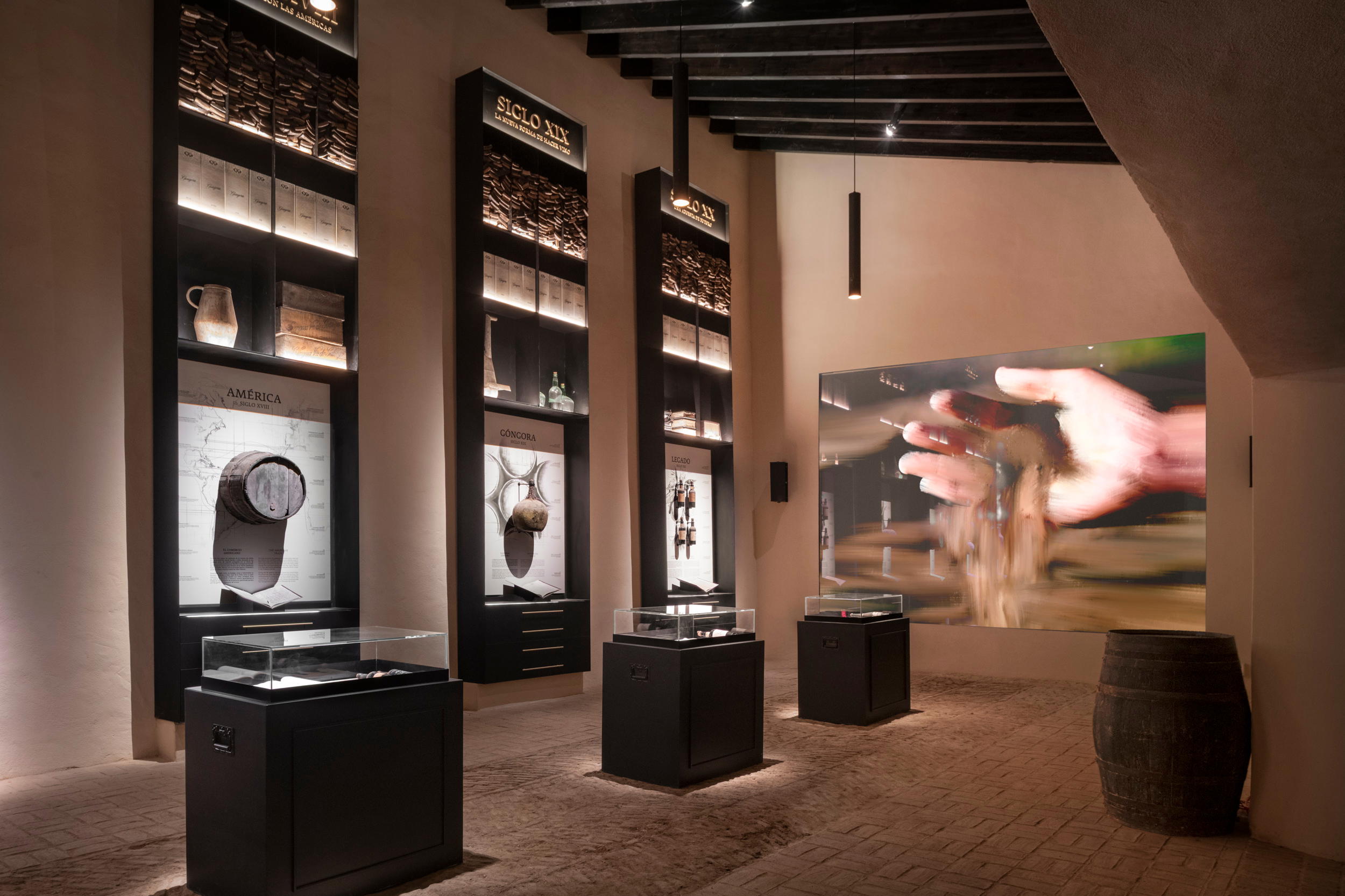
A wine news roundup on Casa Góngora joining Relais & Châteaux, Decanter's case for Paso Robles value, and Vin et Hip Hop LA.
A wine news roundup on Casa Góngora joining Relais & Châteaux, Decanter's case for Paso Robles value, and Vin et Hip Hop LA.
Casa Góngora, the 17th-century Spanish estate now in Relais & Châteaux, has opened with wine culture set at the center of the stay.
Decanter, meanwhile, has put Paso Robles back in the value conversation, a point Central Coast regulars have understood for years: the appellation still gives you personality and fair prices in a California market where both are harder to find.
In our own coverage this week, a darkened Los Angeles room brought 2013 Château d'Yquem together with a track mixed that same year, and the pairing sharpened both the wine and the music. Here is the wine news that shaped the week of April 6, 2026.
Wine This Week: Vin et Hip Hop LA, Burgundy Frost Fears, and More
This week: Vin et Hip Hop's US debut pairing Yquem with hip hop, Burgundy frost anxiety, South African chenin blanc momentum, and what is moving in the cellar market.
Vin et Hip Hop LA: Harlan Estate, Château d'Yquem, and Hip Hop's Leading Converge
Vin et Hip Hop made its US debut in Los Angeles, pairing Château d'Yquem vintages with era-matched tracks and pouring Harlan Estate at an intimate Felix dinner.
Casa Góngora, a 17th-century Spanish estate newly admitted to Relais & Châteaux, has become an intimate retreat built around wine culture and considered design. It is the kind of address that keeps the cellar close to the pillow. If you plan a Spain itinerary around the wine program as carefully as the suite, the Relais & Châteaux imprimatur makes this opening worth watching.
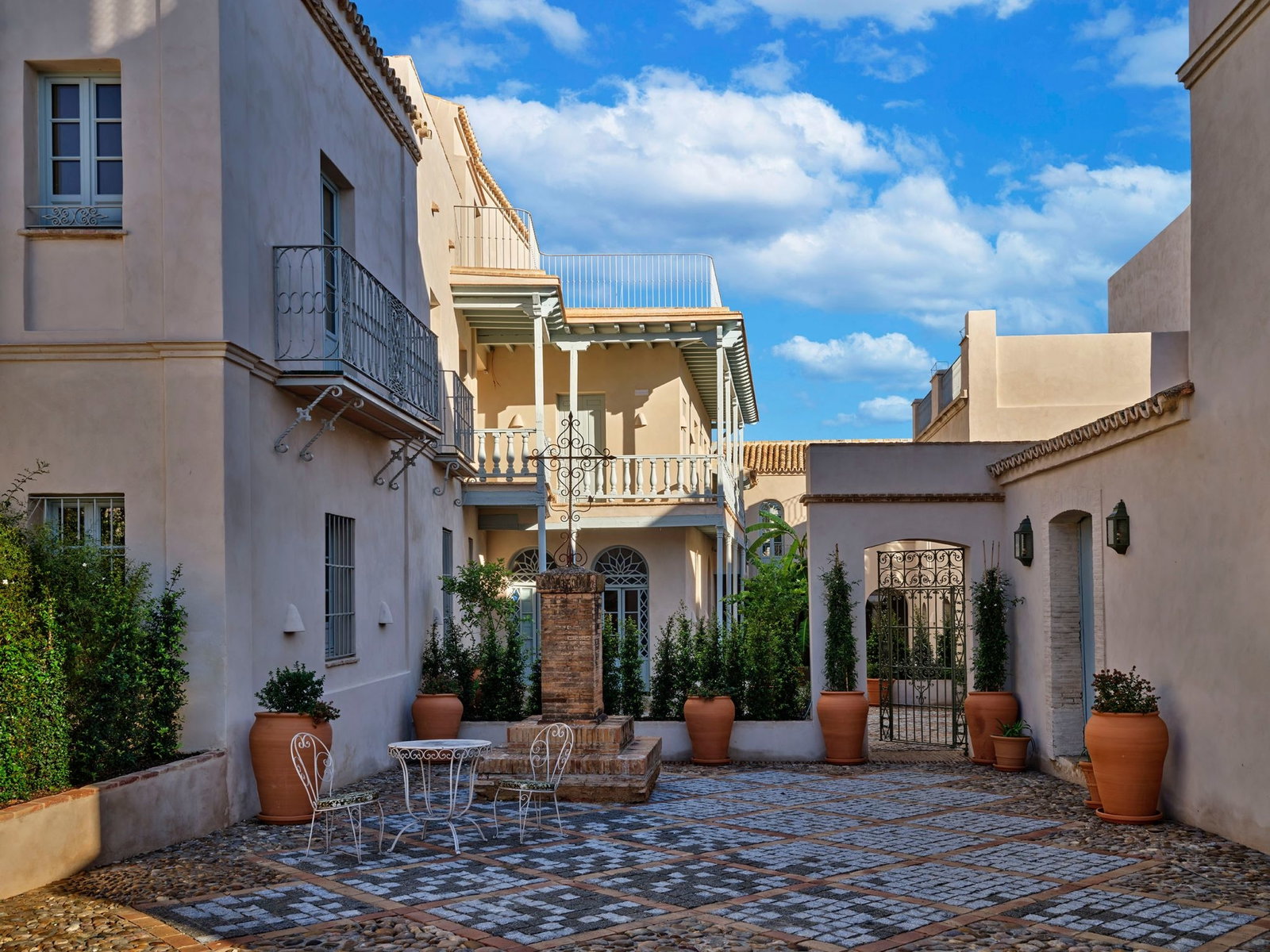
For itineraries built around appellations rather than airports, Spain has become one of Europe's strongest wine destinations. The country's hotel scene has moved steadily toward cellar-led hospitality, with properties in Rioja, Ribera del Duero, and Priorat drawing collectors who want vineyard proximity without giving up comfort. Casa Góngora's 17th-century bones and wine-cultural positioning speak to the guest who wants a barrel tasting in the morning and a room with real design sensibility in the evening.
The Relais & Châteaux framework typically calls for a food-and-wine program with depth, and Casa Góngora's wine-first language points to an estate experience shaped by the glass rather than a standard hotel minibar stocked with local bottles. Read more →
Decanter has turned its lens on Paso Robles, naming what many California collectors have quietly understood: the region still offers notable value on the state's wine map.
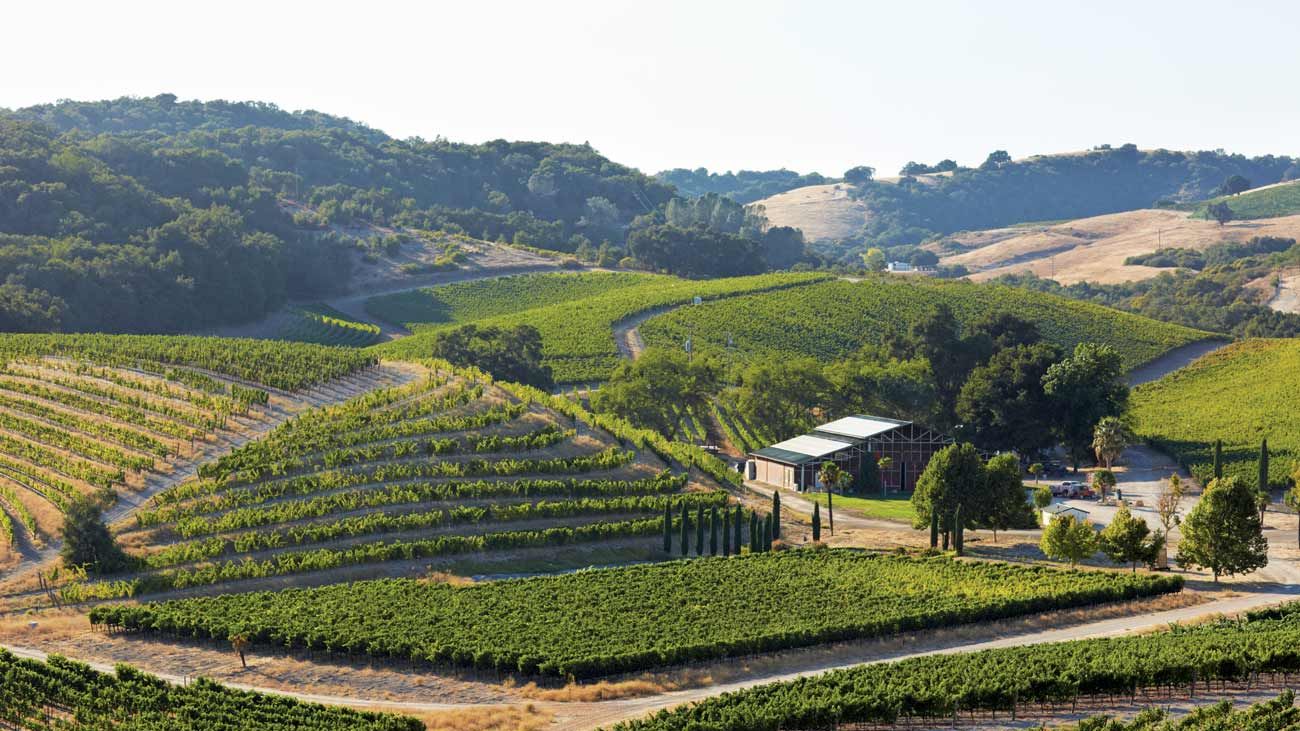
The Central Coast appellation, sprawling, geologically varied, and home to a growing roster of producers working with Rhône varieties, Bordeaux grapes, and zinfandel, has long traded at a fraction of Napa Valley prices for wines made with real ambition.
Decanter frames Paso Robles as “a region full of personality and fair prices.” That is a useful shorthand for a place that has spent decades building quality while remaining accessible in ways that Napa and Sonoma increasingly are not.
Paso's 40,000-plus planted acres span a patchwork of microclimates. The Templeton Gap channels cool marine air from the Pacific through a break in the Santa Lucia Range, lowering nighttime temperatures and preserving acidity in grapes that might otherwise bake.
The Adelaida District, perched on limestone ridges at higher elevations, produces structured wines with a mineral backbone rooted in those calcareous soils. The warmer eastern benchlands favor riper, more extracted styles, including broad-shouldered cabernet sauvignons and syrahs that lean into the heat rather than fighting it.
The stronger producers now read those differences with increasing precision, and the region can deliver cool-climate elegance and warm-climate generosity within the same appellation.
If Napa cult lists have moved out of reach, the arithmetic is clear. Top Paso Robles Rhône blends and cabernet sauvignons routinely sit at price points that would be unthinkable for equivalent ambition from Oakville or Rutherford. The gap will not last forever, since attention from publications like Decanter tends to accelerate price discovery, but Paso remains a place where you can drink well without the allocation anxiety that defines so much of California's top tier. Read more →
The value argument extends beyond the bottle. Paso Robles still offers the spontaneity that Napa increasingly lacks. Many producers welcome walk-ins. The tasting room experience tends to be personal, and you are as likely to be poured by the winemaker as by a hospitality staffer. If the reservation-only, concierge-mediated Napa circuit has begun to feel too managed, Paso still gives you room to breathe.
The dining scene has matured considerably over the past decade. Restaurants in the town's downtown square and along the surrounding wine trails have raised their game, and the the farm-to-table ethos that defines Central Coast cooking pairs naturally with the region's wines. The drive from Los Angeles is roughly three and a half hours, long enough to feel like a getaway, short enough for a weekend. From San Francisco, it is a similar drive south on the 101, with the option to break the trip in San Luis Obispo or along the coast.
What Paso Robles lacks, for now, is the density of luxury accommodation that defines Napa or, increasingly, Sonoma. There are strong options, ranch-style properties, boutique inns, a handful of newer hotels, but the region has not yet seen the wave of high-end wine-hotel development that has reshaped Rioja or the Barossa Valley. That trade-off is part of the appeal: less polish, more proximity to the actual work of winemaking.
Our most detailed piece this week covered Vin et Hip Hop's first-ever US appearance in Los Angeles, an event that paired Château d'Yquem vintages with songs mixed in the same year, poured Harlan Estate and Emidio Pepe across an eight-wine dinner at Felix, and brought Common, Dilated Peoples, and Wiz Khalifa to a stage where Domaine Dujac was flowing. If you have not read the full guide yet, give it the time.
The Felix dinner worked at a level collectors rarely encounter outside private verticals. Will Harlan of Harlan Estate and Chiara Pepe of Emidio Pepe poured eight wines spanning three decades, with Napa and Abruzzo in conversation across the same table, guided by Felix's kitchen and by the people who made the wines. That kind of access, two winemakers, three decades of production, one seated dinner, does not repeat often. The growers and winemakers framed the wines themselves, from the grapes to the blending decisions.
The private listening session with mixing engineer Manny Marroquin gave the weekend its most concentrated moment: a 2013 Château d'Yquem alongside a track Marroquin mixed that same year. The temporal alignment, same vintage, same creative window, asked for a kind of dual attention that neither a standard tasting nor a standard concert demands. You listen to the wine and the music at once, and the pairing either clicks or it does not. In that room, it clicked. You can read the full piece here.
Our earlier roundup this week flagged the frost anxiety hanging over Burgundy, and the situation bears repeating as we close out the week. Spring frost remains among the more consequential variables in Burgundy's annual cycle, since a single night below zero during bud break can slash yields across entire appellations. The 2016 and 2021 vintages both saw devastating April frosts that reshaped supply for years afterward, and growers across the Côte d'Or and Chablis are watching nighttime temperatures with the usual mix of vigilance and dread.
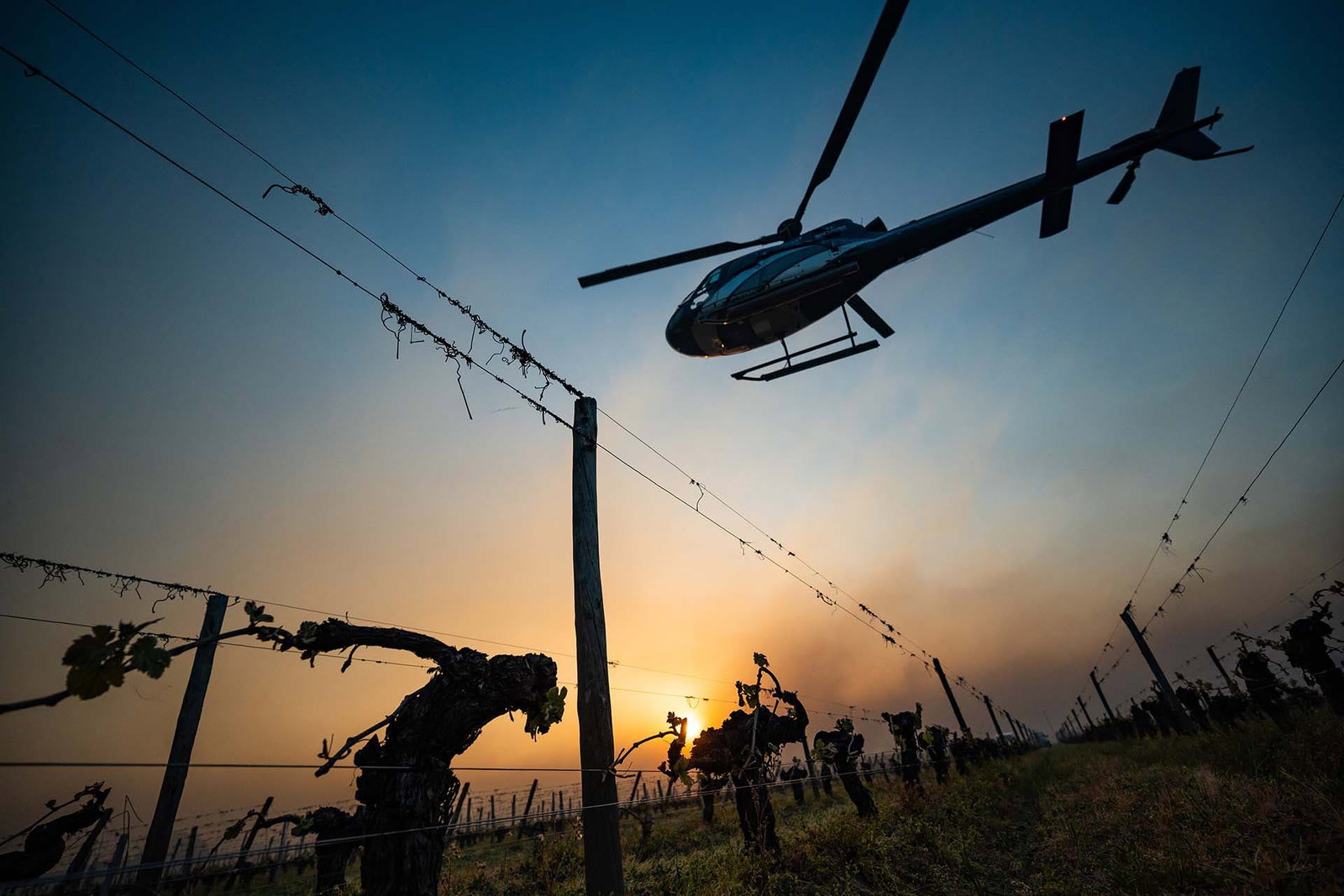
Growers now have a broader kit: bougies (large candles placed between vine rows), wind machines, and aspersion (spraying vines with water to form a protective ice shell), deployed according to site and threat level. None removes the risk entirely. Frost does not care whether the parcel is premier cru or regional Bourgogne. Damage depends on topography, air drainage, and timing, and the difference between a full crop and a decimated one can come down to a single degree over a single hour.
For collectors, frost years tend to tighten allocations and accelerate price movement on the vintages that precede them. If 2025 Burgundy wines are already in your cellar or on your radar through en primeur, the supply picture for 2026 could look different depending on what happens in the next few weeks. Burgundy's pricing already reflects scarcity, with average yields across the Côte de Nuits and Côte de Beaune under pressure for years from frost, hail, and drought, and another short vintage would compound that pressure further. We covered the broader context in our full roundup earlier this week.
Casa Góngora's Relais & Châteaux admission sits within a broader pattern across Spain's wine regions. Over the past decade, properties in Rioja, including Marqués de Riscal's Frank Gehry-designed hotel in Elciego, and Ribera del Duero have shown that wine travelers will pay for immersive stays where the vineyard is the view and the cellar sets the agenda. The model has expanded into less obvious regions: Priorat, with its steep slate terraces and garage-scale producers, and Rías Baixas, where albariño and Atlantic seafood create a natural pairing destination.
For wine-focused travel, the pull is the access. Strong wine hotels in Spain offer barrel tastings, vineyard walks with the winemaker, and dinners built around library vintages that never leave the estate. The experience feels fundamentally different from visiting a tasting room during business hours. You are embedded in the rhythm of the property, morning fog over the vines, the sound of pump-overs during harvest, dinner in a cellar that smells of oak and damp stone.
Spain's advantage over more established wine-tourism markets like Bordeaux or Tuscany is partly economic, with the cost of land, labor, and construction remaining lower, and partly cultural. Spanish hospitality has a warmth and informality that translates naturally to the wine-hotel format.
You are less likely to encounter the formality of a grand Bordeaux château or the polished efficiency of a Tuscan agriturismo, and more likely to find yourself at a long table with the winemaker, eating jamón ibérico and drinking something bottled twenty feet away.
If Casa Góngora delivers on its wine-culture promise, it could become a strong addition to that circuit.
April is the wine calendar's most anxious month. Burgundy's frost window stays open for at least another two weeks, and every clear, still night between now and late April will have growers setting alarms for 3 a.m. temperature checks.
Bordeaux en primeur season is gathering pace, with the 2025 vintage assessments beginning to circulate among négociants and critics. The first barrel samples will shape the narrative for the campaign ahead.
In the Southern Hemisphere, harvest is wrapping up across South Africa, Chile, and Australia, and early signals on the 2026 vintages from those regions will start filtering through trade channels soon.
Meanwhile, Spain's expanding wine-hospitality circuit, with Casa Góngora the latest example, continues to add destinations for travelers who want their itineraries built around appellations.
Get the App
Take the shortlist into the En Primeur Club app for concierge access, saved places, and the next step after discovery.
Get Exclusive AccessMore from the editors