← Guides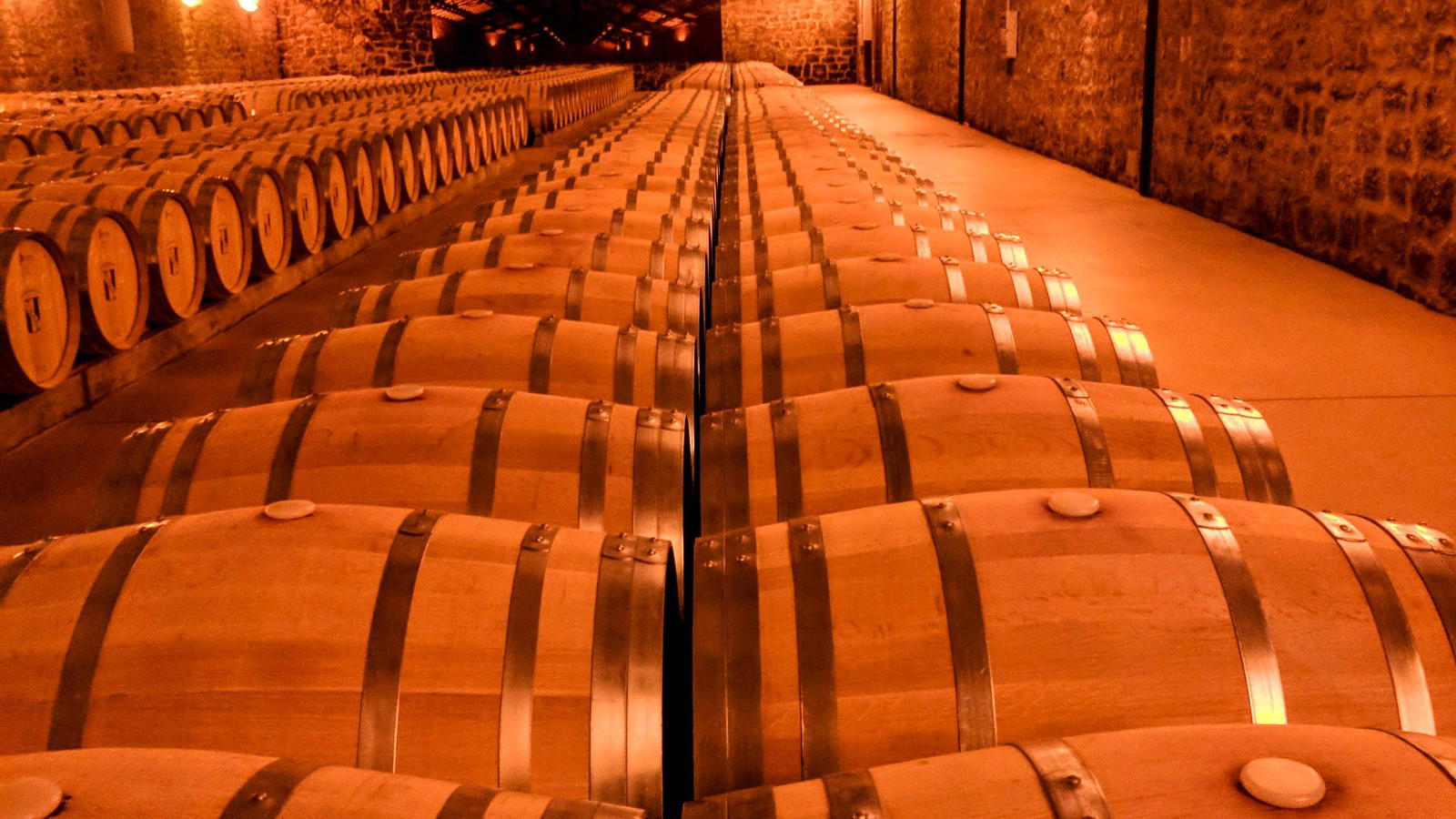
Young winemakers in Rioja are challenging centuries-old conventions while expanding into sparkling wines, proving an old region can embrace radical change without losing its soul.
Young winemakers in Rioja are challenging centuries-old conventions while expanding into sparkling wines, proving an old region can embrace radical change without losing its soul.
There's a stretch of road approaching Burgos where hundreds of trucks snake their way from southern Spain toward the Basque Country, heading to the north-coast port of Bilbao. Exit 57 toward Pancorbo offers relief, the N232 meanders through the province of Burgos before giving way to La Rioja as the valley sweeps into view.
In spring, a patchwork of green and yellow covers the valley floor as bud burst awakens the vines and lively rapeseed flowers come to life. In autumn, the fiery red and amber of the vine leaves form a kaleidoscope of color. It's a majestic view, rooted in permanence yet alive with renewal, and that tension defines Rioja today.
According to Decanter, Rioja has been experiencing a tidal wave of change, with many young and new winemakers eager to make their mark. These producers are rethinking established conventions, focusing more closely on vineyard expression, and exploring a broader range of styles than ever before. The result is a region of diversity, where classic and contemporary approaches sit side by side. Long celebrated for its oak-aged reds, the region is now earning international attention for its elegant, traditional-method sparkling wines, officially recognized as Espumoso de Calidad de Rioja DOCa. As production grows and more wineries embrace bubbles, sparkling Rioja has become among the more exciting developments in modern Riojan winemaking, a natural extension of a region defined by diversity and excellence.
The stakes are high. Rioja's global reputation rests on centuries of winemaking tradition, American oak aging, tempranillo-driven blends, and a regulatory framework that prizes consistency. Can a region synonymous with Gran Reserva and oxidative elegance absorb this much experimentation without diluting its identity? The evidence suggests yes, but only because the new generation is building on Rioja's strengths rather than discarding them.
Given its centuries of viticultural heritage, Rioja presents a somewhat surprising sense of dynamism and energy rarely found in the world's most traditional regions, as Decanter reports. This isn't the slow drift of incremental evolution. It's a deliberate recalibration, young winemakers questioning whether the region's classification system (Crianza, Reserva, Gran Reserva) still serves its most ambitious wines, whether American oak is the only path to complexity, and whether Rioja's terroir diversity has been obscured by blending conventions that prioritize house style over vineyard expression.
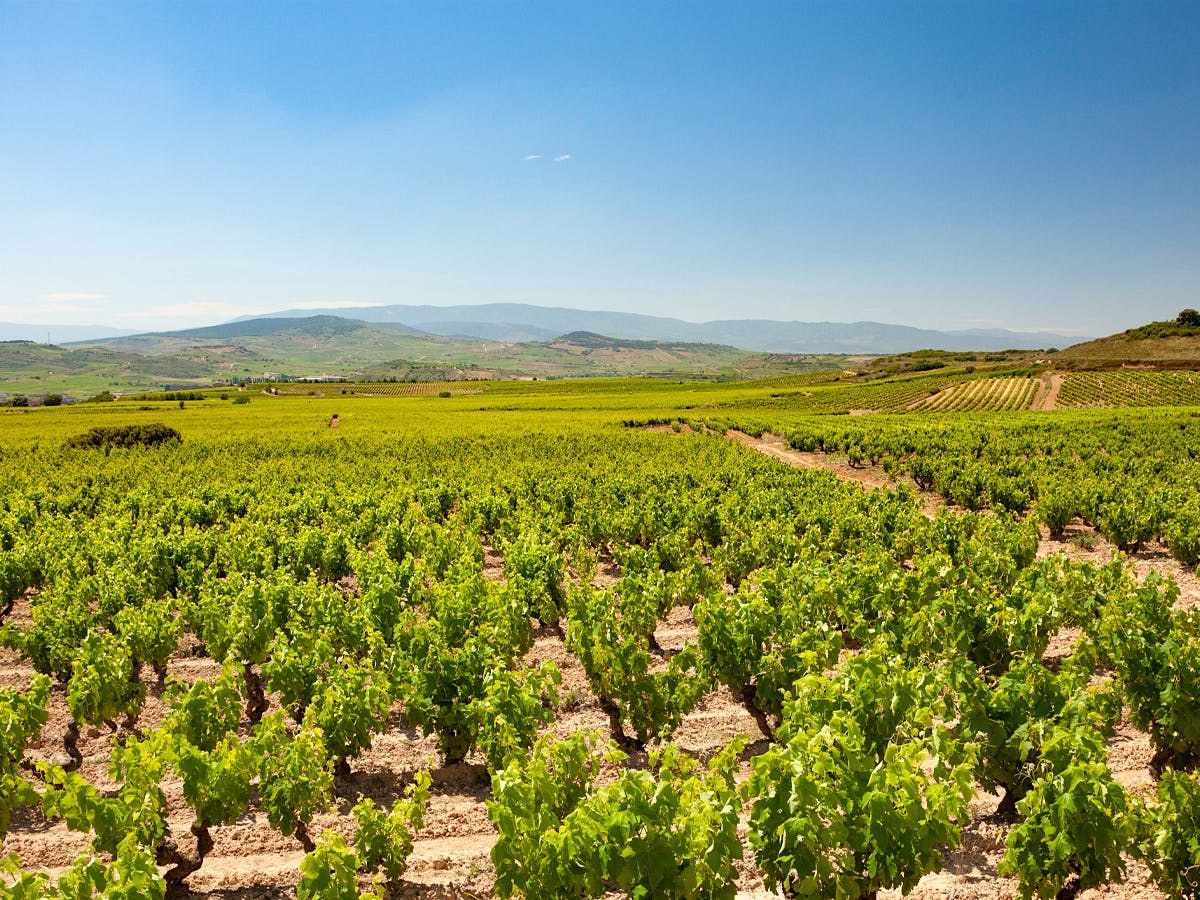
The timing matters. Collectors and enthusiasts are increasingly drawn to wines that tell a specific story, single vineyards, native yeasts, minimal intervention. Rioja's traditional model, built on multi-vineyard blends and extended oak aging, risks feeling anonymous in a market that rewards provenance.
The new generation of classic Rioja winemakers is responding by foregrounding terroir: parcels in Rioja Alta 's limestone soils, old-vine garnacha from Rioja Oriental's warmer sites, high-altitude tempranillo from Rioja Alavesa's clay-limestone slopes.
These aren't rejections of tradition, they're refinements, a return to the vineyard-level specificity that existed before the region's regulatory framework standardized production.
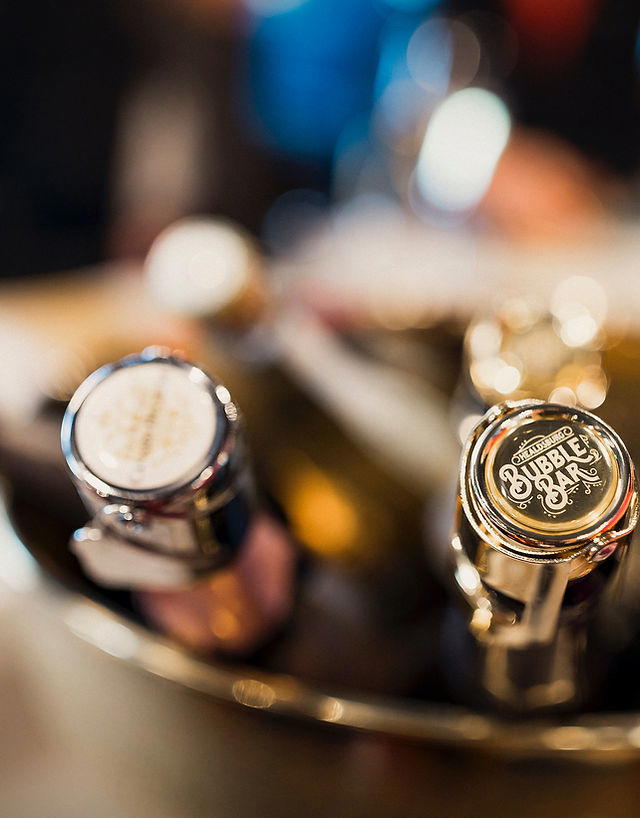
The sparkling wine category crystallizes this shift. Officially recognized as Espumoso de Calidad de Rioja DOCa, these wines reflect Rioja's ability to innovate while staying true to its heritage: precision, craftsmanship, and a deep respect for terroir.
Sparkling Rioja wines combine Rioja's classic strengths, altitude, cool nights, freshness, and meticulous winemaking, with the sophistication of the traditional method. The result: refined bubbles, long lees aging, and a style shaped as much by Rioja's terrain as by its technical precision.
For a region that built its reputation on still reds, the embrace of sparkling wine signals confidence, a willingness to expand the portfolio without abandoning the core.
Home to some of the country's most historic producers, many with centuries of winemaking behind them, Rioja today is also being reshaped by a new generation of growers and winemakers. These producers are rethinking established conventions, focusing more closely on vineyard expression, and exploring a broader range of styles than ever before. The result is a region of diversity, where classic and contemporary approaches sit side by side.
The technical contrasts are stark. Traditional Rioja winemaking relies on extended aging in American oak, often two to three years for Reserva, five or more for Gran Reserva, which imparts vanilla, coconut, and oxidative notes that define the house style of bodegas in Haro, the historic heart of the region.
The new guard is experimenting with French oak, concrete eggs, amphorae, and shorter aging regimes that prioritize fruit purity and mineral expression. Some are fermenting with native yeasts. Others are bottling single-vineyard cuvées that name the parcel and the soil type.
A few are forgoing oak entirely, releasing tempranillo that tastes more like Burgundy than Rioja.
This isn't rebellion for its own sake. The young winemakers driving this shift often come from families that own historic bodegas, they're not outsiders but inheritors, and their experiments are grounded in deep familiarity with Rioja's terroir.
They've seen the region's reputation plateau in international markets, watched Priorat and Ribera del Duero capture the attention of collectors, and concluded that Rioja's future depends on differentiation. If every Reserva tastes like every other Reserva, the region becomes a commodity.
If individual producers can articulate a distinct vision, this parcel, this vintage, this approach, Rioja becomes a destination for discovery.
The risk is fragmentation. Rioja's strength has always been consistency, a Gran Reserva from a reputable bodega delivers a recognizable profile, vintage after vintage. If the new generation abandons that predictability in pursuit of terroir expression, does the region lose its identity? Or does it gain a more nuanced one, where Haro's traditional bodegas coexist with experimental producers in Laguardia and Elciego, each serving a different segment of the market?
The sparkling wine category offers the clearest evidence that Rioja can innovate without losing its soul. Officially recognized as Espumoso de Calidad de Rioja DOCa, these wines reflect Rioja's ability to innovate while staying true to its heritage. Sparkling Rioja wines combine Rioja's classic strengths, altitude, cool nights, freshness, and meticulous winemaking, with the sophistication of the traditional method. The result: refined bubbles, long lees aging, and a style shaped as much by Rioja's terrain as by its technical precision.
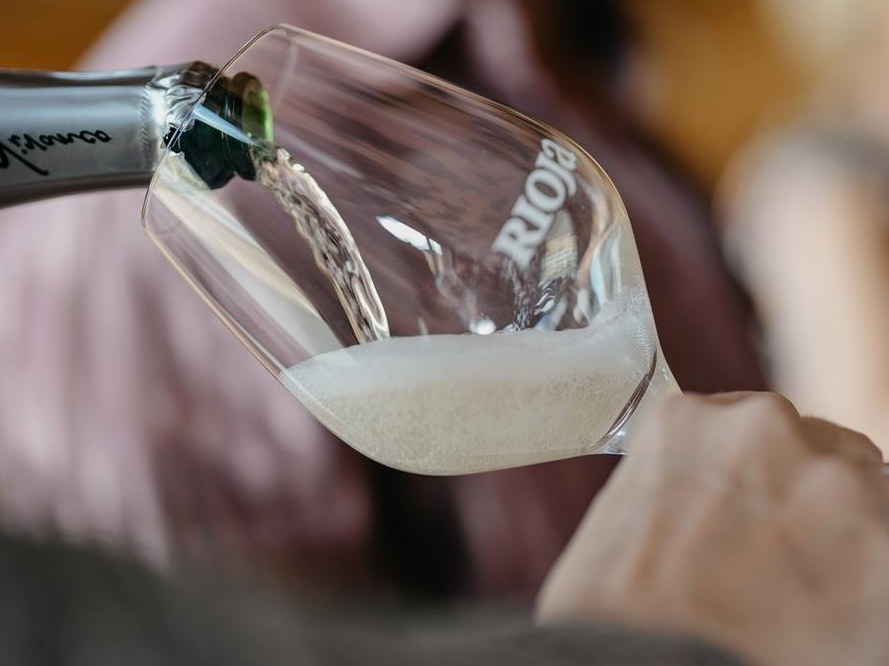
This process builds complexity, integrates the bubbles, and develops the toasty, brioche-like notes that distinguish traditional-method sparkling wines from tank-fermented alternatives. Rioja's elevation and cool nights provide the acidity necessary for sparkling wine, while the region's winemaking expertise ensures technical precision. The result is a sparkling wine that tastes unmistakably Riojan, structured, elegant, built for the table, but distinct from the region's still wines.
The official recognition matters. By creating a regulated category, Espumoso de Calidad de Rioja DOCa, the region's governing body has signaled that sparkling wine isn't a novelty or a side project but a legitimate expression of Rioja's terroir. This regulatory endorsement provides a framework for quality control, aging requirements, and labeling standards, ensuring that sparkling Rioja maintains the same level of rigor as the region's still wines. It's a calculated move, one that acknowledges market demand while protecting the region's reputation.
For collectors, sparkling Rioja represents an opportunity to buy into a category at its inflection point. Prices remain accessible compared to Champagne or Franciacorta, and the stronger producers are still refining their house styles. As production grows and international distribution expands, early adopters will have secured allocations from wineries that may become the region's sparkling benchmarks. The wines are built for aging, long lees contact and high acidity mean many will improve over five to ten years, but they're also approachable on release, making them versatile additions to a cellar.
Stretching roughly 75 miles from north-west to south-east along the Ebro Valley, Rioja's patchwork of terrain, climates, and soils play a central role in shaping its wines, making it far more complex than its traditional classifications alone might suggest. Rioja is traditionally divided into three sub-regions, each with distinct terroir characteristics that are becoming more pronounced as winemakers focus on vineyard expression over blending conventions.
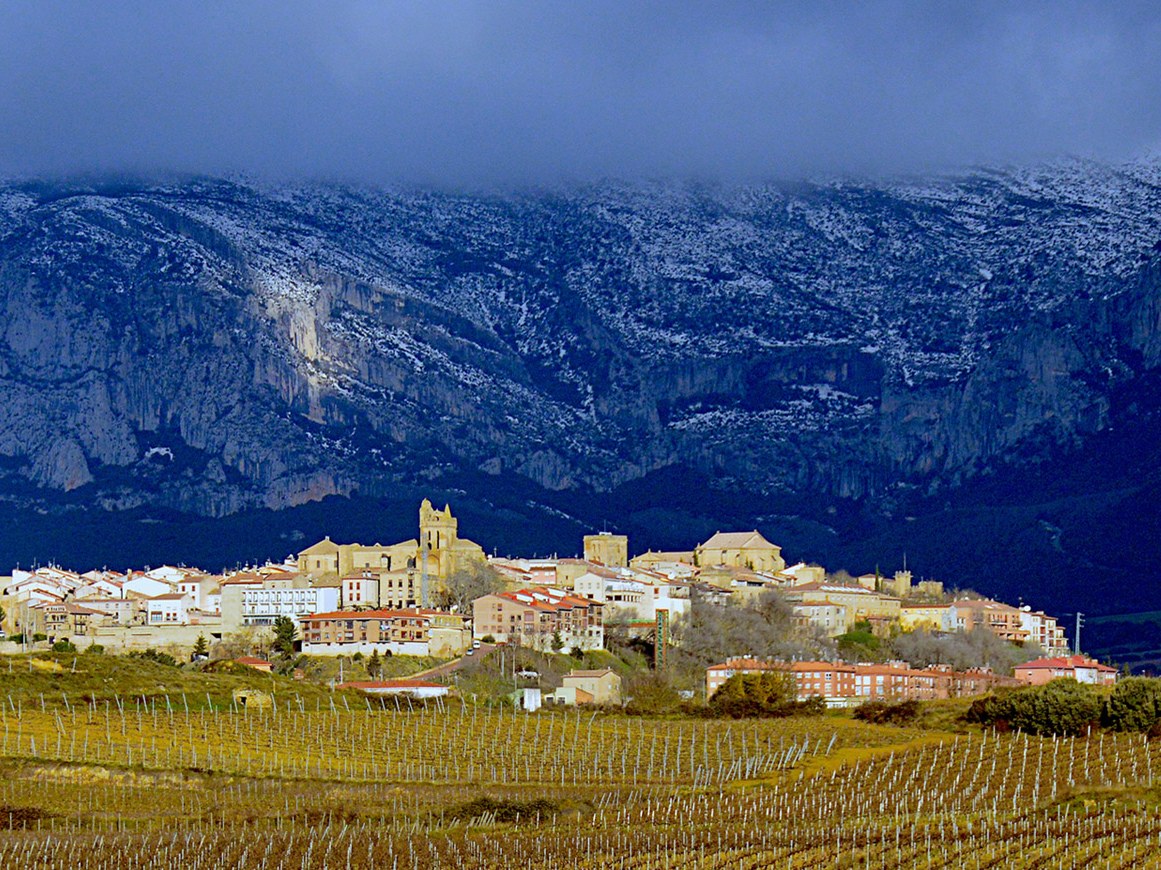
Rioja Alta, the western sub-region, is home to higher altitude vineyards, up to approximately 800 meters, influenced by Atlantic conditions. Wines tend to be fresher, more structured, and age-worthy. Haro remains the historic heart, home to many of the region's most famous bodegas.
The soils here are predominantly limestone and clay, which contribute to the wines' mineral backbone and aging potential. Rioja Alta's cooler climate and higher elevation make it ideal for tempranillo, which retains acidity and develops complex aromatics over long aging cycles.
The region's traditional bodegas, many of which have been operating for over a century, are concentrated in Haro, and their house styles define what most consumers think of as classic Rioja: American oak, extended aging, oxidative elegance.
Rioja Alavesa, the northern sub-region in the Basque Country, shares many similarities with Rioja Alta but often produces wines of notable purity, perfume, and precision, particularly around villages such as Laguardia and Elciego.
The soils here are clay-limestone, and the vineyards benefit from the same Atlantic influence that moderates temperatures and extends the growing season. Rioja Alavesa's wines tend to be more aromatic and less tannic than those from Rioja Alta, with a silkier texture and a focus on finesse over power.
The sub-region has become a magnet for young winemakers experimenting with minimal intervention and single-vineyard bottlings, drawn by the quality of the fruit and the region's reputation for precision.
Rioja Oriental, the eastern sub-region, is warmer and more Mediterranean, where garnacha thrives, producing fuller, riper styles. The soils here are more varied, alluvial deposits near the Ebro River, clay and gravel on the slopes, and the climate is drier and hotter than in the west.
Garnacha, which requires warmth to ripen fully, reaches its peak expression here, delivering wines with ripe red fruit, spice, and a rounder texture. Rioja Oriental has historically been undervalued, its wines blended into multi-regional cuvées to add body and alcohol.
But as the market's interest in garnacha has grown, driven in part by the success of Priorat and Grenache from the Rhône, Rioja Oriental is being reassessed. Producers are bottling single-vineyard garnachas that showcase the grape's potential for elegance and complexity, not just power.
Increasingly, however, producers are looking beyond these broad zone classifications and focusing on individual vineyards, soil types, and microclimates. The shift from sub-regional blending to parcel-specific bottlings is among the more significant changes in Rioja's winemaking culture. It's a move that aligns the region with global trends, Burgundy's climats, Barolo 's crus, Napa's AVAs, but it also represents a return to the pre-industrial model, when Rioja's wines were defined by the village and the vineyard, not by the bodega's house style.
The evidence suggests that Rioja's transformation is not a rejection of tradition but an expansion of it. The region's historic bodegas continue to produce Gran Reservas that taste exactly as they should, vanilla, leather, dried fruit, the unmistakable signature of American oak.
These wines remain the backbone of Rioja's export market and the foundation of its reputation.
But alongside them, a new category of wines is emerging: single-vineyard tempranillos that foreground minerality, old-vine garnachas from Rioja Oriental that challenge the region's tempranillo-centric identity, and sparkling wines that prove Rioja's terroir can support multiple expressions.
The key is that both models coexist. Collectors who want the reassurance of a traditional Reserva can still find it. Enthusiasts who want to explore Rioja's terroir diversity now have options that didn't exist a decade ago. The region's regulatory framework, often criticized for being too rigid, has adapted to accommodate innovation without abandoning quality control. The creation of the Espumoso de Calidad de Rioja DOCa category is proof that the governing body understands the need to evolve.
For travelers, this makes Rioja among the more compelling wine destinations in Europe. The region offers the full spectrum: historic bodegas in Haro where you can taste Gran Reservas from library vintages, experimental producers in Laguardia bottling single-parcel cuvées, and sparkling wine cellars where you can watch disgorgement and taste wines still on the lees. The terrain, rocky Cantabrian mountains to the north, the Sierra de la Demanda to the south, the Ebro Valley stretching east, provides the backdrop for a wine culture that is both deeply rooted and actively evolving.
The question isn't whether Rioja can innovate without losing its soul. The question is whether the market will reward that innovation. Collectors and enthusiasts who buy into Rioja's new generation now, while prices remain accessible and allocations are available, will be positioned to benefit as the region's reputation shifts. The wines are built for aging, the terroir is among Europe's leading, and the winemakers are committed to quality. The only risk is waiting too long.
If this is the kind of insider detail you look for in a glass, join the club, we'll keep pouring.
Get the App
Take the shortlist into the En Primeur Club app for concierge access, saved places, and the next step after discovery.
Get Exclusive AccessMore from the editors