← Guides
Andy Beckstoffer has moved beyond Napa. His Lake County Cabernet signals a rising region collectors should know before allocations tighten.
Andy Beckstoffer has moved beyond Napa. His Lake County Cabernet signals a rising region collectors should know before allocations tighten.
Beckstoffer's reputation was not built on marketing. It was built on dirt selection. Over several decades, he identified parcels in Napa Valley that other growers overlooked or undervalued, farmed them with exacting precision, and sold fruit exclusively to a short list of winery partners willing to pay for that precision. The resulting vineyard-designate bottlings, from producers ranging from Colgin to Schrader to Turley, became collector benchmarks. The To Kalon designation alone now functions as a quality signal that transcends any single producer who sources from it.
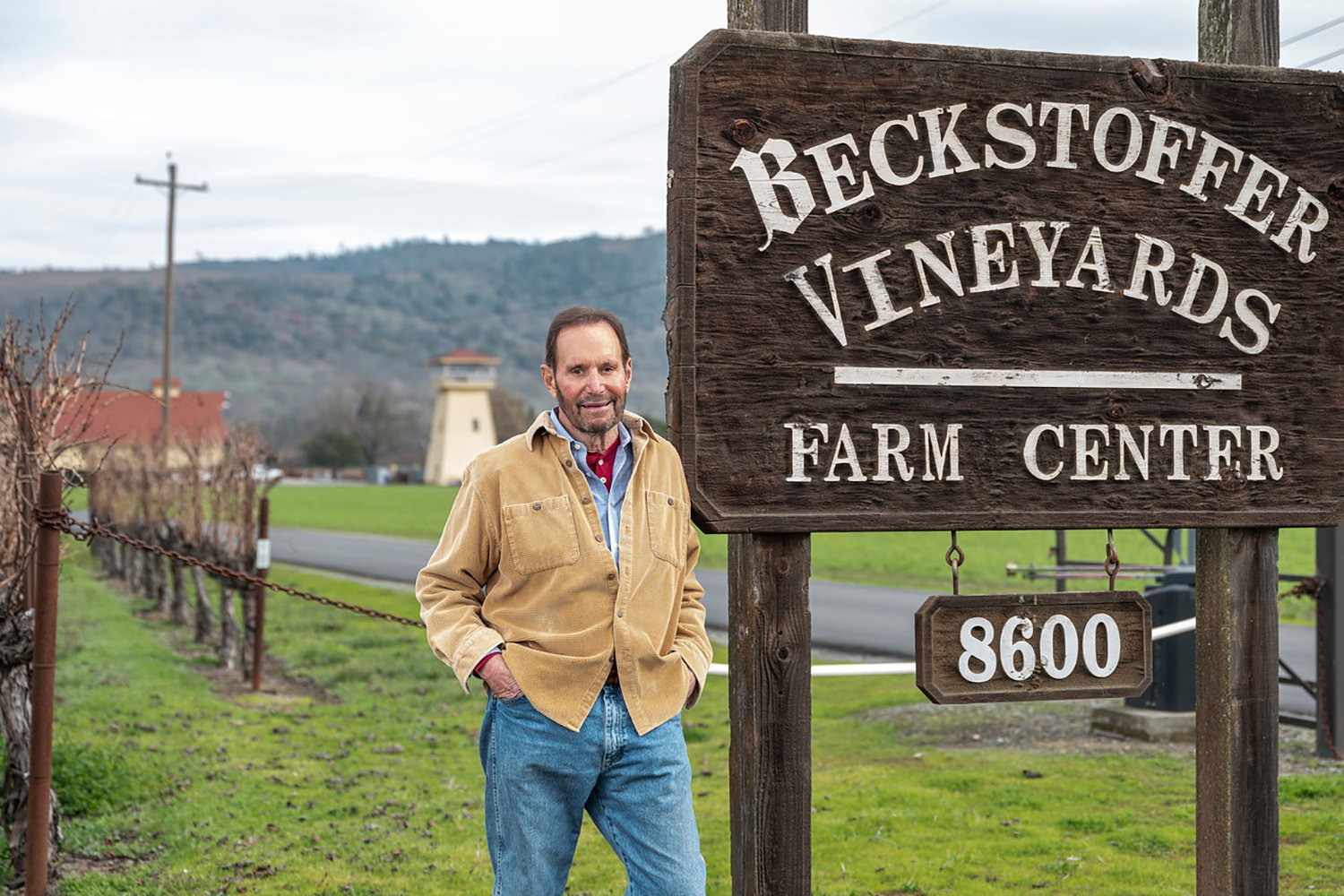
That history matters enormously when evaluating his Lake County move. This is not a viticulturist chasing volume or diversifying into a lower-tier appellation for commercial reasons. Beckstoffer's stated philosophy has always centered on the conviction that great Cabernet begins with great dirt. If he has identified Lake County sites worthy of his attention, the implication is that those sites meet the same threshold he applied to his Napa selections, not that he is lowering the bar.
For collectors who tracked the early years of his Napa vineyard designates, the parallel is instructive. Before To Kalon and Georges III became blue-chip names on the secondary market, they were simply well-farmed parcels that a small number of producers believed in. The window between a site's identification and its mainstream recognition is precisely where value lives, and that window, for Beckstoffer Lake County Cabernet, appears to be open right now.
The Cristaldi & Co. deep-dive piece, titled A Beckstoffer Deep Dive: California's Next Spot for Premium Cabernet Might Lie in Lake County, is the first extended critical treatment of these wines to reach a collector audience. The tasting notes and wine ratings sit behind a subscription, but the editorial framing is clear: this is not a curiosity tasting. It is a serious regional argument backed by serious wines.
Attribute | Beckstoffer Napa Valley (e.g., To Kalon) | Beckstoffer Lake County |
|---|---|---|
Elevation | Napa Valley floor (~200 to 400 ft) | Above 1,400 feet |
Soil Type | Alluvial valley floor | Volcanic high-elevation |
Cabernet Style | Rich, ornate, full-bodied | Structurally fresh, mineral, high-acid |
Diurnal Swing Intensity | Moderate | High |
Collector Recognition | Blue-chip, established secondary market | Early-stage, pre-mainstream recognition |
Historical Use of Fruit | Vineyard-designate bottlings from inception | Region historically used for bulk blending |
Notable Winery Partners | Colgin, Schrader, Turley | Emerson Wines (AtLarge), B Cellars (Crimson Veil), Obsidian Ridge |
Current Value Window | Closed, prices reflect established status | Open, between identification and mainstream recognition |
Lake County sits north and east of Napa Valley, separated by the Mayacamas range, and it has spent most of its modern wine history in Napa's shadow. That proximity has been a double-edged asset: close enough to benefit from the same winemaking talent pool and distribution networks, far enough to develop a distinct identity that Napa's floor vineyards cannot replicate.
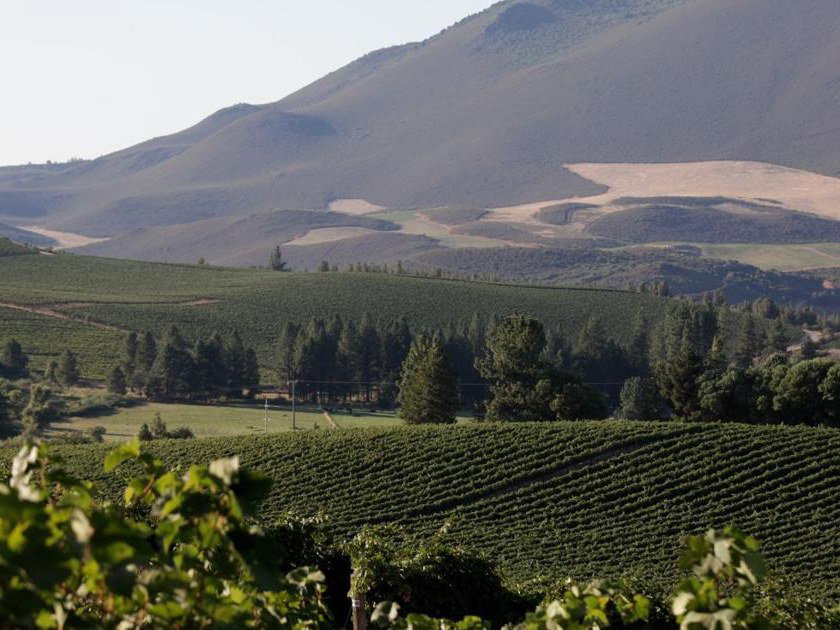
The key differentiator is elevation. Many of Lake County's premium sites sit above 1,400 feet, considerably higher than the Napa Valley floor, and that altitude drives a diurnal temperature swing that Napa's warmer, lower-elevation blocks simply do not experience at the same intensity. Nights turn cold even in August. Grapes retain acidity through a longer hang time. The result is Cabernet Sauvignon with a structural freshness that reads differently on the palate than the richer, more ornate profile that defines benchmark Napa floor wines.
Beckstoffer's two named Red Hills AVA sites, Amber Knolls and Crimson Ridge, sit squarely within this high-elevation volcanic band. Both vineyards share the fractured volcanic soils and the sharp diurnal swings that define the sub-appellation's best parcels, yet they express those conditions with their own distinct character. Amber Knolls tends toward darker fruit and a firmer tannic spine at release; Crimson Ridge delivers a slightly more open mid-palate alongside that same mineral tension. The differences are the kind that reward a vertical rather than a single bottle, and they are the reason Beckstoffer ran a vineyard-designate project from 2016 to 2018 with partner winemakers specifically to document and showcase what each site could produce on its own terms.
That terroir profile is precisely what makes Beckstoffer's interest credible. His Napa sites are not chosen for their ease of farming, they are chosen for their capacity to produce Cabernet with genuine structural complexity. Lake County's high-elevation volcanic sites offer a different but equally compelling version of that complexity. The freshness and mineral tension that the altitude and soils deliver are not consolation prizes for not being Napa. They are the point.
Despite that structural argument, Lake County spent much of the 1990s and 2000s supplying bulk fruit to large Central Valley blending operations. The economics were direct: land was cheaper than Napa, yields were manageable, and the fruit was good enough to disappear into a blend without embarrassing anyone. That bulk-supply history left a residual perception problem that the region's premium producers have spent the better part of two decades trying to correct.
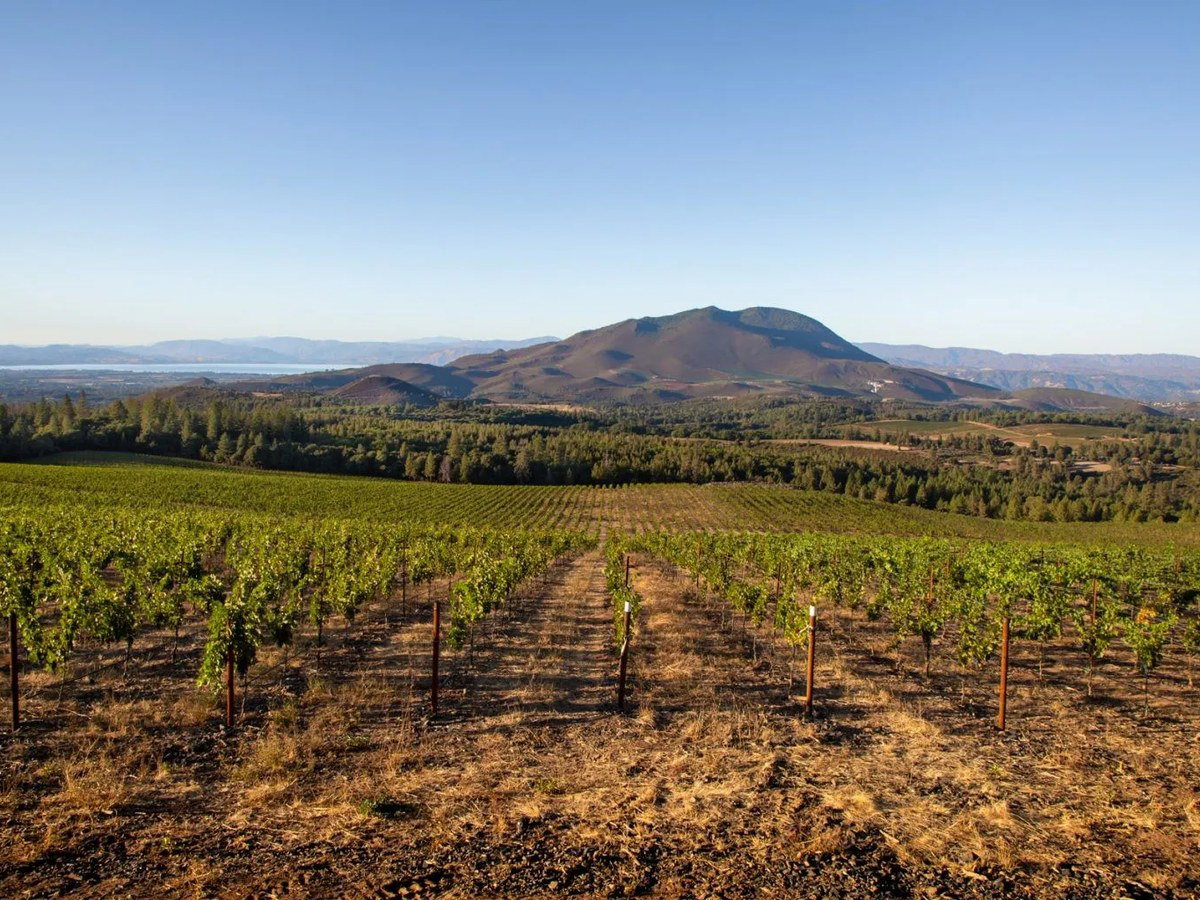
The correction has been slow but measurable. A generation of estate producers, farming their own high-elevation parcels, limiting yields, and bottling under Lake County or Red Hills appellations rather than selling to négociants, has gradually shifted the critical conversation. Scores have climbed. A handful of bottlings have broken through to national distribution. But the region has lacked a gravitational center, a single name or site that functions the way a grand cru designation functions in Burgundy, pulling critical attention and collector interest into alignment.
Beckstoffer's involvement has the potential to serve that function. His name is not merely a brand signal, it is a quality guarantee backed by a documented track record. Producers who source Beckstoffer fruit do not do so because it is available; they do so because the farming standards attached to that fruit are non-negotiable. When those standards are applied to Lake County's best volcanic sites, the wines that result carry an implicit credential that the region's estate producers, however talented, have struggled to communicate to a collector audience still anchored to Napa.
One of the defining features of Beckstoffer's business model, in Napa and, by extension, in Lake County, is that he does not sell fruit on the open market. Winery partners are selected, not self-selected. That curatorial approach means the list of producers working with Beckstoffer Lake County fruit is short by design, and that shortness is itself a signal.
The current cohort is small and deliberately assembled. Keith Emerson, the same winemaker behind Vineyard 29 in Napa, sources Amber Knolls fruit for his Emerson Wines project, releasing it under the AtLarge label as a vineyard-designate Cabernet Sauvignon. Kirk Venge at B Cellars works with Beckstoffer Crimson Ridge, producing a vineyard-designate Cabernet under his Crimson Veil label. And Peter Molnar at Obsidian Ridge farms his own Red Hills volcanic site, bringing an estate perspective to the same volcanic terroir that Amber Knolls and Crimson Ridge sit within. Three producers, two named Beckstoffer vineyards, one sub-appellation, the arithmetic of scarcity is already established.
That these particular winemakers are the ones Beckstoffer chose to showcase his Lake County sites is not incidental. Emerson's Napa track record at Vineyard 29 speaks directly to his ability to work with high-pedigree fruit at small production volumes. Venge's family name has been attached to particularly cellarworthy California Cabernet of the past three decades. Molnar's estate focus at Obsidian Ridge adds a different dimension, the perspective of a producer whose entire identity is tied to Red Hills volcanic terroir, with no Napa safety net to fall back on. Together, they form a cohort that is making the regional argument in the glass rather than on a label.
For collectors, that curation matters as much as the terroir argument. In a region where quality is still uneven and producer reputations are still being established, a Beckstoffer sourcing relationship functions as a de facto quality tier, a way of identifying which Lake County bottles are worth cellaring before the broader critical apparatus catches up. The tasting author's assessment, that these were among the stronger Lake County wines they had encountered across a long history with the region, suggests that the current cohort of Beckstoffer-partnered producers is delivering on that promise.
The comparison to Napa is inevitable, and it is also, ultimately, the wrong frame. Lake County Cabernet does not taste like Napa Cabernet, and it should not. The two regions are producing structurally different wines from structurally different sites, and the collector who approaches Lake County expecting a Napa surrogate will miss what makes the region worth tracking on its own terms.
Napa Valley's benchmark Cabernets, particularly those from the Oakville and Rutherford floor, are defined by their density and generosity. The warm days, the deep alluvial soils, and the long growing season produce fruit with high natural sugar, soft tannins at maturity, and a plush mid-palate that makes the wines approachable young while still rewarding extended cellaring. That combination of immediate pleasure and long-term development is what drove Napa's rise to global benchmark status, and it is what collectors pay a premium to access.
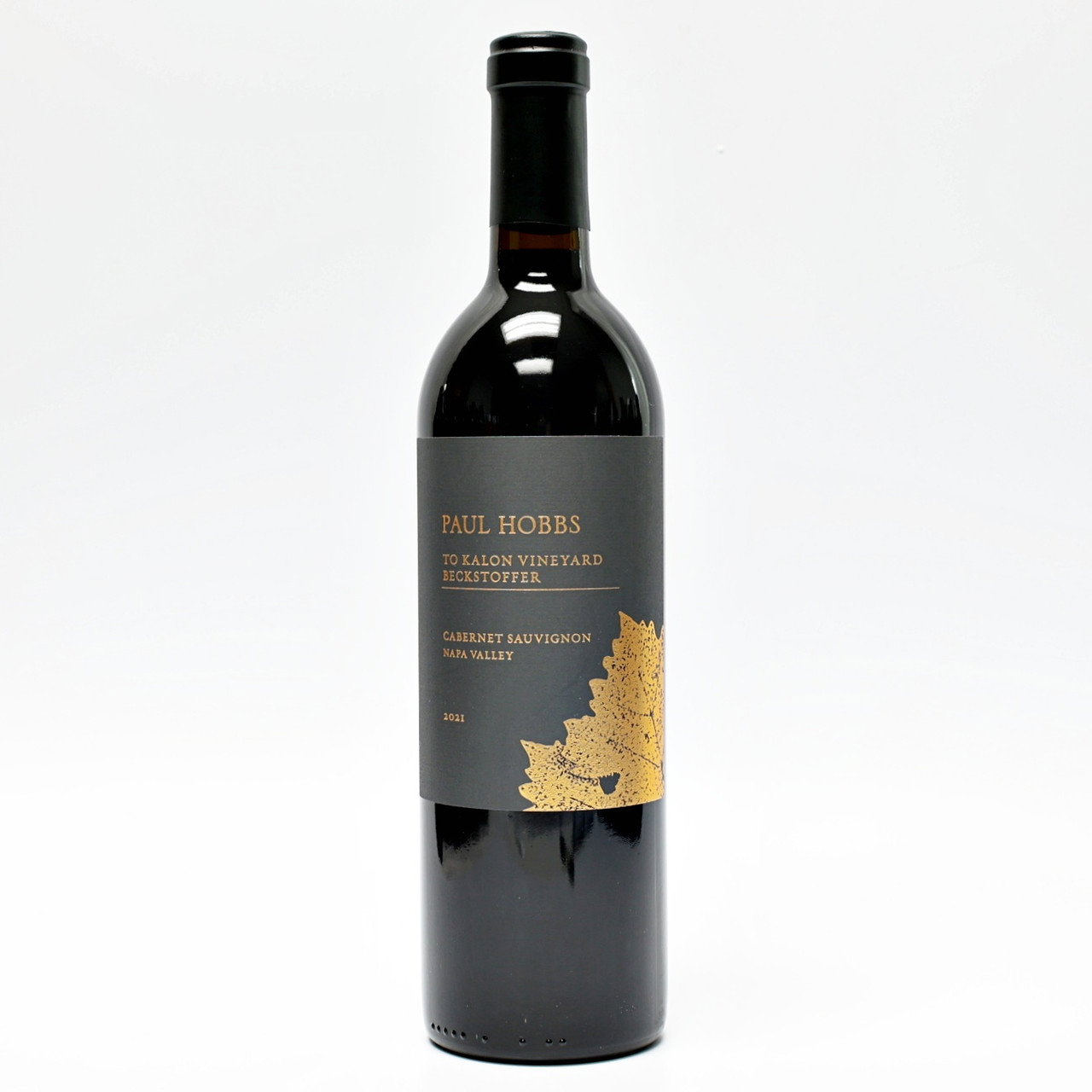
Lake County's high-elevation volcanic sites produce a different kind of Cabernet. The cooler nights and thinner soils push the grape toward darker fruit, blackcurrant and black cherry rather than the red plum and cassis of warmer Napa blocks, with a more pronounced mineral edge and higher natural acidity. The tannins tend to be firmer at release, which means these wines often need more time in the cellar before they open up. That is not a flaw; it is a structural characteristic of the terroir, and it is precisely what makes them interesting to collectors who think in decades rather than years.
The price differential is also real, though it is narrowing. Lake County Cabernet from premium producers has historically traded at a significant discount to comparable Napa bottlings, a function of the region's bulk-supply history and its lower name recognition among mainstream buyers. That discount creates the early-mover opportunity.
As Beckstoffer's involvement raises the region's critical profile and as the Cristaldi & Co. tasting generates collector attention, the gap between Lake County and Napa pricing for genuinely premium fruit is likely to compress. The collectors who establish their allocations now are doing so before that compression fully plays out.
What Lake County offers, at its best, is not Napa at a lower price. It is a distinct Cabernet experience, more structured, more mineral, more demanding of patience, that complements rather than competes with the Napa bottles already in your cellar. A vertical of Beckstoffer-sourced Lake County Cabernet sitting alongside a vertical of his Napa designates would tell two different but equally coherent stories about what California Cabernet can be.
The collector argument for Lake County Cabernet is strong enough to stand on its own, but the region also rewards a visit in ways that Napa, with its traffic, its tasting fees, and its increasingly resort-oriented hospitality infrastructure, no longer reliably delivers. Lake County is a working agricultural region. The tasting rooms are smaller, the winemakers are more accessible, and the terrain, volcanic peaks, Clear Lake's shoreline, and hillside vineyards largely free of the weekend crowds that clog Highway 29, has a rawness that Napa traded away sometime in the late 1990s.
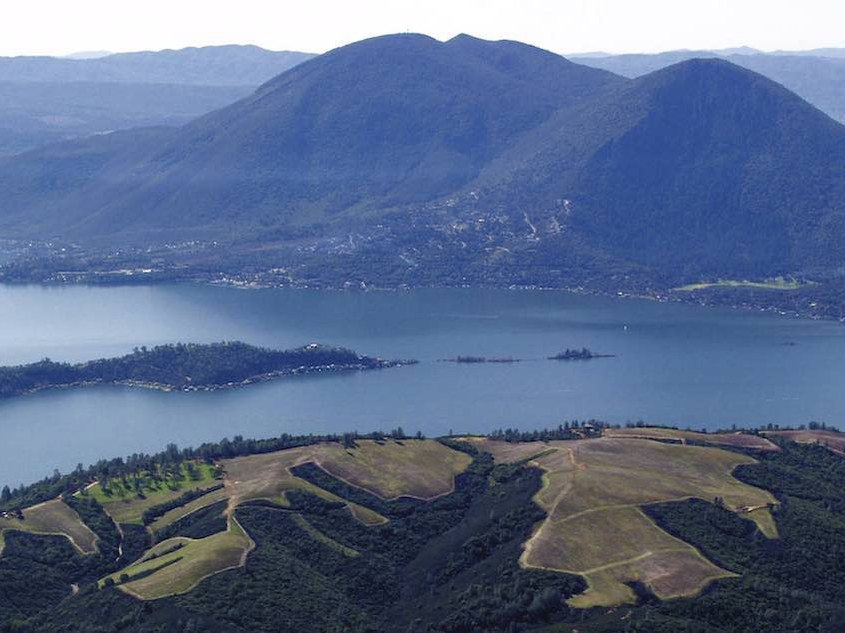
Clear Lake itself is the dominant geographic feature, and it shapes the region's microclimate in ways that are still being fully understood. The lake moderates temperatures, stores heat overnight, and creates a humidity buffer that reduces frost risk in spring, a practical advantage for growers farming at elevation where cold snaps can be damaging. The volcanic peaks surrounding the lake, including Mount Konocti, are a constant visual reminder of the geological forces that produced the soils Beckstoffer and his farming partners are now working with.
For the wine traveler who has done Napa and Sonoma and is looking for a California wine experience that feels less produced, Lake County offers a compelling alternative itinerary. The drive from Napa takes under two hours. The Red Hills sub-appellation, where many of the region's premium producers are concentrated, sits at the southern end of the county and offers a logical base for a two-day exploration. Harvest season, typically running from late August through October at the higher elevations, is the preferred travel window, when the volcanic soils are at their most visually dramatic and the winemakers are in the cellar and willing to talk.
Pairing the visit with a stop at one of the producers working with Beckstoffer fruit, Obsidian Ridge's Red Hills estate is a natural anchor point, and both Emerson Wines and B Cellars are worth reaching out to directly about visits, would give the trip a collector's focus that a general Napa itinerary rarely achieves. These are not large production facilities with choreographed tasting experiences. They are working wineries where the conversation tends to start with the vineyard and stay there.
The honest answer is that the evidence points in one direction, but the window is time-sensitive. Beckstoffer's involvement in Lake County is not a rumor or a speculative bet, it is documented by a formal media tasting, covered in depth by Cristaldi & Co., and assessed by a taster with an established critical history in the region. The verdict from that tasting was unambiguous: the wines ranked among the stronger Lake County has produced.
That assessment, from a credible source with regional context, is the kind of signal that precedes a broader critical re-evaluation. When Beckstoffer's Napa vineyard designates began attracting serious collector attention in the late 1990s and early 2000s, the early buyers were not acting on mainstream consensus, they were acting on the same kind of informed, ahead-of-the-curve assessment that the Cristaldi & Co. piece represents for Lake County today. The mainstream consensus, when it arrives, tends to arrive in the form of higher prices and tighter allocations.
The practical implication is direct: identify the producers working with Beckstoffer Lake County fruit and establish relationships with them before the allocation windows tighten. Keith Emerson's AtLarge Amber Knolls Cabernet and Kirk Venge's Crimson Veil from Beckstoffer Crimson Ridge are the two vineyard-designate releases to prioritize, both exist in small quantities and are produced from sites that Beckstoffer identified and began showcasing as early as 2016. Peter Molnar's Obsidian Ridge rounds out the Red Hills picture with an estate perspective that adds critical depth to any comparative cellar position across the sub-appellation.
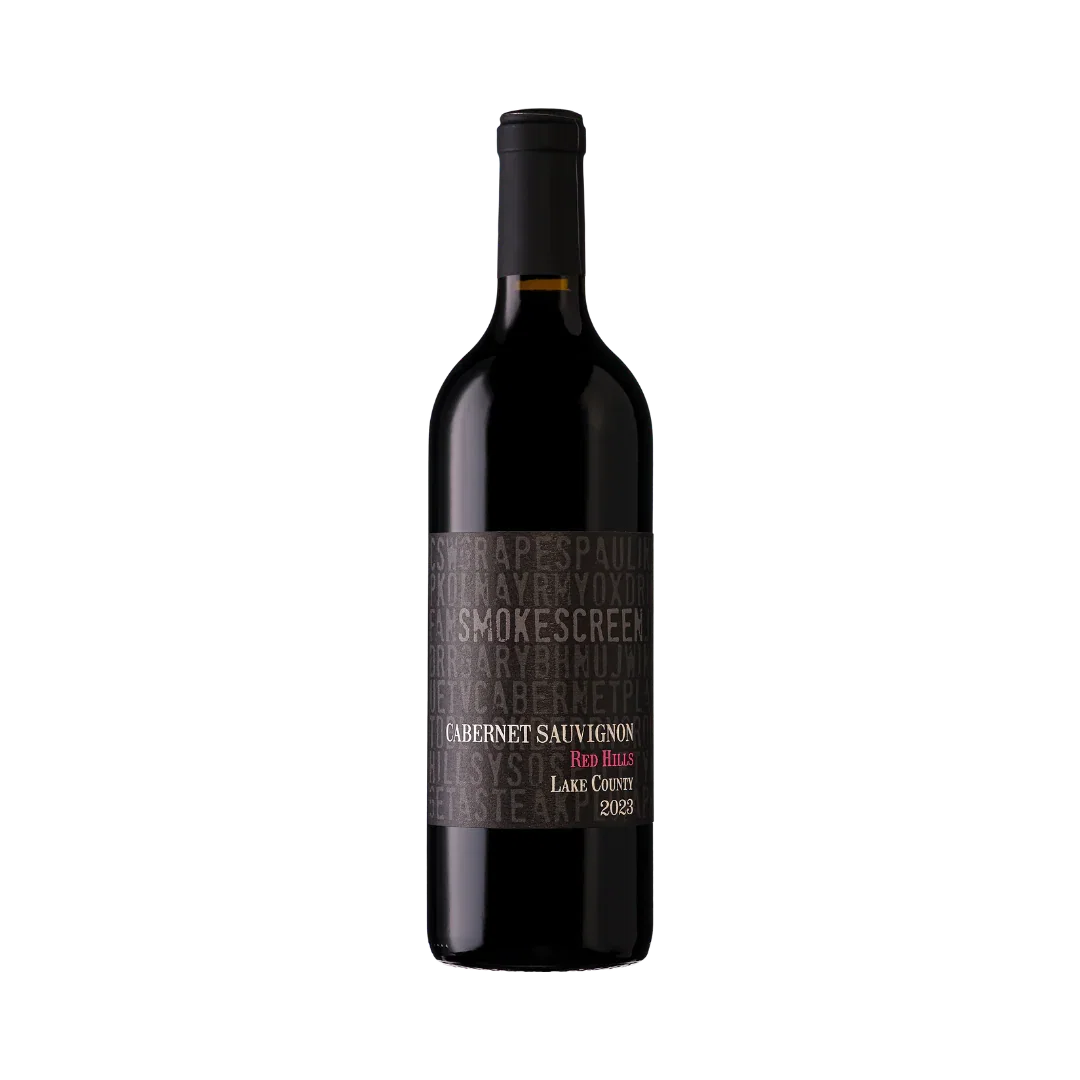
Lake County's production volumes at the premium tier are small. The producers Beckstoffer selects as partners are not selling fruit to large négociant operations; they are making limited quantities of estate-level wine from sites that meet his farming standards.
When collector demand catches up to critical recognition, those allocations will not expand to meet it.
The broader argument for Beckstoffer Lake County Cabernet is not that it will replace Napa in your cellar. It is that it will earn its own shelf, as a structurally distinct, terroir-driven California Cabernet from a region whose best sites are only now receiving the critical attention they have long merited. Beckstoffer identified those sites, Amber Knolls and Crimson Ridge among them. The producers he chose to work with are making the case in the glass. The Cristaldi & Co. tasting confirms it. What happens next depends on how quickly the collector community connects those dots.
The Cristaldi & Co. deep-dive on Beckstoffer's Lake County wines arrives at a moment when the region's premium producers have more critical momentum than at any point in the past two decades. The bulk-supply stigma is fading. The Red Hills sub-appellation is gaining traction with sommeliers who have grown up on Napa and are actively looking for structured California Cabernet at a price point that allows them to pour by the glass without anxiety. And now, with Beckstoffer's name attached to Lake County fruit in a formal critical context, the region has the gravitational center it has been missing.
Whether Lake County ultimately develops the kind of collector infrastructure, the auction presence, the secondary market depth, the international name recognition, that defines Napa's position at the summit of the California Cabernet hierarchy is a question that will take another decade to answer. But the direction of travel is clear. The terroir is there. The farming standard, under Beckstoffer's involvement, is there. The critical validation, via Cristaldi & Co., is arriving. For collectors who prefer to act on evidence rather than consensus, that combination is the signal worth acting on.
What makes Beckstoffer Lake County Cabernet different from his Napa Valley wines?
Beckstoffer Lake County Cabernet comes from high-elevation sites above 1,400 feet, including the named Red Hills AVA vineyards Amber Knolls and Crimson Ridge, which produce a structurally fresh, mineral-driven style with retained acidity, distinct from the richer, more ornate profile of his Napa Valley floor vineyards. The volcanic soils and intense diurnal temperature swings deliver complexity through a different lens, not a lesser one.
Why is now considered a good time to buy Beckstoffer Lake County Cabernet?
The window between a site's identification and its mainstream recognition is where collector value is created, and that window appears to be open right now for Beckstoffer Lake County Cabernet. His Napa designates like To Kalon and Georges III were once simply well-farmed parcels before becoming blue-chip secondary market names, the Lake County expansion draws a direct parallel to those early years. Beckstoffer began his vineyard-designate project with partner winemakers as early as 2016, meaning the sites have a track record, but one that has not yet fully translated into mainstream collector pricing.
How does Andy Beckstoffer select vineyard sites?
Beckstoffer's site selection is grounded in the conviction that great Cabernet begins with great dirt, not marketing or commercial volume considerations. He identifies parcels that other growers overlook or undervalue, then farms them with exacting precision, selling fruit exclusively to a short list of winery partners willing to pay for that standard. In Lake County, that process led him to Amber Knolls and Crimson Ridge in the Red Hills AVA, and to partners including Keith Emerson of Emerson Wines and Kirk Venge of B Cellars.
Why has Lake County Cabernet been overlooked despite its terroir potential?
Through the 1990s and 2000s, Lake County was primarily a bulk-fruit supplier to large Central Valley blending operations, where cheaper land and manageable yields made it economically attractive for anonymous blending rather than premium single-vineyard production. That bulk-supply history created a residual perception problem that premium producers, including Beckstoffer and estate growers like Peter Molnar at Obsidian Ridge, are now working to overcome.
Where can I read the full tasting notes and ratings for Beckstoffer Lake County Cabernet?
The extended critical tasting notes and wine ratings appear in the Cristaldi & Co. deep-dive piece titled 'A Beckstoffer Deep Dive: California's Next Spot for Premium Cabernet Might Lie in Lake County,' which is available behind a subscription. It is described as the first serious collector-focused treatment of these wines, framed as a regional argument backed by substantive wines rather than a curiosity tasting.
Get the App
Take the shortlist into the En Primeur Club app for concierge access, saved places, and the next step after discovery.
Get Exclusive AccessMore from the editors