← Guides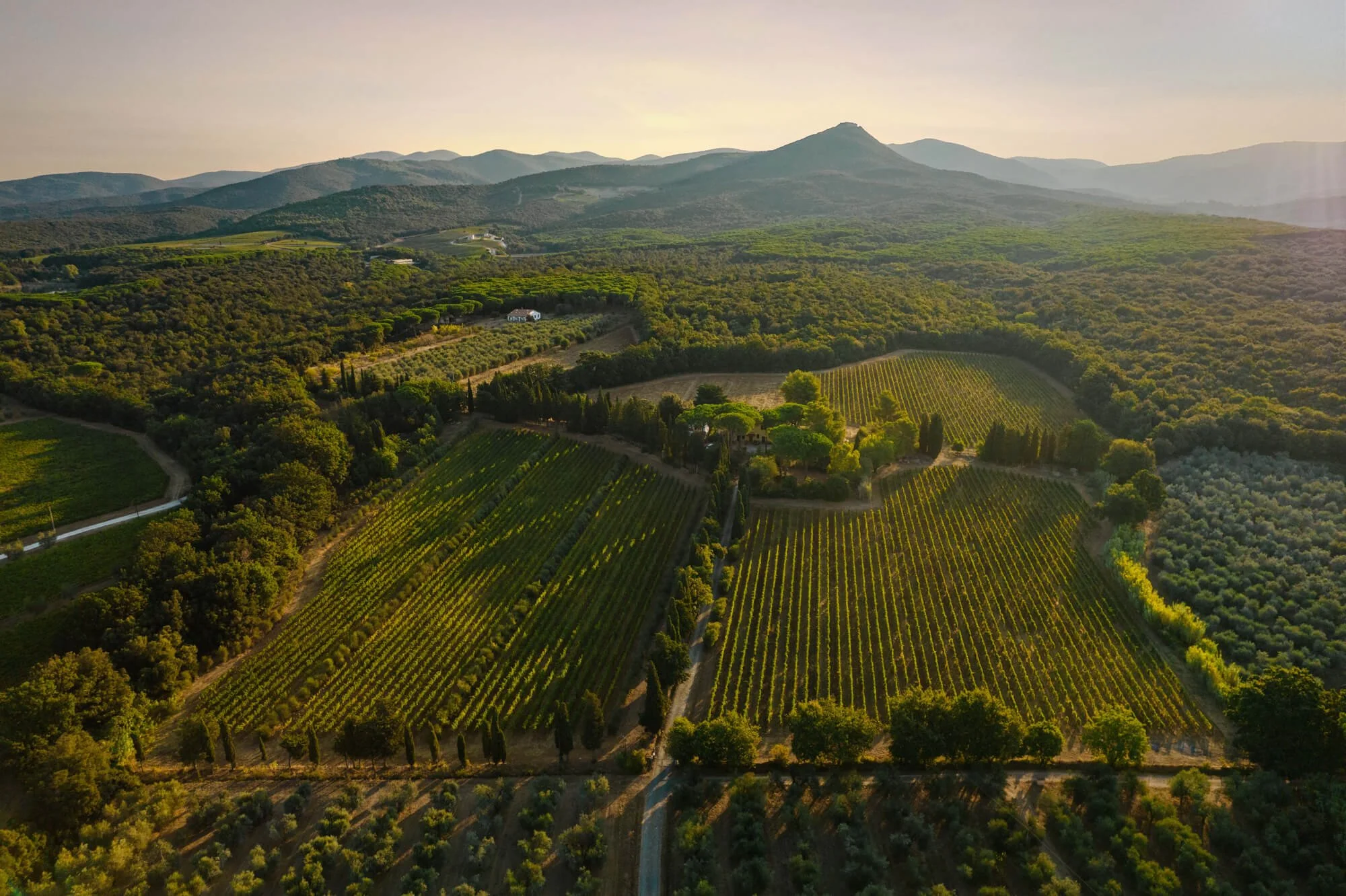.jpg)
In 1996, Angelo Gaja left Barbaresco behind and gambled on coastal Tuscany. Thirty years on, Ca'Marcanda is rewriting what Bolgheri can be.
In 1996, Angelo Gaja left Barbaresco behind and gambled on coastal Tuscany. Thirty years on, Ca'Marcanda is rewriting what Bolgheri can be.
In 1996, Angelo Gaja, the man who had already remade Barbaresco in his own image, quietly purchased land in Bolgheri, a coastal Tuscan zone that most serious wine buyers still associated more with beach holidays than Cabernet Sauvignon. Piedmont loyalists were baffled. Gaja had spent decades establishing Nebbiolo as Italy's answer to Burgundy's Pinot Noir; why would he pivot to Bordeaux varieties on the Tyrrhenian coast? His daughter Gaia now answers that question with a smile: her father, she jokes, could be accused of 'cheating on Nebbiolo with Cabernet.' Thirty years on, the Ca'Marcanda estate spans 120 hectares, produces four labels across two colour categories, and has pioneered a biocontrol pest-management programme now adopted by around 120 producers across Italy. The gamble, it turns out, was never a gamble at all.
That openness was precisely the point. As Gaia Gaja describes it, Bolgheri offered something Piedmont, for all its greatness, could not: a blank page. 'Stylistically there were no preconceptions; it's the new world of Italy,' she has said. For a winemaking family whose every decision in Barbaresco was weighed against decades of precedent, that freedom was not a risk, it was a resource. Angelo Gaja arrived in Bolgheri approximately ten years after those founding Super Tuscan names, but the timing gave him the advantage of watching what worked before committing.
The Ca'Marcanda project began in 1996, and from the outset Angelo approached it with the same systematic rigour he had applied to Barbaresco. He engaged university professors, entomologists, botanists, and geologists to study the land before the first vines were trained. That instinct, treat the terroir as a scientific question before it becomes a winemaking one, would define Ca'Marcanda's character for the next three decades, and it is the instinct that Gaia has carried forward into her own generation's stewardship.
The Gaja name had been synonymous with Piedmont since the nineteenth century. Angelo's work in Barbaresco, single-vineyard bottlings, early adoption of small French oak, the controversial declassification of single-vineyard wines to Langhe Nebbiolo in the 1990s, had made the family estate a reference point for Italian fine wine globally. Against that backdrop, a move into coastal Tuscany read, to some, as distraction.
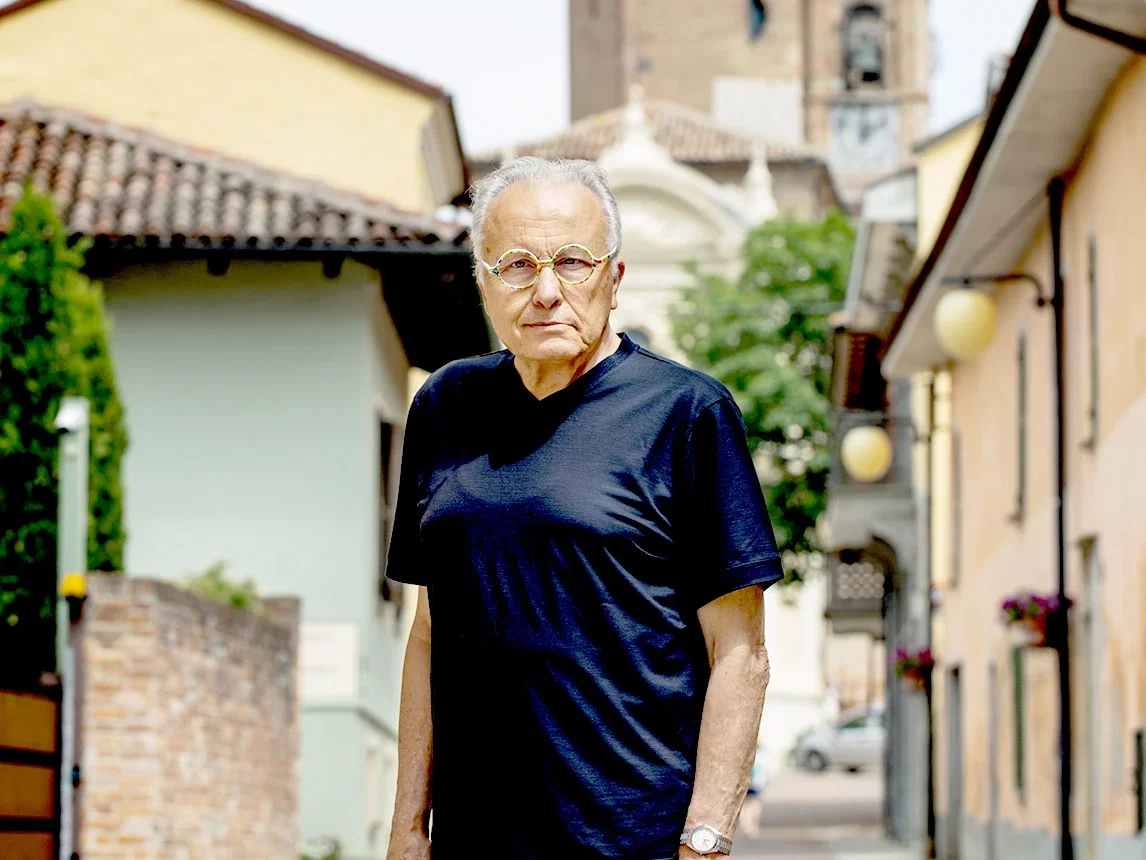
What those critics missed was that the Gaja family had never been a single-estate operation in spirit, even when it was one in practice. The curiosity that drove Angelo to bottle single-vineyard Barbaresco when the fashion was for blended Barolo was the same curiosity that pulled him south toward Bolgheri's Cabernet-friendly soils.
The family's estates today span three Italian regions: Piedmont, with Barbaresco, Barolo, and Alta Langa; Tuscany, with Ca'Marcanda in Bolgheri and Pieve Santa Restituta in Montalcino; and Sicily, with Idda on Etna.
That geographic arc, from the fog-bound Langhe to the volcanic slopes of Etna, is the biography of a family that treats Italian wine as a living question rather than a settled answer.
Bolgheri's geology made it a particularly compelling one. The influence of the Metalliferous Hills, historically mined for copper, iron, marble, and limestone, gives the soils a mineral complexity that is still being mapped. Recent zoning studies have identified around 27 different soil types across the appellation, from sandy coastal profiles to clay-heavy, mineral-rich ground further inland. As Gaia has acknowledged, the future of Bolgheri will still hold surprises. That is not a concern for the Gaja family; it is an invitation.
Here I grew a lot thanks to the experiments at Ca'Marcanda… It is a philosophy of doing, of being hands-on1
Gaia Gaja, Fifth-generation Family Member / Co-decision Maker1
The 120-hectare estate produces four labels. Promis and Magari are the entry and mid-tier reds, drawing on the full palette of international varieties planted across the estate: Cabernet Sauvignon, Cabernet Franc, Merlot, Petit Verdot, Syrah, and Sangiovese. Vistamare is the estate's white blend. And then there is Camarcanda, the flagship, produced from the estate's best plots, and the wine through which the Gaja family's Bolgheri ambition is most legibly expressed.
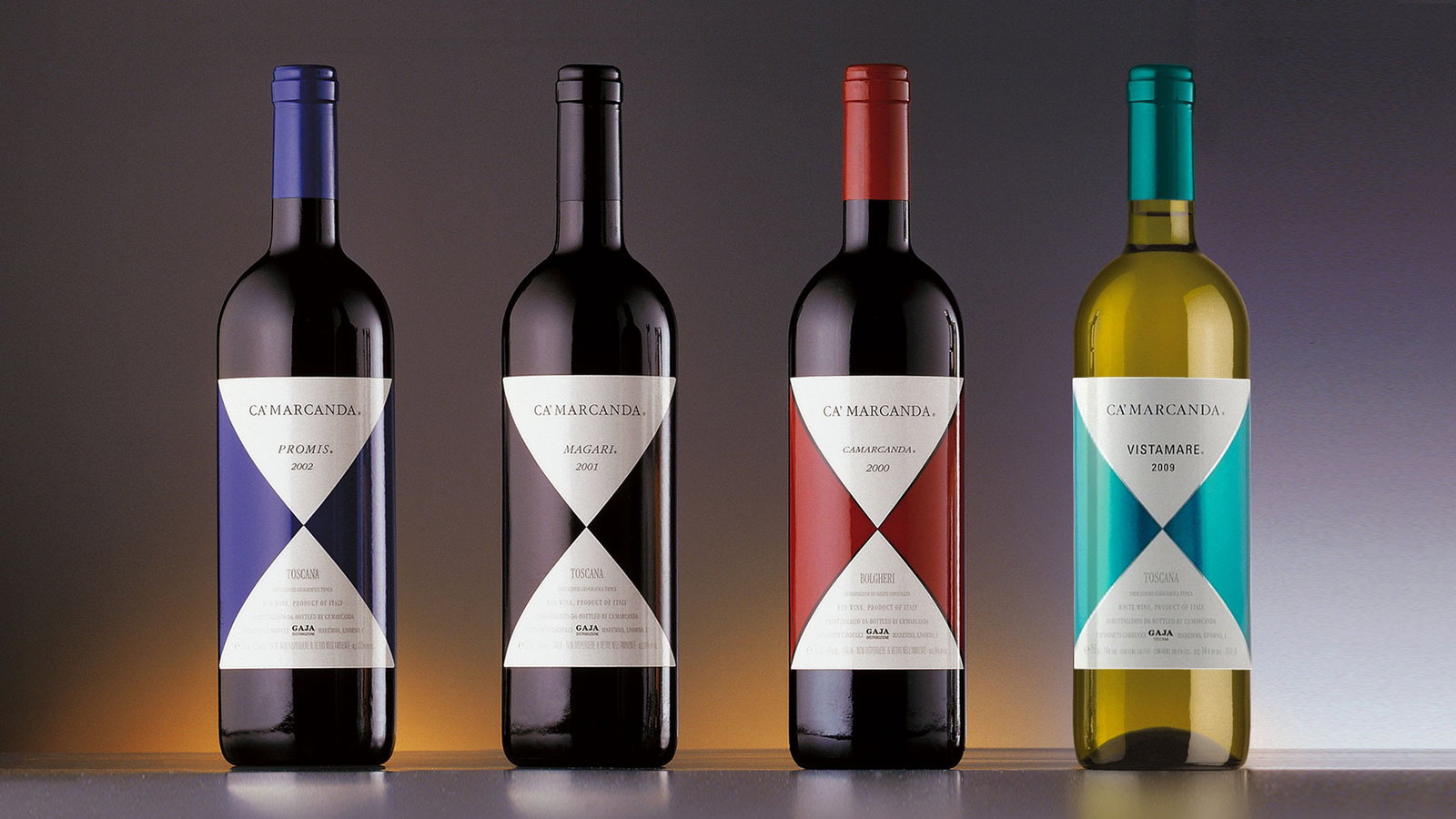
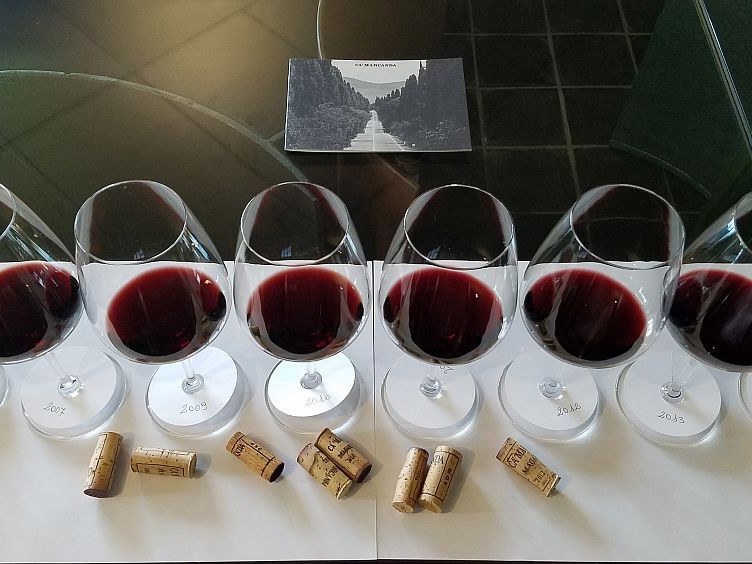
Camarcanda's evolution tells a story about climate as much as winemaking philosophy. In its early vintages, Merlot played a significant role in the blend, the 2007, tasted at a recent anniversary vertical spanning 2000 to 2023, showed the variety's dominance clearly, with blueberry and toffeed mocha notes that are unmistakably Merlot's signature.
But after the heat of the 2015 vintage, Merlot was removed from the Camarcanda blend entirely. Today it is a Cabernet Sauvignon-driven wine with Cabernet Franc completing the picture. The 2016, the first post-Merlot vintage to show real bottle age, runs savoury and fresh, with blood orange, pomelo grapefruit, rosemary, and clove.
The 2021 brings dried cherry, sous bois, and a structural precision that reflects both the cooler year and the leaner, more Franc-inflected blend.
That vertical, covering Camarcanda from 2000 through 2023, is as close as you can get to reading the climate record of coastal Tuscany in a glass. The 2000 still carries warmth from what was a generous vintage, but with a saline freshness that speaks to Bolgheri's proximity to the sea. The 2020 offers sweet cherries and Mediterranean scrub, lavender, rosemary, pine, with chalky tannins. The 2023 is supple and medium-bodied, floral with iris and lavender, crunchy red cranberry fruit lifting the finish. Each wine is a different argument for the same terroir.
Since 2012, the three siblings of the family's fifth generation, Gaia among them, have tasted and decided each week alongside the winemaker. Angelo Gaja remains involved in key viticultural decisions, but the day-to-day intellectual energy of Ca'Marcanda now runs through the next generation. And nowhere is that energy more visible than in the estate's approach to climate adaptation.
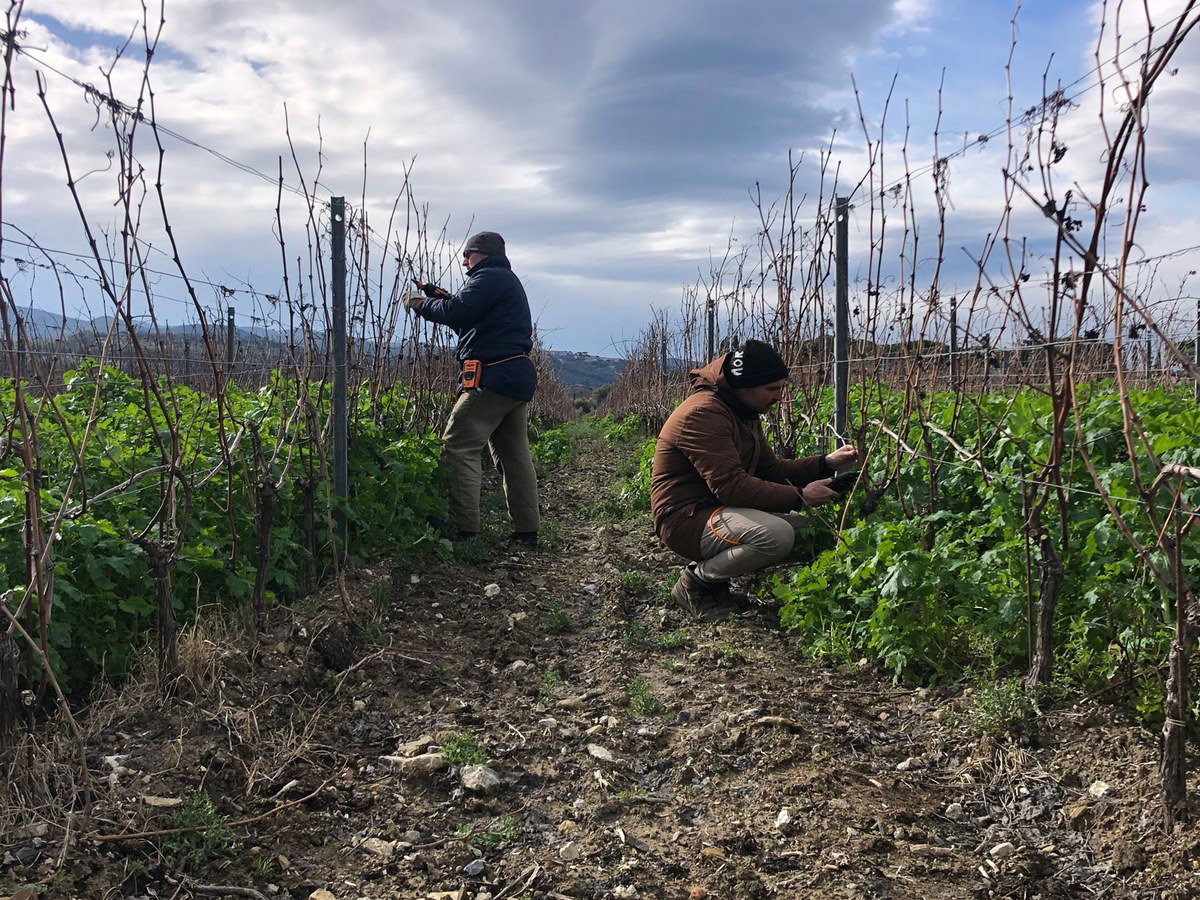
The work that most clearly signals where Angelo Gaja's Ca'Marcanda is heading began with a collaboration with Professor Andrea Lucchi of the University of Pisa. The two parties undertook an extensive study of insect behaviour in the vineyard, not to eliminate insects, but to understand them well enough to deploy them strategically.
The result was the development of what the estate calls 'smart bugs': beneficial insects used to tackle vineyard pests without synthetic intervention. The programme, which began at Ca'Marcanda, has since been adopted by around 120 producers across Italy.
That is not a niche experiment; it is a methodology spreading through the Italian wine industry at measurable speed.
The biocontrol work sits within a broader ecological strategy. Ca'Marcanda maintains mixed agriculture across the estate, olives, cereals, and woodland alongside the vines, and employs composting, cover crops including mustard, vetch, and clover, and biodiversity corridors to build soil health from the ground up.
More vigorous rootstocks are being selected. The training system is shifting from cordon to Guyot, partly to address the spread of esca, the fungal vine disease that has become a growing concern across European viticulture as temperatures rise.
And newer vines are being planted north to south rather than east to west, a reorientation designed to maximise freshness by managing canopy exposure differently across the day.
In the cellar, the response to climate variability is equally deliberate. Blending, the great tool of the Bordeaux tradition that Bolgheri has always drawn on, becomes more important, not less, as vintage conditions grow less predictable. Gaia has noted that difficult vintages are opportunities to demonstrate what she calls 'excellence in consistency': the ability to draw on decades of accumulated knowledge and the repetition of craft to deliver wines that hold their character regardless of what the season delivered.
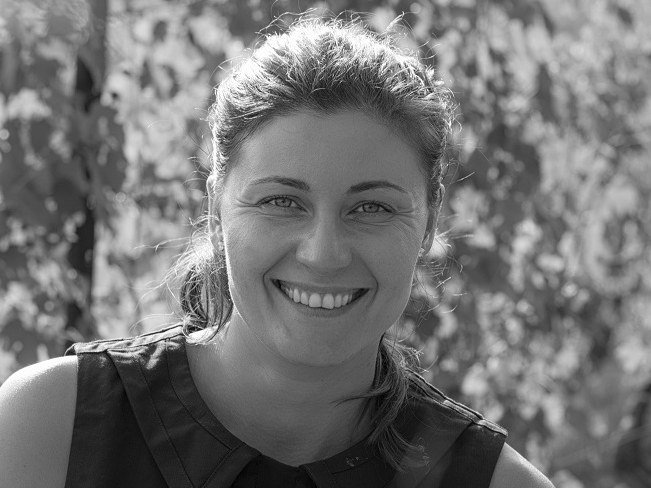
Gaia Gaja is not a passive inheritor. She is a communicator with a clear intellectual framework, and the concept she returns to most often is what she calls 'Italianity', a word that carries more weight than it might initially suggest. In the context of Ca'Marcanda, Italianity is not about grape variety or appellation rules. It is about the primacy of the raw material: the fruit, the soil, the specific character of a place. It is the argument that Italian winemaking excellence, whether in Barbaresco or Bolgheri, flows from an obsessive attention to ingredient quality rather than from technical intervention.
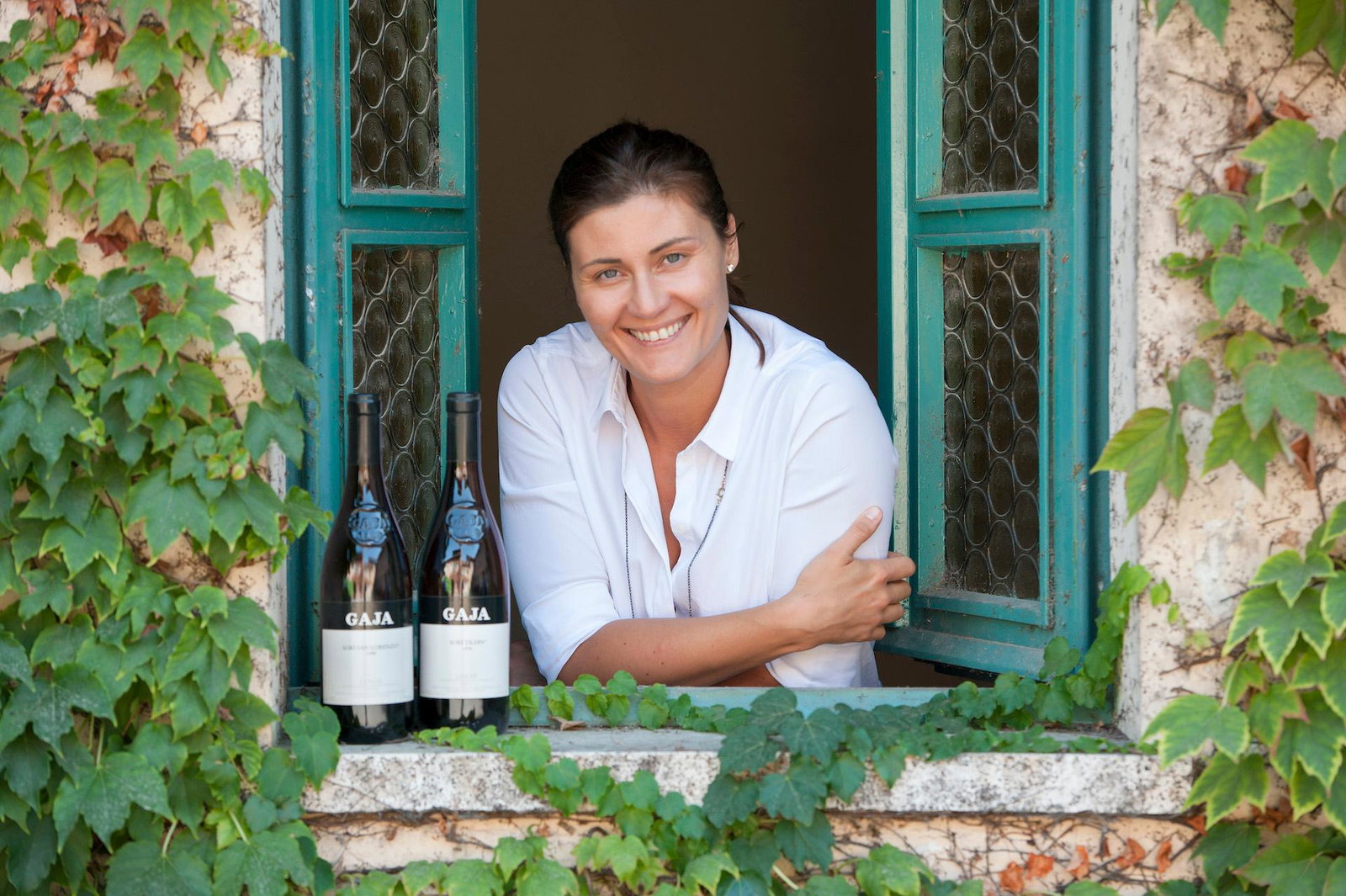
The phrase she uses to anchor this philosophy is precise: 'complexity is not the same as complicated.' A wine can be layered, structured, and long without being overwrought. What matters, in her framing, is purity of fruit and territory, the sense that the wine is telling you something true about where it came from and when. That is a demanding standard, and it is one that the Camarcanda vertical, across its 23-year span, largely meets.
Gaia has also spoken about what Ca'Marcanda gave her personally. 'Here I grew a lot thanks to the experiments at Ca'Marcanda… It is a philosophy of doing, of being hands-on,' she has said. The family did not arrive in Bolgheri with a finished vision. They arrived with a method.
For collectors tracking Angelo Gaja's Ca'Marcanda, the post-2015 Camarcanda is a structurally different wine from its predecessors, leaner, more Cabernet Franc-inflected, built for longer cellaring. The removal of Merlot from the blend was not a stylistic whim; it was a response to what the 2015 heat showed about Merlot's vulnerability to early ripening in Bolgheri's coastal climate. The wines since 2016 have a different tension to them, and the 2021 in particular, with its dried cherry, sous bois character and structural precision, suggests a wine that will reward patience.
The Promis and Magari bottlings offer earlier-drinking access to the estate's character, with Syrah and Sangiovese playing larger roles in those blends alongside the Bordeaux varieties. Vistamare, the white blend, rounds out a portfolio that covers the full range of Bolgheri's stylistic possibilities across 120 hectares of some of the appellation's most carefully studied soils.
The broader Gaja portfolio, Barbaresco and Barolo from Piedmont, Brunello from Pieve Santa Restituta in Montalcino, and the Etna project Idda in Sicily, means that Ca'Marcanda sits within a family collection that spans Italy's three most compelling fine wine regions. For collectors building a serious Italian cellar, the Gaja estates offer a cross-section of the country's leading terroirs, each approached with the same scientific rigour and generational patience that Angelo brought to Bolgheri in 1996.
What the next decade holds for Ca'Marcanda will depend partly on what the climate delivers and partly on how effectively the 'smart bugs' programme and the soil-science work translate into vine health at scale. With 120 producers now running the biocontrol methodology that began here, Ca'Marcanda has already moved from estate experiment to industry reference point, which is, when you think about it, exactly what Angelo Gaja did with single-vineyard Barbaresco half a century ago. The fifth generation is writing the same kind of story, just with different tools and a different coast.
Get the App
Take the shortlist into the En Primeur Club app for concierge access, saved places, and the next step after discovery.
Get Exclusive AccessMore from the editors