← Guides
Four emerging Burgundy winemakers offering a new read on Côte de Beaune, Meursault, Aligoté, and scarce allocations.
Four emerging Burgundy winemakers offering a new read on Côte de Beaune, Meursault, Aligoté, and scarce allocations.
Bastian Wolber now has about five hectares across the Côte de Nuits and Côte de Beaune, a small but telling answer to a Burgundy market where famous labels can feel locked behind allocation lists. Emerging Burgundy winemakers are drawing sommelier attention because they give collectors and travelers a way back into the region through people, parcels, and working methods rather than blue-chip shorthand. Zachary Jarrett, co-owner of Café Triste and Psychic Wines in Los Angeles, put the pressure plainly: “Burgundy is generally so expensive and brand-based.” The producers below are not shortcuts around Burgundy’s scarcity; they are the reason to look more closely.
| Name | Burgundy area | People named | Scale or date detail | Style or focus |
|---|---|---|---|---|
| Bastian Wolber | Côte de Nuits and Côte de Beaune | Bastian Wolber | About five hectares across the Côte de Nuits and Côte de Beaune | Lifted, precise Burgundy-focused wines shaped by experience with Leflaive, Trossen, Dreyer, Ganevat, and Bizot |
| Charles Boigelot | Meursault | Charles Boigelot; Eric Boigelot | Returned in 2022 to a 22-acre family estate | Whole-cluster reds; whites with lees contact; slow gentle pressing; used-oak aging |
| Domaine Dandelion | Hautes-Côtes de Beaune | Morgane Seuillot; Christian Knott | Established in 2016; about 10 acres across six parcels | Light-touch cellar work with whole-cluster and carbonic elements; old-vine Aligoté planted in 1944 |
| Domaine de Cassiopée | Southern Côte de Beaune | Hugo Mathurin; Talloulah Dubourg | Formed after oenology studies in Bordeaux and work with Benjamin Leroux, Jacques-Frédéric Mugnier, and Jean-Marc Roulot | Fresh, lifted wines suited to the cool climate of the southern Côte de Beaune |
| What’s Next for Emerging Burgundy Winemakers | Burgundy | Emerging Burgundy winemakers | Forward-looking section following the producer profiles | Region-wide focus on how newer Burgundy names gain attention through parcels, methods, sommeliers, and allocation timing |
Bastian Wolber’s story begins outside Burgundy, then keeps circling back to it: a German native pulled toward wine by his brother Christoph and a bottle of Ganevat, then shaped by work at Domaine Leflaive, Rudolf Trossen, and Jean-Marc Dreyer. That route matters. It gives his Burgundy project a different grain from the family-domaine narrative, less inheritance, more accumulated instinct.
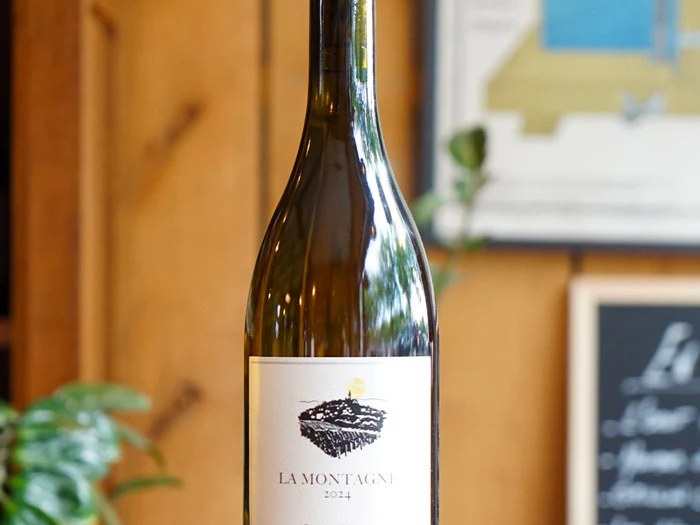
In 2019, Wolber worked harvest with Jean-François Ganevat before a mid-harvest accident cut that experience short. Nikita Malhotra, partner and wine director at Smithereens in the East Village, says he then bought fruit from trusted friends in Savoie, Baden, and Alsace before returning to Burgundy, where he began working alongside Jean-Yves Bizot. He has since acquired about five hectares across the Côte de Nuits and Côte de Beaune. In Burgundy, five hectares is not a casual foothold. It is a claim staked in one of wine’s most difficult regions for newcomers to enter.
Look here for tension rather than polish. Alicia Kemper, owner of Buvons in Long Beach, says, “You can feel his influences. But the wines are distinctly his: lifted, precise, and full of tension.” For a collector, Wolber’s appeal is not simply that the name is less established than the domaines that dominate auction catalogues. It is that his path runs through Leflaive, Ganevat, Dreyer, Bizot, and his own parcels, a set of references that shows in the wine without making the wine derivative.
For travelers, the larger lesson is to stop treating Burgundy as a closed circuit between restaurant lists and marquee cellars. Wolber’s route, Germany, Jura harvest, fruit from multiple regions, Burgundy vineyards, reflects how the next generation can arrive with outside experience and still submit to Burgundian specificity. The bottle to follow is whatever carries his Côte de Nuits and Côte de Beaune work most directly; the useful habit is to ask importers and sommeliers about allocation timing before the name hardens into another impossible label.
Details:
Charles Boigelot is the family-estate counterpoint to Wolber’s outsider arc: the son of Eric Boigelot, fifth generation in the Boigelot line, and back at the family’s 22-acre Meursault estate since 2022 to start his own production. Ed Szymanski, co-owner of New York City restaurants Dame, Lord’s, and Crevette, said it directly: “Charles Boigelot is a name that you don’t hear about, but you will.”
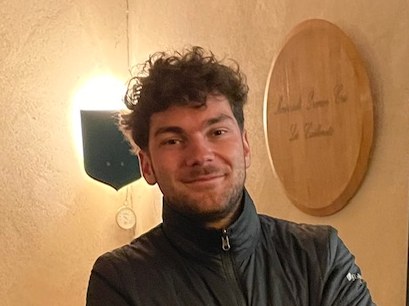
The Meursault address gives this story immediate gravity, but Boigelot’s cellar choices are the part to watch. Unlike his father, he macerates reds in whole clusters. His whites see lees contact during fermentation. He presses the wines slowly and gently, ages them in used oak, and follows the lunar calendar when possible. None of that reads like rebellion for its own sake. It reads like a young winemaker trying to locate his own cadence inside a family domaine rather than merely preserving the family label.
If you care about Burgundy as a drinking region rather than a trophy market, Boigelot’s whites are the obvious place to begin because Meursault remains one of the great names for Chardonnay with texture, breadth, and cellar pull. No specific cuvée, vintage, or tasting note has emerged yet, so the practical move is to track the producer rather than chase a single bottle. Ask for the wines in restaurants that already care about young Burgundy, the kind of list where a sommelier can tell you whether the wine is showing lees-derived breadth or still needs time in bottle.
Boigelot also gives collectors a different kind of scarcity signal. This is not an estate created from nowhere; it is a young winemaker working from within a 22-acre family holding in Meursault, using whole-cluster reds and lees-contact whites to mark a personal line. Burgundy’s inheritance laws and land prices make succession stories unusually charged. Here, the tension is not whether a new name can access terroir, but how much freedom a fifth-generation winemaker can carve out while remaining rooted in it.
Details:
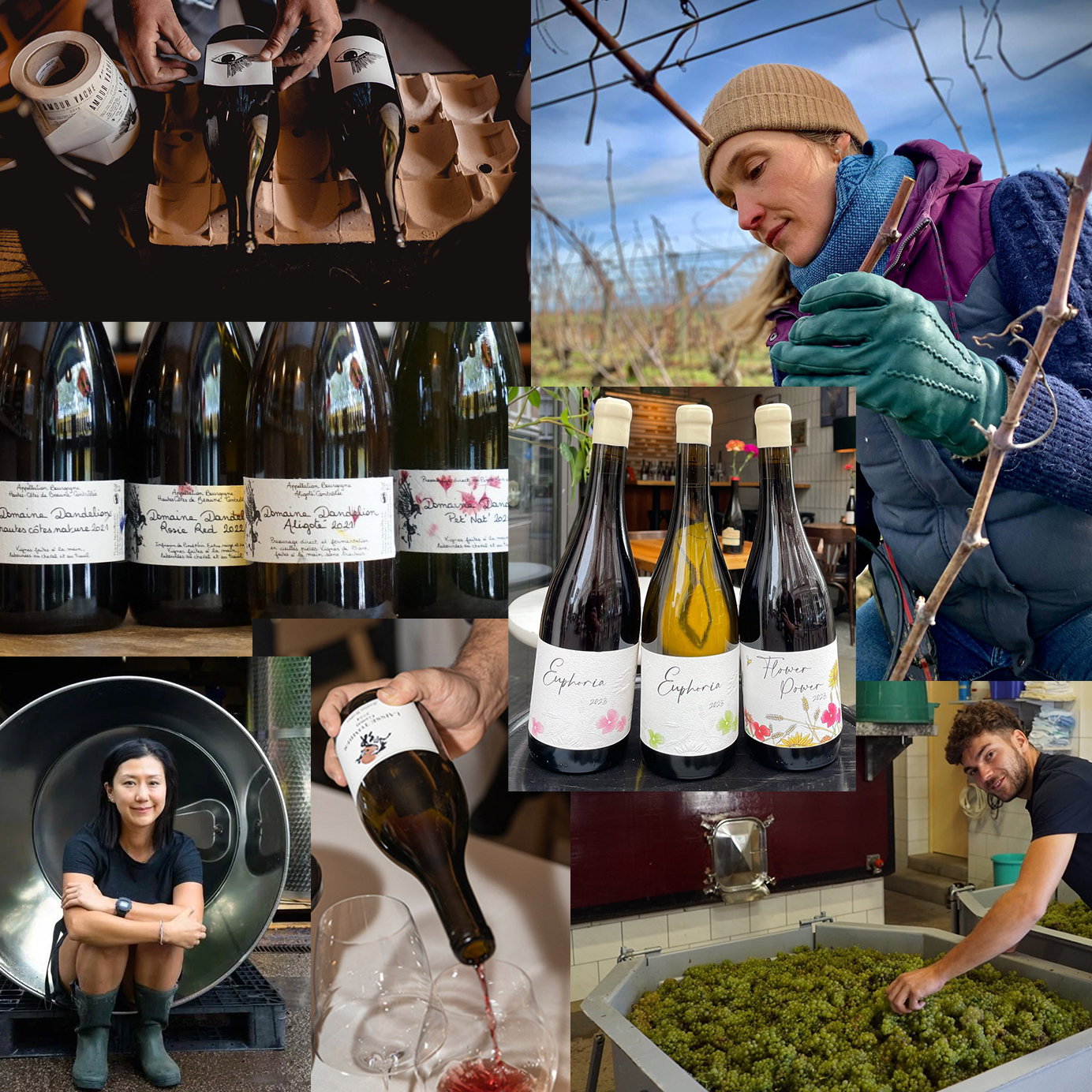
Domaine Dandelion brings the Hautes-Côtes de Beaune into sharp relief, not as a lesser echo of the famous slope below, but as a place where a small domaine can build identity parcel by parcel. Morgane Seuillot established Domaine Dandelion in 2016 after acquiring vines of her own; the domaine now covers about 10 acres across six parcels in the Hautes-Côtes de Beaune. The scale is modest. The implications are not.
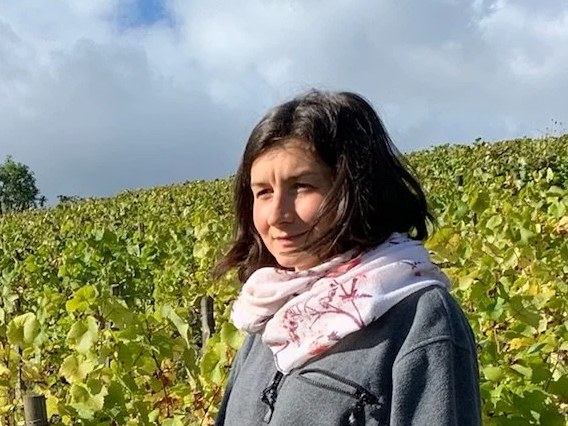
Seuillot’s Burgundian background is not the usual cellar-child script. Her father trained horses to plow vineyards, a detail that feels particularly apt for a domaine described through living vineyards, diverse flora and fauna, and a light hand in the cellar. Christian Knott, her partner in the project, came from Australia and had been head winemaker at Domaine Chandon de Briailles, where he worked with natural and experimental techniques inside an established estate. Together, Seuillot and Knott make Domaine Dandelion feel both local and unbound by one conservative version of local custom.
The wine to know is the old-vine Aligoté from vines planted in 1944. Kemper says, “The wines have real depth for the appellation. And the old-vine Aligoté, planted in 1944, is worth seeking out.” That sentence carries more collector value than a dozen vague claims about discovery: a specific grape, a specific planting year, a specific appellation context. Aligoté has long rewarded drinkers who enjoy Burgundy’s acidity and mineral drive without needing the region’s most quoted Chardonnay villages on the label.
The cellar imprint includes a hint of whole-cluster, carbonic maceration, giving the wines an identifiable register without obscuring the vineyards. For travel, Domaine Dandelion is the reason to give the Hautes-Côtes more than a glance between appointments in Beaune and the famous villages. For buying, the lesson is speed and trust: small production from about 10 acres does not linger once sommeliers begin pouring it by name. If you see the Aligoté from the 1944 planting, note who imported it, who listed it, and whether the next release follows the same path.
Details:
Domaine de Cassiopée sits in the southern corner of the Côte de Beaune, led by Hugo Mathurin and Talloulah Dubourg. Their shared starting point was oenology in Bordeaux; their Burgundian formation came through experience with Benjamin Leroux, Jacques-Frédéric Mugnier, and Jean-Marc Roulot. That is a serious set of cellars to pass through before building a domaine of one’s own.
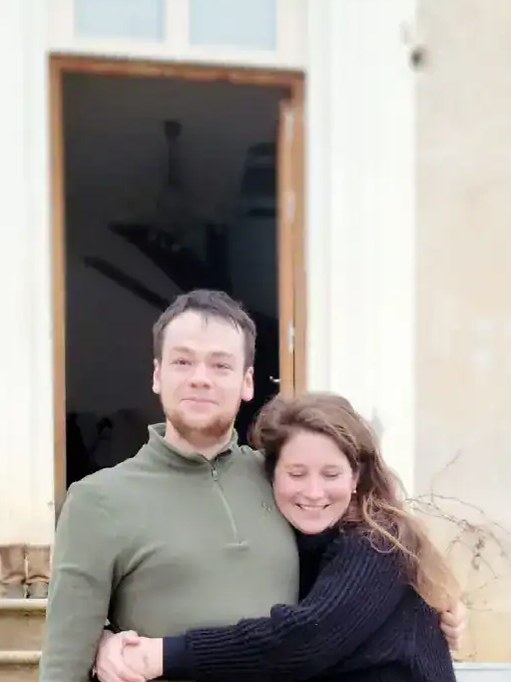
The house style is described through freshness, lift, and the cool climate of the southern Côte de Beaune. That matters because Burgundy’s next generation is not only negotiating land prices and allocations; it is also choosing where freshness can be preserved as vintages warm. Mathurin and Dubourg developed a preference for fresh, lifted wines, then settled in a region suited to that style even as climate conditions change. The point is not novelty. The point is site selection with a clear stylistic intention.
Without a named cuvée or vintage to anchor on yet, a useful way to approach Domaine de Cassiopée is through context. If a sommelier places the wine beside better-known Côte de Beaune names, ask what the comparison shows: aromatic lift, cooler fruit profile, less overt weight, or a different register of acidity. If you are planning a Burgundy trip, the southern Côte de Beaune deserves time not only for established domaines but for producers using cooler sites as part of the wine’s architecture.
Collectors should also pay attention to the résumés here without turning them into a shortcut. Benjamin Leroux, Jacques-Frédéric Mugnier, and Jean-Marc Roulot each signal a different kind of precision in Burgundy, but Mathurin and Dubourg’s project must stand on its own. The useful question is not whether Domaine de Cassiopée tastes like any of those cellars. It is whether their training helps them interpret a cooler corner of the Côte de Beaune with enough definition to make the wines identifiable vintage after vintage.
Details:
The common thread among these emerging Burgundy winemakers is not a single technique. Wolber brings an outsider’s itinerary through Leflaive, Ganevat, Dreyer, Bizot, and his own five hectares. Boigelot works from a fifth-generation Meursault estate while changing maceration, lees contact, oak use, and cellar rhythm. Domaine Dandelion builds from six Hautes-Côtes parcels, a 1944 Aligoté planting, and a cellar approach that lets whole-cluster and carbonic notes register without swallowing the site. Domaine de Cassiopée makes freshness and cool-climate intent the central proposition in the southern Côte de Beaune.
Paris McGarry, wine director at NYC’s Cove, has pointed to younger producers, often outsiders, finding ways into a historically guarded region, while also noting that estates under 10 years old can already see price spikes and become difficult to find.
That is the collector’s tension now: Burgundy has not become easier, but the search has become more specific. The next compelling bottle may not come from the name you learned first; it may come from a 22-acre family estate in Meursault, a six-parcel domaine in the Hautes-Côtes, or five hectares split between the Côte de Nuits and Côte de Beaune.
Watch the people before the market finishes pricing the story.
Emerging Burgundy winemakers offer a way to re-enter Burgundy through people, parcels, and cellar choices rather than famous labels. Their appeal comes from specific stories, small holdings, and working methods that are still forming reputations.
The acreage varies by producer: Bastian Wolber has about five hectares, Charles Boigelot works from his family’s 22-acre Meursault estate, and Domaine Dandelion covers about 10 acres across six parcels. Domaine de Cassiopée is placed in the southern Côte de Beaune, but its acreage is not specified.
Domaine Dandelion’s old-vine Aligoté is the clearest specific bottle callout. The vines were planted in 1944, and Alicia Kemper says the wine has unusual depth for the appellation.
Charles Boigelot returned to the family’s 22-acre Meursault estate in 2022 to begin his own production. He is a fifth-generation family-estate figure with a distinct approach to whole-cluster reds and lees-contact whites.
Get the App
Take the shortlist into the En Primeur Club app for concierge access, saved places, and the next step after discovery.
Get Exclusive AccessMore from the editors