← Guides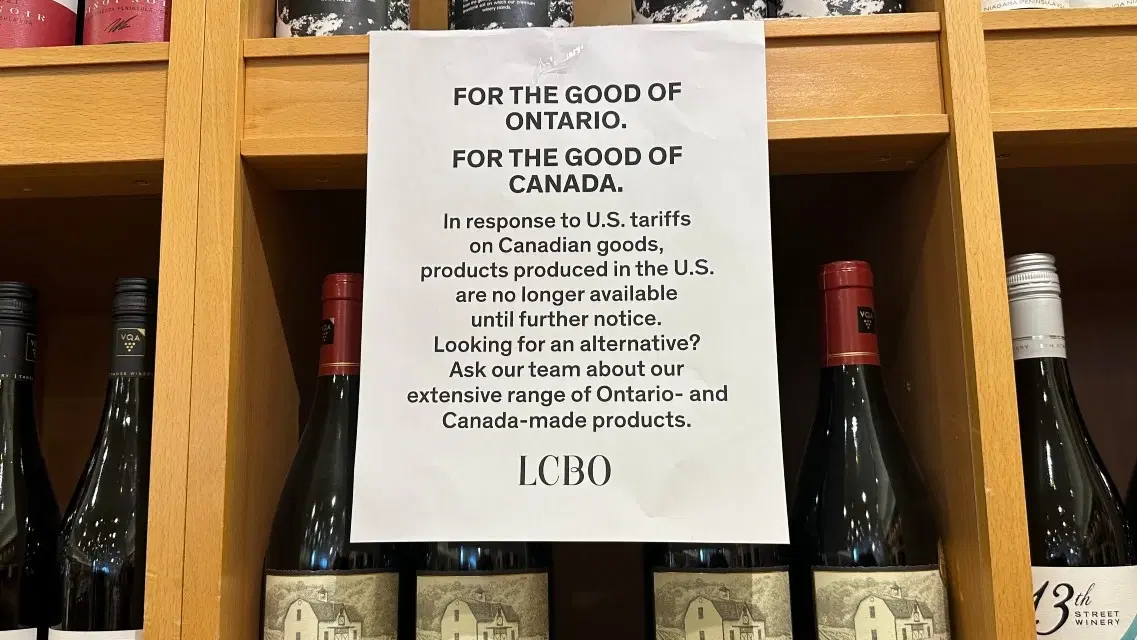
U.S. tariff policy changed course multiple times in 2025, halting import orders and costing American producers their #1 export market. Here's what's at stake.
U.S. tariff policy changed course multiple times in 2025, halting import orders and costing American producers their #1 export market. Here's what's at stake.
Mike Veseth chose his theme for the Unified Wine & Grape Symposium's State of the Industry session in January 2025, The Age of Uncertainty, and admitted it felt almost anti-climactic at the time. By October, it read as an understatement.

What Veseth couldn't have known in January, standing in Sacramento before more than 900 exhibitors and the trade's senior voices, was that the year would deliver not one uncertainty but several, compounding on each other with the logic of a bad vintage: first the frost, then the rain, then the rot. U.S. tariff policy changed course multiple times. Canada, the number-one U.S. wine export market, was effectively lost to retaliation. And after the Supreme Court heard arguments on November 5, 2025 and issued its February 20, 2026 decision, the threshold legal question changed: the Court held that IEEPA does not authorize the President to impose those broad tariffs. The freeze gripping global wine trade is not a mood. It is a legal and commercial reset.
Veseth puts it plainly: there is no assurance that the tariffs in place on the day you sign a contract will be the same ones in force when the shipment arrives and payment is due. For a Bordeaux négociant shipping to a New York importer, or a Barossa Valley producer moving allocation through a California distributor, that sentence ends the conversation. You cannot price a contract you cannot predict.
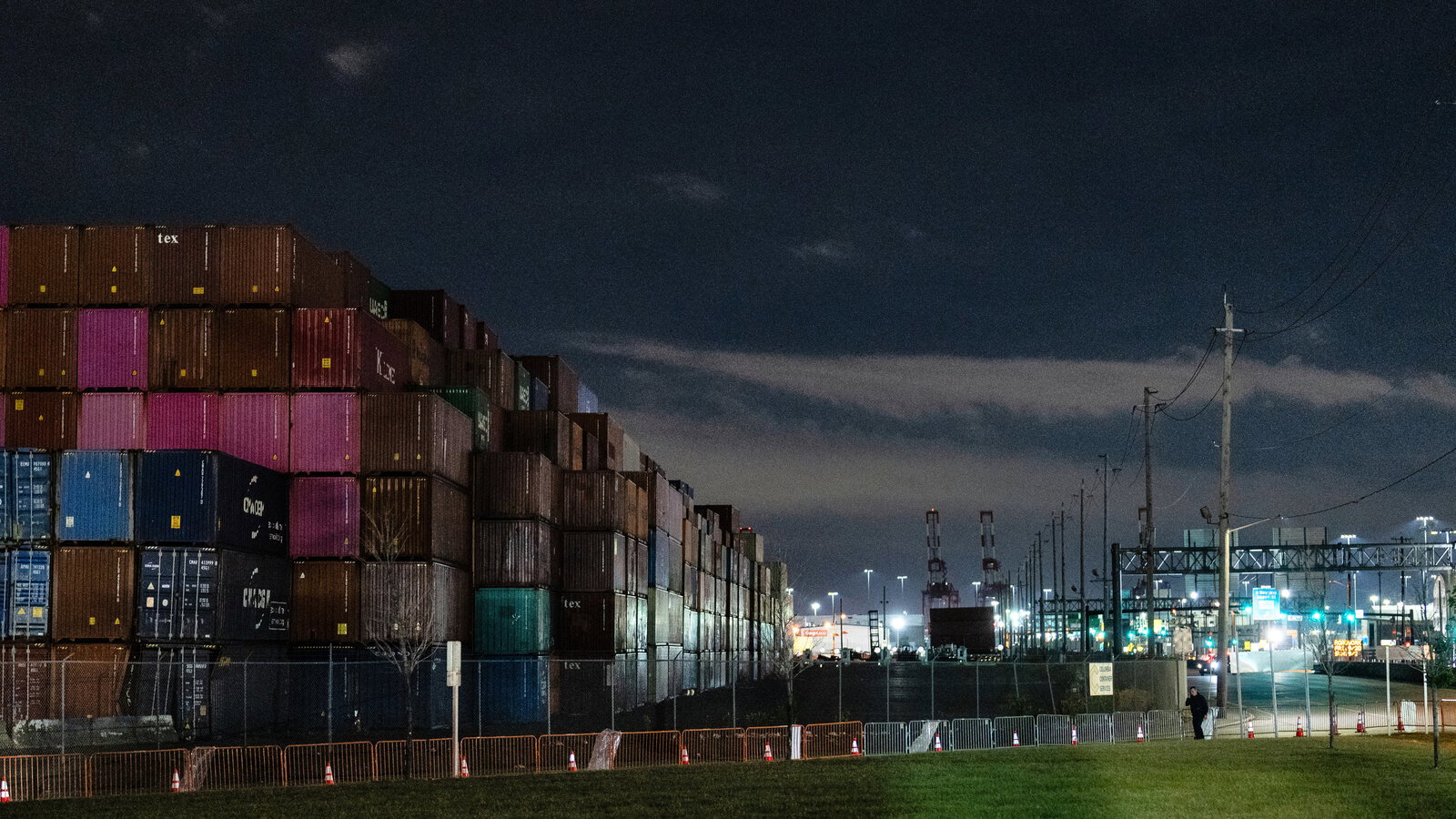
The market responded in two phases. First, a surge: buyers front-loaded inventory ahead of tariffs coming into force, filling warehouses while the window held. Then silence. The wait-and-see posture that followed isn't timidity. It's rational. Signing a purchase order into an unknown tariff environment isn't a business decision; it's a wager. Many firms delayed raising retail prices entirely, holding off until they could confirm which rates would stick and which products, and which countries, might be exempt. The pre-tariff stock sitting in importer warehouses right now carries a scarcity premium that most buyers haven't yet priced in. When it clears, replacement pricing will reflect whatever tariff treatment remains after the Court's February 2026 decision and any follow-on legislative or administrative reset.
To understand where the ceiling on wine tariffs could land, it helps to look at pasta. Thirteen Italian producers, including Barilla, now face a 92% dumping tariff stacked on top of an existing 15% reciprocal tariff, a combined 107% levy, with those import taxes coming into effect in January. Wine has not reached that number. But when the same policy apparatus that produced a 107% pasta tariff is also setting wine trade terms, the upper bound is genuinely unclear. That ambiguity alone is enough to freeze a purchasing department. It has.
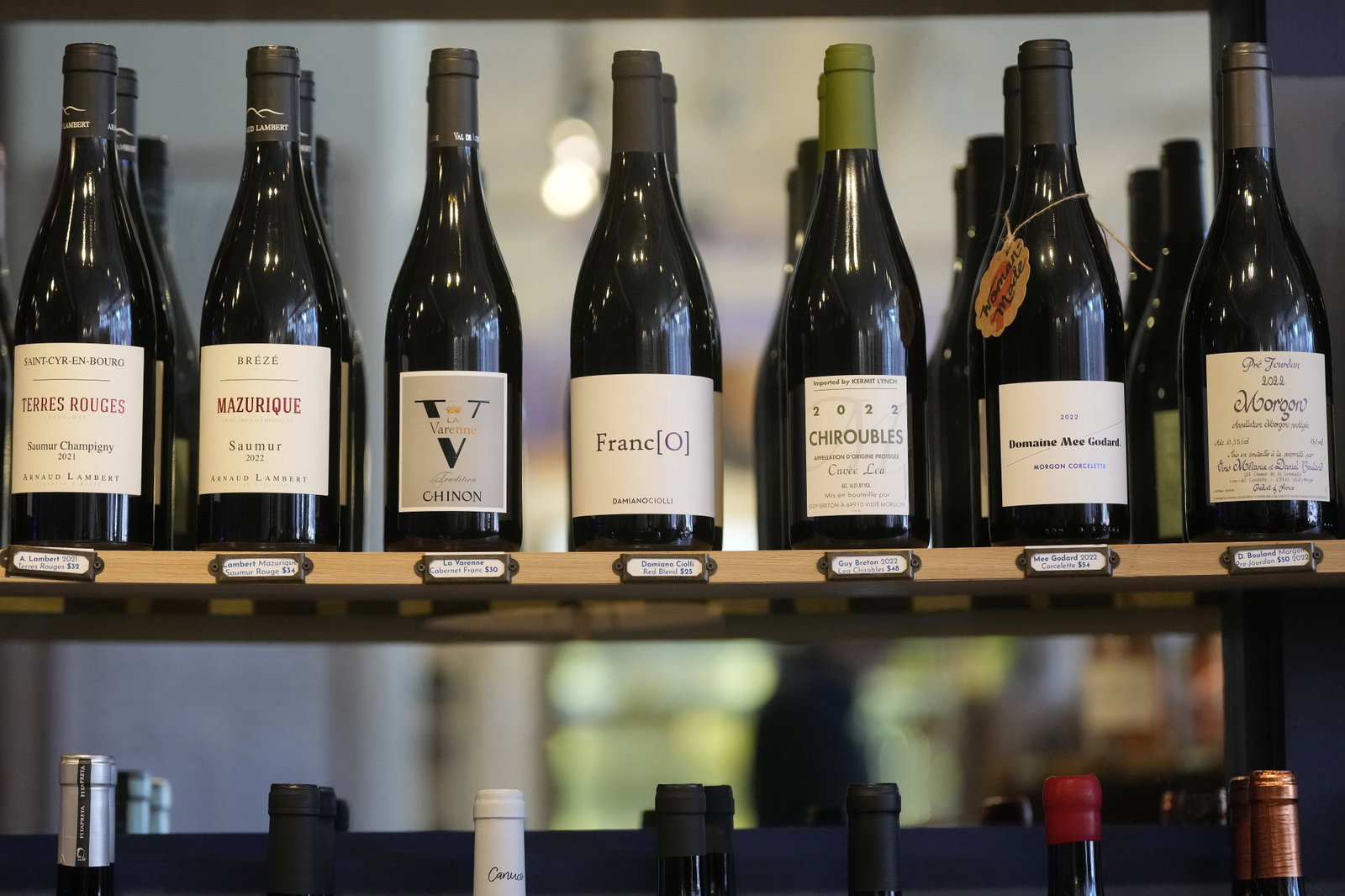
The broader macro picture compounds the problem. The U.S. dollar fell in 2025, contrary to widespread predictions that tariff-driven inflation would force the Federal Reserve to raise rates and strengthen the currency. Instead, the economy weakened faster than inflation accelerated, and the Fed moved to cut rates, accepting inflation risk to avoid the worse outcome of slow or negative growth. For importers already navigating unpredictable tariff costs, a weaker dollar adds a second variable to every landed-cost calculation.
The export damage may prove more lasting than the domestic disruption. Canada was the number-one U.S. wine export market, and the loss of much of that trade due to retaliatory measures is, as Veseth describes it, especially damaging. When the U.S. imposed tariffs on Canadian goods, Canada responded, and American wine was among the casualties.
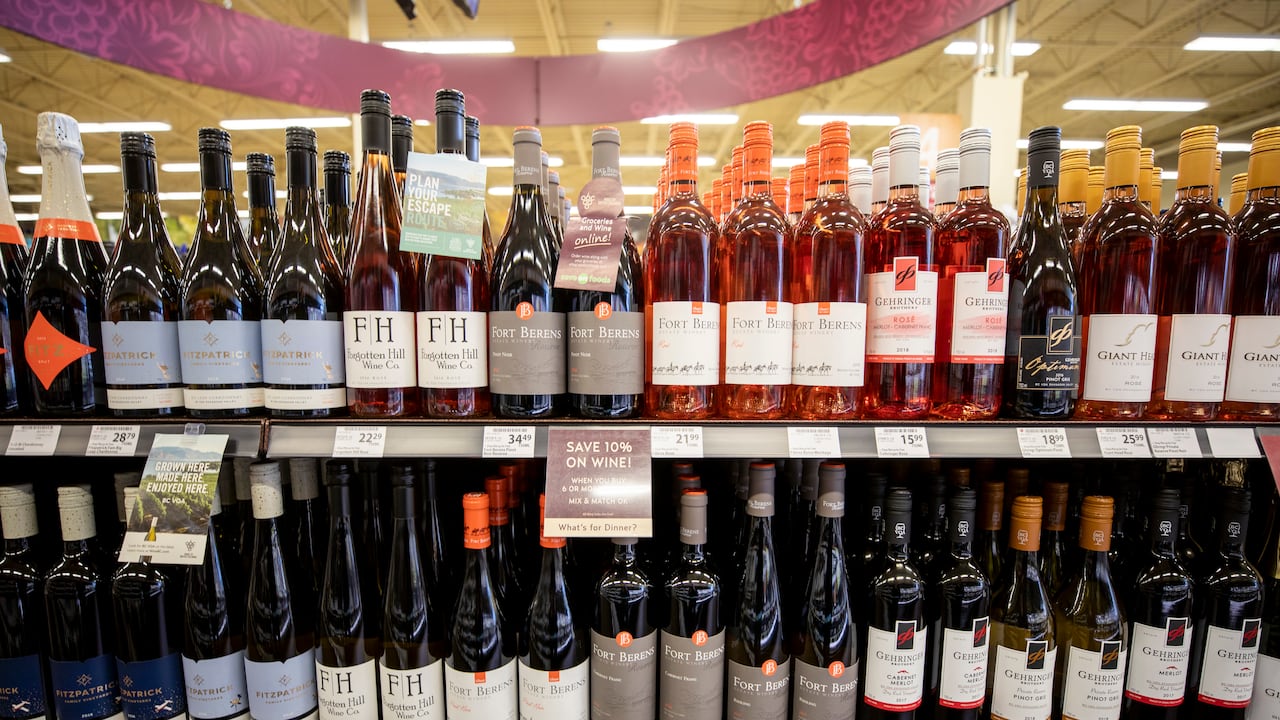
The pain is asymmetric. U.S. wine producers in California, Washington, and Oregon had built meaningful trade with Canadian provincial liquor boards over years of relationship-building. Those relationships don't simply pause during a trade dispute; they get replaced. A Napa Cabernet that loses its provincial listing doesn't hold the slot while diplomats negotiate. A Chilean or Australian alternative moves in. Reinstatement, when it comes, requires starting the commercial conversation again from scratch. There is currently no confirmed timeline for reinstatement.
There is talk of $10 billion in federal aid to farmers to offset some of the negative tariff effects, though Veseth notes it's unclear whether any of that is earmarked specifically for winegrape producers. For a Lodi Zinfandel grower or a Willamette Valley Pinot Noir producer who built their business model around export growth, a federal aid package designed for commodity grain farmers offers limited comfort, and no shelf space back.
The Supreme Court heard arguments on November 5, 2025 and issued its decision on February 20, 2026. The Court held that IEEPA does not authorize the President to impose tariffs, separating those broad emergency tariffs from sectoral duties such as steel and aluminum tariffs that rest on different statutory authority. The remaining questions are commercial and administrative: refunds, replacement authority, and how importers reprice contracts after the ruling.

The stakes are binary. If the Court finds the tariffs were improperly imposed, the entire 2025 tariff structure for wine could be invalidated, forcing a legislative reset and, in theory, releasing the freeze on deferred import decisions almost immediately. If the tariffs are upheld, the current cost structure becomes permanent, and every importer, distributor, and collector must reprice their forward book accordingly.
Pre-decision forecasts are now less useful than the Court's actual holding. For importers and collectors, the question is no longer whether the IEEPA theory survives; it is how quickly the market, regulators, and counterparties translate the ruling into landed costs and availability.
The appellations most exposed are those where the U.S. has historically been the dominant export market: Bordeaux and Burgundy, the Super Tuscans that built their American following over three decades of importer relationships, the Alsatian producers whose U.S. allocations have long been a reliable measure of collector demand. A tariff scenario severe enough to price European fine wine out of the U.S. market would not merely raise prices. It would sever importer relationships built over decades, relationships that don't reassemble quickly once broken.
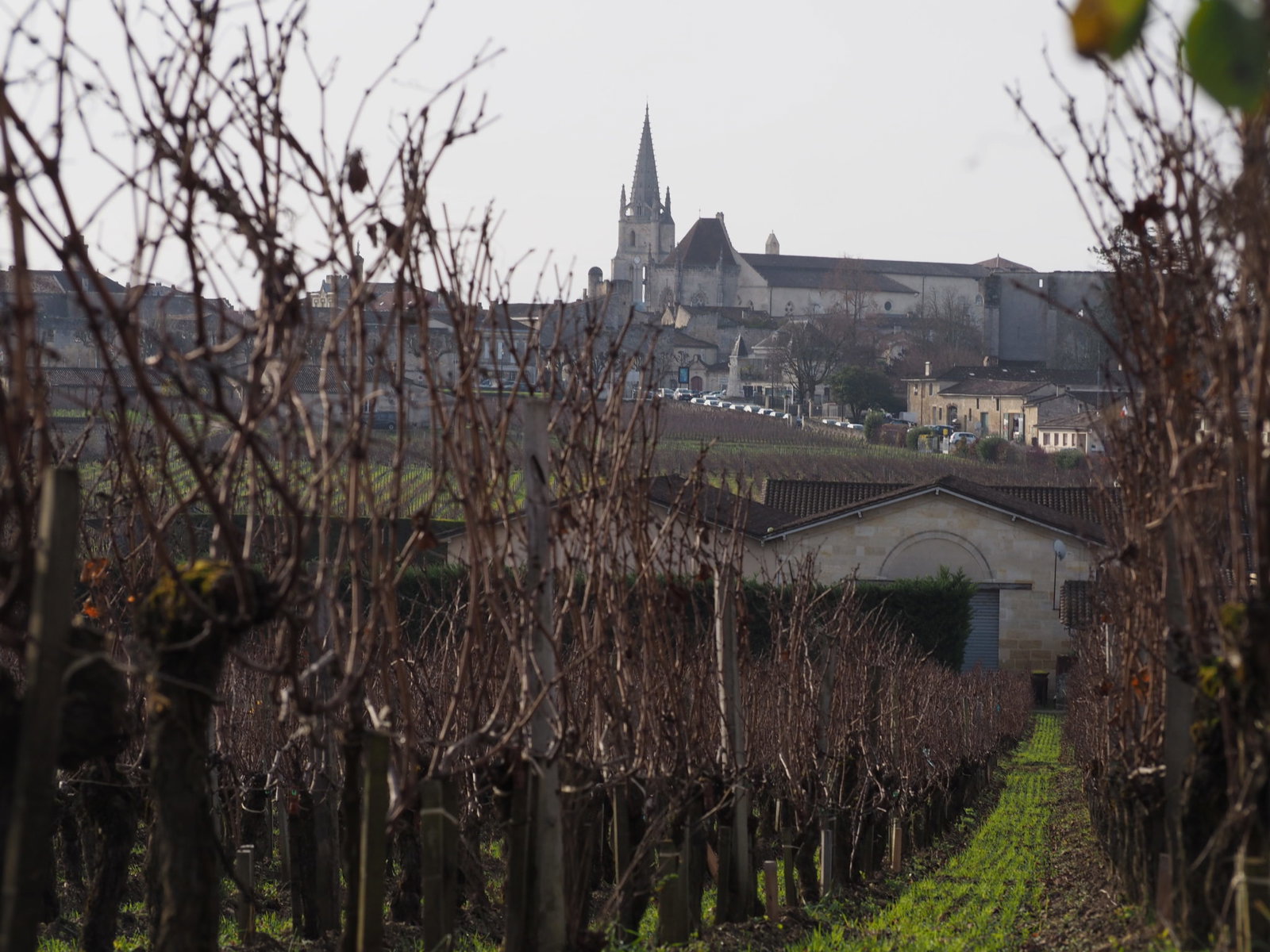
Back in Sacramento in January, Veseth moderated the State of the Industry session alongside Jeff Bitter of Allied Grape Growers, Glenn Proctor of The Ciatti Company, and Danny Brager of Brager Beverage Alcohol Consulting, three people whose combined decades of experience span grape supply, bulk wine trading, and consumer behavior data. The conversation they had then was framed as contingency planning. By mid-year, it was incident response.
Eric Asimov, wine critic for the New York Times, moderated a separate Unified session titled Crafting a Positive Narrative: Promoting Wine in the Face of Challenges. The framing acknowledges what the tariff conversation sometimes obscures: the wine industry was already navigating headwinds from the rising anti-alcohol movement before trade policy added a second layer of pressure. Telling a positive story about wine in 2025 requires addressing both simultaneously, and the audience at the Unified, representing every tier from vineyard to retail shelf, knows it.
For collectors, the decisions don't resolve neatly. Pre-tariff inventory, bottles imported during the surge earlier in the year, is already in the U.S. market at pre-tariff landed costs. That stock will not last, and when it clears, replacement pricing will reflect whatever tariff treatment remains after the Court's February 2026 decision. The gap between current shelf price and post-ruling shelf price is the variable no one can currently quantify.
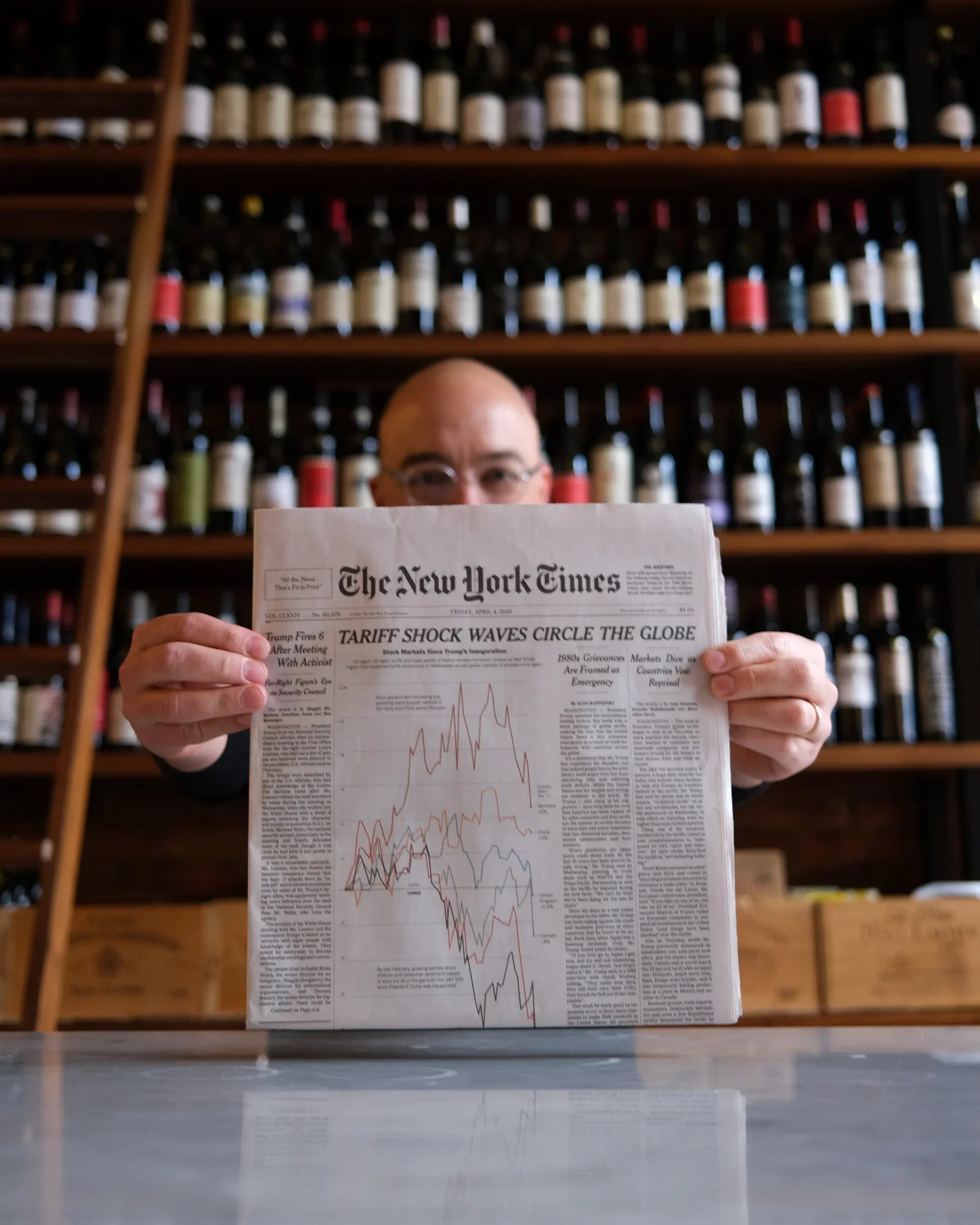
En primeur buyers face a parallel uncertainty. A futures contract on a 2024 Bordeaux or a 2024 Barolo locks in a price today for a wine that will arrive in the U.S. in 2026 or 2027. The tariff rate at delivery is unknown. Some importers are building tariff contingency clauses into contracts; others are simply not writing new contracts. The practical effect on allocation access is already visible: fewer offers, shorter windows, less willingness from European producers to hold U.S. allocations open while the regulatory picture remains unsettled. Collectors who have historically relied on importer mailing lists for Burgundy or Barolo futures are finding those lists shorter, and the offers inside them more conditional, than in any prior vintage cycle.
Veseth's most useful insight isn't about any specific tariff rate. It's that uncertainty itself has a cost, independent of what the final rate turns out to be. The industry isn't waiting for bad news. It's waiting for any news that holds. Every time policy changes course, the clock resets on every deferred decision: the importer who didn't sign the contract, the retailer who didn't place the order, the collector who didn't commit to the allocation.
The Court's February 2026 opinion ended the core IEEPA question, but it did not instantly resolve the wine trade's practical uncertainty. Refund mechanics, replacement tariff authority, and inventory timing still reshape the calculus.
If the tariffs fall, the freeze lifts and a wave of deferred purchasing decisions will move simultaneously, tightening allocation windows across every major European appellation almost overnight. If they stand, the industry must price a new permanent reality into every forward contract, every futures offer, and every allocation decision for the 2025 harvest and beyond.
The wine trade has absorbed tariff shocks before, but 2025 added a legal overhang to the commercial one. The February 2026 decision supplies the legal endpoint; the remaining uncertainty is how quickly that endpoint becomes visible in contracts, refunds, and shelf prices.
Get the App
Take the shortlist into the En Primeur Club app for concierge access, saved places, and the next step after discovery.
Get Exclusive AccessMore from the editors