Domaine Clef de Saint Thomas

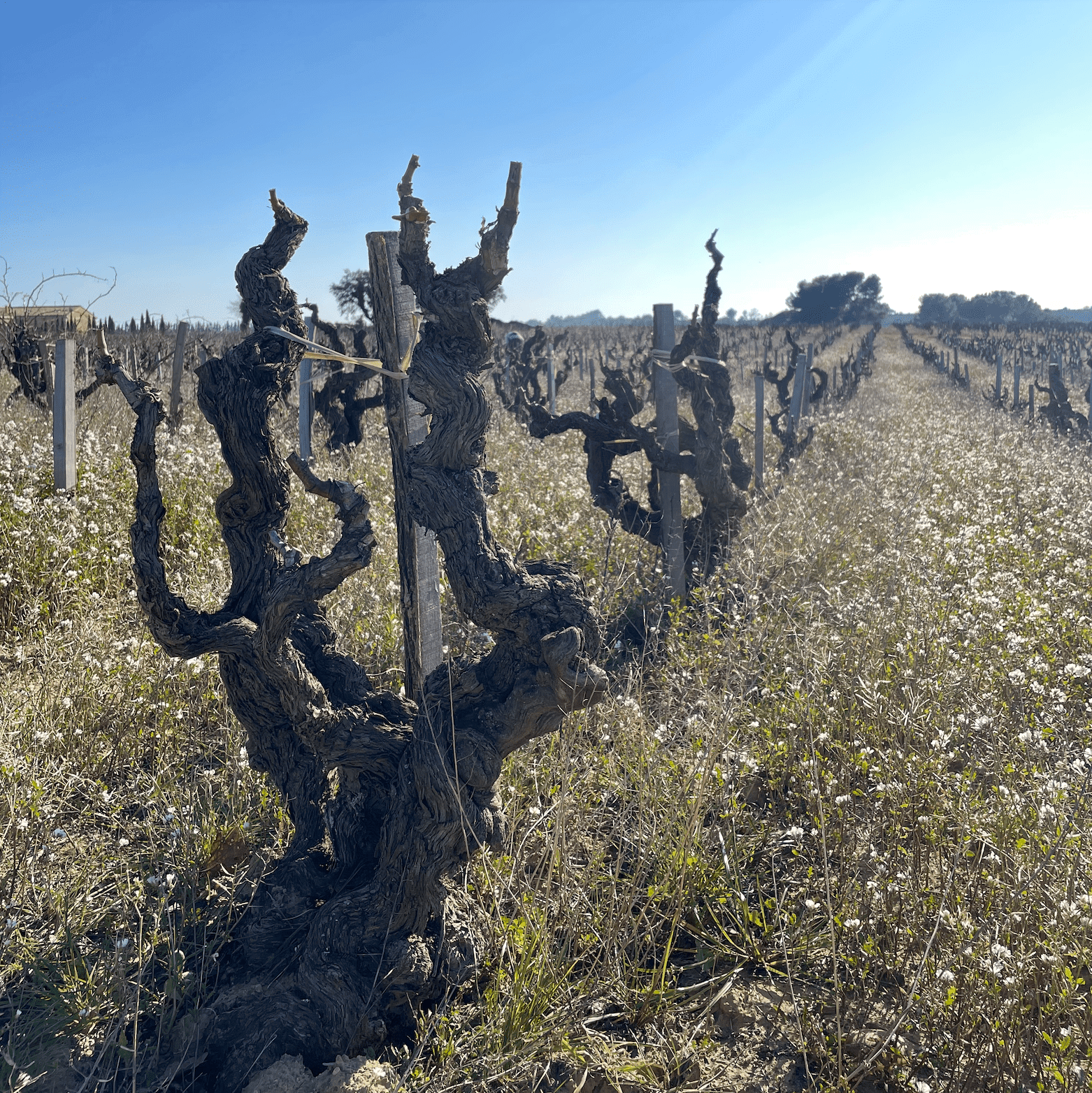
A small Châteauneuf-du-Pape estate with 12 hectares across four lieux-dits, Domaine Clef de Saint Thomas reads the appellation through plot work, old-vine Grenache and Syrah, and a concise red-and-white portfolio. Its appeal is not spectacle but scale: propriétaire-récoltant production, village-cellar intimacy, and a countryside hospitality style tied to the estate’s lime-tree gatherings.
Pearl is the En Primeur Club membership app — saves, bookings, and concierge access live there. Same editors, same standards.
- Address
- Châteauneuf-du-Pape, Vaucluse, Frankreich
 Saves & bookings on Pearl
Châteauneuf-du-Pape is not a subtle place to arrive. The village sits amid sun-struck stone, low vines, and the kind of Southern Rhône light that makes soil feel like part of the architecture. In that setting, Domaine Clef de Saint Thomas is best understood as a small-producer cellar Châteauneuf-du-Pape: intimate, rustic, and focused on wines that keep the conversation close to terroir rather than spectacle.
The picture is deliberately simple. Domaine Clef de Saint Thomas is a Châteauneuf-du-Pape venue with a warm countryside feel, a classic and scenic setting, and a convivial estate identity. It is not a page that should be read as a full technical dossier on vineyard holdings, grape varieties, cuvée structure, service hours, or appointment policy. Those details may matter when planning a visit, but they are not confirmed here. What is confirmed is the broader character: a small cellar experience rooted in place, with a tone that feels personal rather than grand.
Small-producer Châteauneuf-du-Pape, read at close range
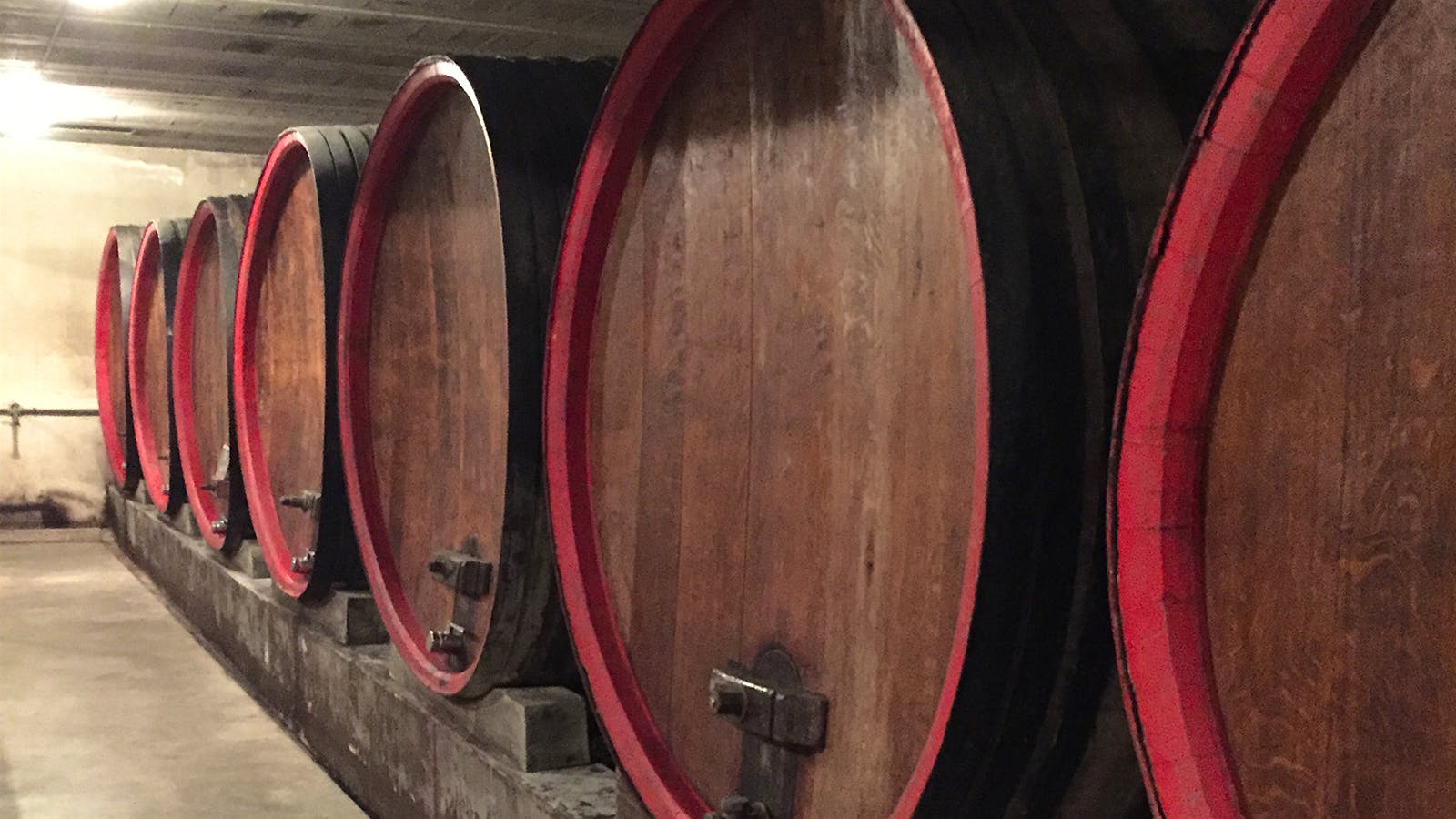
The appeal of Domaine Clef de Saint Thomas is the way it frames Châteauneuf-du-Pape through proximity. Large wine regions can feel abstract when they are reduced to labels, scores, or the prestige of an appellation name. A small producer cellar changes the scale. The visitor’s attention shifts toward landscape, cellar conversation, and the idea of terroir-driven wine as something encountered in context.
That is the useful way to approach the domaine: not as a checklist of technical claims, but as a compact Châteauneuf-du-Pape stop where the atmosphere supports the wines. The confirmed style descriptors are rustic, classic, scenic, intimate, and elegant. Together, they point to a place that is polished enough to feel special, but not so formal that the visit becomes stiff. It is countryside wine culture with a composed edge.
The setting also matters. The winery is described as being Châteauneuf-du-Pape, which is important for travellers building a village-focused wine day. Rather than treating the domaine as an isolated destination, it can sit naturally within a broader exploration of the appellation and other dining or hospitality options in Châteauneuf-du-Pape.
The cellar experience favours terroir over ceremony
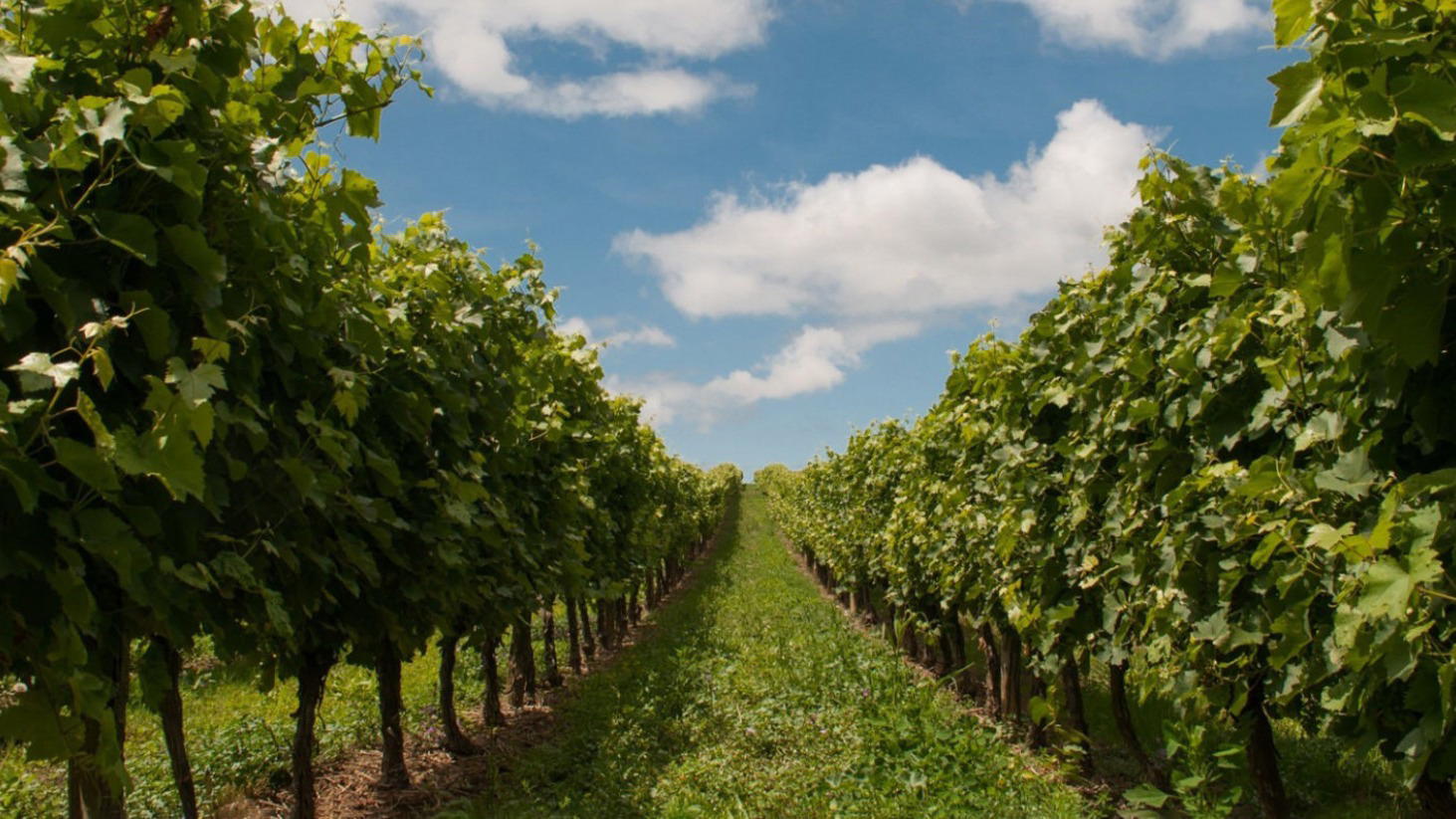
The strongest through-line is terroir. The winery is described as focusing on terroir-driven wines, which gives the page its most reliable editorial premise. In Châteauneuf-du-Pape, that phrase carries weight because the appellation’s identity is closely tied to place, climate, and the relationship between vineyard and bottle. Here, the emphasis should stay broad: the domaine is a small cellar where the wines are presented as expressions of site and local character.
Just as important is the tone of the visit. The confirmed description points to warmth, intimacy, and countryside hospitality. This is not the place to invent a detailed service format, a tasting menu, a precise visitor capacity, or a reservation system. The honest takeaway is simpler and more useful: expect a cellar environment that feels convivial and grounded rather than theatrical.
Estate events are part of that identity, too. The detail is not a calendar of dated programming, but the image of convivial estate events under a century-old lime tree. That single detail says a lot about the domaine’s atmosphere. It suggests a social, open-air, village-rooted sense of welcome, where the estate’s personality is as much about gathering and setting as it is about the glass in front of you.
How to place it within a Châteauneuf-du-Pape itinerary
The winery works well for travellers who want Châteauneuf-du-Pape at a human scale. The price level is listed as $$$, so it should be planned as a premium stop rather than a casual add-on, but the mood is not described as flashy. The contrast is part of the appeal: refined enough to merit planning, rustic enough to keep the experience connected to the countryside.
For a broader day in the village, pair the domaine with other Châteauneuf-du-Pape dining, lodging, bar, or experience planning in general terms. The key is not to over-schedule the visit around unsupported assumptions. If timing, availability, tasting structure, languages, accessibility, or specific wine offerings matter, confirm those details directly before you go.
The verdict is practical. The winery is a strong fit for travellers looking for a scenic, intimate Châteauneuf-du-Pape cellar with a terroir-led identity and a warm countryside feel. It is especially well suited to visitors who prefer small-producer atmosphere over a more anonymous tasting circuit, and who want the appellation to feel local, convivial, and close at hand.
Recognition history
Dated appearances from independent guides and award organizations, with the underlying list record or original source where available.
Falstaff Winery - Listed
Falstaff
Continue exploring
More in Châteauneuf-du-Pape
Wineries in Châteauneuf-du-Pape
Browse all →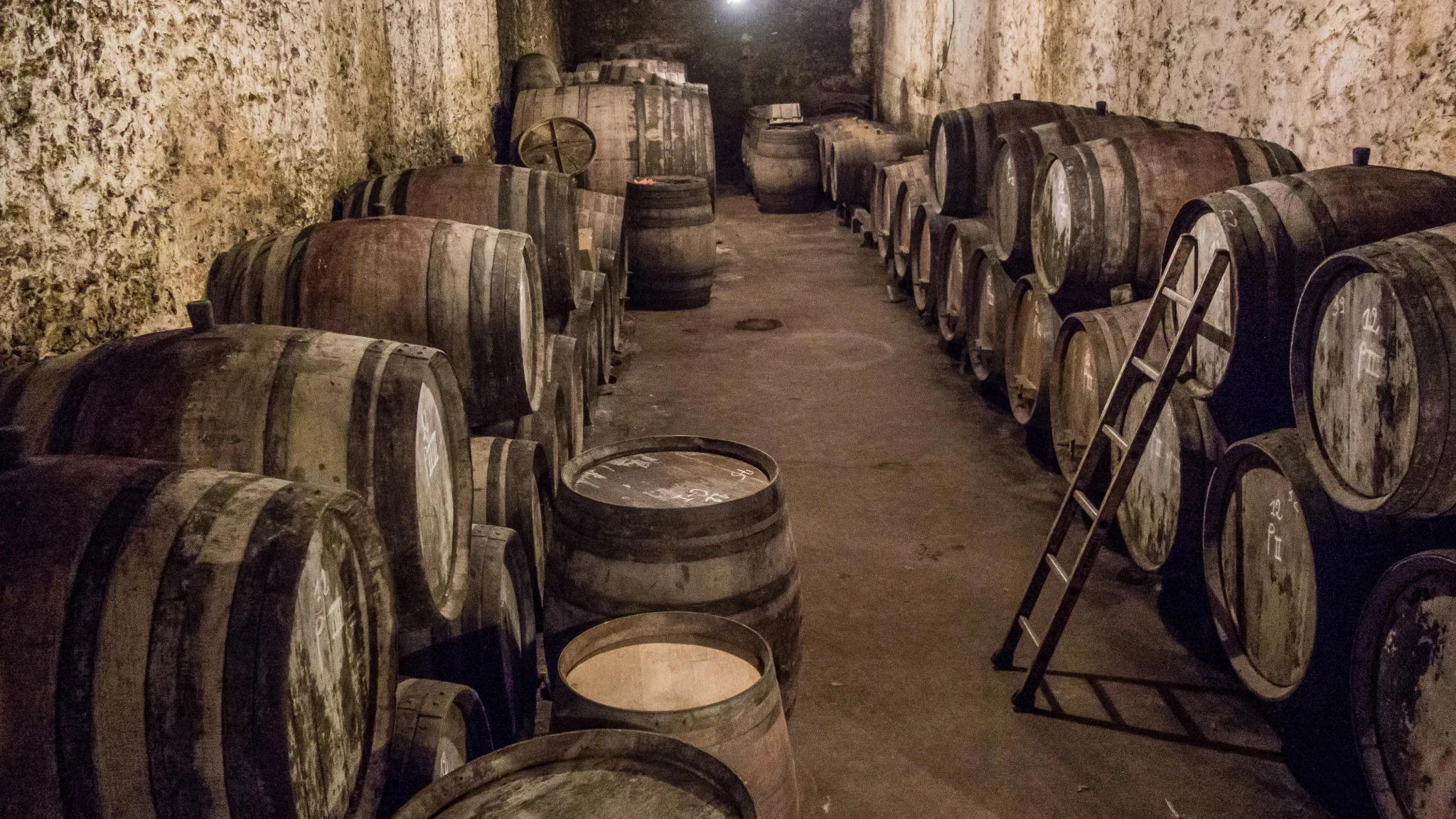
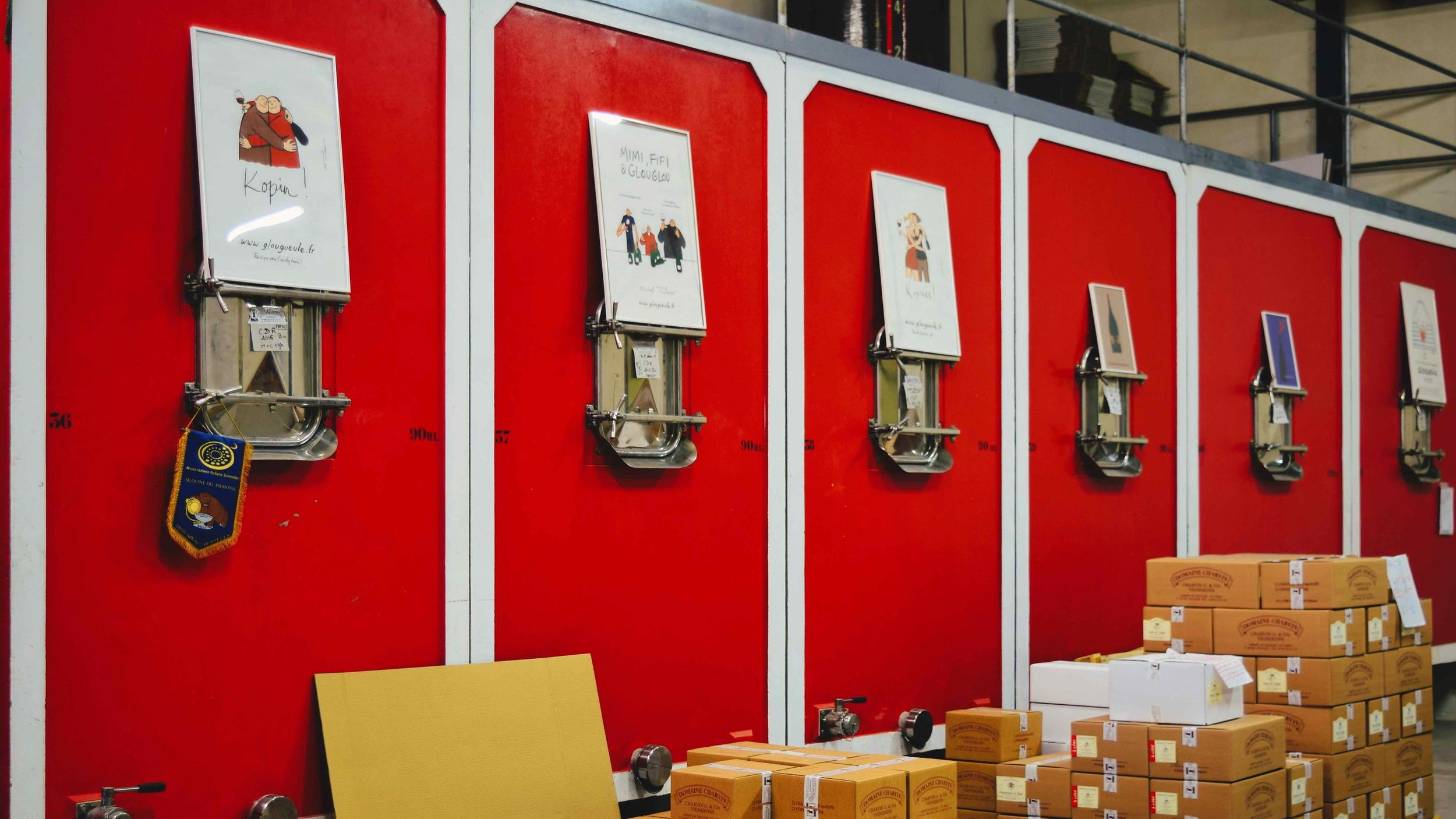
Restaurants in Châteauneuf-du-Pape
Browse all →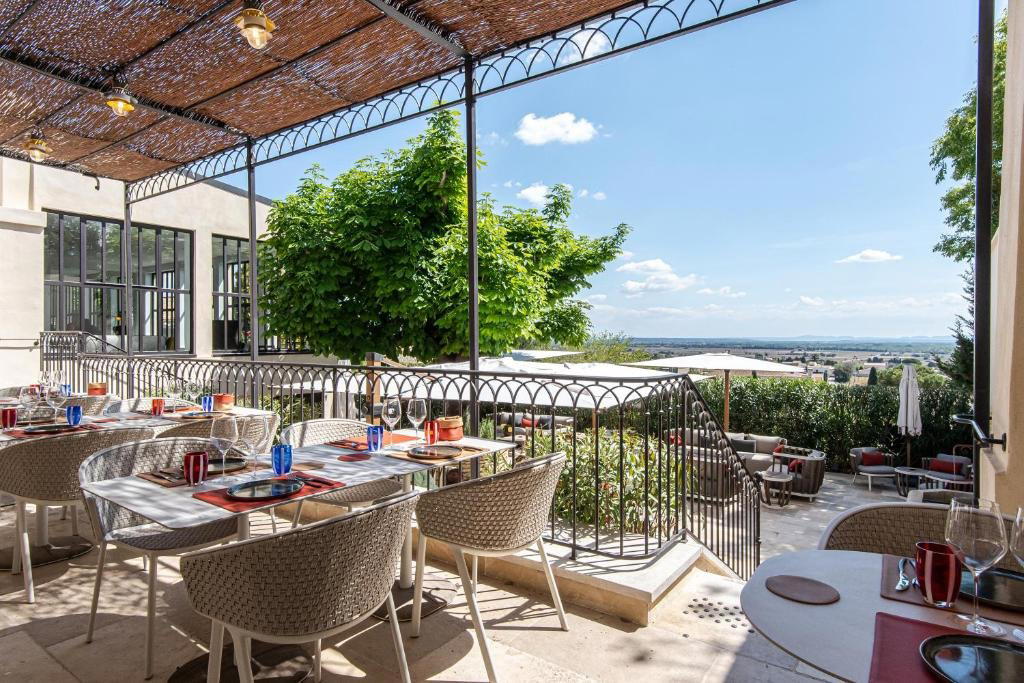
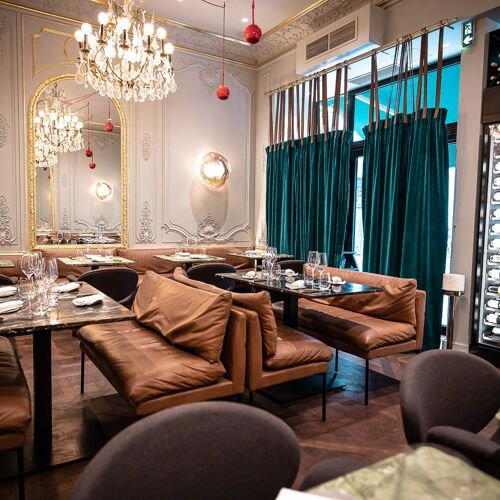
Hotels in Châteauneuf-du-Pape
Browse all →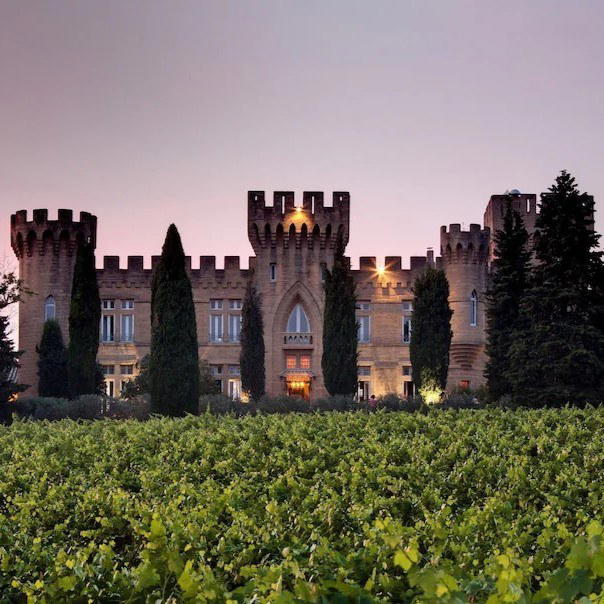
At a Glance
- Rustic
- Classic
- Scenic
- Intimate
- Elegant
- Romantic Getaway
- Group Outing
- Wine Education
- Special Occasion
- Solo Exploration
- Estate Grounds
- Vineyard Tour
- Vineyard
- Châteauneuf Du Pape AOC
- Grenache
- Syrah
- White Châteauneuf Du Pape Blend
- Still Red
- Still White
- Cellar Tasting
- Vineyard Focused Tasting
Small producer cellar in the heart of Châteauneuf-du-Pape with a warm, countryside feel, focusing on terroir-driven wines and convivial estate events under a century-old lime tree.