Zest Kitchen & Bar
Zest Kitchen & Bar occupies a downtown Salt Lake City address at 275 S 200 W, positioning itself within a local dining scene that has shifted meaningfully toward collaborative, full-service bar-kitchen formats over the past decade. The venue draws from that tradition, where the relationship between kitchen output and beverage programming shapes the guest experience as much as any single dish or drink.
 Discover on Pearl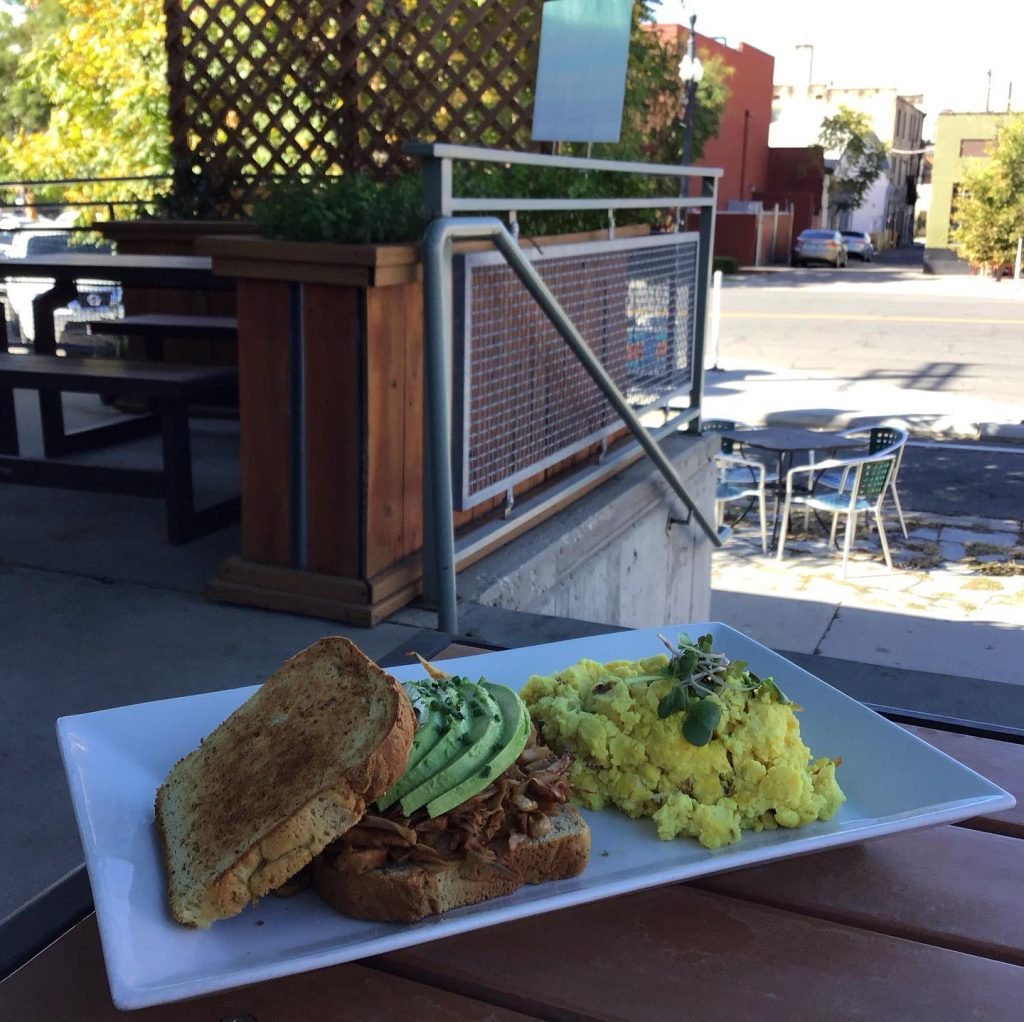
Salt Lake City's Bar-Kitchen Format, and Where Zest Fits
Downtown Salt Lake City has undergone a quiet but measurable transformation in its food and beverage identity. The blocks around the 200 West corridor, once defined by convenience dining and sports-bar spillover, now hold a more considered tier of venues where the kitchen and bar operate as a single coordinated program rather than two departments sharing a building. Zest Kitchen & Bar, at 275 S 200 W, sits inside that shift. The address places it within walking range of the city's arts and business core, which means the crowd skews toward after-work professionals, pre-theater diners, and the kind of out-of-town visitor who researches before booking rather than defaulting to the hotel restaurant.
That geographic positioning matters more than it might seem. Salt Lake City's dining scene is smaller than its population might suggest, partly because of Utah's historically cautious liquor licensing environment and partly because the city spent decades in the cultural shadow of its resort corridor. The result is a downtown where the gap between a mediocre bar and a genuinely programmed one is wider than in comparable-sized cities. Venues that invest in beverage depth tend to stand out not because the competition is absent, but because the baseline was set low enough that deliberate craft registers clearly. For a comparison of how that dynamic plays out across the city's current roster, see our full Salt Lake City restaurants guide.
The Collaboration Model at Work
The most durable bar-kitchen operations tend to succeed not because of a single brilliant hire but because the kitchen and floor work from the same set of priorities. This is the premise behind the team-driven format that Zest Kitchen & Bar operates within. When a bar program and a kitchen are built in parallel, with menu development happening across both departments rather than in sequence, the result is a cohesion that guests feel without necessarily being able to name. A cocktail that mirrors a kitchen flavor profile, a server who can speak to both sides of the menu with equal fluency, a front-of-house rhythm that doesn't treat the bar as a waiting room: these are signals of genuine coordination rather than departments tolerating each other.
Salt Lake City's most interesting venues have moved toward this model precisely because the city's licensing structure, which long required food sales to accompany alcohol service in many formats, created an incentive to take the kitchen seriously rather than treat it as a compliance afterthought. That structural pressure, frustrating as it was for operators, produced a generation of venues where the food program is genuinely integrated. Zest fits within that cohort. Compare this to how Avenues Proper has handled the beer-and-kitchen pairing on the east side, or how Bar Nohm approaches the relationship between its cocktail list and its Asian-influenced kitchen output.
Beverage Programming in Context
The cocktail culture that has taken hold across American cities over the past fifteen years has arrived in Salt Lake City later and more unevenly than in coastal markets, but it has arrived. The city now has a cohort of bar programs that think seriously about technique, sourcing, and seasonal rotation rather than simply stocking a standard well and calling it done. Nationally, that evolution has produced venues like Kumiko in Chicago, where the beverage program operates at the level of a fine-dining kitchen, or Jewel of the South in New Orleans, where historical research informs every cocktail on the list. In Honolulu, Bar Leather Apron has made the case that a serious bar program can define a city's hospitality identity even in a market dominated by resort properties.
Salt Lake City's version of this story is less dramatic but no less real. Venues like Aker Restaurant & Lounge and Beer Bar represent different points on the spectrum: one leaning into full-service dining with a bar component, the other treating the beverage list as the primary editorial statement. Zest occupies a position that combines both impulses, operating as a kitchen-anchored venue where the bar holds equal weight in the guest's experience. That balance is harder to maintain than it sounds. Venues that try to do both often end up doing neither particularly well; the ones that manage it tend to have clear internal hierarchies and strong communication between departments.
For reference points outside Utah, Julep in Houston and ABV in San Francisco both operate in this dual-program format with recognized success. Superbueno in New York City and The Parlour in Frankfurt show how the model translates across different culinary and cultural contexts, always returning to the same core principle: a bar and kitchen that share a vocabulary produce a more coherent guest experience than ones that simply coexist.
When to Go, and How to Plan
Downtown Salt Lake City's dining rhythm follows a pattern common to mid-sized American cities with a convention center and an active sports calendar: the week fills with business diners and event crowds, while weekends split between local regulars and visitors oriented around the Wasatch Front's outdoor recreation season. Spring and early autumn are the periods when the city's food and beverage scene tends to operate at its most considered pace, with summer pushing volume and winter pulling some attention toward the resort corridor. Visiting Zest during a weekday evening, when the pace allows kitchen and floor to work at full attention rather than managing a surge, tends to produce the experience the venue is designed around.
The address at 275 S 200 W is accessible from most downtown hotels on foot, and the surrounding blocks have enough density that a full evening in the area is direct to construct. Booking ahead is advisable for weekend visits; the venue's position in the downtown corridor means demand from both local and visiting diners is consistent rather than seasonal in the way that resort-adjacent venues experience it. For visitors building a broader Salt Lake City itinerary, cross-referencing with the city guide will help map Zest against the full current field.
Frequently Asked Questions
- What is Zest Kitchen & Bar known for?
- Zest Kitchen & Bar is known within Salt Lake City's downtown dining scene for operating a coordinated bar-and-kitchen format where the beverage program and food menu are developed as a single offering rather than separate departments. In a city where the licensing environment historically made genuine bar investment difficult, venues that treat both sides of the house seriously occupy a distinct tier. Zest's 275 S 200 W address places it in the heart of the downtown corridor where that tier has consolidated.
- What's the must-try cocktail at Zest Kitchen & Bar?
- Specific cocktail listings are not confirmed in our current data for Zest Kitchen & Bar. What is documented is that the venue's bar program operates as an integral part of the guest experience rather than a secondary element, which is consistent with the more technically focused bar formats that have emerged across the city. For the current cocktail list, checking directly with the venue before visiting is the most reliable approach. Locally, Bar Nohm and Avenues Proper provide useful reference points for the city's cocktail range.
- Do they take walk-ins at Zest Kitchen & Bar?
- Walk-in policy specifics are not confirmed in our current data. Given the venue's downtown Salt Lake City location and consistent draw from both local and visiting diners, walk-in availability is likely to vary by day and time. Weekend evenings and periods coinciding with downtown events tend to see the most demand across the corridor. Contacting the venue directly or arriving early in the service window is the practical approach for walk-in visitors.
- When does Zest Kitchen & Bar make the most sense to choose?
- Zest makes the most sense for a visitor or local diner who wants a single venue that covers both a serious bar program and a kitchen-driven meal without having to choose between the two. In Salt Lake City's downtown tier, that combination is less common than the city's current reputation might suggest. Weekday evenings and the spring-to-autumn shoulder periods tend to offer the most attentive service experience, when the venue is operating at considered capacity rather than managing event-driven volume.
- Is Zest Kitchen & Bar a good option for plant-based or vegetarian dining in Salt Lake City?
- Zest Kitchen & Bar has a documented presence in Salt Lake City's plant-forward dining conversation, with the venue's kitchen approach reflecting the broader trend in mid-tier American bar-kitchens toward inclusive menu programming that goes beyond token vegetarian options. Salt Lake City's population includes a significant segment of health-conscious and plant-based diners, which has pushed downtown venues to treat this demographic seriously rather than as an afterthought. Confirming current menu specifics directly with the venue will give the most accurate picture of what's available at any given time.
Comparable Options
A quick peer reference to anchor this venue in its category.
| Venue | Cuisine | Price | Notes |
|---|---|---|---|
| Zest Kitchen & Bar | This venue | ||
| From Scratch | |||
| Ozora Izakaya | |||
| Aker Restaurant & Lounge | |||
| Avenues Proper | |||
| Bar Nohm |
Need a Table?
Our members enjoy priority alerts and concierge-led booking support for the world's most difficult bars and lounges.
Get Exclusive Access