Ozora Izakaya
Ozora Izakaya occupies a Broadway address in downtown Salt Lake City, bringing the izakaya format to a mountain-west dining scene that has quietly expanded its range in recent years. The venue sits at the casual end of a Japanese dining spectrum that now includes dedicated sushi counters and ramen houses across the city, making it a useful entry point for the style.
Pearl is the En Primeur Club membership app — saves, bookings, and concierge access live there. Same editors, same standards.
- Address
- 65 E Broadway, Salt Lake City, UT 84111
- Phone
- +1 801 800 6768
- Website
- kazesushiut.com
- Directions
- Get directions
 Saves & bookings on Pearl
Broadway's Izakaya in Context
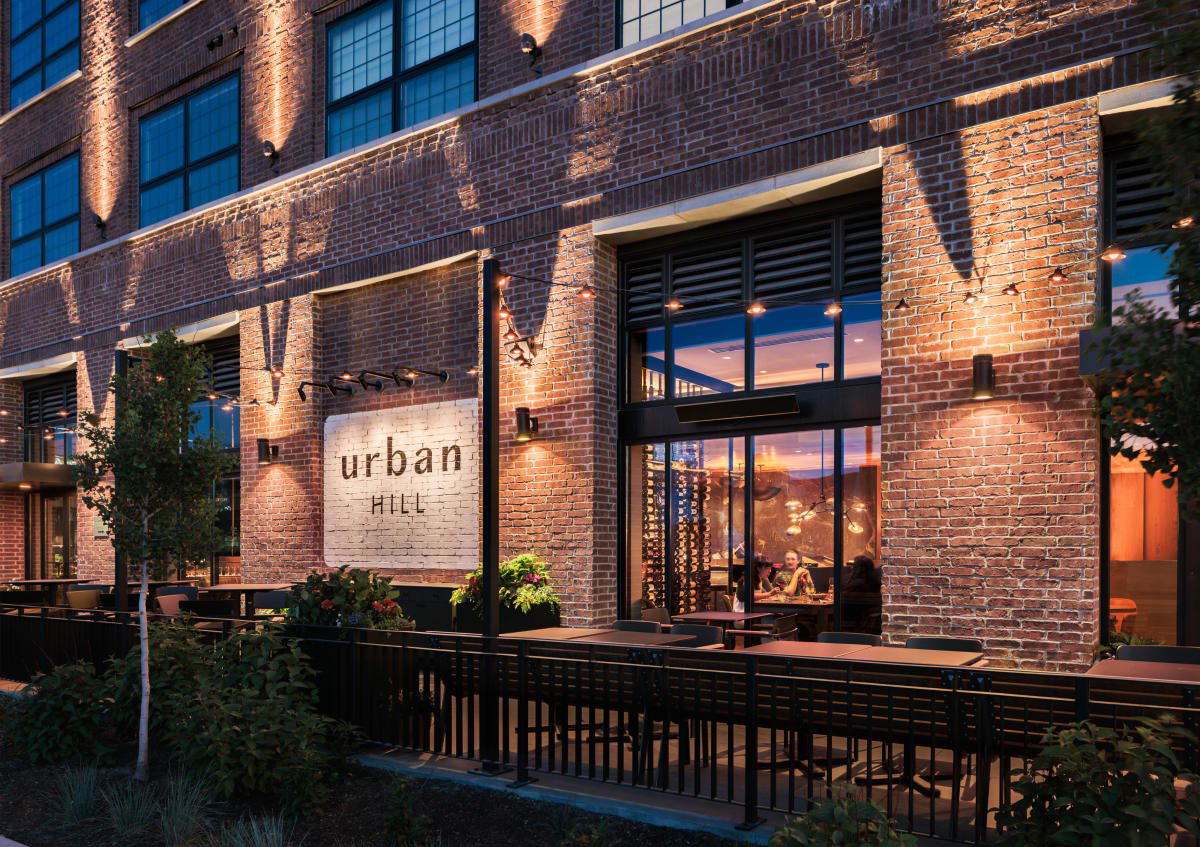
Downtown Salt Lake City's Broadway corridor runs through a stretch of the city that has absorbed considerable dining investment over the past decade, as the area around Gallivan Plaza and the blocks east toward the university have filled in with independent operators. The izakaya format, which sits somewhere between a pub and a casual restaurant in the Japanese original, has landed in a handful of American cities with varying degrees of fidelity to that original model. At 65 E Broadway, Ozora Izakaya occupies a position on that corridor that places it squarely in the middle of downtown's walkable dining zone, within reach of the theater district and the financial core that generates the after-work crowd the format was built for.
The izakaya as a category deserves some framing, because the word gets applied loosely in American cities. In Japan, the format centers on small plates ordered across the table alongside drinks, with no fixed progression of courses and no particular expectation of a beginning, middle, or end. The social logic is different from a tasting menu or even a casual bistro: the food exists to extend the drinking occasion, not the reverse. American interpretations vary considerably. Some lean into the drinking side and produce something closer to a bar with food. Others tip toward the restaurant end and lose the relaxed pacing that gives the format its appeal. How Salt Lake City's version of this equation plays out is part of what makes Ozora an interesting data point in the city's dining story.
The City It Sits In
Salt Lake City's dining range has broadened measurably since the mid-2010s. The city now has credible options across a wider set of cuisines than its landlocked, intermountain geography might suggest. Japanese food in particular has found enough of an audience to support multiple formats: dedicated sushi counters, ramen shops, and now izakaya-style operations that speak to a different use case than either. That pattern mirrors what happened in other mid-size American cities where a critical mass of food-literate residents began demanding more specificity, not just more variety.
For reference points outside Utah, the izakaya-adjacent category in American cities has produced some genuinely serious programs. Kumiko in Chicago has built a reputation that crosses bar and Japanese-influenced hospitality in ways that draw national attention. Bar Leather Apron in Honolulu operates at the precise end of Japanese-influenced cocktail culture. These are not direct comparisons to a downtown Salt Lake City izakaya, but they mark the outer coordinates of what the format can achieve. Closer to home, the cocktail programs at venues like Bar Nohm and Avenues Proper show that the city's bar culture has developed genuine technical depth, which matters for an izakaya where the drink list is as important as the food.
What the Izakaya Format Asks of a Room
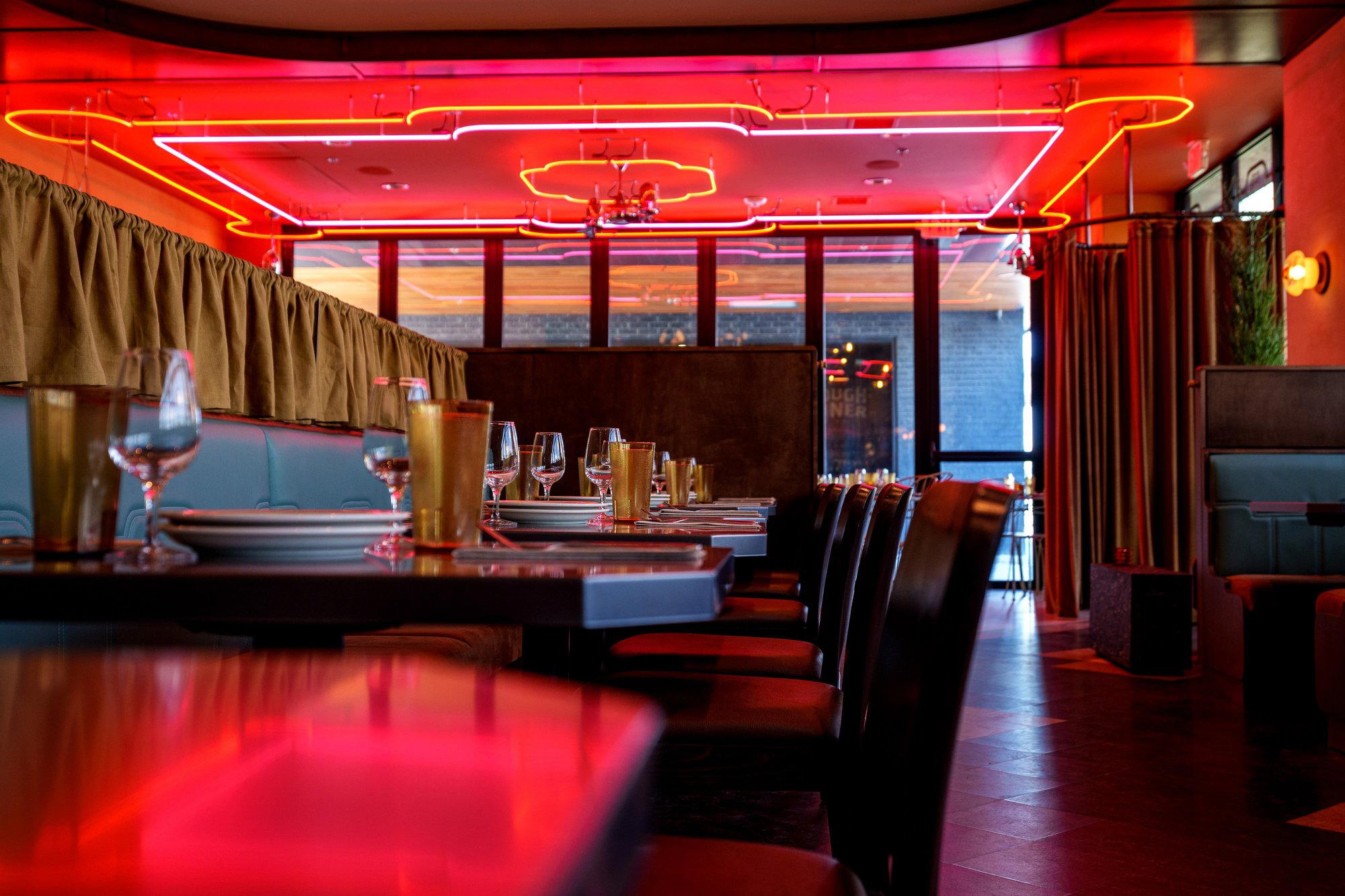
The physical environment of a successful izakaya does specific work. Counter seating, communal tables, and a room that is loud enough to feel alive without being hostile to conversation all contribute to the format's logic. The light is usually lower than a lunch spot and warmer than a formal restaurant. The staff pace works differently too: orders come in waves rather than courses, and the expectation is that guests will sit for a while and order as they go. Broadway's foot traffic and the surrounding entertainment venues mean that Ozora's location is well-positioned for the kind of evening that benefits from a flexible, low-commitment entry: dinner before a show, drinks after a game, or a weeknight meal that doesn't require a reservation calculus.
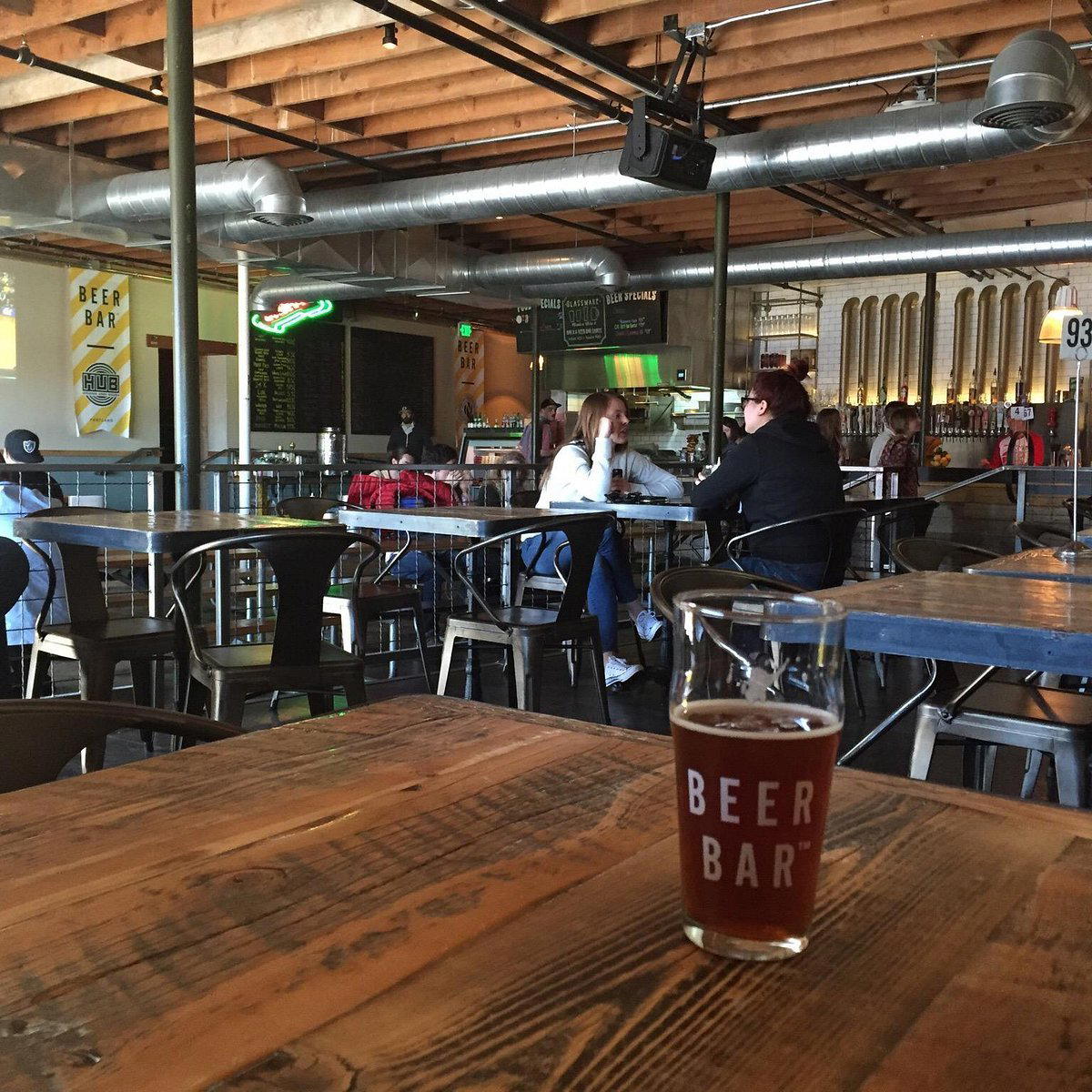
Salt Lake City's liquor laws have historically complicated the bar side of this equation. Utah's regulatory environment around alcohol service has loosened incrementally, and the category of restaurant that operates with a full liquor license has grown as a result. An izakaya without a serious drink program is missing something central to the format's point, which is why the licensing context matters here in a way it wouldn't in New York or Chicago. For broader context on how bar culture has developed in the city, Aker Restaurant and Lounge, Beer Bar, and the programs at several other downtown spots have each carved out distinct identities under the same regulatory constraints.
Ordering Logic and What to Expect
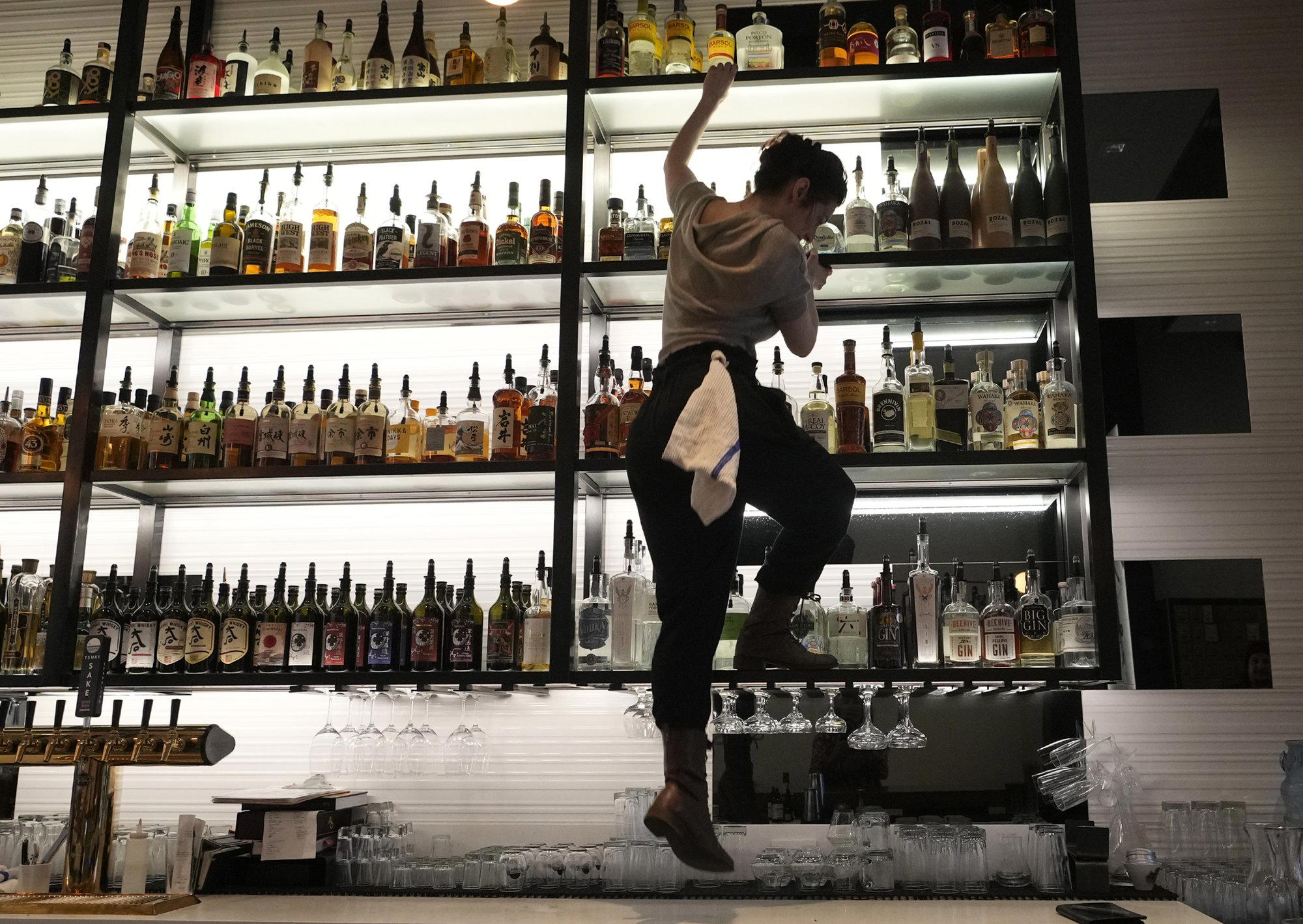
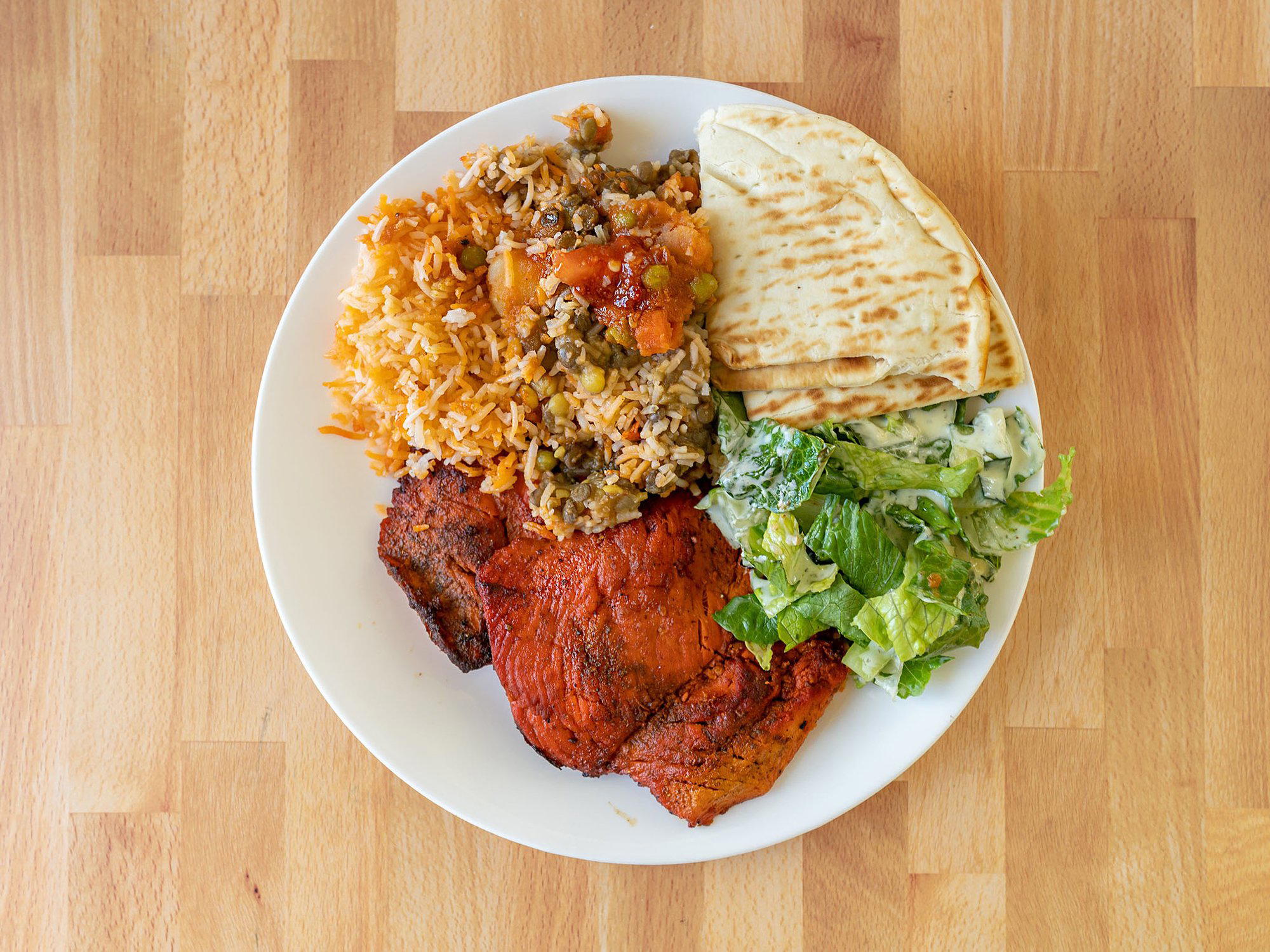
Yakitori, edamame, gyoza, karaage, and assorted grilled or fried proteins are the building blocks. The quality variation within that category is significant and depends on sourcing, technique, and the kitchen's attention to the fundamentals. The drink side typically includes Japanese whisky, sake, and shochu alongside beer and a cocktail list, with the better programs making real choices about which producers and styles they stock rather than defaulting to particularly available options.
Visitors approaching Ozora from outside the city should know that the Broadway address puts it within easy walking distance of the major downtown hotel cluster and the TRAX light rail system, which makes it accessible from multiple neighborhoods without requiring a car. Parking in the immediate area follows downtown Salt Lake City's standard pattern: metered street parking and several nearby garages. For anyone building a broader evening around the area, the city's cocktail programs at venues like comparable operations in other cities show what a well-developed izakaya-adjacent night out can look like as a template.
The wider Salt Lake City scene has enough variety now that a single visit to the city can support a genuinely considered food itinerary. Our full Salt Lake City restaurants guide maps the options across neighborhoods and formats. For those interested in how the izakaya format has played out in other American cities, the bar programs at Jewel of the South in New Orleans, Julep in Houston, ABV in San Francisco, and The Parlour in Frankfurt each offer a different angle on how a room built around drinks and small plates can establish its own identity.
Planning a Visit
Ozora Izakaya is located at 65 E Broadway, Salt Lake City, UT 84111, in the downtown core. The venue's website and current hours were not confirmed at publication, so checking directly before visiting is advisable, particularly for weeknight versus weekend service patterns. The izakaya format generally rewards arriving without a fixed deadline and ordering incrementally rather than front-loading a full order at the start. For a downtown Salt Lake City evening, the Broadway location makes it a natural first or second stop on a longer night out.
Continue exploring
More in Salt Lake City
Bars in Salt Lake City
Browse all →
Restaurants in Salt Lake City
Browse all →
Hotels in Salt Lake City
Browse all →
Wineries in Salt Lake City
Browse all →
At a Glance
- Lively
- Trendy
- Cozy
- Date Night
- After Work
- Late Night
- Casual Hangout
- Standalone
- Seated Bar
- Booth Seating
- Sake
Current opening hours
- Monday
- 5–10 PM
- Tuesday
- 5–10 PM
- Wednesday
- 5–10 PM
- Thursday
- 5–10 PM
- Friday
- 12–11 PM
- Saturday
- 12–11 PM
- Sunday
- 2–9 PM
Hours can change for holidays and private events. Last verified .
Lively atmosphere with chill music at well-suited volume, lively yet conversational.