Wren House Brewing Company
Wren House Brewing Company, at 2125 N 24th St in Phoenix's Camelback East corridor, is a neighborhood craft brewery that has built a following through consistent, approachable beer programming in a city whose drinking culture increasingly rewards specialist producers. It sits in a different register than Phoenix's cocktail-forward bars, offering a low-key counterpoint to the more theatrical end of the local scene.
 Discover on Pearl
Pearl is the En Primeur Club membership app — saves, bookings, and concierge access live there. Same editors, same standards.
- Address
- 2125 N 24th St, Phoenix, AZ 85008
- Phone
- +1 602 244 9184
- Website
- wrenhousebrewing.com
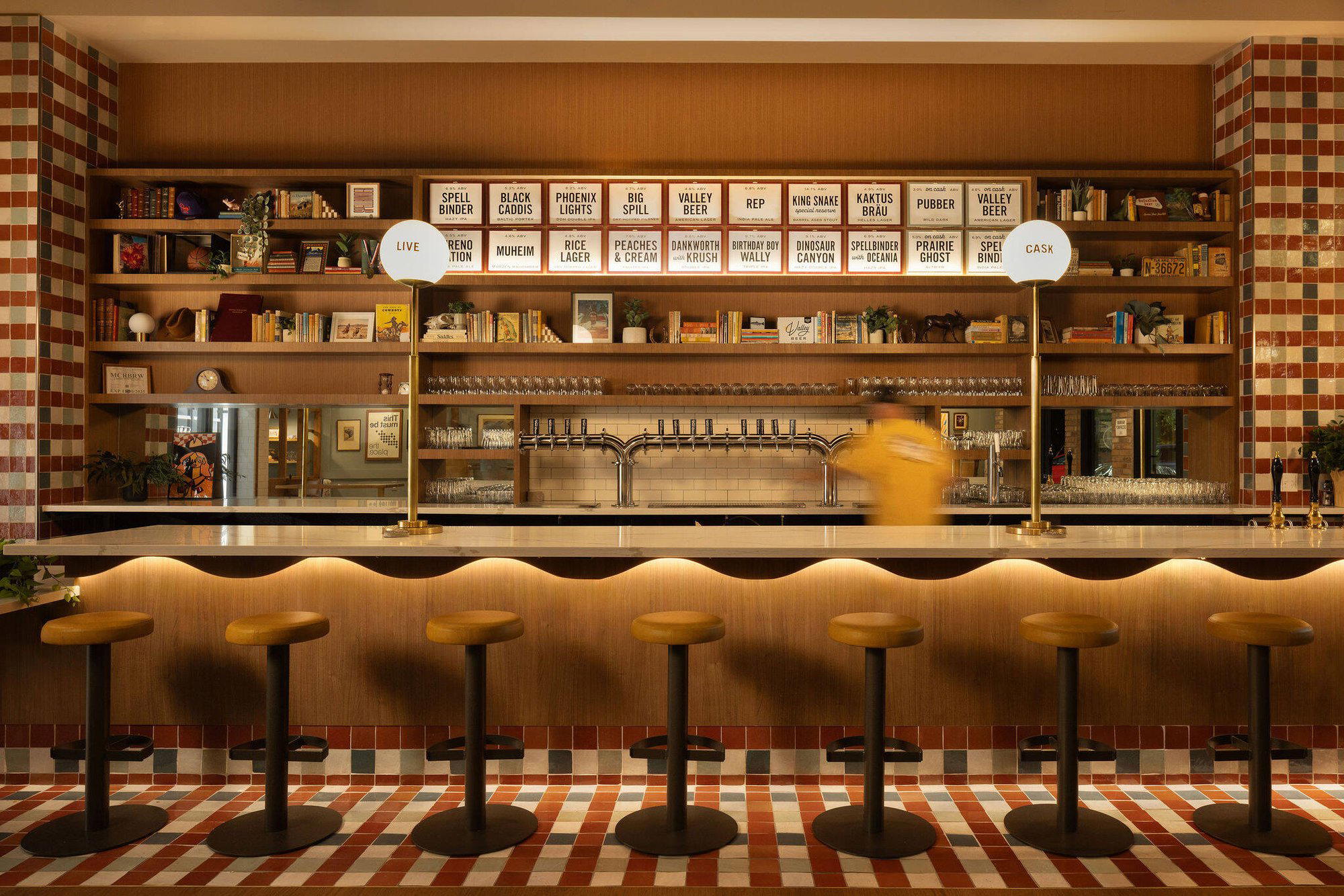
Where Phoenix Slows Down With a Pint
Phoenix's drinking culture has fractured into distinct registers over the past decade. On one end sit the cocktail programs at places like Bitter & Twisted and Century Grand, where technique and theatrics drive the experience. On the other end, a quieter tier of neighborhood breweries has taken root, serving regulars who want well-made beer in rooms that don't demand much of them. Wren House Brewing Company, at 2125 N 24th St in Phoenix, operates firmly in that second category. It is a production brewery with a taproom, not a destination bar.
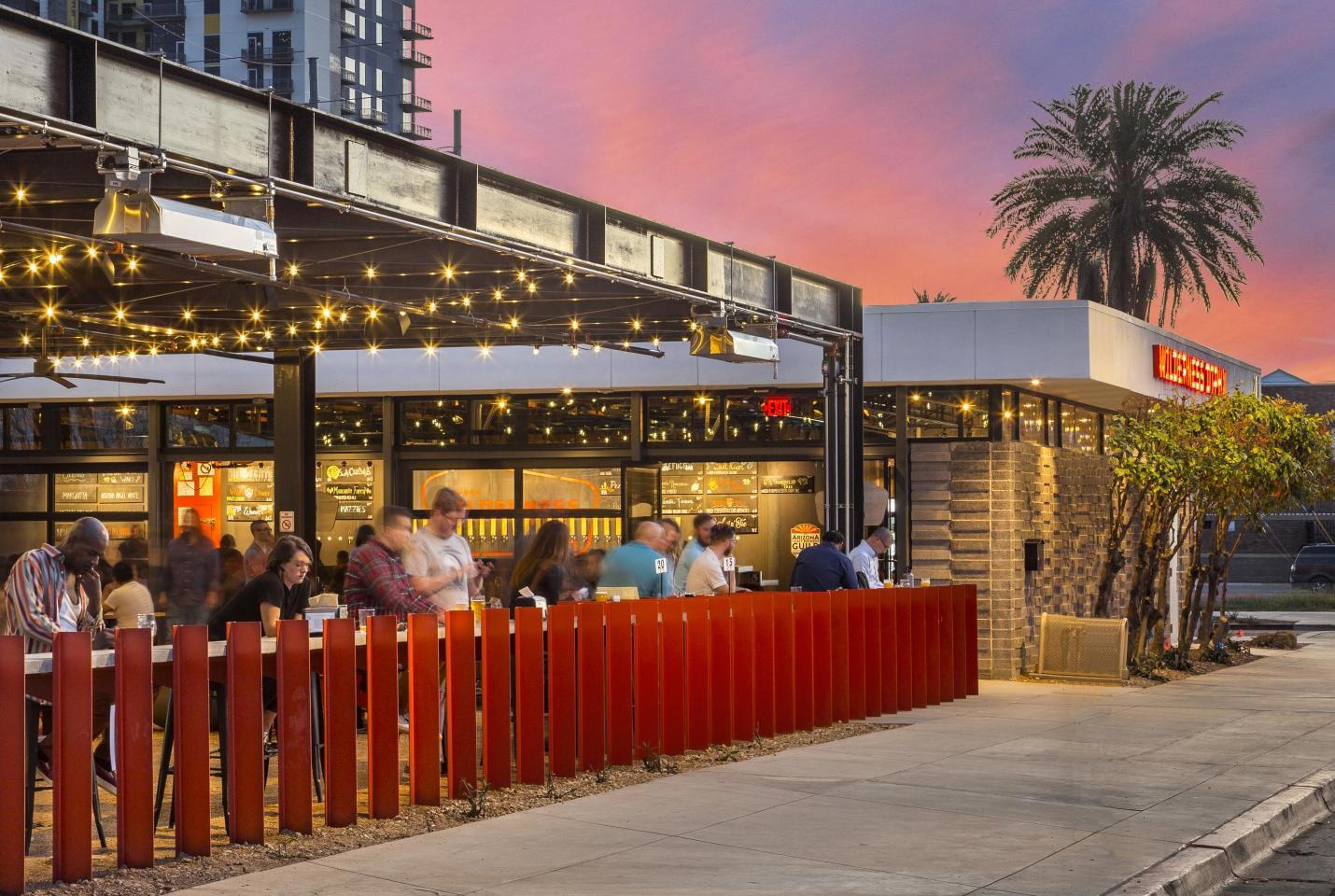
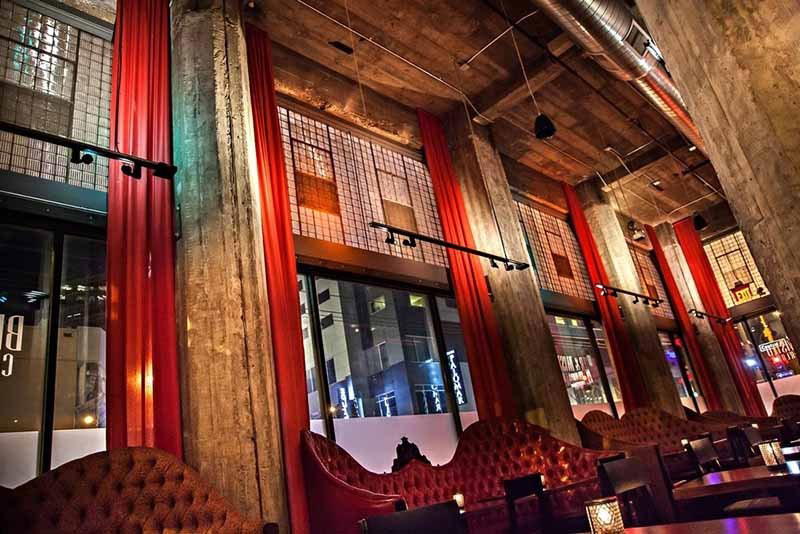
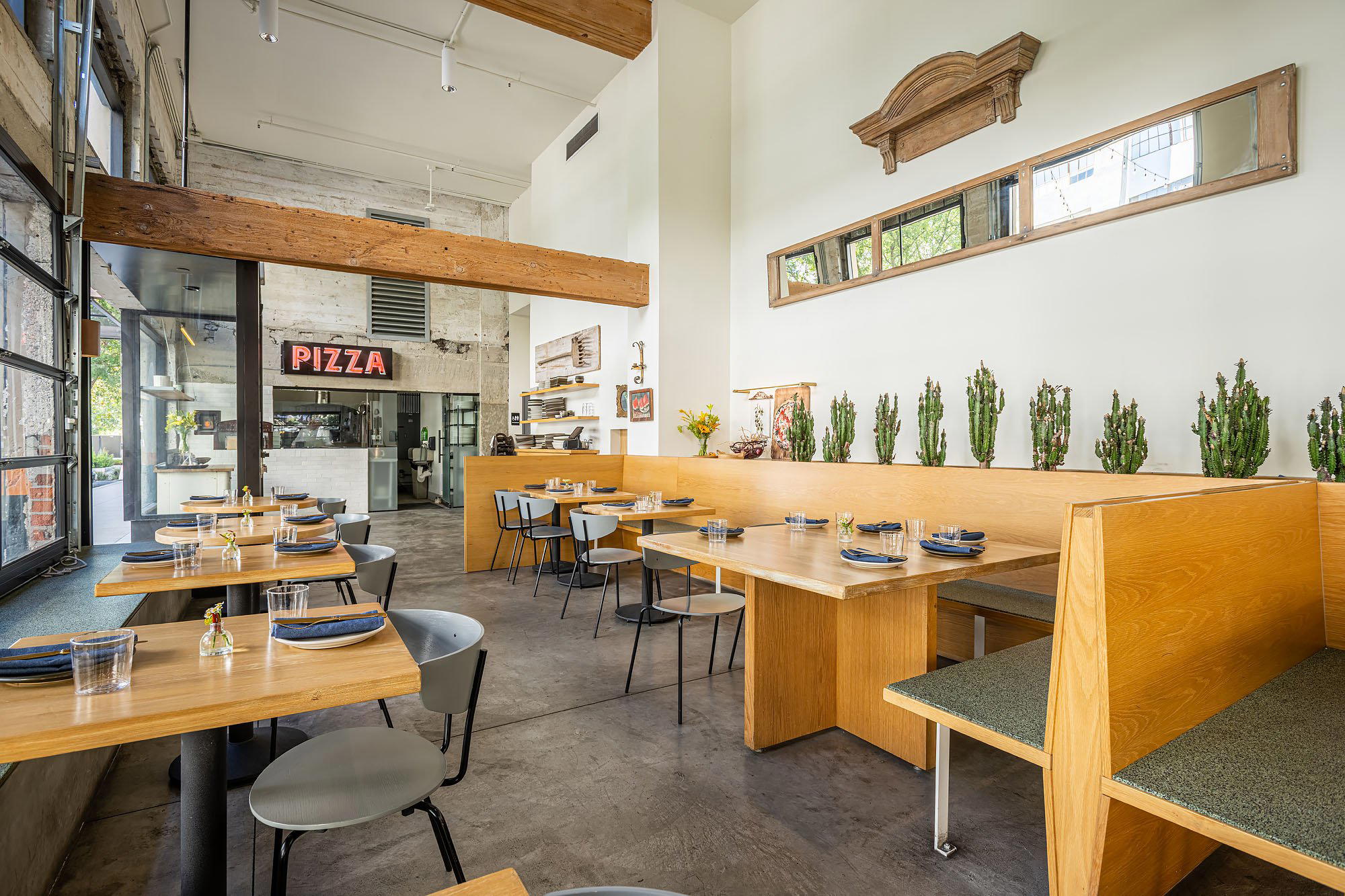
The physical setting is industrial without being self-conscious about it. Camelback East is not a nightlife corridor in the way that downtown or the Roosevelt Row arts district is, which means Wren House draws visitors with purpose rather than foot traffic. That self-selection shapes the room's character: the crowd skews local, repeat-visit heavy, and noticeably less performative than what you'll find at the cocktail bars anchoring the city's more curated end. Where Platform 18 and Highball compete on presentation and programming, Wren House competes on product.
The Craft Beer Niche in a Cocktail-Forward City
Arizona's craft beer market has matured considerably since the early wave of brewery openings in the 2010s. The state now supports a competitive field of producers, and Phoenix specifically has seen consolidation at the premium end: breweries that survive and grow do so either through wide distribution or through taproom experiences that give drinkers a reason to make the trip. Wren House has held its position in the latter group, with a taproom that functions as the primary public-facing expression of the brewery's output.
The editorial question worth asking about any specialty producer in a crowded market is whether the product justifies the category claim. In Phoenix's beer landscape, Wren House sits closer to the serious end of the local field than to the novelty or event-driven end. That positioning matters because it sets the terms on which the brewery should be evaluated: not against the spectacle of a cocktail bar, but against peer breweries operating in the same Southwest market. Against that comparable set, Wren House has maintained enough consistency to retain a loyal neighborhood base, which in a city as spread out and car-dependent as Phoenix is no small logistical feat.
For comparison points outside Phoenix, the specialist-producer-with-taproom model shows up across American cities in venues like ABV in San Francisco and Bar Leather Apron in Honolulu, both of which occupy distinct positions in their local markets by committing to product depth over ambient spectacle. Wren House is operating in a comparable register, scaled to Phoenix's neighborhood geography.
Beer as the Collection: What the Tap List Signals
The editorial angle assigned to spirits collections and back-bar curation applies instructively here, even in a brewery context. In cocktail bars like Kumiko in Chicago or Jewel of the South in New Orleans, the depth of a program is measured by the range and rarity of what's on the shelf. In a taproom, the equivalent signal is the tap list: how many handles are rotating, how adventurous the seasonal offerings are, and whether the core lineup holds up without novelty propping it up.
Wren House's approach prioritizes a rotating selection that reflects both year-round reliability and seasonal variation. That structure, with anchoring core beers supplemented by limited releases, is the standard framework for taprooms operating at a certain level of seriousness. It keeps regulars engaged without alienating newcomers, and it gives the brewery flexibility to test styles that might move into the permanent rotation. In Phoenix's climate, where drinking patterns shift more with temperature than with traditional brewing seasons, that flexibility has practical value. Summer in Phoenix changes what people want from a glass; a brewery that doesn't account for that in its programming is ignoring basic market reality.
The comparison set for this kind of curation-minded tap approach extends beyond Arizona. Programs at Julep in Houston and Superbueno in New York City demonstrate how specialist producers in different categories build loyalty through program depth rather than trend-chasing. The mechanism is the same whether the product is whiskey, mezcal, or beer: the list signals to regulars that the producer is paying attention.
Getting There and Planning Your Visit
Wren House sits at 2125 N 24th Street, in a part of Phoenix that is accessible by car but not particularly walkable from most hotel corridors. For visitors staying downtown or near the airport, the drive is manageable, but this is not a spontaneous addition to an itinerary kind of stop. It rewards planning, particularly if you want to catch a specific seasonal release or avoid the busiest weekend afternoon windows when taprooms in this format tend to fill with neighborhood regulars running long. Visitors accustomed to the doorman-and-reservation model at spots like The Parlour in Frankfurt on the Main should recalibrate expectations: taprooms in this mold operate walk-in and first-come. There is no booking layer, which keeps the experience democratic but means popular release days can see genuine competition for seating.
Budget Reality Check
Comparable venues nearby, for context on price, style, and recognition.
| Venue | Cuisine | Price | Awards | Notes |
|---|---|---|---|---|
| Wren House Brewing CompanyThis venue — the venue you are viewing | Bar | , | , | |
| Pokitrition - Sushi Burritos & Poke | Midtown Phoenix, Bar | $$ | , | |
| Gracie's Tax Bar | $$ | , | Roosevelt Row, dive_bar | |
| Testal Mexican Kitchen | Roosevelt Row, Bar | $$ | , | |
| Aroma India (Cuisine and Bar) | Roosevelt Row, lounge | $$ | , | |
| PROVISION | $$ | , | Midtown Phoenix, cocktail_bar |