Tong Tong Korean Restaurant
A Korean restaurant on South Academy Boulevard, Tong Tong occupies a stretch of Colorado Springs that runs thick with immigrant-owned dining. The address places it squarely in the city's most culinarily diverse corridor, where Korean, Vietnamese, and Mexican kitchens operate with minimal fanfare and considerable regularity. For a city still developing its Korean food scene, it fills a clear gap in the south-side offer.

Pearl is the En Primeur Club membership app, where members save venues, book tables and use the concierge.
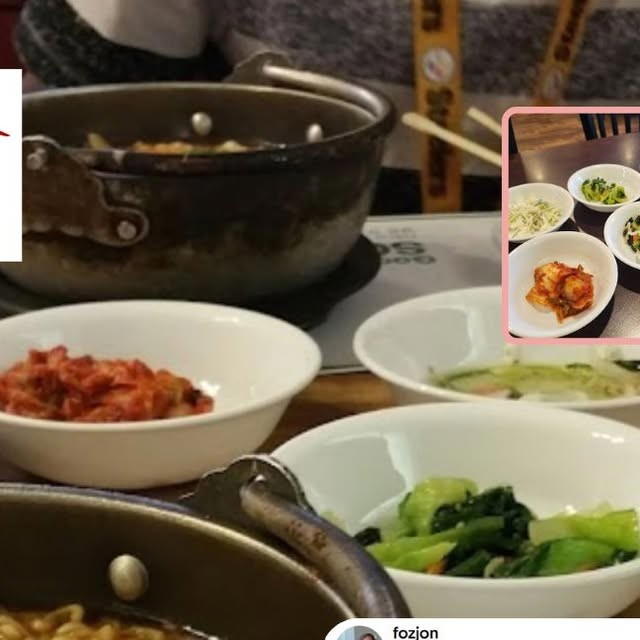
South Academy and the Case for Korean on the Corridor
Colorado Springs does not have a Koreatown. What it has instead is South Academy Boulevard, a commercial strip that functions as the city's de facto immigrant dining corridor, where restaurateurs serving Korean, Vietnamese, Ethiopian, and Latin American food set up alongside auto shops and strip malls with little ceremony and, in many cases, considerable staying power. Tong Tong Korean Restaurant, at 2036 S Academy Blvd, sits inside that pattern. The surrounding block is not atmospheric in the way food-media destinations tend to be, but that is precisely what gives it credibility: this is a neighborhood restaurant operating on repeat custom, not foot traffic from curious tourists.
Korean food in mid-sized American cities tends to bifurcate sharply. On one end, you get fast-casual Korean-American hybrids built around bibimbap bowls and gochujang-glazed proteins, formatted for speed and accessibility. On the other, you occasionally find a more traditional kitchen, where the banchan are house-made, the broth is long-simmered, and the menu assumes some baseline familiarity with the cuisine. South Academy has historically leaned toward the former, making a full-service Korean kitchen here something the neighborhood's dining mix does not duplicate easily.
The Drink Question in a Korean Dining Context
Korean dining has a specific relationship with its beverages, one that American interpretations often flatten. The traditional pairing logic runs from soju through makgeolli to Korean beer, and the leading Korean restaurants in the United States have started treating that logic with the same seriousness that Japanese restaurants brought to sake programs a decade ago. Bars like Kumiko in Chicago and Bar Leather Apron in Honolulu represent the direction that serious drink programs have moved across Asian-cuisine contexts: away from novelty and toward coherence with the food on the table.
What the Korean dining context suggests, however, is worth understanding before you arrive. Soju, if available, is the baseline pairing for heavier preparations like galbi or samgyeopsal. Makgeolli, the lightly sparkling rice wine, pulls toward lighter dishes and cold preparations. If the kitchen is operating with any traditional discipline, the drink list will reflect at least some of this logic. Colorado Springs' independent bar scene, anchored by venues like 503W and Burrowing Owl, has moved toward craft-forward programming, but Korean restaurants on the corridor tend to operate their beverage offer independently of those trends, staying closer to the traditional pairing canon.
What Colorado Springs Korean Dining Actually Asks of You
The city's Korean food options are sparse enough that drawing direct comparisons to peer Korean restaurants locally is difficult. Denver, roughly 70 miles north, has a denser Korean dining cluster, and for residents of the Springs who have calibrated their expectations there, South Academy's options require some adjustment in expectations around selection and format. Tong Tong is not a sprawling menu Korean operation in the Denver mold; it is a neighborhood restaurant in a city where Korean food does not have the critical mass to support that model.
That context matters for setting realistic expectations. In cities with established Korean dining cultures, like Los Angeles, New York, or Atlanta, the competition within the cuisine forces constant refinement. In Colorado Springs, the Korean kitchen that operates consistently and with genuine preparation earns its place by default of being present at all. Across the broader American craft bar and food scene, venues like Jewel of the South in New Orleans and Julep in Houston have shown how regional specificity and culinary seriousness can coexist in markets that are not traditionally associated with a given format. The same principle applies to Korean food in Colorado Springs: the standard is set by what the kitchen does, not by what the market demands around it.
Reading the Room: Format, Setting, and the South Academy Register
South Academy Boulevard operates at a register that is categorically different from downtown Colorado Springs or the Old Colorado City dining strip. The venues here are not designed around atmosphere or occasion dining. They are built for regulars, for families, for people who know what they want before they walk in. Tong Tong fits that register. The address on S Academy Blvd is not the kind of destination you stumble into; it is the kind of place you return to because the food is consistent and the price holds.
That consistency is the actual offer. In a market like Colorado Springs, where Korean food is not a category with multiple strong options, a restaurant that operates reliably in this cuisine fills a specific need. The comparison set for this kind of venue is not the downtown dining scene or the brewpub corridor anchored by Cerberus Brewing Company or the outdoor-hospitality format of Buffalo Lodge Bicycle Resort. It is the group of immigrant-owned restaurants on the corridor that serve a cuisine their neighborhood cannot easily find elsewhere.
Internationally, the movement toward treating craft and hospitality at smaller, neighborhood-anchored venues with the same editorial seriousness as flagship restaurants has been well documented. Bars like Superbueno in New York City, ABV in San Francisco, and The Parlour in Frankfurt on the Main have each built reputations on neighborhood-first hospitality rather than destination programming. The logic translates directly to Korean dining on South Academy: proximity to the community served is itself a form of quality signal.
Planning Your Visit
Tong Tong Korean Restaurant is located at 2036 S Academy Blvd, Colorado Springs, CO 80916, in the southern section of the city accessible by car from downtown in under 20 minutes. Given the sparse public documentation of hours, booking policy, and current pricing, confirming operating hours before visiting is advisable, particularly on weekdays when neighborhood restaurants on this corridor can keep irregular schedules. No reservation booking platform is listed at the time of writing, which suggests walk-in is the operative model, consistent with most South Academy dining. For a fuller picture of what Colorado Springs dining offers across its neighborhoods and price tiers, see our full Colorado Springs restaurants guide.
Cuisine-First Comparison
| Venue | Cuisine | Price | Awards |
|---|---|---|---|
| Tong Tong Korean RestaurantThis venue (the venue you are viewing) | This venue | Not listed | Not listed |
| Four by Brother Luck | Not listed | $30–50 | Michelin Plate |
| Vultures | Not listed | $10–20 | Not listed |
| Ephemera | Not listed | $50–100 | Not listed |
| 503W | Not listed | $20–30 | Not listed |
Continue exploring
More in Colorado Springs
Bars in Colorado Springs
All bars in Colorado Springs →


Details
- Cozy
- Casual Hangout
- Group Outing
- Seated Bar
Current opening hours
- Monday
- 11 AM–9:30 PM
- Tuesday
- 11 AM–9:30 PM
- Wednesday
- 11 AM–9:30 PM
- Thursday
- 11 AM–9:30 PM
- Friday
- 11 AM–9:30 PM
- Saturday
- 11 AM–9 PM
- Sunday
- Closed
Hours can change for holidays and private events. Last verified .
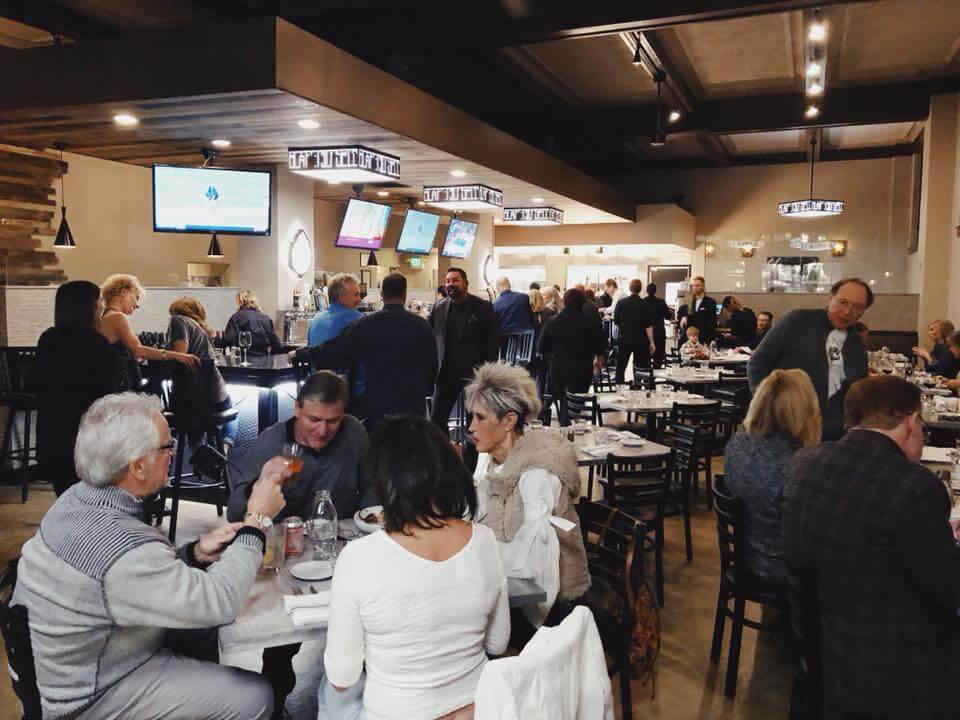
Clean, calm, and family-friendly with Asian-themed decor and a welcoming atmosphere.