Tokyo Tower Japanese Sushi and Chinese Cuisine
On South State Street, one of Salt Lake City's most culturally layered corridors, Tokyo Tower Japanese Sushi and Chinese Cuisine sits at the intersection of two distinct Asian culinary traditions. The kitchen spans sushi and Chinese preparations under one roof, making it a practical and curious stop for diners who want range without venue-hopping. Located at 1158 S State St, it draws a mix of regulars and first-time visitors exploring the city's mid-tier dining options.
Pearl is the En Primeur Club membership app — saves, bookings, and concierge access live there. Same editors, same standards.
- Address
- 1158 S State St STE 101, Salt Lake City, UT 84111
- Phone
- +1 385 528 1158
- Website
- tokyotowerslc.com
- Directions
- Get directions
 Saves & bookings on Pearl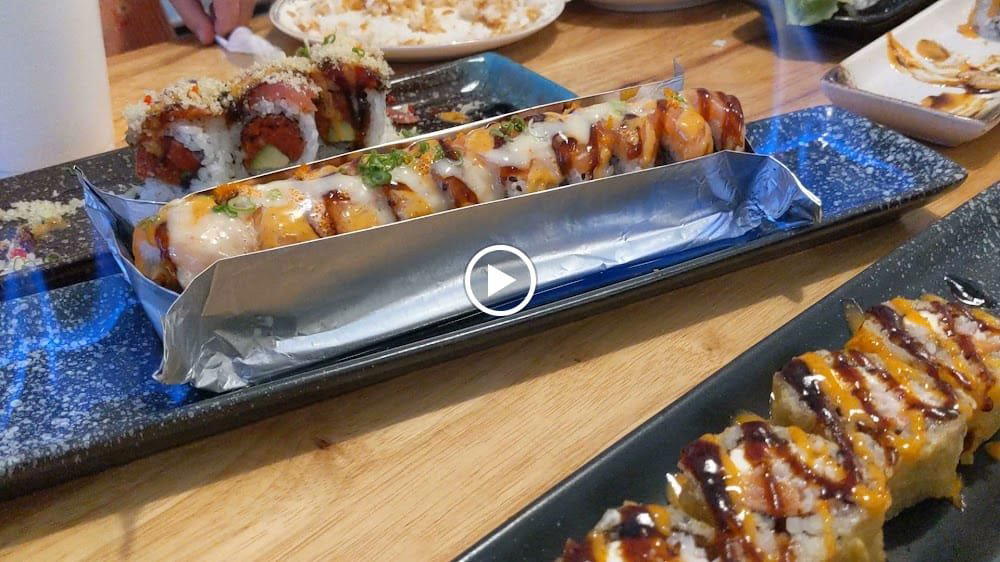
South State Street and the Mixed-Cuisine Format
Salt Lake City's South State Street corridor has long functioned as among the more economically and culturally mixed stretches in the metro. The blocks running south from downtown toward Sugar House pass through a concentrated zone of independent restaurants, many of them operating in a format that larger American cities have largely abandoned: the dual-cuisine house that serves two distinct culinary traditions from a single kitchen. Tokyo Tower Japanese Sushi and Chinese Cuisine, at 1158 S State St Suite 101, occupies this category directly, pairing Japanese sushi preparation with a Chinese menu under one roof. It is a casual, walk-in-friendly spot in Salt Lake City with.
That format has a specific logic in mid-size American cities. Where the dining population is large enough to support a sushi bar but not deep enough to sustain a high-volume Japanese-only counter, a combined menu allows the kitchen to spread its appeal and reduce the risk of slow nights. The result is a restaurant that functions differently from a specialist, it draws diners who want range, families with divergent preferences, and regulars looking for familiar ground across two traditions. For anyone exploring the State Street dining belt, that breadth has practical value.
The address places Tokyo Tower in a stretch of State Street that sits between the more curated restaurant clusters of downtown and the neighborhood density of Sugar House further south. This is working-city dining, not destination dining, and the surrounding context matters: nearby independents like Aker Restaurant & Lounge and Avenues Proper operate in a different register entirely, with craft drink programs and a more deliberate dining positioning. Tokyo Tower makes no attempt to compete in that space. It occupies a different tier and a different purpose.
The Dual-Cuisine Kitchen in American Context
Across American dining, the Japanese-Chinese combined menu is a format with deep roots in immigrant restaurant culture. It emerged partly from practical economics and partly from the reality that many early Asian restaurant operators in the United States trained across multiple culinary traditions before settling into their own kitchens. The format is more common than most food media acknowledges, particularly in cities where a single Asian cuisine would struggle to fill seats on its own.
In Salt Lake City, the broader Asian dining scene has grown considerably over the past decade, with specialist operations drawing more attention. Hamachi Sushi Bar represents the more focused end of Japanese dining in the city, while other independents along State Street and nearby corridors have developed their own distinct identities. Against that backdrop, the combined-menu format at Tokyo Tower reads as a different kind of offer: lower-pressure, broader in scope, and oriented toward convenience as much as cuisine.
This is not a criticism. The dual-format restaurant serves a real function in the dining ecosystem of any city. It handles situations that specialist venues cannot: the table where one person wants sashimi and another wants fried rice, the weeknight dinner where no one has the energy to make a strong preference call. Cities with a healthy dining culture need both the specialists and the generalists.
What the Location Signals for the Experience
Suite 101 at 1158 S State St situates Tokyo Tower in a mixed-use commercial building typical of this stretch. The State Street format, retail units, service businesses, and restaurants sharing the same building stock, creates a particular kind of dining environment. These are not purpose-built restaurant spaces with theatrical interiors. They tend to prioritize function: tables arranged efficiently, service that moves at a practical pace, and menus that cover ground rather than narrow their focus.
For diners accustomed to the deliberate environments of venues like Bar Nohm or the neighborhood-specific character of Beer Bar, Tokyo Tower operates at a different register. The draw here is reliability and range, not curation. That distinction is worth being clear about, because conflating the two leads to the wrong expectations from either direction.
The State Street location also means the restaurant is accessible by car and transit, sitting within the central grid that makes most of Salt Lake City's mid-corridor dining reachable without significant planning. For visitors staying downtown, the address is a short drive south from the main hotel clusters.
Salt Lake City's Broader Asian Dining Picture
Japanese and Chinese cuisines each have a substantial presence in Salt Lake City, reflecting both the city's growing immigrant populations and the appetite among the broader dining public for these traditions. The sushi end of the market has grown in particular, with counters ranging from high-throughput rolls-and-apps operations to more technically focused bars. Chinese dining spans an equally wide range, from Cantonese-leaning family restaurants to newer arrivals with more regional specificity.
In that context, the combined-menu format at Tokyo Tower positions itself at the accessible, familiar end of both traditions rather than the specialist end. This is where much of the city's everyday Asian dining actually happens, outside the venues that attract media attention. Nationally, the specialist end of the Japanese market is well represented by venues like Kumiko in Chicago, which applies a rigorous Japanese aesthetic to its cocktail and food program, or the kind of technically precise operations reviewed by publications focused on fine dining. Salt Lake City has its own versions of that ambition, but Tokyo Tower is not positioned there, and
Salt Lake City's dining culture is growing in that direction, but the State Street corridor retains its identity as the city's working-restaurant spine, where the emphasis stays on access and everyday reliability.
Planning Your Visit
Tokyo Tower Japanese Sushi and Chinese Cuisine is located at 1158 S State St Suite 101, Salt Lake City, UT 84111. The State Street address is accessible from downtown Salt Lake City and sits within the central grid. Checking current hours before visiting is advisable, particularly for midweek lunch service when hours at independent State Street restaurants can vary.
Price Lens
Comparable venues nearby, for context on price, style, and recognition.
| Venue | Cuisine | Price |
|---|---|---|
| Tokyo Tower Japanese Sushi and Chinese CuisineThis venue — the venue you are viewing | Ballpark, Bar | $$ |
| La Cevichería | Clark Learning Office Center, mezcaleria | $$ |
| The Rose Establishment | Clark Learning Office Center, Bar | $$ |
| Yellowfinn Grill & Sushi Bar | Sugarhouse, Bar | $$ |
| Bricks Corner | Liberty Wells, lounge | $$ |
| Sapa | Downtown, lounge | $$ |
Continue exploring
More in Salt Lake City
Bars in Salt Lake City
Browse all →
Restaurants in Salt Lake City
Browse all →
Hotels in Salt Lake City
Browse all →
Wineries in Salt Lake City
Browse all →
At a Glance
- Casual
- Modern
- Casual Hangout
- Group Outing
- Family
- Standalone
- Booth Seating
Current opening hours
- Monday
- 11 AM–10 PM
- Tuesday
- 11 AM–10 PM
- Wednesday
- 11 AM–10 PM
- Thursday
- 11 AM–10 PM
- Friday
- 11 AM–10:30 PM
- Saturday
- 11 AM–10:30 PM
- Sunday
- 12–10 PM
Hours can change for holidays and private events. Last verified .
Casual and welcoming atmosphere with private booth seating, designed for comfortable dining with family or groups.