The Wolves
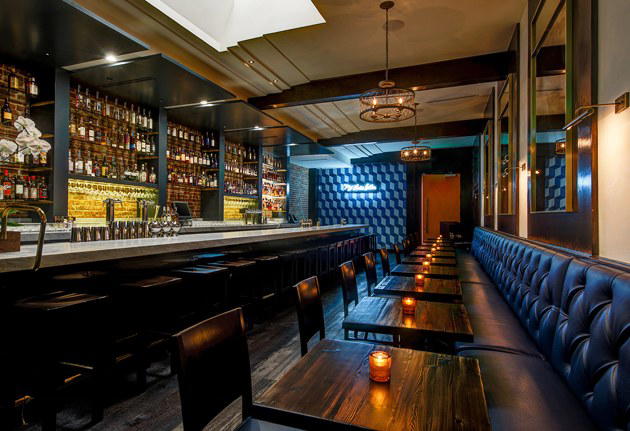
The Wolves occupies a Spring Street address in Downtown Los Angeles at a moment when the city's craft cocktail bars are doing their most serious work. The space draws from a tradition of technically grounded bartending, and its position inside the DTLA corridor places it alongside a generation of programs where what's in the glass matters more than the room's theatrical dressing.
Pearl is the En Primeur Club membership app — saves, bookings, and concierge access live there. Same editors, same standards.
- Address
- 519 S Spring St, Los Angeles, CA 90013
- Phone
- +1 213 265 7952
- Website
- thewolvesdtla.com
- Directions
- Get directions
 Saves & bookings on Pearl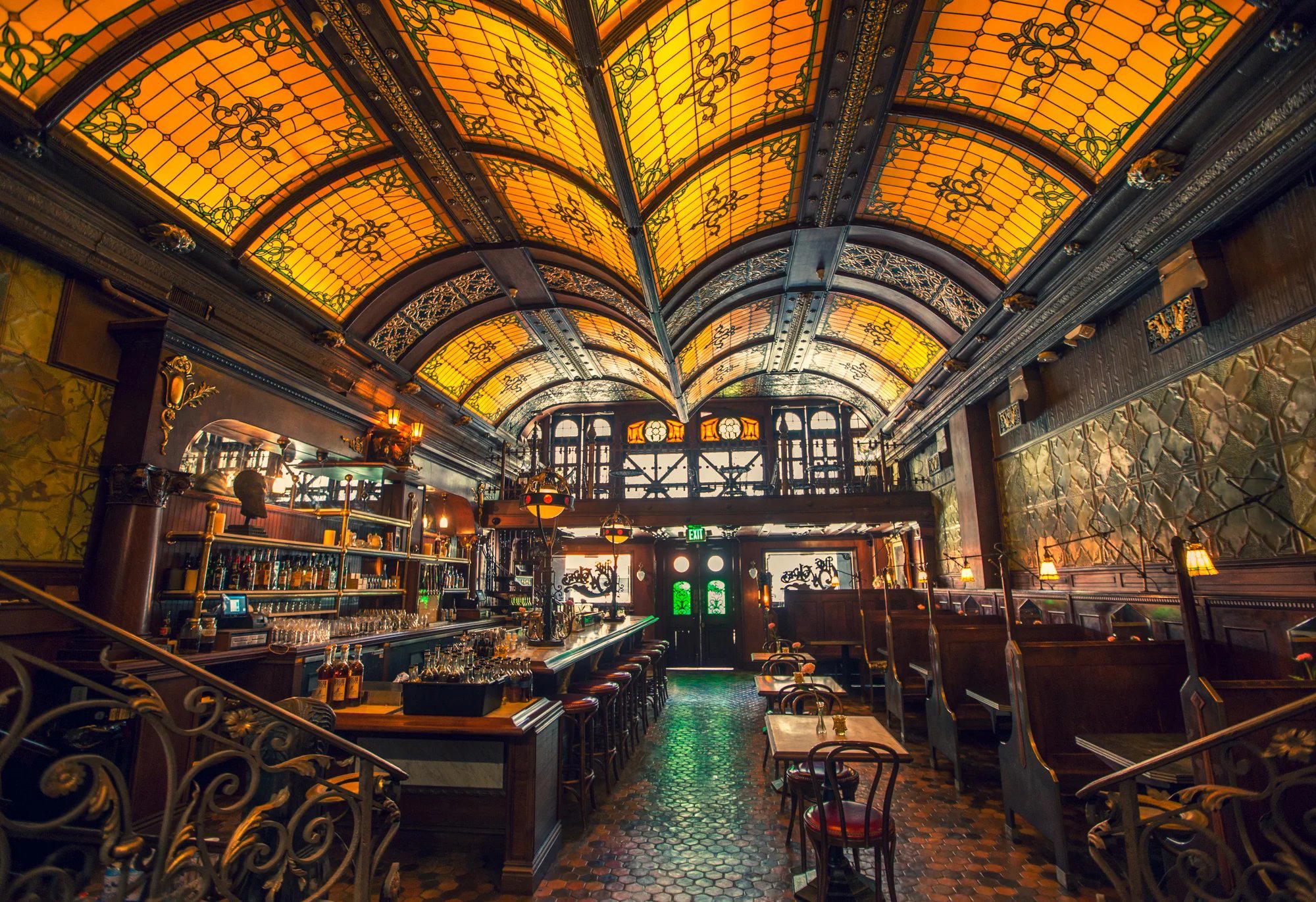
Spring Street in the Glass
Downtown Los Angeles's Spring Street corridor has, over the past decade, become the city's most concentrated stretch of bar culture that takes itself seriously without taking itself too seriously. The neighbourhood shed its vacancy problem through art galleries and ground-floor hospitality, and the bar programs that opened in its wake inherited that tension between raw industrial space and considered craft. The Wolves, at 519 S Spring St, sits inside that inheritance. The address alone tells you something: this is not a West Side venue built around a celebrity chef's overflow clientele, and it is not a rooftop bar selling a view. It is a street-level Downtown operation, and in Los Angeles, that choice carries editorial weight.
The broader DTLA cocktail scene belongs to a national conversation that has been running for roughly fifteen years, in which American bartenders moved from speakeasy theatre toward transparent, technically rigorous programs. In Los Angeles, that shift arrived slightly after New York and San Francisco, but it has produced a distinct local character: bars here tend to integrate produce-market sensibility into their menus in ways that reflect the city's proximity to serious agricultural sourcing. That context is useful for understanding where a bar like The Wolves positions itself, even before you read a single drink on the menu. For reference points at the craft-technical end of the American bar spectrum, the programmes at Kumiko in Chicago, Jewel of the South in New Orleans, and Bar Leather Apron in Honolulu define what a bar at this tier is expected to deliver: depth of technique, coherent menu logic, and a front-of-house posture that reads as hospitality rather than gatekeeping.
The Craft Behind the Counter
The editorial angle on a bar like The Wolves runs through the person standing behind the counter, because at this level of operation, the bartender is the programme. In American craft cocktail culture, the lead bartender's training lineage functions the same way a chef's kitchen history does in fine dining: it tells you which school of thought shaped the drinks, which priorities govern what goes into the shaker, and how the team reads a guest's mood before they finish ordering. Bars in this tier do not hire decoratively; the counter is a working environment where technique, hospitality instinct, and genuine curiosity about fermentation, distillate sourcing, and seasonal produce intersect daily.
Across the city, the DTLA bars that have held their reputations through multiple opening waves share a few structural traits. Their menus rotate with intention rather than novelty for its own sake. Their teams can speak to the provenance of a spirit without lecturing. And their pours reflect a commitment to balance that does not announce itself with elaborate garnishes unless the garnish is doing structural work. Death & Co (Los Angeles) represents one end of that spectrum, with a New York pedigree brought west. Mirate and Bar Next Door occupy different editorial niches nearby. Standard Bar operates in the same corridor with its own programme logic. The Wolves sits inside this competitive set, and that set is not a forgiving one.
What the Season Brings
Timing matters at Downtown bars. The Spring Street stretch runs warmer from late spring through early autumn, when the neighbourhood's ground-floor energy is highest and bar programmes tend to deploy their most produce-forward work. The sourcing advantage that Los Angeles bartenders hold over almost every other American city is the farmers' market calendar: year-round access to citrus varieties, stone fruit, and local herbs that bartenders in colder climates import or substitute. A well-run bar at this address in the summer months will show you what that advantage actually looks like in a glass, in ways that contrast with what the same bar offers in its winter programme, when spirit-forward and warming formats move forward.
For comparison across the American West, ABV in San Francisco runs a similarly produce-attentive programme in a city with comparable sourcing access, and the seasonal variation between their spring and autumn menus offers a useful benchmark for what agricultural proximity can do at a technical bar. Further afield, Julep in Houston and Superbueno in New York City pursue their own seasonal logic from different climatic starting points. The Parlour in Frankfurt on the Main is a useful international data point for what a serious bar programme looks like in a city that does not automatically receive global cocktail attention.
Planning Your Visit
The Spring Street corridor is accessible from multiple DTLA transit nodes, and street parking in the immediate blocks around 519 S Spring St is available on evenings and weekends, though ride-share drop-off is the dominant arrival mode for most guests arriving from outside the neighbourhood. The area is walkable to Pershing Square Metro station on the B and D lines. Reservations: Check current booking availability directly with the venue, as walk-in policy varies by day and time. Dress: No formal code is associated with this tier of DTLA bar, but the neighbourhood skews toward smart-casual. Budget: Craft cocktail pricing in Downtown Los Angeles at this level typically runs in the $17-22 range per drink, consistent with peer bars along Spring and Main Streets. For broader context on the city's bar and dining scene, see our full Los Angeles restaurants guide.
Continue exploring
More in Los Angeles
Bars in Los Angeles
Browse all →
Restaurants in Los Angeles
Browse all →
Hotels in Los Angeles
Browse all →
Wineries in Los Angeles
Browse all →
At a Glance
- Elegant
- Intimate
- Sophisticated
- Cozy
- Date Night
- Special Occasion
- Late Night
- Speakeasy
- Historic Building
- Design Destination
- Seated Bar
- Lounge Seating
- Booth Seating
- Craft Cocktails
- Classic Cocktails
Current opening hours
- Monday
- 5 PM–12 AM
- Tuesday
- Closed
- Wednesday
- Closed
- Thursday
- 5 PM–12 AM
- Friday
- 5 PM–2 AM
- Saturday
- 5 PM–2 AM
- Sunday
- 5 PM–12 AM
Hours can change for holidays and private events. Last verified .
Dark, ornate interior with stained glass, mahogany woodwork, plush velvet seating, and period antiques evoking early 20th-century Parisian elegance.
Know Before You Go
- Getting there
- 519 S Spring St, Los Angeles, CA 90013