Skip to Main Content
← Collection
Price≈$50
Dress CodeSmart Casual
ServiceUpscale Casual
NoiseConversational
CapacitySmall

TOKKI occupies a suite address on West 6th Street in Koreatown, one of Los Angeles's most ingredient-driven dining corridors. The room draws a crowd that expects more than the neighborhood's standard Korean-American fare, positioning itself in a tier where sourcing decisions and format discipline carry as much weight as the food itself. Booking ahead is advisable.

Pearl is the En Primeur Club membership app — saves, bookings, and concierge access live there. Same editors, same standards.

Plan your visit on PearlPlan Your Visit
Address
3465 W 6th St Suite 90-100, Los Angeles, CA 90020
Phone
+1 818 527 2213
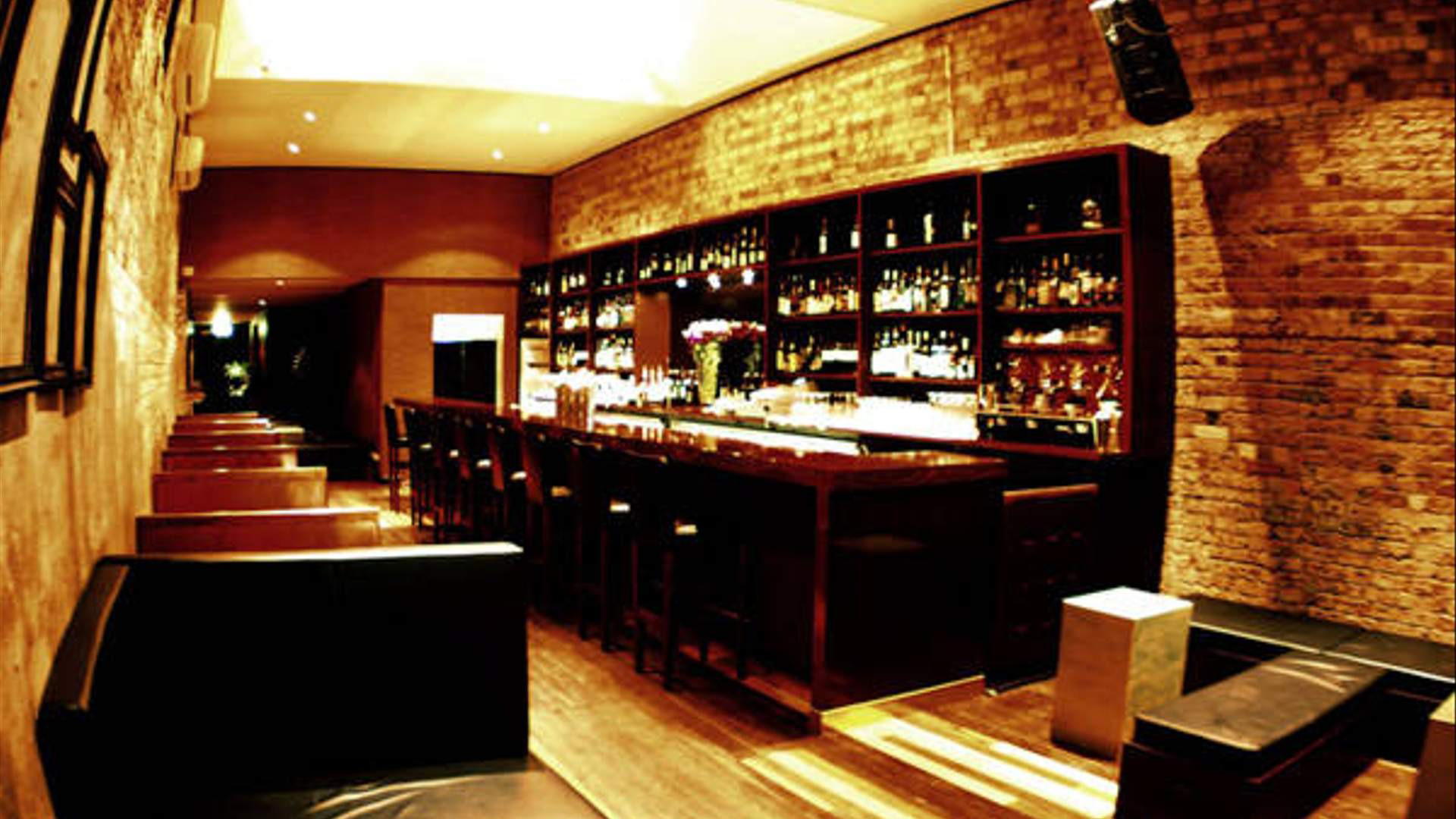
TOKKI bar in Los Angeles, United States
About

Koreatown's Sourcing Argument

Los Angeles's Koreatown has spent the better part of a decade splitting into two distinct registers. One side of that divide is the sprawling, late-night KBBQ corridor, high-volume, smoke-filled, built around communal cuts and soju towers. The other is quieter, more deliberate, and increasingly focused on where the food comes from before it reaches the table. TOKKI, at 3465 W 6th Street, sits in this second tier. The address, a suite inside a commercial complex on one of K-Town's busier stretches, signals from the outside that this is not a destination built on street presence.

Across Los Angeles, a recognizable pattern has emerged among the restaurants that hold sustained local attention: they treat ingredient origin as an editorial position, not a marketing footnote. The question of whether a kitchen is sourcing from California's Central Valley farms, directly from Korean import suppliers, or from domestic producers approximating Korean growing conditions shapes the entire character of the food. TOKKI operates within this framework, and understanding where it sits in that context is more useful to a first-time visitor than any dish-by-dish description.

The West 6th Street Address in Context

West 6th Street in Koreatown is not the neighborhood's showiest block. It lacks the neon density of Olympic Boulevard and the pedestrian energy of 8th Street. What it does have is a concentration of venues that have built reputations quietly, through repeat visits from a Koreatown-literate clientele rather than through social media visibility cycles. For that reader, the suite-format address, Suite 90-100 in a multi-tenant building, suggests a focus on the room rather than the frontage. Rooms that don't spend on facade tend to spend on product.

That dynamic is consistent with how premium ingredient-driven concepts have expanded through Los Angeles's Koreatown over the past several years. As Korean-American chefs trained in European and Japanese kitchens returned to the neighborhood, they brought sourcing habits shaped by those experiences: direct supplier relationships, seasonal adjustment of menus, and an approach to protein and produce that treats the supply chain as part of the culinary argument. TOKKI's placement in Koreatown rather than, say, the Arts District or Silver Lake is itself a statement about audience, it is cooking for people who already know what good Korean ingredients taste like.

Sourcing as the Organizing Principle

In the broader LA dining conversation, the venues that have moved fastest up the critical tier are those that can articulate a clear answer to the question of provenance. This is not unique to Korean cuisine, it has reshaped Mexican cooking in the city (see Mirate for how the mezcal and ingredient conversation plays out in a different context), redefined what cocktail programs are expected to know about their spirits supply chains (relevant to bars like Death & Co (Los Angeles) and Bar Next Door), and pushed even mid-market restaurants to at minimum name their farms on the menu.

For Korean cuisine specifically, the sourcing question has its own particular texture. Ingredients like doenjang, gochugaru, sesame oil, and aged kimchi function more like wine in a French kitchen than like a pantry staple, their quality, age, and origin determine whether a dish lands or merely approximates its intention. A kitchen that sources doenjang from a Korean producer who ages it in traditional onggi pots for three or more years is working from a fundamentally different starting point than one using a commercial paste. That gap separates the sourcing-serious tier from the rest of Koreatown's dining offer.

Where TOKKI Fits in the LA Bar and Dining Ecosystem

For visitors building a multi-day itinerary around LA's drinking and dining options, TOKKI slots into a Koreatown anchor role. The neighborhood has limited crossover with the cocktail-forward venues clustered further west and north, bars like Standard Bar operate in a different register entirely. But for those mapping ingredient-serious dining across American cities, the comparison set is instructive: the sourcing discipline visible in venues like Kumiko in Chicago, Jewel of the South in New Orleans, or Bar Leather Apron in Honolulu reflects a broader shift in how American hospitality venues frame their relationship to raw material. TOKKI participates in that shift from a specifically Korean-American vantage point.

Nationally, the venues that have held critical attention longest in this category, whether Julep in Houston, Superbueno in New York City, ABV in San Francisco, or The Parlour in Frankfurt on the Main, share a common characteristic: they are organized around a point of view about product that precedes and informs everything else. Format, room design, and service style follow from that position rather than driving it. That sequencing is visible in how TOKKI presents itself: the suite address, the K-Town location, the absence of an elaborate public-facing marketing apparatus. The food is meant to make the case.

Planning Your Visit

Frequently asked questions

Cuisine-First Comparison

Comparable venues nearby, for context on price, style, and recognition.

At a Glance
Vibe
  • Trendy
  • Modern
  • Cozy
Best For
  • Date Night
  • Group Outing
  • Casual Hangout
Experience
  • Design Destination
Format
  • Lounge Seating
Drink Program
  • Craft Cocktails
  • Low Abv
  • Sake
Dress CodeSmart Casual
Noise LevelConversational
CapacitySmall
Service StyleUpscale Casual

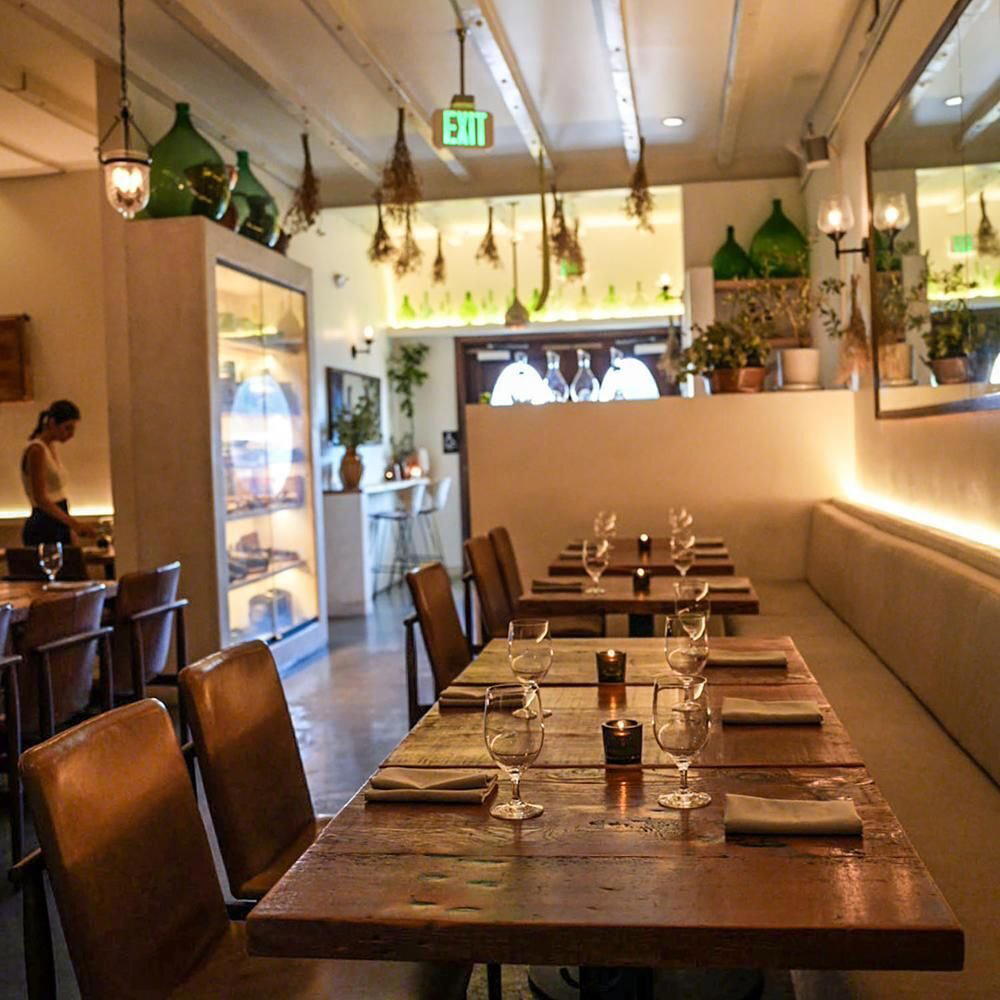
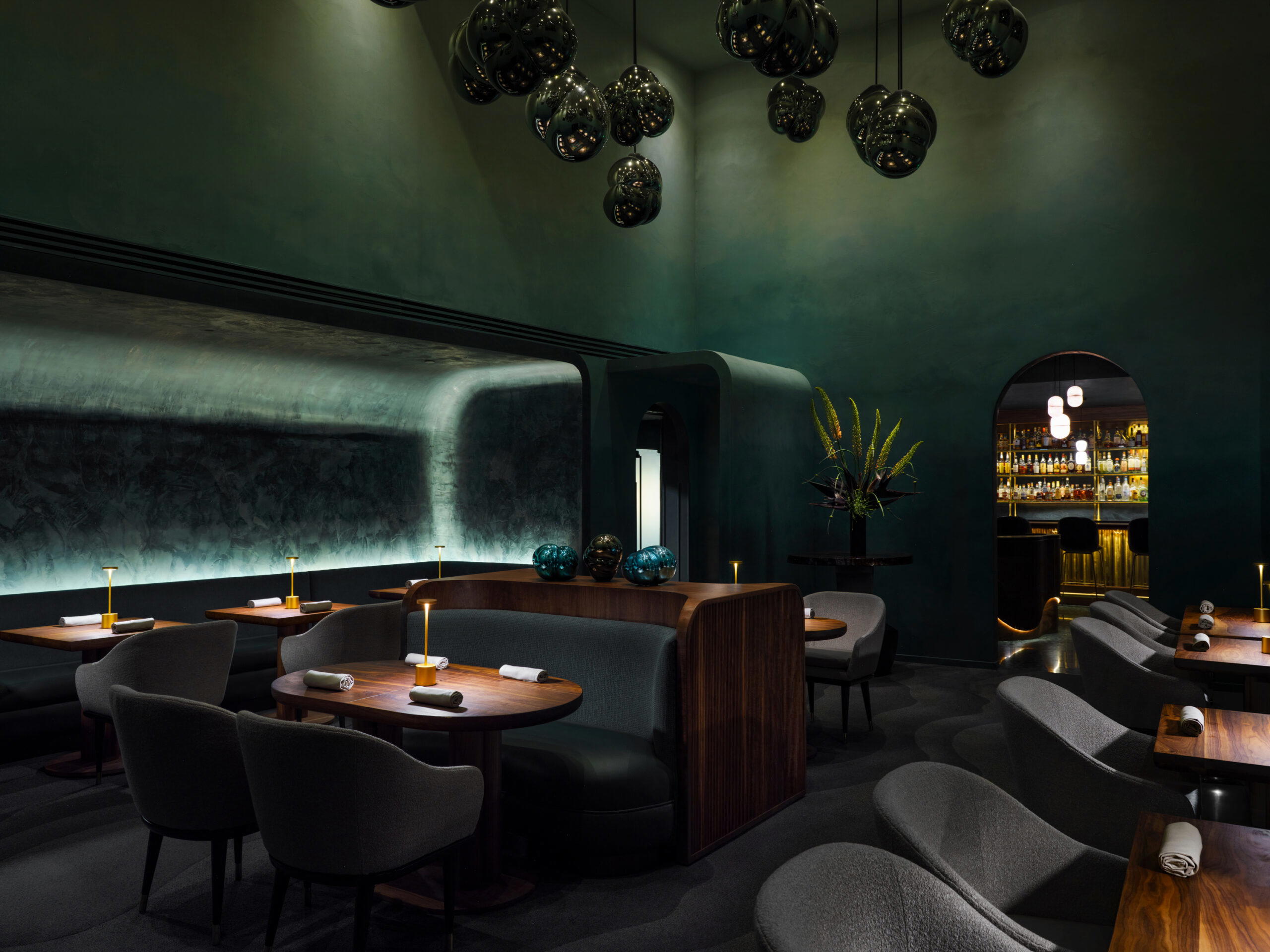
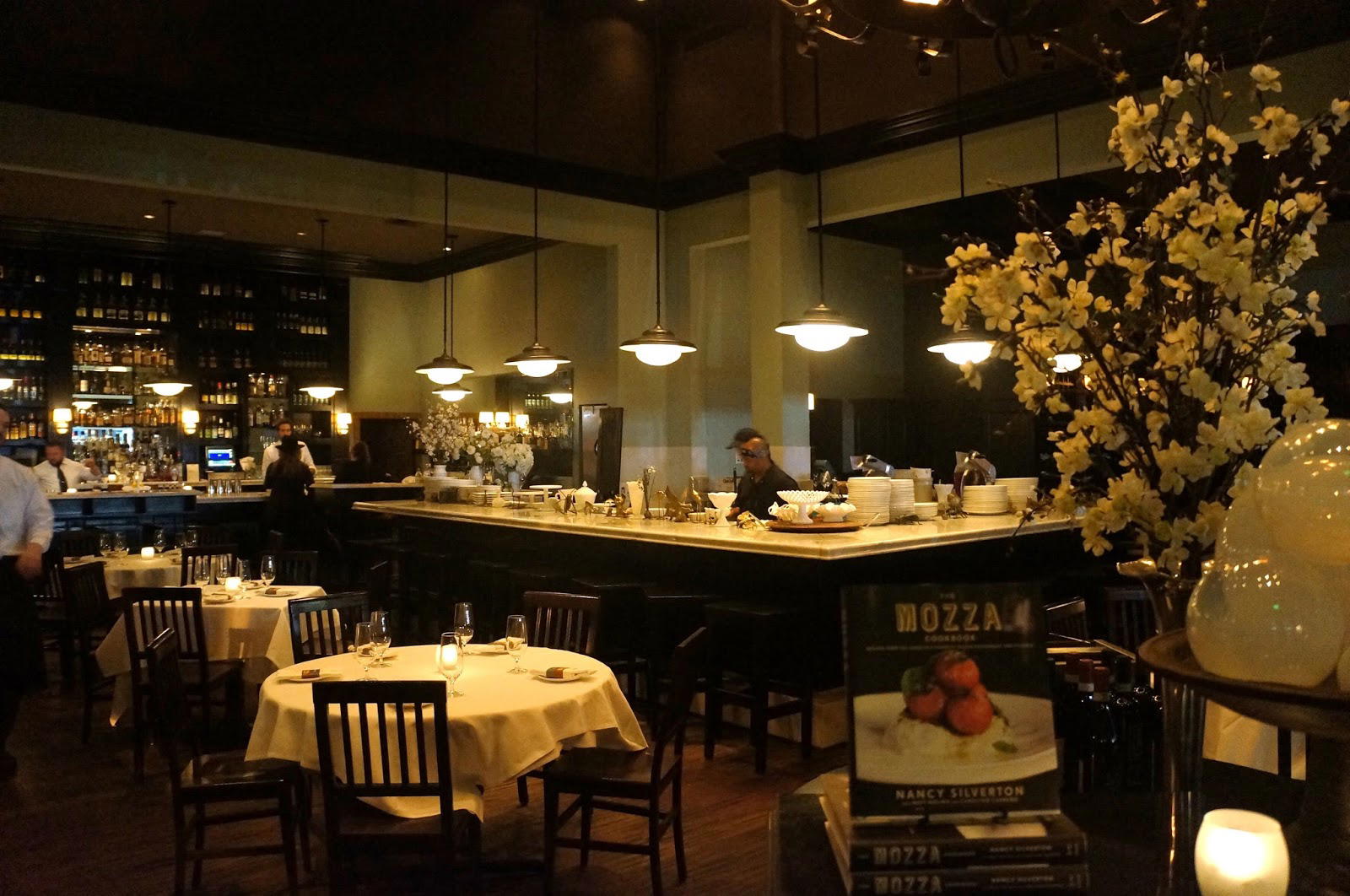
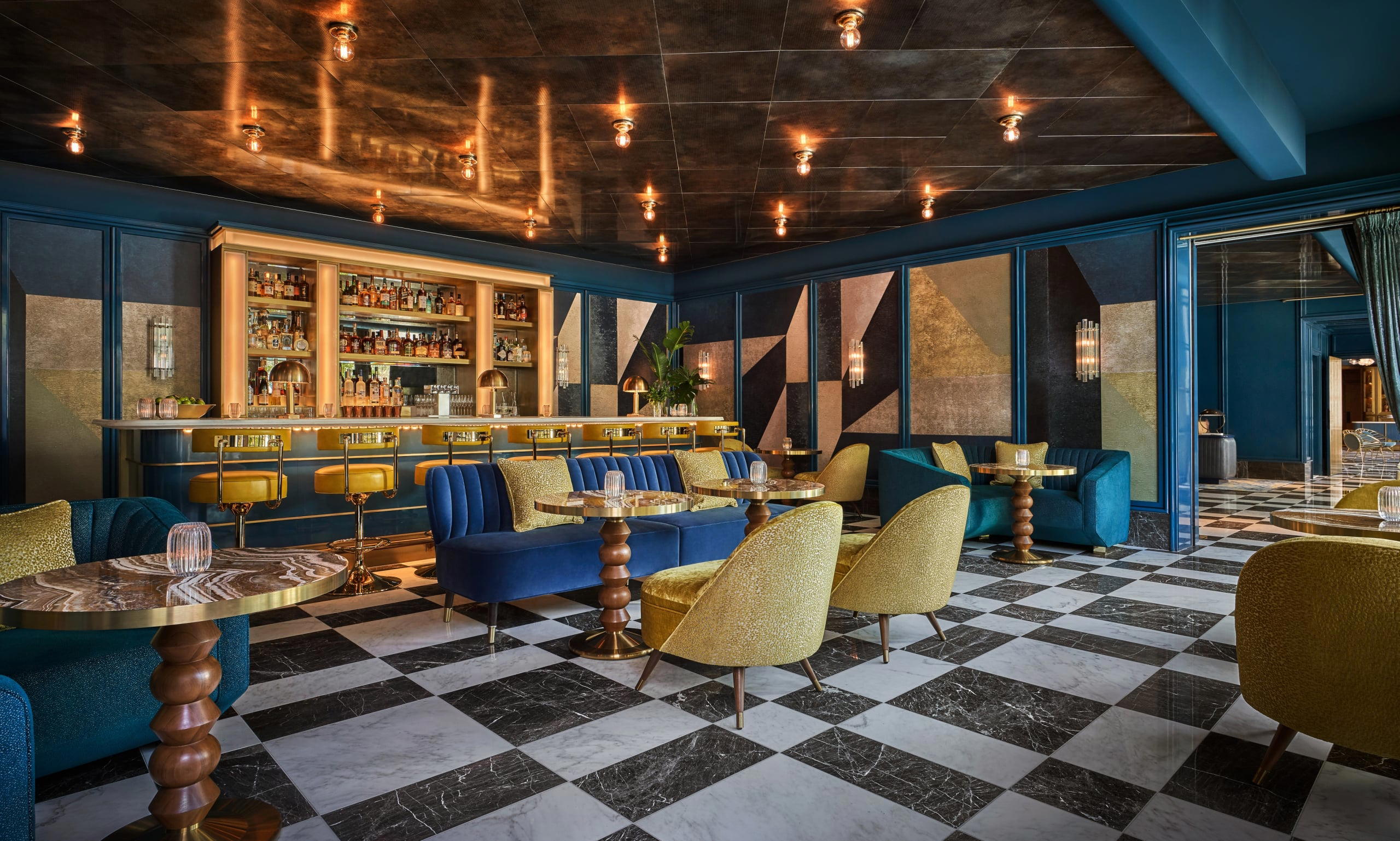
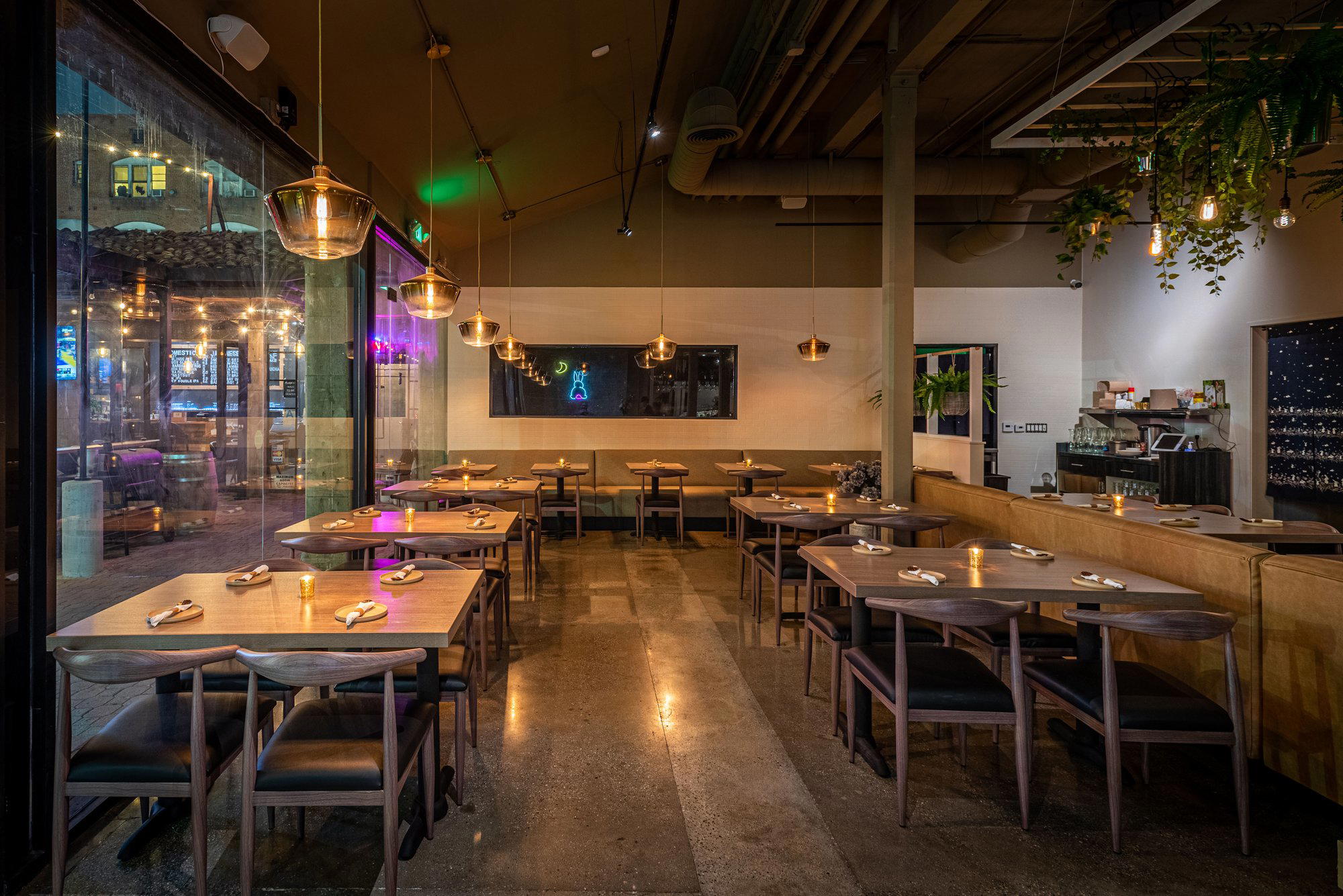
Trendy and modern with neon rabbit signs, candlelit dinners, selfies, and acoustic Korean pop songs creating a cozy yet lively atmosphere.