The White Horse
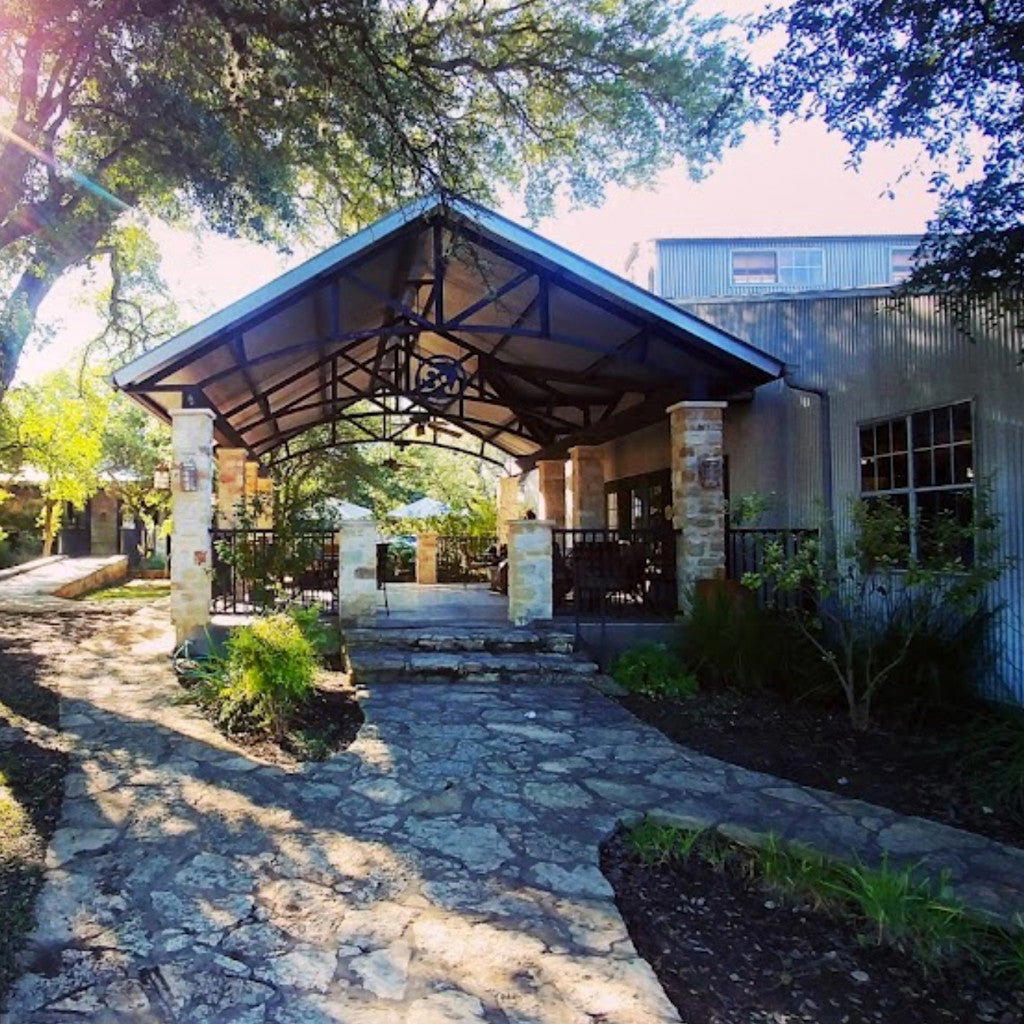
The White Horse on Comal Street occupies a particular corner of Austin's East Side drinking culture: part honky-tonk, part neighborhood bar, operating in the tradition of Texas dance halls where two-stepping and cold beer arrive in equal measure. It sits in the broader East Austin scene alongside venues like Nickel City, drawing a crowd that values the genuine article over themed nostalgia.
Pearl is the En Primeur Club membership app — saves, bookings, and concierge access live there. Same editors, same standards.
- Address
- 500 Comal St, Austin, TX 78702
- Phone
- +1 512 553 6756
- Website
- thewhitehorseaustin.com
- Directions
- Get directions
 Saves & bookings on Pearl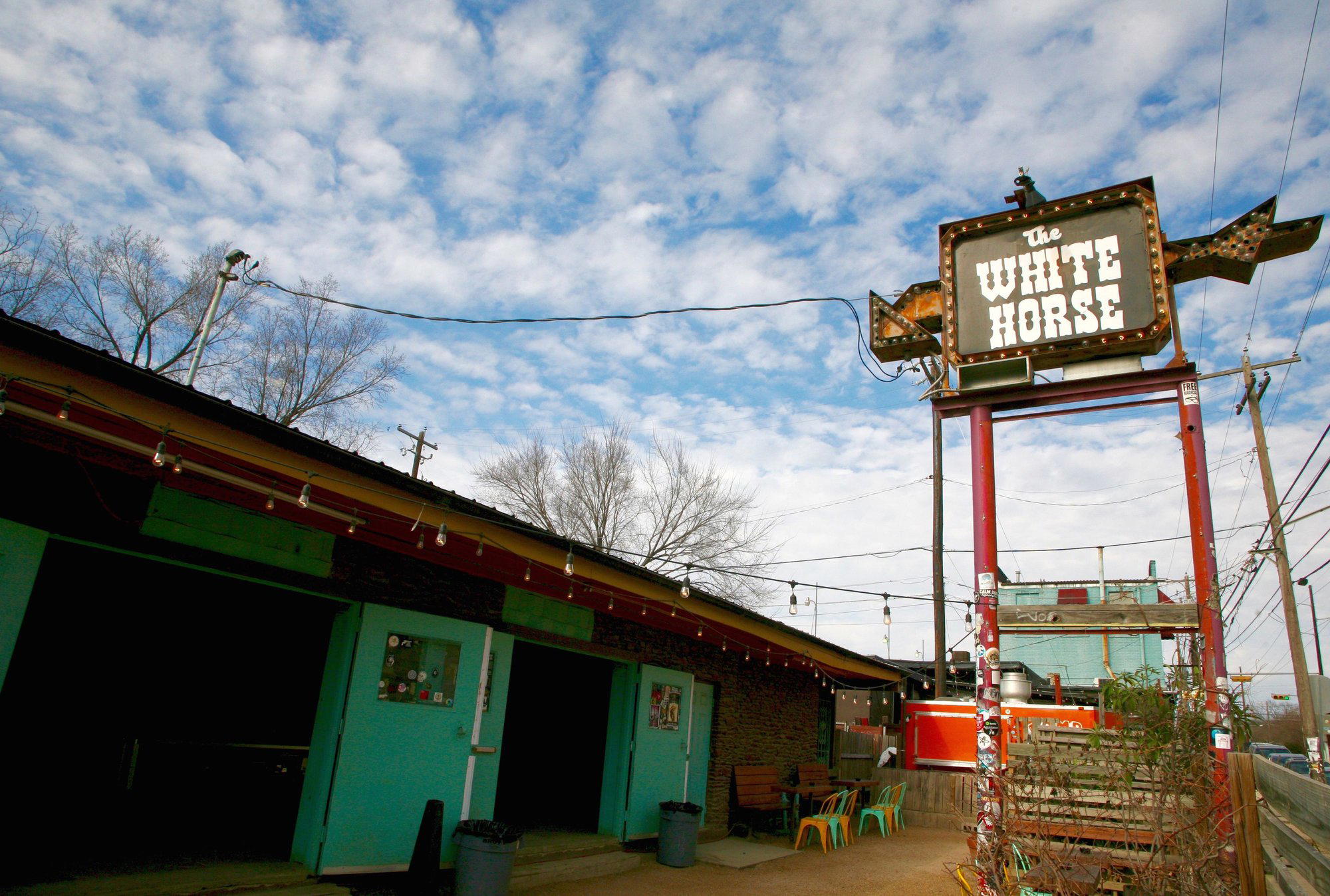
The East Side and the Honky-Tonk Tradition
Austin's East Side has become one of the more argued-over drinking corridors in American bar culture. In the span of a decade, Comal Street and its surrounding blocks shifted from overlooked to oversubscribed, with new bars arriving faster than the neighborhood's older identity could absorb them. What that pressure revealed, more than anything, is how much the city still values its honky-tonk roots when the format is executed without apology. The White Horse, at 500 Comal St, sits directly inside that tension: a Texas dance hall operating in a zip code that now hosts cocktail programs, wine bars, and mezcal-forward lists in equal measure. Its continued presence on Comal is itself a statement about which strand of Austin bar culture survives commercial pressure.
The honky-tonk as a format has specific requirements that distinguish it from the broader category of live music bars. Boot-worn floors, room enough to two-step, a stage positioned so the band dominates rather than decorates, beer priced to encourage a second round before the first one's finished — these are structural commitments, not aesthetic choices. Bars that execute this format credibly tend to draw regulars who are measuring authenticity against personal memory, which is a harder test to pass than any critic's checklist. The White Horse operates in that tradition, on a stretch of East Austin where the competition for nighttime foot traffic is intense and stylistically diverse.
Where It Sits in Austin's Bar Scene
Austin's bar scene has split into several recognizable tiers and formats over the past decade. At one end, technically focused cocktail programs like Nickel City have built their reputations on specific categories — Nickel City on American whiskey and direct hospitality. At another end, venues like 2500 E 6th St occupy the newer East Side mixed-use format. Aba Austin pulls from a different register entirely, the upscale Mediterranean-inflected bar program that arrived with the city's restaurant development wave. And Antone's Nightclub holds a historically documented place in Austin's live music identity, anchoring the blues tradition downtown.
The White Horse operates in none of these tiers. Its competitive set is narrower and more specific: Texas dance halls and honky-tonks that predate the East Side's current cycle of investment. As Austin's bar offering has diversified toward craft programs, natural wine lists, and refined cocktail formats, the number of venues willing to commit fully to the dance hall format has contracted. That contraction gives places like The White Horse a clearer position than they might have held in a less differentiated market.
Texas Dance Hall Culture: What It Actually Means
The Texas dance hall is one of the more documented forms of American vernacular social architecture. Its roots run through German and Czech immigrant communities in the Hill Country, who built communal halls in the nineteenth century for dances, civic gatherings, and community celebrations. The format migrated into broader Texas culture over generations, losing some of its ethnic specificity while retaining its structural logic: a large open floor, a raised stage, minimal seating arranged around the perimeter, and a bar that functions as infrastructure rather than focal point. The music changed from polka and waltz to country, western swing, and eventually honky-tonk, but the physical grammar stayed consistent.
What survives of that tradition in a city like Austin is filtered through several layers of cultural distance. Venues on the East Side are operating in an urban context that differs substantially from the original rural or small-town settings. The crowd at any given show on Comal Street is demographically mixed in ways that a 1940s Hill Country dance hall was not. What remains consistent is the insistence on participatory culture: you come to dance, not to observe. That distinction separates the dance hall format from the seated listening room or the standing concert venue, and it shapes everything from floor plan to booking decisions.
Nationally, the honky-tonk revival conversation tends to focus on Nashville, where venues like Robert's Western World have become reference points for the format's commercial durability. Austin operates in a parallel tradition that draws more directly on Texas swing and the specific geography of Hill Country dance halls. The difference matters to people who care about it, and in Austin, a meaningful number of people do. For comparison points outside the state, bars taking different approaches to regional music and drinking culture include Julep in Houston, which anchors itself in Southern cocktail tradition, and Jewel of the South in New Orleans, which operates within that city's distinct hospitality lineage. Further afield, technically focused programs like Kumiko in Chicago, Superbueno in New York City, ABV in San Francisco, Bar Leather Apron in Honolulu, and The Parlour in Frankfurt on the Main each represent how different cities anchor bar identity to a specific cultural or technical tradition. The White Horse's version of that anchoring is distinctly Texan.
What to Expect at 500 Comal
The venue sits on the corner of Comal Street in East Austin's 78702 zip code, a block count that now puts it in proximity to a concentrated stretch of bars, restaurants, and coffee shops that have collectively transformed the neighborhood's commercial character. On nights with live music, the dynamic shifts toward the participatory format described above: floor space is the premium, not table seating. The bar program, consistent with the dance hall tradition, skews toward beer and well-priced spirits rather than elaborate cocktail menus. That's a format choice, not a limitation.
Live music scheduling at honky-tonks typically follows a multi-night-per-week pattern, often with early sets that allow two-step beginners to practice before the floor fills. The White Horse's positioning on Comal means it draws from the broader East Side foot traffic alongside its regulars, which keeps the room demographically diverse in a way that distinguishes it from more destination-specific venues.
Planning Your Visit
Address: 500 Comal St, Austin, TX 78702. Format: Texas honky-tonk and dance hall with live music. Drink program: Beer-forward with well spirits; not a cocktail-program venue. Booking: Walk-in for most nights; check the schedule for ticketed live music events. Timing: Early evening sets tend to be less crowded; weekend nights fill the dance floor. Neighborhood context: East Austin's Comal Street corridor, accessible by rideshare from downtown; parking is limited on busy nights.
For a broader orientation to Austin's drinking and dining scene, see our full Austin restaurants guide.
Reputation Context
A compact comparison to help you place this venue among nearby peers.
| Venue | Cuisine | Awards |
|---|---|---|
| The White HorseThis venue — the venue you are viewing | Not listed | Not listed |
| Nickel City | Not listed | World's 50 Best |
| Flourish Plant Shop & Wine Bar | Wine bar/light bites | Not listed |
Continue exploring
More in Austin
Bars in Austin
Browse all →
Restaurants in Austin
Browse all →
Hotels in Austin
Browse all →
At a Glance
- Lively
- Rustic
- Well Known
- Energetic
- Group Outing
- Late Night
- Casual Hangout
- Live Music
- Historic Building
- Outdoor Terrace
- Lounge Seating
- Whiskey
- Craft Beer
- Classic Cocktails
Current opening hours
- Monday
- 3 PM–2 AM
- Tuesday
- 3 PM–2 AM
- Wednesday
- 3 PM–2 AM
- Thursday
- 3 PM–2 AM
- Friday
- 3 PM–2 AM
- Saturday
- 3 PM–2 AM
- Sunday
- 3 PM–2 AM
Hours can change for holidays and private events. Last verified .
Rowdy, welcoming dive-bar atmosphere with boot-stomping energy, country music, and a packed dance floor under dim lighting.
Know Before You Go
- Getting there
- 500 Comal St, Austin, TX 78702