The Royal Cocktail Exchange

Pinnacle Guide 1 Pin
A two-level bar on Windmill Street in Fitzrovia, The Royal Cocktail Exchange occupies a space where theatrical presentation and a notably democratic approach to hospitality sit alongside each other without tension. The format leans into spectacle without sacrificing accessibility, making it a useful reference point for understanding how London's mid-tier cocktail scene has evolved beyond the speakeasy era.

Pearl is the En Primeur Club membership app, where members save venues, book tables and use the concierge.
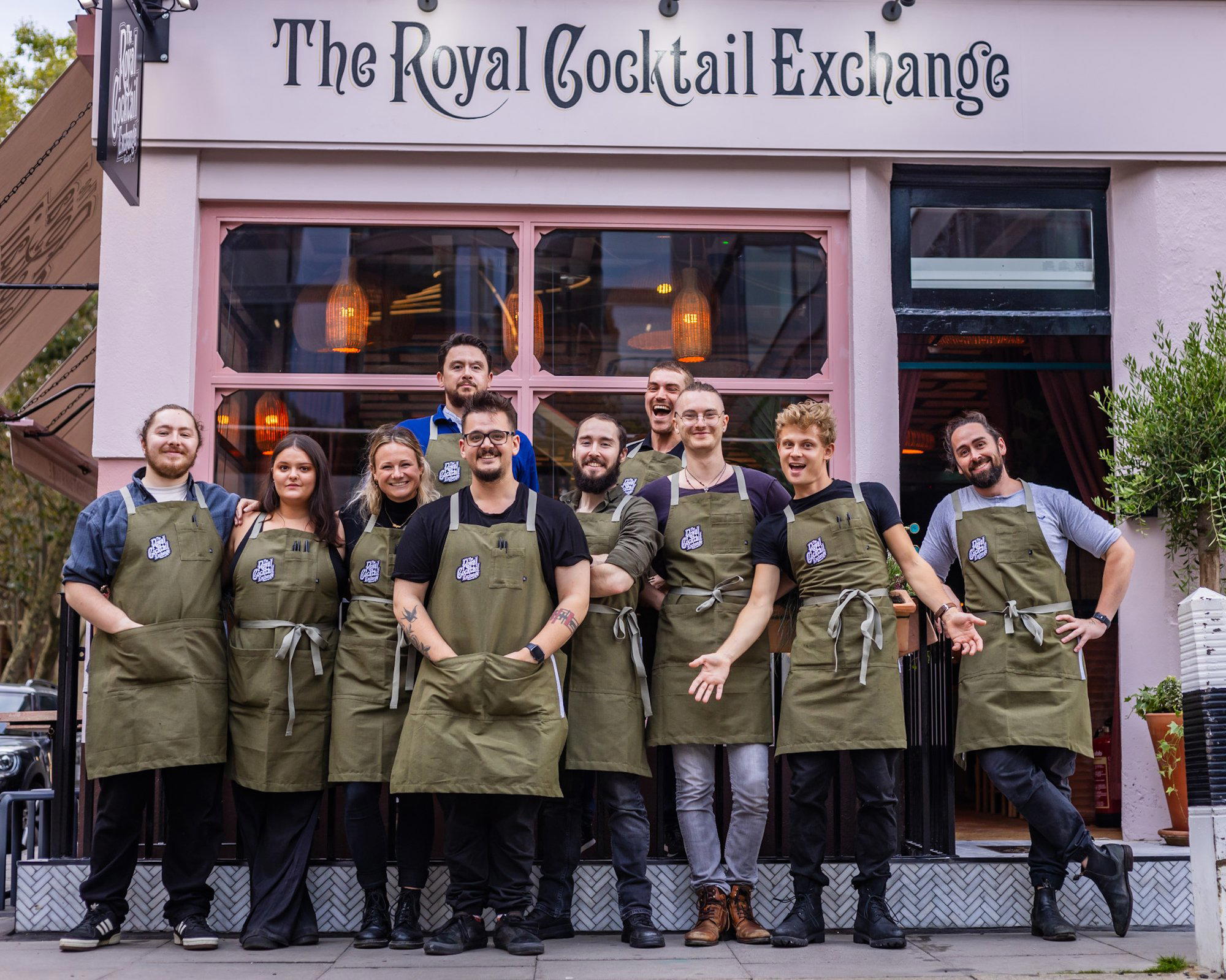
Fitzrovia's bar scene has never been defined by a single register. The neighbourhood sits between the studied precision of Marylebone and the looser energy of Soho, and the drinking establishments that have taken root along its quieter streets tend to reflect that in-between quality: technically considered but not austere, animated but not rowdy. The Royal Cocktail Exchange, at 31 Windmill Street, sits comfortably inside that character.
The Physical Container
Two-level bars occupy a particular niche in London's hospitality architecture. The split format creates two distinct social temperatures within the same address: a ground floor that absorbs walk-ins and early evening traffic, and an upper or lower tier that rewards those who stay or seek it out. At The Royal Cocktail Exchange, this vertical arrangement is the structural argument the space makes about itself. The design logic separates the theatrical from the conversational, giving different parts of the room different social functions without requiring guests to choose in advance which kind of evening they want.
London has a long history of bars using architectural layering to generate atmosphere. The approach at venues like A Bar with Shapes For a Name and Academy demonstrates how deliberate spatial design has replaced the concealed-entrance theatrics that dominated the previous decade. The speakeasy format, with its hidden doors and password rituals, positioned exclusivity as the primary mood signal. The post-speakeasy generation tends to use the interior itself as the signal, letting the architecture do the work that the door used to do.
The Royal Cocktail Exchange belongs to this more transparent tradition. The description that accompanies the venue frames it as simultaneously theatrical and democratic, which is a more interesting pairing than it might first appear. Theatricality in cocktail bars often functions as a social barrier: the elaborate presentation implies a kind of connoisseurship that not every drinker wants to perform. When that theatricality is combined with genuine accessibility in pricing, pacing, and welcome, the result is a bar that can hold a wider social range without losing the sense of occasion that draws people in the first place.
What the Format Signals
London's cocktail bars have sorted themselves into recognisable tiers over the past several years. At the leading end, venues operate as destination experiences where the booking window is long and the price per drink sits well above the city average. 69 Colebrooke Row in Islington represents that end of the spectrum: a small-capacity room, significant critical attention, and a format that demands advance planning. Amaro occupies a more specialist position still, built around a specific category of spirit rather than a general cocktail program.
The Royal Cocktail Exchange operates differently. The two-floor format allows for higher throughput than a ten-seat counter, which changes the economics and, by extension, the social logic. A bar that can hold more people does not need to charge as much per seat to remain viable, and it does not need to position access as a reward for planning. The democratic framing in the venue's own description is not incidental: it is an architectural consequence of the space.
Both of those venues have built reputations on making serious cocktail culture approachable without stripping out the craft, and both have found that the medium-scale room is the right container for that ambition. Scale here is not a compromise: it is a design decision with its own set of outcomes.
Theatricality as a Bar Language
The phrase "theatrical cocktails" has become shorthand for a specific range of techniques: smoke, fire, unusual glassware, tableside preparation, colour-changing ingredients, and presentation that builds anticipation before the first sip. London has seen this language used at every price point, from the elaborate rigs at Nightjar to the more restrained visual work at smaller neighbourhood rooms. The challenge for any bar using theatrical presentation is that it can tip from engaging to exhausting quickly, particularly if the spectacle overwhelms the drink itself.
What distinguishes bars that use theatre well is the sense that the presentation is in service of the liquid rather than competing with it. The theatrical element should add a layer of meaning or pleasure to the drink, not simply demonstrate technical capability. This is a harder calibration than it sounds, and it is one reason that bars with strong theatrical reputations tend to earn that reputation gradually, through accumulated word of mouth rather than a single launch moment.
For a bar on Windmill Street to sustain a profile built partly on theatrical presentation, the program needs to hold up across both floors and across a mixed audience. The two-level format actually helps here: the ground floor can absorb guests who want the show without committing to the full experience, while the second tier can hold those who have come specifically for the atmosphere the space has developed.
Planning a Visit
Windmill Street runs off Charlotte Street in W1T, putting The Royal Cocktail Exchange within easy walking distance of Goodge Street and Tottenham Court Road stations. The Charlotte Street corridor has a high density of restaurants and bars, which means the area draws evening traffic throughout the week rather than concentrating it on weekends. This gives The Royal Cocktail Exchange a more varied crowd than venues in more purely residential or tourist-heavy locations.
For the broader London bar scene, our full London bars guide covers the range of options across the city's neighbourhoods, from the technical programs in the City to the looser rooms in East London. Those planning a longer London trip can also consult our full London restaurants guide, our full London hotels guide, our full London wineries guide, and our full London experiences guide for a more complete picture of the city's hospitality offer. Bar Kismet in Halifax provides an interesting transatlantic comparison point for anyone thinking about how the democratic-cocktail-bar format has developed outside London.
Awards and Standing
Comparable venues nearby, for context on price, style, and recognition.
| Venue | Cuisine | Price | Awards | Notes |
|---|---|---|---|---|
| The Royal Cocktail ExchangeThis venue (the venue you are viewing) | cocktail_bar | $20–30 | Pinnacle Guide 1 Pin | Not listed |
| Laki Kane | tiki_bar | $50–100 | Not listed | Islington |
| Mr Fogg's Botanical Tavern & Treehouse | cocktail_bar | $50–100 | Not listed | Fitzrovia |
| Equal Parts | cocktail_bar | $20–30 | Top 50 Cocktail Bars UK #26 · Pinnacle Guide 1 Pin | Haggerston |
| The Tamil Crown | pub | $50–100 | The Good Food Guide GFG Good | Islington |
Recognition history
Dated appearances from independent guides and award organizations, with the underlying list record or original source where available.
Pinnacle Guide 1 Pin
Pinnacle Guide
Continue exploring
More in London
Bars in London
All bars in London →
Restaurants in London
All restaurants in London →

The Royal Cocktail Exchange
The drinks
- Craft cocktails
Signature drinks: Cherry Blossom Vesper, Peach Dill Fix, Plants vs Zombie.
Details
- Intimate
- Cozy
- Elegant
- Date Night
- Group Outing
- Celebration
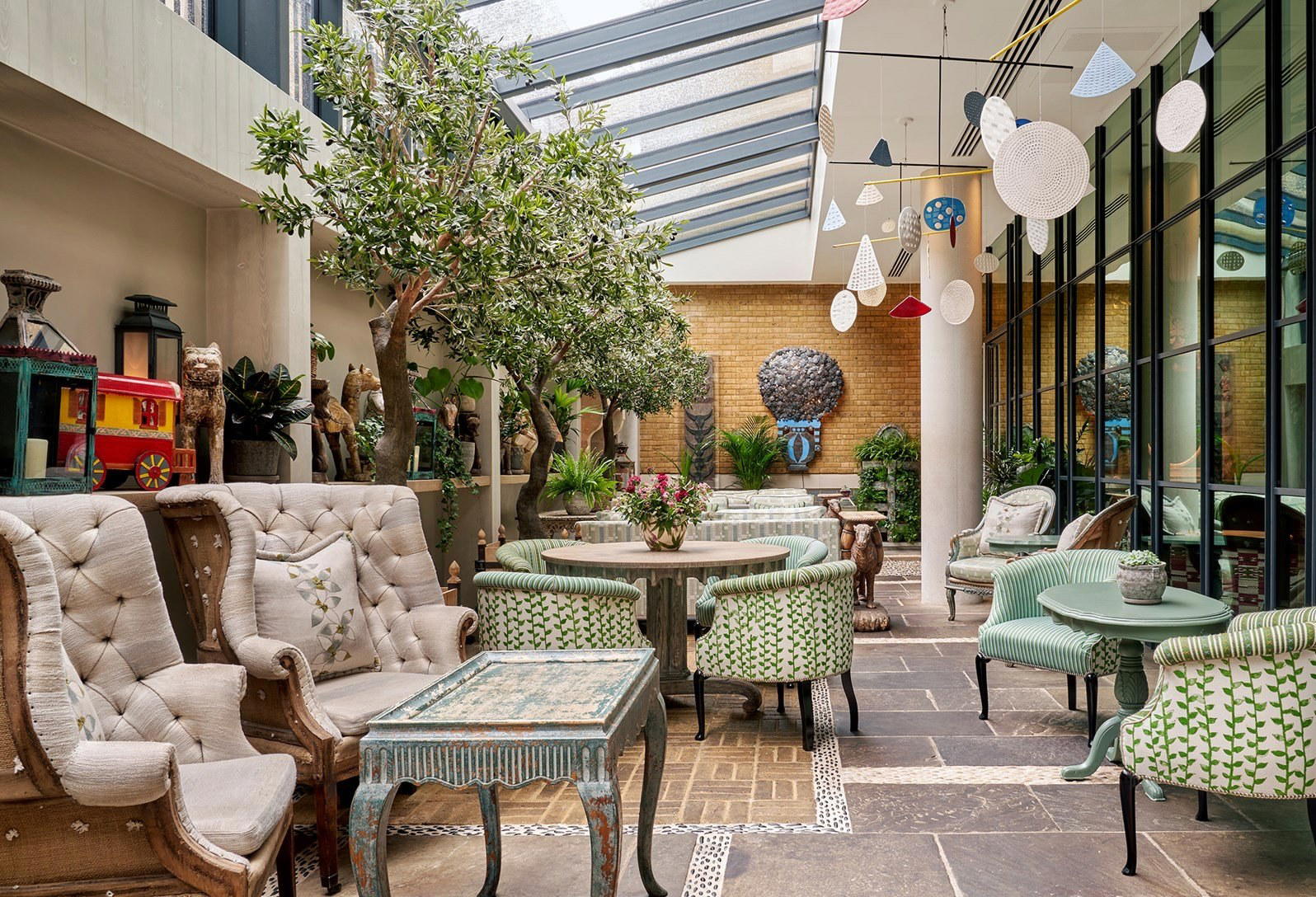
- Courtyard
- Lounge Seating
- Outdoor Terrace
- Booth Seating
- Craft Cocktails
- Street Scene
Current opening hours
- Monday
- 4–11:30 PM
- Tuesday
- 4–11:30 PM
- Wednesday
- 4–11:30 PM
- Thursday
- 4–11:30 PM
- Friday
- Closed
- Saturday
- 2 PM–12 AM
- Sunday
- Closed
Hours can change for holidays and private events. Hours as of .
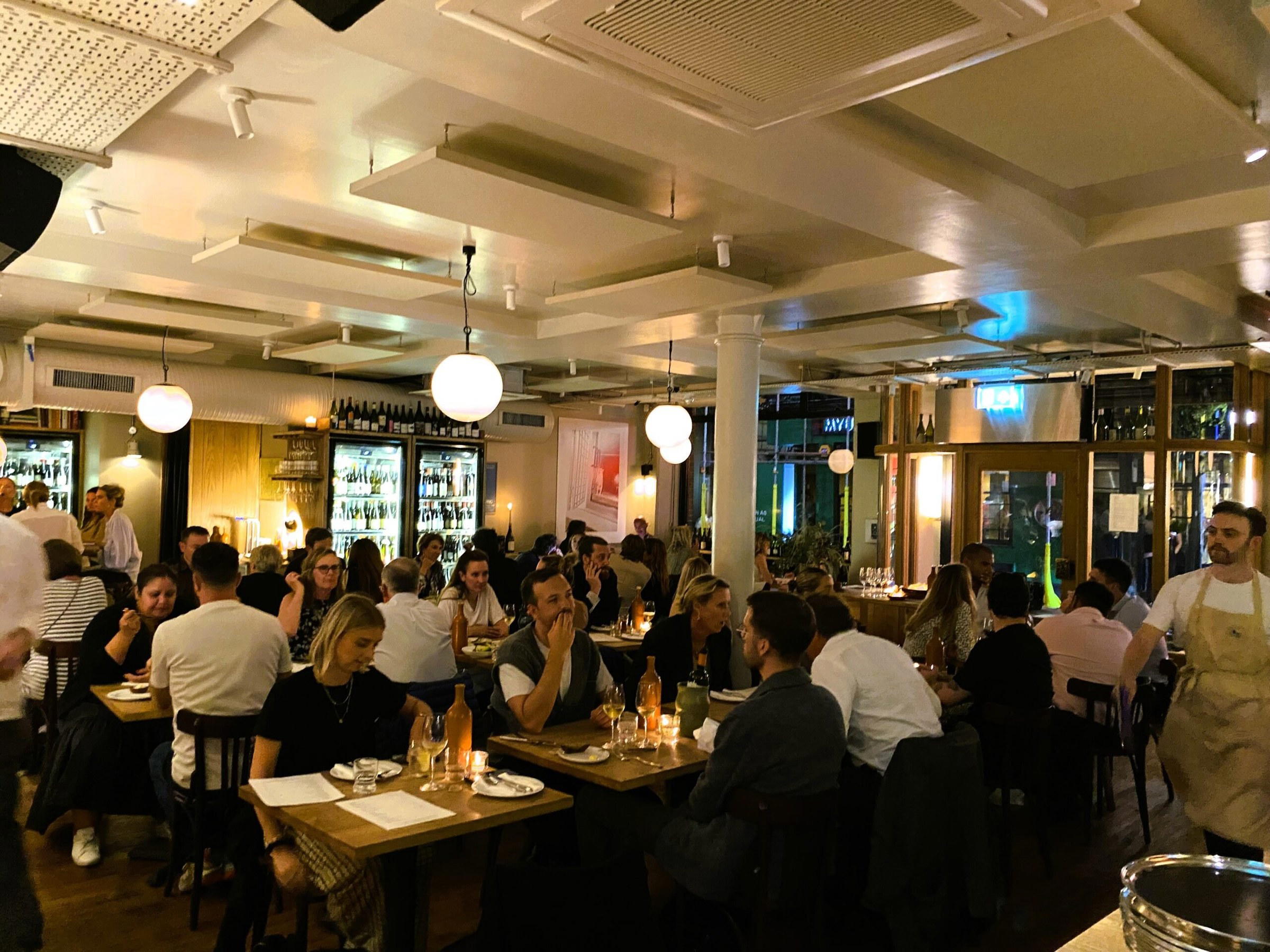
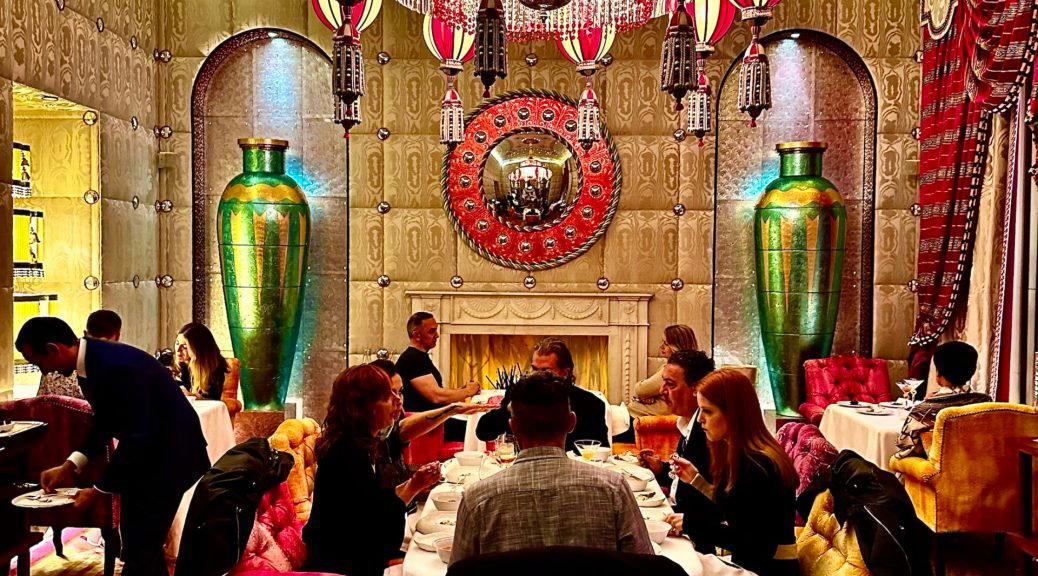
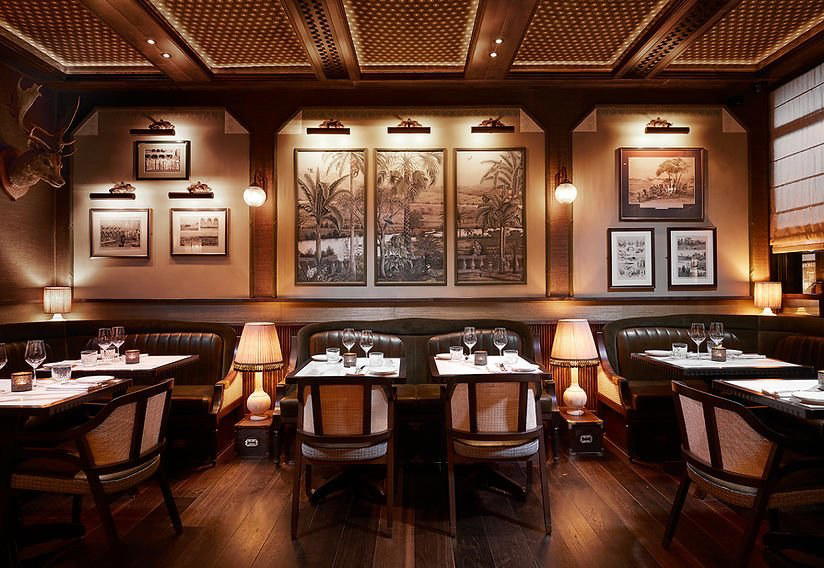
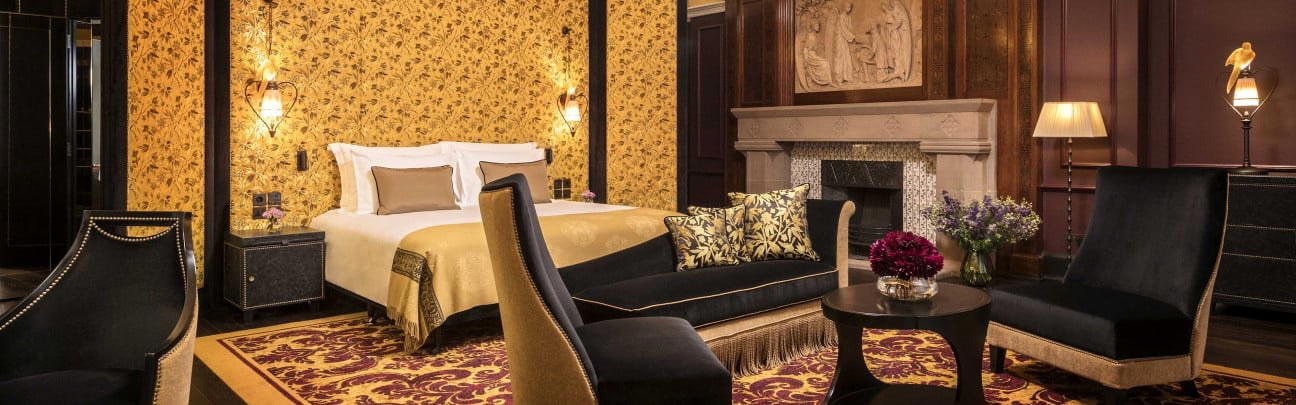
Candle-lit, atmospheric, and moody with versatile lighting from light and airy to dark and sexy.