The Lobby Lounge in Wuhan occupies the quieter, more considered end of the city's hotel bar spectrum, pairing afternoon tea service with a cocktail program that rewards those who take the time to look past the surface. In a city whose nightlife conversation is dominated by rooftop venues and late-night clubs, this is a space built around a different kind of occasion.

Pearl is the En Primeur Club membership app — saves, bookings, and concierge access live there. Same editors, same standards.
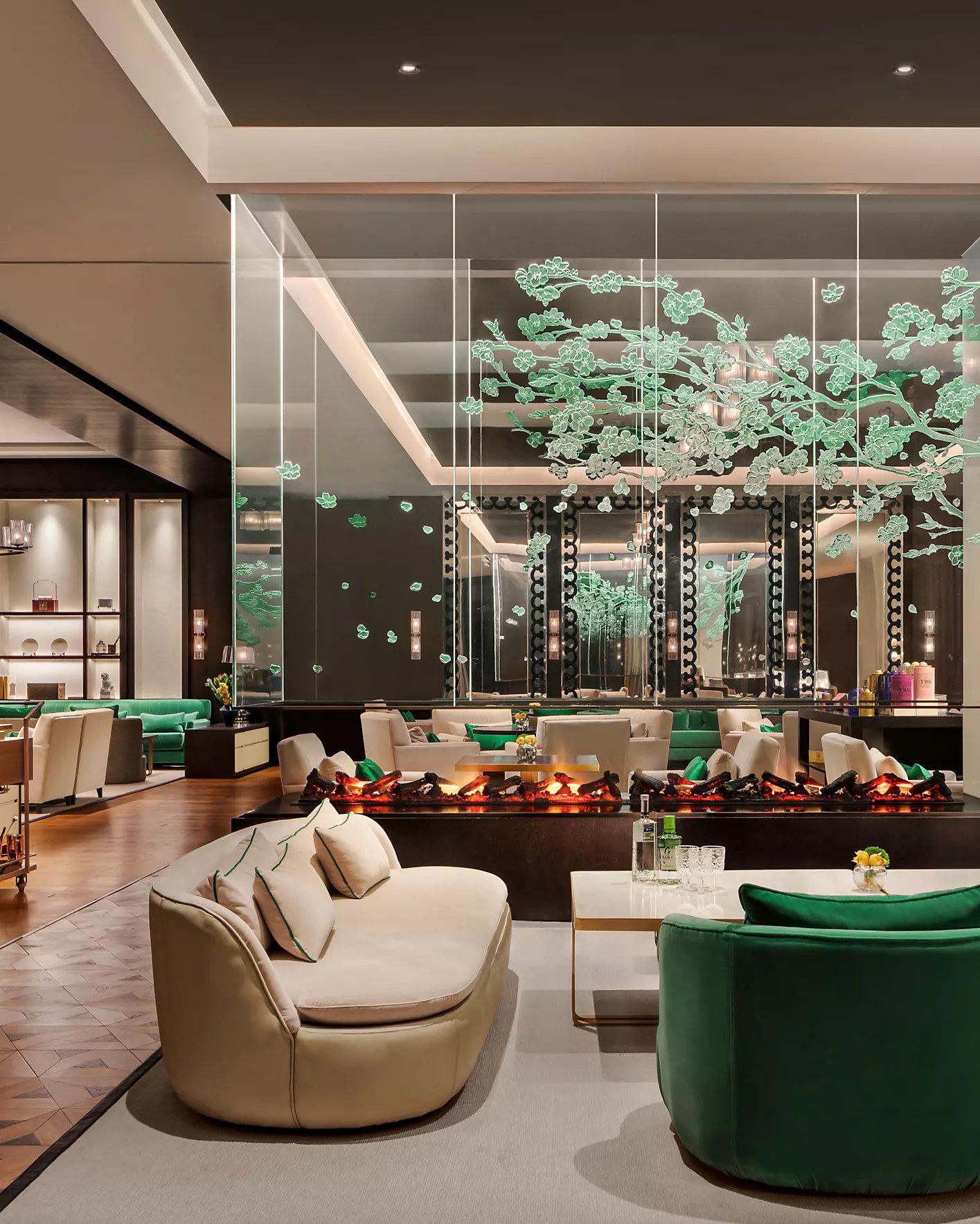
The Case for Slow Drinking in a Fast City
Wuhan moves quickly. The city's hospitality scene has grown at a pace that favors spectacle: rooftop venues like FLAIR draw the crowd that wants height and volume, while the broader bar scene has tilted toward high-energy formats that suit a young, mobile population. Against that backdrop, lobby lounges occupy a specific and increasingly deliberate niche. They are not afterthoughts or hotel amenities to be tolerated. At their leading, they are particularly curated drinking spaces in a city precisely because they operate on a different logic: slower service, deeper menus, and a back bar assembled for breadth rather than throughput.
The Lobby Lounge is a bar in Wuhan with a price tier of 3, offering afternoon tea and cocktails. Its dual programming, afternoon tea alongside a cocktail offering, places it in a format that China's hotel bars have been refining for years, drawing on both British colonial hospitality traditions and a domestic appetite for premium beverage experiences that do not require the cover charge or the queue.
Afternoon Tea as a Serious Format
Across China's major cities, the afternoon tea slot has evolved from a cursory hotel amenity into a genuine destination category. In Shanghai, the competition between luxury hotel lounges for weekend tea reservations is fierce enough to require advance booking. In Guangzhou and Shenzhen, the format has hybridized with local pastry traditions, producing something distinct from the British template. Wuhan, positioned as Central China's commercial and cultural hub, sits at an interesting point in this evolution: large enough to sustain a premium tea service, but without the oversaturation that can make the format feel mechanical in the country's first-tier cities.
For venues in this position, the format demands precision. The tier structure of a proper afternoon tea, savoury first, scones as a bridge, patisserie as a close, creates a sequence that rewards ingredients and technique in roughly equal measure. Hotel lounges that treat it as a checkbox offering tend to flatten that sequence into a platter of mediocrity. Those that approach it as a tasting format, with the same attention to sourcing and pacing that a kitchen would bring to a dinner menu, produce something worth the detour. Which side of that line The Lobby Lounge falls on is the operative question for a first visit.
The Back Bar and What It Says About a Program
The editorial angle that matters most for any cocktail-forward lounge is the back bar. A serious spirits collection is a statement of intent. It tells you whether the program is built around what sells quickly or around what a knowledgeable drinker might actually want to explore over two hours on a quiet Thursday evening.
In China's premium bar circuit, the reference points for curation depth are well established. Coa in Shanghai has made its name on the specificity of its agave focus, while Hope & Sesame in Guangzhou operates with a technical precision that has earned it sustained international recognition. At the Beijing end, Janes & Hooch has built a following around its whisky selection. These are specialist venues with single-category depth. A lobby lounge operates differently: the expectation is breadth across categories, with enough range in each to accommodate the guest who wants a benchmark Scotch, the one who wants a house cocktail, and the one who arrives knowing exactly which aged rum they are looking for.
That breadth model is harder to execute than it sounds. A back bar assembled for visual impact rather than drinking intelligence will show its weaknesses quickly to anyone who arrives with a specific request. The better hotel lounges stock accordingly: core expressions from the major whisky regions, a credible agave presence, vintage Cognac or Armagnac for the late-evening trade, and enough interesting gin or rum to anchor a cocktail menu that goes beyond the obvious. Whether The Lobby Lounge's collection meets that standard is something to consider in person, but the format it operates in creates both the incentive and the clientele to sustain a serious back bar.
For comparison across the region's second-tier hotel bar programs, Obsidian Bar in Shenzhen and CMYK in Changsha both demonstrate how non-first-tier cities are producing bars with legitimate depth. The Ritz-Carlton Bar & Lounge in Macau sets the ceiling for what a hotel lounge back bar can look like when resources are fully committed.
Wuhan as a Drinking City
Wuhan's bar culture is less documented internationally than Shanghai's or Beijing's, but it has been developing steadily. The city's student population, anchored by dozens of universities, provides a constant intake of young drinkers willing to experiment. Its commercial importance as a transport and logistics hub means a consistent flow of business travellers whose expectations are set by experiences in China's first-tier cities. That combination creates demand for venues that can hold their own against what a guest might have visited the previous week in Chengdu or Nanjing.
The result is a scene that punches with more range than its international profile suggests. The city's drinking options vary by neighbourhood and format. For visitors building an itinerary, Wuhan's premium bar options tend to cluster around its hotel districts and major commercial zones.
For context across comparable formats in other cities, Lobby Bar in Nanjing and ÉPANOUIR in Xiamen offer a useful peer-set read on what hotel-adjacent cocktail programming looks like in cities of similar scale. Internationally, Bar Leather Apron in Honolulu and Jeno Belgium Pub in Hsi An show how specialist curation plays in markets that are similarly removed from the major metropolitan bar circuits.
Planning a Visit
The Lobby Lounge's dual format means timing shapes the experience considerably. Afternoon tea service operates on a different rhythm than an evening cocktail session: the former is suited to a deliberate, unhurried pace that works well mid-week when the lounge is less likely to be running at capacity. Evening visits, particularly later in the week, tend to favour the cocktail program and the back bar. Visitors arriving from outside Wuhan would do well to confirm current service hours and reservation availability directly with the venue, as lobby lounge programming can shift with hotel occupancy patterns and seasonal adjustments.
Cost Snapshot
Comparable venues nearby, for context on price, style, and recognition.
| Venue | Price | Notes |
|---|---|---|
| The Lobby LoungeThis venue — the venue you are viewing | $$$ | Not listed |
| FLAIR | $$$ | Pudong, rooftop_bar |
Continue exploring
More in Wuhan
Bars in Wuhan
Browse all →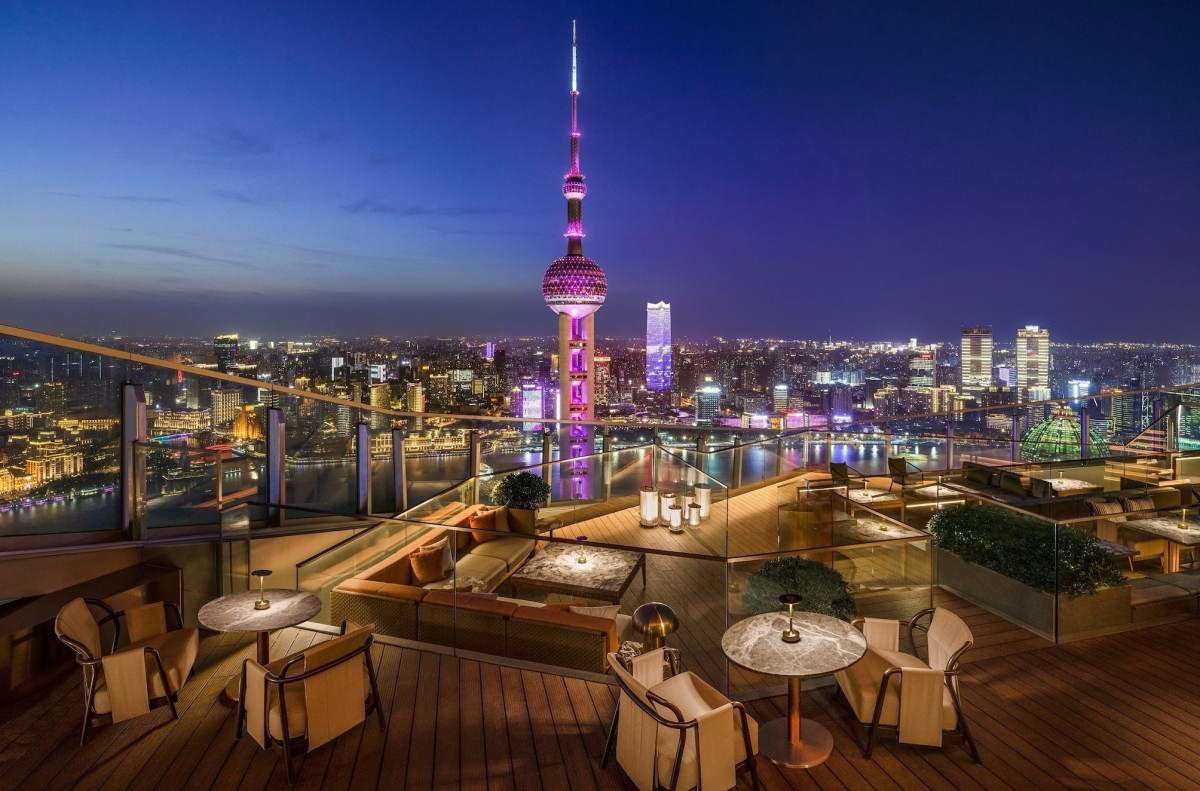
Restaurants in Wuhan
Browse all →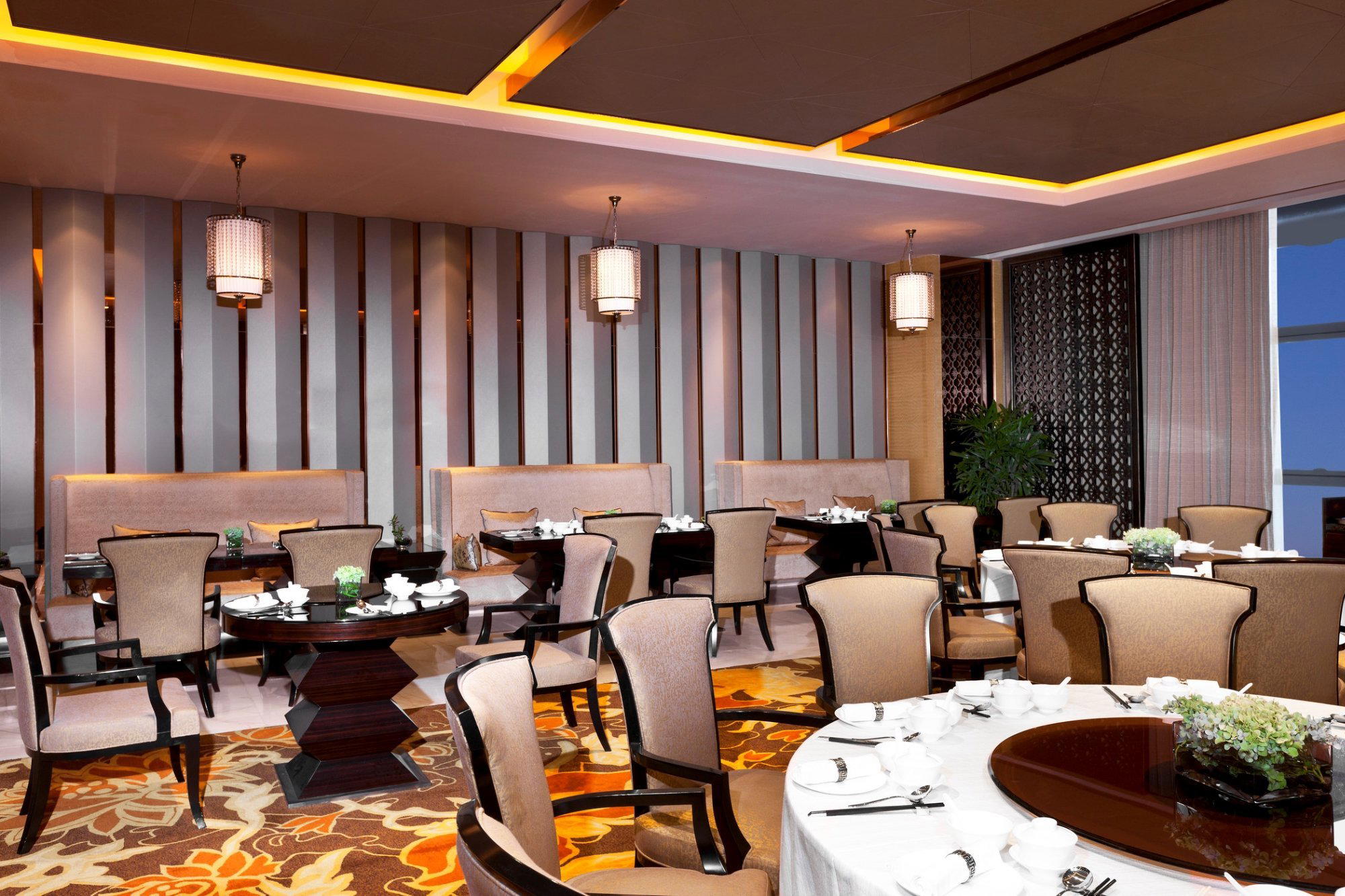
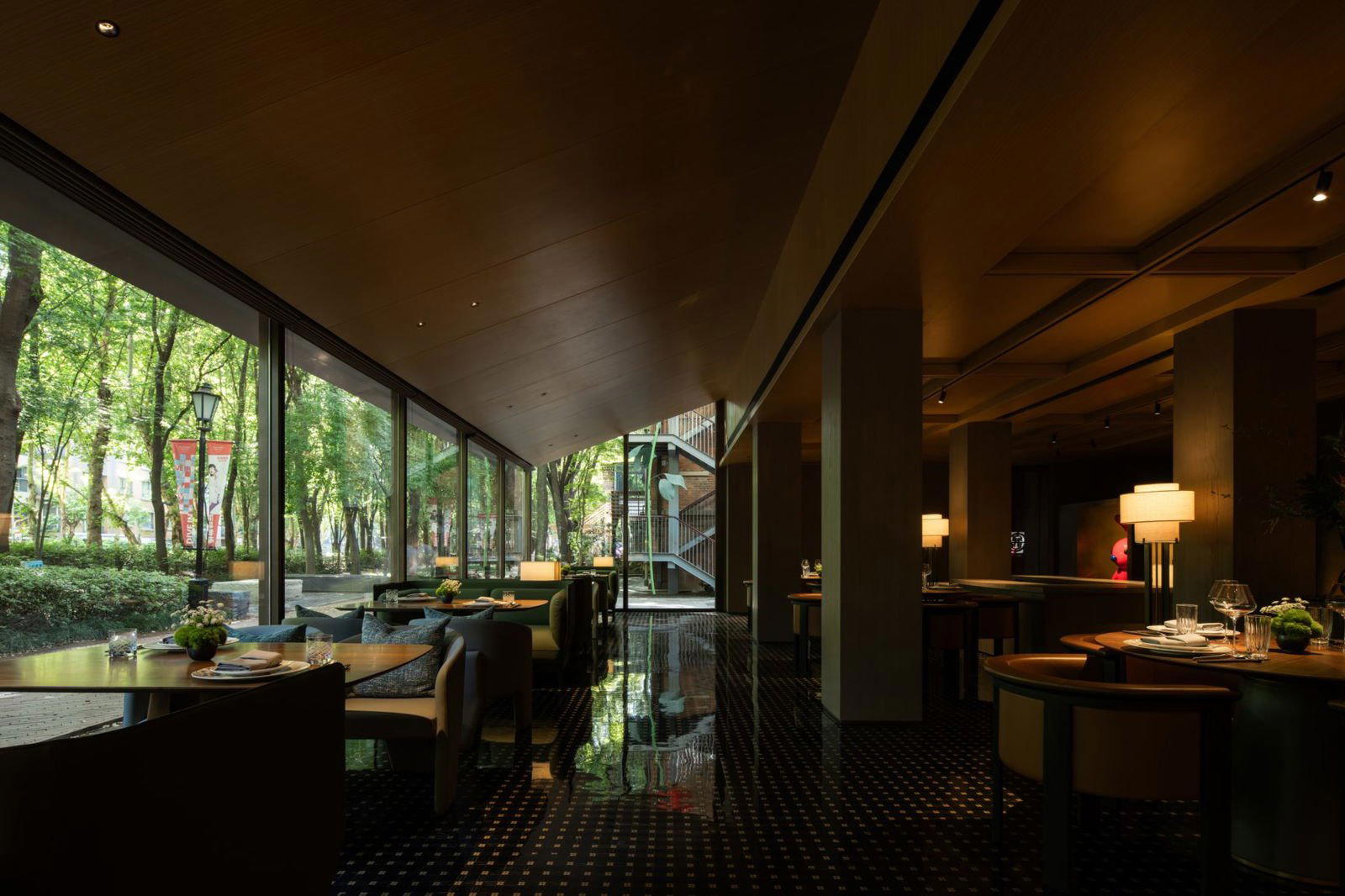
Hotels in Wuhan
Browse all →
At a Glance
- Elegant
- Sophisticated
- Modern
- After Work
- Date Night
- Hotel Bar
- Lounge Seating
- Classic Cocktails
- Garden
Modern and elegant with a blend of comfort and style, ideal for relaxation amidst natural light and garden scenery.