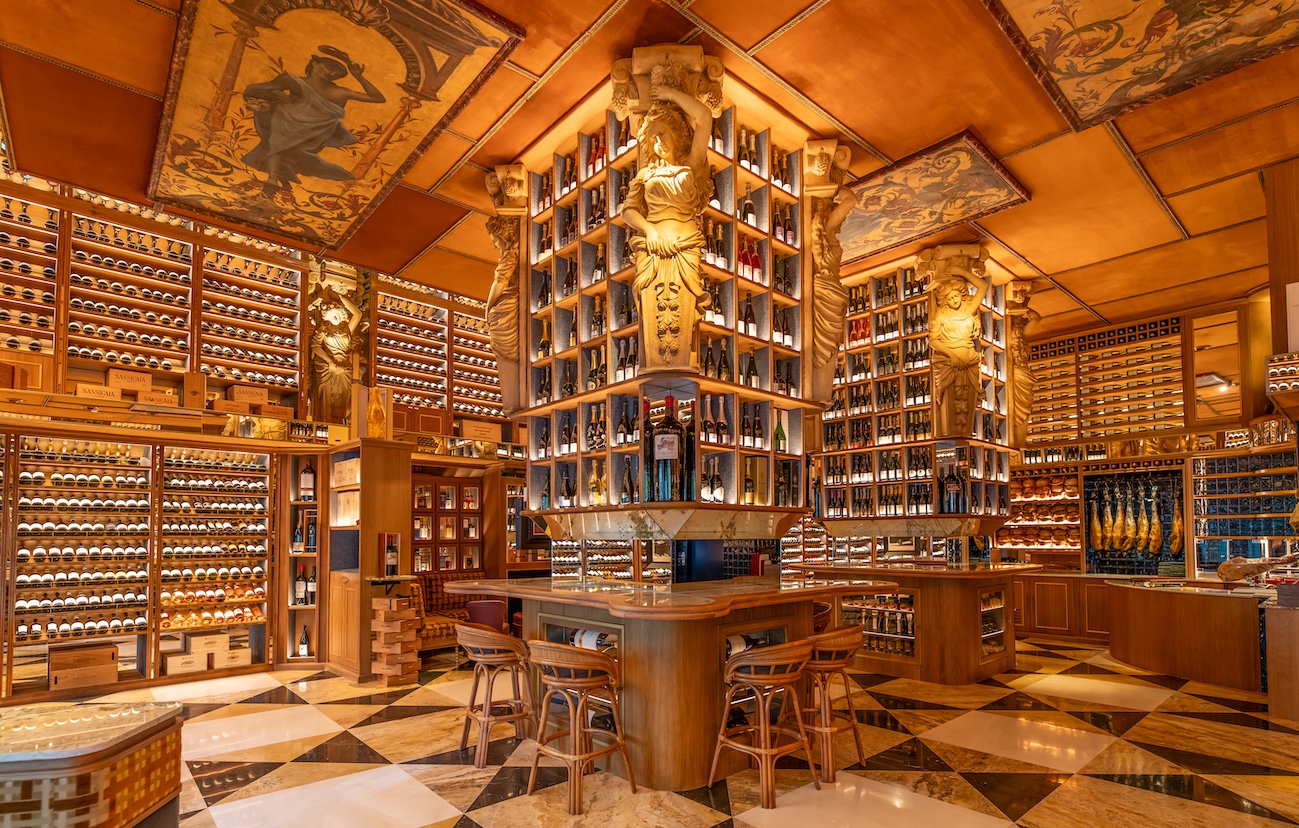
Positioned steps from Puerta de Alcalá in Madrid's Salamanca district, The Library operates across three distinct formats: a boutique shop and wine bar, a fine dining restaurant built around a tasting menu, and a broader food and drink programme that rewards visitors who arrive with time and curiosity. The address on Calle de Serrano places it at the upper end of the city's bar and dining scene.

Where Salamanca Meets the Glass
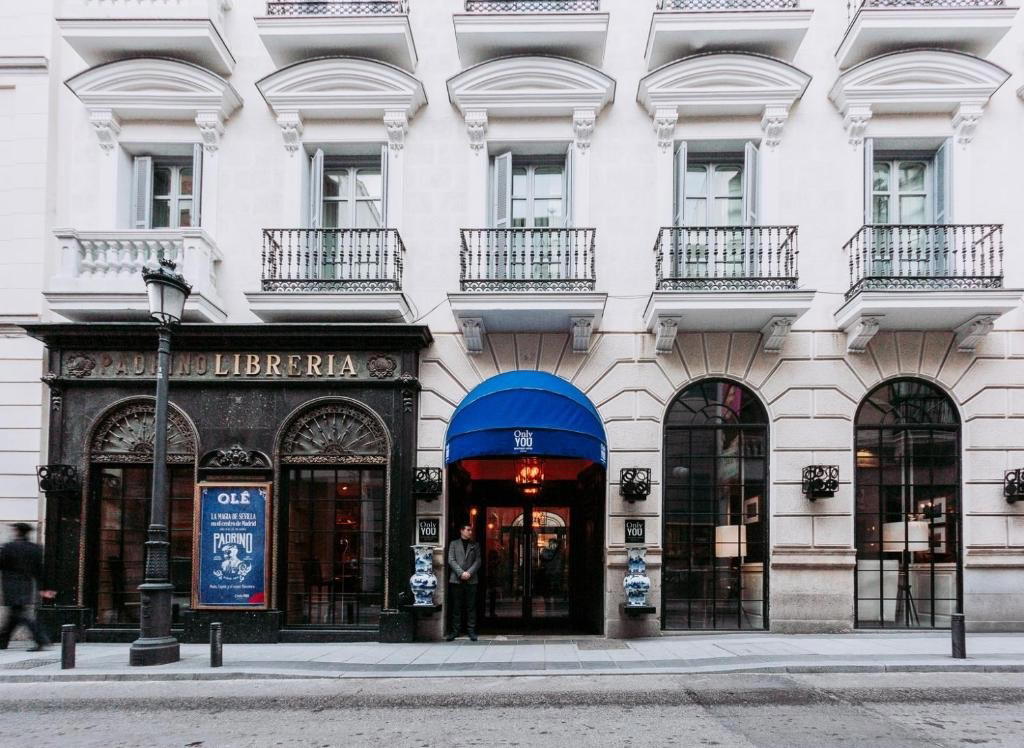
The stretch of Calle de Serrano that runs north from the Retiro park boundary is one of Madrid's most legible addresses: fashion houses, gallery-fronted boutiques, and a concentration of dining rooms that pitch squarely at the city's professional and international crowd. The Library occupies a position right at that axis, with Puerta de Alcalá visible from the door, a neoclassical triumphal arch that has framed this corner of Madrid since the eighteenth century. Arriving here, the architecture does a lot of the contextual work before you step inside. The neighbourhood has long operated on a different register from the cocktail-bar density of Malasaña or the market-led energy of La Latina, and The Library's multi-format concept reflects that: this is a place that assumes you have a reason to be here, whether for a bottle from the shop, a seat at the wine bar, or a full tasting menu in the dining room.
Three Formats, One Address
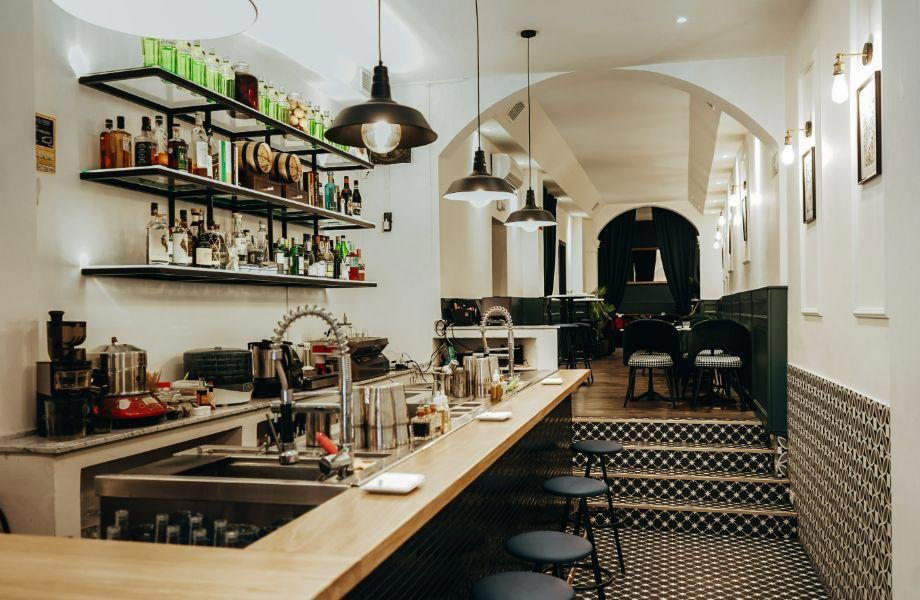
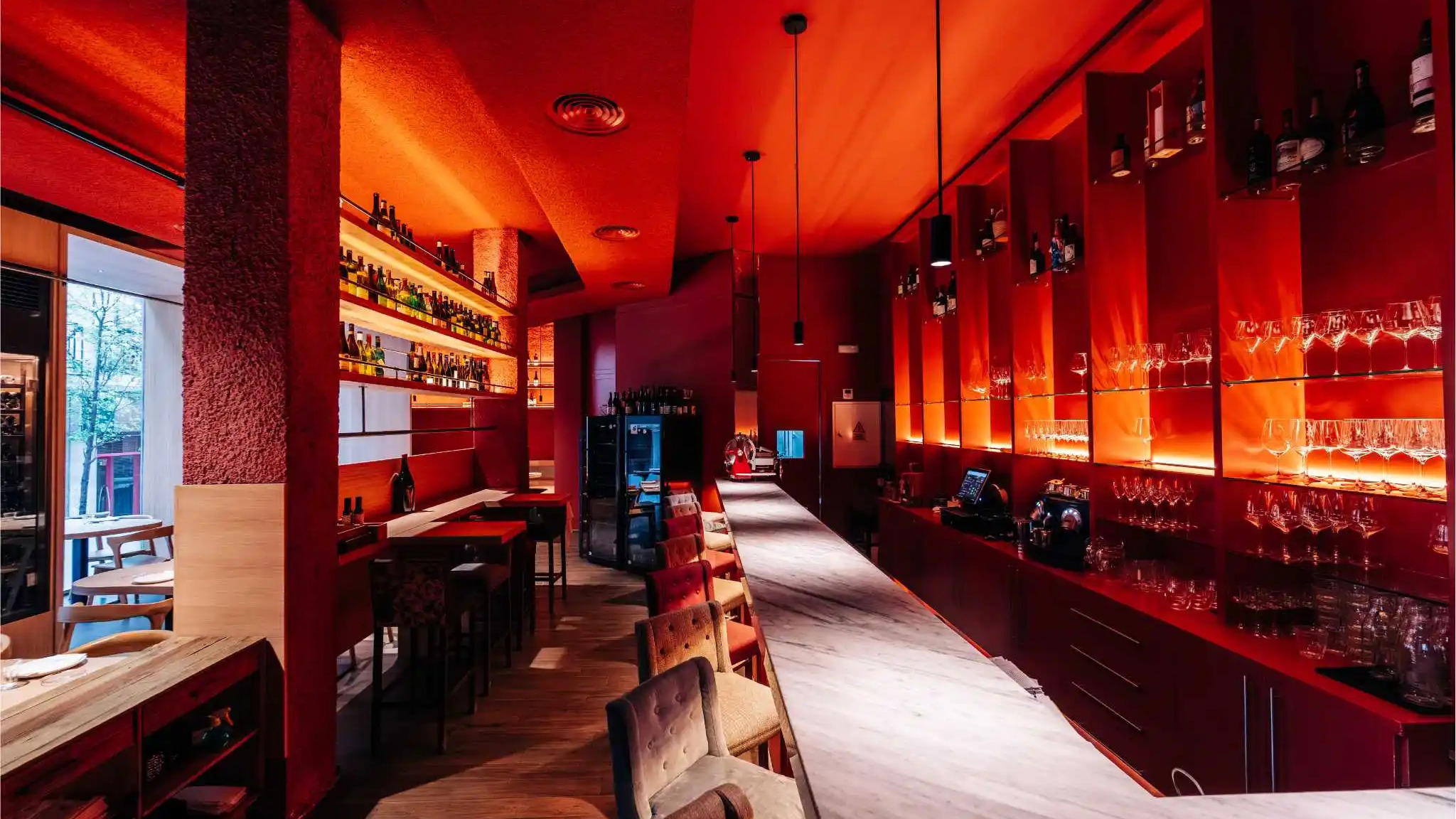
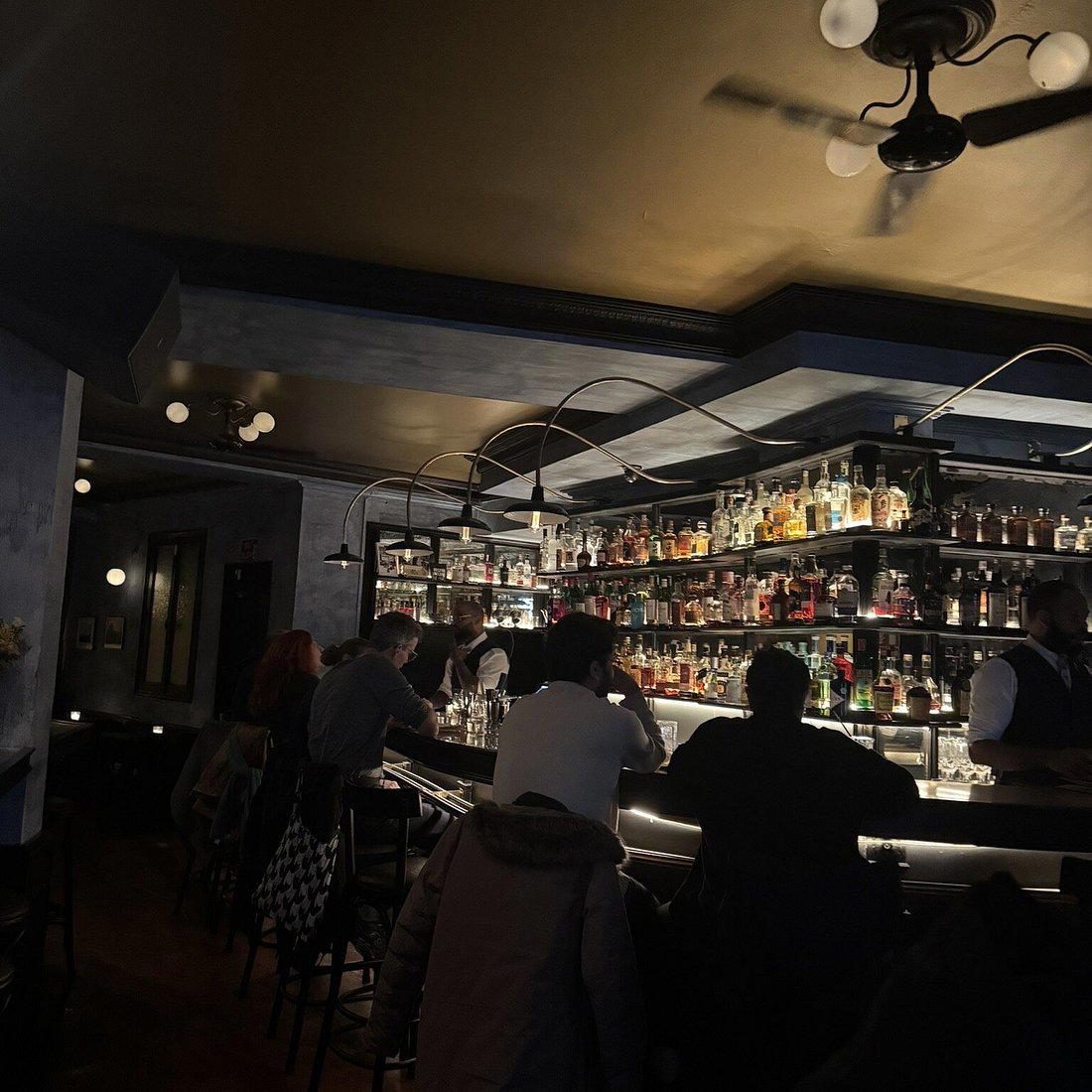
Madrid has developed a habit of housing multiple hospitality concepts under a single roof, a structural response to real estate pressure and to a clientele that moves between occasions within the same evening. The Library takes that logic seriously. The boutique shop and wine bar format serves as both retail operation and informal drinking space, a pairing that positions the bottle as the primary text and the glass as the immediate commentary. In cities where wine retail and wine service have traditionally operated in separate rooms, this compression into one space changes how you engage with the list: you are, in effect, browsing and drinking simultaneously, which creates a different kind of conversation about what you are ordering. For visitors familiar with how Angelita has built its reputation on exactly this kind of wine-led bar culture in Madrid, The Library's approach will read as part of a recognisable local trend rather than a novelty.
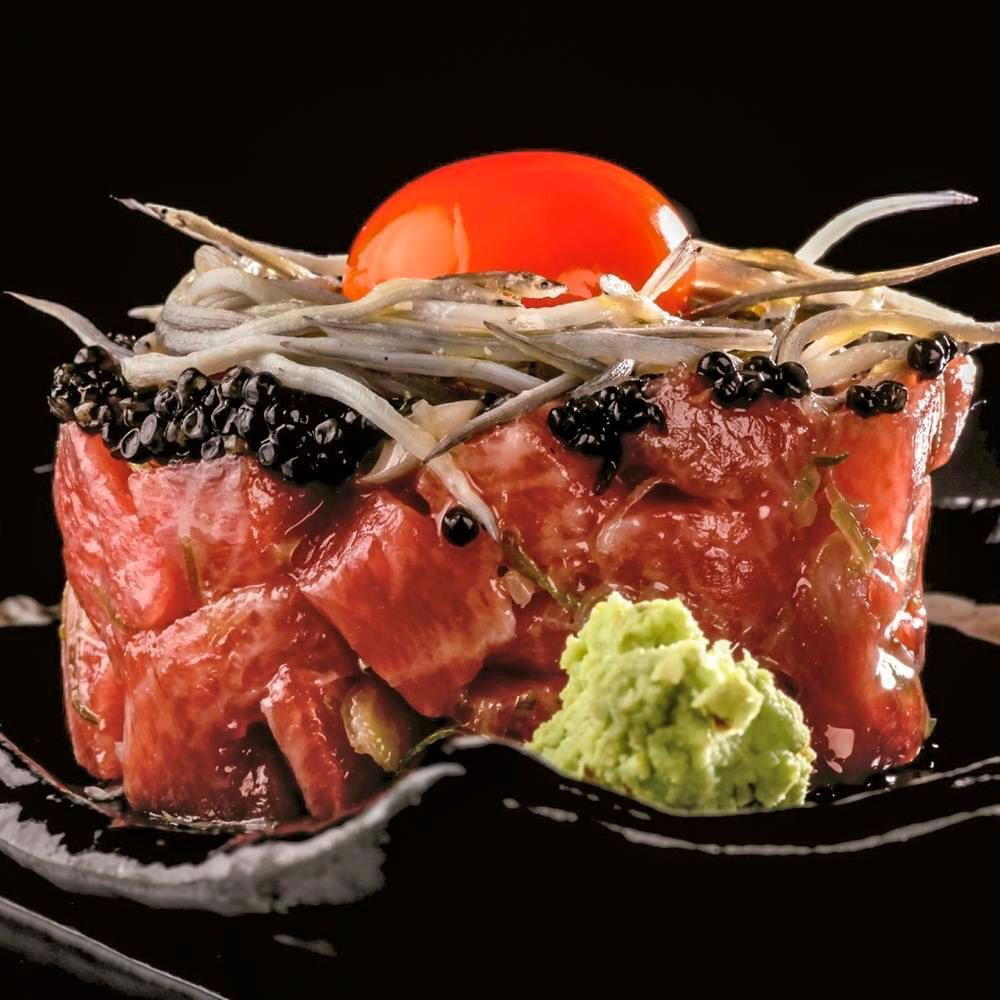
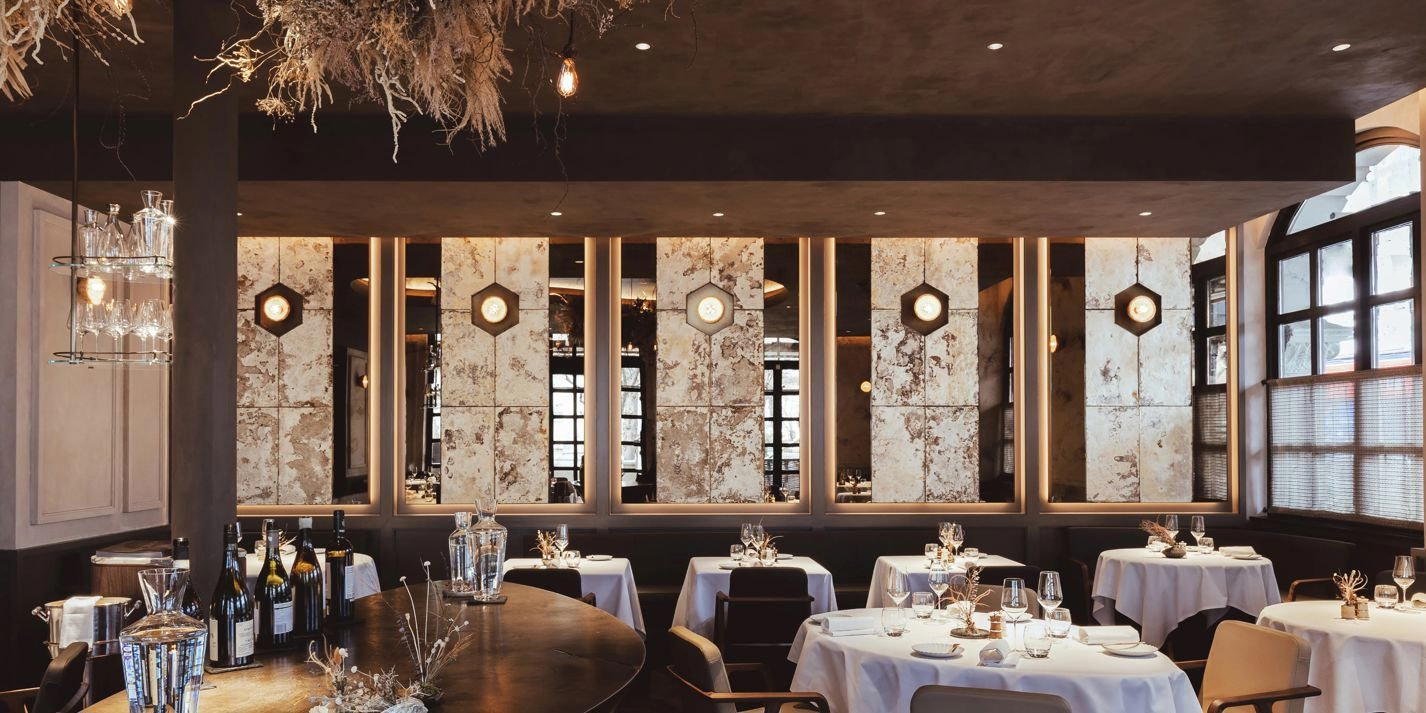
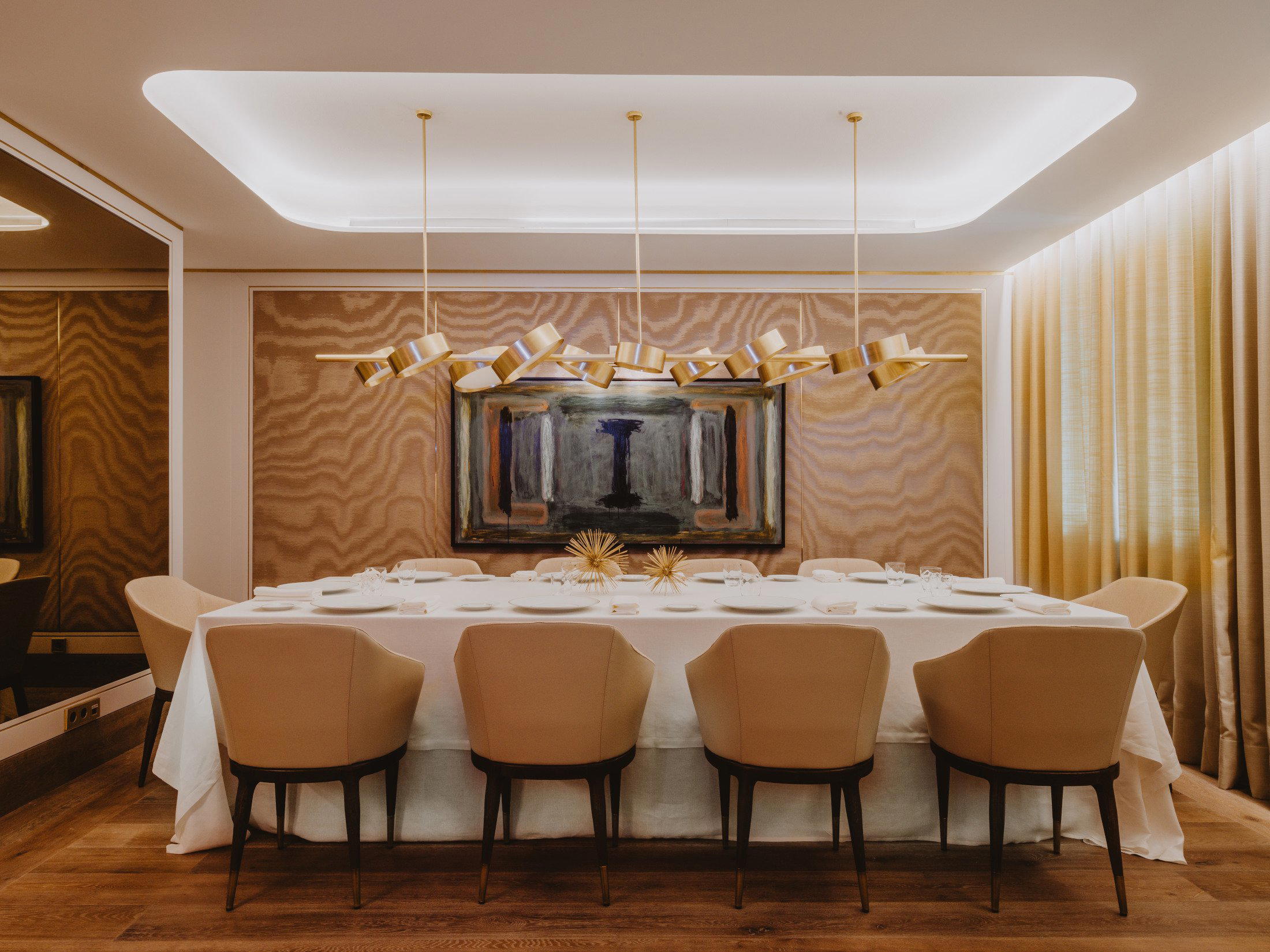
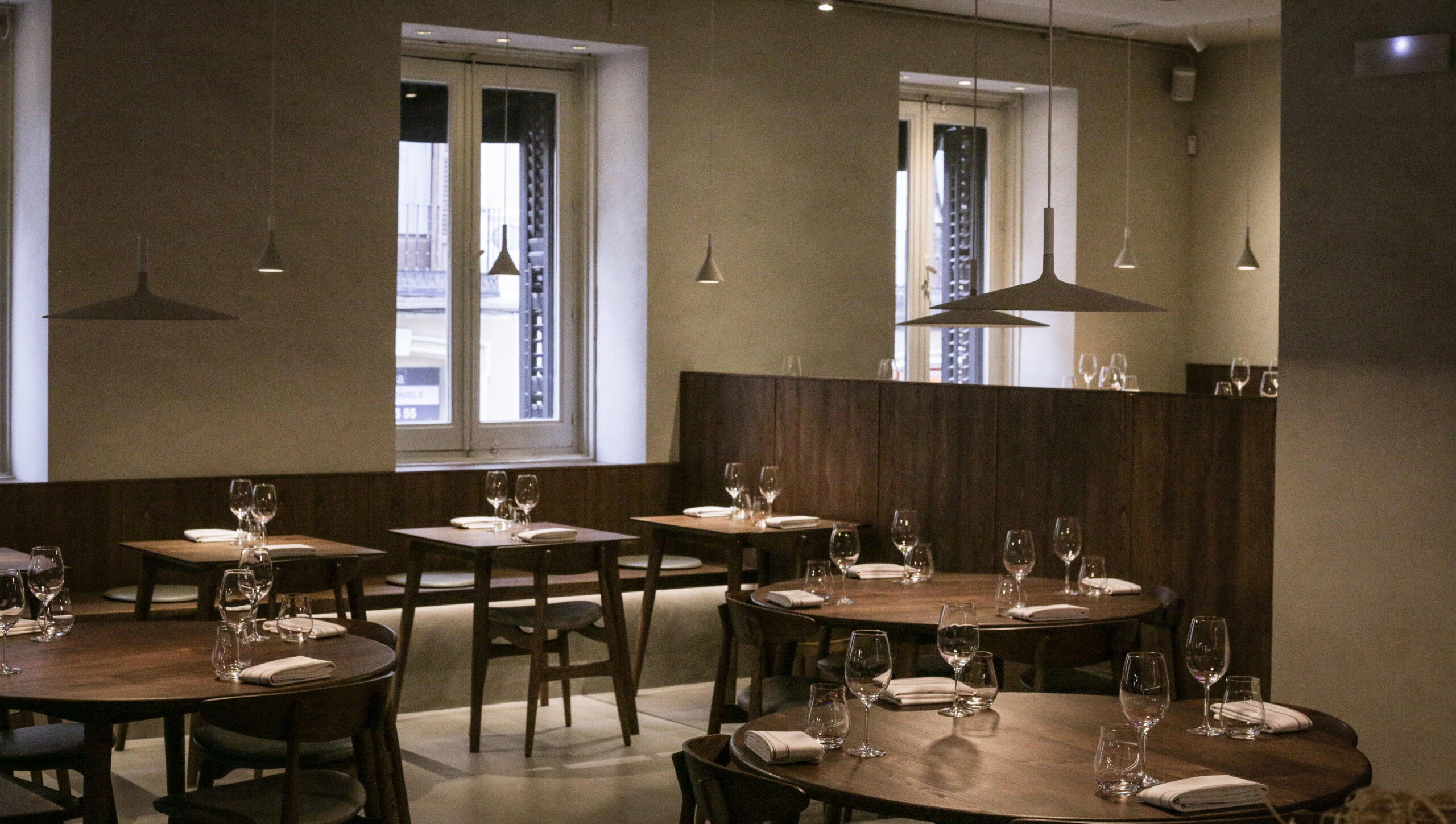
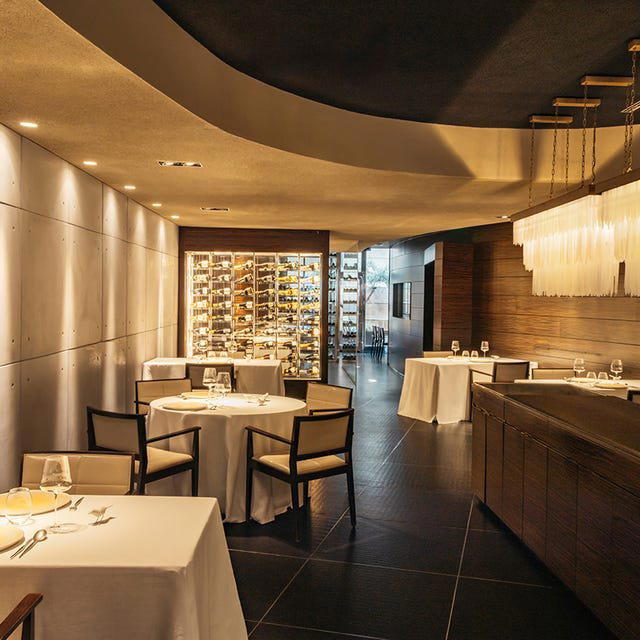
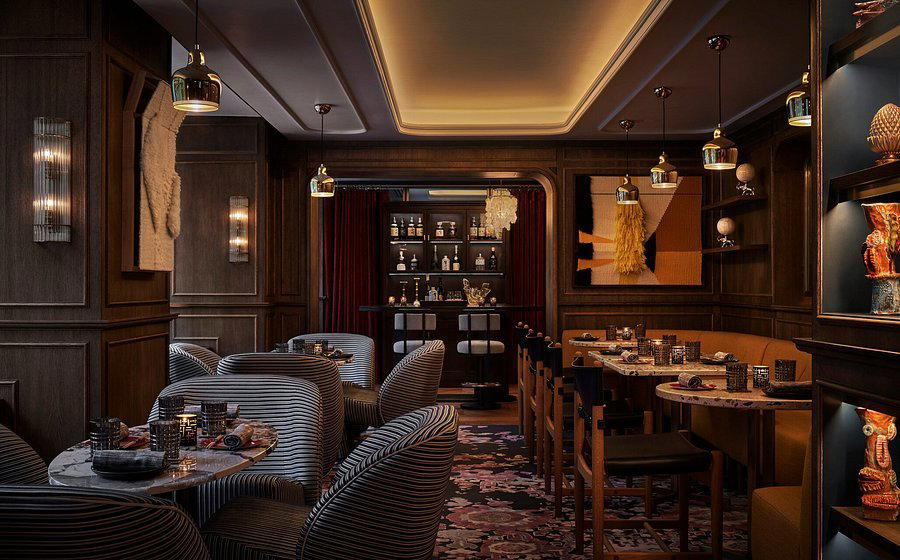
The fine dining component operates separately, with access reserved for tasting menu guests. This tiered structure is common across European cities where a single address wants to serve both casual and committed visitors without one format undermining the other. The tasting menu format signals a kitchen that is working with a fixed narrative rather than an à la carte range, which tends to produce a more controlled pairing programme and a tighter alignment between what is on the plate and what is in the glass.
The Pairing Argument at the Centre
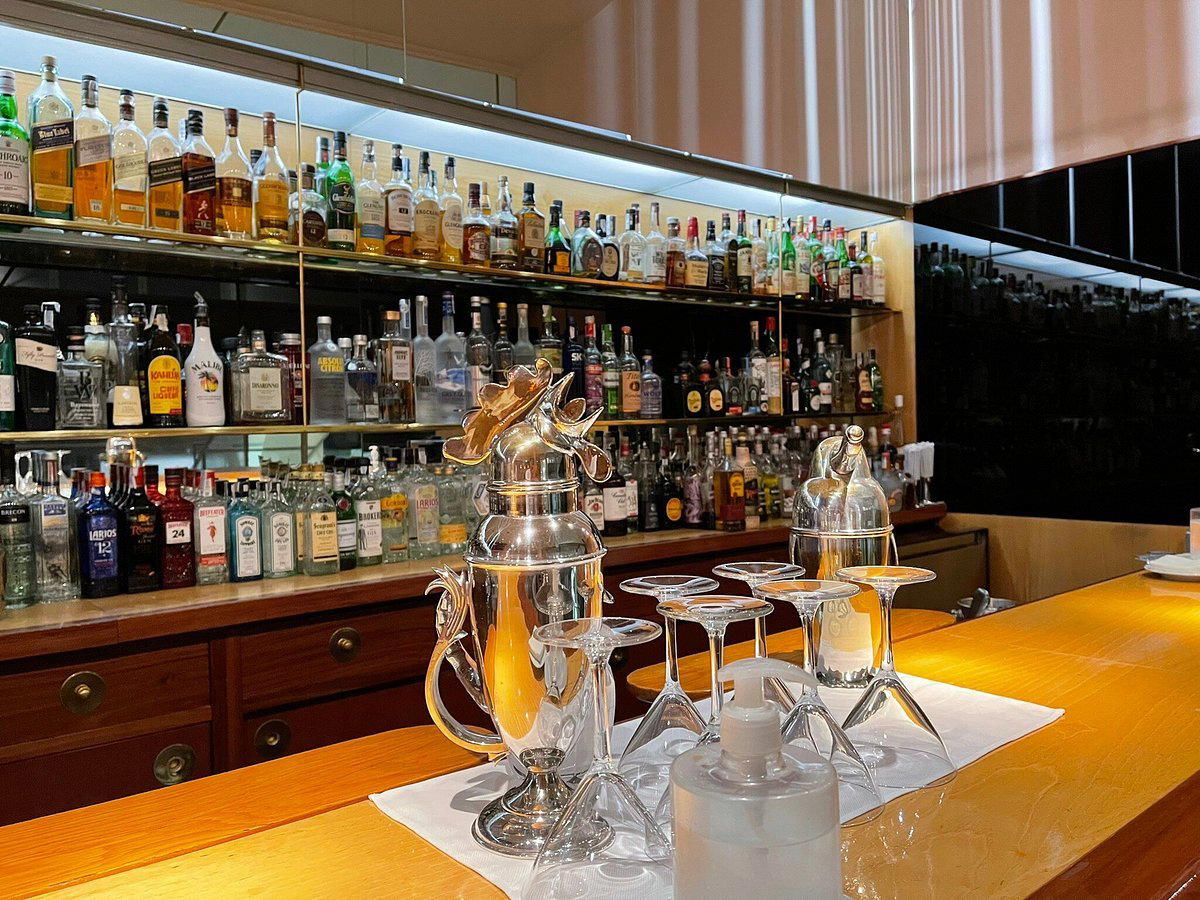
Food and drink pairing at this level in Madrid is no longer a secondary consideration. The city's better bars and wine-led rooms have spent the last decade building food programmes that justify the glass rather than merely accompany it. Salmon Guru approaches the same question from the cocktail side, with bar snacks engineered to work with specific drinks. 1862 Dry Bar and Bad Company 1920 operate in a more spirit-forward tradition, where the food presence is lighter. The Library's structure, with a wine-retail component feeding directly into a bar programme and a separate tasting menu room upstairs or adjacent, allows for a different kind of pairing discipline: the shop inventory and the bar pour presumably draw from the same source, which means the person recommending your glass has a stake in the broader selection, not just the by-the-glass list.
This is the model that has worked well in wine-literate cities from Copenhagen to Lyon, where the retailer-sommelier hybrid produces staff who can speak about a producer's full range rather than just the bottles that landed on a short list. Whether that depth is matched at The Library specifically, the structure makes it possible in a way that a conventional restaurant wine list does not.
Salamanca as a Dining District
The Salamanca district does not generate the international press coverage that Malasaña or Lavapiés attract, but it has maintained a consistent concentration of serious restaurants and wine-focused bars for longer than either of those neighbourhoods. The clientele skews toward residents who eat out regularly and visitors staying in the district's hotels, which produces an audience less interested in novelty for its own sake and more attentive to consistency and depth. For a three-format operation, this is a useful context: the tasting menu can sell to visitors on a single-occasion basis, while the wine bar and shop build a local repeat customer base. That combination is more durable than either format alone.
For context on what Madrid's broader bar scene offers, our full Madrid bars guide maps the city's drinking culture across neighbourhoods and formats. Internationally, the retailer-bar hybrid model has been executed with particular rigour at Bar Leather Apron in Honolulu, where the drinks programme is built around a comparable philosophy of product depth over volume. The format also has Spanish precedents: Boadas in Barcelona has long demonstrated how a single-room bar with a clear point of view can anchor a city's drinking culture across decades. Closer to home, Moonlight Experimental Bar in Zaragoza shows how Iberian bar culture continues to produce formats that resist easy categorisation.
Planning Your Visit
The Library sits at C. de Serrano, 2, in the Salamanca district, a short walk from the Serrano metro station on Line 4 and directly adjacent to Puerta de Alcalá. The three-format structure means the decision you make before you arrive shapes the experience significantly: the wine bar and shop require no reservation and suit a late-afternoon or early evening visit, when the light on Puerta de Alcalá is at its most useful as context. The tasting menu, by contrast, operates on a separate booking logic and suits guests who want to commit a full evening to the address. Visiting Madrid in spring or autumn, when the Salamanca terrace season is at its most active and the neighbourhood fills with both locals and visitors, gives the wine bar format its leading backdrop. For accommodation context, our full Madrid hotels guide covers the district's options. For a broader view of the city's food scene, our full Madrid restaurants guide, our full Madrid wineries guide, and our full Madrid experiences guide provide the wider picture.
Frequently Asked Questions
Comparable Spots
These are the closest comparables we have in our database for quick context.
| Venue | Cuisine | Price | Notes |
|---|---|---|---|
| The Library | This venue | ||
| Angelita | |||
| Salmon Guru | |||
| 1862 Dry Bar | |||
| Bad Company 1920 | |||
| Del Diego |
Need a Table?
Our members enjoy priority alerts and concierge-led booking support for the world's most difficult bars and lounges.
Get Exclusive Access