The Channel
The Channel occupies a Magazine Street address in New Orleans's Lower Garden District, placing it on one of the city's most active corridors for independent bars and restaurants. With New Orleans's cocktail culture increasingly defined by technique as much as tradition, it sits at a point where local flavor vocabularies meet contemporary bar craft. Current details on hours and booking are best confirmed directly with the venue.
Pearl is the En Primeur Club membership app — saves, bookings, and concierge access live there. Same editors, same standards.
- Address
- 2604 Magazine St, New Orleans, LA 70130
- Phone
- +1 504 381 4680
- Website
- thechannelneworleans.com
- Directions
- Get directions
 Saves & bookings on Pearl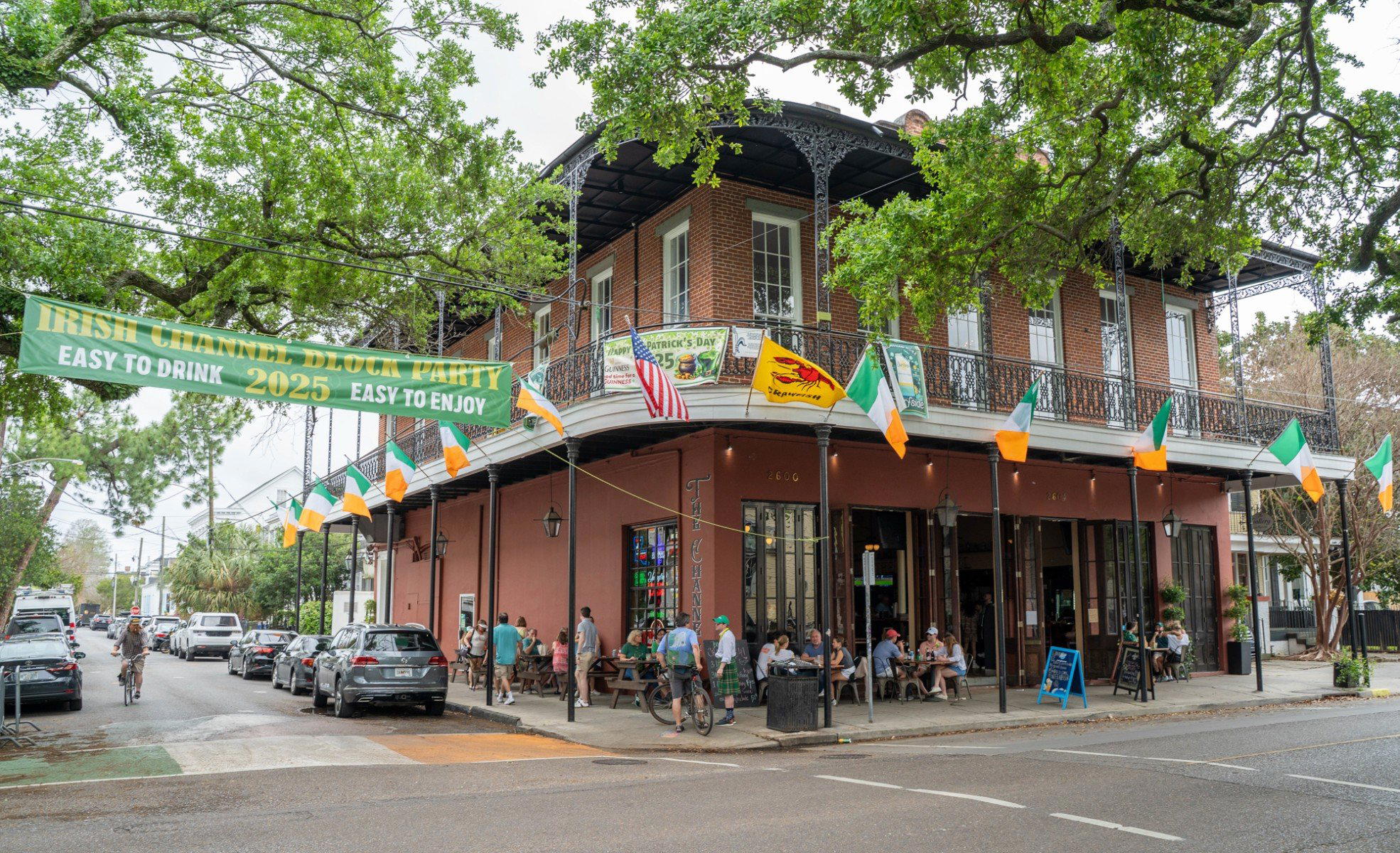
Magazine Street and the Geography of New Orleans Drinking
Magazine Street runs nearly six miles through New Orleans, threading through neighborhoods that each carry a distinct social temperature. The stretch around 2604, in the Lower Garden District, draws a crowd that is neither the French Quarter tourist circuit nor the deep-local regulars of Mid-City. It occupies a middle ground: walkable from the Garden District hotels, familiar enough for residents, accessible enough for visitors who know to look beyond Bourbon Street. Bars in this corridor compete on program and personality rather than foot-traffic volume, which tends to produce more considered menus and a quieter kind of ambition.
That geographic context matters when thinking about what The Channel is trying to do. New Orleans has always had a layered cocktail culture, one that predates the modern craft movement by well over a century, and venues along Magazine Street often have to position themselves against that weight of history. The question for any serious bar here is how to be in conversation with the Sazerac, the Ramos Gin Fizz, and the Vieux Carré without simply reproducing them. The more interesting operators in the city tend to answer that question through ingredient sourcing and technical approach rather than nostalgia.
Where Local Ingredients Meet Contemporary Method
Across American cocktail culture in the 2020s, the bars drawing sustained attention tend to be those that have identified a specific material identity: a region's agricultural products, a set of locally produced spirits, or a culinary tradition translated into glass. New Orleans is particularly well-suited to this approach. Louisiana produces sugar cane in volume, which means local rum and rhum agricole traditions run deep. Satsumas, pecans, Creole tomatoes, chicory, and a range of hot-sauce cultures give bartenders a larder that does not require importing character from elsewhere.
The more technically rigorous bars in the city, places like Cure on Freret Street, which helped anchor the modern New Orleans cocktail movement, or Jewel of the South in the French Quarter, have demonstrated that global bar technique applied to Louisiana ingredients can produce menus that feel simultaneously rooted and forward-looking. Beachbum Berry's Latitude 29 takes a different tack, treating tiki as a historical culinary tradition deserving the same archival rigor as classical French cooking. Each represents a coherent answer to the question of what a New Orleans bar program should do in 2024.
The framework of local ingredients meeting imported technique is not unique to Louisiana. Bar Leather Apron in Honolulu applies Japanese precision to Pacific ingredients; Kumiko in Chicago draws on Japanese aesthetics to reframe Midwestern produce; Superbueno in New York City routes Latin American flavors through a high-technique lens. What connects these programs is a commitment to specificity: the drinks are legible as coming from somewhere, shaped by a place's actual pantry rather than a generic international style guide. Julep in Houston applies similar logic to Southern whiskey traditions, while ABV in San Francisco and Allegory in Washington, D.C. each build distinct identities from their cities' cultural contexts. Even internationally, The Parlour in Frankfurt on the Main demonstrates how European bar culture has absorbed and adapted the same ingredient-forward thinking. The Channel's Magazine Street location puts it in the company of bars that take a position rather than just pouring drinks.
The Lower Garden District as a Bar Context
Understanding what The Channel offers also requires understanding what this part of New Orleans asks of its bars. The Lower Garden District is a residential neighborhood with a working density of independent businesses, not a nightlife district in the conventional sense. Bars here tend to operate with a neighborhood-bar register at the foundation, even when the program runs more ambitiously. The mix of regulars and visitors creates a dynamic that rewards venues with enough depth to hold a knowledgeable drinker and enough warmth to welcome someone who wandered in from the street.
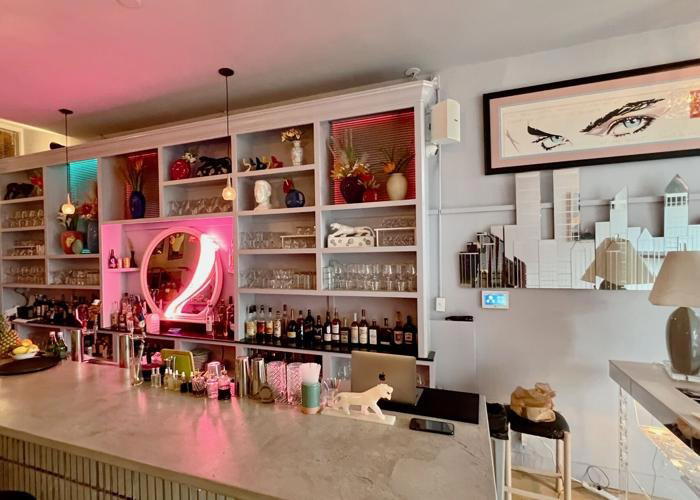
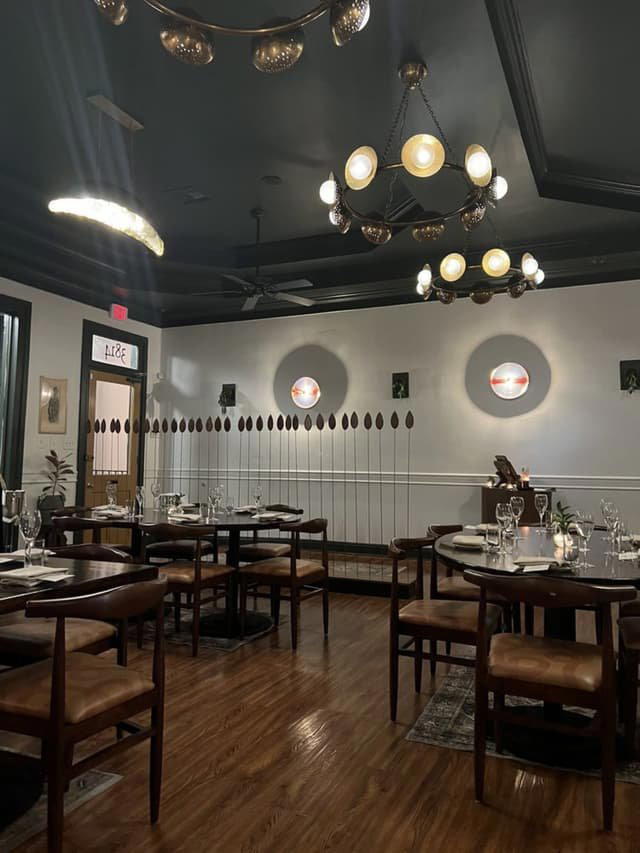
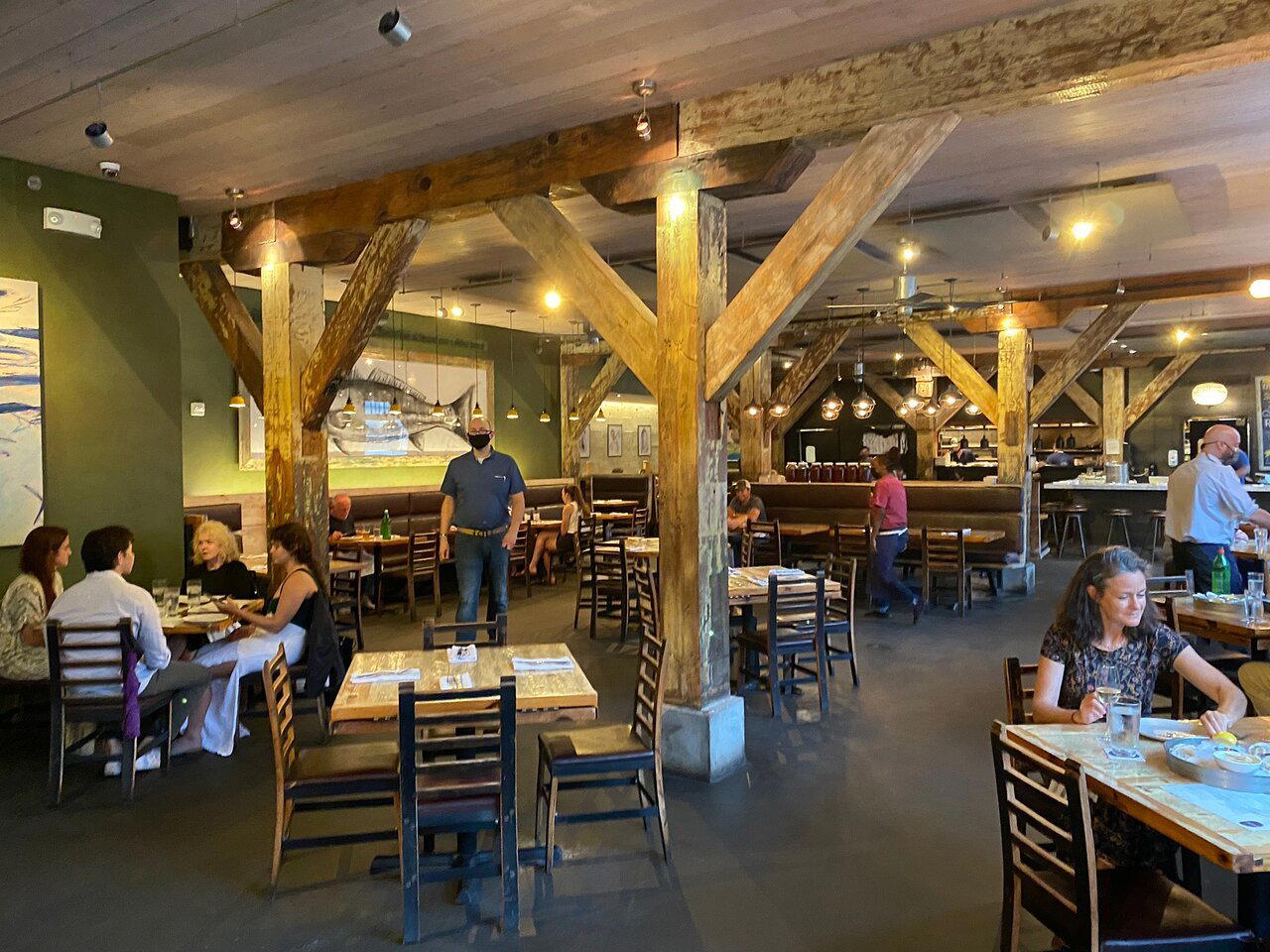
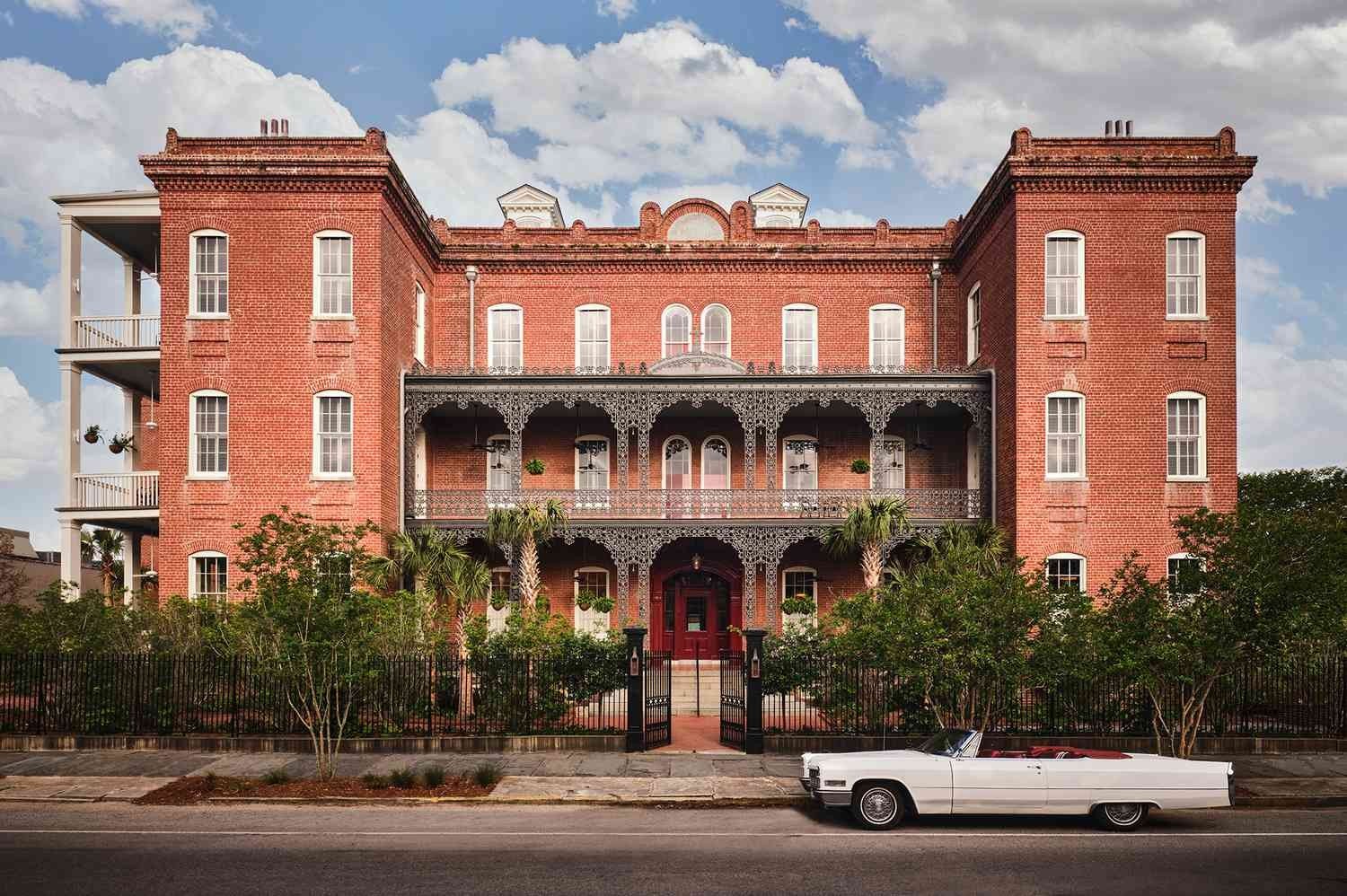
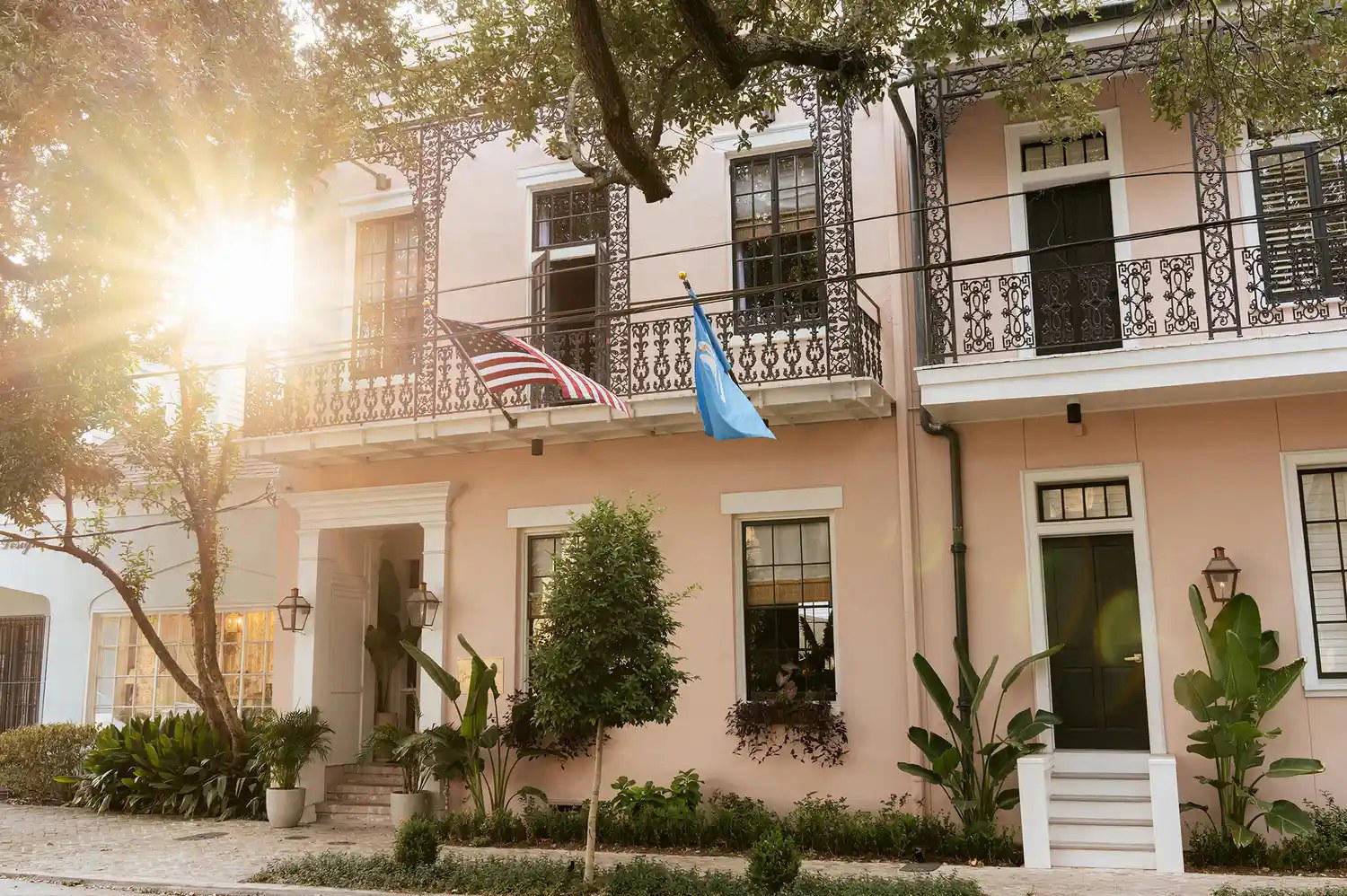
This is a different operating context from the French Quarter, where venues like Jewel of the South function partly as destination bars drawing people who have done their research. On Magazine Street, the bar has to work harder on first impressions while still rewarding return visits. The physical environment at 2604 reflects that balance: a setting that reads as accessible rather than precious, without sacrificing the program quality that gives serious drinkers a reason to make a specific trip. For readers comparing New Orleans bar options, 2 Phat Vegans represents another direction the Magazine Street corridor takes, demonstrating how diverse the bar and dining identities along this stretch have become.
Thinking About the Program
Magazine Street bars at this address range from dive-adjacent neighborhood spots to more considered programs built around specific spirit categories or seasonal menus. The venue's name carries canal and waterway associations that resonate in a city whose relationship with water is foundational to its culture, its engineering, and its food traditions. Whether the program leans into that reference directly or uses it atmospherically is one of the things worth confirming on arrival.
New Orleans's cocktail culture rewards bars that know what they are. The city has too much bar history for a vague program to land; visitors and locals alike have calibrated expectations shaped by over 150 years of serious drinking culture. The bars that hold their ground here tend to have a clear point of view on spirit selection, on the role of sweetness and bitterness in Louisiana flavor profiles, and on how much of the menu should reference tradition versus push against it. For a fuller orientation to what the city's bar scene currently offers, the EP Club New Orleans guide maps the scene across neighborhoods and program types.
Know Before You Go
- Address: 2604 Magazine St, New Orleans, LA 70130
- Neighbourhood: Lower Garden District
- Reservations: Booking policy not confirmed; walk-in availability should be checked in advance
- Price range: Not confirmed publicly
- Phone / Website: Not listed — search current listings for contact details
Continue exploring
More in New Orleans
Bars in New Orleans
Browse all →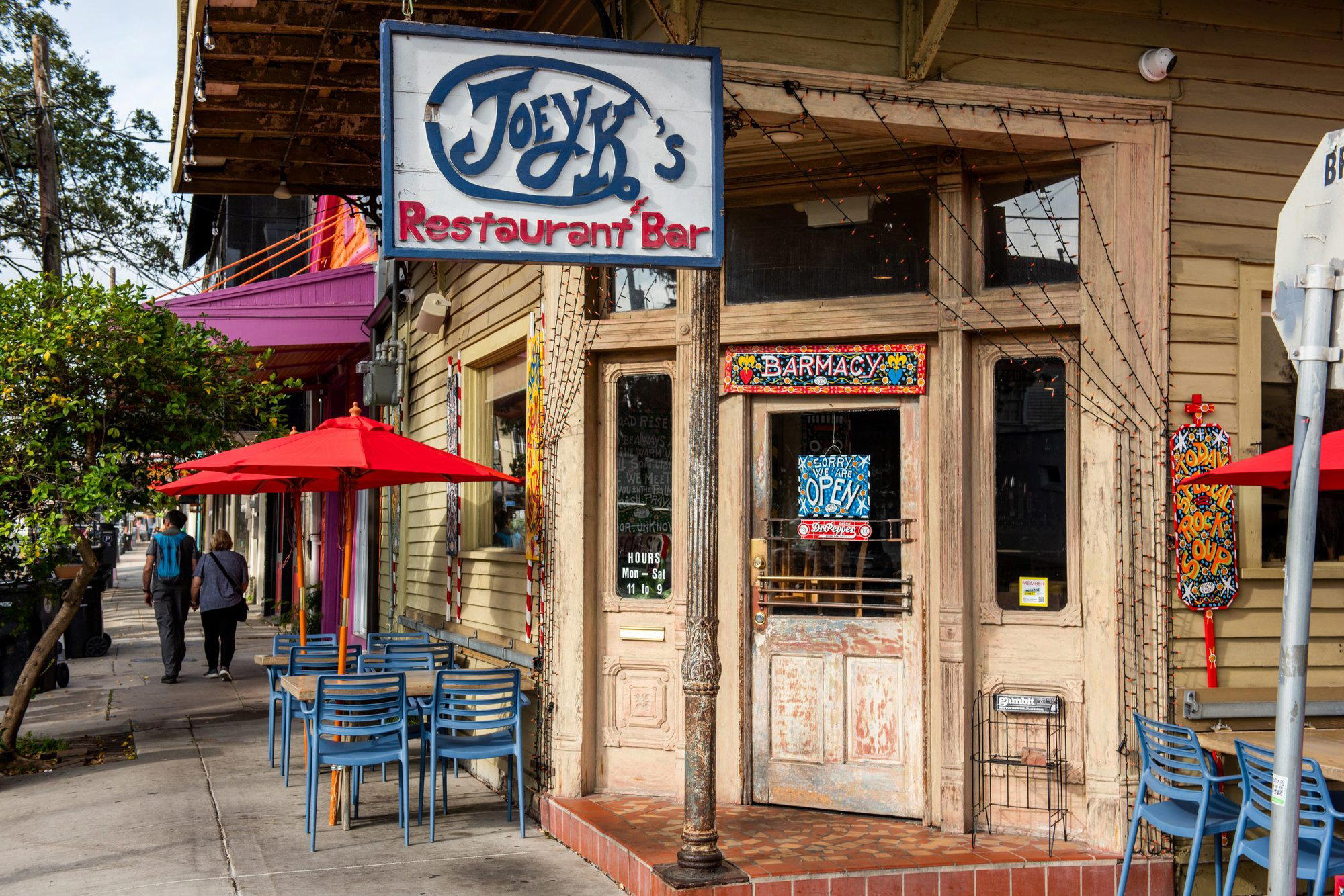
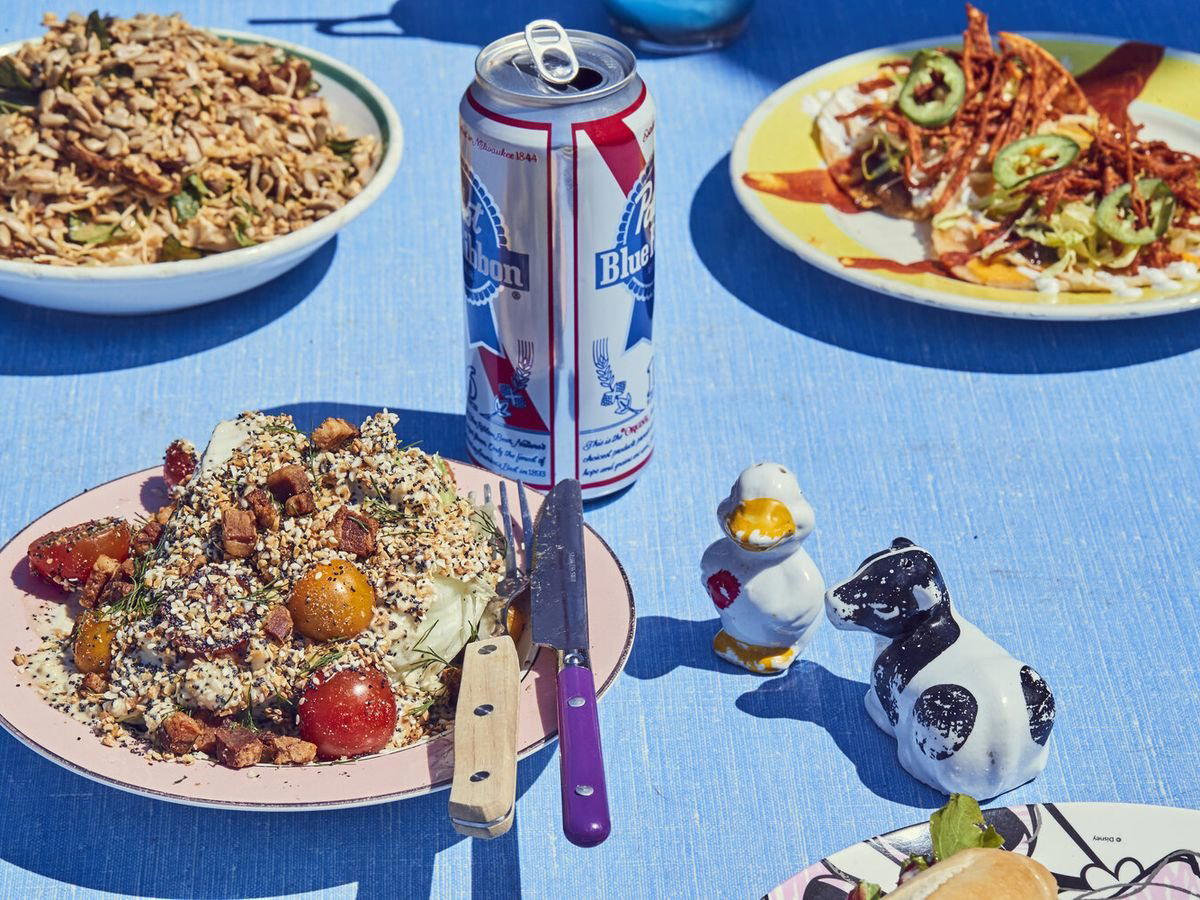
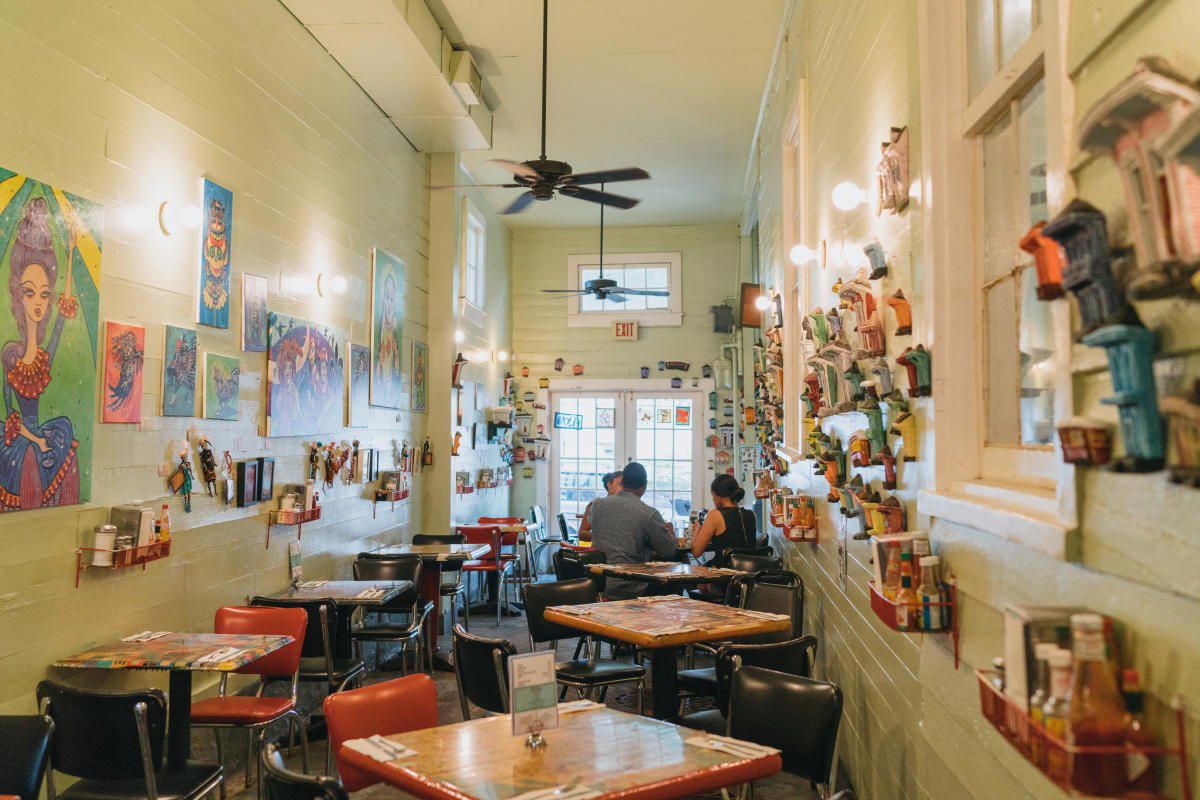
Restaurants in New Orleans
Browse all →
At a Glance
- Cozy
- Lively
- Classic
- Casual Hangout
- After Work
- Standalone
- Seated Bar
Current opening hours
- Monday
- 11 AM–1 AM
- Tuesday
- 11 AM–1 AM
- Wednesday
- 11 AM–1 AM
- Thursday
- 11 AM–1 AM
- Friday
- 11 AM–1 AM
- Saturday
- 11 AM–1 AM
- Sunday
- 11 AM–1 AM
Hours can change for holidays and private events. Last verified .
Relaxed and friendly with a classic pub atmosphere.
Know Before You Go
- Getting there
- 2604 Magazine St, New Orleans, LA 70130