The Alley Cat
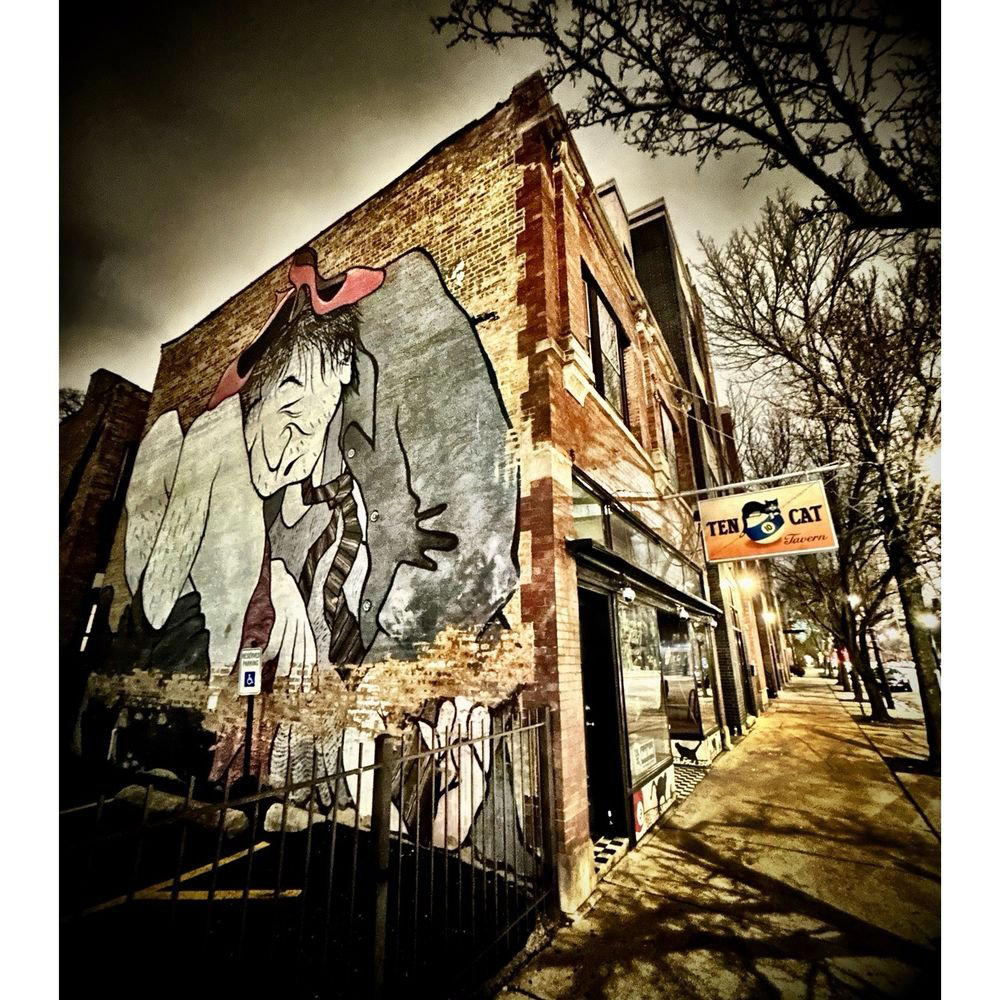
On West Division Street in Wicker Park, The Alley Cat occupies the lower end of Chicago's bar-snack format, where the drink comes first and the food follows its logic. The address puts it squarely in a neighbourhood that has cycled through several generations of bar culture, making it a useful reference point for understanding how the city's casual drinking scene continues to evolve on the Northwest Side.

Pearl is the En Primeur Club membership app — saves, bookings, and concierge access live there. Same editors, same standards.
- Address
- 2013 W Division St, Chicago, IL 60622
- Phone
- (908) 255-7170
- Hours
- Mon–Thu 5 PM–12 AMFri–Sat 5 PM–2 AMSun 5 PM–12 AM
- Website
- thealleycatchicago.com
- Directions
- Get directions
- Booking
- Book on SevenRooms
West Division Street and the Bar-Snack Format
Chicago's bar culture has long operated on a spectrum that runs from the craft-cocktail programs of the River North corridor to the walk-in neighbourhood bars of the Northwest Side. The 2000 block of West Division Street sits closer to the latter end of that range, in a stretch of Wicker Park where the buildings are older, the signage is lower, and the expectation on entry is a drink rather than a reservation confirmation. The Alley Cat, at 2013 W Division St, occupies this space in both a literal and categorical sense: it is a bar-snack venue in a neighbourhood that has seen multiple waves of bar openings, closures, and reinventions since the 1990s.
The bar-snack format itself is worth understanding before you arrive. Unlike the full tasting-menu cocktail bars now operating in Chicago's premium tier, venues in this category are structured around a primary drinking experience with food that complements rather than anchors the visit. The kitchen output is purposefully limited in scope, which keeps the operational model lean and the bar itself the clear protagonist. Across American cities, this format has proven durable precisely because it does not compete on the same axis as restaurants: it wins on atmosphere, accessibility, and the quality of what's in the glass.
Planning the Visit: What the Booking Logic Tells You
The editorial angle that matters most when approaching The Alley Cat is the booking experience, or more precisely, the absence of one. Bars operating in the walk-in format on the Northwest Side of Chicago are not running reservation systems in the way that, say, Kumiko in the Loop does. Kumiko, which holds James Beard recognition and operates a structured omakase cocktail format, takes reservations weeks in advance and prices accordingly. The Alley Cat operates in a different register entirely: the friction is not in securing a table but in choosing the right night and arriving with the right expectations.
For a bar in this format and location, timing matters more than advance planning. Wicker Park's Division Street corridor sees peak foot traffic on Friday and Saturday evenings, when the neighbourhood's younger professional demographic moves between venues. A mid-week visit tends to produce a different atmosphere: fewer people competing for the bar, more space to actually evaluate what's being poured. If your priority is conversation rather than scene-watching, Tuesday through Thursday is the operative window.
This is not unusual for venues at this end of the category, where the operational model depends on walk-in volume rather than pre-committed covers. It does mean that pre-visit research should be conducted through neighbourhood-level sources and recent visitor accounts rather than through official channels.
How It Sits in Chicago's Broader Bar Scene
Chicago's cocktail and bar scene has matured considerably over the past fifteen years. The city now operates multiple tiers simultaneously: the nationally recognised craft-cocktail programs at places like Kumiko and Leading Intentions, which are tracked by the industry and draw visitors specifically for their programs; mid-tier bars with focused menus and some editorial recognition; and the neighbourhood-level venues where the drink is good but the draw is primarily local. The Alley Cat's position in this hierarchy is closer to the third category, which is not a criticism. It reflects a specific function within a specific part of the city.
Compare this to how the format operates in other American cities. ABV in San Francisco and Superbueno in New York City both demonstrate how the bar-snack format can carry editorial weight when the drink program is precise and the food pairing is intentional. Julep in Houston and Jewel of the South in New Orleans show how regional identity can sharpen a venue's focus within a similar structural model. The Alley Cat does not carry the same level of documented recognition as these peers, but the format logic is comparable: a bar where drinks lead and food supports.
Within Chicago specifically, the Northwest Side has its own internal bar geography. Bisous and Lemon represent different points on the city's current bar spectrum, and the Division Street corridor where The Alley Cat operates is distinct from the more programmatic cocktail venues concentrated further east and south. This neighbourhood context is part of what defines the experience: you are on a street with history, not in a purpose-built cocktail destination district.
What to Drink
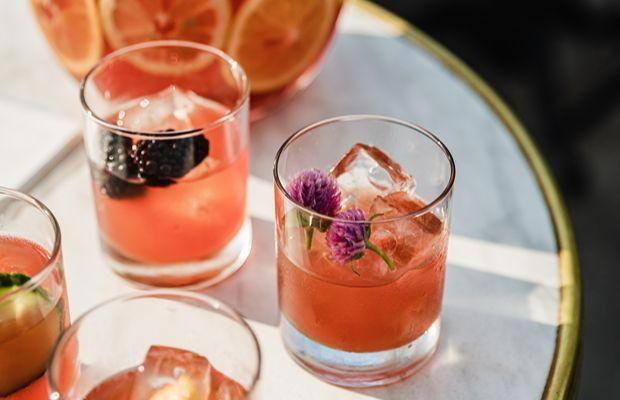
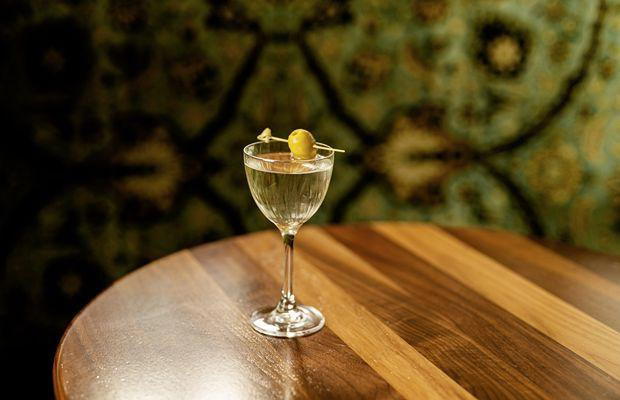
Without a published menu in the available record, specific drink recommendations would require on-the-ground verification. What the bar-snack format does signal is a list likely structured around accessible, well-executed pours rather than technique-heavy cocktails that require extended preparation. Bars in this format and price tier tend to prioritise spirits that work in direct builds, where speed of service and consistency across a busy evening matter as much as complexity. Beer and wine are typically available alongside spirits, and the food is calibrated to pair with a range rather than a single narrow category of drink.
For context on what Chicago's bar scene produces at the craft end, Kumiko's Japanese-influenced cocktail program and Leading Intentions' technically focused menu represent what is possible at the upper tier. The Alley Cat does not operate in that space. If your primary interest is in documented cocktail programs with published menus and verifiable credentials, this is not the address to anchor your Chicago drinking itinerary around. If your interest is in understanding the neighbourhood bar format as it actually functions in Wicker Park, it is a reasonable starting point.
Planning Details: Format Comparison
| Venue | Format | Booking Model | Primary Draw |
|---|---|---|---|
| The Alley Cat | Bar snacks, neighbourhood bar | Walk-in | Local atmosphere, casual drinking |
| Kumiko | Omakase cocktail, full food program | Reservations required, weeks ahead | James Beard-recognised cocktail program |
| Leading Intentions | Craft cocktail | Walk-in with waits on weekends | Technically focused menu, editorial recognition |
| Bisous | Wine bar with snacks | Walk-in, limited capacity | Natural wine focus, neighbourhood positioning |
For broader Chicago planning, the full Chicago restaurants guide covers the city's drinking and dining scene across all tiers and neighbourhoods. International reference points for the bar-snack format include Bar Leather Apron in Honolulu, Allegory in Washington, D.C., and The Parlour in Frankfurt on the Main, each of which demonstrates how a bar's format and neighbourhood positioning shape the experience as much as any individual drink on the list.
Where the Accolades Land
Comparable venues nearby, for context on price, style, and recognition.
| Venue | Cuisine | Price | Awards | Notes |
|---|---|---|---|---|
| The Alley CatThis venue — the venue you are viewing | cocktail_bar | $30–50 | Not listed | Not listed |
| Taxim | wine_bar | Not listed | Star Wine List | Wicker Park |
| Twin Anchors Restaurant & Tavern | pub | $30–50 | Not listed | Old Town |
| Piece Pizzeria and Brewery | beer_bar | $20–30 | Not listed | Wicker Park |
| Kingston Mines | pub | $20–30 | Not listed | Lincoln Park |
| Spilt Milk | cocktail_bar | $20–30 | Not listed | Logan Square |
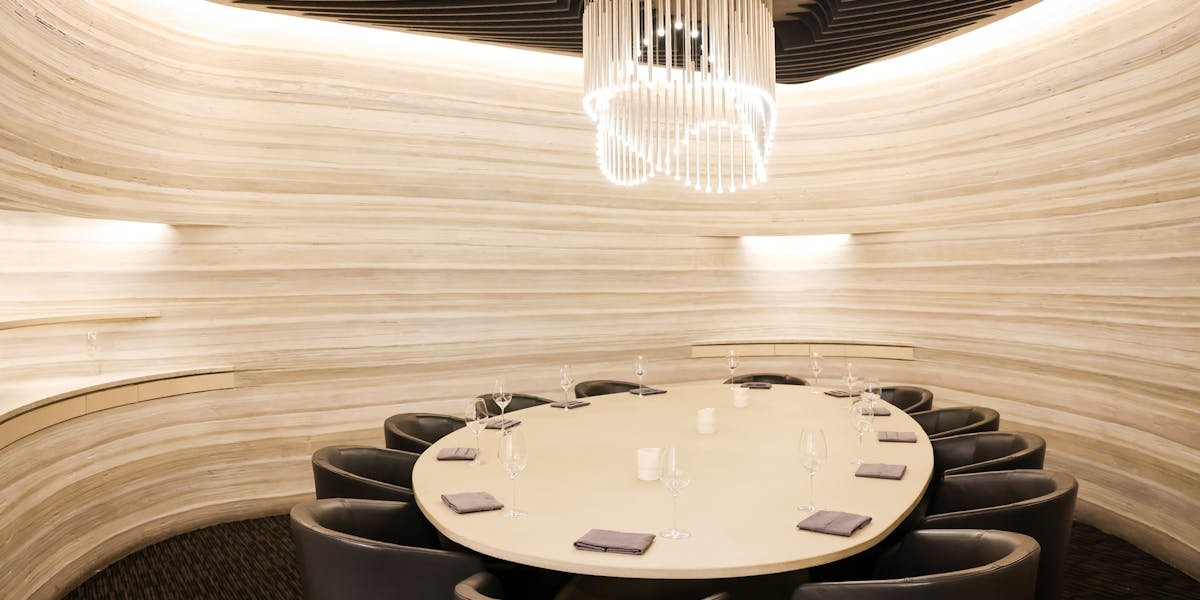
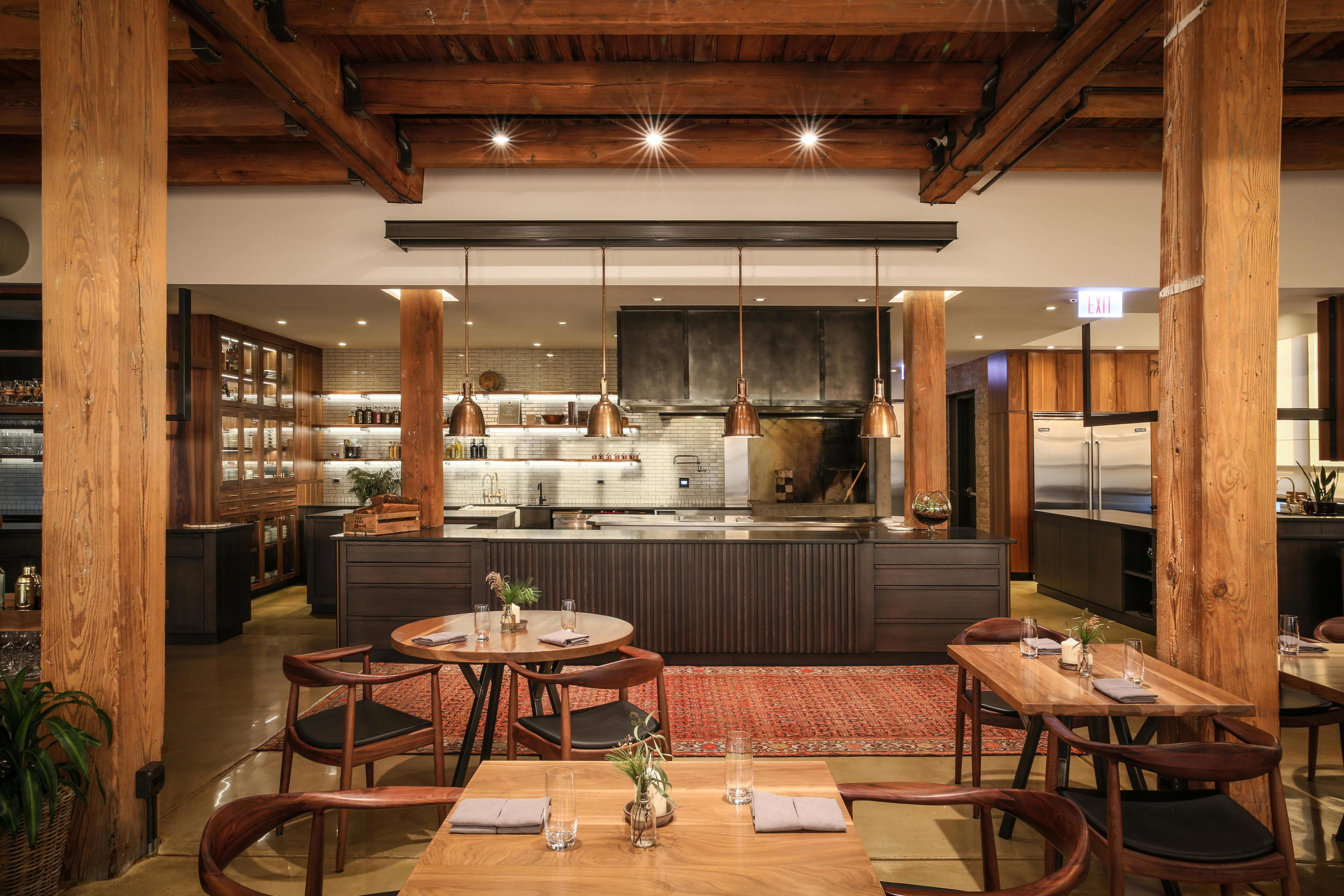
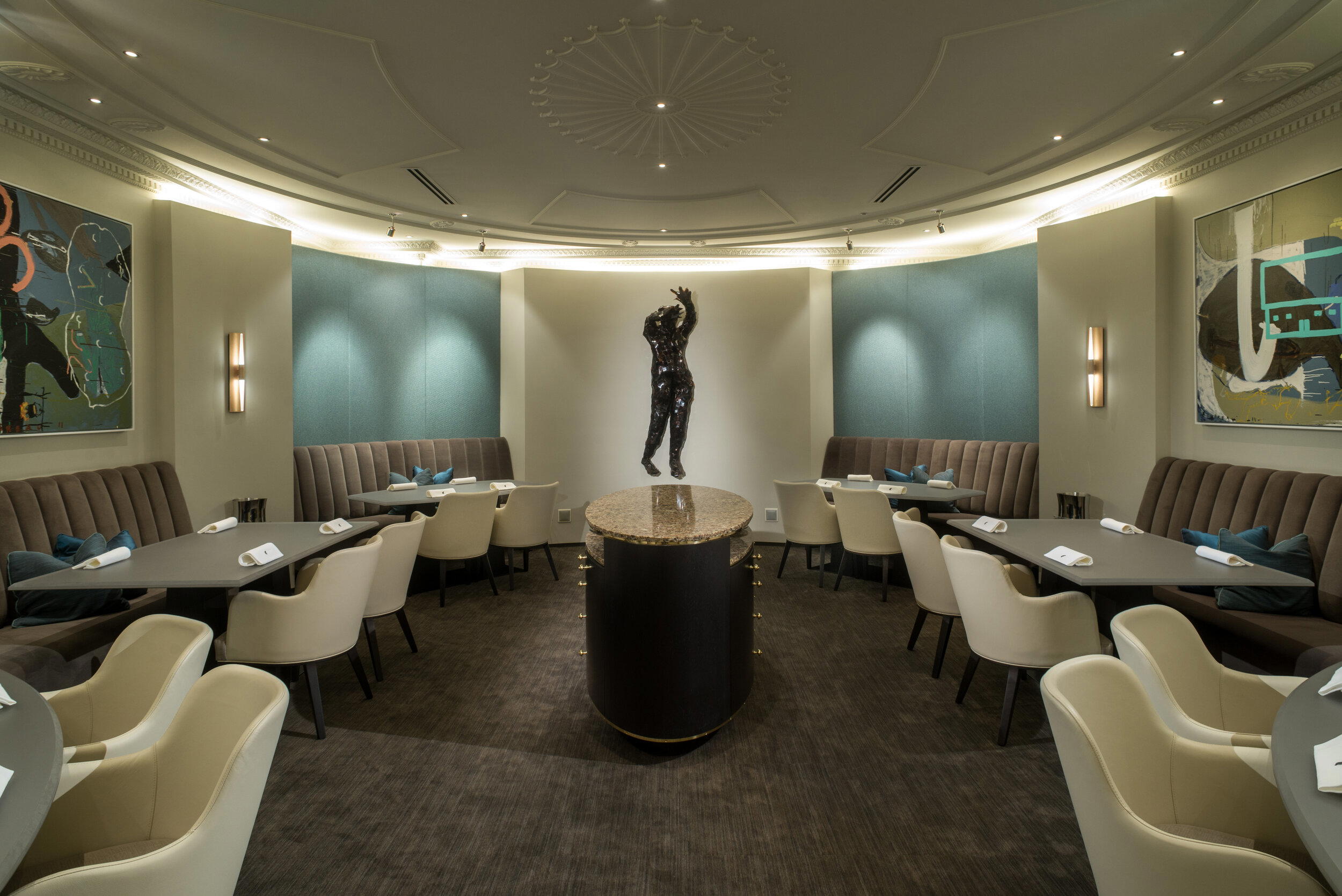
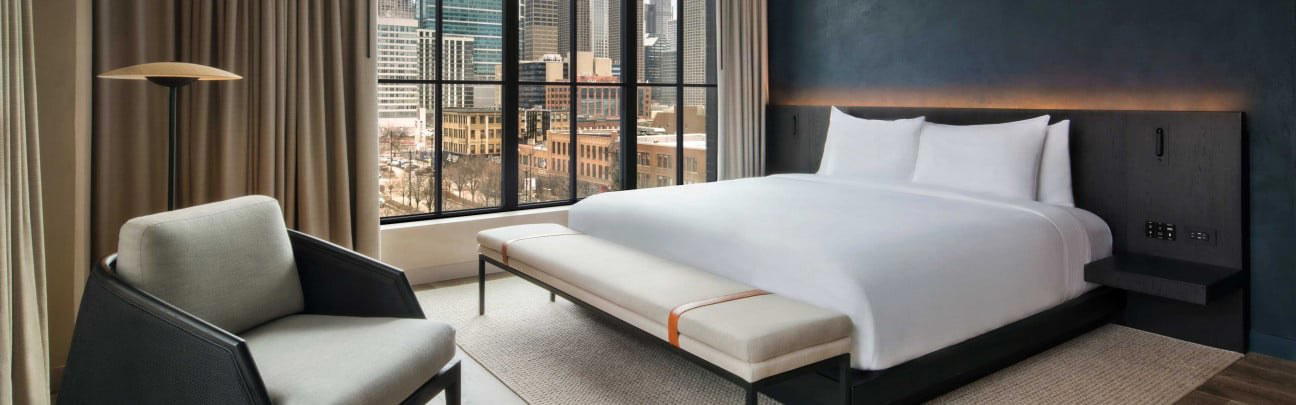
Details
- Cozy
- Casual
- Intimate
- Date Night
- Casual Hangout
- After Work
- Group Outing
- Historic Building
- Standalone
- Design Destination
- Seated Bar
- Lounge Seating
- Private Rooms
- Craft Cocktails
- Draft Cocktails
- Craft Beer
- Zero Proof
- Natural Wine
Current opening hours
- Monday
- 5 PM–12 AM
- Tuesday
- 5 PM–12 AM
- Wednesday
- 5 PM–12 AM
- Thursday
- 5 PM–12 AM
- Friday
- 5 PM–2 AM
- Saturday
- 5 PM–2 AM
- Sunday
- 5 PM–12 AM
Hours can change for holidays and private events. Last verified .
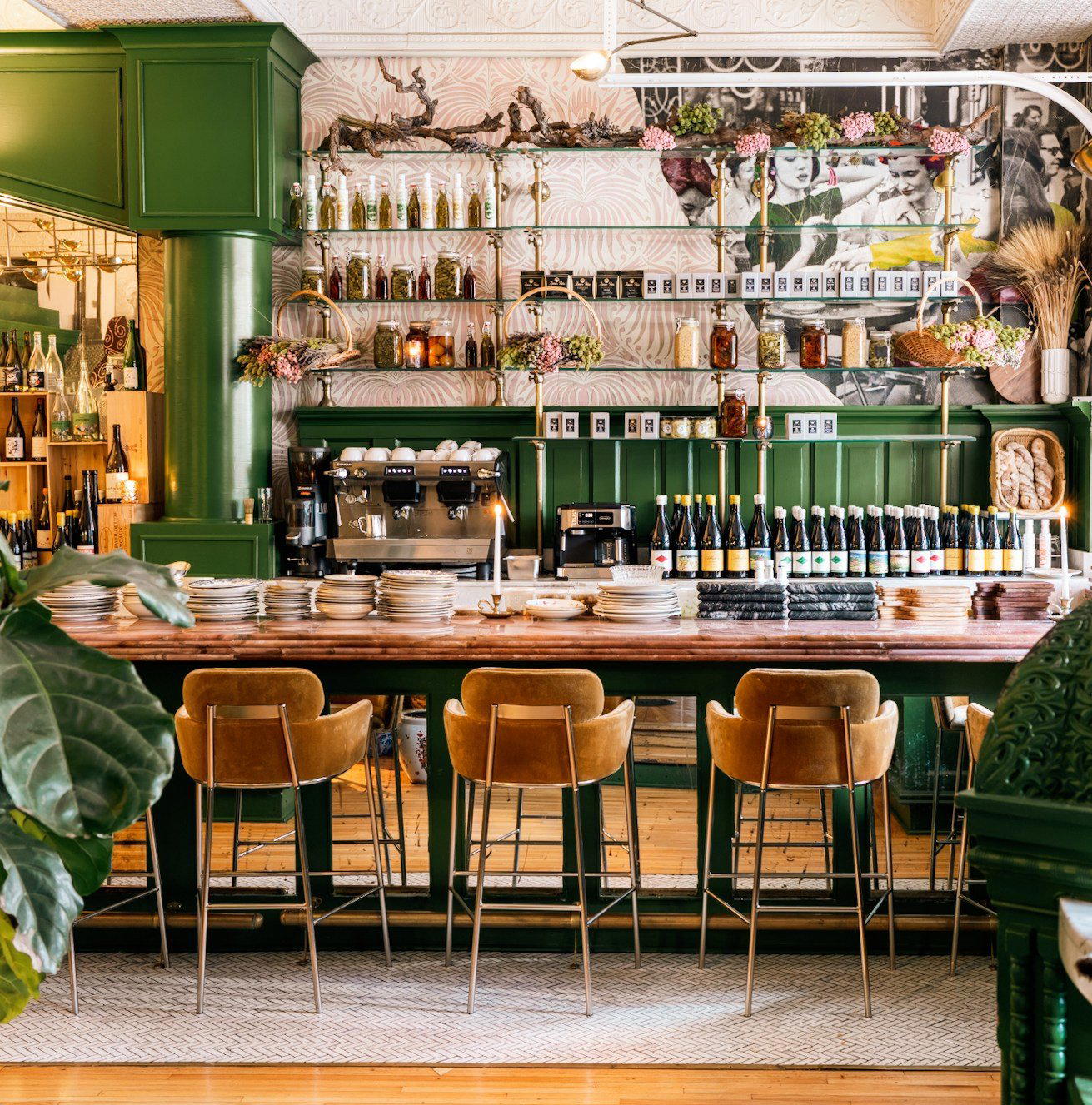
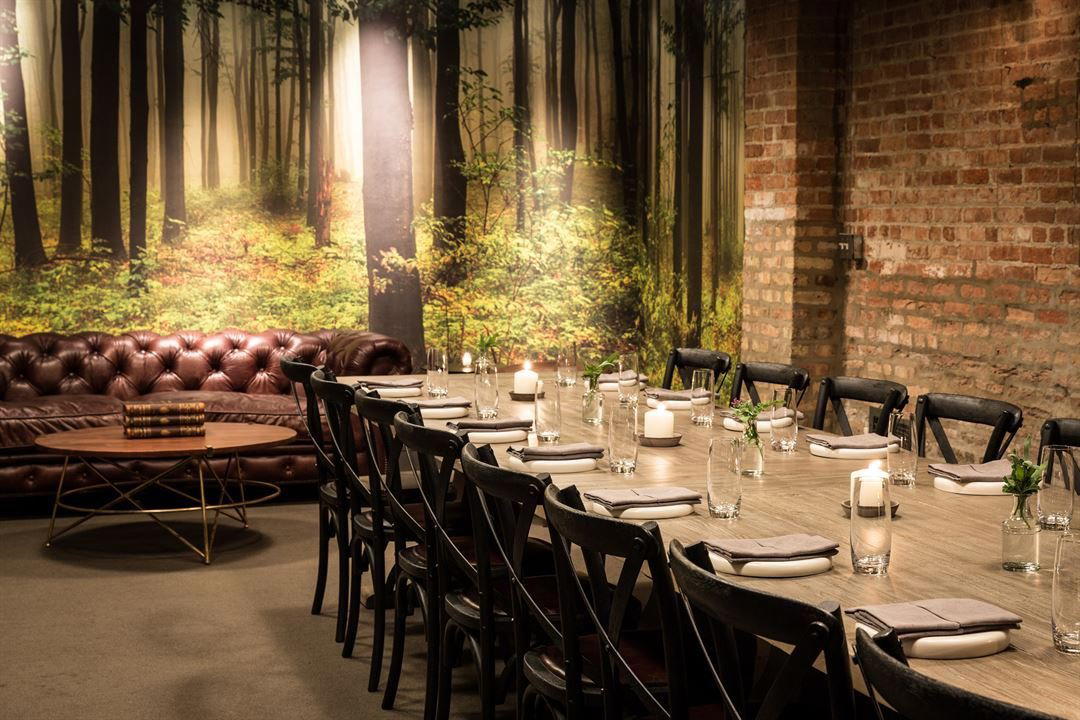
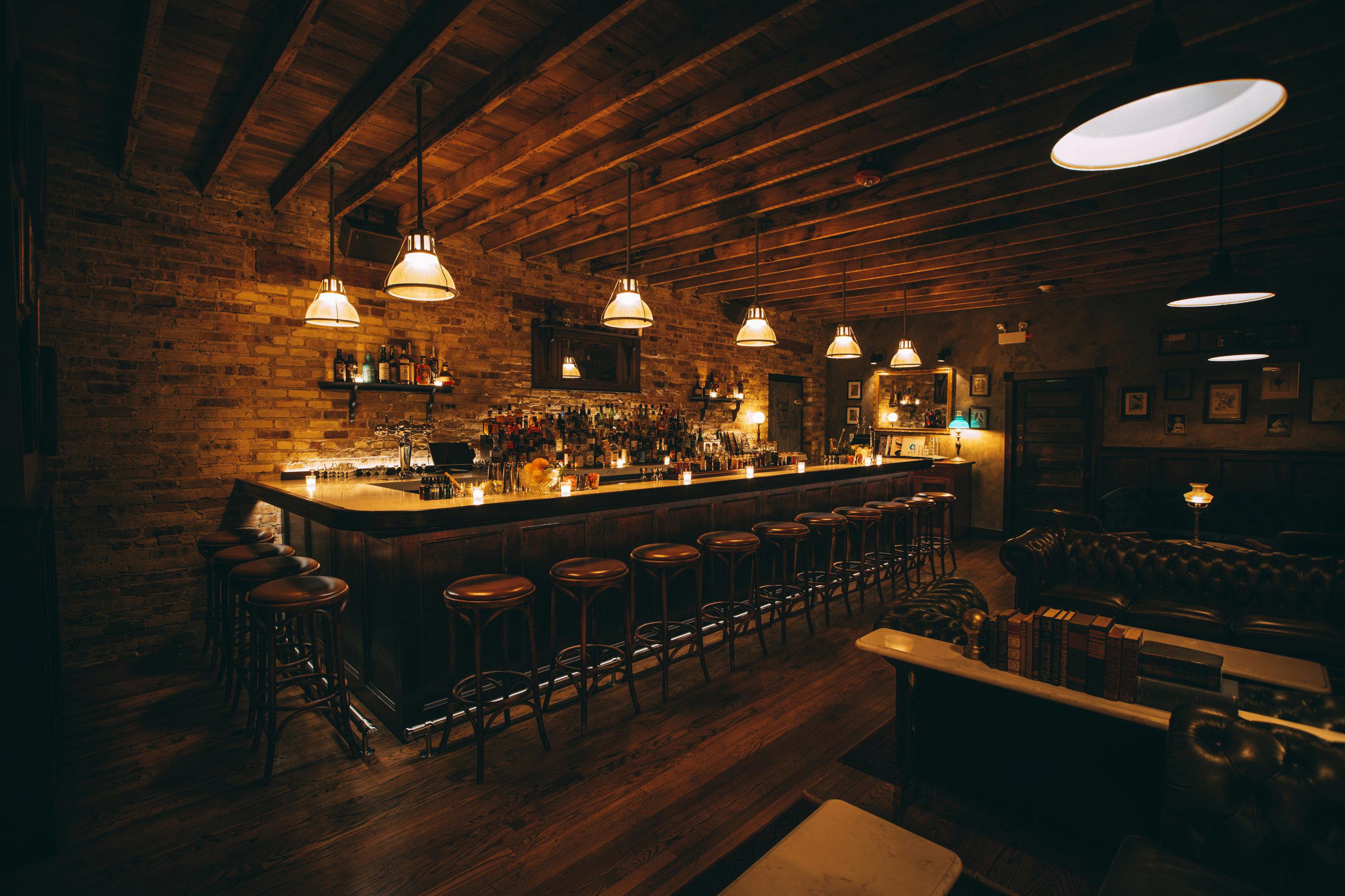
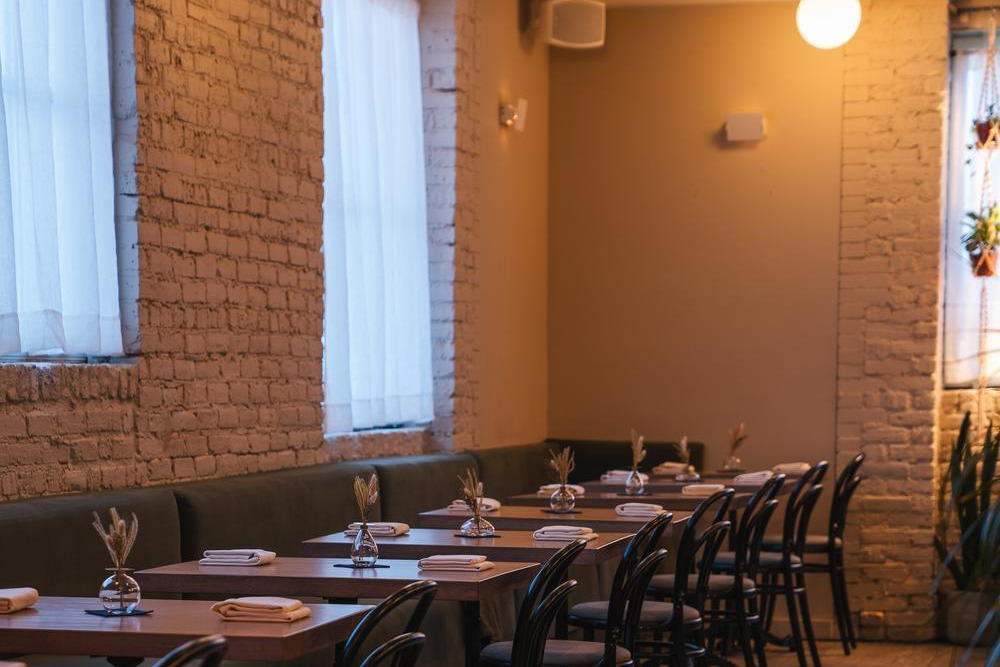
Vintage-inspired with narrow room lined with bookcases, intimate lounge beneath a 250-pound chandelier from the nearby Chopin Theater, and low-lit back Green Room with vining plants; designed as an easygoing everyday bar that remains date-friendly.