Kingston Mines
Kingston Mines at 2548 N Halsted St has anchored Chicago's Lincoln Park blues scene for decades, operating as one of the few venues in the city running live blues across two stages on any given night. The room is loud, close, and unambiguous about its purpose. Come for the music; everything else follows from that.

Pearl is the En Primeur Club membership app — saves, bookings, and concierge access live there. Same editors, same standards.
- Address
- 2548 N Halsted St, Chicago, IL 60614
- Phone
- (773) 477-4646
- Hours
- Mon–Wed ClosedThu 6 PM–2 AMFri–Sat 7 PM–4 AMSun 5:30 PM–1 AM
- Website
- kingstonmines.com
- Directions
- Get directions
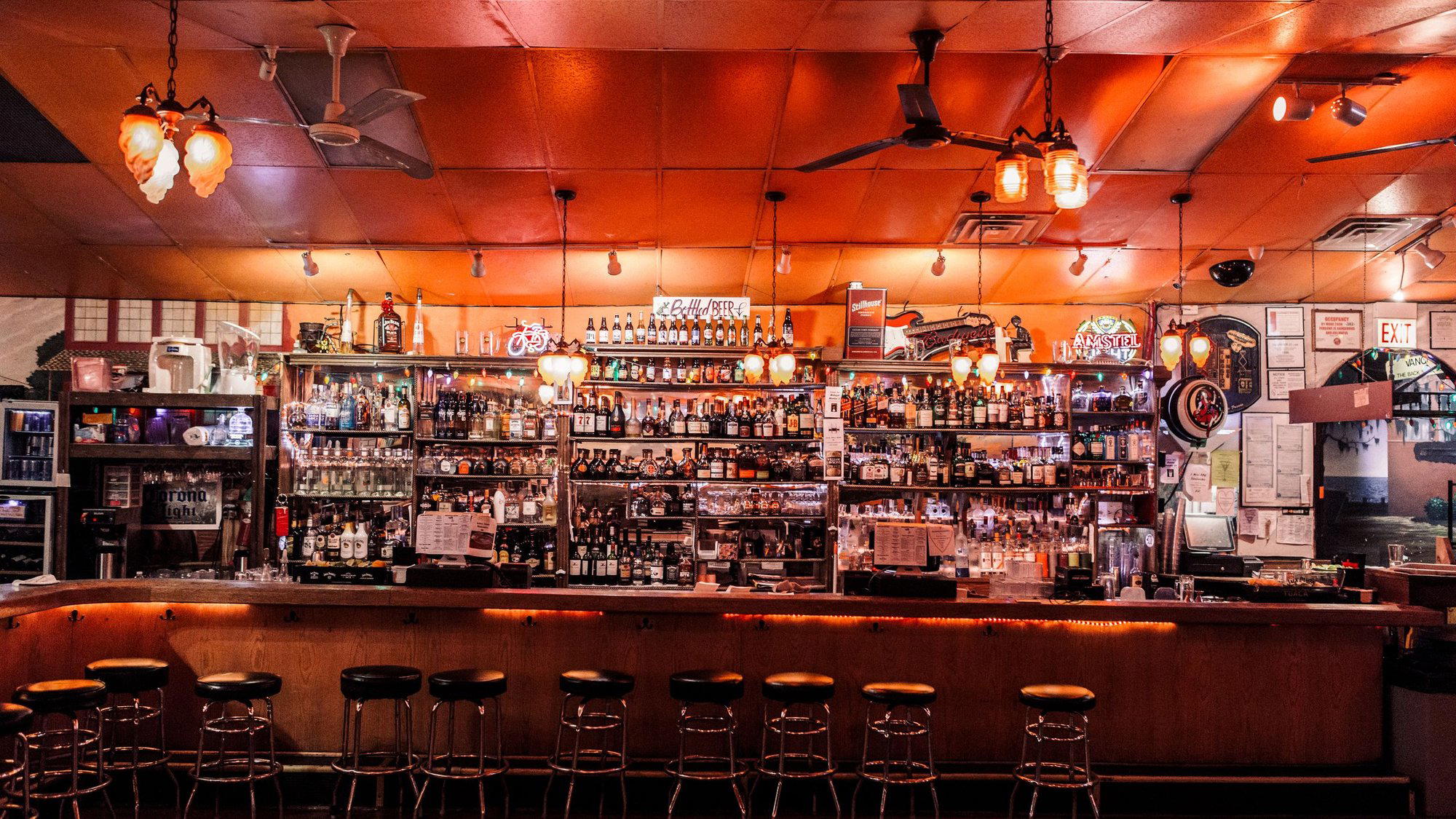
Two Stages, One Room, No Apologies
Chicago blues has always been a participatory tradition rather than a spectator sport, and the rooms that carry it forward tend to make that clear the moment you walk in. Kingston Mines, on N Halsted Street in Lincoln Park, makes it clear before you find a seat. The sound arrives first — full-band electric blues at a volume that communicates intent — followed by the light, which runs warm and low enough to blur the edges of the room without hiding the performers. Two stages operate in rotation, which means the music does not stop between sets. One band finishes; the other picks up. The effect is cumulative rather than episodic, and it changes how the room feels over the course of a night.
That format is not common. Most live music venues in Chicago, including many with stronger cocktail programs, run a single stage and manage crowd attention through set breaks. Kingston Mines eliminates the break as a structural feature. The result is a room that builds rather than resets, and an audience that tends to stay rather than drift. For the broader question of what distinguishes serious blues rooms from venues that treat blues as atmosphere, that operational choice is a meaningful one.
The Physical Logic of the Room
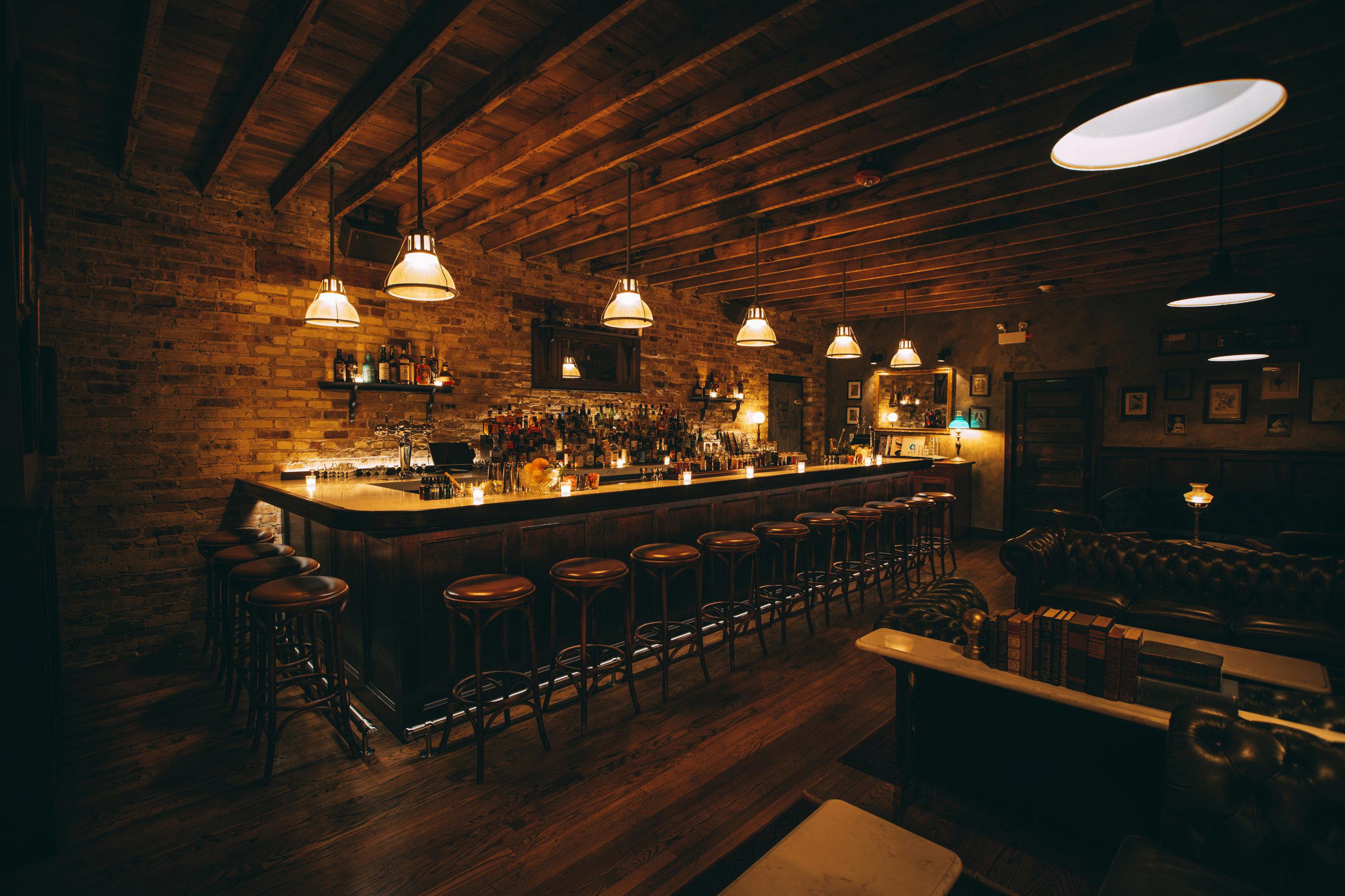
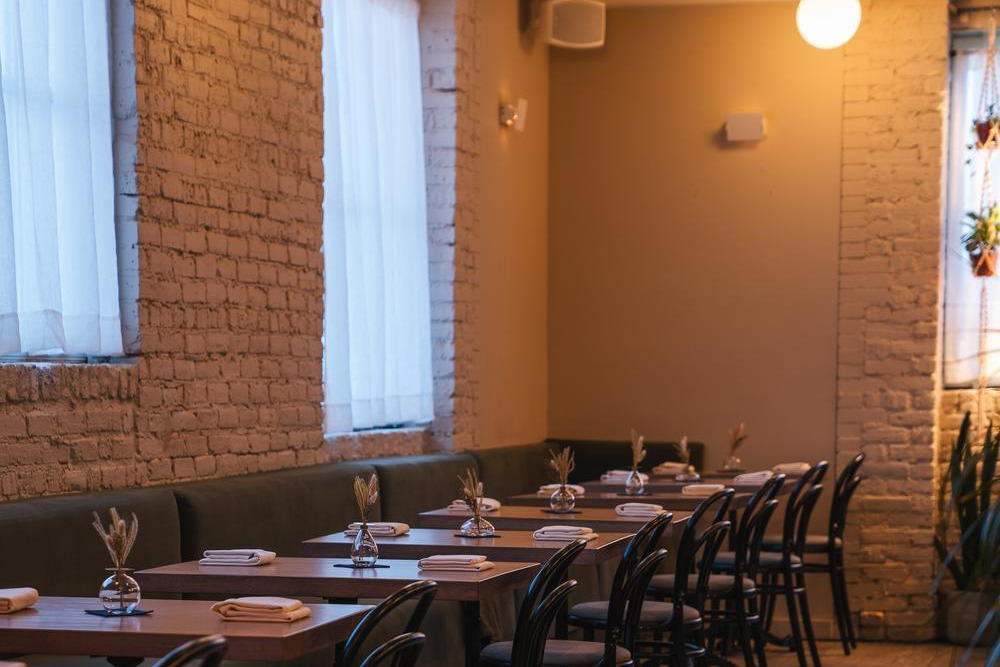
The atmosphere and design of a blues club is not decorative, it is functional. Sight lines, acoustics, and seating proximity to the stage determine whether the music lands as an event or as background noise. At Kingston Mines, the room's relatively compact dimensions mean that most positions in the house carry a direct relationship to the performance. There is no distant corner where the band recedes into ambience. The stages are low to the floor, which compresses the distance between performer and audience in a way that larger venues cannot replicate regardless of production investment.
The décor reads as accumulated rather than designed: walls layered with photographs, posters, and objects that document the venue's history within the Chicago blues circuit. This is not a curated aesthetic in the contemporary hospitality sense. It reflects a different approach to space, one in which the room's surfaces are a record of use rather than a brand statement. Whether you find that appealing or not depends partly on what you expect from a blues club, and partly on whether you think patina and legibility are the same thing. Here, they largely are.
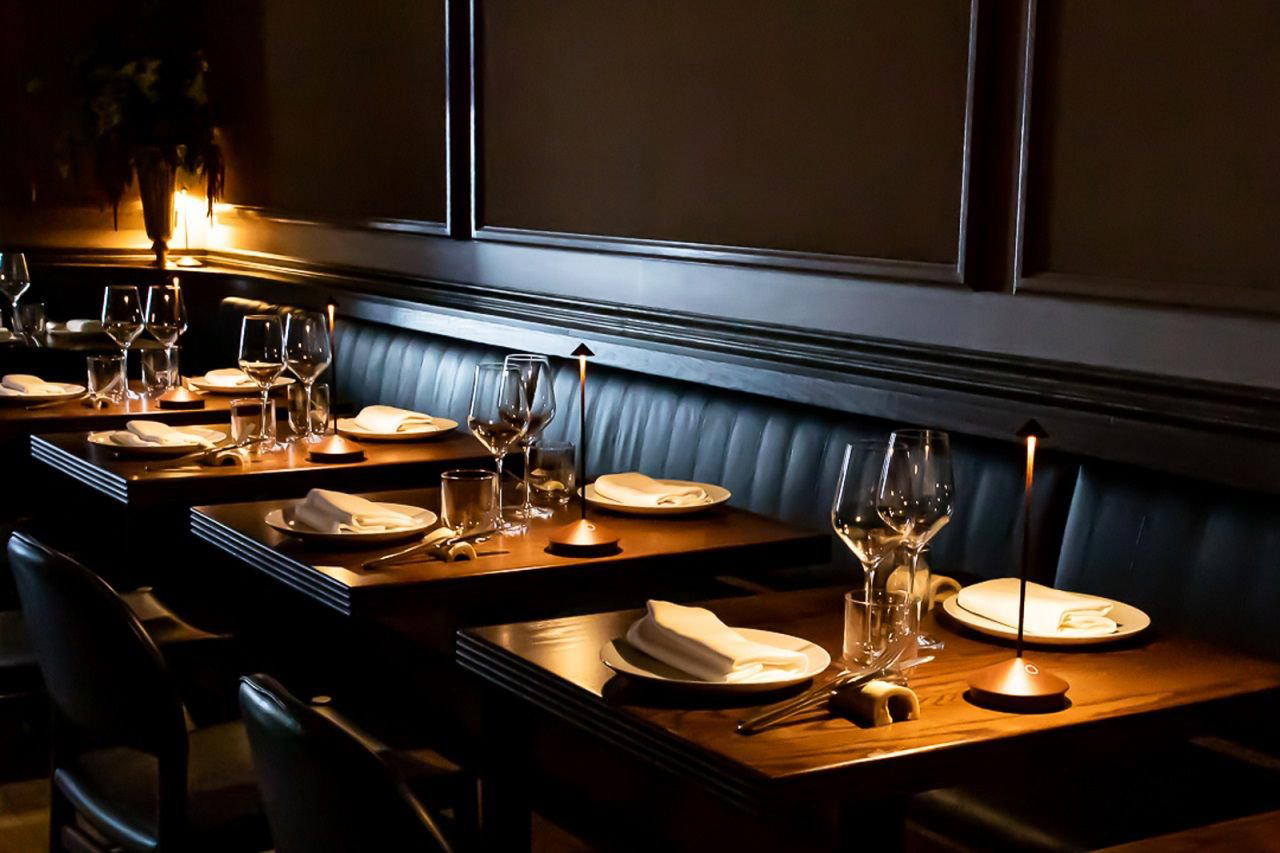
Lighting deserves specific attention. The warm, low-key illumination is not atmospheric styling in the way that, say, Kumiko or Bisous approach mood through light design. It is functional to the music: it keeps focus on the stage without the clinical brightness that would flatten the room's energy. The difference between a well-lit bar and a well-lit blues room is significant, and Kingston Mines sits firmly in the latter category.
Where It Sits in Chicago's Live Music Fabric
Chicago's blues rooms occupy a specific position in the city's broader bar and music scene, distinct from the cocktail-forward venues that have grown in influence over the past decade. Bars like Leading Intentions and Lemon represent a different register of the city's nightlife: precise, program-driven, and oriented around the drink as primary object. Kingston Mines operates on a different axis entirely. The drink is present; the music is the reason.
That distinction matters when comparing Chicago's nightlife offering to other American cities. New Orleans venues like Jewel of the South blend cocktail culture with musical tradition in a way that is specific to that city's infrastructure. Houston's Julep and New York's Superbueno operate in their own idioms. What Chicago has, in venues like Kingston Mines, is a live blues tradition with enough institutional depth that the rooms themselves carry authority independent of recent press cycles or award recognition. The authority comes from continuity and from the musicians who move through the circuit.
Internationally, rooms that sustain live music traditions with this kind of operational focus, rather than treating music as a programming layer over a bar concept, are relatively rare. The Parlour in Frankfurt and Allegory in Washington, D.C. represent different points on the spectrum of atmosphere-led hospitality, but neither makes music the structural organizing principle in the way that Kingston Mines does. Bar Leather Apron in Honolulu and ABV in San Francisco are similarly drink-first propositions. The dual-stage, continuous-music format at Kingston Mines is genuinely unusual in how it subordinates every other element of the experience to the music's momentum.
Planning a Visit
Kingston Mines is located at 2548 N Halsted Street in Lincoln Park, a neighborhood with a concentration of bars and restaurants that makes it easy to combine with dinner elsewhere before arriving for the music. The venue runs late, blues rooms in this tradition typically operate well past midnight, which means early arrivals experience a different room than those who arrive after 11pm. The build over the course of a night is part of the point. If you are visiting from out of town and working through our full Chicago restaurants and bars guide, Kingston Mines occupies a category of its own: it does not compete with the city's cocktail bars or its restaurant scene, and it should not be evaluated on those terms.
Cover charges apply on most nights, which is standard for Chicago blues rooms operating with live talent across multiple stages. Arrive expecting a cash-and-carry environment rather than a reservation-based experience. Weekend nights run busier and tend to draw a wider mix of locals and visitors; weeknights carry a more local character. Neither is wrong, they are different versions of the same room.
Cuisine and Awards Snapshot
Comparable venues nearby, for context on price, style, and recognition.
| Venue | Cuisine | Price | Awards | Notes |
|---|---|---|---|---|
| Kingston MinesThis venue — the venue you are viewing | pub | $20–30 | Not listed | Not listed |
| Half Shell | pub | Not listed | Not listed | Lakeview |
| Taxim | wine_bar | Not listed | Star Wine List | Wicker Park |
| Jake Melnick's Corner Tap | sports_bar | $20–30 | Not listed | Downtown Chicago |
| Wake ‘n Bacon | cocktail_bar | $20–30 | Not listed | Lakeview |
| Bird's Nest | sports_bar | $20–30 | Not listed | Lincoln Park |

Details
- Lively
- Energetic
- Well Known
- Late Night
- Group Outing
- Casual Hangout
- Live Music
- Historic Building
- Standing Room
- Lounge Seating
- Classic Cocktails
Current opening hours
- Monday
- Closed
- Tuesday
- Closed
- Wednesday
- Closed
- Thursday
- 6 PM–2 AM
- Friday
- 7 PM–4 AM
- Saturday
- 7 PM–4 AM
- Sunday
- 5:30 PM–1 AM
Hours can change for holidays and private events. Last verified .
Lively and electric atmosphere with dim juke joint lighting, packed crowds, and infectious energy from continuous live blues music.