Templin Family Brewing
Templin Family Brewing occupies a corner of Salt Lake City's west side brewing corridor, where the city's craft beer scene has grown from a curiosity into a genuine regional force. The taproom format places it among a cohort of family-operated breweries that prioritize pour quality and neighborhood atmosphere over scale. For visitors exploring the city's drinking culture, it anchors one end of an increasingly credible local circuit.
Pearl is the En Primeur Club membership app — saves, bookings, and concierge access live there. Same editors, same standards.
- Address
- 936 S 300 W, Salt Lake City, UT 84101
- Phone
- +1 385 270 5974
- Website
- tfbrewing.com
- Directions
- Get directions
 Saves & bookings on Pearl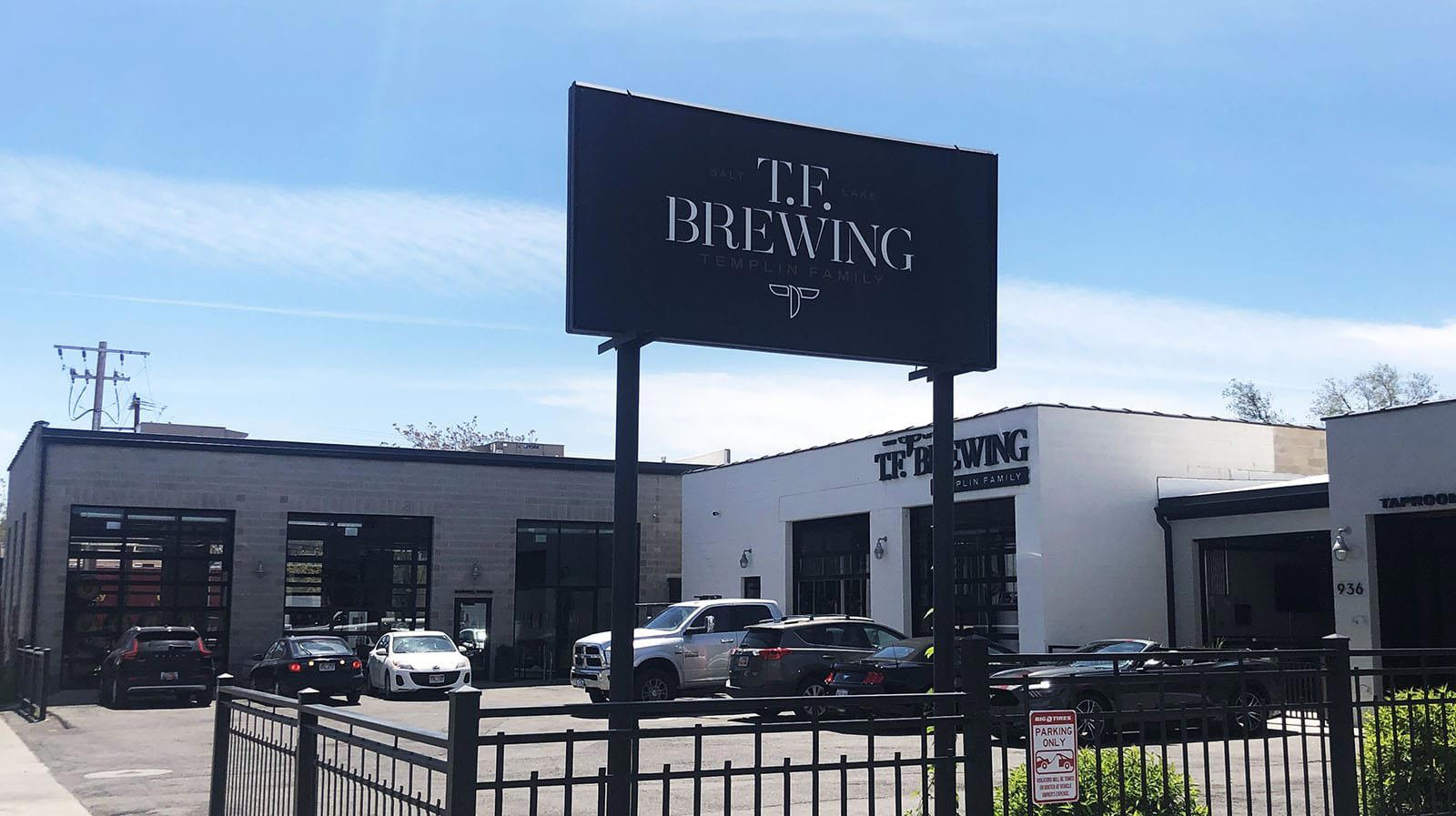
Salt Lake City's Brewing Corridor and Where Templin Fits
Salt Lake City's relationship with craft beer has always carried a particular tension. Utah's regulatory history shaped the state's drinking culture in ways that still echo in how taprooms are designed, licensed, and experienced, and that context makes the growth of a serious brewing scene here more meaningful than it would be in, say, Portland or Denver. Over the past decade, a cluster of independent, family-operated breweries has taken root on the city's west side, occupying converted industrial spaces and corner lots that once held little hospitality interest. Templin Family Brewing, at 936 S 300 W, sits inside that corridor. Its address places it within walking distance of a broader cluster of independent operations, and the family-run model it operates under is characteristic of the tier of Salt Lake breweries that compete on recipe consistency and room character rather than distribution volume.
That west-side corridor has become the more interesting half of Salt Lake's craft beer geography. While brewpubs closer to downtown lean into food programs and tourist traffic, the taprooms further west tend to draw a more local crowd, and the atmosphere reflects that difference. Templin fits the pattern: the draw is the beer itself and the physical environment around it, not a supporting restaurant concept or a rooftop view of the Wasatch.
The Physical Space and What It Communicates
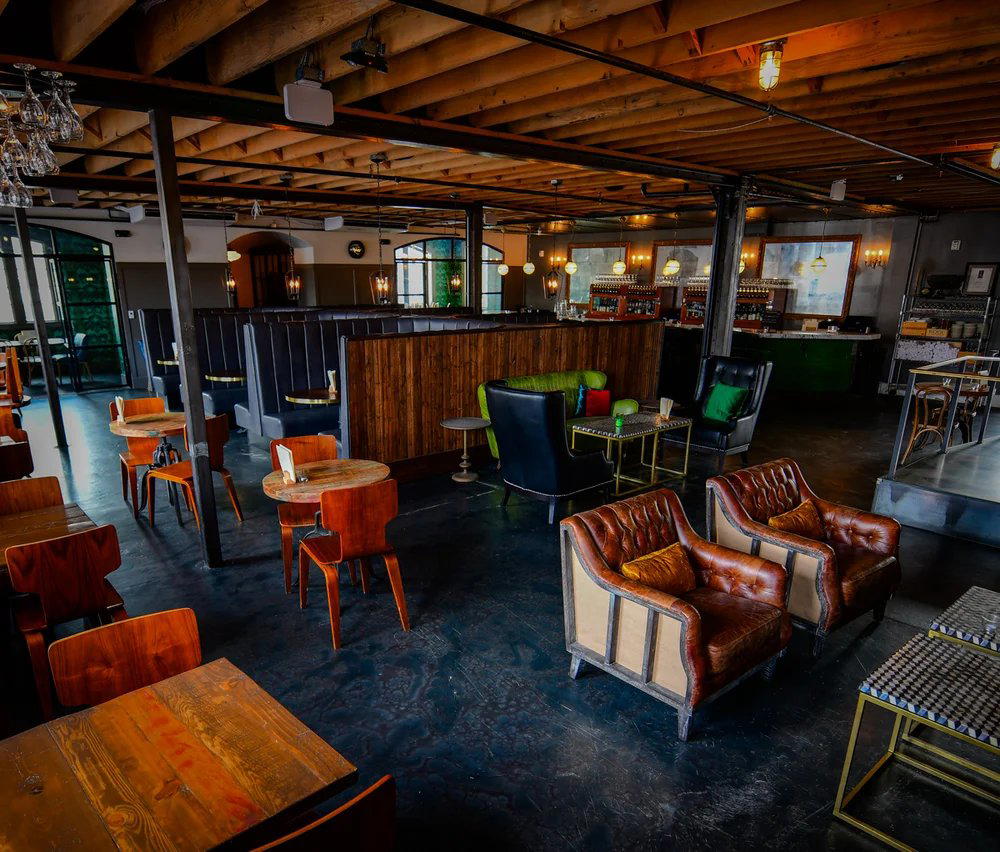
Taproom design in American craft brewing has fractured into distinct registers. One end of the spectrum runs to warehouse chic, exposed steel, Edison bulbs, concrete floors, and the other toward something more considered and quieter, where the design choices communicate that the room is meant for conversation and repeat visits rather than Instagram documentation. The better taprooms in cities like Salt Lake land closer to the second type. They tend to have natural light handled thoughtfully, seating that acknowledges groups of different sizes, and an acoustic environment that doesn't require shouting across a four-leading.
Family breweries at this scale rarely build for the opening-weekend crowd; they build for the regulars who'll return weekly and treat the space as their own. That approach, when it works, produces particularly genuinely comfortable taproom environments in any American city. The lack of corporate uniformity means idiosyncratic decisions about lighting, layout, and materials that larger operations wouldn't risk. Whether Templin's specific choices land well is something a visit will confirm, but the model itself is one that tends to reward the effort.
For visitors approaching from downtown, the 300 West address is easily reached on foot or by rideshare. Salt Lake's grid system makes navigation direct, and the broader west-side cluster means a single evening can cover multiple stops without backtracking.
How Salt Lake's Craft Beer Scene Compares to Peer Cities
American craft brewing has matured to the point where the conversation has shifted from whether a city has a scene to how that scene is differentiated. Salt Lake's version is shaped by factors that don't apply elsewhere. The state's historically low alcohol-by-volume limits, now adjusted but still part of the cultural memory, meant that local brewers spent years developing technical skill with session-strength formats that other markets ignored. That enforced constraint produced a cohort of brewers unusually attentive to balance and drinkability, qualities that translate well even now that higher-ABV options are on the table.
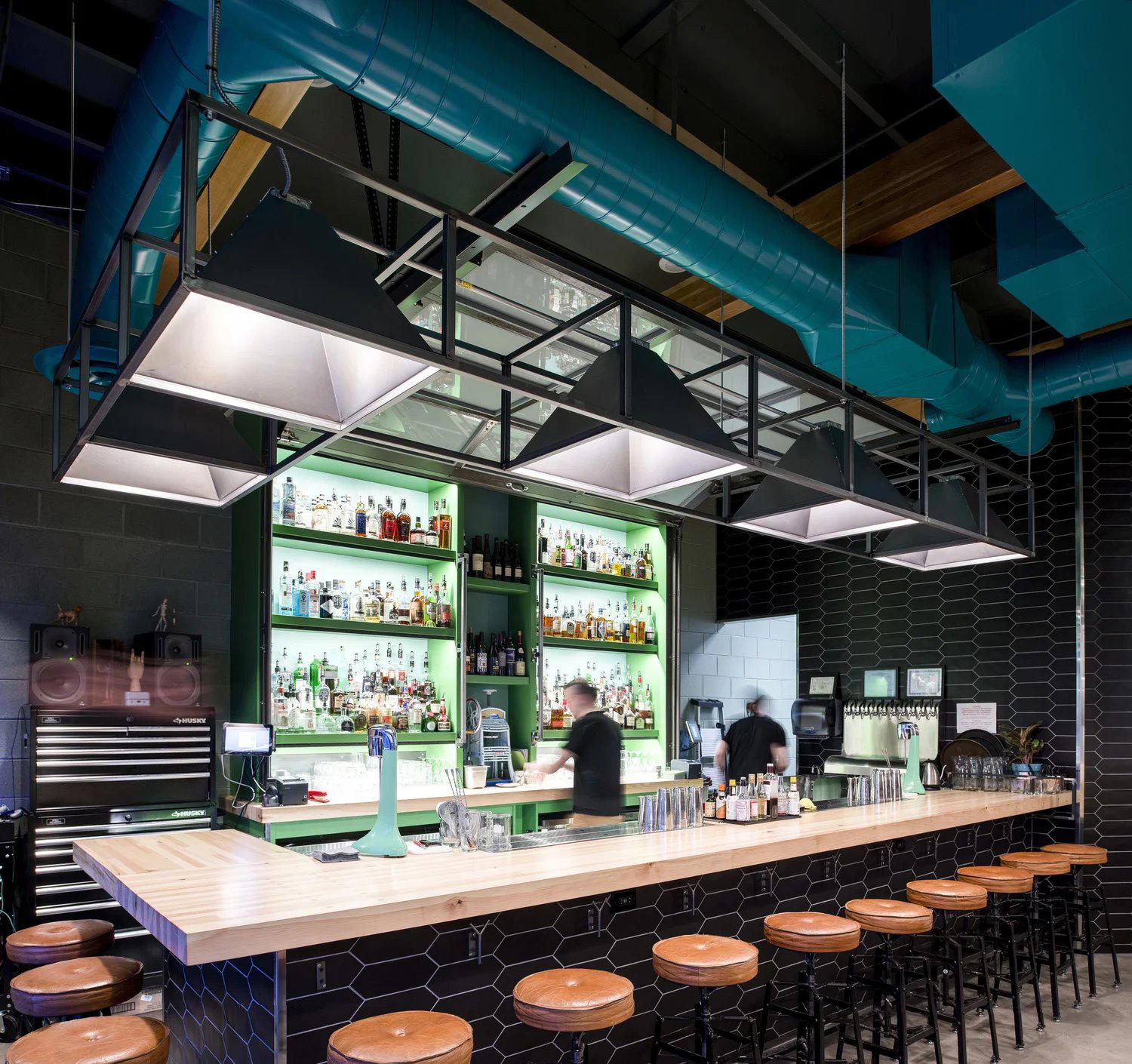
Compared to the cocktail-forward programs at places like Kumiko in Chicago or Bar Leather Apron in Honolulu, Salt Lake's taproom culture operates in a different register entirely. It's less about theatrical precision and more about consistency, community, and the kind of unpretentious welcome that makes a neighborhood brewery function as a genuine gathering point. That's not a lesser ambition, it's a different one, and Salt Lake's leading family-run taprooms execute it with real seriousness. For visitors accustomed to the cocktail bar culture documented at Jewel of the South in New Orleans, Julep in Houston, or Superbueno in New York City, a Salt Lake taproom visit operates by different rules: the room matters as much as what's in the glass, and the social dynamic is closer to a neighborhood pub than a destination bar.
Other American brewing cities worth holding as comparison points include San Francisco, where ABV represents a different but adjacent corner of the craft drinks world, and Frankfurt, where The Parlour shows how European drinking culture handles the tension between craft seriousness and approachability. Salt Lake's solution to that tension is distinctly American and distinctly western.
Planning a Visit
Templin Family Brewing operates as a taproom, which in Salt Lake's current licensing environment means the experience centers on what's pouring from the house rather than an extended food program. Visitors arriving from out of town are best served by pairing the stop with others in the west-side cluster rather than treating it as a standalone destination. The city's overall craft beer circuit is compact enough that two or three taprooms can be covered in an evening without logistics becoming the story. For a broader map of where Salt Lake's drinking and dining options sit relative to each other,
Fast Comparison
Comparable venues nearby, for context on price, style, and recognition.
| Venue | Cuisine | Price | Notes |
|---|---|---|---|
| Templin Family BrewingThis venue — the venue you are viewing | beer_bar | $$ | Not listed |
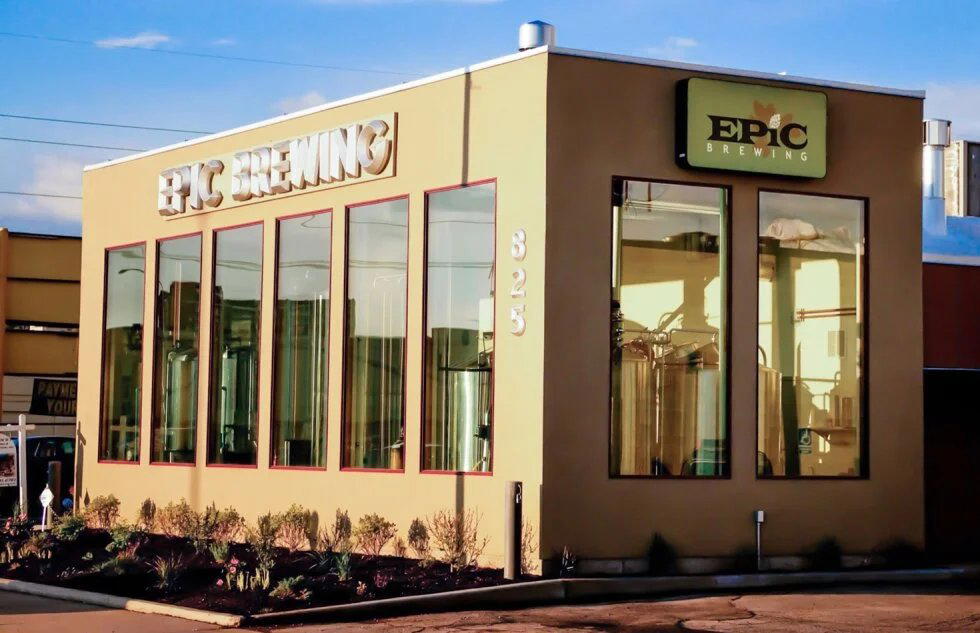
| Epic Brewing Company | beer_bar | $$ | Central City |
| Yellowfinn Grill & Sushi Bar | Bar | $$ | Sugarhouse |
| The RUIN | cocktail_bar | $$ | Clark Learning Office Center |
| The Pines SLC | cocktail_bar | $$ | Downtown |
| Sugar House Station | lounge | $$ | Sugarhouse |
Continue exploring
More in Salt Lake City
Bars in Salt Lake City
Browse all →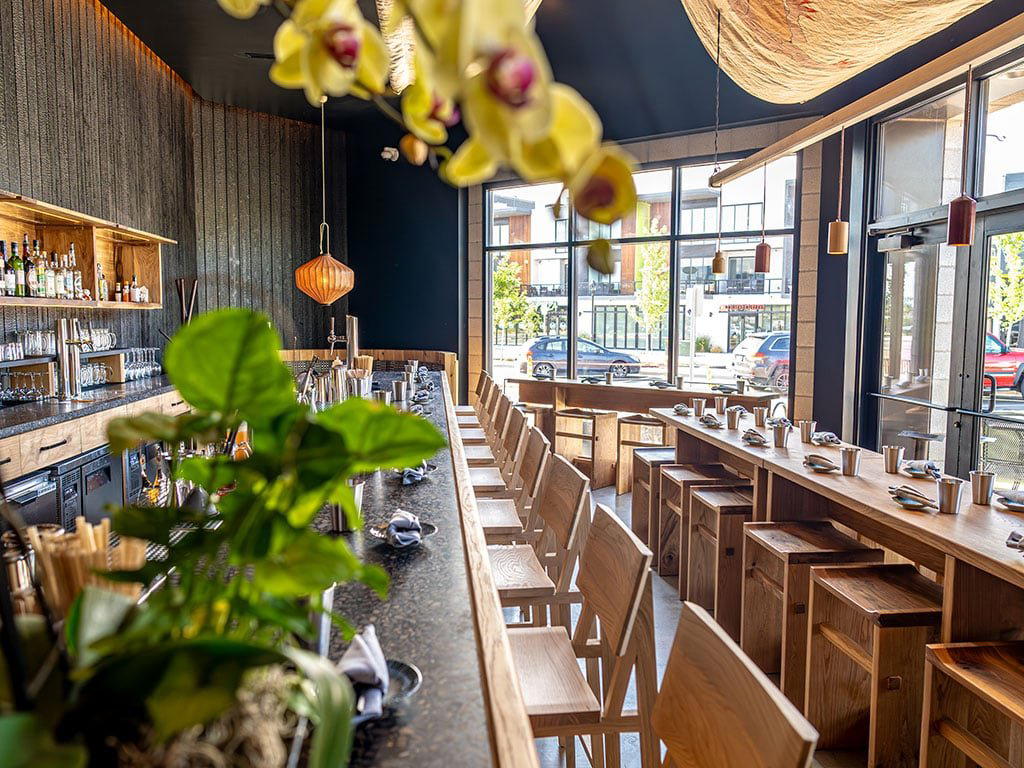
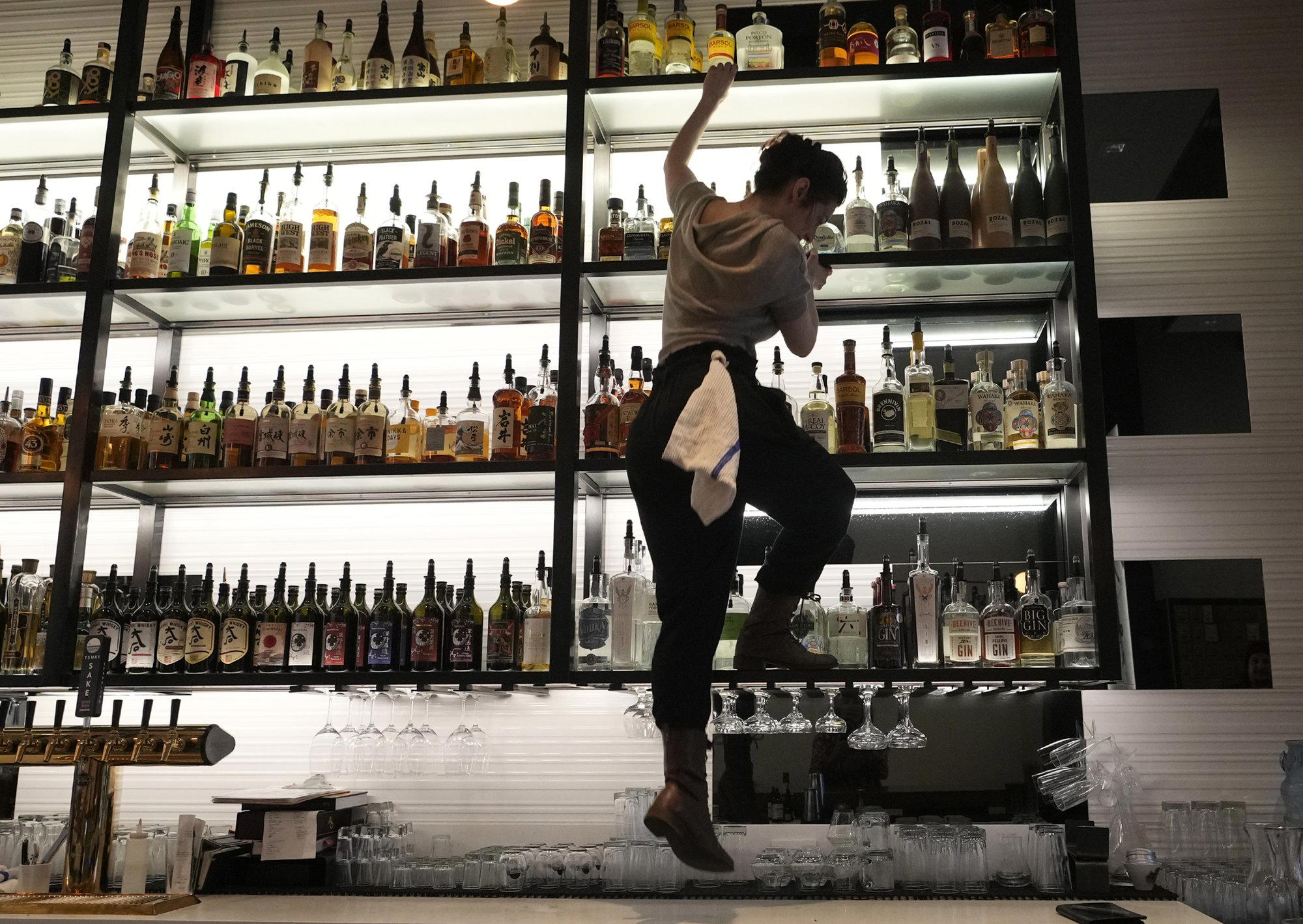
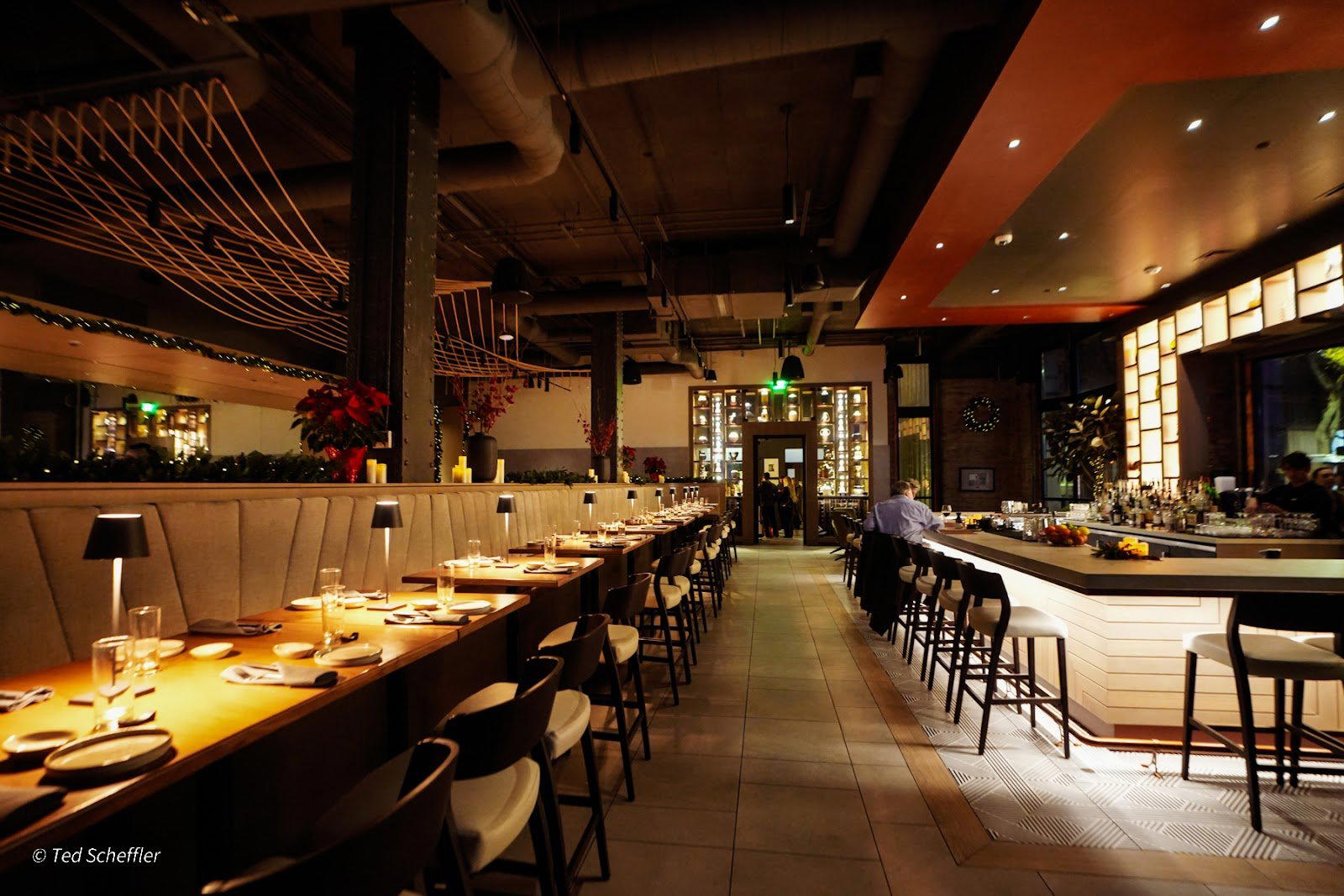
Restaurants in Salt Lake City
Browse all →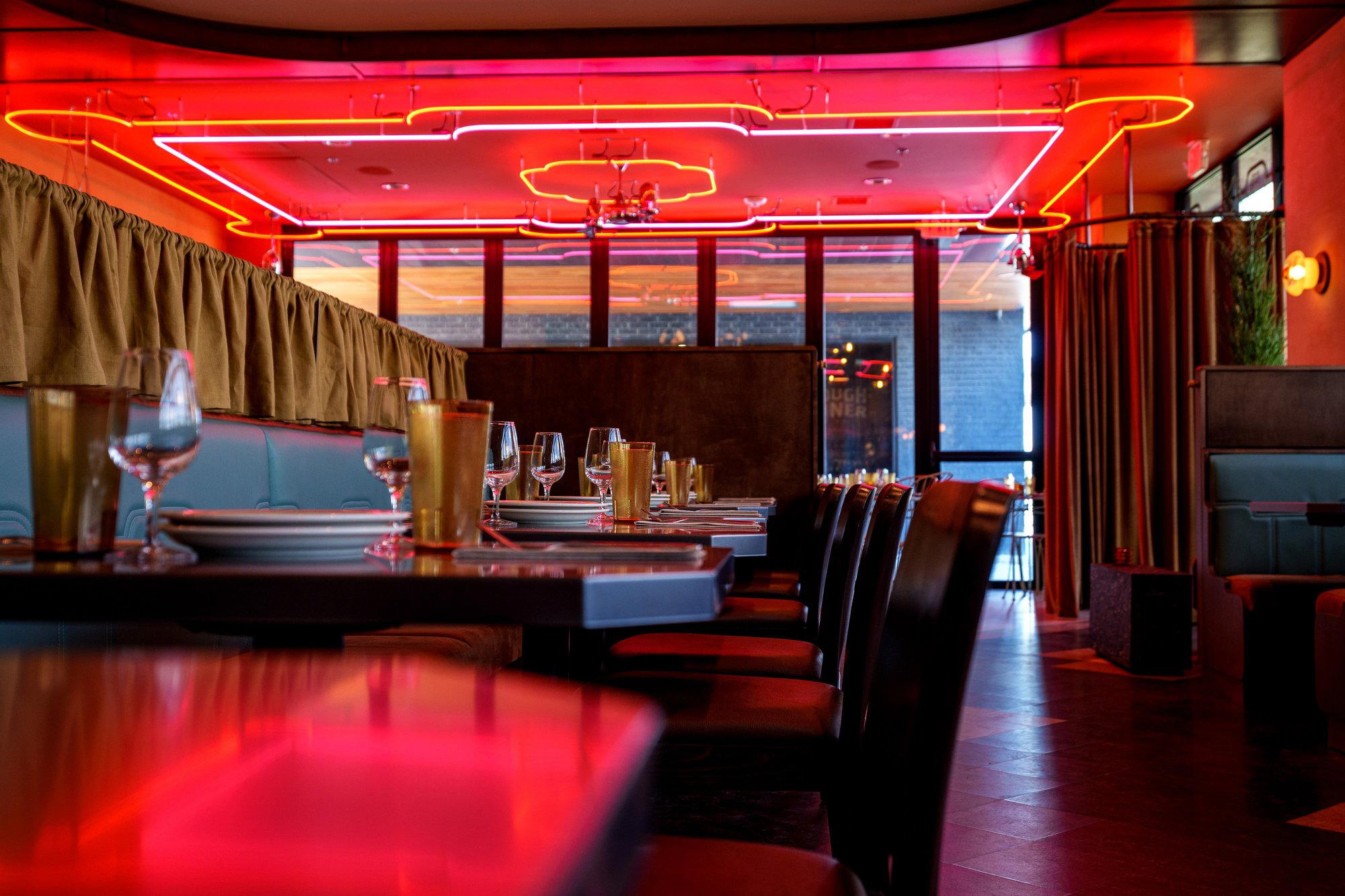
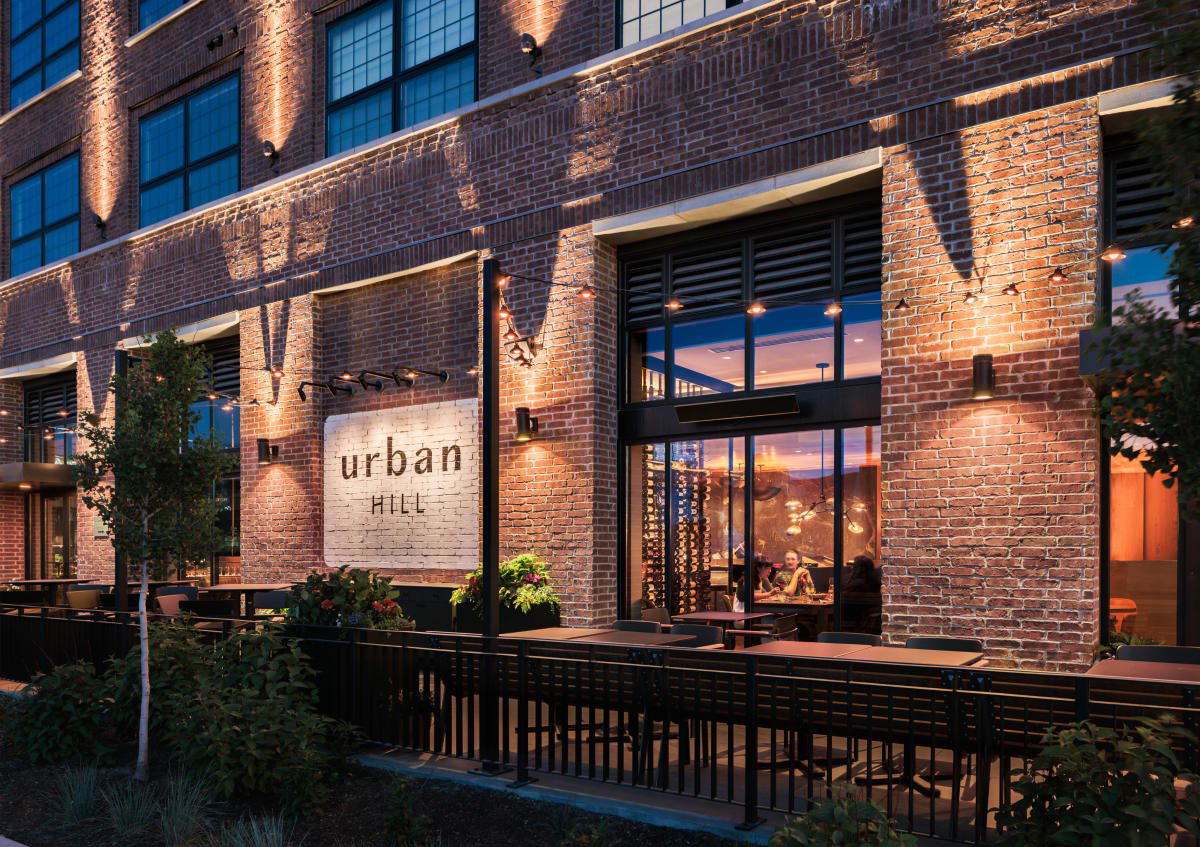
Hotels in Salt Lake City
Browse all →
Wineries in Salt Lake City
Browse all →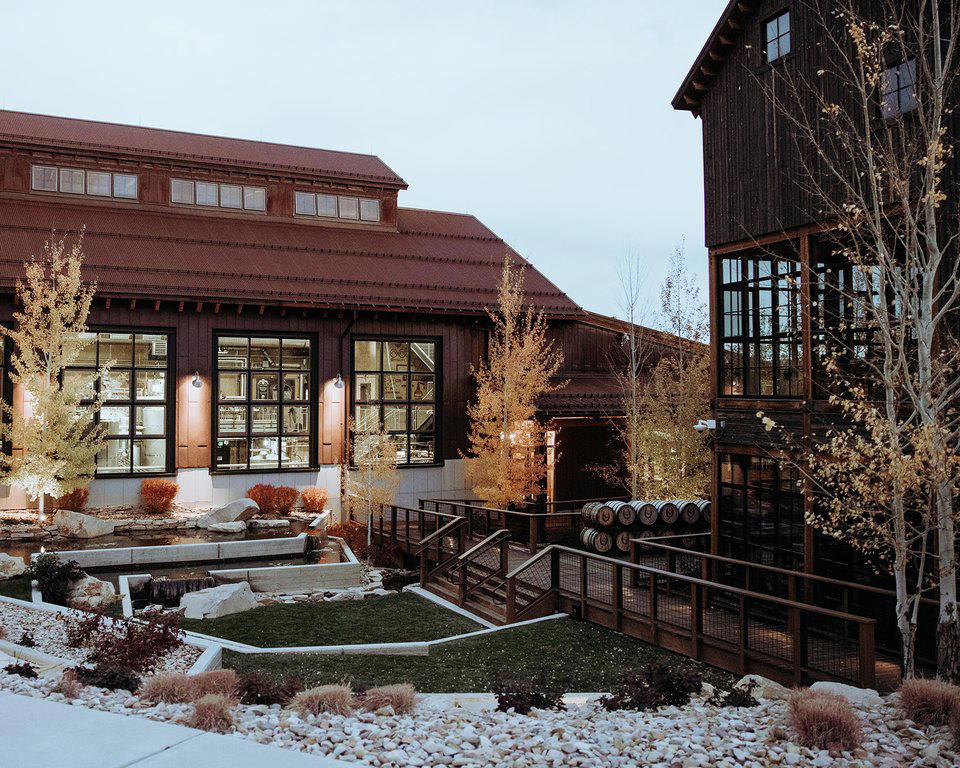
At a Glance
- Lively
- Rustic
- Energetic
- Group Outing
- Casual Hangout
- Beer Garden
- Seated Bar
- Outdoor Terrace
- Communal Tables
- Craft Beer
Current opening hours
- Monday
- 12–11 PM
- Tuesday
- 12–11 PM
- Wednesday
- 12–11 PM
- Thursday
- 12–11 PM
- Friday
- 12 PM–12 AM
- Saturday
- 12 PM–12 AM
- Sunday
- 12–10 PM
Hours can change for holidays and private events. Last verified .
Lively and inviting with chrome, stone, and wood finishes, offering a spacious taproom and nostalgic outdoor patio vibe enhanced by DJ-spun '70s and '80s vinyl.