Fisher Brewing Company
Fisher Brewing Company occupies a converted space on 800 South in Salt Lake City's emerging brewery corridor, where industrial bones and a working fermentation floor set the tone before the first pint arrives. The taproom sits within Utah's constrained alcohol framework yet manages a full range of house-brewed styles, from approachable lagers to more assertive ales. It is a useful anchor for understanding how Salt Lake City's craft beer culture has developed against regulatory headwinds.
Pearl is the En Primeur Club membership app — saves, bookings, and concierge access live there. Same editors, same standards.
- Address
- 320 W 800 S, Salt Lake City, UT 84101
- Phone
- +1 801 487 2337
- Website
- fisherbeer.com
- Directions
- Get directions
 Saves & bookings on Pearl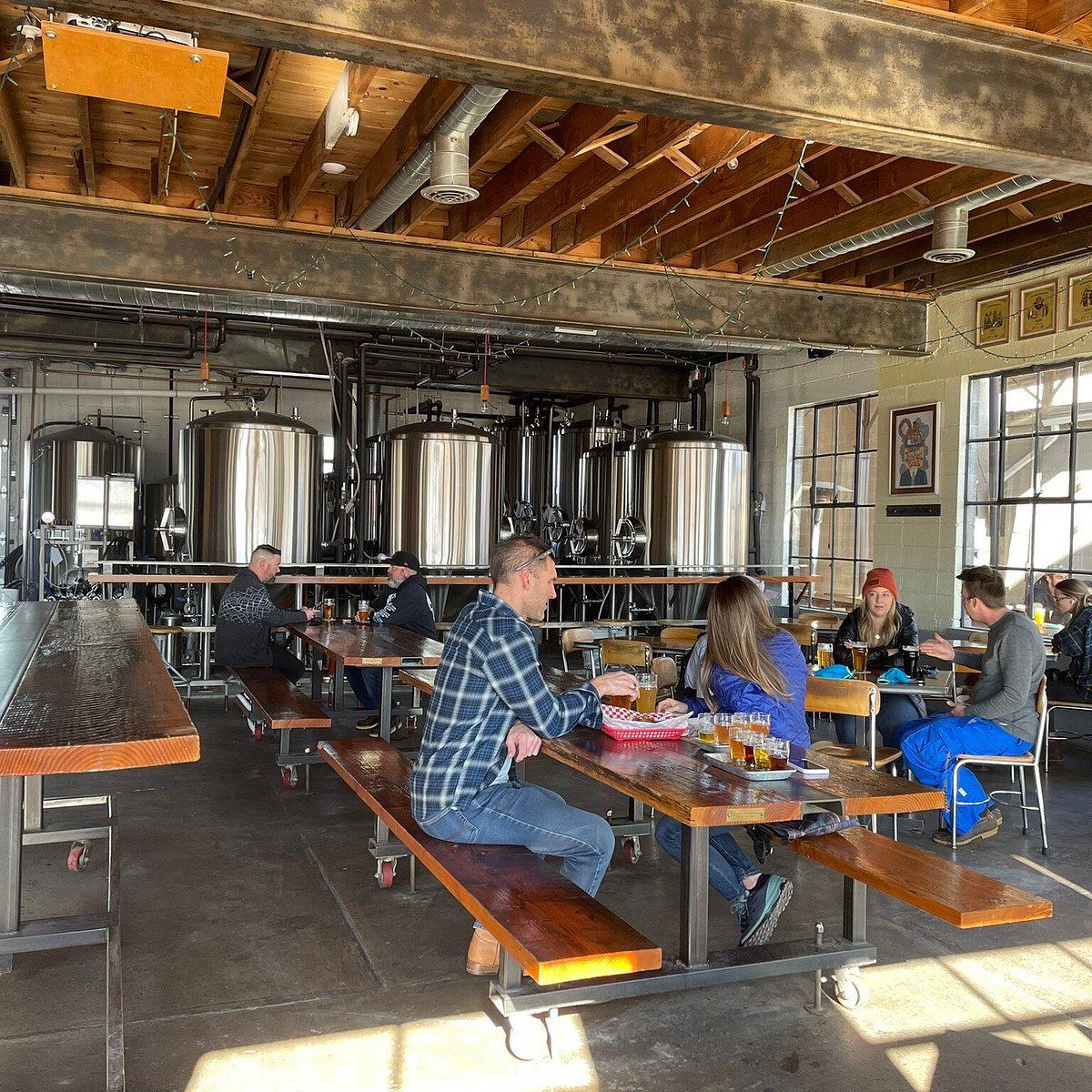
Beer in a City Built Around Abstinence
That context matters when assessing any Salt Lake City taproom, because the craft beer scene here has not grown in spite of those constraints so much as around them, producing a culture that is more considered, more locally rooted, and more technically focused than the permissive brewery markets of Denver or Portland.
Fisher Brewing Company, at 320 W 800 S, sits inside that story. The address places it in a part of Salt Lake City that has absorbed light industrial tenants for decades, and the building's character reflects that history. Arriving from the street, the scale is functional rather than theatrical: exposed structure, the low ambient hum of refrigeration equipment, the faint yeast-and-grain scent that trails through any working brewery's public space. These details signal that fermentation is happening on site.
The Industrial Aesthetic as Editorial Statement
Across American craft brewing, taproom design has split into two broad camps: the barn-conversion lifestyle venue angled at weekend families, and the stripped-back working brewery where the tank room is part of the visual field. Fisher belongs to the second category. Concrete floors, open ceilings, and the physical presence of production equipment communicate a priority order: the beer is the point, and the room exists to serve it. That approach puts Fisher in a comparable set closer to production-focused taprooms than to the hospitality-first brewpub format.
This matters for the visitor's expectations. The atmosphere is active rather than ambient. Conversation competes with the background noise of a facility that is actually running. The light is functional. Compared with the quieter, more designed-for-comfort bars elsewhere in Salt Lake City, such as Aker Restaurant & Lounge or the considered beverage program at Avenues Proper, Fisher occupies a different register. Neither is better. They serve different moods and different intentions.
Craft Beer Within Utah's Regulatory Reality
Since Utah raised its on-premise ABV limit from 3.2% to 5% in 2019 and subsequently aligned with federal standards for higher-strength beer on tap, the operational calculus for Salt Lake City breweries changed materially. The reform was not dramatic by national standards, but it removed a significant technical handicap that had forced local brewers to formulate around a threshold that most American drinkers did not recognize as a style category. For a brewery like Fisher, operating post-reform means the tap list can now reflect the full range of house production rather than a curated selection shaped by state-mandated ceilings.
That regulatory history explains something about the sensory register of the space. Utah's craft beer culture developed under conditions that rewarded technical precision and restrained formulation. Brewers who succeeded here learned to build flavor within limits, which tends to produce a clean, controlled approach to ingredients and process. The ambient character of a working taproom in this context, the smell of fresh grain, the visual presence of bright tanks, carries a specific kind of credibility that lifestyle-venue breweries in less constrained markets often cannot match because they have never needed the same degree of technical discipline.
Where Fisher Sits in the Salt Lake City Drinking Circuit
Salt Lake City's bar and brewery circuit has diversified considerably over the past decade. Bar Nohm represents the cocktail-focused end of the spectrum, while Beer Bar functions as a curation venue, aggregating regional and national taps rather than brewing in-house. Fisher's production model places it in a distinct position: the beer you drink here was made here, which gives the experience a directness that curation-only venues cannot replicate.
For visitors building a Salt Lake City drinking itinerary, Fisher works well as an early or mid-evening stop, when the production floor is visually active and the taproom is at mid-capacity. The atmosphere shifts as the evening progresses toward a louder, more social mode that is less suited to methodical tasting. Planning around that arc, which is common to most production taprooms regardless of city, makes the visit more productive.
Beyond Salt Lake City, the production taproom format shows up at different quality tiers across the country. ABV in San Francisco and Kumiko in Chicago operate in adjacent categories, where the physical environment of production or craft is part of what the guest is paying for. Further afield, Bar Leather Apron in Honolulu, Jewel of the South in New Orleans, Julep in Houston, Superbueno in New York City, and The Parlour in Frankfurt on the Main each anchor a distinct city's drinking identity, which is precisely the role Fisher plays in Salt Lake City's broader beverage map.
Planning Your Visit
Fisher Brewing is located at 320 W 800 S in Salt Lake City's lower west side, a district more accessible by car or rideshare than on foot from downtown hotels. Parking is available in the immediate area, which reflects the industrial neighborhood's infrastructure.
Same-City Peers
Comparable venues nearby, for context on price, style, and recognition.
| Venue | Cuisine | Price | Notes |
|---|---|---|---|
| Fisher Brewing CompanyThis venue — the venue you are viewing | beer_bar | $ | Not listed |
| From Scratch | pub | $ | Clark Learning Office Center |
| Beer Bar | beer_bar | $ | Clark Learning Office Center |
| Hamachi Sushi Bar | sake_bar | $$ | Central City |
| Bricks Corner | lounge | $$ | Liberty Wells |
| Ramen Ichizu Bar | Bar | $$ | Downtown |
Continue exploring
More in Salt Lake City
Bars in Salt Lake City
Browse all →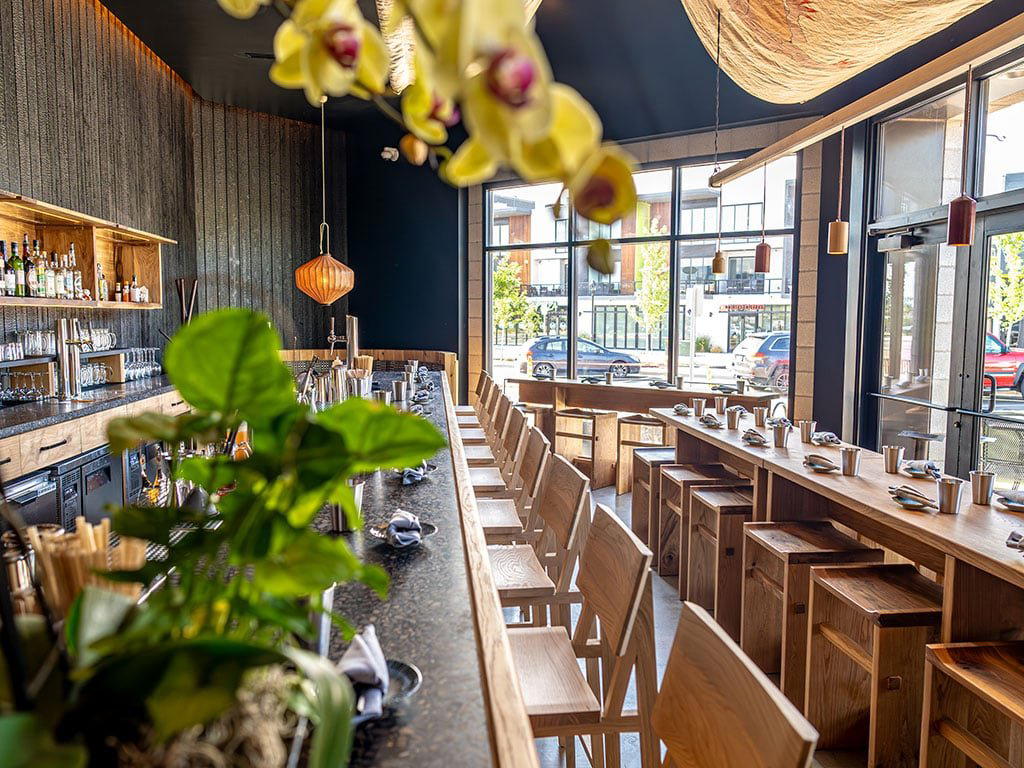
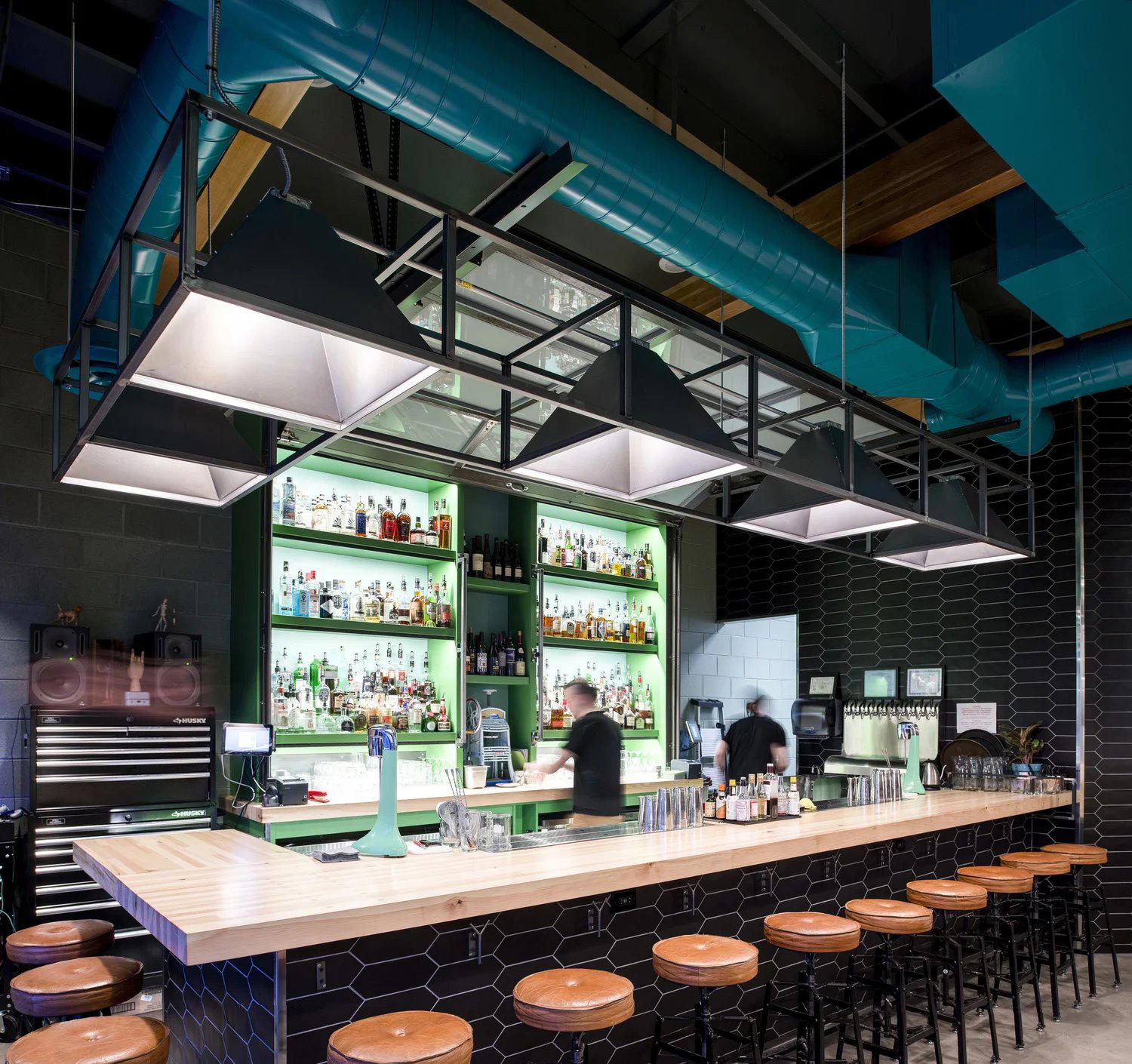
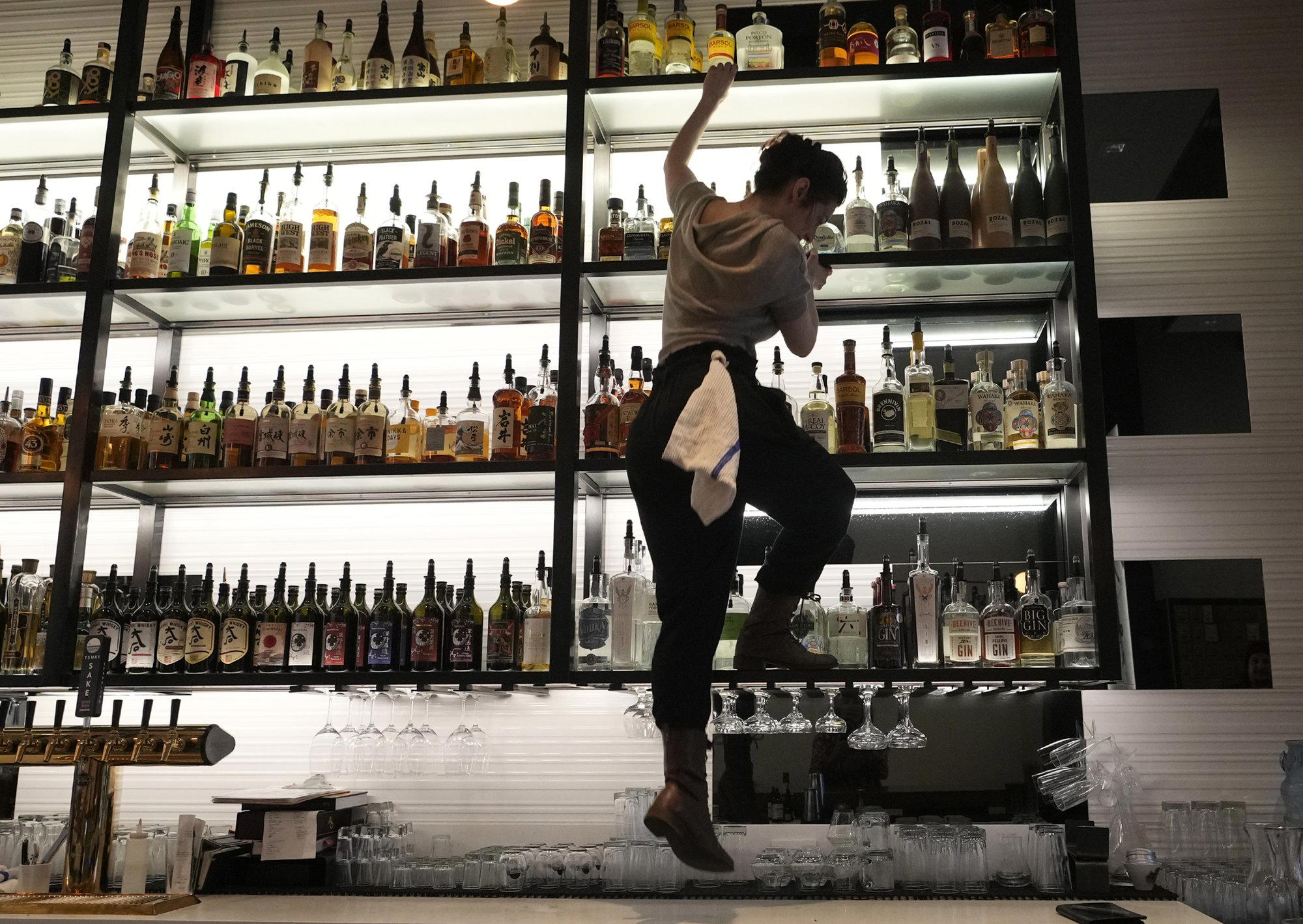
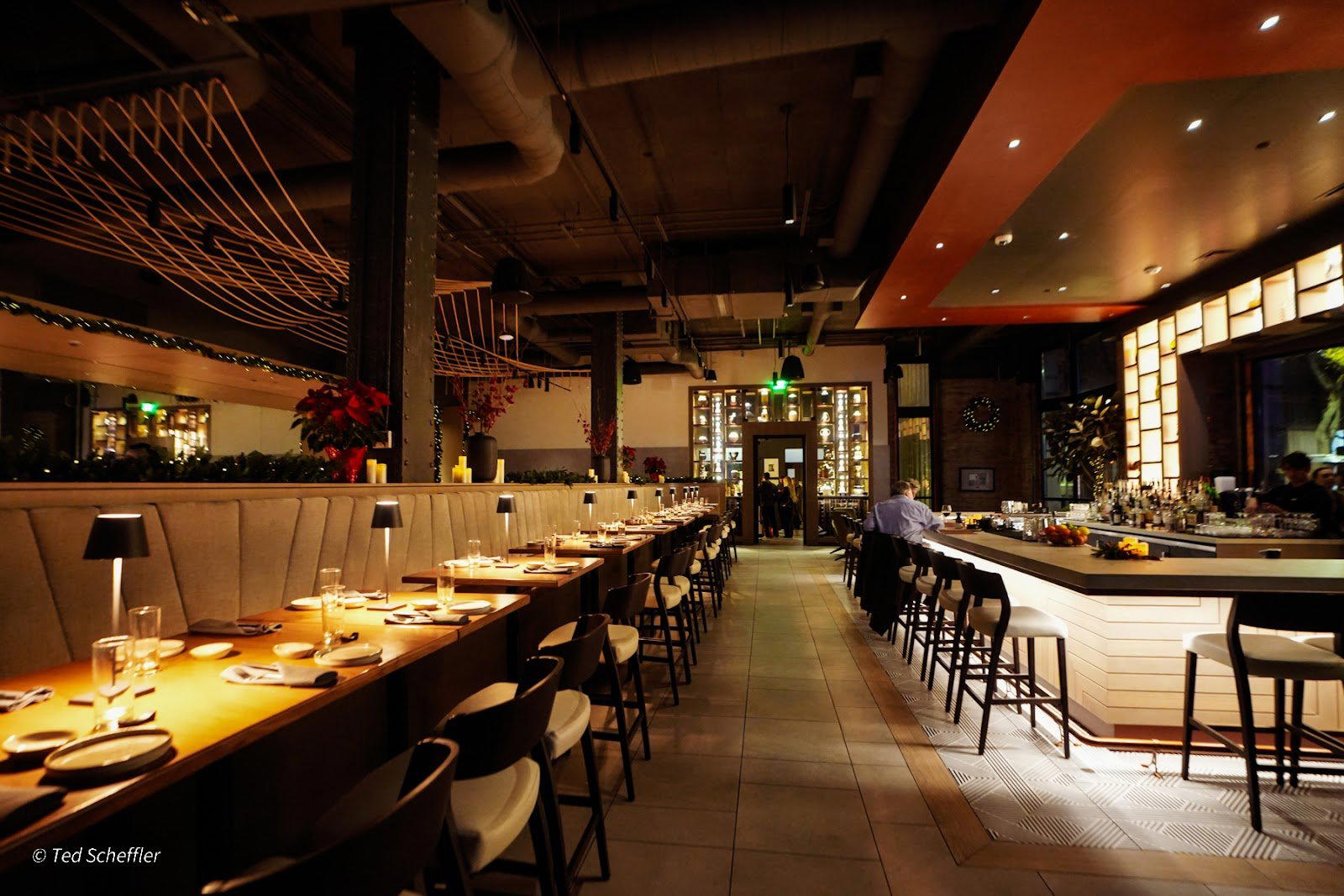
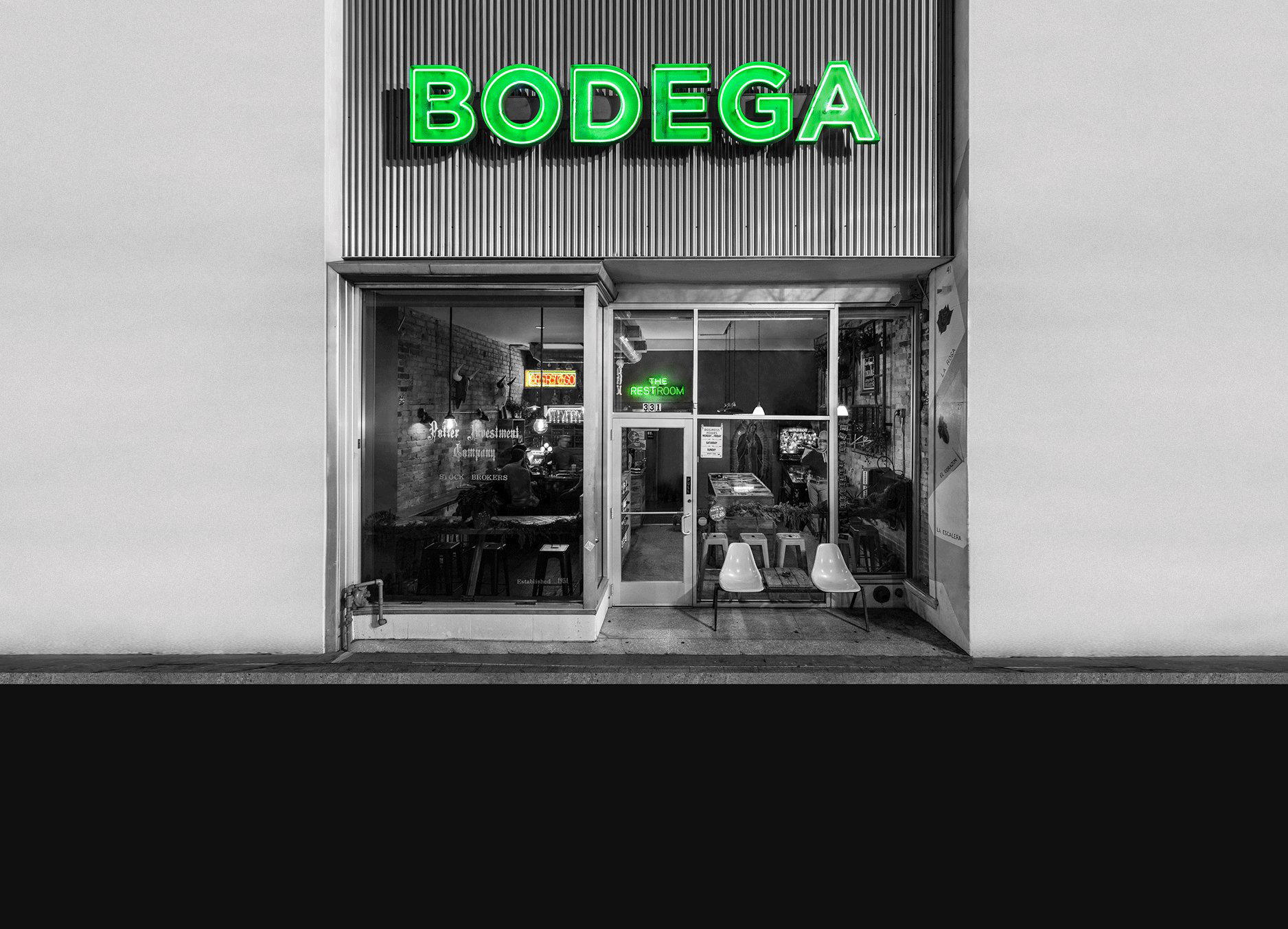
Restaurants in Salt Lake City
Browse all →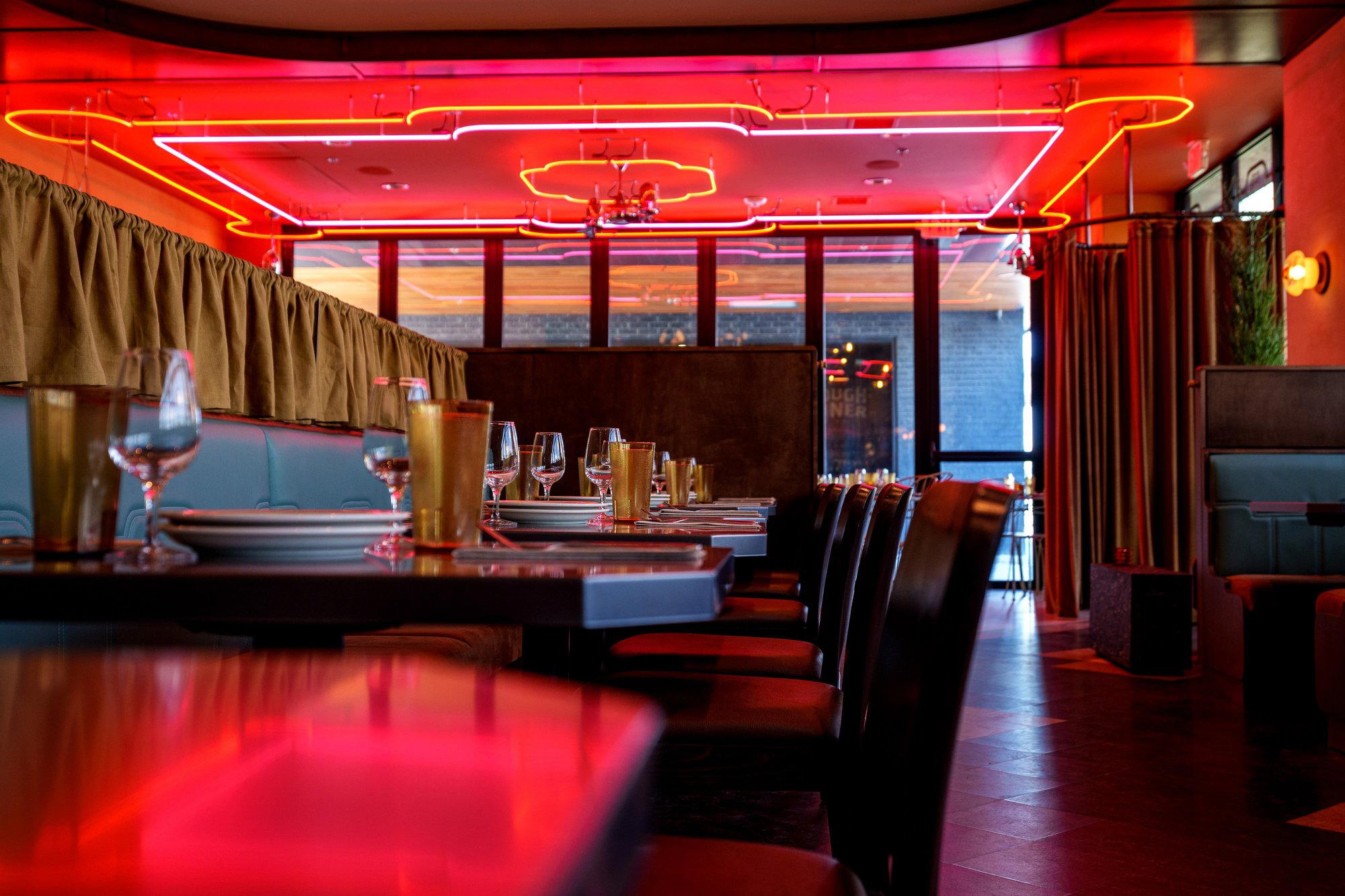
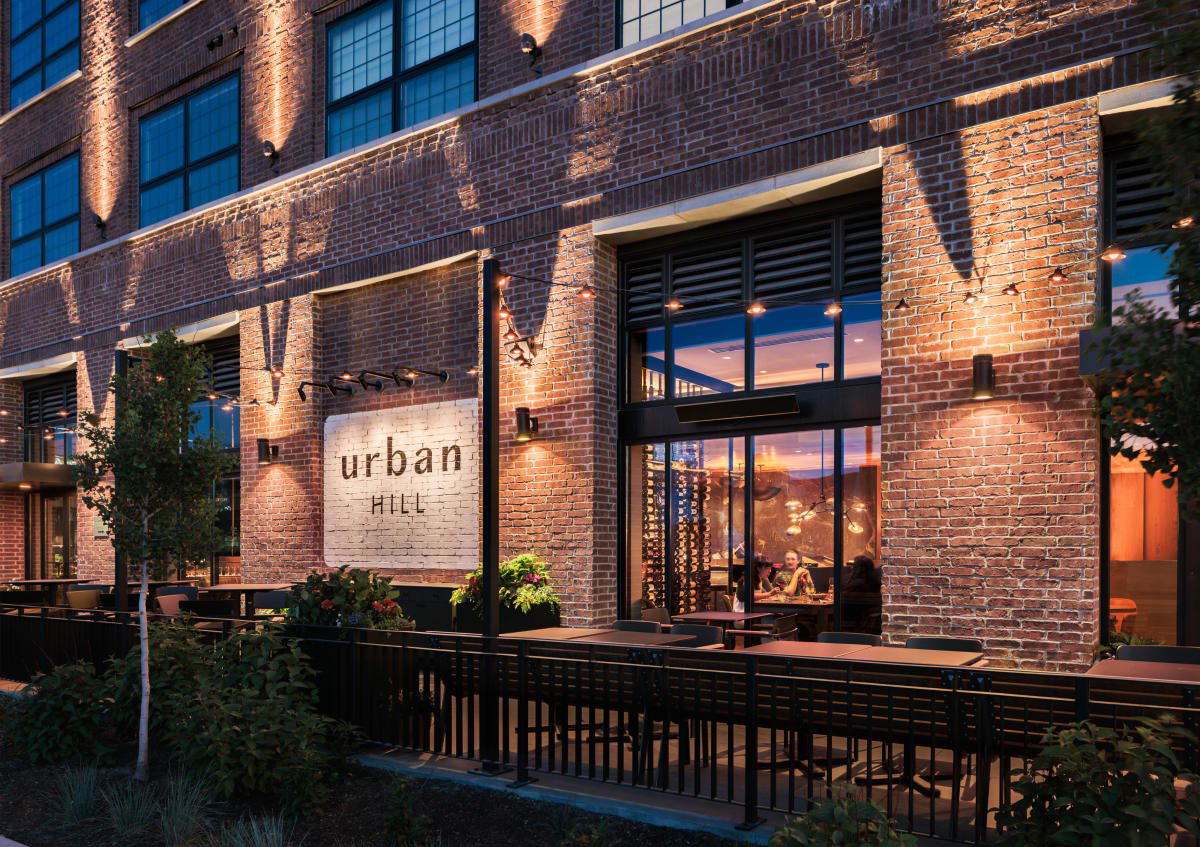
Hotels in Salt Lake City
Browse all →
Wineries in Salt Lake City
Browse all →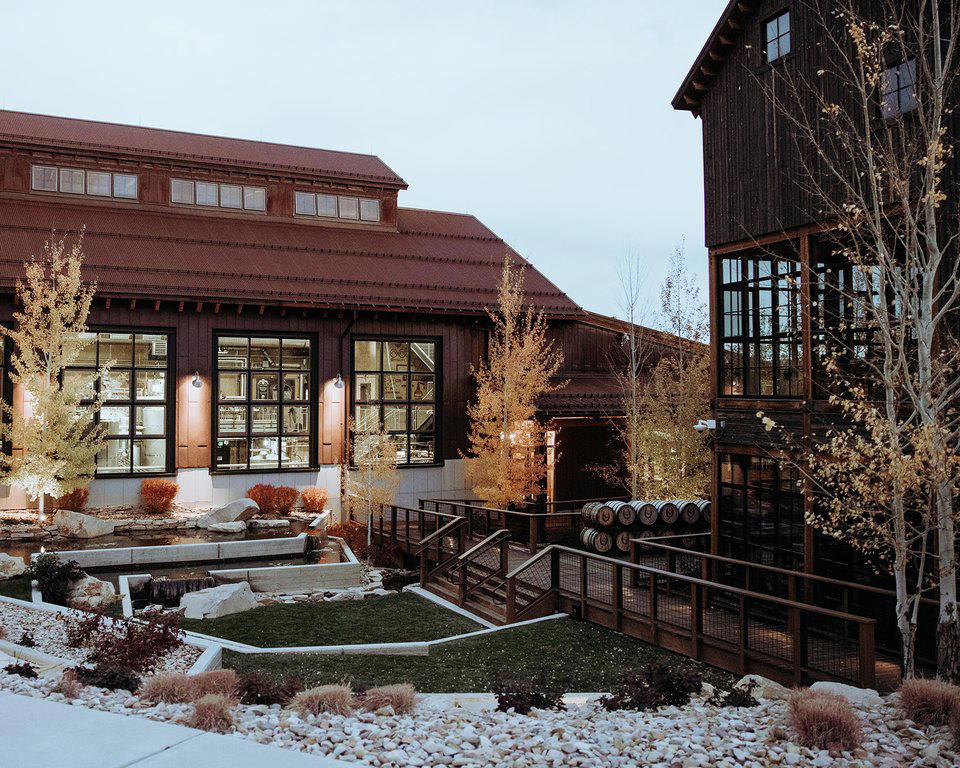
At a Glance
- Rustic
- Lively
- Industrial
- Cozy
- Casual Hangout
- Group Outing
- After Work
- Rooftop
- Beer Garden
- Historic Building
- Outdoor Terrace
- Seated Bar
- Communal Tables
- Craft Beer
- Mountain
Current opening hours
- Monday
- 11 AM–11 PM
- Tuesday
- 11 AM–11 PM
- Wednesday
- 11 AM–11 PM
- Thursday
- 11 AM–11 PM
- Friday
- 11 AM–12 AM
- Saturday
- 11 AM–12 AM
- Sunday
- 11 AM–10 PM
Hours can change for holidays and private events. Last verified .
Relaxed taproom atmosphere with indoor/outdoor seating, mountain views from the rooftop patio, and a community-focused vibe enhanced by food trucks.