Sugar House Station
The bar draws from the neighbourhood's mixed character, part residential, part indie-commercial, and positions itself within a city still defining what serious cocktail culture looks like beyond the Wasatch Front's beer-first identity.

Pearl is the En Primeur Club membership app, where members save venues, book tables and use the concierge.
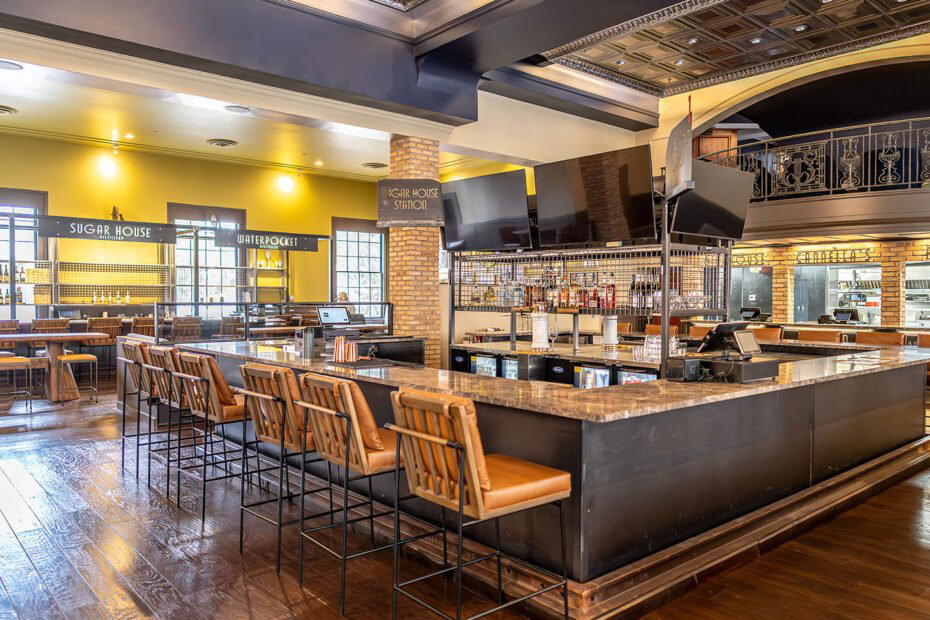
That distinction matters in Salt Lake City's bar scene, where the geography of quality has historically clustered around Downtown and the 9th and 9th pocket. Sugar House represents a third current, one where operators have room to build something slower and more considered. The city's regulatory framework around alcohol, which loosened meaningfully with Utah's 2019 reform eliminating the private club membership requirement, created conditions for this kind of neighbourhood-level bar development to take root. Sugar House Station is a product of that post-reform window.
Where Sustainability Meets the Back Bar
The conversation around ethical sourcing and waste reduction in craft cocktail programs has moved well past trend status. At bars like Kumiko in Chicago and Jewel of the South in New Orleans, the question of where ingredients come from and what happens to the byproduct has become a structural part of menu development rather than a marketing footnote. Salt Lake City is not immune to that shift, and Sugar House Station's position in a neighbourhood with a pronounced independent and locally-minded commercial character places it inside that broader movement.
Waste-conscious bar programs tend to share certain operational signatures: house-made syrups built from fruit trim and citrus peel, spirits sourced from regional distilleries with shorter supply chains, and a preference for seasonal ingredients that limits the carbon cost of transport. Utah has a growing craft distillery sector, with producers like High West and Beehive Distilling offering local sourcing options that give bartenders a more transparent ingredient story. A bar operating in Sugar House, where the customer base skews toward residents rather than tourists, has particular incentive to build those sourcing relationships, the neighbourhood audience notices and remembers.
This also shapes what ends up in the glass. Menus oriented around low-waste techniques, clarified juices, preserved citrus, fermented syrups, tend to produce drinks with more textural and flavour complexity than those built on commercial mixers and pre-made sour mixes. It is a functional argument for sustainability that goes beyond ethics: the waste-reduction approach often produces a better drink. Bars such as ABV in San Francisco and Bar Leather Apron in Honolulu have demonstrated that this operational philosophy is compatible with serious critical recognition, and the model translates to mid-sized cities where ingredient sourcing at a local scale is often more achievable than in dense urban markets. The physical approach to Sugar House Station is consistent with that texture: a neighbourhood bar environment rather than a destination venue engineered for first impressions from ride-share drop-offs. That positioning is a choice. Bars that depend on neighbourhood regulars build differently from those angled at occasion dining or tourist capture.
The Salt Lake City cocktail scene, taken as a whole, has developed a small cohort of technically serious programs running alongside the city's much larger and longer-established craft beer infrastructure. Beer Bar represents that beer-first tradition explicitly; Avenues Proper bridges the two categories with a mixed beer and cocktail program. Nearby operators like Aker Restaurant and Lounge and Bar Nohm round out a city drinking scene that has become genuinely pluralistic in its formats and approaches.
Nationally, the movement toward transparency in bar programs, who grew what, which distillery processed it, what happens to the citrus after service, has reached the point where it functions as a soft signal of seriousness rather than a novelty pitch. Julep in Houston and Superbueno in New York City each demonstrate how a coherent sourcing philosophy can give a program a distinct editorial identity without requiring a marquee chef or a Michelin adjacency. The Parlour in Frankfurt shows that the same logic travels internationally. Sugar House Station sits within that current at the local scale. Visitors coming from Downtown Salt Lake City should allow approximately 15 to 20 minutes by car. Given the bar's neighbourhood orientation rather than tourist-facing positioning, weekday evenings tend to offer a more relaxed version of the experience than Friday and Saturday, when the Sugar House residential crowd is thickest. Consulting the venue directly for current hours before visiting is advisable, as the bar's operating schedule is not confirmed in public databases at the time of publication. For a broader sense of where Sugar House Station sits within the city's drinking options, the full Salt Lake City restaurants and bars guide maps the complete picture across neighbourhoods and formats.
Cuisine and Awards Snapshot
| Venue | Cuisine | Price | Awards |
|---|---|---|---|
| Sugar House StationThis venue (the venue you are viewing) | This venue | $20–30 | Not listed |
| Hamachi Sushi Bar | Not listed | $30–50 | Not listed |
| VENETO Ristorante Italiano | Not listed | $50–100 | Wine Spectator Best of Award of Excellence |
| Bricks Corner | Not listed | $20–30 | Not listed |
| Epic Brewing Company | Not listed | $10–20 | Not listed |
Continue exploring
More in Salt Lake City
Bars in Salt Lake City
All bars in Salt Lake City →
Restaurants in Salt Lake City
All restaurants in Salt Lake City →
Hotels in Salt Lake City
All hotels in Salt Lake City →
Wineries in Salt Lake City
Browse all →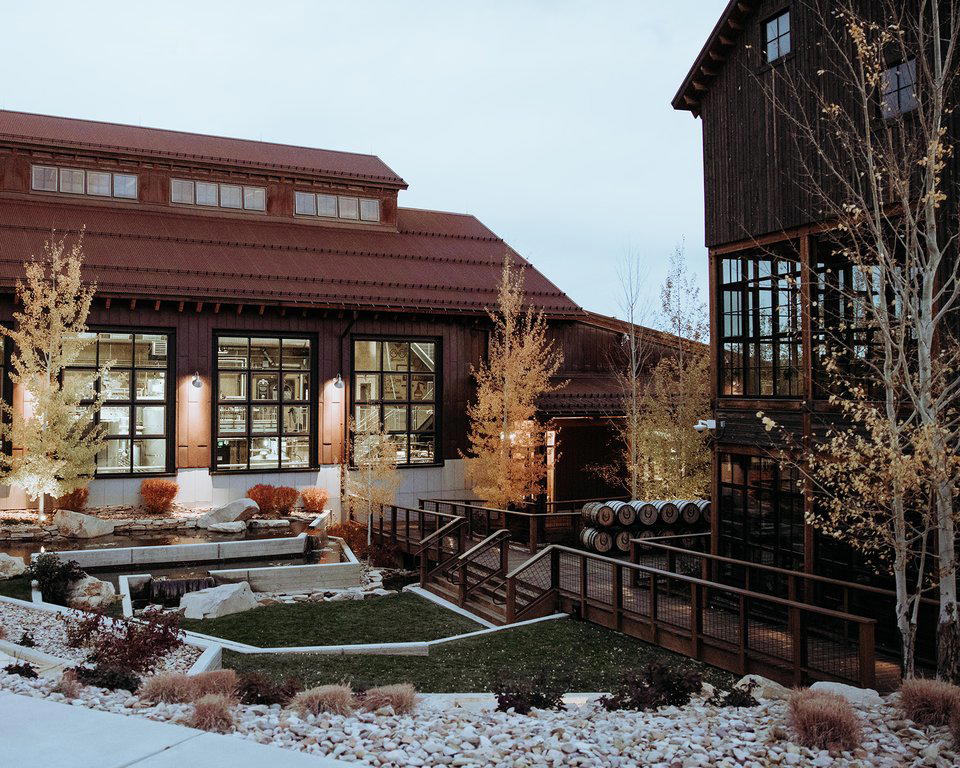
Details
- Lively
- Trendy
- Historic
- Industrial
- Group Outing
- Casual Hangout
- After Work
- Historic Building
- Lounge Seating
- Booth Seating
- Communal Tables
- Craft Cocktails
- Conventional Wine
- Craft Beer
Current opening hours
- Monday
- 8 AM–10 PM
- Tuesday
- 8 AM–10 PM
- Wednesday
- 8 AM–10 PM
- Thursday
- 8 AM–10 PM
- Friday
- 8 AM–12 AM
- Saturday
- 8 AM–12 AM
- Sunday
- 12–8 PM
Hours can change for holidays and private events. Hours as of .
Beautifully re-imagined historic space with preserved features, offering a social and energetic atmosphere across a 10,000 sq ft ground floor.