Tea Master Matcha Cafe and Green Tea Shop
In Little Tokyo, Tea Master Matcha Cafe and Green Tea Shop at 450 E 2nd St occupies a small but deliberate place in Los Angeles's Japanese tea scene. The cafe focuses on matcha and green tea in a neighborhood where the ingredient has cultural weight, not just trend appeal. For those tracing how Japanese tea culture has taken root in Southern California, this is a considered stop.
 Discover on Pearl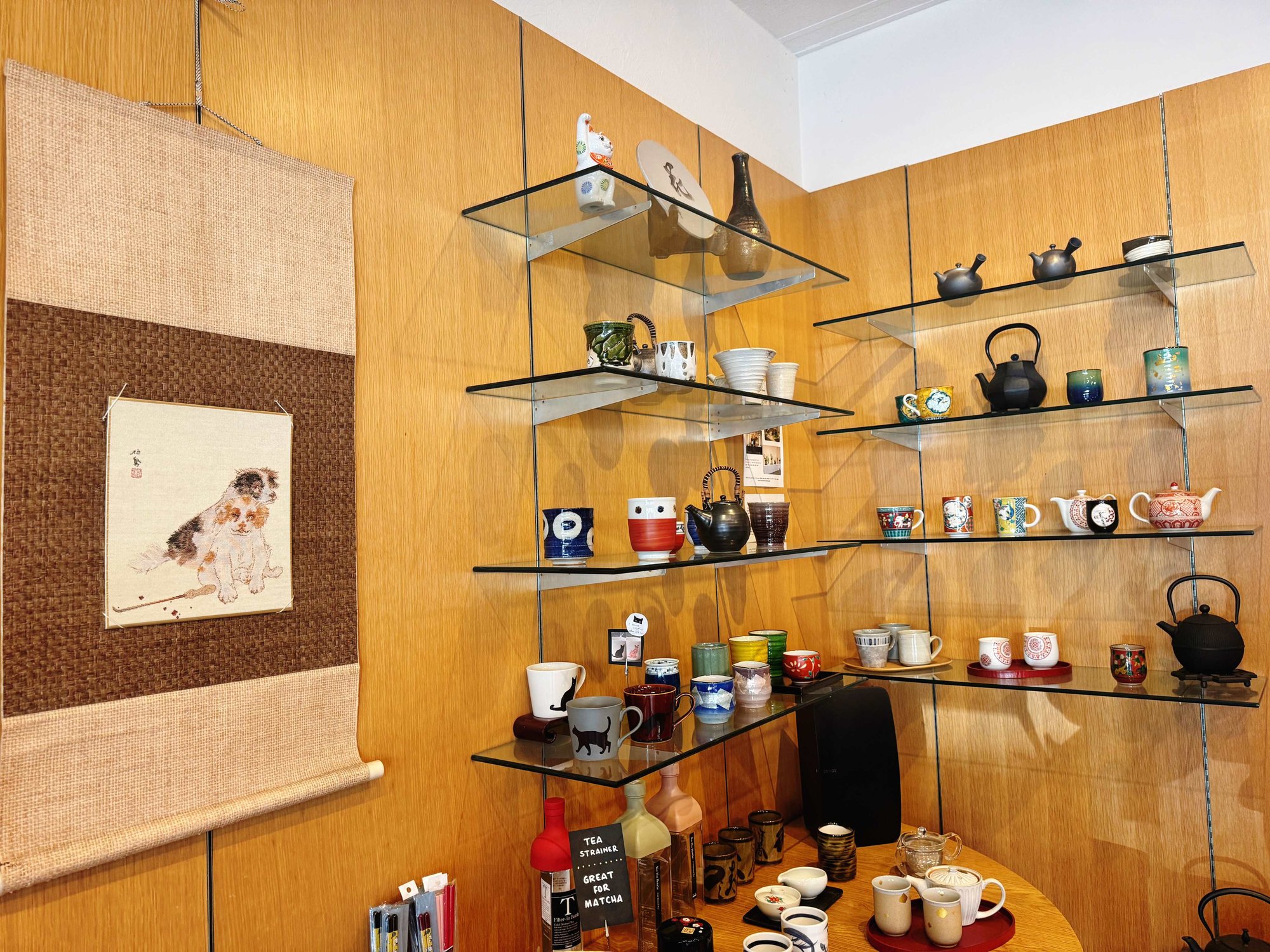
Little Tokyo's Green Tea Counter, in Context
Walk east on 2nd Street through Little Tokyo and the shift in register is immediate. The blocks around the Japanese American National Museum carry a density of food and drink businesses that skew toward cultural authenticity over glossy concept. Tea Master Matcha Cafe and Green Tea Shop sits at 450 E 2nd St within this corridor, a location that matters. In Los Angeles, where matcha has been absorbed into smoothie chains and brunch menus across the Westside, Little Tokyo remains the neighborhood where the ingredient is treated as a staple rather than a novelty. The cafe operates within that tradition.
Matcha's move into mainstream American cafe culture over the past decade has produced a wide spectrum of quality and seriousness. At one end, ceremonial-grade powder is whisked carefully and served without sweetener; at the other, matcha flavoring is added to blended drinks that bear little relationship to the source ingredient. Specialty tea rooms operating in established Japanese-American communities tend to land closer to the former end, and the cultural environment of Little Tokyo functions as a natural filter. Venues in this neighborhood answer to a community with generational familiarity with tea, not just to Instagram trends.
The Cultural Weight Behind Matcha in a Diaspora Neighborhood
Japanese green tea culture in the United States has two distinct histories running in parallel. The first belongs to Japanese-American communities that brought tea traditions across the Pacific generations ago and preserved them through internment, relocation, and rebuilding. Little Tokyo in Los Angeles is one of the oldest and most continuous of those communities. The second history is the recent wave of matcha's adoption into broader American food culture, accelerating from around 2015 onward as specialty coffee shops added it to menus and wellness culture claimed it as an antioxidant-rich alternative to caffeine.
These two histories create very different consumer relationships with the same ingredient. In the diaspora context, matcha preparation carries associations with seasons, ceremonies, and specific regional tea traditions from Japan. The Uji region near Kyoto produces the most prized ceremonial-grade matcha, characterized by a deep umami base and a vivid green color that results from shading the tea plants before harvest. In the broader California cafe context, matcha is often one menu item among many, purchased in bulk and prepared without particular regard for grade or origin. Tea-focused operations in Little Tokyo occupy a different position: they serve a community that can tell the difference.
This is the cultural frame in which Tea Master operates. Its presence in Little Tokyo places it within the first of those two histories, even as it operates in a city where the second history is louder and more commercially dominant. For a visitor, that distinction shifts what to expect from the experience.
Matcha Cafes in Los Angeles: Where the Tiers Sit
Los Angeles's specialty tea scene has expanded considerably, but it remains less structured as a category than its coffee counterpart. A handful of Japanese-focused tea rooms cluster in Little Tokyo and the broader Eastside, while Korean-influenced tea cafes have built a separate following in Koreatown and along the Wilshire corridor. The bars in the city's cocktail scene have absorbed tea as an ingredient too: spots like Bar Next Door, Death & Co (Los Angeles), and Mirate all operate in a city where tea flavors appear in serious cocktail programs. The Standard Bar represents the broader hospitality context in which specialty ingredients, including tea, are now expected to carry genuine provenance.
For a fuller picture of where Tea Master sits within Los Angeles's wider dining and drinking ecosystem, our full Los Angeles restaurants guide maps the city's key neighborhoods and category leaders. Internationally, the tea-informed cocktail and cafe scene has its own specialists: Kumiko in Chicago has built a nationally recognized program around Japanese spirits and tea-adjacent ingredients, while Bar Leather Apron in Honolulu operates in a Pacific context where Japanese cultural influence runs deep. Jewel of the South in New Orleans, Julep in Houston, Superbueno in New York City, ABV in San Francisco, and The Parlour in Frankfurt on the Main each represent how seriously specialty beverage culture is developing across cities with different culinary traditions.
Within Los Angeles's tea-specific tier, the relevant peer set is small: a handful of operations in Little Tokyo and adjacent neighborhoods where Japanese tea preparation is the main event rather than a supporting ingredient. Tea Master's address places it squarely in that peer set.
What to Know Before You Visit
Little Tokyo is most easily reached from Downtown Los Angeles, and parking in the neighborhood is typically managed through the adjacent structures on 2nd and 1st streets. The area draws weekend foot traffic from across the city, particularly around the Weller Court and Japanese Village Plaza complex, which means weekday visits tend to be quieter. The 2nd Street corridor specifically has a concentration of food and drink options that make it a reasonable destination for a longer afternoon rather than a single stop.
Tea Master's focus on matcha and green tea means the menu is narrow by design. This is not a full-service cafe in the broad American sense; it functions as a specialist operation within a neighborhood that supports that format. Visitors expecting a wide food menu alongside tea options should calibrate expectations accordingly. The value here is in the specificity of the ingredient focus and the cultural context of the location.
Quick Comparison: Japanese Tea-Focused Stops in Los Angeles vs. Peers
| Venue | Location | Focus | Setting |
|---|---|---|---|
| Tea Master Matcha Cafe | Little Tokyo, LA | Matcha and green tea specialist | Neighborhood cafe |
| Kumiko (Chicago) | West Loop, Chicago | Japanese spirits and tea-adjacent cocktails | Destination bar |
| Bar Leather Apron (Honolulu) | Downtown Honolulu | Craft cocktails, Pacific context | Award-recognized bar |
| ABV (San Francisco) | Mission, SF | Craft cocktails, specialist spirits | Neighborhood bar |
Frequently Asked Questions
- Is Tea Master Matcha Cafe and Green Tea Shop more low-key or high-energy?
- The Little Tokyo neighborhood on 2nd Street reads as deliberately low-key relative to Los Angeles's louder dining corridors. A specialist tea cafe in this context, without a broad food menu or a cocktail program, sits firmly in the low-key tier. There are no awards in the public record that would signal destination-level prestige, and the price range is not listed, but the format and neighborhood suggest an approachable, focused stop rather than a scene-driven venue.
- What is the signature drink at Tea Master Matcha Cafe and Green Tea Shop?
- Specific menu items are not confirmed in available data. Given the cafe's name and Little Tokyo location, matcha-based preparations are the organizing principle of the menu. Visitors interested in the full range of offerings should check current listings directly. The cultural context of the neighborhood suggests the matcha here is treated as the primary subject, not a flavoring agent.
- What is Tea Master Matcha Cafe and Green Tea Shop known for?
- Tea Master is known for its focused green tea and matcha offering within Little Tokyo, a neighborhood in Los Angeles with one of the strongest Japanese-American cultural presences in the continental United States. In a city where matcha has become widespread but often diluted, a specialist tea cafe in this neighborhood carries a different orientation toward the ingredient. There are no formal awards on record, but location alone places it within a peer set defined by cultural authenticity rather than hospitality prestige.
- Is Tea Master Matcha Cafe a good option for someone exploring Japanese tea culture for the first time?
- A specialist matcha cafe in Little Tokyo offers a more culturally grounded introduction to Japanese green tea than a mainstream café menu would. The neighborhood itself provides additional context: the Japanese American National Museum is nearby on 1st Street, and the surrounding businesses reflect a community with deep ties to Japanese food traditions. For a first encounter with matcha treated as a serious ingredient rather than a trend item, this location and format make it a practical starting point.
Side-by-Side Snapshot
A quick context table based on similar venues in our dataset.
| Venue | Cuisine | Price | Awards | Notes |
|---|---|---|---|---|
| Tea Master Matcha Cafe and Green Tea Shop | This venue | |||
| Mirate | World's 50 Best | |||
| Redbird Bar | ||||
| Bar Next Door | World's 50 Best | |||
| Death & Co (Los Angeles) | World's 50 Best | |||
| Standard Bar | World's 50 Best |
Need a Table?
Our members enjoy priority alerts and concierge-led booking support for the world's most difficult bars and lounges.
Get Exclusive Access