Sushi Yoshi
Sushi Yoshi sits on Artesia Boulevard in Torrance, a corridor that has quietly accumulated some of the South Bay's most serious Japanese dining. Positioned within a neighborhood where izakaya counters and ramen shops set the baseline, this spot draws regulars who come for focused Japanese preparation rather than spectacle. Check directly for current hours and booking availability before visiting.
Pearl is the En Primeur Club membership app — saves, bookings, and concierge access live there. Same editors, same standards.
- Address
- 2140 Artesia Blvd H, Torrance, CA 90504
- Phone
- +1 310 538 2018
- Directions
- Get directions
 Saves & bookings on Pearl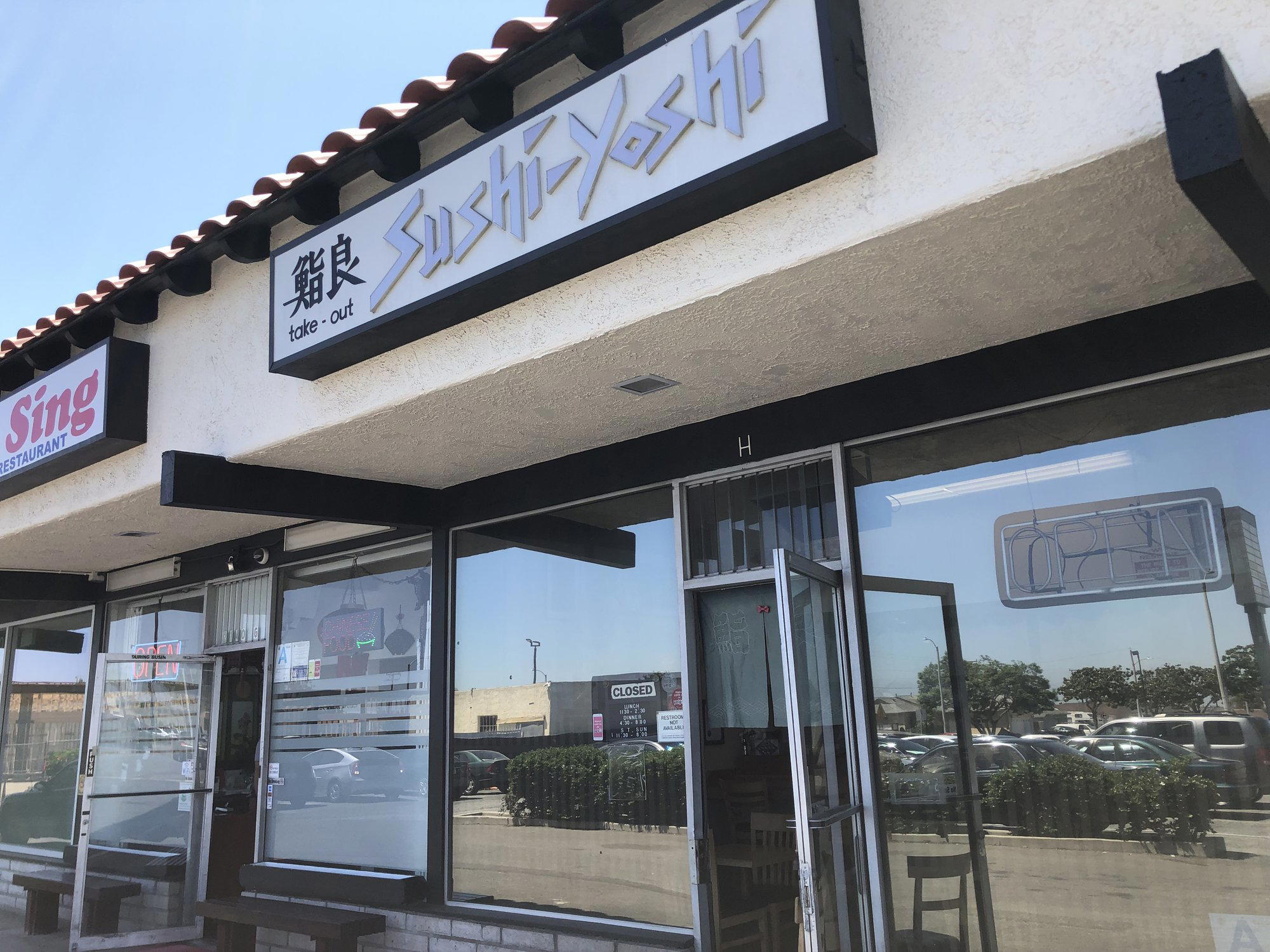
Artesia Boulevard and the South Bay's Japanese Dining Corridor
Torrance has developed one of the more concentrated Japanese dining scenes in Southern California, a product of the area's longstanding Japanese-American community and the commercial corridors that grew alongside it. Artesia Boulevard, where Sushi Yoshi operates at 2140 Artesia Blvd, sits inside that fabric. The stretch functions less like a destination dining strip and more like a working neighborhood where restaurants earn loyalty through consistency rather than visibility. That context matters when assessing what draws people to a counter like this one.
The South Bay's Japanese restaurant density distinguishes it from most American cities. Where other metros might have a handful of credible sushi operations spread across a metropolitan area, Torrance concentrates them at a neighborhood scale. Nearby, Ise-Shima Restaurant represents an older generation of Japanese dining in the area, while Izakaya Hachi occupies the more social, drink-forward end of the spectrum. Josui Ramen anchors the bowl-and-broth side of the same corridor. Sushi Yoshi operates within this competitive local context, where the customer base has genuine reference points for what good Japanese preparation looks like.
What the Craft Behind the Counter Signals
In Japanese restaurant culture, the counter is a place of deliberate communication between the person preparing and the person receiving. That format, whether at a sushi bar or an izakaya pass, carries implications for how hospitality is delivered. The bartender's or chef's craft at this scale is not a performance staged for a dining room — it is a direct transaction. Regulars at neighborhood counters in Torrance tend to develop a working relationship with the person behind the bar or board over repeated visits, which is how loyalty builds in this category.
The craft-focused bar and counter tradition has seen significant investment across American cities in recent years. Programs at venues like Kumiko in Chicago and Bar Leather Apron in Honolulu have demonstrated that rigorous hospitality philosophy and technical discipline can coexist at the neighborhood scale — these are not exclusively the domain of high-volume hotel bars or trophy destinations. Jewel of the South in New Orleans, Julep in Houston, and ABV in San Francisco each show how a focused hospitality approach defines the experience more than format or price point. The same logic applies at the sushi counter: training, consistency, and attentiveness to the guest translate regardless of setting.
Across the Pacific Rim cities that influence Torrance's food culture, the counter format is understood as a relationship between host and guest that develops over time. For visitors to Sushi Yoshi, that means the experience rewards repeat visits and a willingness to follow the lead of whoever is working the counter that evening.
Placing Sushi Yoshi in the Torrance Dining Conversation
Torrance's Japanese dining scene divides roughly into three tiers: the formal, often omakase-forward operations that draw destination diners from across LA County; the mid-level neighborhood specialists that serve a regular local clientele; and the casual counter spots where value and reliability are the primary draw. A venue on Artesia Boulevard at a strip-mall address occupies the middle-to-casual end of that range by default, which shapes appropriate expectations. That is not a criticism, some of the most consistent Japanese cooking in Los Angeles County happens at exactly this address type, where overhead is controlled and the kitchen's energy goes toward the food rather than the fit-out.
Programs like Superbueno in New York City, Allegory in Washington, D.C., and The Parlour in Frankfurt on the Main each demonstrate that the physical setting tells you less about the quality of what you'll receive than the discipline and focus of the people running the program. That principle applies here. The Artesia Blvd address positions Sushi Yoshi within a neighborhood-first dining culture where regulars, not tourists, determine longevity.
For a broader view of the area's options, the full Torrance restaurants guide maps the corridor's Japanese dining alongside other categories worth exploring in the South Bay.
Planning Your Visit
The address, 2140 Artesia Blvd H, Torrance, CA 90504, places the restaurant in a strip-mall format that is standard for the corridor. Suite H suggests a multi-unit commercial building, so look for the unit designation when arriving rather than a standalone storefront. Torrance is accessible by car from central LA in approximately 30 to 45 minutes depending on traffic, and street-level and lot parking is generally available along Artesia Boulevard. Call ahead or search for current hours, as neighborhood Japanese restaurants in this tier often keep hours that reflect owner-operator schedules rather than standardized service windows.
Continue exploring
More in Torrance
Bars in Torrance
Browse all →
Restaurants in Torrance
Browse all →
Hotels in Torrance
Browse all →
Wineries in Torrance
Browse all →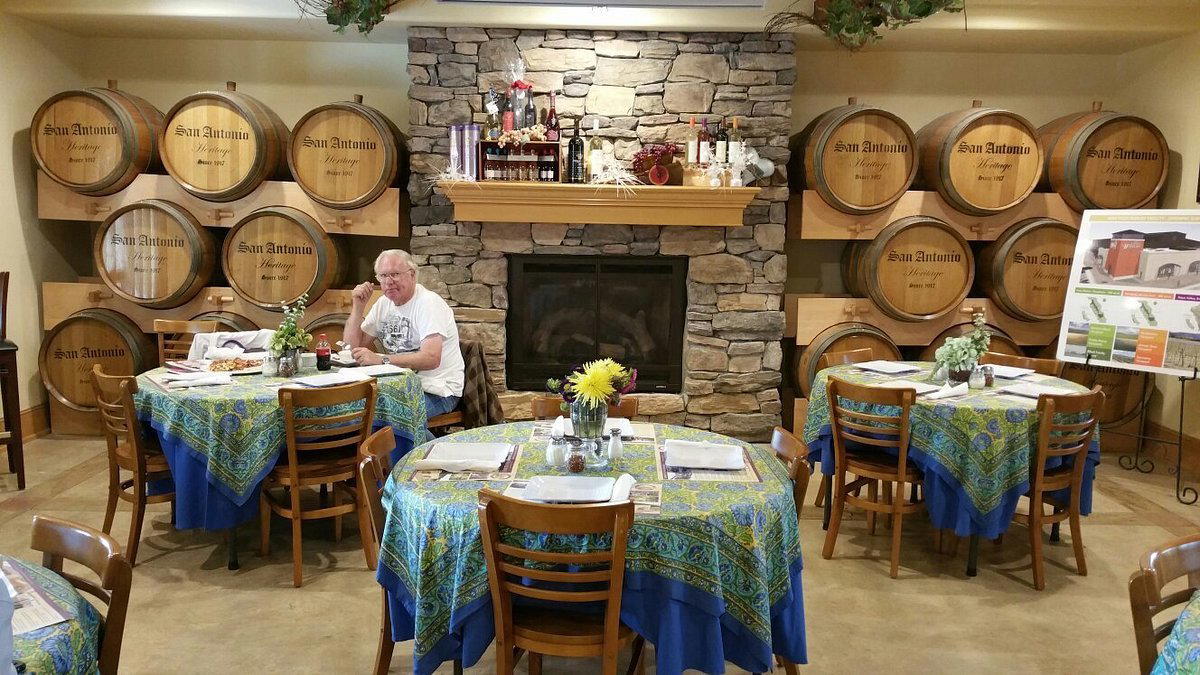
At a Glance
- Classic
- Casual Hangout
- Standalone
- Counter Only
- Seated Bar
- Sake
Current opening hours
- Monday
- 11:30 AM–2:30 PM, 4:30–7:30 PM
- Tuesday
- 11:30 AM–2:30 PM, 4:30–7:30 PM
- Wednesday
- 11:30 AM–2:30 PM, 4:30–7:30 PM
- Thursday
- 11:30 AM–2:30 PM, 4:30–7:30 PM
- Friday
- 11:30 AM–2:30 PM, 4:30–7:30 PM
- Saturday
- 11:30 AM–7:30 PM
- Sunday
- 11:30 AM–7:30 PM
Hours can change for holidays and private events. Last verified .
Casual strip mall sushi bar with a small five-seat bar decorated with Dodger bobbleheads, creating a local, no-frills atmosphere.
Know Before You Go
- Getting there
- 2140 Artesia Blvd H, Torrance, CA 90504